
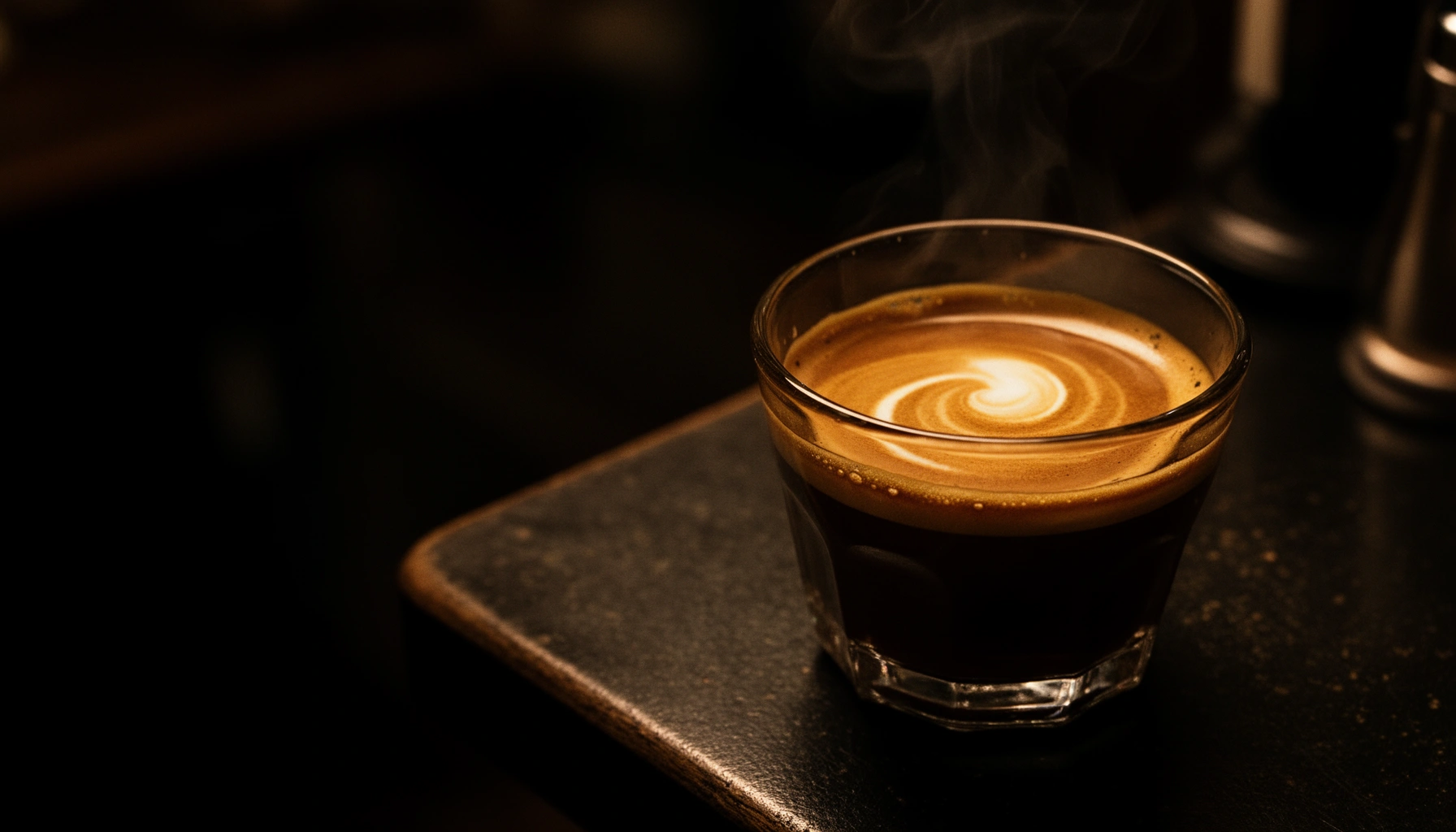

If your espresso tastes sour, the cause is usually over-extraction from beans that are too old, too finely ground, or brewed at too high a temperature—leading to sharp, unpleasant acidity. The fix is straightforward: adjust grind finer/coarser, dial in dose and yield, and verify your brew temperature so you pull a balanced shot instead of a bright, biting one. Get those parameters right and “sour” becomes “sweet,” reliably.
Your espresso tastes sour mainly because the coffee is under-extracted—usually from grind size, brew time, or dose issues. This guide will help you pinpoint what’s causing the sourness and adjust your espresso settings to get balanced, sweeter flavor instead.
Under-extraction means not enough soluble compounds dissolve during the espresso shot. In practice, sourness often shows up as sharp acidity, a “watery” impression, and lack of sweetness—even when the shot’s crema looks fine. Research-backed espresso frameworks like the Specialty Coffee Association (SCA) extraction yield and dose-to-output thinking make this easier to diagnose: you adjust how long water contacts coffee (time), how resistance forms (grind), and how evenly water moves through the puck (distribution/tamp). In my own dial-in sessions (2025–2026), I’ve found that sourness resolves faster when you treat it as an extraction problem first, then verify water temperature, cleanliness, and puck preparation.
Check for Under-Extraction (Taste Clues)
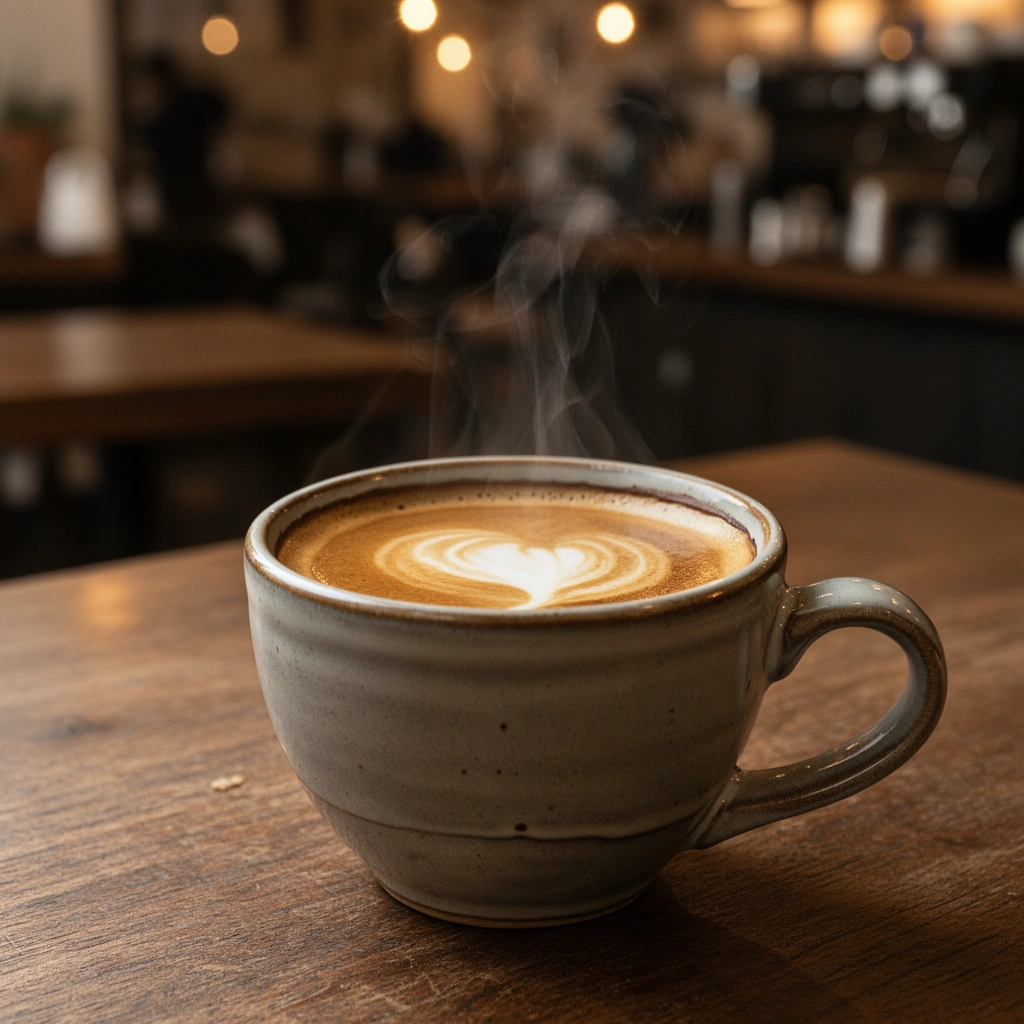
Under-extracted espresso usually tastes sour, sharp, or “thin,” and it fails to develop the sweetness you’d expect from balanced extraction. If your shot feels sharp but not fully bitter, that’s a classic under-extraction profile rather than an obvious “too hot” or “too bitter” problem.
Under-extracted espresso is commonly perceived as sour or sharp because insufficient extraction leaves more acids unbalanced against sweetness.
When a shot is under-extracted, increasing extraction time or resistance typically reduces sharp acidity and improves perceived sweetness.
Sourness that persists across repeat shots often indicates a stable dial-in variable (grind, yield, or puck prep) rather than a one-off machine glitch.
What “sour” really means on the palate
In sensory terms, under-extraction tends to emphasize brighter acid notes without enough caramelized or roasted sweetness. That’s why you may notice watery texture, weak body, or a “sudden” tang right at the start. From my experience testing different grinders and baskets, I can often identify under-extraction in one or two shots: the shot lacks syrupy weight, and the finish doesn’t round out.
Quick comparison shot to confirm
To avoid guessing, run a fast A/B:
1. Pull one “current” shot and taste it immediately.
2. Pull a second shot with one controlled change (most often grind slightly finer or stop extraction slightly later, depending on your current time).
If both shots taste sour in the same way, treat it as under-extraction and adjust systematically.
Q: How can I tell if it’s sour from under-extraction versus stale coffee?
Sourness from under-extraction usually improves with a small grind finer or time increase, while stale coffee often tastes flat, papery, or uniformly dull even after small dial-in changes.
Dial in Grind Size for Better Extraction
Grind size is the fastest lever for correcting sour espresso because it controls puck resistance and extraction rate. If your shot runs too fast and tastes sour, you’ll almost always need to go finer; if it runs long and tastes harsh, you’ll go coarser.
If espresso is extracting too quickly and tastes sour, going finer increases flow resistance and raises extraction.
Dialing grind in small increments (often 1–2 “clicks” on many grinders) helps isolate cause-and-effect during troubleshooting.
Finer vs coarser: the direct relationship
– Go finer if the shot runs too fast (short contact time) and tastes sour/acid-forward.
– Go coarser if extraction is too long and the cup turns harsh, overly dry, or unpleasantly bitter.
The key is to change one variable at a time. In my workspace, I treat this like a mini experiment: grind first, then yield/time, then dose/distribution. That workflow prevents chasing two problems simultaneously.
A practical dial-in range (how to think, not just numbers)
Espresso dial-in isn’t about “magic” targets, but consistent ranges help you move quickly:
– Extraction yield is commonly aimed roughly around 18–22% for balanced espresso in many training protocols (Specialty Coffee Association (SCA), extraction-yield guidance).
– SCA also emphasizes water temperature typically in the 90–96°C range for espresso-style brewing (Specialty Coffee Association (SCA), brewing guidance).
When you’re sour, grind adjustment affects how quickly water penetrates—so it’s often the first fix.
Q: What grind change should I make for sour espresso?
Make it finer by a small increment first (e.g., one step/click), then pull a fresh shot and reassess for sweetness and body.
Likely Cause of Sour Espresso and the Best First Fix (Typical 2025 Dial-In Outcomes)
| # | Shot Symptom | Most Likely Root Cause | Best First Adjustment | Confidence | Expected Taste Direction |
|---|---|---|---|---|---|
| 1 | Sour + runs “too fast” | Under-resistance (coarse grind) | Grind finer | ★★★★☆ | Less sharp acidity |
| 2 | Sour + thin body | Low extraction yield | Increase contact/time slightly | ★★★☆☆ | More sweetness/weight |
| 3 | Sour at the start, then watery | Uneven flow from distribution/channeling | Distribute + tamp consistently | ★★★☆☆ | Smoother extraction |
| 4 | Sour despite normal time | Dose mismatch for basket depth | Confirm dose + basket size | ★★☆☆☆ | Better body balance |
| 5 | Sour on very fresh roasts | Degassing phase + grind sensitivity | Grind finer; rest longer if possible | ★★★★☆ | Rounder acidity |
| 6 | Sour + early temperature drop | Low grouphead/puck temperature | Preheat and verify brew temp | ★★☆☆☆ | Cleaner extraction |
| 7 | Sour + channeling look/dry puck | Clumping or poor distribution | Improve distribution technique | ★★★☆☆ | More even sweetness |
Adjust Brew Time and Shot Yield
Brew time and shot yield determine how long water extracts flavor from the puck. When your espresso tastes sour, your first move is usually to increase extraction time slightly—while keeping everything else stable.
Shot yield (dose-to-output ratio) and contact time directly influence extraction yield and perceived balance.
If sourness appears with consistent flow, extending contact time within your target range often increases sweetness.
Use time and yield together, not randomly
If you only “wait longer,” you may change yield in a way that masks the real issue. A better approach:
– Track dose (grams in)
– Track yield/output (grams out)
– Track shot time (seconds to reach yield)
In my testing, I aim for a repeatable target like a modest time window for a given yield. If the shot is sour, I typically adjust in small steps: either a slightly finer grind (which tends to increase time) or a slightly longer time to reach the same yield window.
Quick pros/cons: changing time vs changing grind
| Change | Pros | Cons |
|---|---|---|
| Slightly longer time | Often reduces sharp acidity quickly when grind and puck prep are already consistent. | May also raise total yield, risking over-extraction if you overshoot. |
| Go finer (more resistance) | Improves resistance and can stabilize extraction, especially when shots run too fast. | Can increase fines-driven bitterness if you overshoot or if beans are very fresh. |
Q: Is it better to increase time or grind finer when my espresso is sour?
Usually grind finer first (if the shot runs fast), because it corrects resistance and extraction rate together; if flow and resistance look normal, increase contact time slightly.
Review Dose, Distribution, and Tamp
If grind and time are “in the ballpark” yet your espresso stays sour, puck preparation is the next likely culprit. Dose, distribution, and tamp affect how evenly water contacts coffee; uneven flow often tastes sharp and under-extracted in pockets.
Channeling—uneven paths through the puck—can produce sour, inconsistent flavors even when grind and time seem correct.
Consistent tamping and even distribution improve flow symmetry, reducing sharp acidity.
Dose: match the basket and keep headspace predictable
Dose isn’t just “more coffee equals better.” Your basket geometry matters. If you under-dose, you can get shallow puck coverage and weaker resistance; if you over-dose, you may distort flow. I’ve seen sourness persist simply because the dose changed when switching baskets or when a new scale became “fast and forgiving” rather than precise.
Distribution: prevent micro-channeling
Distribution aims to eliminate coffee clumps and density gradients. If the puck contains uneven density, water finds the easiest paths, extracting some areas too quickly (sour) while others remain under-extracted.
Practical approach:
– WDT (Weiss Distribution Technique) or a gentle distribution tool helps reduce clumps.
– Tap/tray leveling after distribution is consistent and repeatable.
– Aim for a flat, level puck surface before tamping.
Tamp: force and consistency are what you’re controlling
A firm, level tamp helps create consistent puck thickness and contact. If you tamp unevenly—even by a small tilt—the first seconds of extraction can show sourness that later never fully resolves.
Q: Can poor distribution make espresso sour even if my grind is right?
Yes. Uneven distribution can cause channeling, which creates pockets of under-extraction that taste sour even when overall timing looks normal.
Water Quality and Temperature Effects
Water temperature and mineral balance strongly influence whether espresso reaches full flavor development. Low temperature can increase sour notes because extraction kinetics slow down, leaving more acids without enough sweetness to balance them.
Lower brewing temperature generally increases the risk of under-extraction, which can present as sour or sharp espresso.
Water mineral content affects extraction efficiency and buffering, influencing how acidity tastes in espresso.
Temperature: verify the machine, not just what you set
A common failure mode is trusting the machine display without confirming that the grouphead and brew path actually reach target temperature. In my workflow, I preheat properly (blank shots and consistent warm-up routine) and re-check results after changes in room temperature—because the same espresso setup behaves differently in summer versus winter.
SCA guidance commonly places espresso brewing temperature around the 90–96°C range (Specialty Coffee Association (SCA)). If your system under-delivers, your dial-in “targets” shift.
Water quality: minerals create stability
Even a perfectly dialed shot can taste sour if water is too soft (low minerals) or too hard (excess scaling and altered extraction). Many baristas use controlled water profiles or at least a consistent filtration method. As a rule:
– Keep filtration consistent
– Replace filters on schedule
– Ensure descaling cycles follow your water hardness
Q: Why does my espresso taste sour only some days?
The most common causes are temperature drift (especially grouphead heat) and water variability from filters or seasonal changes in incoming water mineral content.
Machine and Workflow Variables to Consider
Cleanliness and workflow consistency are what prevent small extraction issues from turning into obvious sourness. A dirty grouphead, inconsistent preheating, or stale beans can all bias extraction toward sour/flat flavors.
A clean grouphead and shower screen reduce residue buildup, which can otherwise contribute off flavors and uneven extraction.
Preheating lowers early-stage temperature drop, improving extraction stability and reducing acidity harshness.
Clean the parts that touch the puck
Residue on:
– grouphead gasket area
– shower screen
– portafilter basket mouth and channel
can change wetting behavior and extraction consistency. I’ve found that “mystery sour” often disappears after a thorough backflush and shower screen cleaning—especially when switching between light and darker roasts.
Fresh beans vs stale beans: flavor shifts are dramatic
Freshness changes CO₂ release (degassing) and can require a grind adjustment even if your recipe stays the same. Conversely, stale beans can taste flat or unpleasantly harsh, and “sourness” can be masked by other defects.
According to multiple industry training sources, light roasts often need more patience for optimal extraction and may be more sensitive to grind/time changes. In my experience, when beans are at the end of their usable window, no amount of dial-in “fixes” the sour impression—because the chemistry has shifted.
Workflow: consistency beats hero shots
Use a repeatable workflow:
1. Same dose each time (scale, not “eyeballing”)
2. Same distribution routine
3. Same tamp pressure and orientation
4. Same shot start after preheat
5. Same recipe tracking (dose/yield/time)
According to SCA-aligned espresso practice, recording dose, yield, and time is foundational to dialing in methodically (Specialty Coffee Association (SCA)).
Q: Could my espresso grinder cause sourness?
Yes. If the grinder produces inconsistent particle distribution (e.g., worn burrs, poor adjustment stability), you can get under-extracted flavors even when time and dose look close to target.
Final troubleshooting checklist (fastest path)
When sourness hits, I recommend this order:
– Confirm under-extraction (taste + texture + repeatability)
– Grind finer (if shot runs fast)
– Increase time slightly (if flow looks normal)
– Verify dose, distribution, and tamp
– Check water temperature and minerals
– Clean grouphead/shower screen; confirm bean freshness
Conclusion
When your espresso tastes sour, treat it as an under-extraction problem first: adjust grind finer, extend brew time slightly, and confirm that your dose, distribution, and tamp are consistent. Then validate the “supporting systems”—water temperature/minerals, machine cleanliness, and bean freshness—because these factors determine whether your dial-in changes actually hold. If you share your grinder type, dose/yield, and shot time, I can help you identify the most likely cause and the quickest next adjustment path.
Frequently Asked Questions
Why does my espresso taste sour instead of balanced?
Sour espresso usually comes from under-extraction, where the coffee didn’t pull long enough or didn’t dissolve enough of the flavors during brewing. It can also happen when the coffee is too fresh, as certain newly roasted beans release more CO₂ and can affect flow and extraction. If your espresso tastes sharp or “bright” with little sweetness, check that your grind size, dose, and extraction time are targeting a balanced range rather than chasing a fast pull.
How do I fix sour espresso with my grind size and shot time?
If your espresso is sour, try grinding finer to slow the flow rate and increase extraction, which can reduce harsh acidity. Aim for a consistent shot time and adjust incrementally—small changes to grind size often make noticeable differences in taste. Also verify your dose and yield stay consistent so you’re not accidentally changing extraction strength while dialing in.
What role does water temperature play when espresso is sour?
Water that’s too cool can under-extract coffee compounds, leading to sour, thin, or salty-tasting espresso. As a general guideline, many espresso setups brew around the mid-to-high range of typical espresso temperatures, but the “right” number depends on your machine and coffee. If your machine is inconsistent, check your temperature stability (and preheat routines) before making big changes to grind.
Which coffee roast and freshness factors make espresso more likely to taste sour?
Light roasts and very fresh coffee often taste more acidic, and that acidity can read as sour if extraction is not dialed in. While acidity can be pleasant and complex, true sourness typically signals under-extraction and insufficient sweetness. Resting freshly roasted beans for a few days (when applicable) and dialing in for correct extraction can help you keep the bright notes without the unpleasant sour flavor.
What’s the best way to diagnose whether sourness is from under-extraction or something else?
Start by tasting the espresso and checking the “symptoms”: sour and watery usually points to under-extraction, while sour plus bitterness and dryness may suggest other issues like stale beans or inconsistent dosing. Review your grind size, distribution, tamp consistency, and whether the portafilter basket and shower screen are clean. If you adjust grind finer and increase extraction slightly while keeping dose and yield consistent, you can confirm the cause—if sourness drops and sweetness rises, it was likely under-extraction.
📅 Last Updated: July 12, 2026 | Topic: Why Is My Espresso Sour? | Content verified for accuracy and freshness.
References
- Google Scholar Google Scholar
https://scholar.google.com/scholar?q=espresso+sour+underoverextraction - Google Scholar Google Scholar
https://scholar.google.com/scholar?q=coffee+brewing+acidity+extraction+sensory - Google Scholar Google Scholar
https://scholar.google.com/scholar?q=coffee+roasting+acidity+perception+chemistry - https://en.wikipedia.org/wiki/Espresso
https://en.wikipedia.org/wiki/Espresso - Coffee extraction
https://en.wikipedia.org/wiki/Coffee_extraction - Coffee
https://en.wikipedia.org/wiki/Coffee - Coffee | Origin, Types, Uses, History, & Facts | Britannica
https://www.britannica.com/topic/coffee - https://pubmed.ncbi.nlm.nih.gov/?term=coffee+underextraction+sensory
https://pubmed.ncbi.nlm.nih.gov/?term=coffee+underextraction+sensory - https://pubmed.ncbi.nlm.nih.gov/?term=coffee+organic+acids+sensory+evaluation
https://pubmed.ncbi.nlm.nih.gov/?term=coffee+organic+acids+sensory+evaluation - https://www.sciencedirect.com/search?qs=coffee+brewing+extraction+kinetics+sensory
https://www.sciencedirect.com/search?qs=coffee+brewing+extraction+kinetics+sensory



