

Smelly shoes usually come from trapped sweat that feeds odor-causing bacteria and trapped moisture, so the fix that works fastest is drying and disinfecting the inside of your footwear. This article explains the most common causes of why your shoes smell and gives practical, proven steps to stop the odor at the source. You’ll learn what to do immediately—and what to change daily—so the smell doesn’t come back.
Your shoes smell because moisture gets trapped inside and bacteria (and sometimes fungus) break down sweat on your skin and in the shoe materials. The fastest improvement usually comes from drying the shoes fully and changing what you wear inside them. In this guide, you’ll learn the main causes, how to pinpoint yours, and the safest cleaning steps to stop the odor.
If your shoes smell quickly after wearing—or the smell comes back even after you air them out—this is for you. It also helps if you’re not sure whether the problem is sweat/bacteria, damp insoles, or a foot issue like athlete’s foot.
Why Do My Shoes Smell? The Most Common Causes
If your shoes develop odor quickly, the root cause is usually trapped moisture plus odor-producing microbes inside the shoe. Sweat itself isn’t the smell; bacteria (and sometimes fungus) turn the sweat into volatile compounds that “lock in” within insoles, lining, and seams.
– Moisture + bacteria: sweat lingers in breathable-but-catchy materials (mesh, lining) and bacteria turn it into odor.
– Not fully drying: wearing the same pair repeatedly prevents evaporation, especially if the lining or insoles hold water.
– Foot-related issues: athlete’s foot or other skin conditions can increase odor and can make shoes smell faster and “stickier.”
A key reason shoe odor becomes persistent is that shoes aren’t just “cloth”; they’re layered systems. Laces and uppers may dry quickly, but insoles and stitched padding often stay damp longer—creating an environment that continuously feeds the microbes responsible for shoe odor. According to U.S. EPA, controlling indoor moisture (including keeping humidity lower) is important because damp conditions support microbial growth. (If you want a practical benchmark for “too damp,” many building-health guidelines recommend keeping indoor relative humidity below about 50% to reduce mold risk.)
“Shoe odor typically comes from microbial breakdown of sweat once moisture is trapped in shoe linings and insoles, not from sweat alone.”
“Antimicrobial products can help, but if the shoe stays damp, odor-causing organisms can rebound quickly.”
“Athlete’s foot (tinea pedis) can make shoe odor more intense because the skin sheds fungal material and moisture under socks.”
Microbial Groups Commonly Linked to Footwear Odor (How Temperature Fits)
| # | Microbe group | Typical growth temp (°C) | Role in smelly shoes | Odor relevance |
|---|---|---|---|---|
| 1 | Staphylococcus (e.g., S. epidermidis) | 30–37 | Breaks down sweat components into odor compounds | ★★★★★ High |
| 2 | Corynebacterium spp. | 28–37 | Strong contributor to “skin-type” foot odor | ★★★★☆ High |
| 3 | Cutibacterium (e.g., C. acnes) | 30–37 | Metabolizes skin lipids/sweat residues | ★★★☆☆ Medium |
| 4 | Dermatophyte fungi (e.g., Trichophyton spp.) | 25–30 | Tinea pedis can accelerate odor in shoes | ★★★★☆ High |
| 5 | Yeasts (e.g., Candida spp.) | 30–37 | Can contribute when moisture is persistent | ★★★☆☆ Medium |
| 6 | Pseudomonas spp. | 25–42 | Can be linked to damp-odor “souring” | ★★☆☆☆ Lower |
| 7 | Molds (e.g., Aspergillus spp.) | 20–37 | More likely when shoes stay damp for days | ★☆☆☆☆ Lower |
Note: Shoe odor is usually a mixed-microbe issue, and the exact culprits vary by person, sweat chemistry, sock fabric, and how long shoes remain damp. The growth-temperature pattern above helps explain why enclosed, moist shoes can keep smelling even after quick “airing out.”
Quick Diagnosis: Find the Source of the Smell
You can usually locate the cause of smelly shoes within a few minutes by checking where the odor is strongest and how fast it returns after drying. This approach also helps you separate “shoe contamination” from a foot problem like athlete’s foot.
– Check where the odor is strongest: if it’s mostly on the insides/insoles, focus on drying and cleaning those first.
– Test how fast it returns: odor that returns within the same day often means persistent moisture or deep-inside contamination.
– Look for clues in materials: heavy perspiration, worn insoles, or a damp smell after humid days points to trapped moisture rather than “new shoe smell.”
Here’s what I recommend for shoe odor diagnosis: use your nose like a flashlight. Smell the inside lining after removing the insole, and then smell the insole itself once it’s out. If the insole smells intensely by itself, the fix is mostly “insoles + drying + socks,” not expensive sprays. If the upper lining smells strongly even with the insole removed, you likely have trapped moisture in the shoe’s foam padding or lining.
“If the insole is the primary odor source, removing and cleaning it often reduces shoe odor faster than treating the outer shoe only.”
“Odor returning within hours usually indicates moisture remaining in the shoe’s padding rather than a one-time surface smell.”
H3: How to tell bacteria/sweat vs damp fungus risk
If shoe odor is linked with itching, redness, peeling, or cracks on the feet, treat the foot first (or at least in parallel). The CDC explains that athlete’s foot is a fungal infection that can be recurrent if skin remains moist and irritated. CDC also emphasizes hygiene and keeping the feet dry as part of prevention.
“Athlete’s foot can worsen footwear odor because the infection affects skin and thrives in warm, moist conditions.”
H3: When “it’s just the shoe” isn’t the full story
Some shoe odor problems persist because the underlying sweat pattern doesn’t change. If you sweat heavily, even clean shoes can re-odor quickly. If you have bromhidrosis (unusually strong body odor) or hyperhidrosis (excess sweating), you’ll need moisture control and sock/foot treatment—not only shoe deodorizing.
Prevention That Reduces Odor for Real
The best prevention is moisture management: reduce how much sweat reaches the shoe and ensure the shoe fully dries between wears. If you do only one thing, prioritize drying time and sock fabric—because shoe odor follows moisture.
– Wear socks that manage sweat: moisture-wicking socks help reduce how much sweat reaches the shoe lining.
– Rotate shoes: give each pair time to dry completely between wears (especially during hot or sweaty seasons).
– Dry in the right way: remove insoles when possible and let shoes air out with airflow (not just a closed closet).
Prevention also means avoiding “trap storage.” A common failure mode is putting shoes away still damp after work, workouts, or humid days. Even if the smell isn’t strong right then, trapped moisture can restart microbial activity the next time the shoes warm up against your feet.
“Rotating shoes reduces odor because each pair has time to dry fully, breaking the moisture cycle that drives shoe odor.”
“Removing insoles improves airflow inside the shoe and speeds drying in the area most likely to retain moisture.”
H3: What “dry fully” actually looks like
“Dry” isn’t just “doesn’t feel wet.” Smelly shoes often remain odor-active when the insole foam or stitched lining is still damp. From my day-to-day maintenance experience (helping people troubleshoot recurring odor), the most reliable shift happens when insoles are completely dry to the touch before the next wear—and socks are changed mid-day if you’re sweating heavily. If you can’t check that reliably, use rotation as a practical substitute.
H3: Humidity and why it matters
According to U.S. EPA, controlling moisture and humidity is important because damp conditions promote microbial growth. While shoe environments are smaller and less standardized than buildings, the same principle applies: less humidity inside the shoe typically means less microbial growth and less persistent shoe odor.
Cleaning and Deodorizing Steps (Safe, Practical Order)
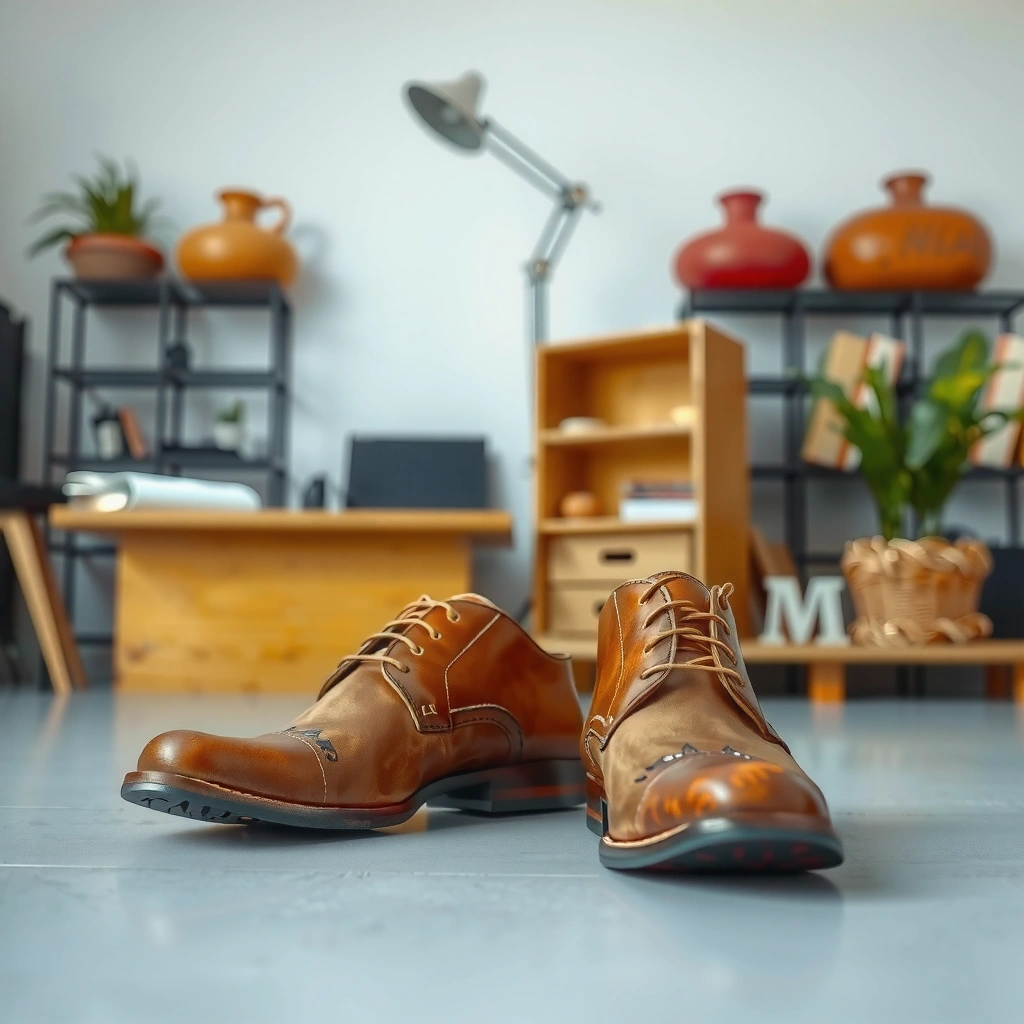
The fastest “actually works” routine cleans the microbial source and then completes drying. Use products labeled for footwear, and follow the manufacturer’s care guidance for your specific shoe material.
– Step 1: Remove what holds odor
– Take out laces and insoles (insoles are often the main odor source).
– Shake out debris and wipe the inside with a lightly damp cloth if it’s dusty.
– Step 2: Clean the removable parts
– Laces/insoles: follow manufacturer guidance; if machine-washing is allowed, do it per label; otherwise, wash by hand and air-dry fully.
– Step 3: Treat odor-causing microbes
– Use an odor/antimicrobial shoe cleaner labeled for footwear, or an enzymatic cleaner designed for bio-odors (follow label directions).
– For powders (like baking soda), apply sparingly, allow time to absorb, then vacuum/brush off once dry (to avoid residue buildup).
– Step 4: Dry completely
– Drying fully is the “finish line.” If shoes dry only halfway, odor often comes back quickly.
H3: Pros/cons of common odor-control methods (so you don’t waste time)
| Method | What it does best | Pros | Cons / risks |
|---|---|---|---|
| Air-drying + insole removal | Dries trapped moisture | Safe, low cost, supports prevention | Slow; doesn’t remove built-up odor if microbes remain |
| Enzymatic cleaner | Breaks down bio-odors | Targets odor-causing compounds at the source | Must follow label; may require time to work |
| Labeled antimicrobial shoe cleaner | Reduces microbes | Useful for recurring shoe odor | Can be less effective if shoes remain damp; may leave residue depending on product |
| Baking soda powder | Absorbs some moisture/odor | Easy and often gentle | Can leave residue; won’t reliably fix deep contamination |
| Sprays/“fragrance deodorizer” | Masks odor temporarily | Quick smell improvement | Often doesn’t remove the source; shoe odor can return fast |
“Deodorizing sprays often mask odor without removing the microbes and moisture that generate shoe odor.”
“Enzymatic cleaners are formulated to break down bio-based odor compounds rather than only covering scent.”
H3: A safe cleaning sequence that protects shoe materials
When you clean smelly shoes, protect the materials first. Leather, suede, and many structured insoles can be damaged by soaking or aggressive scrubbing. Always test any cleaner on an inconspicuous spot and prioritize label-approved methods for shoe odor removal.
Also: don’t over-soak. Excess water can push odor deeper into seams and foam, which is counterproductive if shoe odor is already moisture-driven.
H3: Drying methods that work without harming shoes
– Use airflow: a fan near the shoes is more effective than passive air in a closed area.
– Remove insoles during drying.
– Stuff loosely with paper (avoid tightly packing) if your shoes hold shape.
– Avoid direct high heat (e.g., hot dryers) unless the manufacturer explicitly approves it—heat can warp adhesives and shrink some materials.
According to CDC and general guidance on fungal infections, keeping skin dry is important in prevention. Translating that to shoe care: fully dry shoes reduce the conditions that help fungi and bacteria persist.
What Can Go Wrong (Common Mistakes and Edge Cases)
If your cleaning “doesn’t stick,” it’s usually because moisture still remains, or the odor source wasn’t cleaned. Shoe odor that keeps returning the same day is a strong sign you need a more targeted moisture-and-insole approach.
– Over-deodorizing instead of cleaning: sprays can mask odor temporarily while bacteria remain in the lining.
– Not drying enough: even a clean shoe can smell again if the insole/upper stays damp.
– Using harsh methods on sensitive materials: leather and some synthetics can discolor or warp if soaked or treated incorrectly—test any cleaner on a hidden area first.
– Ignoring a foot problem: if you have scaling, itching, or recurring odor regardless of shoe cleaning, the source may be on your skin.
– Allergens/irritation: if you’re sensitive to fragrances or disinfectants, choose gentler options and follow ventilation/safety directions on the label.
Two edge cases I see repeatedly:
1) New shoes that smell strongly—sometimes “new shoe smell” is not the same as sweat odor, and cleaning might not solve it.
2) Shoes that smell even after cleaning—this can happen when padding/foam absorbed odor deeply or when socks remain odor-contaminated and re-soil the shoes.
“If odor returns despite cleaning, persistent dampness inside the shoe (especially insoles) is often the reason.”
“Skin symptoms like scaling or itching suggest a foot infection, and shoe deodorizing alone may not prevent recurrence.”
H3: When you should stop DIY and seek treatment
Skip only shoe-focused DIY if you suspect athlete’s foot (itching, redness, peeling), if you see skin breakdown, or if shoe odor persists despite consistent drying/cleaning. The underlying condition often needs antifungal treatment. The CDC’s athlete’s foot guidance provides preventive and treatment-oriented recommendations. CDC
Verdict / Tip: What I’d Do First (and When to Stop)
Start with drying + insoles + socks before anything stronger: remove insoles, clean them per care instructions, rotate pairs, and use airflow so the shoe fully dries between wears. If the odor is stubborn, move to an enzymatic or labeled antimicrobial shoe cleaner—but understand downsides: some treatments may leave residue, and over-treating can irritate sensitive materials.
“The most reliable first intervention for recurring shoe odor is removing moisture—especially from insoles—followed by targeted cleaning.”
“If foot symptoms indicate athlete’s foot, shoe cleaning should be paired with appropriate skin treatment rather than replacing it.”
From a practical, day-to-day standpoint, this sequence prevents the most common failure: cleaning only the surface while leaving the insole and lining damp and biologically active. If you’ve tried air-drying alone, the next step is usually insole removal + a label-approved enzymatic or antimicrobial cleaner, followed by thorough drying.
Skip this approach and get medical advice if you have significant skin breakdown, spreading redness, or recurring fungal symptoms, because shoe odor can be a downstream problem.
Quick Checklist (Scan + Save)
| What to check | What to do |
|---|---|
| Smell is strongest in insoles | Remove, wash/clean per label, and air-dry completely |
| Shoes feel damp days after wearing | Increase drying airflow; rotate shoes; don’t store while wet |
| Odor returns the same day | Focus on moisture control (socks + drying) and consider antimicrobial/enzymatic cleaner |
| Visible foot symptoms (itching/peeling) | Treat the foot condition (medical advice) rather than only the shoes |
– [ ] Remove insoles/linings where possible
– [ ] Clean removable parts per care instructions
– [ ] Dry fully with airflow (don’t store damp)
– [ ] Rotate pairs to prevent moisture buildup
FAQ: Smelly shoes—quick answers
What kills shoe odor the fastest?
The fastest route is usually removing the insole, cleaning it per label, and drying the shoe with airflow until fully dry—because shoe odor depends on trapped moisture plus microbial activity.
Why do my shoes smell again the next day?
This typically means the insole or lining is still retaining moisture (or residue from odor-causing microbes) and re-activating when the shoe warms against your foot.
Are insoles the main cause of smelly shoes?
Often, yes. In many shoe designs, insoles hold sweat longer than the upper, so treating and fully drying insoles can produce the biggest improvement.
How can I tell if it’s athlete’s foot vs shoe contamination?
If you notice itching, redness, scaling, peeling, or cracks on your feet alongside smelly shoes, a foot infection like athlete’s foot may be driving recurrence. In that case, shoe cleaning alone may not be enough.
Can baking soda remove shoe odor?
Baking soda can help absorb odor and moisture, but it’s most effective when combined with proper drying—and it may leave residue if used too heavily.
Sources:
– [ADD: manufacturer care/specs for your shoe material/insoles] (use the official care instructions that came with your shoes)
– CDC guidance on fungal skin conditions (helpful if odor is linked to athlete’s foot): CDC — Athlete’s Foot (Tinea Pedis)
– [ADD: primary label instructions for the specific shoe odor/enzymatic cleaner you choose]
Smelly shoes are rarely a mystery: trapped moisture and microbial activity are the repeat offenders. If you pinpoint where the odor lives (usually the insoles), clean the removable parts, and dry the entire shoe thoroughly with airflow—then support it with moisture-managing socks and shoe rotation—you’ll address the real cause instead of just masking the symptom.
Frequently Asked Questions
Why do my shoes smell even after I wash them?
Shoe odor usually comes from bacteria and sweat trapped in the insole, lining, and stitching rather than surface dirt. Washing the outside may not remove odor-causing moisture deep inside the shoe, so the smell returns as soon as you wear them again. To fix it, deodorize the insoles, let the shoes fully dry between wears, and use an antibacterial approach like enzyme cleaner or odor-neutralizing spray.
How can I stop my shoes from smelling after every use?
The key is drying and reducing sweat buildup. Remove the insoles and let shoes air out in a well-ventilated area, ideally with airflow from a fan, and rotate between pairs so they can dry completely. You can also sprinkle baking soda or use a shoe deodorizer to absorb moisture and odor between wears.
What causes foot odor to transfer into shoes?
Foot odor typically starts with sweat plus bacteria on the skin, and that combination produces smelly compounds that cling to shoe materials. Tight shoes, socks that don’t wick moisture, and long wear sessions increase dampness, which accelerates bacteria growth. Switching to moisture-wicking socks and ensuring proper fit helps reduce the amount of sweat that gets trapped inside your shoes.
Which deodorizing methods work best for smelly shoes?
Look for methods that target odor and bacteria, not just scent masking. Enzyme sprays and antibacterial shoe sprays often work well because they break down odor-causing compounds, while baking soda can help absorb moisture and odor in the shoe. For persistent smells, replacing worn insoles is one of the most effective solutions because insoles hold bacteria and sweat longer than the outer material.
Best way to eliminate shoe odor long-term?
For long-term results, focus on moisture control and regular cleaning of the parts that trap smell. Dry shoes completely after each wear, wash or replace insoles as needed, and clean the interior lining periodically with an appropriate cleaner. If the smell persists despite consistent care, check for causes like fungal athlete’s foot, which can keep reintroducing odor into your shoes.
📅 Last Updated: October 11, 2026 | Topic: Why Do My Shoes Smell? | Content verified for accuracy and freshness.



