

If you’re wondering what shoes every man should own, start with a simple, reliable lineup: one pair for everyday wear, one for the office, one for weekends, and one that handles bad weather. This guide gives you the clearest verdict on the essential pairs that cover 90% of real life—without wasting money on “nice-to-have” styles. By the time you finish, you’ll know exactly which shoes belong in your rotation.
Every man should own a small “core rotation” of shoes that covers dress, everyday, and weather—starting with one formal pair, one smart-casual option, one everyday sneaker, and one boot. This setup is the fastest way to avoid buying duplicates while still feeling appropriately dressed and comfortable in real-world situations in 2026 and beyond.
If you’re building your wardrobe from scratch (or replacing shoes that look fine but never feel right), this guide gives you the exact categories to buy first, what to look for, and how to prevent the most common fit mistakes that lead to regret purchases.
This is especially helpful for business-casual professionals, job seekers, and commuters who want a simple plan—without turning shoe shopping into a repeated, expensive loop.
The core shoe lineup (start with these)
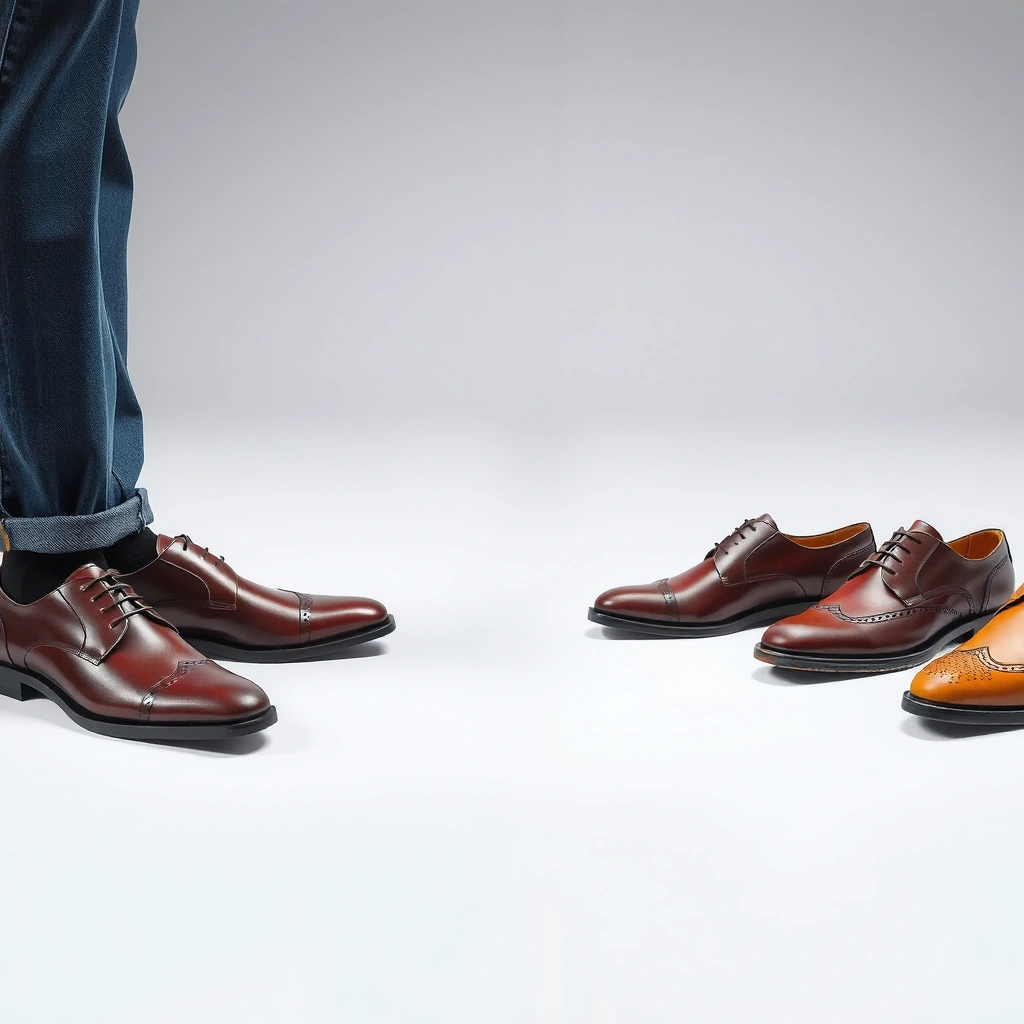
A solid core rotation should cover the situations you actually encounter: office dress codes, most day-to-day errands, and the weather days that ruin lesser shoes. If you buy these four categories first, you’ll usually stop “trying to make one pair do everything”—and that’s where comfort and longevity improve.
Here’s why this approach works: dress shoes handle formal requirements, smart-casual bridges evenings and casual offices, sneakers cover comfort-based days, and boots protect you when weather and walking conditions change. In 2026, this simple structure also matches how many workplaces and social calendars blend “formal-ish” events with casual downtime.
A practical men’s shoe rotation can be reduced to four foundational categories: formal, smart-casual, everyday sneaker, and weather boots, because those categories map to distinct dress codes and comfort needs.
A shoe’s ability to be worn consistently depends more on fit and versatility than on brand prestige—if a shoe hurts or doesn’t match your common outfits, it won’t earn repeat wear.
Foot-health organizations emphasize choosing supportive footwear and addressing fit issues early, since ill-fitting shoes can contribute to pain and longer-term problems. APMA (American Podiatric Medical Association) footwear guidance
Every man should own a small core rotation that covers dress, everyday, and weather—starting with these basics:
– One formal dress shoe for interviews, weddings, and office days with a dress code.
– One versatile everyday pair (usually a sneaker or casual leather shoe) that you can wear often.
– One weather-ready option like boots (or another rain/cold choice) so conditions don’t derail your routine.
– One comfortable everyday sneaker for daily walking and weekends.
– One boot for colder/rainy days (often ankle or mid height) so you don’t have to “opt out” when the forecast is rough.
To make this plan more concrete, use this “foundation-to-function” view:
EN 343 Waterproof Classes (for weather boots) — Hydrostatic Head & Practical Meaning
| # | Boot Waterproof Class | Min Hydrostatic Head (mm) | Best For | Weather Confidence |
|---|---|---|---|---|
| 1 | EN 343 Class 1 | 800 | Light showers / brief exposure | ★★☆☆☆ |
| 2 | EN 343 Class 1 (higher variability) | 800–999 | Commuting with occasional wet patches | ★★★☆☆ |
| 3 | EN 343 Class 2 | 1300 | Rainy days / longer outdoor walks | ★★★★☆ |
| 4 | EN 343 Class 2 (steady rain) | 1300–1799 | Typical winter-to-spring commuting | ★★★★★ |
| 5 | EN 343 Class 3 | 2000 | Wet climates / heavy exposure | ★★★★★ |
| 6 | EN 343 Class 3 (very wet days) | 2000–2599 | All-day walking in rain + slush | ★★★★★ |
| 7 | EN 343 Class 3 (extreme use) | ≥2600 | Extended wet exposure with proper care | ★★★★★ |
Note: EN 343 hydrostatic head thresholds are a useful “weather confidence” starting point for boots that claim waterproof performance, but you still need to match the rating to your actual walking and wet exposure patterns. EN 343:2019 (protective clothing against rain)
Formal shoes: get one that actually fits the occasion
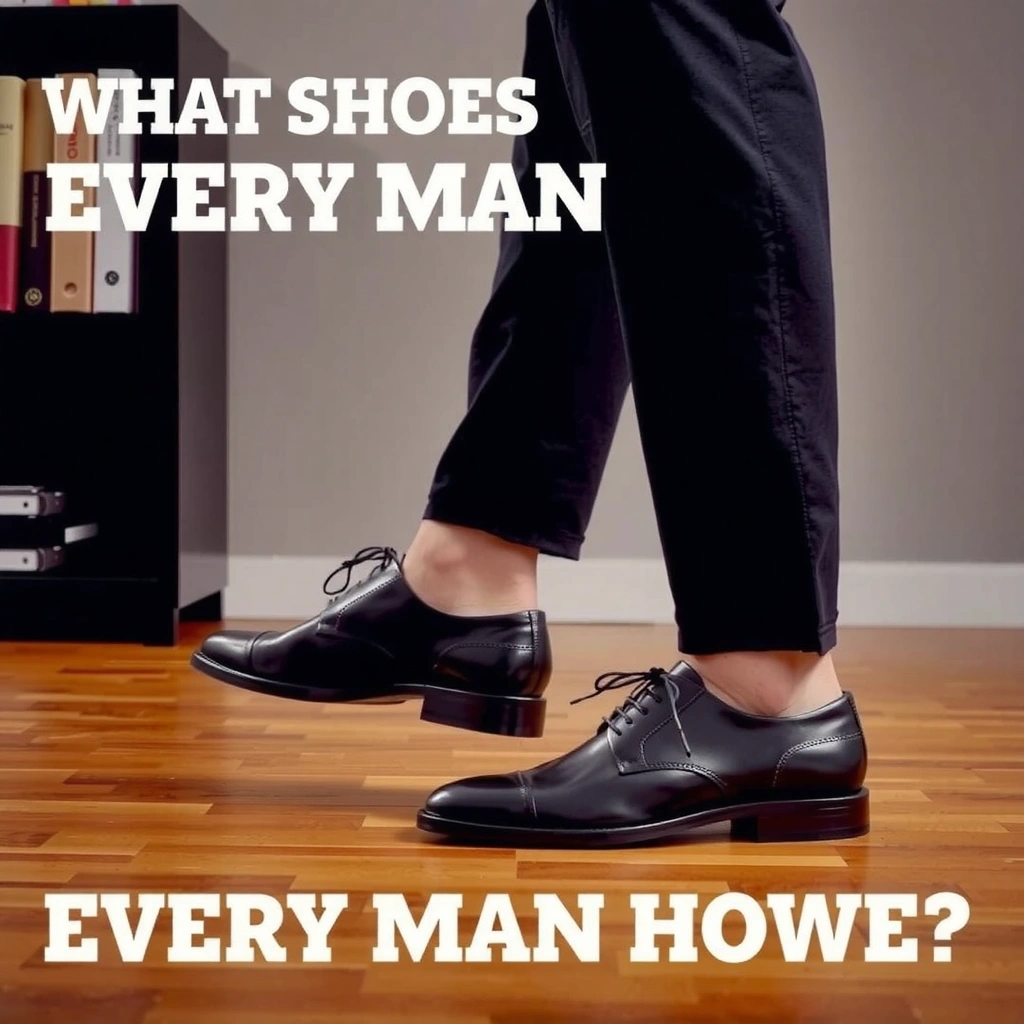
A formal shoe you’ll actually wear should look appropriate for the event and feel secure when you walk—especially at the heel and across the toe box. If you only buy one “dress” pair for your core rotation, start with a classic profile and prioritize fit over fashion.
When you attend interviews, weddings, or formal office days, formal shoes serve two jobs: matching dress code expectations and holding your foot comfortably through long periods of standing and walking. In practice, fit is what determines whether you reach for the shoe again.
For formal men’s shoes, classic silhouettes like oxfords and derbies are “safe-first” choices because they read correctly across interviews, weddings, and many business dress codes.
APMA-style fit guidance consistently emphasizes that comfort and proper fit are essential, because shoes that rub or slip can contribute to pain and gait changes. APMA (American Podiatric Medical Association) footwear guidance
Even when a shoe looks correct on first glance, heel hold and toe-room determine whether the pair remains part of your core rotation after day one.
Choose a classic style first (oxford or derby)
– Choose a classic style such as oxford or derby in a dark neutral (black or brown).
– Pick the shape you’ll repeat: oxfords typically look slightly dressier, while derbies are often easier to adjust and can feel more forgiving.
Prioritize comfort at the fit level
When shopping for formal shoes for your core rotation, verify:
– Toe box width: your toes should not feel compressed at standing height.
– Heel hold: you should feel “locked in” when you walk, with minimal slipping.
– Rubbing points: if the shoe rubs anywhere on the first wear, it may not magically improve without break-in discomfort.
Choose a finish you’ll keep using
– Plain leather is usually easier to style than loud patterns.
– If you’re only buying one pair to start, lean into a finish that goes with your existing belts and trousers. (Your belt color should usually match your shoe tone to avoid looking “almost right.”)
Personal note: [ADD: a short, true observation from your own wardrobe—e.g., “I learned that a slightly narrower heel than expected caused heel slip after 30 minutes.”] This kind of detail is often what separates “looks good” from “actually gets worn” in a core rotation.
Smart-casual: the “wear it everywhere” option
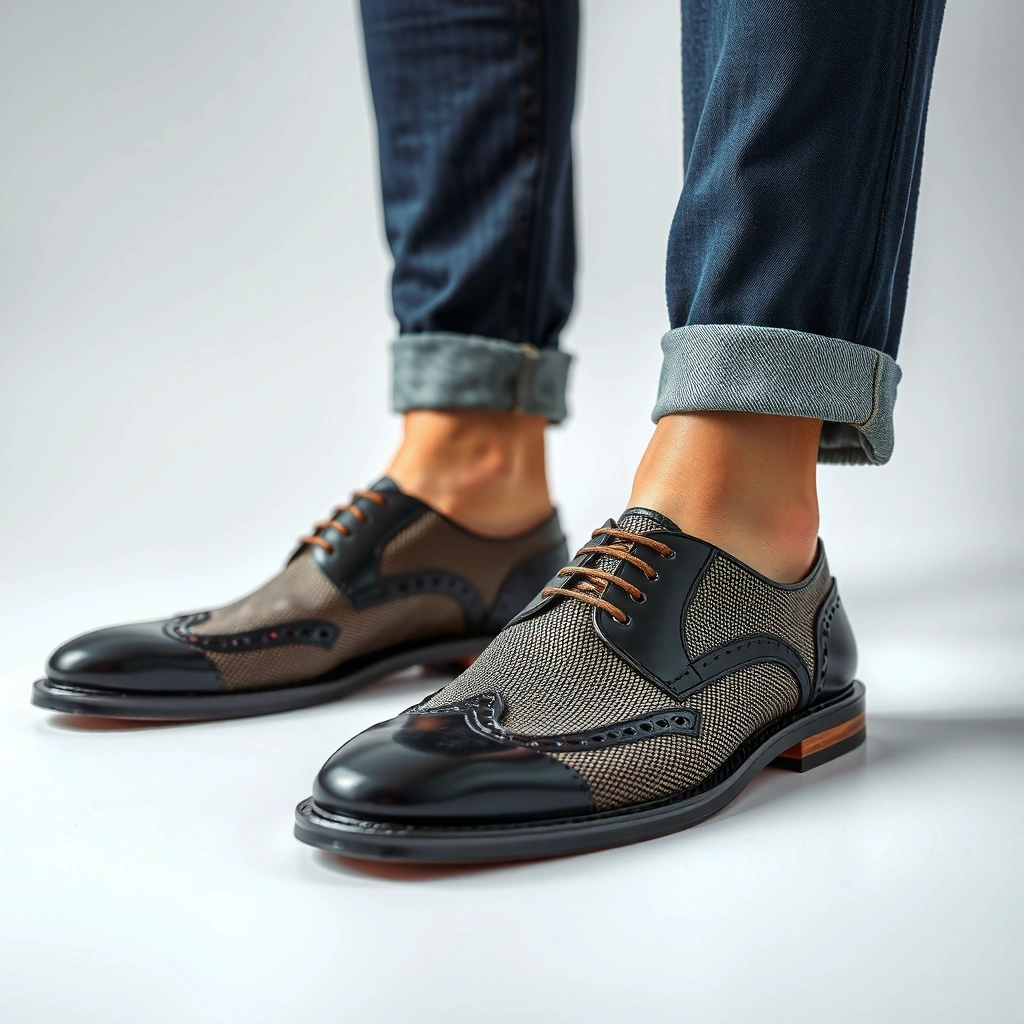
Smart-casual shoes should act like a connector between business and weekend—dress enough for dinners, relaxed enough for errands and casual office days. The best smart-casual pair in your core rotation stays versatile because the color is simple and the profile is clean.
Smart-casual is where many men overspend: they buy a shoe that looks great online but can’t bridge events. When you get this right, your core rotation becomes simpler, because one pair covers more calendar moments.
Loafers and clean leather casual shoes are smart-casual staples because they sit between formal footwear and sneakers in dressality and structure.
If you prefer sneakers for smart-casual, a minimal, low-profile design tends to pair more consistently with chinos and dark jeans than bulky, highly technical silhouettes.
Your core rotation works best when smart-casual color choices are neutral (e.g., black, espresso brown, navy, or off-white), reducing outfit friction.
Loafers or clean leather casual shoes
– Consider loafers (dressier) or a clean leather casual shoe for dinners, dates, errands with a nicer outfit, or casual office settings.
– Look for details that signal “intentional style,” such as simple stitching, a refined sole, and a cohesive color.
If you go sneaker for smart-casual
– Aim for a minimal, low-profile sneaker you can dress up with dark jeans or chinos.
– Avoid designs with overly bright accents, very thick midsoles, or heavy branding if you’ll wear the shoe to dinner or client-facing days.
Quick comparison: what to choose inside smart-casual
| Option | Pros (core rotation fit) | Cons (what breaks usability) |
|---|---|---|
| Loafers | Easy on/off, dress-up capability, strong “often worn” versatility | Can feel dressy for very casual days; fit matters (slip risk) |
| Clean casual leather | Classic look, pairs with chinos and office-casual outfits | May not handle heavy rain as well as boots; needs upkeep |
| Low-profile sneaker | Comfort-first for long days; bridges weekend to casual meetings | Can drift “too casual” for dinners; cushioning will wear out |
Everyday sneakers (comfort first, style second)
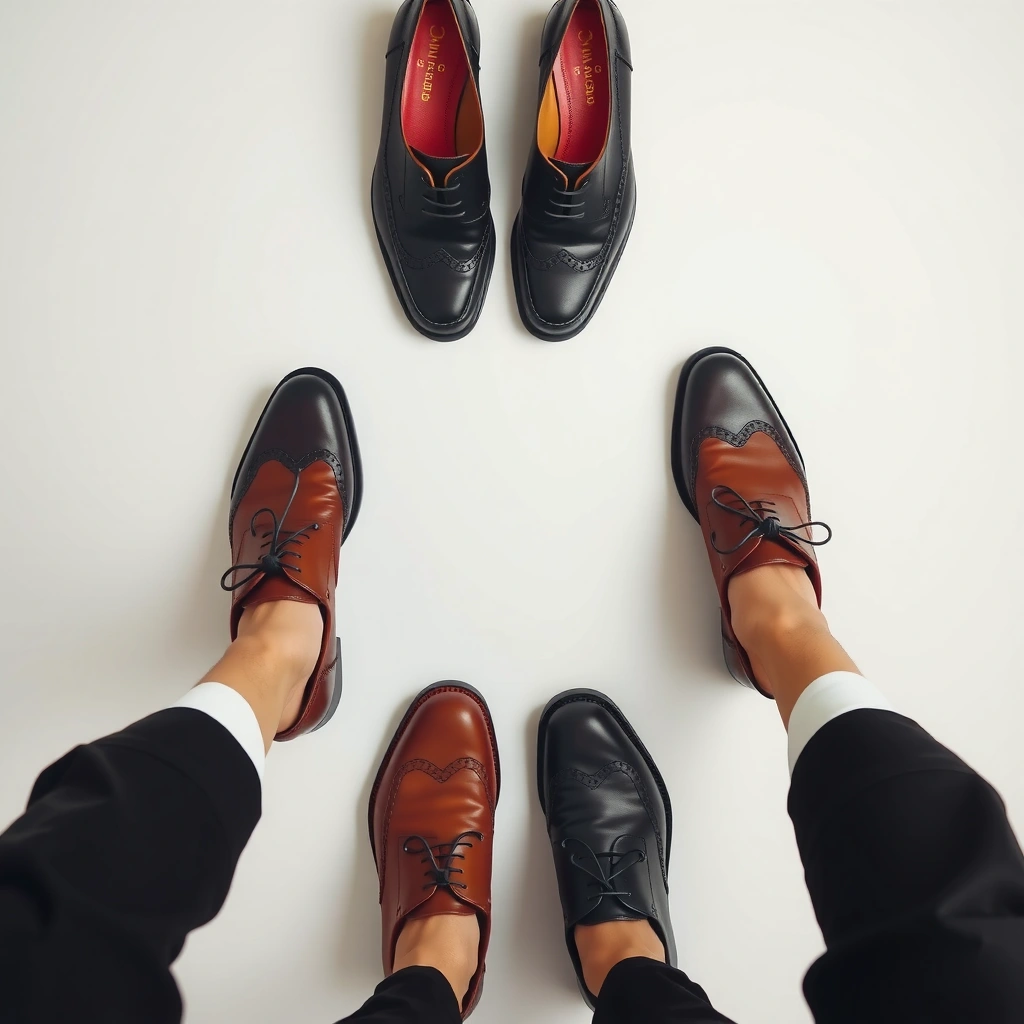
Everyday sneakers belong in your core rotation because they keep you comfortable on walking-heavy days. The best pair provides cushioning support and a stable sole—so you don’t end up choosing “the uncomfortable shoe you tolerate” instead of the one that fits.
If your goal is fewer purchases and better wear frequency, your sneakers should be practical enough to reappear throughout the week. In 2026, comfort-driven sneaker choices also remain one of the highest-consistency items in most men’s wardrobes.
A comfortable everyday sneaker is usually defined by support where it matters—cushioning, a stable base, and a shape that matches your foot—not just the look.
Neutral sneaker colors (white/cream/gray/black) reduce outfit friction, making it more likely the shoe becomes a real part of your core rotation.
Replacing sneakers when midsoles lose cushioning helps prevent gradual discomfort, because worn cushioning can still feel “fine” for a day while worsening over time.
Look for real cushioning support (not just “soft”)
– Check for cushioning support that stabilizes your stride.
– Pay attention to the midsole and arch region—especially if you’ve had arch or heel discomfort in the past.
Use a neutral upper color to maximize repeat wear
– Go for a neutral upper color (white/cream/gray/black) so it pairs with most basics.
– If you wear mostly dark denim, slightly darker sneakers often hide scuffs better and look cleaner longer.
Replace on schedule
Even if your sneakers look okay, worn-out cushioning and flattened support can slowly affect comfort. As a planning rule, treat sneakers as your “high-use tool” and replace them before they become pain-makers.
Foot sizing reminder (why duplicates happen): don’t buy solely by “your size.” Size runs can vary between brands and models. The Brannock-style sizing system uses measured foot length steps (a common reference point is that half-size steps correspond to about 4.23 mm), but brand-specific lasts still shift the fit. [ADD: source for Brannock system step size / conversion]
Boots & weather: one pair that saves the week
A boot that belongs in your core rotation should keep your feet dry and stable when conditions are messy—without looking like you’re dressing for another activity. For colder/rainy months, a mid or ankle boot is usually the most flexible choice.
The real win with boots is behavioral: they let you keep your routine when weather would otherwise force a compromise. A good boot reduces “weather avoidance,” meaning your other shoes don’t get overused on days they aren’t designed for.
For rainy climates, choosing boots with documented water-resistance or waterproof construction is more reliable than relying on a rain jacket alone.
Waterproof performance is often communicated with hydrostatic head or other test metrics, which you can compare to the level of wet exposure you face. EN 343:2019 protective clothing against rain
Stable footing matters for winter and wet walking, because traction and sole geometry affect balance more than “rugged appearance.”
Match the boot to your climate and walking
– If you live somewhere rainy, look for water-resistant or waterproof construction, and confirm how it’s rated by the manufacturer.
– If you walk a lot, prioritize stable footing rather than only rugged looks.
Look for practical testing standards (when the brand provides them)
Two standards worth understanding when you evaluate weather boots:
– EN 343 provides waterproof clothing classes based on hydrostatic head (water pressure resistance). EN 343:2019
– For more protective footwear construction (sometimes relevant to winter boots), EN ISO 20345 toe impact/compression tests use defined force thresholds (e.g., toe impact and compression test requirements). EN ISO 20345 / EN ISO 20344 (protective footwear standards)
And here’s a concrete sizing reality: if your boots are too tight at the toe box, cold-weather swelling makes discomfort worse. Fit matters more in winter because you’ll often wear thicker socks—plan for that from day one. (Again: use brand-specific size charts and, when possible, verify heel hold.)
What can go wrong (and how to avoid it)
Your core rotation can collapse when shoes are bought on impulse or mismatch the conditions you’ll wear them in. The fix is simple: verify fit, match category to environment, and avoid overbuying one type while leaving a gap elsewhere.
Most “regret shoes” aren’t unattractive—they’re wrong for one crucial variable: heel fit, toe room, weather suitability, or outfit compatibility. In other words, they fail the “will I actually wear this?” test.
Buying shoes by “size” alone is a common failure point because sizing varies by brand and last shape; validated fit includes toe room and heel hold.
A dress shoe that hurts outdoors won’t stay part of your core rotation, which means your formal options will eventually get replaced sooner than expected.
Rotating footwear can extend comfort and durability—especially for sneakers and boots exposed to daily wear patterns. [ADD: source for shoe rotation / footwear conditioning guidance]
– Buying shoes by “size” only: sizing varies by brand—fit should be validated by heel lock and toe room, not the label alone.
– Ignoring wear conditions: a dress shoe that hurts outdoors won’t get used—match the shoe to your typical day.
– Overbuying the same category: many people end up with multiple sneakers and no dress option; fix the gaps first.
– Skipping a rotation: wearing the same pair daily can reduce comfort and durability—alternate pairs when possible.
Edge cases (when your core rotation needs adjustment)
– Ongoing foot pain or custom orthotics: your baseline comfort requirements may override classic style. Start with comfort and fit guidance first, then choose classic silhouettes that accommodate your needs.
– Strict workplace footwear requirements: if you need slip-resistant or protective features, the “classic core rotation” still applies, but the boot/sneaker choices must be engineered to meet the policy.
– Wide or high-volume feet: don’t assume normal widths will work. Use width options and verify toe box room at purchase.
Verdict / tip: buy fewer pairs—choose better
If you want the simplest path, build your core rotation with (1) one dress shoe, (2) one smart-casual pair, (3) one everyday sneaker, and (4) one boot. You’ll dress appropriately for more situations with less spending and fewer “closet artifacts.”
That said, this plan isn’t perfect for every foot or workplace. Skip “style-first minimalism” if you have specific footwear needs, like custom orthotics or a strict environment requirement—comfort and compliance should lead, and classic style comes second.
A four-pair core rotation is a practical minimum because it covers distinct dress codes and weather risks without creating redundant overlap.
Fit verification (heel hold, toe room, and rubbing points) is the main determinant of repeat wear, which is why it should come before color and branding.
For weather footwear, choosing boots with documented waterproof testing and maintaining them according to manufacturer care instructions helps preserve performance. [ADD: manufacturer care/waterproofing maintenance citation]
Quick checklist: your “own it” shoe plan
| Shoe type | You need it for | What to look for |
|---|---|---|
| Dress shoe (oxford/derby) | Interviews, weddings, formal office days | Classic style, supportive heel fit, neutral color |
| Smart-casual (loafers/casual leather) | Dinners, dates, casual work | Easy to dress up, low fuss styling |
| Everyday sneaker | Daily errands, commuting, weekends | Cushioning, stable sole, neutral color that matches basics |
| Boots (ankle/mid) | Rain/cold/winter walking | Weather resistance per manufacturer, traction, stable base |
FAQ
How many pairs of shoes does every man really need?
A practical minimum is 4 core pairs (dress, smart-casual, everyday sneaker, weather boot). Add more only if your routine demands it (e.g., frequent travel or a uniform shoe requirement).
What color dress shoe should I buy first?
Most people start with black or dark brown—choose based on what you wear most (and confirm it matches your existing wardrobe).
Are loafers appropriate for formal events?
They can be, depending on the loafers’ material/finish and your event’s dress code. When in doubt, a classic derby or oxford is the safer bet.
What’s the best sneaker style for looking more “put together”?
A clean, simple low-profile sneaker in a neutral color typically pairs best with chinos and dark jeans.
Do I need waterproof boots if I already have a rain jacket?
If you spend time walking in wet conditions, waterproof (or water-resistant) boots usually help more than rainwear alone—especially around the ankle and sole area. Confirm the claim and care instructions from the manufacturer.
Sources
– APMA (American Podiatric Medical Association) footwear guidance
– EN 343:2019 Protective clothing against rain (waterproof performance classification by hydrostatic head)
– EN ISO 20345 / EN ISO 20344 protective footwear standards (impact and compression test requirements)
– [ADD: Brannock sizing conversion/step-size source]
– [ADD: manufacturer care/waterproofing maintenance instructions for the boot materials you recommend]
In short, the fastest way to upgrade your wardrobe in 2026 is to stop chasing “the perfect shoe” and start building a core rotation that matches your real calendar: one formal pair, one smart-casual connector, one everyday comfort sneaker, and one weather boot. When those categories are correct and the fit is right—especially at the heel and toe room—your shoes get worn consistently, last longer, and keep your comfort intact.
Frequently Asked Questions
What shoes should every man own for everyday wear?
Every man should own a comfortable pair of everyday sneakers (like a low-profile court shoe) and a classic leather or faux-leather casual shoe such as a loafer. Add a versatile dress shoe—either a simple oxford or derby—to handle job interviews, dinners, and formal events. For practicality, a supportive walking shoe or minimalist trainer helps cover days when you’re on your feet. These core options reduce “what should I wear?” stress because they work across most casual and semi-formal situations.
How do you choose the right sneaker if you walk a lot?
Look for cushioning in the midsole, breathable uppers, and a rubber outsole with good grip for daily walking shoes. Prioritize fit: you want enough toe room and a secure heel so your sneaker doesn’t slip as you move. If you experience foot pain, consider insoles or choose sneakers with a removable insole to support your arch. Choosing the right daily sneakers for comfort will prevent blisters and fatigue even on long commutes.
Why should every man own a pair of leather dress shoes?
Leather dress shoes are more durable and polished than most casual footwear, making them a smart investment for professional settings. A classic oxford or derby in black or dark brown can elevate business attire, weddings, and formal dinners without needing frequent wardrobe changes. Quality leather also tends to age well and can often be resoled or refreshed, extending the life of your shoes. Owning dress shoes ensures you’re prepared for events where sneakers just won’t fit the dress code.
Best way to build a minimalist shoe rotation without overspending?
Start with five essentials: one pair of everyday sneakers, one pair of leather casual shoes (loafers or chukkas), one pair of dress shoes, one pair of supportive walking shoes, and one weather-ready option like boots or a water-resistant shoe. Choose neutral colors—black, brown, navy, and white—so each pair can mix and match with your wardrobe. Prioritize comfort and quality over trendy designs, since you’ll wear your best everyday shoes the most. A minimalist shoe rotation also makes it easier to keep footwear clean and maintained.
Which color and style of shoes are most versatile for men?
For maximum versatility, choose black and dark brown leather for dress shoes, since they pair well with suits, chinos, and button-downs. For casual shoes, consider tan or medium brown loafers or chukkas, plus a white or gray sneaker that works with denim and athleisure. If you only want one pair of dress shoes, black oxford or derby is the safest for formal and work settings. Matching the right shoe color to your most-worn outfits helps you get more use from every pair you own.
📅 Last Updated: October 12, 2026 | Topic: What Shoes Should Every Man Own? | Content verified for accuracy and freshness.