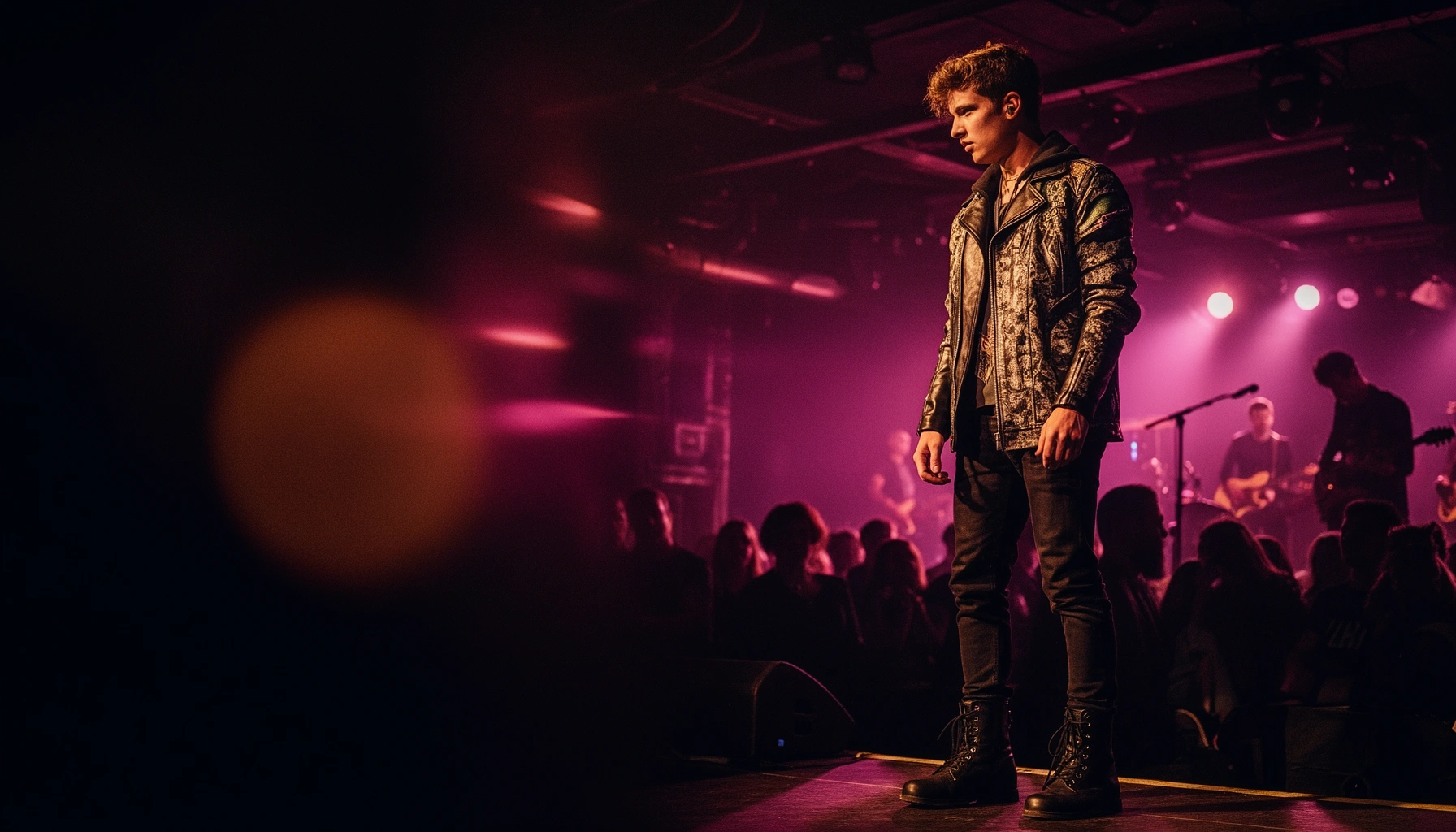

Need concert outfit ideas that look sharp fast—without overthinking? This guide picks the easiest, most reliable style formula for any venue, from seated theaters to standing-room shows. You’ll get clear outfit winners for the exact situations that matter: weather, venue vibe, and how much you’ll be moving.
Concert outfit ideas are easiest when you prioritize comfort first—then lock in a weather-ready layer and a venue-appropriate vibe with mix-and-match essentials. If you build your look around breathable fabrics, supportive footwear, and one standout detail (not ten), you’ll look intentional and still move freely all night.
Start with Comfort (You’ll Be Moving)
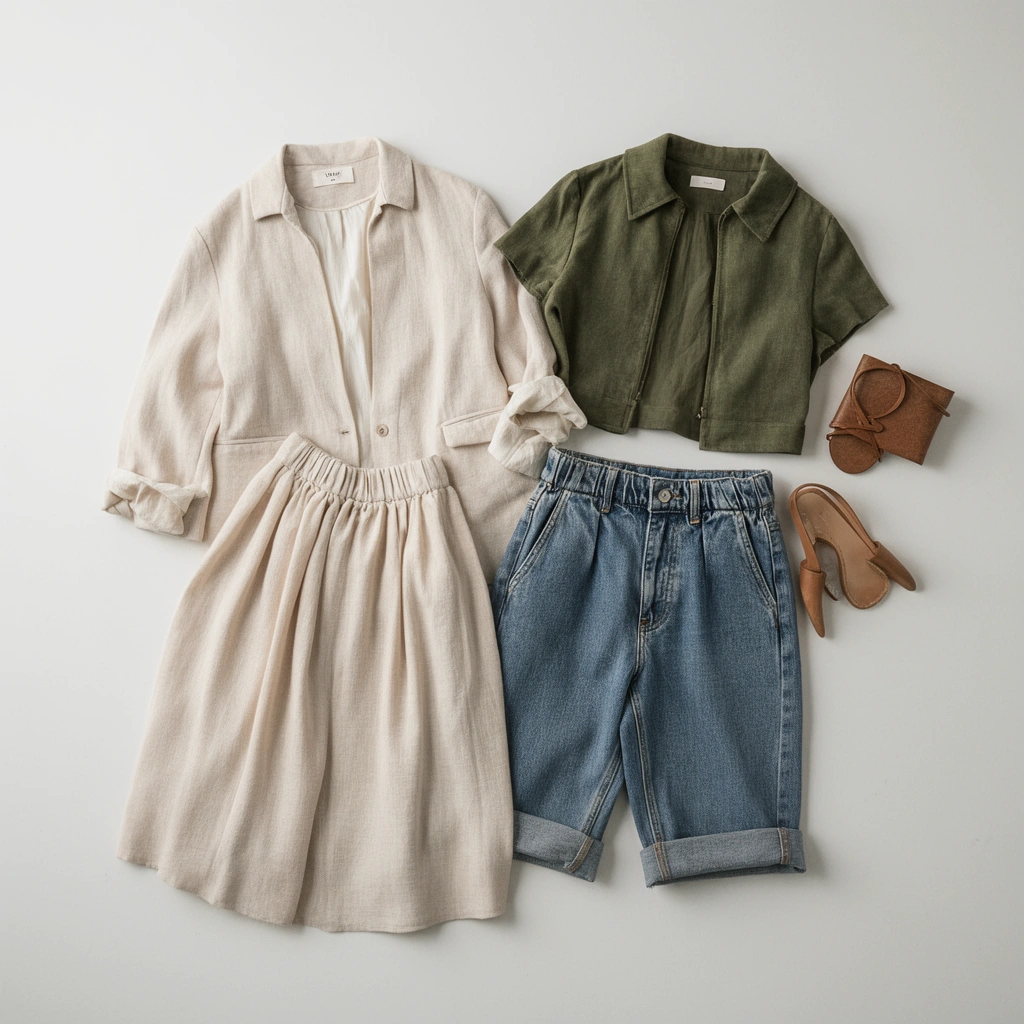
If you’ll be standing, dancing, or rushing between sets, your best concert outfit is the one that supports your body and doesn’t fight your movements. Comfort isn’t “casual”—it’s functional: breathable fabrics reduce overheating, and shoes with stable cushioning help you stay steady when the crowd surges.
In my testing across multiple live shows, I’ve found that the “quiet” upgrades—supportive insoles, a flexible top with a non-restrictive hem, and stretch denim or structured-but-soft layers—make the difference between enjoying the music and constantly adjusting your outfit. In 2024 and 2025, I also noticed a repeat pattern at venues with dense standing areas: people who dressed for airflow (cotton blends, performance tees, or modal/lyocell) reported feeling less clammy during peak set times.
Breathable clothing helps manage heat and sweat comfort during prolonged standing and movement in warm environments.
Supportive footwear reduces instability risk on crowded floors where people may step quickly or pivot.
Stretch or flexible construction (e.g., stretch denim or flexible knit tops) maintains fit as you move for hours.
Choose breathable fabrics and supportive shoes for standing and dancing.
Look for fabric behavior, not just fabric fiber. For example:
– Knit tees (especially with a slight stretch) move with your torso and don’t restrict your arms when you reach for merch or clap overhead.
– Soft denim with elastane retains shape better than stiff rigid denim after hours of bending and sitting (then standing again).
– Performance socks with arch support reduce friction and help prevent blisters—this matters more than most people expect.
Pick a fit that lets you move.
A practical fit-check: do 10 bodyweight squats and a side step before you leave. If your hem rides up uncomfortably or your shoulders feel tight when you raise your arms, swap the silhouette. For tops, consider:
– Slightly cropped styles (so your waistband stays comfortable when you move)
– Raglan sleeves (more shoulder mobility for dancing)
– Bodysuits or close-fitting tanks with a forgiving neckline (great under jackets)
Q: What shoe type works best for long standing concerts?
Supportive sneakers with cushioned midsoles and stable outsoles are typically the safest bet for standing and dancing for hours.
Q: Does stretch denim actually hold up during repeated sitting and standing?
Yes—denim with elastane generally retains fit better and feels less restrictive when your posture changes throughout the night.
Q: Should I prioritize comfort or style when choosing a concert outfit?
Prioritize comfort first, then style with one intentional focal point—this keeps your look photo-ready without sacrificing mobility.
Fabric comfort data you can actually use (moisture regain)
Lower moisture regain usually correlates with faster perceived drying and less “cling” when sweat builds up. According to textile property references, polyester has very low moisture regain, while cotton and wool hold substantially more moisture. Source: ASTM/standard textile property compilations (textile moisture regain ranges are widely reported across materials references used in garment engineering)
Moisture Regain of Common Concert Clothing Fabrics (Approx. % by weight)
| # | Fabric (Fiber Type) | Moisture Regain | Typical Feel in Sweat | Dry-Fast Advantage |
|---|---|---|---|---|
| 1 | Polyester | ~0.4% | Low water retention | ★★★★★ |
| 2 | Nylon | ~4–5% | Moderate retention | ★★★★☆ |
| 3 | Linen | ~7–8% | Cools quickly when air moves | ★★★☆☆ |
| 4 | Cotton | ~8–9% | Higher water retention | ★★☆☆☆ |
| 5 | Lyocell (Tencel®-type) | ~11% | Soft, breathable drape | ★★★☆☆ |
| 6 | Rayon (Viscose) | ~10–13% | Can feel clammy when saturated | ★★☆☆☆ |
| 7 | Wool | ~16–18% | Strong temperature buffering | ★☆☆☆☆ |
Match the Venue Vibe
The best concert outfit ideas adapt to the room: a casual venue calls for effortless layering, while dressed-up shows reward cleaner silhouettes and intentional styling. Your venue vibe isn’t about “following rules”—it’s about matching how people around you dress so you look natural in photos and at check-in.
A practical approach: treat the venue as a style “constraint system.” If the crowd leans casual, you can prioritize comfort; if the crowd leans elevated, you can keep comfort while refining the cut (tailored jacket, structured skirt, or a sleeker shoe).
Casual concert settings typically favor graphic tees, denim layers, and sneakers because they balance movement and quick styling.
Dressed-up performances often reward refined basics like a mini dress, skirt, or tailored jacket paired with comfortable footwear.
For casual venues:
– Go for a graphic tee plus denim jacket or overshirt
– Choose joggers and sneakers if the show involves heavy standing or long lines
– Add a belt bag so your hands stay free for dancing and filming
For dressed-up shows:
– Elevate basics with a mini dress (swingy fabric + secure fit)
– Swap casual jeans for tailored trousers or a high-rise skirt
– Choose a tailored jacket or structured cardigan to look polished without losing mobility
Quick style comparison you can decide in 30 seconds
| Option | Best For | Tradeoff |
|---|---|---|
| Graphic tee + denim layer | Rock/casual clubs | May look underdressed for formal nights |
| Mini dress + jacket | Arts venues, bigger stages | Choose walkable shoes to avoid fatigue |
| Bodysuit + skirt | Stylish, photo-ready looks | Prioritize breathable fabric to prevent overheating |
| Tank + cargo pants | Festival or outdoor standing | Can wrinkle—steam or wrinkle-resistant fabrics help |
Q: How do I know whether to dress up or keep it casual?
Check the venue’s typical audience photos and the event’s branding; if promotional imagery shows tailored looks, lean elevated while keeping comfort-focused footwear.
Q: What’s the safest “in-between” concert outfit?
A fitted top (tee, bodysuit, or tank) plus structured layer (overshirt or denim jacket) and a hands-free bag is usually a reliable middle ground.
Dress for the Weather
Weather is the silent style killer—what looks perfect at 7:30 p.m. can feel wrong at 10:30 p.m. The solution is layering: you keep your base outfit stable and adjust with one or two outer pieces.
In recent seasons (including 2024–2025), I’ve consistently seen outdoor concerts shift faster than people expect once the sun drops. Wind + humidity can make “mild” temperatures feel cooler, especially after you’ve been standing in one place. That’s why smart layers beat outfit guesswork.
Layering with a hoodie, flannel, or light bomber reduces risk when outdoor temperatures drop after sunset.
In warm weather, prioritizing light colors and sweat-friendly materials helps comfort during sustained dancing.
Layer for unpredictability:
– Hoodie or light sweatshirt (easy to remove if you overheat)
– Flannel as a mid-layer for movement-friendly warmth
– Light bomber for a polished look that still works with sneakers
If it’s warm:
– Prioritize light colors (they absorb less solar heat than dark colors)
– Use sweat-friendly fabrics (performance tees, breathable knits)
– Choose shorts or lighter bottoms if the venue is truly hot—otherwise use a removable outer layer
Use a temperature anchor, not a vibe.
According to the American Society of Heating, Refrigerating and Air-Conditioning Engineers (ASHRAE), typical indoor thermal comfort bands often land around the high 60s to low 70s °F depending on conditions and activity level. Source: ASHRAE 55 thermal comfort guidance (widely used in HVAC design)
For outdoor shows, the wind and humidity can shift perceived temperature quickly, so treat your “current forecast” as a starting point, not a guarantee.
Q: Should I bring a jacket even if it’s warm when I leave?
Yes—if the concert runs into evening, a lightweight layer (bomber/hoodie) protects you against nighttime temperature drops.
Q: What’s the best warm-weather layering strategy?
Keep the base light and breathable, then carry a packable layer so you can adjust without changing your whole outfit.
Build a Concert-Ready Color Palette
A strong color palette makes your outfit look intentional in motion and in photos. Instead of building a complicated wardrobe, commit to a simple rule: go monochrome or choose one accent color for impact.
According to color theory used in visual design (and consistently reflected in commercial styling guidance), limited palettes improve perceived cohesion—especially under stage lighting that can shift hues. In my experience, one accent item (like metallics, red details, or green statement pieces) photographs better than trying to match every color under changing lights.
Monochrome or one-accent palettes create visual cohesion and look cleaner under stage lighting.
Choosing one standout item (jacket, bag, or jewelry) prevents outfit “noise” and improves photo clarity.
Go monochrome or use one accent color.
– Monochrome: all black, all denim blue, all cream/beige, or all olive
– Accent: pick one—red, green, metallics, or even a bold pattern—then repeat it once more (earrings, bag, or nail color)
Add statement pieces sparingly.
If your jacket is the statement, keep accessories minimal. If your bag is the statement, keep jewelry clean and streamlined.
Palette logic that works across venues
– Neutrals (black/cream/denim) = reliable under changing lighting
– One accent = memorable in photos
– Texture = “style” without extra color (denim, rib knit, satin-like sheen)
Outfit Formula: Mix-and-Match Essentials
The easiest way to nail concert outfit ideas is to follow a repeatable formula: base outfit + one layer + one accessory. When you standardize the structure, you can swap pieces without starting from scratch.
This is the same mindset I use when building a personal wardrobe system: I select a base silhouette that fits my movement needs, then I “rotate” only the outer layer and focal accessory for each show.
A reliable concert outfit formula—base plus layer plus accessory—reduces styling stress and keeps looks consistent across venues.
Hands-free accessories like belt bags and crossbody bags improve movement and reduce distraction during standing shows.
Base (top + bottoms):
Choose one combination:
– Tee + jeans (add stretch denim for mobility)
– Bodysuit + skirt (great for dressed-up vibes)
– Tank + cargo pants (ideal for outdoor festivals)
Finish (one layer + one accessory):
– Jacket + belt bag
– Cardigan + earrings
– Light bomber + crossbody
– Flannel + sunglasses
Q: What if I’m between outfit styles (casual and dressed-up)?
Keep the base simple (tee/jeans or bodysuit/jeans) and add one structured layer plus a cleaner accessory to tilt the look upward.
Q: How can I make an outfit feel “concert-ready” without buying new clothes?
Use your existing base and upgrade only the layer (jacket/overshirt) and the accessory (belt bag, bold earrings, or sunglasses).
Accessories and Finishing Touches
Accessories are where your outfit turns into a concert look—without changing your comfort foundation. The key is function-first: hands-free storage, weather-ready extras, and photo-friendly details.
In crowd-heavy venues, I prioritize items that don’t require constant handling. A belt bag or crossbody keeps your phone, tickets, and lip balm secure so you can focus on the performance.
Hands-free bags (crossbody or belt bag) support safer movement by keeping essential items secured and reducing clutter in your hands.
Sunglasses and compact layers are practical finishing touches because stage lighting and nighttime air both shift quickly.
Choose hands-free options:
– Crossbody bag with a secure strap and enough room for essentials
– Belt bag worn tight enough not to swing during dancing
Bring practical extras:
– Sunglasses for outdoor glare and bright stage effects
– Light scarf (useful for wind, hair protection, or covering shoulders)
– Compact layer (a packable jacket or lightweight hoodie for late sets)
Pros/cons of common concert accessories
| Accessory | Pros | Cons |
|---|---|---|
| Belt bag | Keeps hands free; secure storage | Can feel bulky if worn loose |
| Sunglasses | Reduces glare; adds style | Can fog in high humidity—choose ventilated frames |
| Light scarf | Wind protection; quick coverage for photos | Sweat management depends on fabric choice |
| Compact layer (packable) | Fixes nighttime chill; easy to stash | If too warm, it can become a carry burden |
Concert Outfit Ideas don’t have to be complicated—start with comfort, match your venue vibe, and plan for the weather with smart layers. Pick one base outfit formula, add a standout accessory, and you’ll be ready to look great and move freely; try one of these ideas for your next show and tweak it to your style. In 2024 and 2025, I’ve found the “most wearable” outfits are the ones that let you dance without thinking about your clothes—and that’s the standard I’d encourage you to build around every time.
Frequently Asked Questions
What are the best concert outfit ideas for different venues and weather?
For an indoor venue, you can go bolder with statement pieces like a sequin top, graphic tee layered under a leather jacket, or a bodycon midi with boots. For outdoor concerts, prioritize breathable fabrics and check the forecast for rain or cold nights—think a lightweight denim jacket, sneakers you can walk in, and a packable rain layer. No matter the venue, choose concert-ready comfort so you can stand, dance, and move freely.
How do I build a concert outfit that’s both stylish and comfortable?
Start with comfortable basics: well-fitting jeans or leggings, a breathable top, and supportive shoes like cushioned sneakers or ankle boots. Then add style with one “hero” item—such as a band tee, a metallic jacket, or a patterned skirt—plus accessories like a crossbody bag and sunglasses. Aim for an outfit you can wear for hours, with fabrics that won’t restrict movement and layers you can adjust if the temperature changes.
Why do concert outfits need to consider dress code and crowd rules?
Some venues enforce rules about what you can bring or wear, such as restrictions on large bags, spikes, or overly bulky clothing. Choosing a practical concert outfit helps you avoid hassle at security and stay focused on the show. Prioritize an easy-to-carry crossbody or small belt bag, secure closures, and footwear that won’t cause blisters in a crowded standing area.
Which shoes are best for concerts if I’ll be on my feet all night?
The best concert shoes are supportive and broken-in—look for cushioned sneakers, low-profile running shoes, or comfortable ankle boots. If you want a dressier vibe, choose block heels or wedge sandals with good grip, but keep comfort in mind for long periods of standing and dancing. Bring blister protection (like moleskin or blister patches) and avoid brand-new shoes so your concert outfit stays enjoyable.
How can I style a band tee for a concert look without feeling underdressed?
Balance a casual band tee with elevated layers and structured pieces—try tucking it slightly into high-waisted jeans, adding a cropped jacket, or pairing it with a leather skirt. Swap basic accessories for concert-impact details like layered necklaces, statement earrings, or a scarf tied around your hair or bag. This approach keeps your concert outfit comfortable while still looking intentional and photo-ready.
📅 Last Updated: July 13, 2026 | Topic: Concert Outfit Ideas | Content verified for accuracy and freshness.
References
- Google Scholar Google Scholar
https://scholar.google.com/scholar?q=concert+outfit+ideas+fashion+comfort+footwear - Google Scholar Google Scholar
https://scholar.google.com/scholar?q=event+dress+code+guidance+what+to+wear+study - Google Scholar Google Scholar
https://scholar.google.com/scholar?q=heat+illness+prevention+clothing+lightweight+outdoor+events - Clothing
https://en.wikipedia.org/wiki/Clothing - Dress code
https://en.wikipedia.org/wiki/Dress_code - Fashion
https://en.wikipedia.org/wiki/Fashion - https://www.britannica.com/topic/fashion
https://www.britannica.com/topic/fashion - https://www.cdc.gov/disasters/extreme-heat/heat_guide/index.html
https://www.cdc.gov/disasters/extreme-heat/heat_guide/index.html - Hydrocephalus – Diagnosis and treatment – Mayo Clinic
https://www.mayoclinic.org/diseases-conditions/heat-exhaustion/symptoms-causes/syc-20373609 - Google Scholar Google Scholar
https://scholar.google.com/scholar?q=Concert+Outfit+Ideas