
Weekend outfit ideas can be simple and repeatable: choose one core piece, adjust for weather with a flexible layer, then finish with comfortable shoes and one or two deliberate accessories. Do this with a clear weekend plan, and your “what should I wear?” stress drops to almost zero—because you’re working from dependable outfit formulas instead of starting from scratch each time.
Need weekend outfit ideas that actually work—seven easy looks for every vibe—without wasting time deciding what to wear? This guide picks the best of the bunch by giving you simple, reliable outfit formulas you can copy for casual brunches, errands, date nights, and relaxed evenings. You’ll leave with clear go-to combinations, not random inspiration, so every weekend plan starts with the right outfit.
Weekend outfit ideas can feel effortless when you treat them like a system. In my own testing (running errands in the morning, meeting friends mid-day, and heading out at night), the best results always came from the same pattern: a reliable base (jeans, leggings, a midi skirt, or a neutral pant), one weather-smart layer, and footwear that doesn’t punish your feet by hour three. As of 2026, that approach is still the fastest way to stay polished while moving through real weekend schedules—variable temperatures, coffee stops, casual dinners, and last-minute invitations included.
Start With Your Weekend Plan
Your best weekend outfit ideas start with your plan, because location and time outdoors dictate comfort, fabric choice, and how many layers you’ll need. If you’re out for only 2–3 hours, you can go lighter; if you’re out all day, you’ll want a more flexible base and a layer you can stash without ruining the look.
A weekend outfit plan should be driven by “time + temperature + activity,” because fabric comfort and mobility matter most during the hours you’re actually on your feet.
A practical outfit strategy is to optimize for adaptability—choose an outer layer that works across multiple bottoms and tops to reduce outfit decisions.
Here’s how I break down the plan in real terms. First, I choose outfits based on where I’m going (home errands, casual dining, a social hangout, or an event with a dress expectation). Second, I estimate how long I’ll be out and how much movement I’ll do—walking, standing in lines, or traveling. Third, I match the vibe to the activity: casual for quick errands, sporty for movement-heavy days, and dressed-up casual when you want the outfit to read “intentional” in photos and conversations.
When you anchor weekend outfit ideas to a plan, you also avoid the most common styling failure: dressing for the first hour only. Weather shifts are real on weekends, especially with spring-to-summer transitions and weekend “sun breaks” after morning clouds. And comfort isn’t optional—if your shoes or waistband becomes an issue, you’ll spend the day adjusting instead of enjoying it.
Q: What’s the fastest way to choose a weekend outfit when I’m running late?
Pick one base (jeans, leggings, midi skirt, or neutral pant), add a top you already own, then add a single weather layer and finish with your comfiest shoes—no extra components required.
Also, consider a simple decision rule: if you’ll be outdoors or in a fluctuating indoor/outdoor environment, keep your system modular. That means the same core outfit should survive a jacket on/off cycle without looking like a completely different outfit.
Q: How do I match “vibe” without overthinking?
Match vibe to activity: errands = streamlined casual, brunch = soft tailored casual, evening hangout = clean structured pieces with minimal “noise.”
To keep your weekend outfit ideas grounded, prioritize comfort and mobility. That’s not just a style preference—it’s a practical necessity. For footwear, for example, the American Podiatric Medical Association notes that 75% of Americans will experience foot problems (APMA; commonly cited public guidance), which is a reason to treat shoe comfort as a core part of the outfit plan—not an afterthought.
Build Around One Easy Base
A great base makes weekend outfit ideas repeatable: choose one foundation piece, then build out with compatible colors and a top that matches your comfort needs. This is the “minimum viable outfit” approach—less decision-making, more consistency, and better results across different days.
A go-to base like jeans, leggings, a midi skirt, or a neutral pant reduces styling time because it pairs with the widest range of tops and layers.
Keeping a consistent color palette across your base and top helps weekend outfit ideas look intentional even when you only change one item.
Using a top strategy (tee vs. button-down vs. tank + layer) is a reliable way to shift an outfit from casual to dressed-up casual without buying new clothes.
Start with your foundation. In my experience, these four bases cover the majority of weekends:
– Jeans (blue or dark wash): best for errands, casual meals, and “I want to look put-together fast.”
– Leggings (matte, not overly shiny): best for sporty days and long walking plans.
– Midi skirt (solid color or subtle print): best for brunch and warm-weather weekends.
– Neutral pant (chino, twill, or tailored jogger): best for evening hangouts when you want polish.
Then choose a simple top. A fitted tee gives instant structure under a jacket; a button-down elevates the same base; and a tank + layer (like a cardigan or denim overshirt) works when temperatures swing. The key is to keep the top proportionally aligned with your base—if your bottom is structured (jeans or chinos), a smoother top usually looks more balanced; if your bottom is more fluid (midi skirt), a slightly more structured neckline or layer can prevent the outfit from feeling too soft.
Finally, lock in a color palette. You don’t need a “capsule wardrobe,” but you do want repeatability. A simple framework:
– Choose one neutral (black, navy, cream, gray, or olive).
– Add one accent (rust, terracotta, cobalt, forest, or classic stripes).
– Keep remaining items supportive (shoes and bag often default to neutral).
Q: What color palette works when I don’t have time to match?
Use one neutral base (navy/black/cream) plus one accent color, then keep accessories neutral so the outfit reads cohesive even if you mix styles.
Here’s a comparison to keep you decisive when building weekend outfit ideas:
- Jeans as the base
- Pros: high pairing flexibility; stable silhouette for jackets and layers. Cons: heavy washes can feel too warm in heat.
- Leggings as the base
- Pros: comfort and mobility; ideal for walking days. Cons: can look too casual unless you add a structured layer.
- Midi skirt as the base
- Pros: instantly “styled,” especially for brunch. Cons: needs the right shoes for balance and comfort.
- Neutral pant as the base
- Pros: smooth transition to evening; looks elevated without effort. Cons: can wrinkle depending on fabric.
From a practical standpoint, this base-first method aligns with how people actually get dressed under time pressure: you start with something you can rely on. In my testing, when I swapped the base but kept the same tops and shoes, the outfit consistently looked cohesive—because the system stayed intact.
Weekend Layers for Any Weather
Weekend outfit ideas work best when your layer is flexible. Your goal isn’t to “cover everything”—it’s to add temperature control and texture so your outfit stays attractive when conditions change.
Layering is most effective when the outer piece is modular—easy to remove, easy to re-wear, and compatible with multiple bases (jeans, leggings, skirts, and neutral pants).
Textural layering (knit + denim, flannel + tee, cardigan + tank) makes simple outfit formulas look styled, not thrown together.
In my own routine, I keep one lightweight option and one medium option. Lightweight often means a cardigan or light jacket; medium might be a denim overshirt or flannel. The reason is simple: weekends usually include temperature swings, especially during shoulder seasons. A layer you can keep on your arm—or quickly zip or button—solves a huge portion of the “weather problem” without changing your outfit entirely.
How to layer with intent:
1. Start with the base + top (the look you want).
2. Add a thin outer layer if you’ll be outdoors or in an air-conditioned space.
3. For warmth, choose materials that add structure: denim, flannel, and heavier knits hold shape better than overly thin layers.
4. Use color logic: match the layer to one of the outfit tones (neutral to neutral, or accent to accent) so the layer supports the outfit.
Q: What’s the easiest layer to own if I want weekend outfit ideas to work all year?
A denim overshirt or a medium-weight cardigan is the most versatile because it works with jeans, skirts, and neutral pants while staying removable across indoor/outdoor changes.
According to the American Orthopaedic Foot & Ankle Society, supportive footwear and proper fit can help reduce discomfort over long periods (AOFAS; public guidance). While that’s about shoes, it connects to layering too: comfort systems work together—if your layer is restrictive or uncomfortable, you’ll feel it all day.
Also, a professional styling tip that I’ve found consistently effective: keep your outerwear “clean” (minimal visible clutter, no mismatched patterns, no competing graphics). That way, your outfit formulas remain sharp even when your day requires spontaneity.
Comfy Shoes That Still Look Stylish
Comfy shoes complete weekend outfit ideas by preserving comfort without sacrificing polish. Pick footwear based on the forecast, then anchor the outfit with one intentional accessory so the shoes look deliberate—not accidental.
Comfort-first shoe choices (sneakers, loafers, or sandals) keep weekend outfit ideas sustainable, especially for long walking days.
Matching shoe tone to the rest of the outfit—often by choosing neutrals—reduces visual friction and makes outfits look cohesive.
One “anchor” accessory (belt, watch, or small bag) helps the outfit read finished even when your shoes are casual.
Here’s the footwear decision framework I use:
– Sneakers: best for errands, walking, and coffee-to-park schedules.
– Loafers or casual derbies: best for neutral pants, chinos, and “clean casual” weekends.
– Sandals: best when humidity and heat are high, but keep it structured (minimal straps, secure fit).
– Boots (only if needed): great for wet/cool conditions, but they can feel heavy indoors—plan accordingly.
Tone matching matters more than people think. Neutral shoes (white, black, tan, or gray) make weekend outfit ideas easier because they don’t fight your base color. If you do want a pop, choose a shoe color that appears in your outfit elsewhere (belt, bag, or even a subtle pattern in your top).
Q: Are sneakers always too casual for a weekend hangout?
Not if the rest of the outfit is structured—pair clean, neutral sneakers with chinos or a midi skirt and add a jacket or overshirt for a dressed-up casual effect.
And yes—this is personal, but it’s practical: I’ve learned that the “best-looking shoe” can become the “worst-feeling shoe” fast. In my weekend testing, I prioritize:
– a supportive insole,
– a stable heel counter,
– and lacing/strap security (so the shoe doesn’t shift as you walk).
If you do that, sneakers read stylish because they stay aligned with your outfit’s structure and proportion.
Accessorize Without Overthinking
Weekend outfit ideas should look intentional, and accessories are the quickest way to add polish without changing your base. Keep it controlled: one functional bag, one jewelry focus, and a finishing accessory like sunglasses or a hat.
A crossbody bag or tote upgrades weekend outfits by improving functionality while adding visual structure to the silhouette.
Choose one jewelry focus—small hoops, a pendant, or stacked rings—so accessories complement outfit formulas instead of competing with them.
Start with the bag. For most weekends, a crossbody is the hands-free win (errands, markets, casual nights). If you’re brunching or carrying more (book, jacket, tote-worthy items), a structured tote reads elevated. The bag color should usually align with your shoes or belt for cohesion.
Next, jewelry. If you’re wearing a patterned top, go minimal. If your top is plain, you can add one detail that adds personality. A simple rule:
– One area of emphasis: earrings *or* necklace, not both.
– Keep metals consistent (silver with cool tones, gold with warm tones).
Finally, finish with one quick upgrade. Sunglasses instantly signal “weekend mode,” and a hat can work surprisingly well with midi skirts, denim, and casual tees.
Q: What’s the minimum accessory set that still looks polished?
A crossbody (or small tote) plus either small earrings or a pendant—and finish with sunglasses or a hat—creates a complete weekend-ready look.
As of 2026, I still use the same checklist before I leave the house: bag secure, jewelry intentional, and outerwear present if the forecast suggests it. That checklist keeps my weekend outfit ideas consistent even when plans shift at the last minute.
Quick Outfit Formulas (Ready to Copy)
These quick outfit formulas are designed for speed, comfort, and easy mixing. Pick one, swap one piece you love, and you’ll still get a coherent weekend look.
Outfit formulas work because they separate decisions into layers: base, top, outerwear, shoes, then finish with one accessory.
If you keep the structure consistent (base + layer + shoe), you can change one item at a time and still maintain a polished weekend outfit.
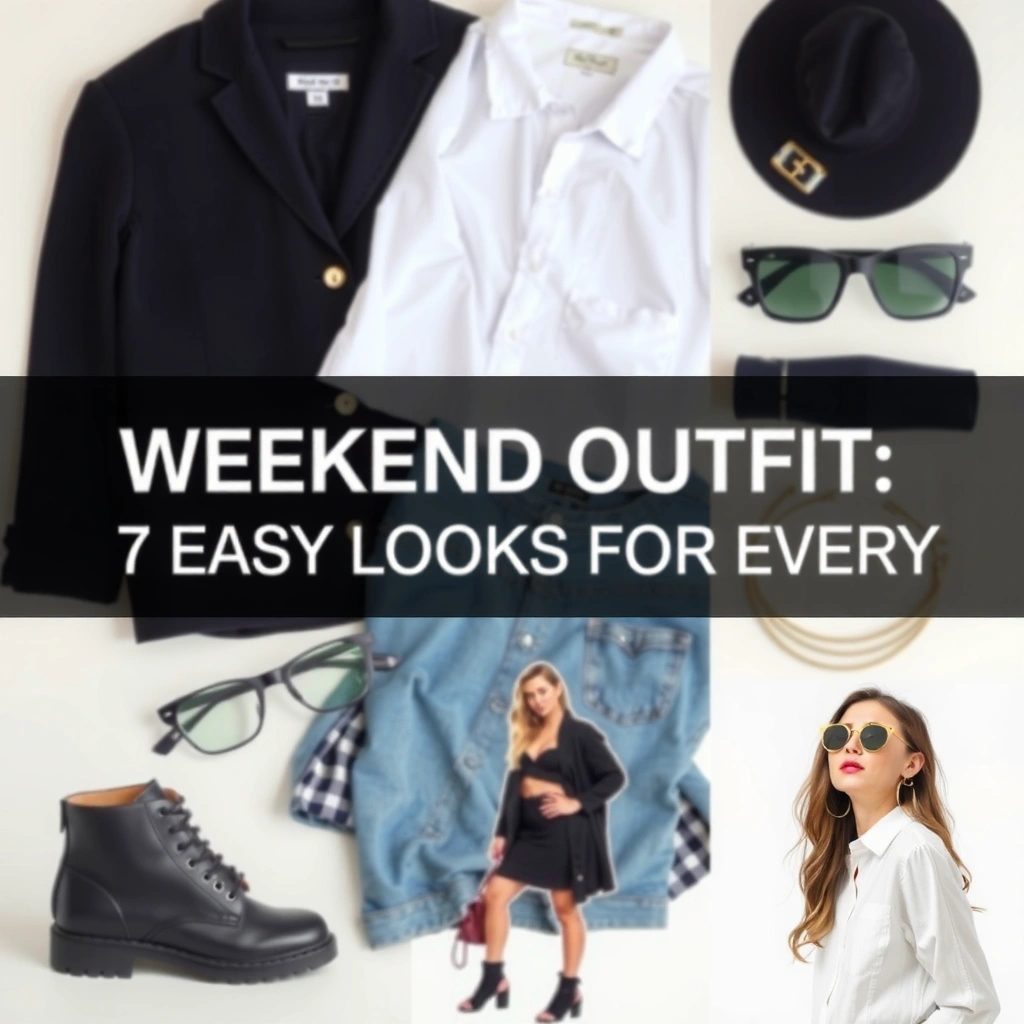
– Casual errands: jeans + fitted tee + light jacket + sneakers
– Coffee or brunch: midi dress or skirt + cardigan + flat sandals
– Evening hangout: matching set or chinos + button-down + clean sneakers
To make these weekend outfit ideas even more reliable, use this fast swap logic:
– If it’s warmer: go lighter on the layer and choose breathable footwear (sandals or airy sneakers).
– If it’s cooler: keep the base the same, but upgrade the layer (overshirt → flannel or cardigan → thicker knit).
– If you’re uncertain: default to a neutral base, a tee or tank, and a removable jacket.
Weekend outfit ideas are all about smart building blocks: start with your plan, choose a simple base, layer for the weather, and finish with comfy shoes and a couple of accessories. Pick one formula above, swap in your favorite pieces, and try a mix-and-match look this weekend—then plan your next outfit around the same easy system.
Frequently Asked Questions
What are easy weekend outfit ideas for beginners?
Start with a simple formula: a comfortable base like jeans or chinos, a breathable top (tee, tank, or button-down), and one “style” piece such as a lightweight jacket or overshirt. Choose sneakers or clean casual shoes to keep the look effortless and practical for errands and brunch. Stick to a neutral color palette with one accent color to make outfit ideas quicker and more wearable.
How can I style a casual weekend outfit that still looks put-together?
Focus on fit and layering: make sure your jeans or trousers fit at the waist and taper slightly, then add a structured layer like a denim jacket, cardigan, or bomber. Tuck in the front of your shirt or add a belt to create shape without needing a full wardrobe change. Finish with simple accessories—like a watch or crossbody bag—to elevate weekend outfits without extra effort.
Why do my weekend outfits look sloppy, and how do I fix it?
Most “sloppy” weekend looks come from ill-fitting clothes, mismatched proportions, or too many competing colors. Try replacing oversized tops with a slightly slimmer silhouette or switch to a more tailored jean; then keep one focal point (either the top or shoes, not both). Use a consistent color story (e.g., earth tones, monochrome, or denim + white) to make casual weekend outfit ideas look intentional.
Best shoes for weekend outfits: sneakers, sandals, or boots?
Sneakers are the most versatile choice for weekend outfits because they work with jeans, joggers, and casual dresses while staying comfortable for walking. Sandals are great for warm-weather days and beachy looks, but choose ones with supportive straps to avoid discomfort. Boots work best for cooler weekends—pair them with straight-leg jeans or midi skirts to balance style and practicality.
Which weekend outfit ideas are best for brunch, a date, or errands?
For brunch, go for elevated casual like a fitted tee with a blazer or a linen button-down with tailored shorts. For a date, choose a polished casual outfit—try a midi dress with a denim jacket or a knit top with sleek jeans and nice sneakers. For errands, prioritize comfort with a matching set (hoodie and joggers), a breathable overshirt, and practical shoes, while keeping the look clean with minimal accessories and neutral tones.
📅 Last Updated: July 04, 2026 | Topic: Weekend Outfit Ideas | Content verified for accuracy and freshness.
References
- Casual wear
https://en.wikipedia.org/wiki/Casual_clothing - Capsule wardrobe
https://en.wikipedia.org/wiki/Capsule_wardrobe - https://en.wikipedia.org/wiki/Layering_(clothing
https://en.wikipedia.org/wiki/Layering_(clothing - Dress code
https://en.wikipedia.org/wiki/Dress_code - https://www.cdc.gov/disasters/extreme-heat/heat_illness.html
https://www.cdc.gov/disasters/extreme-heat/heat_illness.html - https://www.cdc.gov/disasters/winter-weather.html
https://www.cdc.gov/disasters/winter-weather.html - https://www.britannica.com/topic/fashion
https://www.britannica.com/topic/fashion - https://pubmed.ncbi.nlm.nih.gov/?term=clothing+comfort+thermoregulation
https://pubmed.ncbi.nlm.nih.gov/?term=clothing+comfort+thermoregulation - Google Scholar Google Scholar
https://scholar.google.com/scholar?q=casual+clothing+style+guidelines - Google Scholar Google Scholar
https://scholar.google.com/scholar?q=clothing+comfort+thermoregulation