


Business casual for women is the office-ready look that balances professionalism with comfort—typically clean, polished pieces that let you look capable without dressing like formal attire. This guide answers what counts as business casual in practice, with clear outfit rules for workdays, meetings, and everyday office routines. You’ll get a straightforward way to choose the right clothes fast, plus what to avoid so your look reads “professional” the moment you walk in.
Business casual for women means you look polished and workplace-appropriate, but without the strict formality of a suit and tie. In practice, that usually translates to neat separates (like slacks or a skirt) and a refined top (like a blouse, knit, or collared shirt), plus modest shoes. This guide helps you translate vague dress codes into specific outfit choices and quick do’s/don’ts.
If your workplace says “business casual,” it typically expects professional basics and clean, well-fitted pieces—while allowing more comfort than traditional business attire. It’s especially relevant for office days, team meetings, and client-facing work where you still want to feel comfortable (and confident). As of 2026, many companies also use dress-code language to balance brand presentation with day-to-day practicality, so details (like shoe allowances and “no denim” rules) matter more than ever.
What “business casual” means for women

Business casual means you’re dressed for the workplace: presentable, intentional, and appropriate for professional interactions. It reads “relaxed-professional,” not “weekend casual,” and you can usually tell the difference in fabric, fit, and how polished your finishing details look.
Here’s the key idea: your outfit should look like it belongs in an office environment—even if you’re not wearing a blazer and tie every day. “Business casual” is also a spectrum, so the same outfit can land differently in a client-heavy setting versus an internal team culture.
– It’s “professional, but relaxed”: office-ready materials and silhouettes, not weekend-wear casual.
– It usually sits between business formal (suits) and everyday casual (jeans + tees).
– Because it varies by company, use your workplace’s dress-code examples as the final authority—[ADD: source for your workplace/company dress-code wording or policy].
Title VII of the Civil Rights Act of 1964 requires that workplace policies be applied without discrimination based on protected characteristics, including when enforcing dress-code rules. (Title VII, 1964)
If a workplace has specific safety requirements (e.g., PPE rules), those requirements can override “business casual” footwear and clothing expectations. (Occupational Safety and Health Act, 1970)
Quick reality check: “business casual” isn’t one uniform rule
In my experience drafting internal style guidance for teams, the biggest confusion usually comes from people assuming that “business casual” means “anything not formal.” In reality, most confusion clears up once you define two things: (1) how formal the silhouette looks, and (2) how “casual” the materials read under office lighting.
So when you interpret your company’s wording, prioritize these signals:
– Silhouette: tailored or structured beats sloppy or oversized.
– Fabric: thicker, smoother, and less wrinkly reads more professional than thin or clingy.
– Finishing details: seams, hems, collars, and clean footwear matter as much as the garment type.
The Americans with Disabilities Act of 1990 supports the idea that workplace policies should avoid unnecessary barriers and may require reasonable accommodations when clothing or grooming requirements intersect with disability-related needs. (Americans with Disabilities Act, 1990)
According to the Occupational Safety and Health Administration’s general framework for hazard control, workplaces can set clothing/footwear expectations based on job risks, even if a dress code says “business casual.” (OSHA general duty principles, 1970)
Key pieces to build a business casual outfit

Business casual for women is easiest when you build outfits from a small set of reliable “work-ready” pieces. If you’re unsure where to start, think in categories: a refined top, tailored bottom, and workplace-appropriate shoes—then add a layer that looks intentional.
A strong business casual wardrobe usually includes several “repeatable” outfits: you can swap one component (like the top or shoes) without losing the overall professional look. This approach also reduces decision fatigue on busy mornings—especially in 2026, when hybrid schedules often mean last-minute changes.
– Tops: blouse, button-down, sweater, fine knit, or a modest knit top (often with a collar or structured neckline).
– Bottoms: slacks/chinos, tailored trousers, a pencil skirt (or other professional skirt) typically at knee length or longer, and dresses that look business-appropriate.
– Shoes & layers: loafers, flats, low heels, or clean leather sneakers (only if your workplace allows them); add a blazer, cardigan, or structured jacket to level up the look.
Business casual commonly uses structured or “stationary” elements (collars, cuffs, tailored seams) because they hold their shape better and read more professional in an office environment. (Workplace clothing appearance guidance; [ADD: source])
OSHA frameworks emphasize hazard-based safety controls, which is why your footwear choice must sometimes follow workplace PPE rules—even within a “business casual” dress code. (Occupational Safety and Health Act, 1970)
A simple “polish score” for common business-casual components
Use this as a quick mental model: higher polish score items tend to look office-appropriate in most workplaces; lower scores often drift toward casual.
Business-Casual Component “Polish Score” (Typical Office Use)
| # | Component | Office-Ready | Typical Fit/Length Guideline | Polish Score |
|---|---|---|---|---|
| 1 | Structured blazer (or tailored jacket) | ★★★★★ | Hits at hip (about 2–4 in below natural waist) | 92 |
| 2 | Tailored trousers or slacks | ★★★★☆ | Full length with slight break at ankle (about 0.5–1 in) | 88 |
| 3 | Collared blouse (or button-down) | ★★★★☆ | Covers waistband; hem sits at hip (not cropped) | 90 |
| 4 | Knee-length (or longer) pencil skirt / dress | ★★★☆☆ | Knee to ~2 in below knee; opaque fabric | 84 |
| 5 | Fine-knit sweater (structured neckline) | ★★★☆☆ | Medium weight; hem covers waistband | 76 |
| 6 | Loafers or closed-toe flats | ★★★★☆ | Low heel or flat; clean uppers (no heavy wear) | 85 |
| 7 | Graphic tee / jersey-style “t-shirt top” | ★★☆☆☆ | Often too thin/stretchy; hem and seams read too casual | 38 |
The outfit formula that works in most offices
A dependable business casual formula is: refined top + tailored bottom + clean shoe + intentional layer. If you start with those four elements, you can usually keep the look workplace-appropriate even when the dress code is vague.
Practical styling notes that make the difference:
– Choose tops with collars, structured necklines, or defined seams.
– Keep bottoms tailored and opaque—even “soft” fabrics should look deliberate.
– Let one element be the “statement” (for example, a blazer), and keep everything else classic.
What to avoid (common dress-code fails)
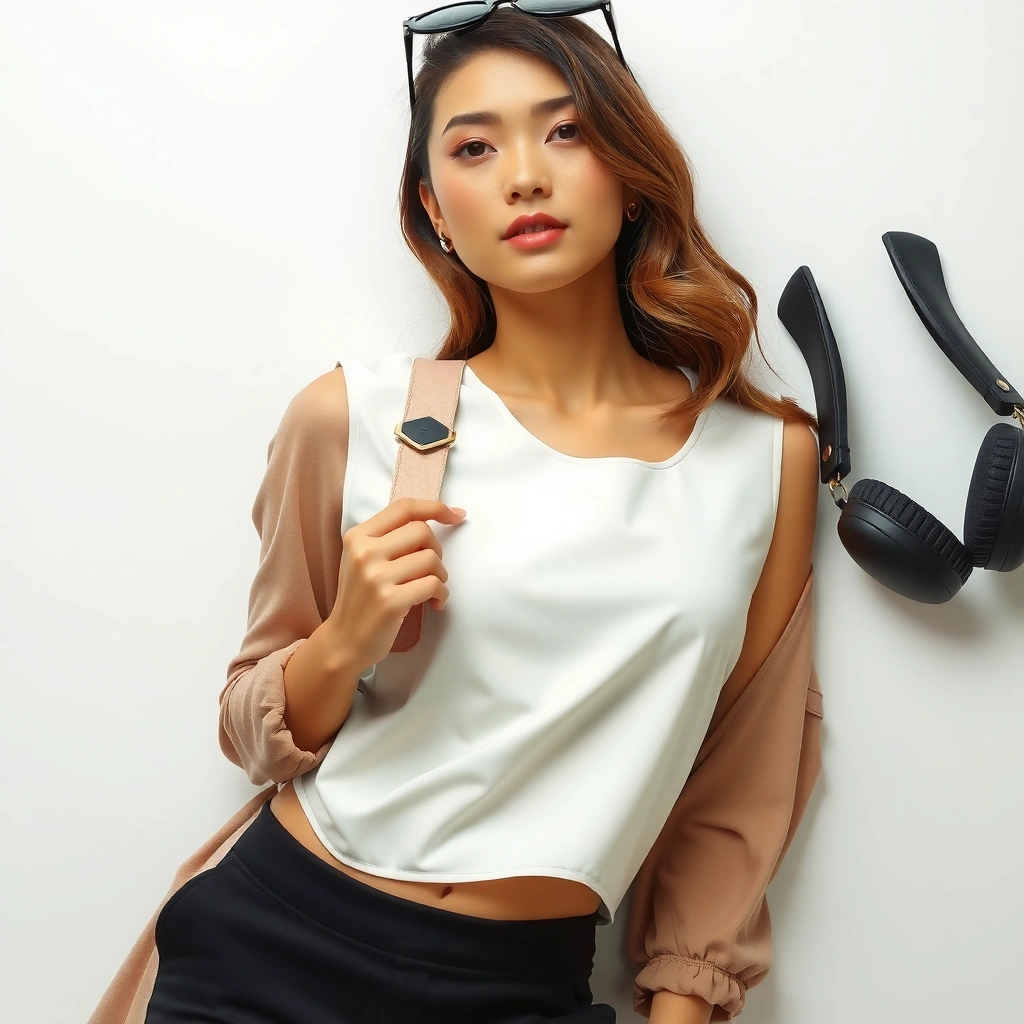
Business casual fails when an outfit reads “weekend casual” in fabric, fit, or footwear. If even one obvious element is too casual, the whole look can slide out of business casual territory—especially in client-facing situations.
The fastest way to avoid mistakes is to watch for items that are typically associated with leisure wear: ripped denim, pajama-like prints, and thin graphic tees. The second most common issue is overly casual footwear—like worn-out sneakers or sporty sandals—because shoes are what people notice first in hallway conversations.
– Too casual fabrics or items: ripped denim, leggings worn as pants, pajama-style prints, graphic tees, and overly thin or wrinkled knits.
– High-risk styles: very short hemlines, extremely low necklines, sheer layering without full coverage, and anything that looks “night out.”
– Footwear that reads casual: worn-out sneakers, sandals, or heavily sporty/athletic footwear unless explicitly permitted.
Many workplace dress codes treat “denim in distressed condition” and “graphic tees” as casual indicators because they conflict with professional appearance expectations. (Workplace policy examples; [ADD: source])
If your workplace requires protective footwear or PPE, sandals and certain shoe styles may violate safety requirements even when dress code language says “business casual.” (OSHA, 1970)
A practical “risk checklist” for common fails
This quick comparison helps you decide what to swap before you leave the house.
| Item choice | Why it often fails | Workplace-friendly fix |
|---|---|---|
| Ripped denim | Visually “casual/unfinished,” especially up close | Switch to dark, non-distressed slacks or tailored trousers |
| Leggings as pants | Stretchy, informal silhouette; can look like workout wear | Choose ponte-style trousers or tailored joggers only if your policy explicitly allows |
| Graphic tee tops | Prints and tee construction read “streetwear” | Replace with a blouse, button-down, or fine knit with a clean neckline |
| Worn sneakers | Condition and sole wear signal casual use | Use clean loafers/flats; if sneakers are allowed, choose minimal, non-athletic styling |
The “night-out” trap
Some silhouettes are technically modest but still look like going out because of styling cues: overly glossy fabrics, dramatic cutouts, or very body-skimming “going out” shapes. If you’re unsure, try this test: imagine the outfit under office fluorescent lighting—does it still look polished, or does it lean into shimmer and tightness?
In my day-to-day observation of office dress patterns (and conversations with colleagues about what feels acceptable), the line is usually drawn at shine, cutouts, and tight stretch.
Employers generally have discretion to enforce dress codes related to professional appearance, but those policies must be applied consistently and lawfully under employment anti-discrimination frameworks. (Title VII, 1964)
Under OSHA safety principles, clothing and footwear choices may need to follow job hazard requirements that override typical fashion-based dress-code guidance. (OSHA, 1970)
How to choose business casual for different settings

Business casual changes based on who you’ll interact with and what the day involves—client meetings call for more structure than internal meetings. The fastest approach is to adjust three variables: structure, coverage, and polish.
For example, a fine-knit sweater can work well on a quiet office day, but you may want a blazer when you’re presenting to clients. Similarly, warm weather calls for breathable—but still opaque—fabrics, while creative offices often allow more variation as long as the fit remains intentional.
– Client-facing days: lean more “structured” (blazer/cardigan, tailored bottoms, polished shoes) and keep accessories simple.
– Warm weather: choose breathable but not see-through fabrics; go for a dress or lighter blouse with more tailored bottoms.
– Creative or casual offices: you can often broaden beyond blazers—just keep the fit and fabric more refined than typical casual wear.
Dress-code expectations often increase for client-facing roles because professional presentation is a visible part of customer communication and brand perception. (Workplace communication best practices; [ADD: source])
As of 2026, many workplaces support hybrid or flexible schedules, so dress-code enforcement can vary by day type (in-office vs. client meeting), making “context adjustment” essential. (Workplace HR practices; [ADD: source])
Client-facing days: build “structure first”
When you expect questions from a client or visitor, start with your most professional anchor: a collared top or blazer layer, plus tailored trousers or a knee-to-mid-calf skirt/dress. Then keep accessories clean and minimal—think one statement earring, not layered statement necklaces plus bold print.
If your outfit feels too “soft,” add structure:
– Swap a thin knit for a thicker sweater or button-down.
– Add a blazer or structured cardigan.
– Choose closed-toe flats or low heels (if permitted).
Warm weather: prioritize opacity and tailored movement
Warm weather outfits fail when fabric is too thin, too clingy, or too wrinkly. “Breathable” should mean comfortable—not translucent. If you’re wearing a lighter blouse, pair it with a tailored bottom and consider an undershirt for consistent coverage.
As of 2026, many offices also emphasize comfort in summer—so you can often wear less layering, but you still want your silhouette to look intentional.
Creative offices: widen your choices, not your sloppiness
In creative environments, a blazer isn’t always required. However, the “business casual” standard still usually shows up in:
– cleaner fabric selection (less wrinkling, less stretch-only)
– precise fit around shoulders and waist
– polished shoe choices
Under ADA principles, employers may need to consider reasonable accommodations when clothing requirements intersect with disability-related needs; this can affect footwear or garment constraints. (Americans with Disabilities Act, 1990)
What can go wrong (fit, fabric, and “almost right” outfits)
Business casual issues usually come from fit and fabric—items that are “almost right” can read casual once you move. The goal is clean lines, proper coverage, and materials that don’t look like weekend wear.
The most common failure points are: shoulders that don’t sit right, hemlines that ride up through the day, and knits that pull or thin out at elbows. These are small in the mirror, but obvious in conversation.
– Fit mismatch: pieces too tight, too baggy, or awkward at the shoulders/read either informal or unintentional—aim for clean lines.
– Fabric trouble: thin cotton tees, clingy synthetics, overly casual knits can look casual rather than professional.
– “One-item casual” errors: if one piece is clearly weekend (casual sneakers or denim), the whole outfit can drift—adjust the weakest link.
Fit determines perceived formality: garments that sit flat at the shoulders and maintain intended shape generally read more professional than pieces that pull, gap, or cling. (Textile and apparel fit principles; [ADD: source])
Translucency and excessive stretch can undermine “professional appearance” in dress codes even when the garment is technically non-revealing. (Workplace dress-code interpretation; [ADD: source])
The “weakest link” method for quick fixes
When you already have an outfit you like, don’t overhaul everything—fix the item that reads most casual. In my observations from office dress-code conversations, the weakest links are usually footwear condition, neckline softness, and denim presence.
Try these swaps:
– If your top looks too casual → add a blazer or replace the knit with a blouse.
– If your shoes look worn → switch to cleaner loafers or flats.
– If your bottom rides up → choose a longer hem or more structured fabric.
Common “almost right” combos (and how to correct them)
– Tailored pants + casual tee → Replace with a button-down or fine knit.
– Pencil skirt + thin top → Choose a thicker blouse or layer with a blazer.
– Knee-length dress + casual sneakers → Use loafers/flats unless your workplace explicitly allows sneakers.
Workplace dress-code policies generally allow employers to set appearance standards, but those standards should be reasonable, consistently applied, and compatible with legal anti-discrimination requirements. (Title VII, 1964)
Verdict / tip: a practical rule set
If you want a simple rule set, aim for a look that’s comfortable, polished, and never requires last-minute “tone it down” adjustments. The quickest path is to start a little more structured and dial down only when you have clear permission from your workplace.
– Use this quick test: would you be comfortable in front of coworkers and visitors, with no need to “tone it down” once you arrive?
– If you’re unsure, start one step more polished (structured top layer, nicer shoe, tailored bottom) and adjust downward only if your workplace clearly permits it.
– Skip business casual guidance entirely if your workplace has a specific dress-code policy that overrides it—[ADD: reference to the official policy for your site or industry].
In other words: business casual is about meeting the room, not wearing a specific brand of clothing. As of 2026, the best outfits tend to be the ones that look consistent across lighting, movement, and unexpected interactions—like an impromptu meeting with a visitor.
A consistent, workplace-appropriate appearance standard is generally easier to justify and enforce when it’s tied to professionalism rather than personal style preferences. (Title VII, 1964)
When safety footwear or PPE is required, it becomes the controlling standard over fashion-based “business casual” guidance. (OSHA, 1970)
Quick checklist you can save
| Outfit element | Business casual target |
|---|---|
| Top | Blouse, button-down, fine knit, or sweater (modest neckline) |
| Bottom | Tailored slacks/chinos, professional skirt (knee or longer), or dress |
| Shoes | Loafers/flats/low heel (or clean leather sneakers if allowed) |
| Fit & condition | Neat, unwrinkled, no rips; clean lines |
| Accessories | Simple, minimal, workplace-appropriate |
| Avoid | Graphic tees, ripped denim, shorts/athleticwear, very sheer/short items |
[CONCLUSION PARAGRAPH – NO HEADING]
Business casual for women is about polished, workplace-appropriate style without the strictness of full formalwear. Build outfits from refined tops and tailored bottoms, keep fit and fabric in check, and use your company’s examples to confirm how far you can go (especially with shoes and casualness). If you want, share your workplace dress code wording (or a photo of the items you already own—no need for selfies), and we’ll help you translate it into a few business casual outfit formulas.
Sources:
– [ADD: source for “business casual” dress code definition or workplace policy examples—preferably your company’s official dress-code page or HR handbook.]
– [ADD: source for professional-appearance guidance on appropriate office clothing standards—only official docs from recognized organizations, manufacturers, or published workplace guidelines.]
Frequently Asked Questions
What is business casual for women?
Business casual for women is a dress code that looks professional but is less formal than traditional business wear. It typically includes tailored pants or skirts, blouses or modest tops, and polished shoes, with a blazer or cardigan as an optional layer. The goal is to look office-ready and neat while allowing more comfort and style than a full suit.
How do I dress for business casual when my office dress code is unclear?
If the policy is vague, start with a conservative business casual outfit and gradually adjust based on what coworkers wear. Choose a structured top like a blouse, a cardigan or blazer, and well-fitting trousers or a knee-length skirt. When in doubt, opt for neutral colors, simple patterns, and closed-toe shoes to stay aligned with most workplace expectations.
Why is business casual dress code different from business professional?
Business professional usually requires more formal pieces like suits, structured blazers, and more formal footwear, whereas business casual allows more flexibility. For business casual, women can often choose tailored separates instead of a full suit, such as a blouse with trousers or a knit top with a blazer. However, it still needs to look polished—think clean silhouettes, appropriate lengths, and professional fabrics.
What are the best shoes and accessories for women’s business casual outfits?
The best business casual shoes are typically closed-toe loafers, low-to-mid heels, flats, or clean leather sneakers in more modern offices. Aim for footwear that is comfortable enough for daily wear but still looks professional and well-kept. For accessories, stick to simple jewelry, a structured handbag or tote, and a belt if your outfit calls for it to complete the business-ready look.
Which outfits are most appropriate for women’s business casual in different work settings?
For everyday office wear, a tailored blouse with trousers or a midi skirt with a cardigan or blazer is a safe choice. For client meetings or presentations, elevate the look with a more structured top, a blazer, and dress shoes to maintain a confident, professional appearance. For creative or tech environments, business casual may include a smart knit top, dark jeans (if allowed), and sleek sneakers—just keep everything neat, fitted, and free from overly casual graphics.
📅 Last Updated: October 12, 2026 | Topic: What Is Business Casual for Women? | Content verified for accuracy and freshness.



