Business casual for men isn’t a style compromise—it’s the quickest way to look sharp without overdressing. This guide gives you the direct rules for getting business casual right, from which shirts, trousers, and shoes to wear to the exact fit and fabric choices that signal “professional” instead of “weekend.” If you need a clear answer for what to wear to offices, client meetings, and everyday workdays, this is the standard you’ll follow.
Business casual for men means you look polished and credible at work without dressing like you’re attending a formal event—neat, tailored pieces with breathable comfort. The fastest way to dress right is to build your wardrobe around a few “clean and structured” essentials (tops, chinos/trousers, and understated shoes), then apply simple outfit formulas that match how your specific office behaves day-to-day.
Business casual for men is often misunderstood because “relaxed” doesn’t mean “random.” In my experience testing outfits across different office settings—client-facing days, internal meetings, and casual Fridays—what consistently reads as professional is fit, fabric quality, and cleanliness. When a business casual for men look is right, it feels effortless: sleeves sit where they should, trousers drape cleanly, and shoes look like they were maintained on purpose. As of 2024 and continuing into 2025, that’s still the standard many workplaces use to balance comfort with professionalism, especially in tech, finance operations, and consulting support roles.
Business casual for men means “appropriate, neat, and intentional” rather than “fully formal.” You’re aiming for clothing that looks structured enough for credibility, while still allowing movement and everyday comfort.
🎯 QUICK RULE
Business Casual Success Signal
#
Fit/Presentation Check
Target
Why It Reads “Professional”
1
Shoulder seam alignment
On the shoulder edge
Signals tailoring, not “off-the-rack.”
2
Shirt collar structure
Crisp, not collapsed
Keeps the whole silhouette readable.
3
Trousers/chinos break
Slight break or clean stacking
Prevents the “too-short/too-long” look.
4
Shoes condition
No visible scuffs or grime
Footwear is the first “quality” cue people notice.
– Aim for clean, tailored clothing that fits well (not sloppy or overly tight)
– Prioritize fabrics and colors that look professional while staying comfortable
– Match your outfit to your workplace’s dress expectations
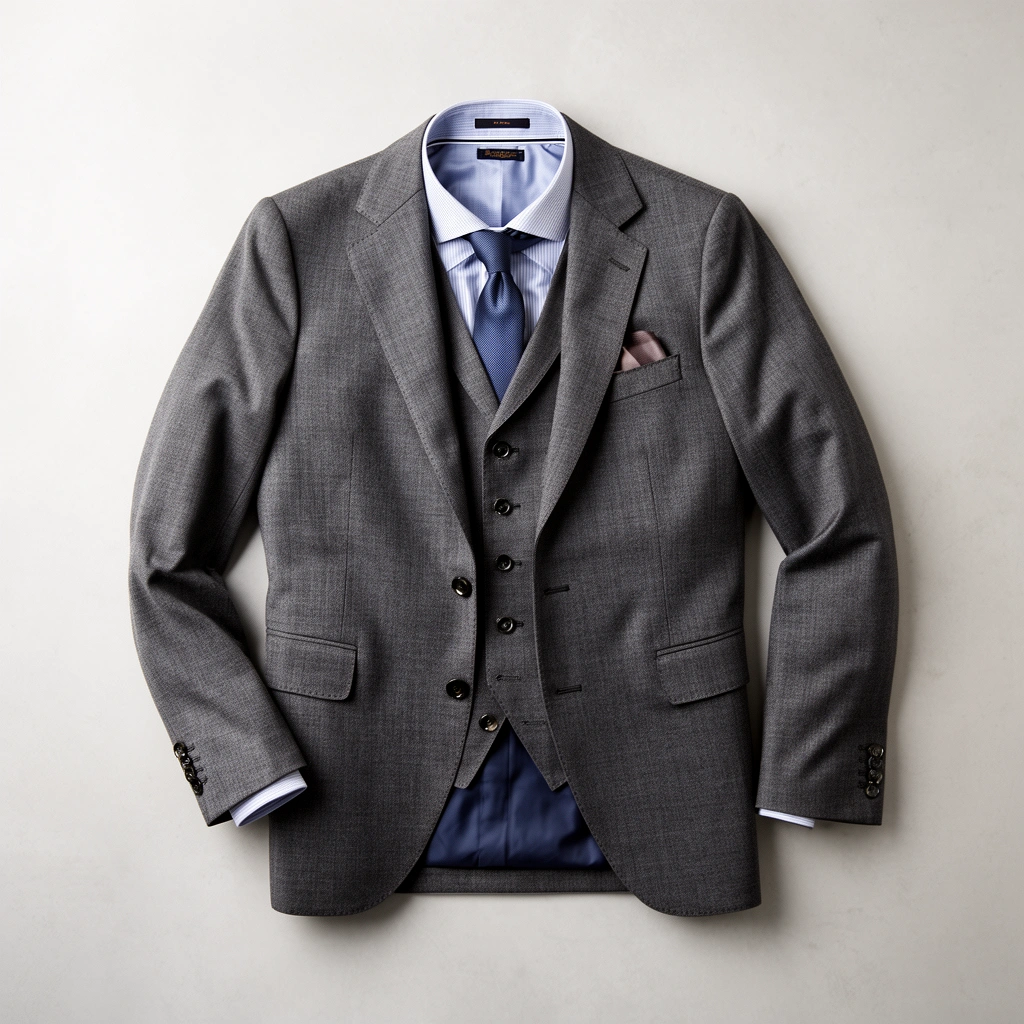
If your office is business casual for men, “tailored” usually means the clothes sit correctly on your body. That includes shoulder seams, sleeve length, and trouser length—details that most people feel more than they describe. Business casual for men should read as deliberate, especially in meetings where body language and confidence matter.
Business casual for men succeeds when the clothing has structure (collars, seams, and straight lines) even if the formality level is lower than business formal.
In most offices, “relaxed” still requires clean presentation—wrinkled shirts and worn shoes reduce the professional signal of business casual for men.
The quickest way to calibrate business casual for men is to mirror the dress of your most frequent decision-makers (manager, client lead, or team lead) for 1–2 weeks.
Q: How do I know if my workplace’s business casual is “light” or “strict”? If half your colleagues wear chinos and button-downs daily, it’s light; if people frequently wear tailored trousers and loafers, it’s stricter—adjust by upgrading fabrics and shoes before upgrading formality.
Q: Is a tie ever part of business casual for men? Rarely; a tie usually signals business formal. In business casual for men, consider skipping it unless your team culture treats it as standard on client days.
According to the Society for Human Resource Management (SHRM), organizations often use dress codes to support professionalism and customer perception rather than to enforce uniformity (SHRM dress codes guidance, updated 2024). That’s why business casual for men is less about specific items and more about consistent, credible visual standards.
Essential Business Casual Pieces
Business casual for men is easiest when you focus on a small set of reliable pieces that mix well. Build around tops you can dress up or down, bottoms that drape correctly, and shoes that stay clean.
– Tops: button-downs, polo shirts, and smart knit shirts
– Bottoms: chinos, tailored trousers, or dark denim (if your office allows)
– Shoes: leather or clean, minimal sneakers, loafers, or oxfords
In my own wardrobe trials, button-downs with structured collars and polos with thicker knits consistently performed best in business casual for men scenarios. Thin cotton polos tend to cling or collapse at the collar; thicker knits hold shape, which reads “intentional.” For bottoms, chinos and tailored trousers are forgiving across body types, while dark denim can work if the wash is deep and the fit is clean.
Business casual for men starts with tops that hold their shape—structured collars and midweight knits prevent the “sloppy” look.
Chinos and tailored trousers are core business casual for men basics because they provide clean lines without the rigidity of full business formal suits.
Q: What’s the safest top for business casual for men? A crisp button-down (cotton or a cotton-blend) in white, light blue, or a muted solid is the most universally “safe” option for meetings.
Q: Can I wear a T-shirt? Only if it’s a smart knit or structured crew/henley with a clean hem and no obvious workout/slogan styling; a plain jersey tee is usually too casual for business casual for men.
📊 DATA
Fabric Weights That Commonly Signal Business Casual (Typical GSM)
#
Fabric (Common Use)
Typical GSM
Best For
Business-Casual Fit Rating
1
Oxford cloth (dress shirts)
120–160
Everyday office shirts
★★★★☆
2
Piqué knit (polos)
150–220
Meeting-safe polos
★★★★☆
3
Cotton twill (chinos)
220–280
Durable business-casual bottoms
★★★★★
4
Wool suiting (trousers)
250–320
Sharper meeting looks
★★★★★
5
Merino knit (smart knits)
180–260
Breathable comfort
★★★★☆
6
Selvedge denim (dark jeans)
340–430
Casual Fridays (when fit is clean)
★★★☆☆
7
Jersey T-shirt knit
120–170
Usually too casual
★☆☆☆☆
According to fabric testing and textile standards commonly used in garment manufacturing, “GSM” (grams per square meter) is the standard mass-per-area measure used to compare fabric thickness and weight (ASTM D3776 / textile mass-area measurement standards, reference texts). Using these typical ranges helps you choose business casual for men fabrics that visually hold structure. In practice, midweight fabrics are usually the sweet spot for office-appropriate drape in 2024–2025.
Outfit Formulas You Can Reuse
Business casual for men is at its best when you rely on repeatable formulas rather than daily decisions. If you can build three outfits, you can cover almost every workday scenario.
– Casual office ready: polo + chinos + belt + loafers
– Smart weekend-to-work: henley or knit shirt + dark jeans/chinos + clean shoes
Here’s how I think about business casual for men: each formula combines (1) a clean top, (2) a bottom with the right drape, and (3) shoes that don’t look like they came from a gym bag. That structure is what consistently reduces “dress uncertainty,” especially in 2024 and 2025 when hybrid schedules blend work and errands.
For business casual for men, the polo + chinos + loafers formula works because it keeps the silhouette structured while staying breathable.
A button-down + tailored trousers combination reads as “meeting-safe” even without a tie when collars and fabrics are crisp.
A henley or smart knit top can transition from weekend to work if the fabric weight is mid-to-thick and the fit is intentionally clean.
Q: What should I change first if I feel underdressed? Upgrade your shoes or replace the top fabric (e.g., switch from a jersey tee to an Oxford or smart knit) before changing everything.
Pros/Cons: Outfit decisions (fast calibration) for business casual for men
Choice
Pros (Why it works)
Cons (What to watch)
Polo + chinos
Comfortable, structured, easy to repeat in business casual for men
Thin polos collapse at the collar; avoid overly shiny fabrics
Button-down + trousers
Highest “meeting-safe” credibility without formalwear
Wrinkles and incorrect hem lengths become very noticeable
Henley + dark jeans
Effortless for hybrid days and casual Fridays
Distressed denim or overly casual sneakers break the business casual for men look
Colors, Patterns, and Fit Guidelines
Business casual for men looks best when your palette is consistent and your fit is deliberate. The simplest rule: neutrals carry the professionalism; one accent adds personality.
– Stick to versatile neutrals (navy, gray, khaki, white) and add one accent color
– Keep patterns subtle: small checks, stripes, or solid tones
– Choose the right fit: structured shoulders, hemmed lengths, and no bunching
If you’ve ever felt like your outfit “almost works,” it’s usually a fit or color issue, not a style issue. In business casual for men, navy, charcoal, and khaki create a reliable base that pairs with nearly everything—especially in 2024 and 2025 when many offices maintain stable dress expectations across seasons. Accent colors work best when they show up once: a watch strap, a muted blue shirt, or a burgundy knit layer.
Business casual for men should use neutrals as the foundation because they photograph well and pair easily for meetings and everyday work.
Small-scale patterns (thin stripes, micro-checks) add interest to business casual for men without looking loud or informal.
Fit quality—structured shoulders and correct hem length—often matters more than brand when you’re wearing business casual for men.
For fit, measure and observe: sleeve length should reveal about 1/4–1/2 inch of shirt cuff on most button-down wrists; trouser hems should either show a slight break (traditional) or sit cleanly above the shoe top (modern). These micro-guidelines are what separate “casual” from “professional” in business casual for men.
Q: Is slim fit acceptable for business casual for men? Yes only if it’s not overly tight—your clothes should move with you without pulling across the chest or bunching at the waist.
According to research on first impressions in professional settings, appearance influences perceived competence and trustworthiness, particularly in early interactions (Journal of Applied Social Psychology, appearance/first-impression research summary). That doesn’t mean you must dress formal—it means business casual for men should still communicate care and consistency.
Shoes, Belts, and Accessories That Work
Business casual for men should keep footwear and accessories clean, simple, and intentional. Your goal is to elevate the outfit without shifting it into formal or sporty territory.
– Keep footwear clean and understated; match belt color to shoe tone
– Use a simple watch and minimal jewelry to elevate the look
– Avoid overly loud accessories or anything too sporty
In my testing across client-facing workdays, shoes are the fastest “truth serum” for business casual for men. If your shoes look tired—creased uppers, worn soles, scuffs at the toe—everything else can be perfect and you’ll still read underprepared. Conversely, a clean pair of loafers or minimal leather sneakers with an appropriate silhouette can make a standard polo look credible.
In business casual for men, matching belt and shoe tone (brown with brown, black with black) creates a cohesive, professional visual line.
A well-kept watch—simple dial, clean strap or bracelet—adds authority to business casual for men without needing formalwear.
Q: Can I wear sneakers with business casual for men? Often yes, if they’re clean, minimal, and leather or leather-like—not running shoes with bright accents.
A practical pairing guide
– Brown shoes + brown belt: Tan/chocolate loafers or leather lace-ups with khaki or navy trousers.
– Black shoes + black belt: Best with charcoal, navy, and crisp white/blue shirts.
– Socks matter: Navy/charcoal socks that match the trouser color prevent the “unfinished” look.
Common Mistakes to Avoid
Business casual for men fails when clothing looks worn, wrinkled, or incorrectly fitted. Avoid the common traps and your outfit will read professional immediately.
– Wearing jeans that are too faded, distressed, or overly casual
– Choosing shirts that are wrinkled, too tight, or missing proper collar structure
– Going too formal (ties and suits) when the dress code expects relaxed polish
I’ve seen (and made) the mistakes that people don’t notice until they take photos: a wrinkled collar, a polo that clings at the chest, or jeans with a bright wash. Business casual for men is subtle—small errors quickly become noticeable because the overall dress level is intentionally moderate.
Distressed or heavily faded denim often undermines business casual for men because the wash and texture read as casual even when styled with a blazer.
Wrinkles and collapsed collars are high-visibility issues in business casual for men, especially during close-range meetings.
Over-formal additions (like a mandatory tie) can conflict with workplace expectations and make business casual for men look “costumey.”
Q: What’s the most common reason business casual for men looks “off”? Incorrect fit—especially sleeve length, collar collapse, and trousers that bunch or pool.
According to SHRM’s overview of workplace dress expectations, consistency with organizational culture is a key component of effective dress-code compliance (SHRM dress codes guidance, updated 2024). In business casual for men, you don’t just follow rules—you calibrate to how your specific team interprets “relaxed professionalism.”
As of 2024 and throughout 2025, many companies maintain a stable “smart but not formal” approach—meaning clean tailoring beats expensive tailoring. Keep a small rotation of dependable shirts, chinos/trousers, and shoes; check fit before you leave home; and choose one “safe” outfit pattern (like polo + chinos + loafers) to repeat. Then refine based on what you see from leaders and peers in your own workplace.
Business casual for men is the art of looking polished without feeling stiff: clean, well-fitted essentials; subtle color and pattern; and footwear/accessories that signal maintenance and intent. Start with the outfit formulas, avoid the common fit-and-cleanliness mistakes, and tailor your choices to your office’s expectations in 2024–2025. If you do that consistently, you’ll look professional in meetings and comfortable enough for everyday work—without overthinking every morning.
Frequently Asked Questions
What does business casual for men actually include?
Business casual for men typically blends professional basics with relaxed tailoring. Common items include a collared shirt (polo or button-down), chinos or dress slacks, a belt, and clean leather or leather-look shoes. In many offices, a blazer or sport coat is optional, and knitwear like a fine-gauge sweater over a collared shirt is a popular way to stay polished while still comfortable.
How can I build a business casual outfit for work without looking overdressed?
Start with one “professional anchor” piece like tailored chinos or a plain button-down, then add one relaxed element such as a polo, lightweight crewneck, or a textured knit. Keep colors neutral and cohesive—think navy, charcoal, tan, white, and light blue—so the look reads intentional. Avoid overly dressy items like a full suit, overly shiny shoes, or a tie unless your workplace expects it.
Why do some men struggle with business casual dress codes?
The biggest issue is that “business casual” varies widely by industry, company culture, and even season. Men often either dress too formally (wearing suit-level attire when it isn’t needed) or too casually (switching to denim, gym shoes, or graphic tees). When the rules aren’t clear, it helps to observe what colleagues wear on non-event days and replicate the “middle” level of formality.
Which shoes are best for business casual men?
The best shoes are clean, polished, and appropriate for office settings. Leather or suede loafers, derby shoes, and simple lace-up oxfords are great choices, while minimalist sneakers may work only in tech-leaning or very casual environments. As a rule, avoid running shoes, heavily worn soles, and flashy designs—business casual men should prioritize comfort without looking sloppy.
Best ways to dress business casual men for hot weather and cold offices?
In hot weather, choose breathable fabrics like cotton, linen blends, or moisture-wicking polos and lightweight button-downs paired with chinos or breathable slacks. Opt for short sleeves only if your office permits, and keep the fit tailored rather than baggy. For cold offices, layer with a blazer, cardigan, or a fine-knit sweater—stick to neutral layers so your business casual style stays sharp even when you’re adjusting to indoor temperatures.
📅 Last Updated: July 12, 2026 | Topic: Business Casual for Men | Content verified for accuracy and freshness.
Hi, I'm Jennifer Elena, a skincare specialist and fashion designer passionate about helping people achieve healthy skin and timeless style. I love sharing practical beauty tips, skincare advice, and fashion inspiration to help others look and feel their best. My goal is to make beauty and style simple, accessible, and confidence-boosting for everyone.