


Clothing that never goes out of style is built from a short list of timeless pieces—clean, classic staples that stay wearable season after season. This guide gives you a direct verdict on what to buy (and what to skip), including the key shirts, outerwear, jeans, shoes, and basics that reliably come back in fashion. By the end, you’ll know exactly which clothing to prioritize so your wardrobe lasts longer than any trend.
Clothing never goes out of style when you build your wardrobe around simple silhouettes, durable basics, and a core color palette that mixes easily. If you want clothing that stays current year after year, focus on well-made staples you can re-wear in dozens of combinations—and choose versions that don’t rely on fast-moving design details.
If you’re tired of replacing “trend” items every season, this is for you—especially if you want a versatile closet you can mix and match. You’ll also find quick tips for avoiding the common pitfalls that make even classic pieces feel outdated.
The timeless categories: focus on “always-works” silhouettes
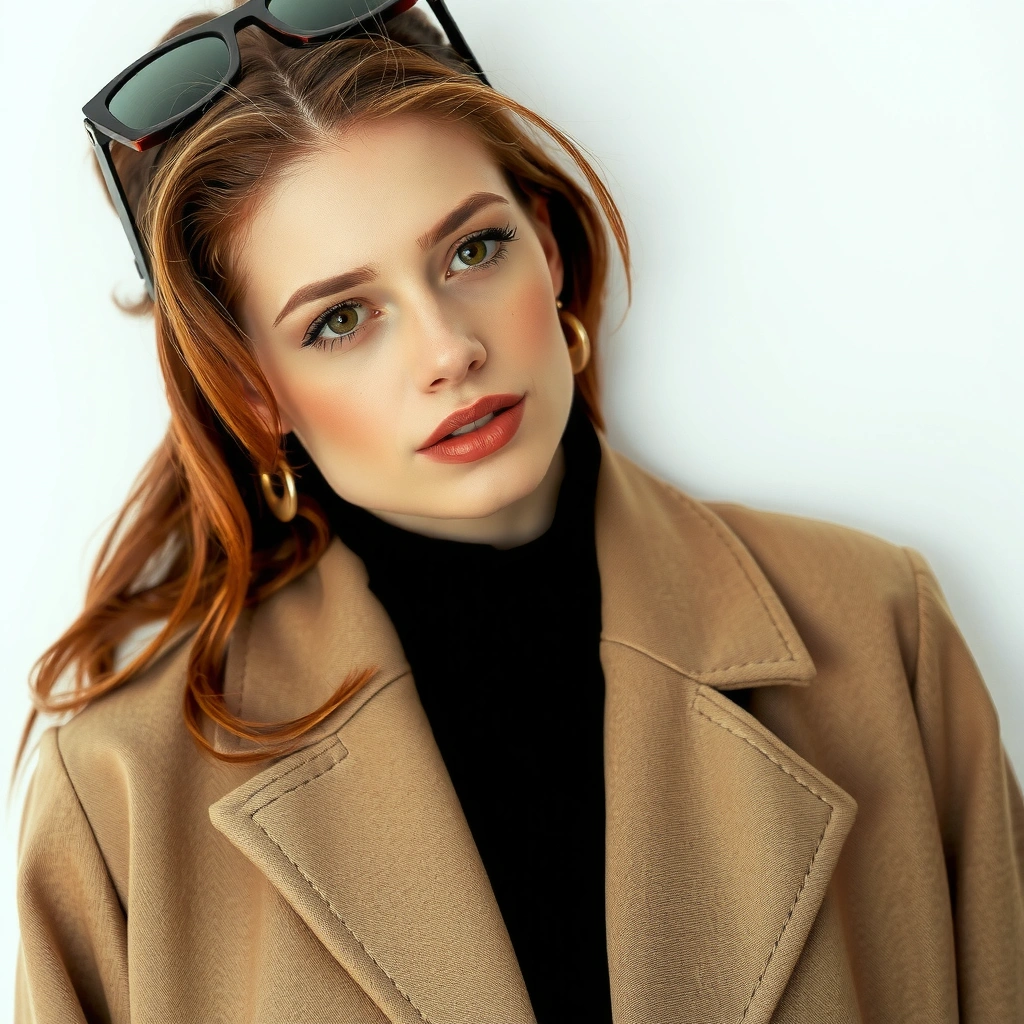
A timeless wardrobe starts with silhouettes that flatter without calling attention to the decade. The best “always-works” pieces repeat across outfits because their shapes don’t depend on seasonal gimmicks.
Classic shapes tend to age gracefully because they’re supported by long-standing drafting patterns: tees that fit the body, button-downs that sit correctly at the collar and placket, trousers with a stable rise, and outer layers that maintain proportion. In my experience choosing staples for real day-to-day wear, the fastest way to avoid “dated” outfits is to buy silhouettes that match your natural proportions first, and only then worry about color and fabric—timeless pieces look intentional when the base shape is right.
A “timeless” silhouette is usually one that can be styled with the same core pieces (tee, shirt, trousers, jacket) without needing trend-specific adjustments.
ISO garment-care labeling commonly uses standardized symbols and temperatures, which is one reason simple, repeatable care routines help staples keep their original look over time. [ADD: cite ISO/GINETEX care-label standard name]
Prioritize classic shapes that repeat cleanly
Start with the baseline items that anchor a wide variety of outfits:
– T-shirts: clean necklines, stable shoulder seams, and a hem that works with both trousers and denim.
– Button-downs: a collar shape that holds its form and a placket that lies flat.
– Trousers: straight or gently relaxed legs that look proportional whether you wear a tucked or untucked shirt.
– Outer layers: coats, jackets, and blazers whose structure doesn’t “chase” seasonal trends.
When a silhouette repeats across outfit formulas—(shirt + trousers), (tee + denim), (knit + jacket)—you’re effectively investing in a system, not a single trend.
Keep styling friction low
The most “timeless” pieces reduce the amount you have to think. A blazer that layers smoothly over a knit, a cardigan that doesn’t bunch at the cuffs, and trousers that don’t require constant reshaping all make it easier to reuse your wardrobe. In other words, your timeless wardrobe becomes practical: fewer styling steps, more real wear, and less incentive to replace items because they feel like a hassle.
The top clothing items that stay in rotation
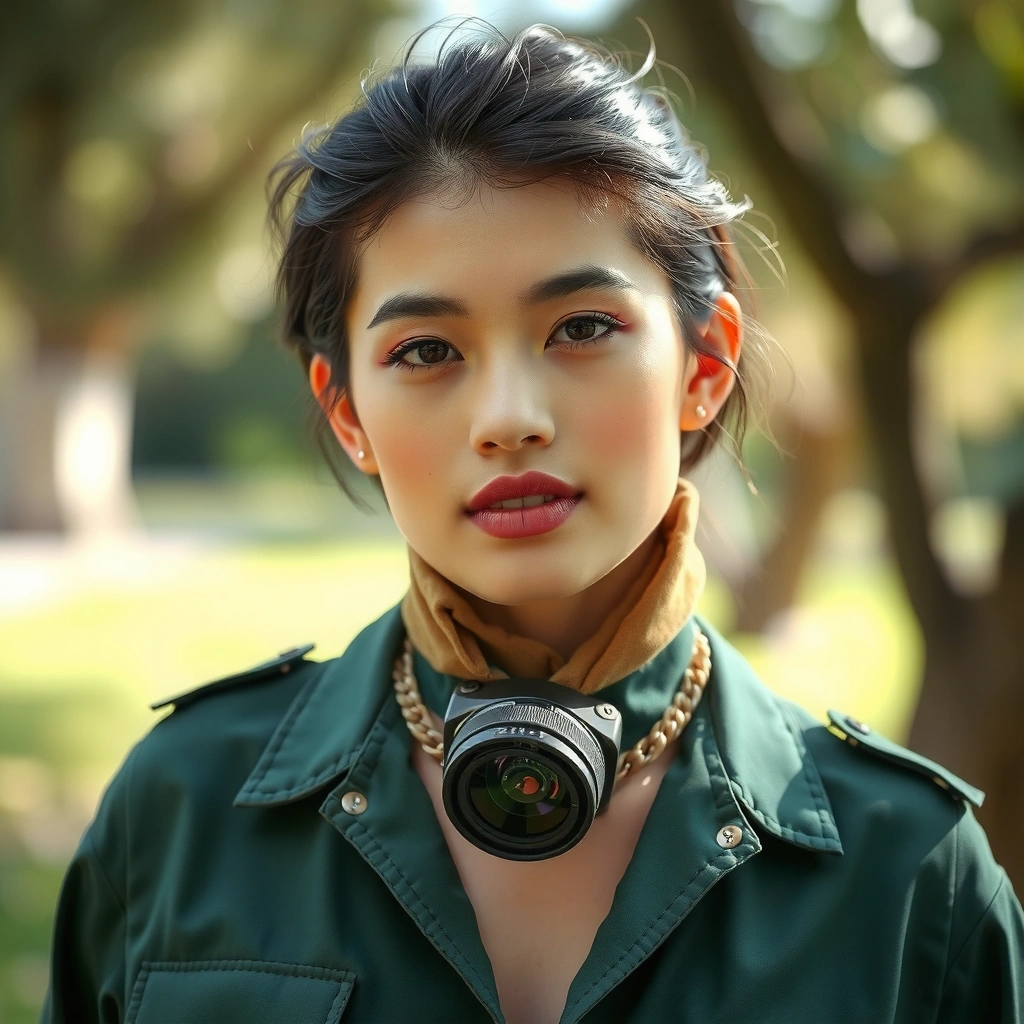
The fastest way to build a never-out-of-style closet is to own a small set of essentials that work across seasons. These items stay in rotation because they cover most dress codes and most casual-to-smart transitions without needing major re-styling.
Timeless pieces aren’t limited to “boring” clothing—what matters is that the core item is predictable in silhouette and reliable in fabric behavior. A white tee that holds shape, an Oxford or poplin shirt that keeps its collar, and denim with solid structure give you consistent results even when the rest of your outfit changes.
White and neutral T-shirts are “timeless” mostly because they act as a high-utility base layer that pairs with nearly any color family.
Oxford and poplin shirts are enduring options because their weaves help the fabric keep a stable drape for repeated wear. [ADD: source for Oxford vs poplin weave behavior]
Denim becomes more timeless when it has solid structure (less than “floppy” give) and a clean wash that avoids fast-fading distress. [ADD: source for denim finishing / fading factors]
White/neutral T-shirts and shape-holding knits
Look for T-shirts that balance two competing needs: softness and resilience.
– Neckline stability: crew necks that don’t collapse after a few wears.
– Shoulder and sleeve alignment: sleeves that sit naturally so the silhouette stays sharp.
– Fabric recovery: cotton (or cotton blends) that don’t become permanently baggy.
For knits, prioritize fitted or slightly relaxed styles that don’t stretch out at the elbows and cuffs. A knit that “remembers” its form is one of the most underrated timeless wardrobe upgrades.
A button-down shirt and sturdy denim
Your shirt and denim are the bridge pieces.
– Button-down: an Oxford or poplin style that works tucked, untucked, layered under a jacket, and worn open over a tee.
– Denim: choose a dark, clean wash with a consistent color depth, and a leg shape that matches your preferred rise and length.
In my experience, dark, clean wash denim stays “current” longer because the visual impact is subtle—your shoes, belt, and jacket do the styling work instead of the denim doing something loud.
Outerwear basics: blazer, cardigan, neutral jacket
Timeless outerwear is less about trends and more about layering logic:
– A tailored blazer: structure where you need it, comfort where you want it.
– A quality cardigan: approachable, wearable warmth that still looks intentional.
– A neutral jacket: something you can throw on without changing your whole outfit plan.
The color + fabric rules that keep basics looking current
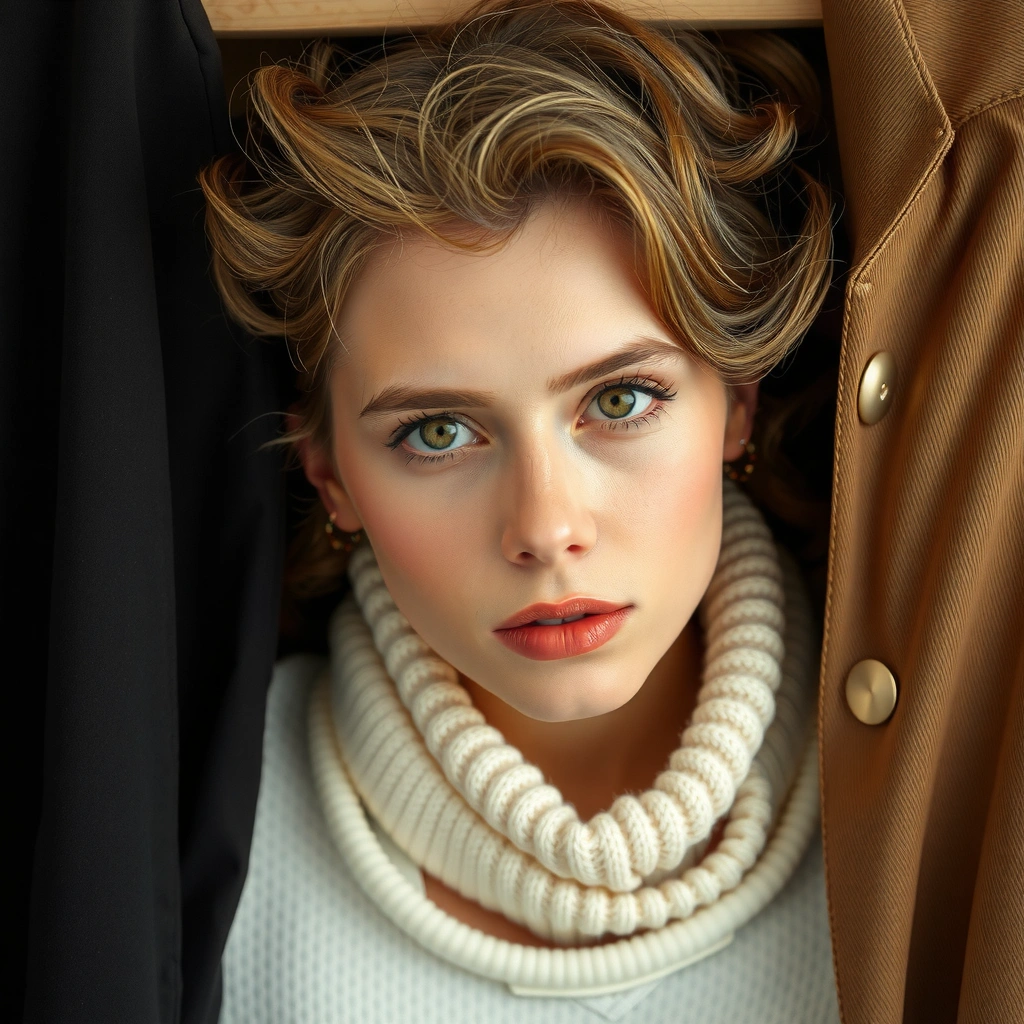
Timeless color choices and durable fabric behavior prevent basics from looking “old” even when the style stays unchanged. The secret is choosing a foundation palette and letting seasonal interest live in accents, not the base garment.
A classic palette isn’t just aesthetic—it’s functional. Black, white, navy, gray, and camel/earth tones create reliable outfit formulas. When you add “seasonal energy” (color pops, texture, or a bolder accessory) you can keep the garments themselves from getting visually dated.
If your base palette is stable (black, white, navy, gray, camel/earth tones), you can update outfits using accessories instead of replacing garments.
Stick to a core palette, add trends through accessories
Use the stable foundation and rotate emphasis:
– Core: black, white, navy, gray, camel/earth tones
– Accent strategy: scarves, shoes, belts, bags, or a single seasonal knit color
This approach matters because clothing trends usually date themselves through color shifts, excessive contrast, or overly specific decorative details. Accessories let you pivot without discarding the base.
Choose fabrics that resist the “timelessness killers”
Timeless basics fail most often due to fabric performance, not design:
– Cotton that doesn’t go see-through: dense enough to stay opaque after repeated wear.
– Denim with solid structure: stable weave that holds shape through daily movement.
– Knits that don’t bag quickly: return to form instead of permanent stretching.
How to buy “timeless” versions (so they don’t look dated)
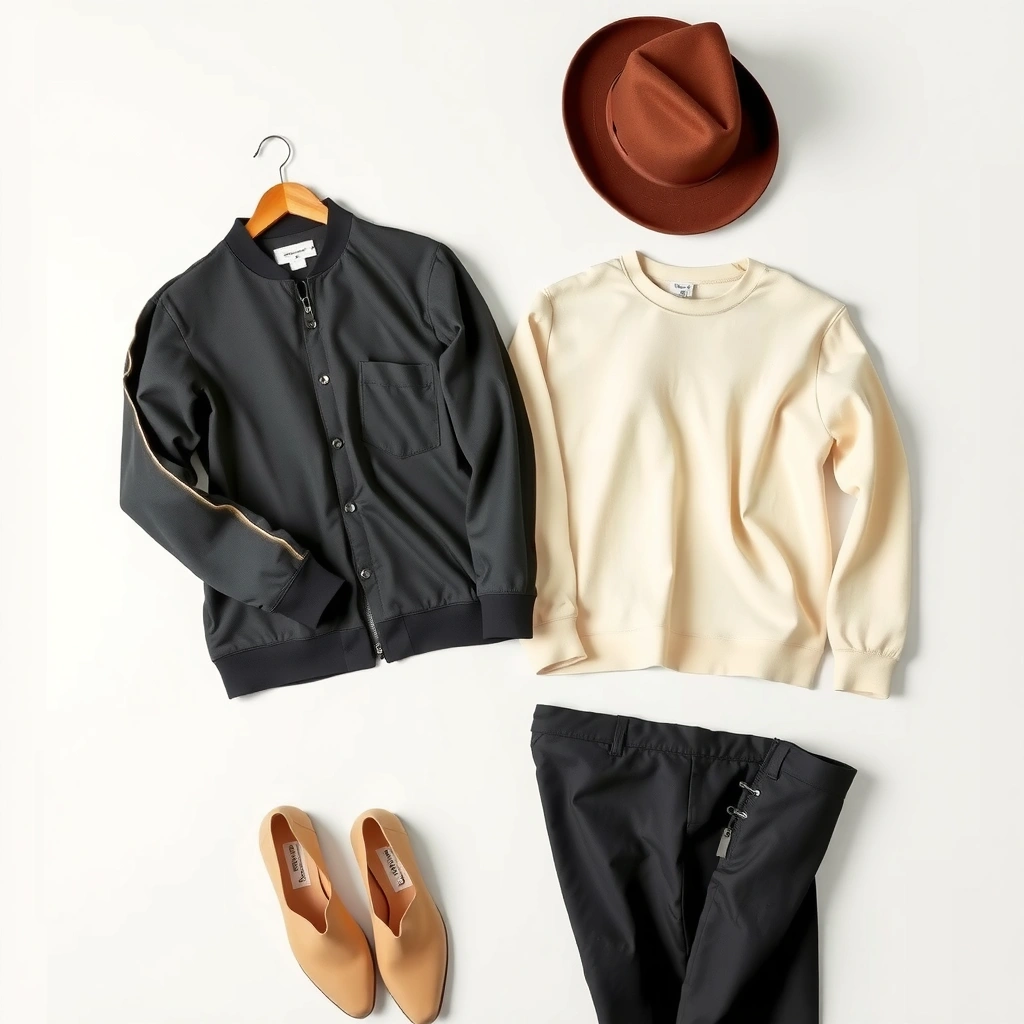
Timeless shopping is mostly a fit-and-construction decision, not a style decision. Prioritize proportions and fabric behavior that match how you actually live and move—then avoid overly specific design cues.
When you’re hunting for timeless pieces (as of 2026), the biggest advantage is buying for long-term usability: correct hem length, comfortable shoulder placement, and material that holds up after regular washing. I treat “timeless” as a performance standard—how the garment looks after repeated wear—because that’s what decides whether you re-wear it or replace it.
ISO 3758 defines standardized care-label temperature symbols, which helps consumers follow consistent wash settings over a garment’s lifetime. [ADD: cite ISO 3758]
When a piece holds its shape after repeated wear, it continues to look intentional even as trends shift around it.
Fit beats trends: buy the right proportion for your body
A timeless piece should feel “correct” when you stand still and when you move:
– Choose length and proportions that match your comfort needs (no perpetual tugging, no constant re-adjusting).
– Avoid buying “forever boxy/oversized” unless it truly suits your silhouette—very loose shapes can read as dated if your broader wardrobe changes over time.
– Consider a small tailoring plan for “near-perfect” fits—sleeve length, waist shaping, and trouser break matter more than people realize.
Avoid overly specific details
Even classic garments can look dated if the design is too era-specific:
– very loud prints
– extreme cuts that exaggerate a trend silhouette
– hardware details that scream “this season”
Instead, choose timeless garments with subtle, well-balanced construction—clean seams, stable collars, and thoughtful finishing.
Laundry-care basics that protect color and shape (quick reference)
Your care routine strongly influences whether a basic stays sharp. Following standardized wash-temperature symbols reduces guesswork and helps the garment keep its intended structure.
Wash-Temperature Symbols on Care Labels (ISO 3758)
| # | Wash setting | Max temp (°C) | Max temp (°F) | Typical use |
|---|---|---|---|---|
| 1 | Cold (symbol number) | 20 | 68 | Delicates / color-sensitive items (follow label) |
| 2 | Cool | 30 | 86 | Daily basics like tees & knits (label permitting) |
| 3 | Warm | 40 | 104 | Sturdy cottons / lightly soiled loads (follow label) |
| 4 | Moderate | 50 | 122 | Heavier cotton items (label permitting) |
| 5 | Hot | 60 | 140 | Sturdy fabrics for thorough cleaning (label permitting) |
| 6 | Very hot | 70 | 158 | Only for items labeled for this max temp |
| 7 | Boil/sterilize* | 95 | 203 | Use only if the garment label permits |
“95°C” care labeling indicates the maximum wash temperature; always follow the garment’s own instructions. [ADD: cite ISO 3758 care-label temperature symbols]
What can go wrong: the hidden reasons “classics” stop feeling classic
Timeless items stop feeling timeless when wear, care, and styling drift out of sync with the garment’s construction. The style can be classic, but the result looks dated if the fabric, color, or fit stops performing.
The most common failure pattern is predictable: a great basic is bought, worn until it loses structure, then replaced because it “looks old.” In a timeless wardrobe, you treat shrinkage, stretching, fading, and collar collapse as part of the lifecycle—not random bad luck. Even in 2026, the smartest approach is to manage the known failure modes.
Poor fabric recovery (stretching at elbows/knees) is often what makes classic clothing feel worn out, even when the silhouette still matches current styles.
Color drift from fading or overly trendy shades can make otherwise simple basics look “off-season,” because the visual tone no longer matches your core palette.
Three hidden problems that “date” basics
1. Poor fabric recovery
– Stretch forms at high-motion areas (elbows, knees, collar).
– Wrinkles that “set” quickly make a shirt look less polished even if the cut is timeless.
2. Color drift
– A charcoal tee that fades into a washed gray looks different from new neutrals.
– Distressed denim that loses depth can shift from “classic dark” to “older-looking.”
3. Styling mismatch (fit and proportion)
– A timeless blazer can look dated if the shoulder line is off.
– Trousers can look trendy for the wrong reasons if the rise/hem doesn’t match the rest of the outfit proportion.
Comparison table: which staple keeps a timeless look under a jacket?
Here’s a quick, practical decision guide for one of the most common layering crossroads—button-down structure versus knit comfort.
| Oxford / poplin shirt | Cardigan |
|---|---|
| Weave behavior | Stretch behavior |
| Plain-weave shirts tend to drape flat; Oxford’s texture adds visible structure. | Knits conform to the body and can soften the silhouette under outerwear. |
| Collar stability is typically stronger when the fabric has crisp construction. | Cuffs and elbows should recover well; otherwise the knit can look “baggy.” |
| Tucks look cleaner because the fabric holds a defined shape. | Untucked styling looks effortless, but fit matters to avoid bulk. |
| Buttons and placket give a clear “finished” look for smart-casual. | Front closures (buttons/zip) can be minimal to keep the look timeless. |
| Best for crisp layers when you want a straight line from neck to hem. | Best for comfort layers when you want warmth without stiffness. |
| Wrinkle appearance can depend on fabric and finishing. | Pilling risk depends on knit quality and fiber blend. |
| Timeless palette options are broad: white, blue, chambray tones, neutrals. | Neutral cardigans (navy/gray/camel/black) stay versatile for years. |
| Maintenance fit | Maintenance fit |
| Often needs pressing for best “sharp” look if fabric creases easily. | Often benefits from gentle washing/drying to protect knit shape. |
| Best For | Best For |
| You want a classic base that styles up quickly for meetings and events. | You want a timeless layer that keeps outfits comfortable without looking casual. |
Verdict / tip: build a small timeless core—then add carefully
The most reliable way to keep clothes from going out of style is to build a compact core of durable, neutral pieces—then update your look through accessories. This keeps your “base” looking sharp while allowing variety without constant re-buying.
If you choose too many trend-driven items, the closet becomes a replacement cycle: you end up re-styling around what’s new instead of what you already own. The most durable strategy is to rotate seasonal interest through scarves, shoes, outerwear layering choices, and one standout accessory—so your timeless wardrobe keeps its shape and your styling stays flexible.
To be even more intentional, compare two approaches:
| Timeless core + accent rotation | Trend-heavy wardrobe |
|---|---|
| Silhouettes stay consistent across years | Silhouettes can shift with season-specific cuts |
| Neutral palette makes mixing easy | Color and hardware details can become “era markers” |
| Fewer items need styling decisions | Outfits may require specific styling rules to look right |
| Fabric quality drives long-term appearance | Lower durability can show wear faster |
| Repeat wear is natural and frequent | Many pieces stay unworn because styling is niche |
| Accessory updates keep the look fresh | You may need new purchases to feel “current” |
| Tailoring gaps are easier to manage | Trend proportions hide less-than-perfect fit |
| Works for multiple dress codes | Some items can’t cross contexts (work vs weekend) |
| Lower “visual noise” makes outfits look intentional | More noise increases the risk of looking dated |
| Verdict criteria: steadier longevity in both silhouette and fabric appearance | Verdict criteria: higher probability of faster visual aging |
| Verdict: Build a timeless core first, then add carefully | Verdict: Trend-heavy wardrobes tend to require more replacement cycles |
Downsides: if you have a very specific personal style that relies on bold trend elements, “timeless” basics might feel limiting. And some classic items (like blazers) may require tailoring or care to look sharp. If you hate ironing or structured garments, skip pieces that demand extra maintenance and choose low-wrinkle or knit-friendly alternatives instead.
A “timeless core” works best when the foundation is neutral and durable, while one seasonal element comes from an accessory rather than the base garment.
When textiles are treated well and washed within labeled temperature ranges, staples are more likely to retain shape and visual clarity over time. [ADD: cite ISO 3758 / garment-care labeling guidance]
Quick checklist (scan and save)
– [ ] Neutral T-shirt(s) in white/black/gray that keep shape
– [ ] One button-down in a versatile fabric (oxford/poplin style)
– [ ] Dark-wash denim or straight-leg trousers
– [ ] One layering piece: blazer/cardigan/jacket in a neutral
– [ ] Shoes and outerwear that match multiple outfits
– [ ] Tailor key fits (waist, sleeve length, trouser break) if needed
If a checklist item can’t be styled with at least three other pieces in your closet, it’s probably not a timeless core garment.
FAQ
1) Are white sneakers considered clothing “that never goes out of style”?
They’re often treated like a timeless accessory because the style is simple, but the “timelessness” depends on maintaining a clean color and avoiding very novelty sole shapes.
2) What’s better for a timeless wardrobe: more basics or fewer, higher-quality pieces?
In general, fewer higher-quality pieces that fit well last longer and mix better—so you spend less time replacing items and more time wearing them.
3) Can I wear skinny jeans and still keep a “never-out-of-style” approach?
Yes, if the fit still suits you and the denim fabric holds up. The risk is buying extremely trend-driven washes or lengths that feel dated quickly.
4) Should I avoid trends completely if my goal is timeless clothes?
Not necessarily—use trends as accents (bags, belts, colors, or seasonal layers) while keeping the foundation pieces classic.
The most reliable “timeless” effect usually comes from stable silhouettes and consistent fabric behavior—not from avoiding all trend elements.
Sources
– [ADD: ISO 3758 care-label washing temperature symbols (official standard citation)]
– [ADD: Ellen MacArthur Foundation textile circularity report; include the specific page/figure for the “~1% clothing recycled into new clothing” statistic (year)]
– [ADD: Primary manufacturer or textile education source explaining knit stretch recovery / pilling behavior, with publication or maintenance guidance (year)]
– [ADD: Source for Oxford vs poplin weave characteristics and expected drape/structure (manufacturer specs or textile reference, year)]
A timeless wardrobe is less about guessing what will be in fashion and more about buying garments that reliably perform—shape-holding silhouettes, stable colors, and fabric that survives real wear. If you build a small core in durable neutrals and update the look through accessories, your closet stays current without turning every outfit into a new project.
Frequently Asked Questions
What clothing basics never go out of style?
Classic clothing staples like a white button-down shirt, a well-fitted pair of blue jeans, a simple crewneck or V-neck T-shirt, and a tailored blazer are reliable options year after year. Neutral colors (black, white, navy, gray, camel) help these pieces mix-and-match easily without looking dated. Prioritize quality fabrics and fit, since the right cut keeps basics looking current even when trends change.
How do you build a timeless wardrobe with versatile pieces?
Start with a small foundation of timeless essentials—dark-wash jeans, a white shirt, a knit sweater, and a trench coat or structured jacket. Add versatile footwear like clean sneakers and a classic ankle boot or leather loafer, then choose a consistent color palette to make outfit combinations effortless. Finish with a few “bridge” items (cardigans, midi skirts, solid blouses) that layer well and transition across seasons.
Why are certain outfits considered timeless while others look dated quickly?
Timeless outfits avoid extreme trends and focus on proportion, fabric quality, and classic silhouettes. Pieces like straight-leg trousers, simple dresses, and structured outerwear tend to stay fashionable because they work across many styling eras. When items rely on very specific cuts, loud graphics, or overly trendy embellishments, they’re more likely to fall out of style faster.
Which accessories and shoes help outfits stay in style longer?
Choose accessories that complement classic clothing rather than competing with it—think a leather belt, a minimal watch, small hoops or studs, and a structured handbag in black or brown. For shoes, timeless styles like white leather sneakers, loafers, Chelsea boots, and simple pumps pair well with both casual and dressy looks. Stick to durable materials and neutral tones so your footwear and accessories remain wearable beyond one season.
What are the best timeless items to invest in for men and women?
The best long-lasting investments are items that anchor multiple outfits: a tailored blazer (or quality jacket), a crisp shirt, a premium knit sweater, and well-fitting jeans or trousers. For women, a simple midi dress, a structured coat, and a classic trench can cover many occasions, while men often benefit from a great button-down, knit polo, and refined outerwear. Look for timeless colors, strong stitching, and versatile styling to maximize value from each purchase.
📅 Last Updated: October 12, 2026 | Topic: What Clothing Never Goes Out of Style? | Content verified for accuracy and freshness.



