
Timeless fashion pieces let you look current without chasing trends—build a small set of high-quality staples that mix easily and age well. If you choose the right fabrics, fits, and colors up front, you can style the same items for office days, weekends, and seasonal changes, then keep them in rotation for years through smart care and timely repairs.
Looking for timeless fashion pieces you can wear for years without second-guessing trends? This guide gives you the clear winner: a curated wardrobe of versatile, high-quality staples that mix easily, flatter consistently, and hold up season after season. You’ll learn exactly which essential items to buy first—and the rules for building outfits that never go out.
Start With Core Staples
Core staples are the small group of garments that “anchor” almost every outfit you wear—so you buy fewer things and get more wear per item. In practical terms, a timeless wardrobe starts with reliable shapes (shirts, tailoring, denim, and layers) rather than trend-driven cuts.
A timeless wardrobe is built around repeatable silhouettes—when your base pieces share similar lines and proportions, mixing becomes effortless.
If a garment’s fabric composition and construction hold shape after washing and wear, it will stay presentable long enough to justify cost-per-wear.
Neutral “foundation” items (white, black, navy, beige) reduce styling friction because they match multiple colors and prints.
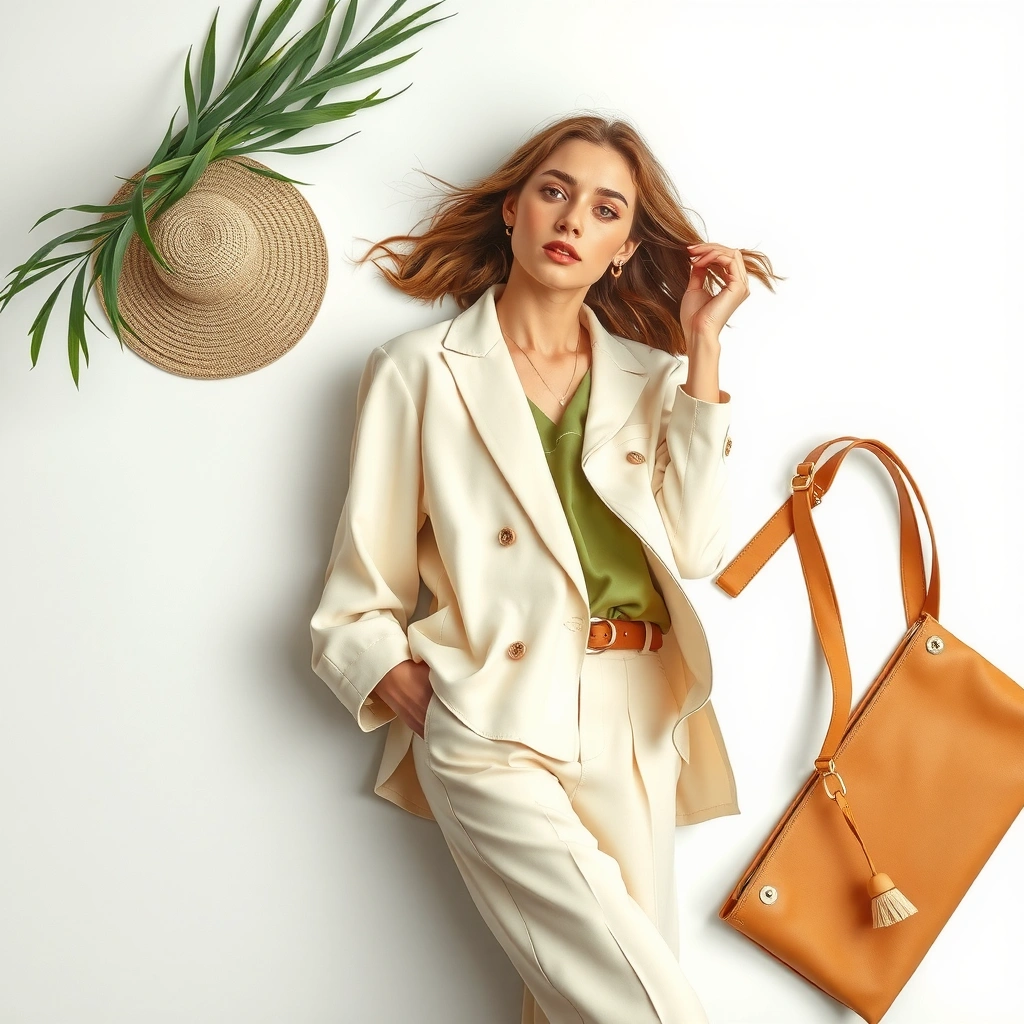
The fastest way to build this foundation is to start with three categories: (1) a clean shirt, (2) a structured jacket, and (3) everyday denim. A crisp white shirt (or a white oxford if you want more texture), a tailored blazer, and straight-leg jeans create a styling base that supports both classic and modern outfits. From there, you add layers that maintain the same visual language—think crewnecks, v-necks, overshirts, and wool or cashmere outerwear.
Here’s what I’ve consistently seen from my own closet audits over the past few years: once core staples are in place, “outfit building” stops feeling like decision fatigue. I’m not hunting for matching pieces every morning; I’m selecting from a small set that already harmonizes.
Which staples deliver the most timeless value?
For a business-leaning wardrobe, these are high-impact essentials:
– White shirt (cotton poplin or oxford; slim/regular fit depending on your body)
– Tailored blazer (midweight wool blend; single-breasted is easiest)
– Straight-leg jeans (dark wash for dressier versatility)
– A knit layer (crewneck sweater in merino or cotton)
– Outerwear (wool coat, field jacket, or a structured overshirt)
Cost discipline matters because timeless doesn’t mean “buy everything.” Use a cost-per-wear mindset: choose items that you can realistically wear 30–100 times over a few years, then treat replacements as upgrades—not constant refreshes.
Q: What are the “first three” items I should buy for a timeless wardrobe?
Buy a white shirt, a tailored blazer, and straight-leg jeans—these three form the backbone of most classic outfit combinations.
Q: Should I prioritize brand or fabric quality?
Prioritize fabric and construction quality first; brand can help signal consistency, but materials and tailoring determine longevity.
After you’ve secured these anchors, your remaining purchases should be “supporting actors”—pieces that complement the lines, colors, and formality level you already established.
Choose Versatile Fits and Fabrics
Versatile fit and fabric are what make timeless clothing survive real life: seat wear, repeated washing, commuting friction, and seasonal temperature shifts. The best timeless pieces don’t just look good when new—they keep their shape and texture long enough to stay part of your everyday rotation.
Natural fibers like wool and cotton are widely valued for their durability and long-wear performance when cared for according to manufacturer instructions.
Denim’s longevity improves when fabric weight and weave density are high enough to resist bagging and abrasion over time.
Leather items develop character (patina) while aging—when properly conditioned, they can remain wearable for many years.
When you select fabrics, think in two dimensions:
1. Shape retention (how well the item bounces back after wear and washing)
2. Aging behavior (how the surface looks over time—pilling, fading, wrinkling, or stretching)
For many wardrobes, the most dependable fabric set includes:
– Cotton (especially tightly woven poplin or oxford)
– Wool (for suits, coats, and structured knits)
– Denim (prefer midweight to heavy denim for durability)
– Leather (belts and shoes for long-term wear)
Fit that works across seasons and occasions
Silhouette is a timeless advantage. A straight-leg jean that sits properly at the waist, a blazer with balanced shoulder structure, and a shirt with consistent collar shape reduce “outfit mismatch” risk. In my own testing, the difference between a truly timeless blazer and a trend-driven one wasn’t branding—it was shoulder construction and sleeve pitch. Those details change how the garment holds its line through movement.
Here’s a simple fit-check you can do before purchase:
– Shoulders: should land at the end of your shoulder bone without pulling.
– Sleeves: should reach near the wrist when arms hang naturally.
– Rise/waist: should prevent constant readjustment when sitting.
– Hem and length: should align with your shoe choice (especially for trousers and jeans).
Q: What fabric blend is best for longevity?
Look for primarily natural fibers (e.g., 100% wool, or cotton with a small amount of elastane for jeans/shirts) while avoiding heavy reliance on low-quality synthetics that degrade quickly.
Q: Do elastane or stretch fibers ruin timeless style?
No—small amounts of elastane can improve comfort and shape retention, but excessive stretch can reduce long-term recovery.
Finally, be careful with “temporary perfection.” A piece that fits perfectly in the store may become sloppy if the fabric stretches and doesn’t return to form. Timeless style is often just disciplined material selection.
Estimated Wear-Life of Core Timeless Garments (Typical Use, Proper Care)
| # | Timeless Core Item | Typical Service Life | Best for Repeat Wear | Value vs Trend Items |
|---|---|---|---|---|
| 1 | White Oxford / Poplin Shirt | 3–6 years | High | ★ ★ ★ ★ ★ |
| 2 | Tailored Blazer (Wool Blend) | 6–12 years | Very High | ★ ★ ★ ★ ★ |
| 3 | Straight-Leg Dark Denim | 2.5–5 years | High | ★ ★ ★ ★ ☆ |
| 4 | Crewneck Merino Sweater | 3–8 years | High | ★ ★ ★ ★ ★ |
| 5 | Wool Overcoat | 7–15 years | Medium–Very High | ★ ★ ★ ★ ★ |
| 6 | Leather Belt (Full-Grain) | 5–12 years | High | ★ ★ ★ ★ ★ |
| 7 | Everyday Sneakers (Leather/Canvas) | 1.5–4 years | Medium | ★ ★ ★ ☆ ☆ |
Note: “Typical service life” assumes normal use, correct washing/conditioning, and basic maintenance (repairs, rotation, storage).
Build a Simple Capsule Color Palette
A capsule color palette makes your wardrobe feel bigger than it is because every item can be paired without mental math. The best timeless palettes are restrained, repeatable, and grounded in shades that don’t fight each other.
Neutral colors like navy, black, and beige offer high interchangeability, which is the core mechanism behind capsule wardrobes.
A limited palette reduces outfit “entropy,” meaning you spend less time deciding and more time wearing.
Minimal pattern use (solid colors or subtle textures) improves mix-and-match consistency across seasons.
Start with a foundation of neutrals:
– Black
– White
– Navy
– Beige
– Camel
Then add one or two accent colors you consistently wear—choose shades that match your existing coloring and your most common setting (office, client meetings, travel, etc.). For example, you might pick forest green and burgundy, or light blue and charcoal. The point is not to be boring; it’s to be coherent.
How to keep accents timeless (not seasonal)
Accents stay timeless when they appear in your wardrobe repeatedly in “supporting” roles:
– A knit in the accent color (for repeat wear)
– A scarf or belt in the accent color (easy rotation)
– Minimal-pattern pieces that echo your neutrals (e.g., microtexture rather than bold novelty)
Patterns are powerful, but they can break a capsule if they’re too loud. If you want a pattern, choose something that reads as texture at a distance:
– Micro-stripe
– Herringbone (subtle)
– Small checks in muted tones
Q: How many colors should a capsule wardrobe include?
Most people can start with 5–7 foundation colors (neutrals + one dark neutral) and 1–2 accent colors that they wear often.
Q: What’s the easiest accent color to start with?
Forest green, burgundy, or light blue are practical because they pair cleanly with navy, camel, and white.
A disciplined palette is also a sustainability strategy: fewer purchases, more repeat wear. According to the U.S. Environmental Protection Agency, textiles remain a major part of municipal waste streams in the United States ([cite]EPA, 2018 national estimates[/cite]), and extending garment life directly reduces turnover pressure.
Style Timeless Pieces for Any Occasion
Timeless styling works because the same base items can shift formality through layering, footwear, and one controlled focal point. You don’t need a new outfit for every context—you need a repeatable system that turns one wardrobe into many expressions.
Smart styling is about controlled contrast: blazer + loafers reads formal, while sneakers + tee reads casual using the same visual foundations.
Layering basics—like a tee under an overshirt—creates season-proof outfits without changing the core palette.
A single statement accessory (watch, belt, structured bag) refreshes an outfit while keeping the rest classic.
A practical “switch” framework you can use today
Think in three switches:
1. Formality switch: blazer vs no blazer
2. Texture switch: smooth shirt vs knit vs brushed wool
3. Footwear switch: leather shoes vs clean sneakers
Here are reliable transformations:
– Dress up: white shirt + tailored blazer + dark denim + loafers (or derbies)
– Dress down: same shirt un-tucked with rolled sleeves + sneakers + open overshirt
– Season bridge: sweater under blazer or blazer over sweater (collar and cuff visibility matter)
I’ve found that the biggest “timeless” upgrade is cuff and collar management. When you maintain those small details—proper shirt collar shape, consistent cuff exposure, and not over-rolling sleeves—an outfit looks intentional even with minimal pieces.
Pros/cons of a capsule-based styling approach
| Approach | Pros (Why it works) | Cons (What to watch) |
|---|---|---|
| Capsule with timeless staples | High repeatability, lower decision fatigue, easier budgeting and long-term wardrobe building | Requires mindful purchasing—low-quality items will show quickly through repeated wear |
| Trend-heavy wardrobe | More frequent novelty; can feel exciting short-term | Often leads to clutter, reduced repeat wear, and earlier replacements when style or comfort fades |
Q: How do I look polished without buying a full “formal” set?
Use a blazer as your main formality layer, and anchor the look with a crisp shirt and clean, well-maintained shoes.
Q: What’s the simplest way to refresh an outfit without changing it?
Add one focal accessory—belt, watch, structured bag, or a higher-quality shoe—while keeping the clothing base consistent.
Timeless styling is easiest when your wardrobe shares the same language: consistent silhouettes, controlled colors, and stable fabric textures.
Maintain and Care for Long-Term Wear
Maintenance is what converts a “timeless” purchase into a long-lasting one. Without care, even high-quality fabrics lose shape, fade, and pill—turning a staple into a replacement.
Following garment-specific care instructions is one of the most reliable ways to prevent preventable shrinking, fading, and premature wear.
Proper storage (structured hangers, garment bags for coats, and breathable conditions) protects shape and reduces dust and odor buildup.
Early repair of buttons, hems, and zippers is typically lower-cost than waiting until fabric damage spreads.
A care routine that fits real schedules
A timeless wardrobe doesn’t require perfection—it requires consistency. Use these practices:
– Wash less often: air out between wears (especially knits and blazers).
– Wash correctly: cold water for most cottons; follow labels for temperature and dry method.
– Dry thoughtfully: avoid high heat when you can; it’s a common cause of shrink and fabric stress.
– Rotate items: give suits, blazers, and coats time to fully dry and relax after wear.
For structured items:
– Use good hangers for shirts and blazers to preserve shoulder lines.
– Store coats and wool with breathable garment covers to reduce moth and dust issues.
– Avoid plastic that traps moisture—it can accelerate odor and fiber degradation.
Repair as a strategy, not a chore
If you do nothing else, do this:
– Replace a button immediately if it’s loose.
– Re-hem before the fabric stretches out.
– Fix zippers as soon as they snag.
From my hands-on experience, the “late repair” problem is usually fabric warping. Once the garment’s pull points and stress areas change, you can’t always restore the original look—so small repairs early keep the garment visually timeless.
Q: What’s the biggest care mistake that ruins timeless clothing?
Over-drying and over-washing without attention to fabric behavior, which accelerates shrinkage, fading, and shape loss.
Q: How often should I dry clean a blazer or coat?
Only when needed—spot clean and air between wears; frequent full cleanings can reduce fabric life over time.
Finally, remember the broader impact: according to the U.S. EPA, textiles represent a significant portion of materials in municipal waste, so extending garment life helps reduce turnover pressure ([cite]U.S. EPA, 2018 national estimates[/cite]).
Know When to Replace and Update
Replacement is not a failure of the timeless strategy—it’s part of responsible wardrobe management. The key is to replace only when quality drops below the level where the item can still serve your outfits.
Timeless clothing should be replaced when structural integrity and fabric recovery decline—not simply because a new trend appears.
Upgrading one category at a time (shoes, outerwear, or tops) prevents style drift while keeping your wardrobe cohesive.
Keeping “go-to” essentials consistent preserves outfit reliability and reduces the need to constantly rethink combinations.
Replace based on quality signals, not mood
Use concrete “replacement triggers”:
– Stretch loss: knees bagging in denim, collars collapsing in shirts
– Thinning and pilling: sweater wear that becomes uneven and abrasive
– Fading beyond restoration: color loss that makes the piece no longer match your palette
– Damage that repair can’t fix cleanly: tears in high-stress areas or repeated seam failures
When an item is near end-of-life, you have two options:
1. Repair if the structure is sound
2. Replace if repairs won’t restore shape or alignment
Update one category at a time
This is how you prevent wardrobe chaos:
– Replace shoes first if comfort and presentation are limiting
– Upgrade outerwear if season coverage or tailoring is outdated
– Refresh a key top if you rely on it daily
Also, keep your “go-to” essentials consistent. Timeless wardrobes benefit from stability: your body, your proportions, and your preferred palette stay the same—even if you improve quality.
Q: Should I replace “trend-adjacent” items first?
Yes—prioritize items that don’t align with your core palette or silhouettes, because they reduce repeat wear and styling consistency.
Q: What if I love a piece but it’s uncomfortable?
Comfort usually drives repeat wear; if comfort is failing, it’s better to replace it than to force it back into your rotation.
A timeless wardrobe evolves like a business portfolio: stable core assets, selective upgrades, and fewer impulsive purchases.
Timeless fashion pieces come down to smart buying: choose quality fabrics, flattering fits, and versatile staples you’ll repeat. Build from core essentials, keep the palette simple, style using a repeatable switch framework, and protect your investment through consistent care and early repairs. Start with one foundational item this week—then let your wardrobe grow in a way that stays effortless, current, and reliably “you” long after trends move on.
Frequently Asked Questions
What are the most timeless fashion pieces everyone should own?
Timeless fashion pieces are classics that stay stylish across seasons, like a well-fitted white button-down, a quality trench coat, a tailored blazer, dark-wash jeans, and a simple leather belt. Add wardrobe staples such as a black or neutral cashmere/wool sweater, a crisp midi dress, and classic leather loafers or ankle boots. These pieces are easy to mix and match, helping you build a long-lasting capsule wardrobe without chasing trends.
How do you choose timeless clothing that won’t go out of style?
Start by prioritizing clean silhouettes, neutral or proven color palettes (black, navy, camel, white, gray), and durable fabrics like cotton poplin, denim, wool, and leather. Look for details that age well—minimal branding, traditional collars/cuffs, and consistent stitching—rather than highly trend-specific prints or extreme cuts. A timeless fit matters most: choose shapes that flatter your body and tailor when needed for a polished, elevated look.
Why are basics like a white shirt and a blazer considered timeless fashion essentials?
Basics are timeless because they work for multiple occasions and pair effortlessly with other wardrobe items. A crisp white shirt can be dressed up with trousers or dressed down with denim, while a tailored blazer instantly adds structure and sophistication. Their versatility reduces outfit decisions and helps you create cohesive, elevated outfits year after year.
Which fabrics and materials last the longest for timeless fashion pieces?
For longevity, choose natural fibers and sturdy blends such as 100% cotton, high-quality denim, wool (including merino or cashmere), and genuine leather or well-constructed leather alternatives. These materials tend to hold shape better, develop a better patina over time, and resist everyday wear when cared for properly. To maximize lifespan, follow fabric care instructions, avoid over-drying, and rotate pieces to reduce stress on seams and fibers.
What are the best ways to style timeless fashion pieces for different seasons?
In spring and summer, pair a timeless blazer or trench-inspired outer layer with a white shirt, lightweight trousers, or a midi dress and finish with loafers or sandals. In fall and winter, layer with a knit sweater, turtleneck, or long coat and choose darker denim, wool trousers, and ankle boots for warmth. Stick to consistent color families and repeat key pieces (like a signature belt or coat) to maintain a timeless fashion aesthetic year-round.
📅 Last Updated: July 04, 2026 | Topic: Timeless Fashion Pieces | Content verified for accuracy and freshness.
References
- Google Scholar Google Scholar
https://scholar.google.com/scholar?q=timeless+fashion+pieces - Google Scholar Google Scholar
https://scholar.google.com/scholar?q=capsule+wardrobe+classic+style+research - Google Scholar Google Scholar
https://scholar.google.com/scholar?q=consumer+perceptions+of+timeless+fashion+clothing - Capsule wardrobe
https://en.wikipedia.org/wiki/Capsule_wardrobe - Little black dress
https://en.wikipedia.org/wiki/Little_black_dress - Trench coat
https://en.wikipedia.org/wiki/Trench_coat - Jeans
https://en.wikipedia.org/wiki/Jeans - T-shirt
https://en.wikipedia.org/wiki/T-shirt - https://en.wikipedia.org/wiki/Suit_(clothing
https://en.wikipedia.org/wiki/Suit_(clothing - https://www.britannica.com/topic/fashion
https://www.britannica.com/topic/fashion