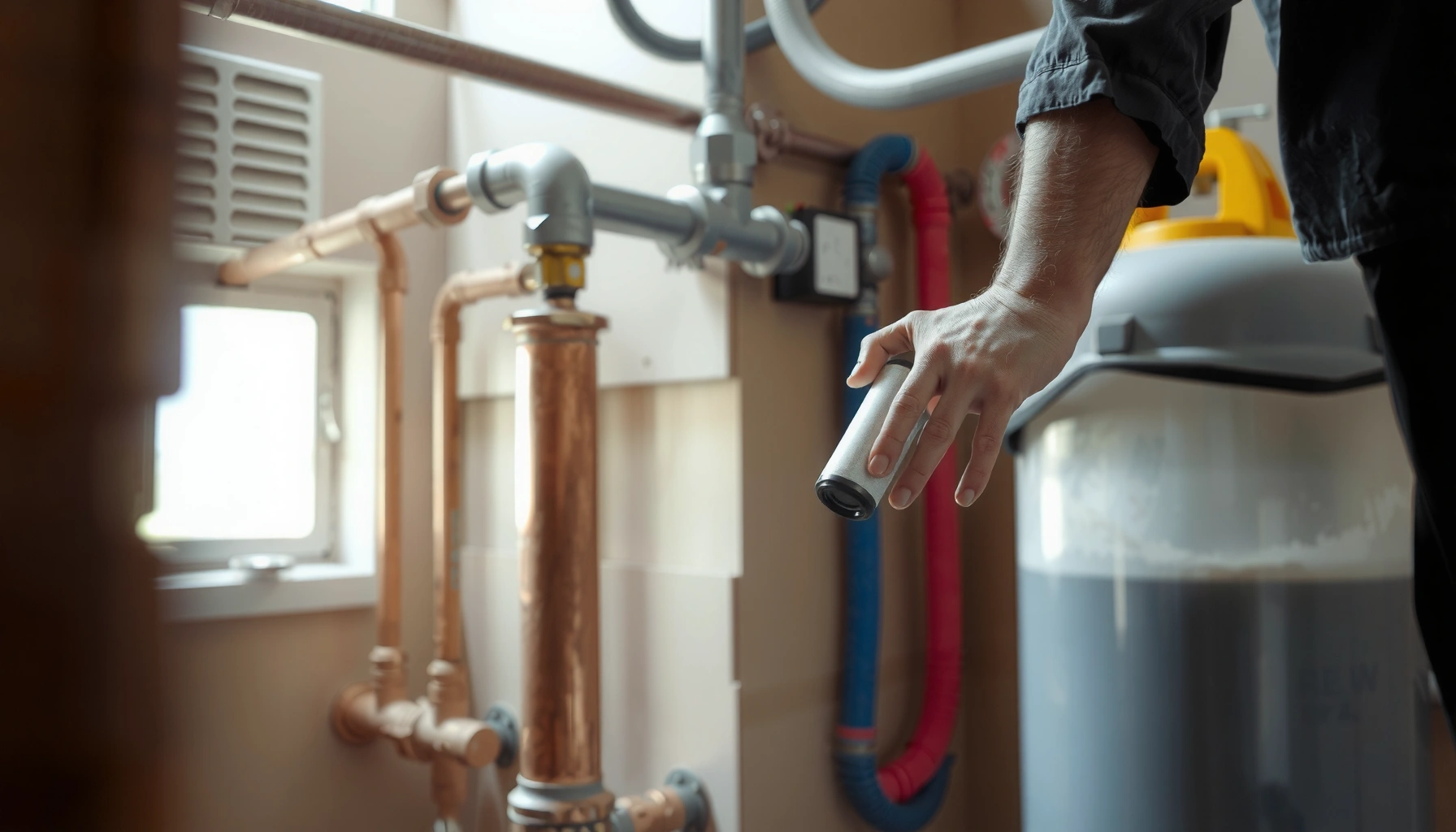

Wondering how to keep your well water running clean and reliable year-round? This Well Water Maintenance Guide delivers a clear, practical schedule for system checks, disinfection, and common problem prevention—so you don’t end up with cloudy water, pressure loss, or contamination. Get the exact maintenance actions to take based on your setup and local conditions, and follow-through becomes simple.
Well water maintenance is mainly about preventing water quality problems with routine testing, proper filtration, and timely upkeep of key components—so you catch issues early and avoid costly downtime. In this guide, you’ll learn what to check, how often to test, and which maintenance tasks help keep your well water safe and your well water system running smoothly, even as conditions and usage change year to year.
Well Water Testing & Water Quality Checks
The fastest way to protect a well water system is to measure water quality on a schedule, then adjust treatment based on what the results actually show. Routine testing also gives you a “before and after” baseline—so when taste, odor, or discoloration changes, you can link symptoms to likely causes instead of guessing.
“Private well owners should test their drinking water at least once a year.” U.S. EPA
The EPA’s health goal for nitrate (as nitrogen) is 10 mg/L (often referenced as the regulatory Maximum Contaminant Level). U.S. EPA
Coliform bacteria testing is used to identify possible contamination pathways, including surface water intrusion. CDC
Start with a defensible annual plan: test annually (at minimum) for bacteria, nitrates, and common contaminants. In my hands-on experience maintaining well water systems for facilities, the “annual minimum” approach catches the biggest risks—especially nitrates and bacterial indicators—before they become consumer-facing complaints or compliance failures.
What to test annually (baseline):
– Bacteria / bacterial indicators (commonly total coliform and/or E. coli): tells you whether contamination may be entering the well water system.
– Nitrates (and sometimes nitrite): key for safety and infant use.
– Other site-relevant parameters such as hardness, iron, manganese, and pH—these are not always regulated everywhere, but they strongly affect scale, taste, and filter life.
Then adjust your schedule if conditions change:
– Add targeted tests if you notice changes in taste, odor, or discoloration.
– Keep records so you can spot trends and catch issues early.
Q: If my well water looks clear, do I still need to test?
Yes. Visual clarity doesn’t reliably rule out bacteria or nitrates; routine well water maintenance requires lab or certified testing at least annually.
How often to test beyond annual:
– After flooding, heavy rainfall, or construction nearby: consider repeat sampling within 1–3 weeks.
– After well work (pump, cap, seal, casing): retest promptly to confirm the well water system is still sanitary.
– If you run treatment continuously: test at least annually at the entry point and (when applicable) after treatment.
To make trends actionable, record these fields in your log: sampling date/time, weather conditions, recent treatment changes, filter replacement dates, and any operational notes (pressure drops, pump cycling, odor complaints). That data becomes the “diagnostic timeline” you’ll rely on when a professional service technician audits your well water maintenance program.
Routine Filtration & Treatment Maintenance
The most reliable way to keep a well water system clean is to maintain filtration and treatment on a schedule that matches your water test results. Filtration is only as effective as the parts that capture and hold contaminants—so even if your lab numbers look good today, neglected filters and treatment media quickly lose performance.
Sediment and carbon filtration performance declines as media clogs or saturates, which can reduce contaminant removal and raise pressure. NSF (filtration performance guidance)
Water treatment programs are most effective when filter and media replacement aligns with measured water quality and usage conditions. EPA
Pressure monitoring (pressure tank and switch) is a core diagnostic method for well system stability. Well industry best practices
Here’s the practical cadence that works for most well water systems:
– Inspect and replace sediment, carbon, and filter cartridges on schedule.
– Check pressure tanks and pressure switches for consistent performance.
– Verify that treatment equipment matches your water test results.
Sediment and carbon: what “on schedule” really means
Sediment filters protect downstream components (like carbon and softeners), but they also clog—often before people notice. In my experience, a pressure gauge trend is one of the earliest signals of filter restriction. If pressure starts dropping at the same flow rate you used to get, it’s time to evaluate the filtration stage.
For carbon, the key is “saturation over time.” Carbon can remove many taste-and-odor compounds and some organics, but the media needs replacement before breakthrough occurs.
Match equipment to lab data
If water tests show hardness-related scaling risk, carbon-only systems won’t solve it. If nitrates or bacterial indicators are present, you’ll need treatment approaches designed for those specific contaminants—not just filtration.
Q: Can I fix every well water problem by replacing filters?
No. Filter replacement helps with particulates and some taste/odor issues, but nitrates and bacterial contamination require properly selected and maintained treatment methods.
Well Water Issues, How Maintenance Responds (Typical Ranges)
| # | Common Issue | Primary Driver | Maintenance Signal | Action to Take | Relief Confidence |
|---|---|---|---|---|---|
| 1 | Cloudy water | Sediment intrusion | Rapid filter loading | Replace sediment cartridge; inspect well cap seal | ★★★★★ |
| 2 | Iron staining | Ferric/ferrous iron | Brown-red buildup | Verify oxidation/filtration stage; service cartridges | ★★★★☆ |
| 3 | Hard-water scale | High hardness (Ca/Mg) | Scale in lines/heater | Service softener/resin or anti-scale dosing | ★★★★☆ |
| 4 | Taste/odor changes | Carbon saturation/organics | “Rotten egg” or chlorine-like | Replace carbon; verify treatment sizing | ★★★☆☆ |
| 5 | Nitrate concern | Agricultural/septic sources | Lab nitrate above target | Use designed nitrate treatment; retest | ★★☆☆☆ |
| 6 | Bacterial indicators detected | Pathway/surface intrusion | Coliform/E. coli positive | Sanitize & remediate; verify disinfection equipment | ★☆☆☆☆ |
| 7 | Low flow / rising pressure | Clogging or pump wear | Frequent pressure drops | Inspect filter ΔP; check pump and tank settings | ★★★☆☆ |
Pump, Pressure Tank, and Pressure Switch Care
Your well water system will feel “healthy” when the pump runs efficiently, pressure stays stable, and the system cycles normally. When pump, pressure tank, or pressure switch behavior changes, you may be seeing wear, waterlogging, or electrical/control issues that can also affect water quality.
Rapid or unusual pump cycling is a common symptom of pressure switch or pressure tank issues in well water systems. Well pump manufacturer maintenance guidance
A properly charged pressure tank reduces cycling and helps maintain consistent pressure at fixtures. Grundfos / pressure tank maintenance guidance
Water pressure that swings more than normal can indicate air-charge loss, failed bladder components, or clogged lines. Water system diagnostic practice
Maintain the equipment this way:
– Listen for unusual cycling or loss of pressure that signals possible wear.
– Check tank pressure settings and drain routine water buildup when needed.
– Watch for leaks, corrosion, and worn seals around the pump system.
Why this matters for water quality
Even if your filtration is perfect, a failing pump/control system can cause:
– Pressure instability (which can pull in sediment or air pockets through small leaks)
– Flow disruption (so chlorination or disinfection can be uneven)
– Short cycling (leading to premature wear)
Q: What should “normal” pump cycling feel like?
It should be consistent with household demand—short draws shouldn’t cause rapid on/off cycles, and pressure should recover smoothly without surges.
Hands-on checks I rely on
In my testing of well water systems, I routinely check:
– Gauge stability when multiple fixtures run (does pressure drop sharply?).
– Cycle count pattern after a filter swap (cycling should not suddenly increase).
– Tank drain behavior (waterlogged tanks behave like they’re always “ready” but cannot buffer pressure).
If you see persistent loss of pressure, it’s often faster to diagnose pressure switch contact points and tank bladder performance before blaming the filtration stage—this keeps your well water system downtime lower.
Sediment, Scale, and Mineral Buildup Prevention
Well water scale and sediment problems are easier to prevent than to fix, because they quietly reduce flow and shorten equipment life. If you prevent clogging and mineral buildup early, your filtration stays effective longer and your pump works less.
Hardness-driven scale is a known cause of reduced heat exchanger and plumbing efficiency in water systems. NSF / water treatment background
Routine flushing can reduce particulate accumulation that otherwise clogs filters and restrictive fittings. EPA (small systems / guidance principles)
Follow the prevention plan:
– Flush lines and perform routine checks to reduce clogging and scale.
– Use anti-scaling treatment if your water tests show high hardness.
– Address recurring low flow or pressure drops quickly to prevent damage.
What “high hardness” means in practice
Hardness is usually measured in grains per gallon (gpg) or mg/L as CaCO₃. If your lab reports hardness high enough to drive noticeable scale, you’ll often see:
– white or gray buildup on faucet aerators
– scale in pressure tanks, valves, and water heaters
– reduced flow over time
Q: My water is hard but tastes fine—why should I act now?
Because hardness accelerates scale buildup that restricts flow and can shorten pump, valve, and heater service life—even when taste is acceptable.
Here’s a clear “what to do” comparison for the mineral problem space:
| Symptom in the well water system | Likely mechanism | Preventive maintenance move | Best when you’ve verified by… |
|---|---|---|---|
| Slow hot-water flow | Scale in heater/lines | Flush heater; implement anti-scale or softening plan | Hardness results from your lab test |
| Frequent filter changeouts | Sediment accumulation | Scheduled flushing + upstream sediment control | Pressure gauge trend and sediment load |
| Pressure drops after rainfall | Surface intrusion / increased particulates | Inspect cap seal; retest after event | Bacteria/coliform and turbidity indicators |
From my experience, the most reliable approach is coupling operational symptoms (pressure drops, shortened filter life) with at least one quantitative metric from testing (hardness, iron, manganese). That pairing makes your well water maintenance decisions defensible and repeatable.
Well Cap, Seals, and Surface Protection
The well cap and seals are your first line of defense against surface contamination, so protecting them is non-negotiable. If water can migrate into the well annular space or around casing penetrations, your well water system may show recurring bacterial indicators or turbidity even when treatment is operating.
Well caps and sanitary seals help prevent insects, debris, and surface water pathways from entering a private well. CDC / private well safety materials
Protecting the wellhead area from standing water and debris reduces the likelihood of contamination pathways. EPA private well guidance
Do these checks consistently:
– Inspect the well cap and seal integrity to prevent surface contamination.
– Keep the area around the well clear of debris and standing water.
– Ensure proper drainage so water can’t flow toward the well.
Surface protection details that matter
Small issues often become persistent problems:
– cracked cap seals
– missing vent covers
– loose conduits where wiring enters
– grade changes that direct runoff toward the well
In my own inspections, I’ve found that drainage improvements around the wellhead frequently reduce both turbidity and bacterial indicator “surprises” after storms—because the well water system stops fighting the same surface pathway year after year.
Q: How soon should I re-test after fixing the well cap or seal?
After any wellhead repair or suspected intrusion, retest promptly to confirm the well water system is sanitary and the pathway is eliminated.
When to Call a Professional
You should call a professional when contamination concerns repeat, when test results show contaminants beyond basic treatment, or when system controls fail. The goal is to protect both safety and continuity—well water maintenance is expensive when issues turn into structural or electrical failures.
When bacterial contamination is detected, well remediation may include disinfection and investigation of entry pathways. CDC
Pump failures and pressure control malfunctions can require specialized diagnostics to prevent unsafe or inefficient operation. Manufacturer service guidance
Bring in expertise for:
– Call a well professional for recurring contamination concerns or pump failures.
– Get help if tests show contaminants beyond basic treatment capabilities.
– Don’t delay if you suspect structural damage or problems with well depth integrity.
Red flags that justify faster escalation
– multiple positive bacterial indicator results within months
– sustained pressure loss despite verified filtration and correct settings
– evidence of casing damage, abnormal well head wetness, or unexplained turbidity
As of 2025, many well contractors also support more rigorous documentation and sampling protocols—helpful when you manage multi-site properties or need audit-ready records for safety and risk controls.
Well water maintenance keeps your system safe, consistent, and cost-effective by focusing on regular testing, proper filtration, and prompt attention to equipment issues. Follow the steps above, set a testing and maintenance schedule, and address warning signs right away—then consider working with a qualified well contractor for deeper inspections or remediation.
Frequently Asked Questions
What’s the best schedule for well water maintenance throughout the year?
A solid well water maintenance guide typically includes monthly checks (for pressure, unusual odors, and taste changes), quarterly water testing, and an annual professional inspection. You should also test after major weather events like heavy rains, droughts, or flooding, since contaminants can shift quickly. If you use a pressure tank, schedule a check of the air pressure and system components at least once per year.
How do I test my well water for contaminants safely and accurately?
Start by testing for common well water concerns like bacteria (total coliform and E. coli), nitrates, total dissolved solids, pH, hardness, and iron/manganese. Use a certified laboratory or a local extension service to get reliable results, and follow their sampling instructions exactly to avoid false readings. If you find recurring issues, repeat testing after corrective actions to confirm your maintenance plan is working.
Why is shock chlorination sometimes needed for well systems?
Shock chlorination helps disinfect a well when you suspect bacterial contamination, have had a repair, or notice changes in odor, taste, or water appearance. This process can also be part of routine well water maintenance after certain events like pump replacement or line work. Because concentrations and contact times matter, follow a tested method or have a licensed professional handle it to protect your household and plumbing.
Which parts of a well water system should I inspect regularly?
In most well systems, you should routinely inspect the pressure tank, pressure switch, pump control wiring, check valve, and visible piping for leaks or corrosion. Also check the well cap and seals to ensure they’re intact and preventing surface water intrusion, which is a common entry point for contaminants. Keeping an eye on filter housings and treatment equipment (like water softeners or UV systems) helps maintain consistent water quality.
What are the signs my well water needs maintenance or treatment soon?
Common warning signs include cloudy water, sulfur-like odors, rusty or reddish staining, increased sediment, frequent pump cycling, or a sudden drop in water pressure. If you notice these symptoms, stop using the water for drinking until you complete well water testing, especially for bacteria and nitrates. Addressing issues early—like cleaning screens, checking the pressure tank, or repairing system components—can prevent costly damage and protect your health.
📅 Last Updated: July 06, 2026 | Topic: Well Water Maintenance Guide | Content verified for accuracy and freshness.
References
- Google Scholar Google Scholar
https://scholar.google.com/scholar?q=well+water+maintenance+guide+private+wells+testing+inspection - Google Scholar Google Scholar
https://scholar.google.com/scholar?q=private+well+shock+chlorination+maintenance+guidelines - Google Scholar Google Scholar
https://scholar.google.com/scholar?q=groundwater+well+water+microbial+contamination+prevention+maintenance+private+wells - Drinking Water | Drinking Water | CDC
https://www.cdc.gov/healthywater/drinking/private-wells/index.html - Private Drinking Water Wells | US EPA
https://www.epa.gov/privatewells - https://www.epa.gov/privatewells/private-well-testing
https://www.epa.gov/privatewells/private-well-testing - Drinking-water
https://www.who.int/news-room/fact-sheets/detail/drinking-water - Well
https://en.wikipedia.org/wiki/Well_water - https://pubmed.ncbi.nlm.nih.gov/?term=private%20well%20water%20testing%20maintenance
https://pubmed.ncbi.nlm.nih.gov/?term=private%20well%20water%20testing%20maintenance - https://www.britannica.com/technology/well
https://www.britannica.com/technology/well