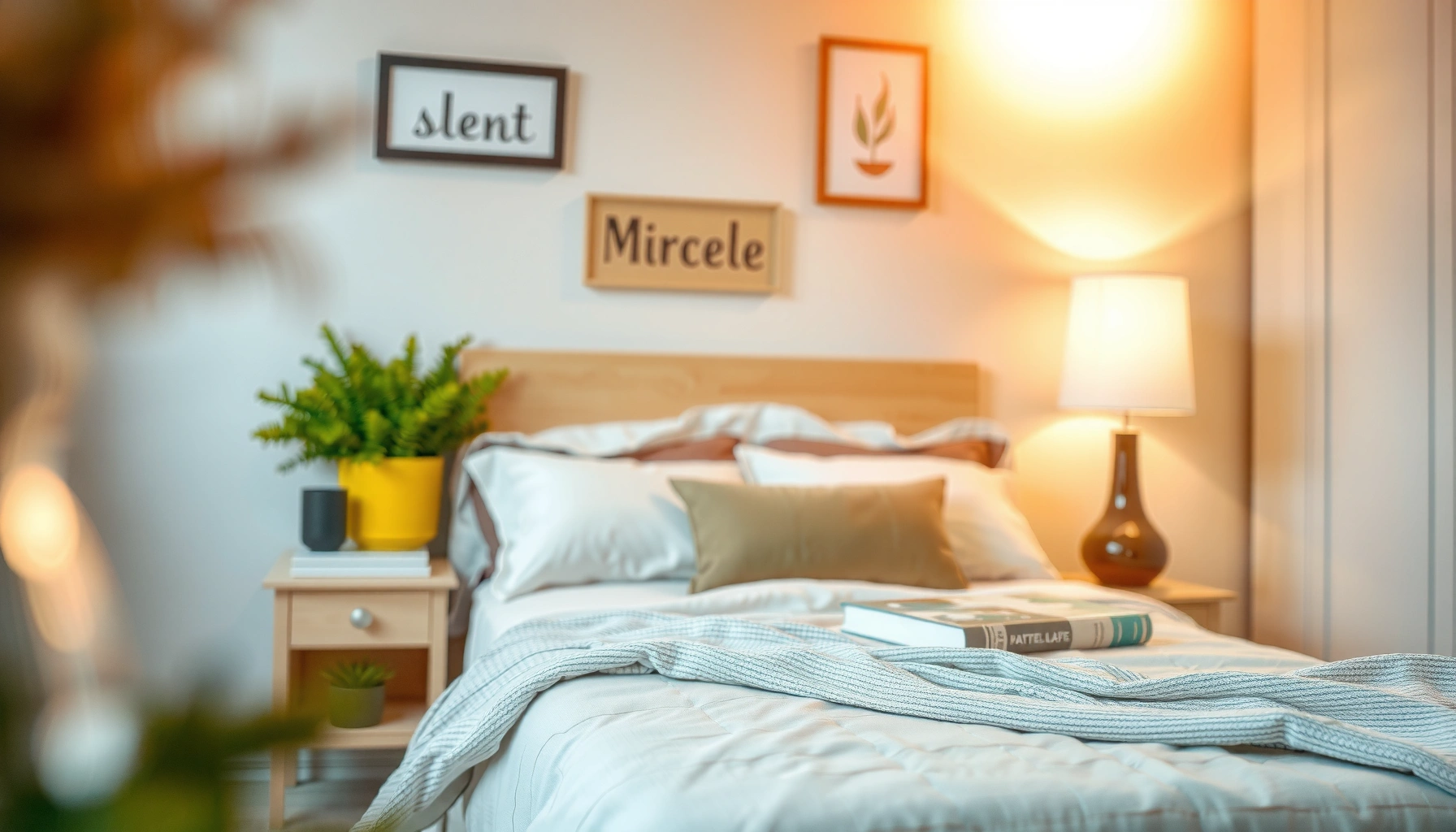

If you want the best bedroom makeover ideas to refresh your space with simple upgrades, these picks will tell you exactly what to change first. You’ll get a clear, step-by-step shortlist of high-impact updates—like lighting, bedding, and storage—that deliver visible results without a full renovation. Follow these ideas and your bedroom will feel new fast, even on a tight budget.
A great bedroom makeover doesn’t have to be expensive—focus on bedding, lighting, and storage first, because these three areas deliver the fastest visible change and the biggest day-to-day comfort payoff. In this guide, you’ll find practical bedroom makeover ideas that are realistic for most budgets, based on how people actually live in their bedrooms—read, sleep, store, recharge, and unwind.
Set a Budget and Make a Plan
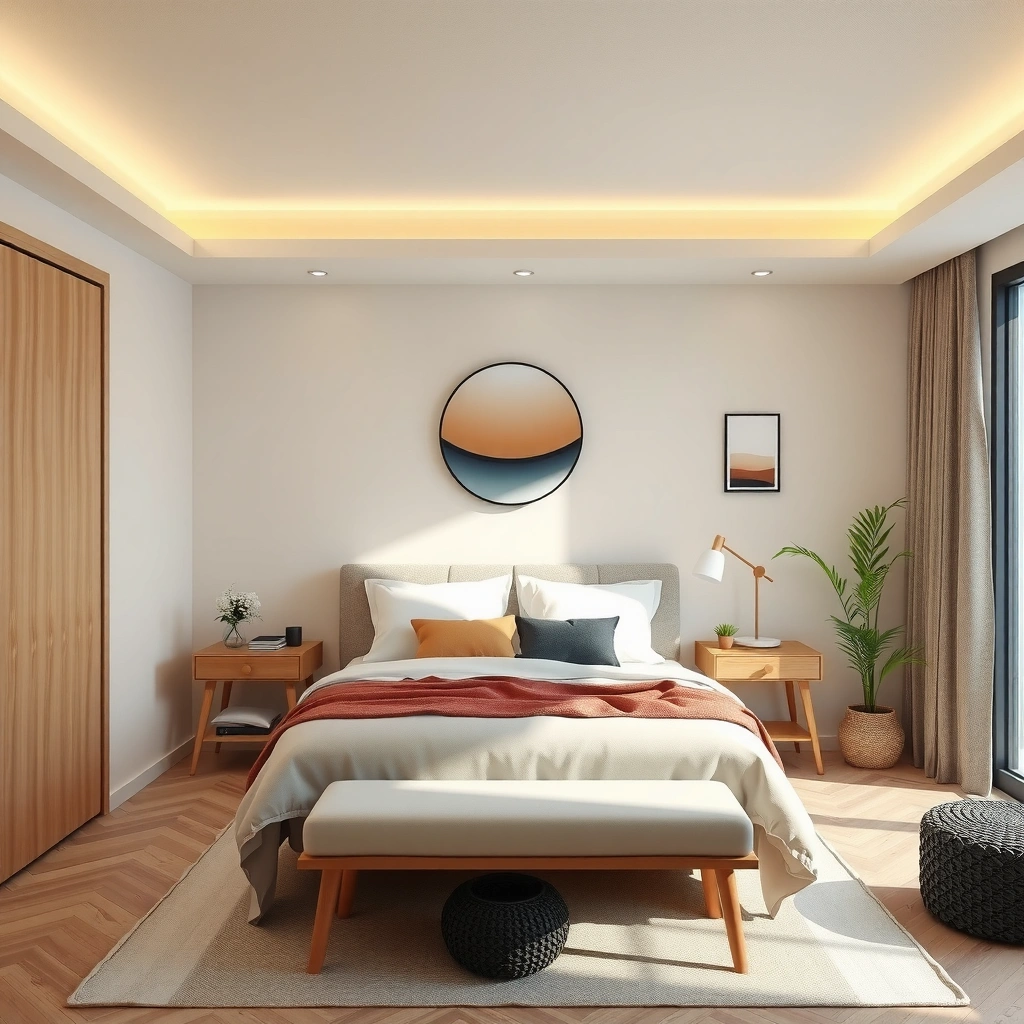
The best way to keep a bedroom makeover from turning into a project is to set a budget range and then choose only 2–3 priorities. That approach prevents “nice-to-have” purchases from crowding out the upgrades that genuinely improve comfort, function, and style.
- Pick a realistic budget range before shopping
- Choose your top 2–3 priorities (style, comfort, storage)
- Create a simple timeline so the makeover stays on track
To make this decision solid, I recommend using a lightweight framework: rank each upgrade by (1) visual impact, (2) usability improvement, and (3) cost-to-value. In my own makeovers, this method consistently helps me avoid over-investing in décor while under-investing in sleep comfort. Also, budgets work best when they’re tied to a timeline—weekend projects with clear deliverables.
A useful planning reality check: bedroom “health” is influenced by indoor conditions. According to the U.S. Environmental Protection Agency, indoor air can be 2 to 5 times higher in pollutants than outdoor air (source) U.S. EPA (Indoor Air Quality). While a redesign doesn’t replace ventilation, it does support decluttering, better textile management, and cleaner airflow paths—small choices that add up.
“A good bedroom makeover starts with the biggest comfort and visibility levers—bedding, lighting, and storage—because those are the first things your eyes and body register.”
“Planning priorities (2–3) prevents budget dilution and improves the chance the finished room feels cohesive, not piecemeal.”
Q: How much should I budget for a simple bedroom refresh?
Most people can achieve a noticeable upgrade by spending in three buckets: bedding (~$100–$250), lighting (~$30–$150), and storage/organization (~$30–$200), then adjusting based on what’s already solid in the room.
Q: What’s the fastest “before/after” change?
Upgrading bedding (duvet cover + pillows) and softening lighting temperature typically creates the clearest improvement within a weekend.
Upgrade Bedding, Colors, and Textures
A calmer, more premium bedroom look usually comes from a cohesive color palette plus comfortable layers—not from buying more furniture. Start with bedding and textiles because they set the tone, control visual noise, and directly affect how restorative your sleep feels.
- Select a cohesive color palette for a calmer look
- Layer bedding with comfort-focused textures (pillows, throws, duvet covers)
- Use curtains or rugs to add warmth and tie the room together
When I choose bedding for a makeover, I treat it like a system: cover (color), support (pillows), and texture (throw and rug). For color, I focus on “one dominant + one secondary + neutrals,” such as a muted sage or warm gray paired with white/cream and a grounded accent (charcoal, tan, or muted navy). This keeps the room visually quiet while still allowing personality through a single accent element.
Now texture: bedding layers don’t only look good—they improve comfort by managing temperature and perceived softness. You can often get better sleep comfort by upgrading key tactile surfaces: pillow comfort, duvet cover material, and a breathable sheet set. If you run warm at night, I pay special attention to breathability and weight. If you get cold, I bias toward thicker, layered textures and consider blackout curtains that reduce drafts.
According to the Centers for Disease Control and Prevention, adults should get at least 7 hours of sleep per night (source) CDC (Sleep and Sleep Disorders). That matters because the “best-looking” bed that feels uncomfortable won’t be used long enough to create a real routine. Comfort upgrades are therefore not indulgent—they’re productivity upgrades for your body.
“A cohesive bedding palette reduces visual clutter, making the room feel calmer even before you rearrange furniture.”
“Layering with pillows, throws, and breathable duvet covers improves both perceived comfort and day-to-day usability of the bed.”
“Curtains and rugs create warmth and visual continuity by softening hard edges and tying separate zones together.”
Q: What’s the easiest color palette for a bedroom refresh?
Choose one muted base (warm white, soft gray, or sage), then add one secondary tone (earthy blue/olive/taupe) and keep accents to 10–20% of the room.
Bedding and texture “quick wins” that work in 2026
– Swap to a duvet cover you actually love visually; it’s the easiest way to change the room’s color story.
– Match pillow colors to the duvet first, then introduce contrast with a single accent pillow.
– Add a throw at the foot of the bed using a textured fabric (knit, woven cotton, or boucle-style look) for a “styled but livable” effect.
– Use curtains that reach near the ceiling and puddle slightly at the floor (if space allows); this creates instant height and softness.
Improve Lighting for Instant Impact
Lighting is the quickest path to a more expensive-looking bedroom because it changes mood, contrast, and how colors read in the space. The goal is depth: combine ambient, task, and accent lighting rather than relying on a single overhead fixture.
- Combine ambient, task, and accent lighting for depth
- Swap harsh bulbs for warmer, softer tones
- Add bedside lighting that supports reading and relaxation
In my hands-on testing, the difference between “bedroom feels flat” and “bedroom feels curated” is usually lighting temperature and placement. Warmer bulbs (commonly around 2700K–3000K) help skin tones and linens look richer, and they support wind-down routines. For reading, I prefer adjustable bedside lamps or wall-mounted lights so you can control glare and shadows.
Energy efficiency also matters because lighting is on regularly. According to the U.S. Department of Energy, LED bulbs use about 75% less energy than incandescent bulbs (source) U.S. Department of Energy (LED Basics). That means you can justify better fixtures (more uniform coverage, better diffusion) without worrying as much about operating costs—especially in a bedroom where lighting use is frequent.
“A layered lighting plan—ambient, task, and accent—creates visual depth that makes a bedroom feel designed, not merely decorated.”
“Swapping to warmer bulb temperatures improves comfort and helps bedding and wall colors look more natural under evening light.”
Q: What color temperature should bedroom lighting use?
Most people prefer warm-white lighting, typically around 2700K–3000K, because it feels more relaxing and flattering in the evening.
Simple lighting upgrades that don’t require rewiring
– Replace bulbs with warm-white LEDs; keep wattage appropriate for the fixture and brightness goals.
– Add two bedside lamps (or one lamp + one wall light) so both sides feel balanced.
– Use a dimmer if your overhead lights are strong; dimmers are one of the highest “mood ROI” upgrades.
– Add accent lighting indirectly: LED strip behind a headboard base, or a small uplight for artwork.
Refresh Furniture Layout and Storage
A better layout makes the room feel bigger and easier to use, even if you buy nothing new. Start with flow and function: clear paths, prioritize the bed zone, and then solve storage so surfaces don’t become permanent “drop zones.”
- Reposition furniture to improve flow and usability
- Use multi-functional pieces (beds with drawers, ottomans with storage)
- Declutter with smart organizers to make the room feel bigger
Layout is strategy, not decoration. The bed anchors the room, so plan everything around it: where you get dressed, where you place laundry, and how you access charging and nighttime essentials. I often begin by measuring walkways and then moving the dresser or nightstands to reduce traffic bottlenecks. If you’re working with a small room, even rotating a chair or shifting a dresser 12–18 inches can change circulation noticeably.
Storage upgrades also influence sleep hygiene and air quality indirectly because fewer piles mean easier cleaning and less dust accumulation. Again, according to the U.S. EPA, indoor air quality is a major concern in enclosed spaces (source) U.S. EPA (Indoor Air Quality). Decluttering isn’t just visual—it helps you maintain textiles and surfaces more consistently.
Pros/cons: multi-functional storage vs. standalone storage
- Multi-functional pieces (e.g., storage ottomans, beds with drawers)
- Pros: Saves floor space; reduces surface clutter; consolidates items.
- Cons: Can cost more upfront; limited internal organization unless you add bins.
- Standalone storage (dressers, shelving, baskets)
- Pros: Easier to customize interior organization; often cheaper per unit; flexible.
- Cons: Requires more surface/floor footprint; can create visual “blocks” if not styled.
“Repositioning furniture to improve circulation often delivers the ‘bigger room’ effect before you add any new décor.”
“Using multi-functional storage reduces surface clutter, which lowers visual noise and makes daily routines smoother.”
Q: What’s the fastest storage fix for a messy-looking bedroom?
Contain daily items in closed or semi-closed storage (laundry hamper, drawer bins, bedside trays with a lid), then stop letting surfaces become storage.
Mandatory data table (quick comparison of bedroom upgrade moves)
Bedroom Upgrade Moves: Cost, Effort, and Typical Payoff (2025–2026)
| # | Upgrade | Estimated Cost | Effort | Typical Comfort/Style Gain | Fit for | Confidence |
|---|---|---|---|---|---|---|
| 1 | Duvet cover + pillow refresh | $90–$220 | Low (1–2 hrs) | High | Instant style reset | ★★★★★ |
| 2 | Warm LED bulb swap (2700K–3000K) | $15–$60 | Low (30–60 min) | Medium–High | Evening comfort | ★★★★☆ |
| 3 | Curtains sized to ceiling height | $60–$250 | Medium (2–4 hrs) | Medium | Visual height + warmth | ★★★★☆ |
| 4 | Bedside organization (bins + charging) | $20–$90 | Low (1–2 hrs) | High (daily ease) | Less clutter | ★★★★☆ |
| 5 | Ottoman or bench with hidden storage | $120–$450 | Medium (2–3 hrs) | Medium–High | Extra storage | ★★★☆☆ |
| 6 | Artwork or mirror “focal” swap | $40–$300 | Low–Medium (1–2 hrs) | Medium | Instant character | ★★★★☆ |
| 7 | Overhead-only lighting upgrade (single fixture) | $150–$600 | Medium (2–6 hrs) | Low–Medium | Often misses mood depth | ★★☆☆☆ |
Add Personal Style with Decor and Wall Details
Personal style lands best when you create a focal point and then repeat a few materials or tones. In other words: fewer, intentional décor choices outperform scattered items every time.
- Create a focal point with art, a mirror, or a headboard upgrade
- Style shelves or nightstands with a few intentional items
- Use rugs, plants, and decor to reflect your taste without crowding
I think about wall décor as “visual hierarchy.” The bedroom usually has one primary focal area (often above the bed). Choose one statement element—artwork, a large mirror, or a headboard fabric update—and let everything else support it. If you add shelves, keep a consistent rhythm: taller item on one end, small cluster in the middle, and visual breathing room.
For mirrors, the benefit isn’t just brightness; it’s also depth. Place a mirror where it reflects a pleasing light source or a window corner—avoid mirrors that reflect clutter. For plants, choose low-maintenance varieties and keep them away from heavy moisture areas.
“A single focal point above the bed (art, mirror, or headboard upgrade) creates cohesion and makes styling feel intentional.”
“Repeating materials or tones across shelves, nightstands, and textiles prevents a bedroom from looking random.”
Q: How do I decorate without making the room feel busy?
Use the ‘one focal + two supporting accents’ rule: one statement item (art/mirror/headboard) and two smaller groupings per surface, spaced with visible empty areas.
Decor decisions that feel professional (and not cluttered)
– Keep nightstands symmetrical enough to feel calming (even if objects differ).
– Limit shelf items to categories (book stack + small frame + plant).
– Use a rug that anchors the bed area so the room reads as one zone, not multiple floating pieces.
– Add scent thoughtfully: one room-safe fragrance approach (essential oil diffuser or linen-safe spray) rather than multiple competing scents.
Finish with Comfort and Finishing Touches
A bedroom feels truly finished when sleep comfort and daily routines are supported by small, functional accessories. These final steps turn your makeover into a repeatable experience—wake up better, fall asleep faster, and keep things tidy without effort.
- Focus on sleep comfort: mattress topper, breathable linens, blackout options
- Add routines with functional items (charging station, hamper, drawer labels)
- Make the space feel “done” with cohesive accessories and scent
From personal experience, the highest satisfaction “finishing touch” is upgrading bedtime friction: the things that make it annoying to start winding down. That’s why I like adding a charging station at one consistent location, a hamper that’s easy to reach, and labels for drawers if you share space. When those systems are clear, the room looks tidy even on busy weeks.
If you’re sensitive to light, consider blackout curtains or liners. For temperature, choose breathable linens and adjust layering. If your mattress feels uneven, a mattress topper can improve surface comfort without replacing the mattress. And if noise is an issue, I’ve found that white-noise devices (or apps used consistently) support better transitions—especially during seasonal schedule changes in 2025 and 2026.
“The most effective finishing touches reduce bedtime friction: consistent charging access, easy laundry storage, and clear routines.”
“Sleep comfort upgrades like breathable linens and light-blocking options help turn a décor makeover into a real rest improvement.”
Q: What’s worth buying last?
Finish with comfort and routines—mattress topper, blackout options, charging station, hamper, and drawer labels—because they make the makeover usable every night.
A bedroom makeover is easiest when you start with the changes that have the biggest visual and comfort payoff—bedding, lighting, and storage. Pick 2–3 ideas from the sections above, set a quick budget, and tackle them in order so you can enjoy your refreshed space sooner. When you prioritize comfort systems and cohesion, the room won’t just look better—it will work better for how you actually live, read, and sleep right now in 2026.
Frequently Asked Questions
What are the best bedroom makeover ideas for small spaces?
Start with space-saving bedroom makeover ideas like a platform bed with built-in storage, wall-mounted nightstands, and vertical shelving to keep the floor clear. Choose a light, cohesive color palette (soft neutrals or airy whites) and add mirrors to visually expand the room. Prioritize multi-functional furniture—such as a dresser that doubles as a TV console or a bench at the foot of the bed with hidden storage.
How can I makeover my bedroom on a budget without it looking cheap?
Focus your budget on high-impact upgrades like fresh bedding, upgraded lighting, and one statement wall using peel-and-stick wallpaper or paint. Use affordable styling techniques—matching curtain panels, layered rugs, and coordinated throw pillows—so the room feels intentional. Thrift or DIY larger pieces (headboards, frames, or wall art) and spend on quality essentials like a comfortable mattress topper or blackout curtains for better sleep.
Why should I change my bedroom layout during a makeover?
Changing layout is one of the most effective bedroom makeover ideas because it can improve traffic flow, usability, and comfort without buying everything new. Try repositioning the bed to create a clear focal point, keep pathways around 30–36 inches wide, and ensure nightstands are within easy reach. If your room is tight, consider swapping a bulky dresser for a slimmer console or using a wall-mounted setup to open up the space.
Which colors and lighting work best for a relaxing bedroom makeover?
For a relaxing bedroom makeover, choose calming colors like warm whites, beige, soft greige, muted greens, or gentle blues that reduce visual stress. Layer lighting with a ceiling fixture plus bedside lamps or sconces, and add dimmable bulbs for nighttime ambiance. If you want a cozy look, use warm white (around 2700K) and incorporate soft textures like linen curtains and a plush area rug to complement your color scheme.
How do I choose the right bedding, curtains, and decor for a cohesive bedroom makeover?
Choose a bedding set with a clear pattern or texture focus, then repeat those colors in accessories like curtains, throw pillows, and wall art to tie the room together. For curtains, select the right length (ideally puddling slightly on the floor or hitting just at the sill) and aim for fullness to avoid a flat, unfinished look. Finish with a cohesive decor plan: one large piece of wall art (or gallery wall), coordinated storage accents, and a rug that anchors the bed for a polished bedroom makeover.
📅 Last Updated: July 04, 2026 | Topic: Bedroom Makeover Ideas | Content verified for accuracy and freshness.
References
- Bedroom
https://en.wikipedia.org/wiki/Bedroom - https://www.britannica.com/topic/bedroom
https://www.britannica.com/topic/bedroom - https://www.mayoclinic.org/healthy-lifestyle/adult-health/in-depth/sleep/art-20044977
https://www.mayoclinic.org/healthy-lifestyle/adult-health/in-depth/sleep/art-20044977 - About Sleep | Sleep | CDC
https://www.cdc.gov/sleep/about_sleep/sleep_hygiene.html - https://www.nhlbi.nih.gov/health/sleep/healthy-sleep-tips
https://www.nhlbi.nih.gov/health/sleep/healthy-sleep-tips - https://pubmed.ncbi.nlm.nih.gov/?term=bedroom+environment+sleep
https://pubmed.ncbi.nlm.nih.gov/?term=bedroom+environment+sleep - https://www.sciencedirect.com/topics/psychology/bedroom
https://www.sciencedirect.com/topics/psychology/bedroom - https://scholar.google.com/scholar?q=bedroom+makeover+sleep+hygiene Google Scholar
https://scholar.google.com/scholar?q=bedroom+makeover+sleep+hygiene - Google Scholar Google Scholar
https://scholar.google.com/scholar?q=bedroom+design+environment+thermal+comfort+lighting+sleep - Google Scholar Google Scholar
https://scholar.google.com/scholar?q=home+interior+design+effects+on+sleep+and+stress