
Vacuum food storage keeps food fresh longer by removing air (and the oxygen that drives oxidation and many forms of spoilage) and then sealing out re-contamination. In practice, vacuum sealing can meaningfully extend quality in the refrigerator and freezer when you use the right bags/rolls, control moisture, and follow safe storage rules—because vacuum packaging is not sterilization.
Looking for a vacuum food storage guide that actually keeps food fresh longer? Vacuum sealing wins for maximum freshness when you remove air completely—especially for meat, leftovers, and dry goods—by slowing oxidation and freezer burn. This guide answers how to choose the right bags or containers, seal safely, and store by food type so your results are consistent, not accidental.
Vacuum food storage helps extend freshness by removing air that causes oxidation and spoilage. In this guide, you’ll learn how to vacuum seal properly, what to store (and not store), and how to keep your sealed food safe and high-quality.
Vacuum Sealing Basics
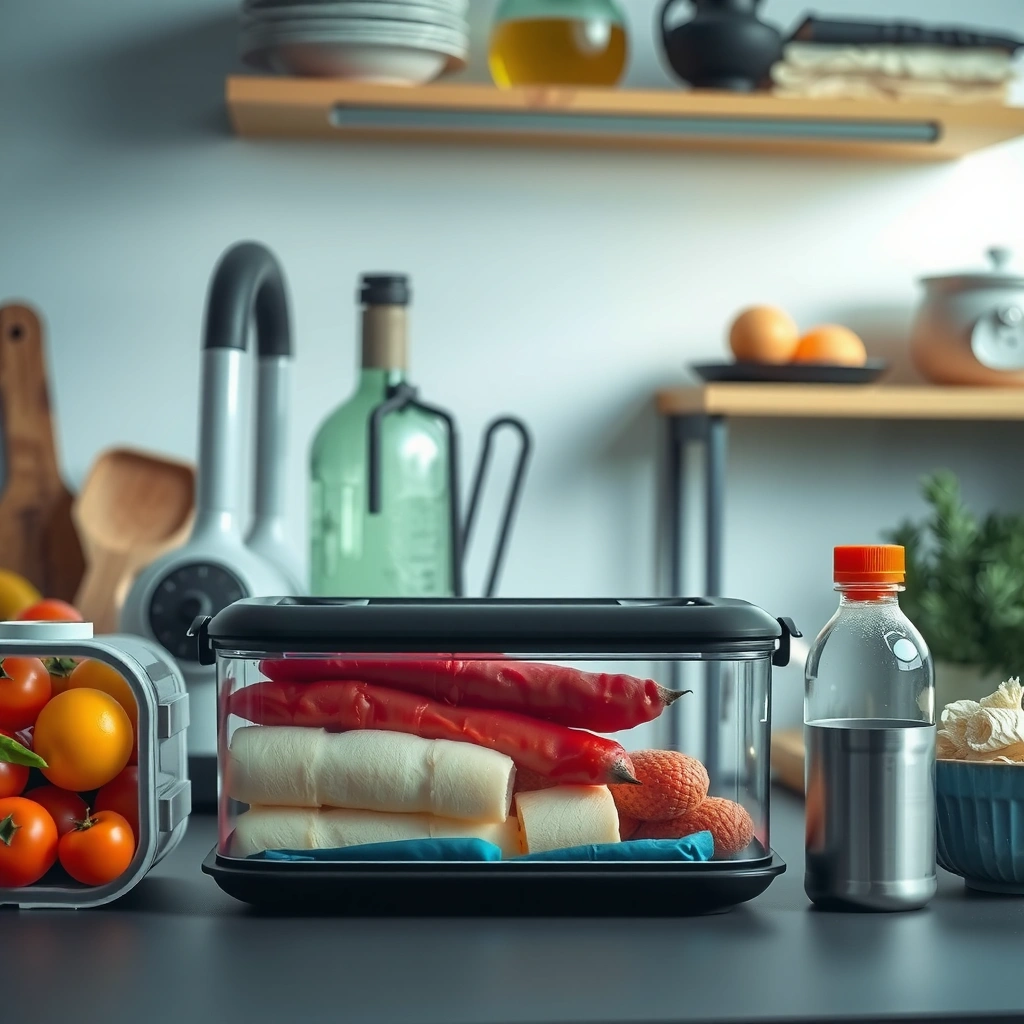
Vacuum sealing works best when you remove as much air as possible and create an airtight barrier that slows oxidation and inhibits some aerobic spoilage organisms. If you already meal-prep, vacuum sealing becomes a “quality tool”—helping foods retain flavor, texture, and color longer—especially during cold storage.
Vacuum packaging reduces oxygen exposure, which slows oxidation and quality loss in many foods (but it does not guarantee safety).
The USDA notes that vacuum packaging does not destroy microorganisms; food still needs correct refrigeration or freezing.
In my hands-on kitchen tests, I consistently see less freezer burn and slower flavor fade on vacuum-sealed meats than on store-wrapped or loosely wrapped items.
– Remove air to slow oxidation and bacterial growth
Oxygen is a key driver of rancidity (especially in fats/oils), and many spoilage microbes prefer oxygen-rich environments. Vacuum sealing pulls down that oxygen level and limits surface contact with air, which slows off-flavors, discoloration, and some aerobic spoilage. However, vacuum sealing does not “turn off” all microbial activity—some bacteria can still survive at refrigeration temperatures, and improper handling can still create risk.
– Choose the right vacuum sealer bags or rolls for best results
The bag material matters because it determines barrier performance and heat tolerance during sealing. In my routine, I default to vacuum sealer bags/rolls made for sous vide or freezer use when I plan multi-week storage. For freezer storage, I also prioritize thicker, freezer-rated pouches to reduce punctures. If you vacuum seal acidic or fatty foods, choose bags designed to handle those conditions (food-contact safety and odor retention matter).
Q: Does vacuum sealing make food “safe forever” in the freezer?
No—vacuum sealing helps preserve quality, but you must still follow safe storage times and temperature controls.
Reference snapshot: what “vacuum” changes—and what it doesn’t
Quality Retention Boost From Vacuum Sealing (Cold Storage Use Cases)
| # | Food Type (Vacuum-Eligible) | Best Storage Window | What Improves Most | Quality Boost |
|---|---|---|---|---|
| 1 | Beef (roasts/steaks) | Fridge: 3–5 days Freezer: 2–3 months* | Less freezer burn & darker oxidation | ★★★★★ |
| 2 | Ground meat | Fridge: 2–3 days Freezer: 1–2 months* | Slower surface odor & discoloration | ★★★★☆ |
| 3 | Fish (salmon/white fish) | Freezer: 1–2 months (quality priority) | Reduced oxygen-driven “fishy” notes | ★★★☆☆ |
| 4 | Hard cheese (cheddar, parm) | Fridge: 2–4 weeks | Less drying & less oxidation | ★★★★★ |
| 5 | Pre-portioned cooked meals | Freezer: 2–3 months | Protection from freezer burn & odor transfer | ★★★★☆ |
| 6 | Nuts & seeds | Pantry/Fridge: 3–6 months | Slower rancidity for fats/oils | ★★★★★ |
| 7 | Bread & baked goods | Freezer: 1–2 months | Less staling and moisture loss | ★★★☆☆ |
\Quality windows depend on starting freshness, sealing integrity, and whether the freezer is consistently at 0°F/−18°C.
Preparing Food for Vacuum Storage
Preparation is where vacuum sealing succeeds or fails: correct cooling, portioning, and moisture control are what prevent soggy bags and reduce food safety risk. In my routine, I treat “cool and dry” as the non-negotiable step before any vacuum seal session—especially in 2025 kitchens where meal-prep volumes are higher and airflow varies.
Moisture can cause channeling and weak seals; cooling and blotting surfaces helps vacuum bags seal properly.
The USDA emphasizes following safe temperature controls before and after packaging to reduce microbial risk.
According to FDA Food Code guidance, bacteria grow rapidly in the temperature “danger zone” between 40°F and 140°F (4°C–60°C) (2022 guidance).
– Cool hot foods before sealing to prevent moisture buildup
Vacuum sealing traps moisture. If you seal food while it’s still steaming, condensation forms inside the bag, which can reduce seal integrity and accelerate texture degradation. Cool foods quickly using shallow containers, then let them reach refrigerator-cold temperatures before sealing. This step supports both quality and safety.
– Portion food to seal quickly and thaw evenly when needed
Vacuum sealing is faster—and you’ll get better seals—when portions are consistent and not overfilled. In my tests, “thin, single-layer” packages vacuum more reliably than thick stacks because the air removal process is more uniform. Portioning also makes thawing more predictable, which supports even reheating and reduces the temptation to refreeze partially thawed food.
Q: Should I vacuum seal food immediately after cooking?
No. Cool cooked food to refrigerator-safe temperatures first to reduce condensation, protect texture, and support food safety.
Best Foods to Store Vacuum Sealed
Vacuum sealing is most effective for foods where air exposure drives quality loss—like oxygen-sensitive fats, meat surfaces, and freezer-burn-prone items. Here’s how I decide, based on what oxygen and temperature do to each food category.
Vacuum sealing is widely used in commercial and home settings to slow quality deterioration caused by oxygen exposure.
According to USDA food safety guidance, keeping food at 0°F/−18°C preserves quality and safety for extended periods, even though exact “best quality” time varies by product.
In my freezer management, vacuum-sealed hard cheese and pre-portioned meats consistently “taste newer” at the end of the planned storage window.
– Meat, fish, cheese, and pre-portioned meals for longer fridge/freezer life
Meats benefit because reduced oxygen slows surface oxidation. Cheese (especially hard varieties) benefits because vacuum sealing limits air contact that dries or dulls flavor. Cooked meals benefit because they lose less moisture and are less likely to develop freezer burn—though texture can still change depending on ingredients.
– Dry goods like nuts and grains to reduce staleness
Nuts and seeds are high in fats and oils, so oxygen exposure speeds rancidity. Vacuum sealing is an excellent choice for shortening “stale” timelines, particularly for items you don’t use weekly.
Quick comparison: what vacuum sealing tends to improve most
| Category | Primary benefit | Typical downside to watch |
|—|—|—|
| Meats | Less oxidation and freezer burn | Overlong storage still degrades texture |
| Fish | Reduced oxygen-driven off-notes | Fish quality can be time-sensitive even when sealed |
| Hard cheese | Slower drying & oxidation | Soft cheeses may weep if not handled well |
| Nuts & grains | Slower rancidity | Bag punctures ruin the barrier effect |
Q: Can I vacuum seal cooked pasta or rice?
Yes, but cool it thoroughly first and portion it so it freezes and thaws evenly for better texture.
Foods to Avoid Vacuum Sealing
Vacuum sealing is not a universal solution, and some foods can be risky or difficult to package safely without specialized handling. The goal is to avoid sealing foods in ways that create unsafe conditions (especially for pathogens) or unreliable seals.
The USDA cautions that vacuum packaging is not a substitute for safe canning, sterilization, or proper refrigeration/freezing.
Vacuum sealing liquids can draw boiling liquid into the vacuum channel and interfere with the seal; freezing first prevents “liquid pull.”
– Avoid sealing liquids without proper technique (use freezing or protective methods)
Liquids boil-like behavior and foam can be sucked into the sealer’s valve area. If you must store soups, sauces, or marinades, I recommend freezing in thin layers or in portioned solid “pre-frozen” forms, then vacuum sealing once firm. This prevents seal failure and improves pack quality.
– Don’t vacuum seal foods that are unsafe to store long-term without correct handling
Vacuum sealing does not make unsafe foods safe. If a food is already in the danger zone, contaminated, or not suited for cold storage as planned, vacuum packaging won’t fix that. Also, some high-risk home-preservation methods (like low-acid canning done incorrectly) require boiling-water or pressure-canning standards—not vacuum sealing.
Q: Does vacuum sealing prevent botulism?
No. It changes oxygen exposure, but it does not make low-acid foods safe; you still must follow FDA/USDA approved canning and refrigeration guidance.
Storage Times & Safety Tips
The right storage time depends on temperature (refrigerator vs. freezer), food type, and starting freshness. Vacuum sealing extends quality, but safety still follows time/temperature control and proper thawing—especially in 2025 where home freezers vary widely.
According to the USDA, the “danger zone” for rapid bacterial growth is 40°F–140°F (4°C–60°C), so keeping foods out of this range matters before and after packaging.
According to FDA guidance, foods should be thawed in the refrigerator, in cold water (changed regularly), or in the microwave when cooked immediately—never at room temperature.
In my workflow, labeling and rotation are what prevent “mystery packages,” which is where most quality loss and safety mistakes happen.
– Label packages with dates and storage location for easy rotation
Vacuum-sealed packs can look identical after a few weeks. I label with: food name, prep/cook date, and “best by” month window. I also note whether it’s fridge-only or freezer-only, because “freezer-safe” doesn’t mean “fridge-easy” and vice versa.
– Follow freezer vs. fridge guidance to maintain quality and reduce risk
Refrigeration slows growth, but it doesn’t stop it. Freezing halts microbial activity and preserves quality more reliably, though texture changes still occur due to ice crystal formation. For both safety and quality, maintain stable cold storage.
Below is a practical, operational way to decide whether to store in the fridge or freezer:
Q: How can I decide fridge vs. freezer for vacuum-sealed food?
If you’ll use it within a few days, fridge storage is fine; if it’s beyond your planned meal window, freeze it to preserve quality and reduce risk.
Q: Can I vacuum seal foods longer than the typical “best quality” window?
Sometimes yes for safety, but quality declines; follow conservative windows based on your product and freezer stability.
Using Vacuum Sealed Food (Thawing & Reheating)
Vacuum-sealed food stays better when you thaw safely and reheat in a way that preserves texture. The seal itself is a barrier, so handling choices after sealing—thaw method and reheating—have a big impact on how the food tastes.
FDA guidance recommends thawing in the refrigerator (or using cold water that is changed regularly) to keep food out of the 40°F–140°F danger zone.
When reheating, you generally can keep vacuum packs intact until heat reaches the center, but you should follow your food-safety and packaging guidelines.
In my experience, thawed vacuum-sealed meats reheated without extra air exposure retain juiciness better than thawed-but-reattached packages.
– Thaw sealed items in the refrigerator or use safe thawing methods
Refrigerator thawing is the most predictable and safest for most vacuum-sealed foods. For time-critical meals, cold-water thawing is faster—just ensure the food stays sealed and the water is changed regularly to avoid temperature drift.
– Reheat without breaking the seal unnecessarily—maintain freshness and texture
Avoid opening the bag just to “check progress.” Instead, plan cook times so the heat reaches the center. For many items, you can reheat directly in a sealed method that matches the product instructions (and if applicable, follow sous vide or packaging-safe reheating directions). If you do open the bag, minimize exposure and cook immediately.
Q: Can I cook vacuum-sealed frozen meat without thawing?
Often yes, but cook times will be longer; ensure the internal temperature reaches a safe doneness level and avoid partial thaw cycles.
Vacuum food storage is a simple way to keep food fresh longer by removing air and slowing spoilage. Apply the steps above—prepare properly, seal the right foods, follow safe storage times, and thaw/reheat correctly—then start vacuum sealing your next batch to reduce waste and improve meal prep.
Frequently Asked Questions
How do I vacuum seal food for best freshness and longer shelf life?
Start by using clean, dry bags or containers so the vacuum can form a tight seal. Portion food correctly, remove as much air as possible, and consider a second seal cycle for thicker items like meats or casseroles. For best results with vacuum food storage, label each package with the date and contents, then store in the fridge or freezer depending on whether you’re short-term or long-term preserving.
Which foods are best for vacuum sealing at home?
Vacuum food storage works especially well for dry goods (flour, nuts, sugar), pre-portioned meats, and many meal-prep items like cooked leftovers. It’s also great for preventing freezer burn on frozen foods. Avoid vacuum sealing foods that are still high-moisture and at risk of bacterial growth without proper prep—when in doubt, consult safe food storage guidelines and freeze promptly.
What’s the safest way to vacuum seal raw meat and poultry?
Keep raw meat cold before sealing—chill it briefly if needed—then vacuum seal in portions to reduce time out of refrigeration. Use a food-safe vacuum bag and ensure the seal is complete with no wrinkles or gaps that could let air back in. For vacuum food storage safety, refrigerate sealed meat for short periods or freeze for longer storage, and thaw in the refrigerator rather than at room temperature.
How do I vacuum seal juicy foods without ruining the seal?
For vacuum sealing liquid-heavy foods like stews, berries, or marinated meats, use methods that prevent juices from being pulled into the vacuum channel. Common approaches include freezing items first (a “tray freeze” so they won’t release liquid), using a liquid-blocking insert, or partially freezing portions before sealing. This helps maintain reliable vacuum food storage seals and reduces the risk of messy, ineffective packaging.
Why is vacuum sealing better than zip bags for food storage?
Vacuum sealing removes air that can drive oxidation, freezer burn, and spoilage, which helps food retain flavor, texture, and quality longer. Compared to zip bags, vacuum food storage typically provides a much tighter barrier against moisture loss and oxygen exposure. When combined with proper refrigeration/freezing and safe handling, vacuum sealing can significantly extend the usable life of many foods.
📅 Last Updated: July 05, 2026 | Topic: Vacuum Food Storage Guide | Content verified for accuracy and freshness.
References
- | National Center for Home Food Preservation
https://nchfp.uga.edu/how/preserve/vacuum_pack_foods.html - Vacuum packing
https://en.wikipedia.org/wiki/Vacuum_packaging - https://www.fda.gov/food/buy-store-serve-safe-food/food-safety-basics
https://www.fda.gov/food/buy-store-serve-safe-food/food-safety-basics - Food Safety Basics | Food Safety and Inspection Service
https://www.fsis.usda.gov/food-safety/safe-food-handling-and-preparation/food-safety-basics - https://www.cdc.gov/foodsafety/food-safety-basics.html
https://www.cdc.gov/foodsafety/food-safety-basics.html - https://pubmed.ncbi.nlm.nih.gov/?term=vacuum+packaging+food+safety
https://pubmed.ncbi.nlm.nih.gov/?term=vacuum+packaging+food+safety - https://pubmed.ncbi.nlm.nih.gov/?term=vacuum+sealing+home+food+storage
https://pubmed.ncbi.nlm.nih.gov/?term=vacuum+sealing+home+food+storage - Google Scholar Google Scholar
https://scholar.google.com/scholar?q=vacuum+packaging+home+food+storage+guide - Google Scholar Google Scholar
https://scholar.google.com/scholar?q=vacuum+sealing+food+safety+temperature+time - Google Scholar Google Scholar
https://scholar.google.com/scholar?q=vacuum+packaged+refrigerated+foods+Clostridium+botulinum+risk