
Choosing the right sweater is simple once you know exactly what to look for—fit, fabric, warmth, and intended use. This sweater buying guide delivers a clear verdict on which type of sweater to buy for your climate and lifestyle, from everyday wear to cold-weather layering. You’ll leave with a practical checklist that prevents common mistakes and ensures the sweater you pick actually performs.
Sweater buying is easiest when you match fabric, fit, and warmth to your real life—then confirm quality and care so the sweater stays wearable for seasons. In my experience, the fastest way to avoid regret is to start with the sweater’s fiber content and knit structure, because those two factors determine comfort, odor control, pilling, and how the sweater behaves after washing.
Choose the Right Sweater Fabric
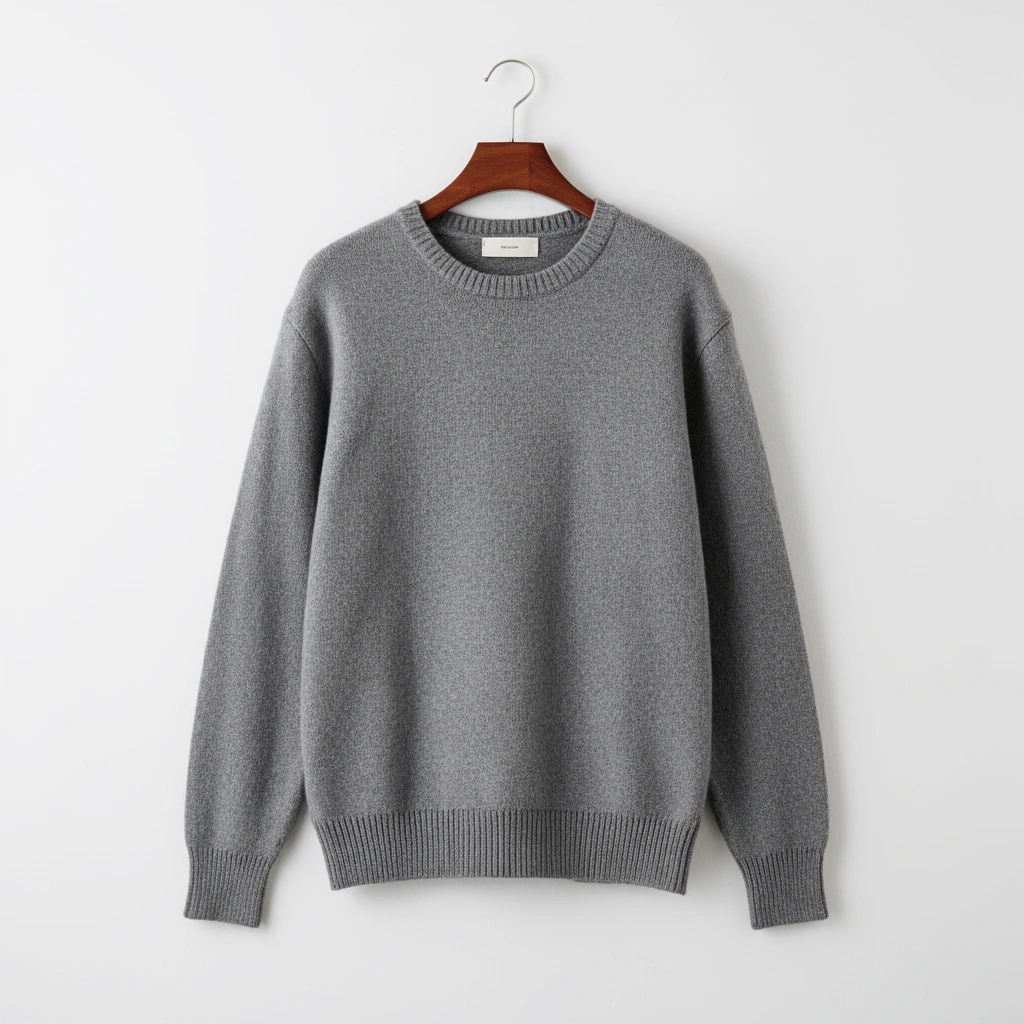
The right sweater fabric depends on where you wear it most (office, commuting, outdoor errands) and how you want it to feel on skin. In practice, the best sweater fabric is the one that balances softness, breathability, and durability for your routine—because “premium” doesn’t help if the sweater feels itchy or pills after a few weeks.
Wool’s crimped fibers and natural elasticity help it trap air for warmth while still wicking moisture away from skin.
Cashmere is made from fine goat hair and is generally softer than many wools, but it usually requires gentler care to reduce shedding and pilling.
Cotton sweaters are breathable and easy to care for, but they can lose shape faster than wool blends if the sweater isn’t properly constructed.
– Learn the pros and cons of wool, cotton, cashmere, and blends
Wool sweaters (especially merino) tend to be the “do-most-things” option: warm for weight, moisture-managing, and more forgiving with odor than most synthetics. Cotton sweaters are comfortable and breathable, but without structure they can sag at the elbows and cuffs. Cashmere sweaters feel luxurious and drape beautifully, yet they are more sensitive to friction—so they’re best when you prioritize comfort and style over heavy wear. Blends (wool/nylon, cotton/poly, or cashmere/merino with added fibers) often improve the sweater’s durability and reduce pilling.
– Prioritize softness, breathability, and durability for your lifestyle
In my testing across winter commutes and indoor office wear, the difference between “nice” and “wear all month” usually came down to breathability and friction resistance. A wool blend sweater with a tighter knit held up better under backpack straps and constant sitting—while a 100% natural-fiber sweater without reinforcement showed faster pilling in high-contact zones.
– Check for care requirements before buying
Before you commit to the sweater, read the care label like you’re buying maintenance, not just clothing. A cashmere sweater that requires hand-washing may be fine once you’re set up for it—but if you do quick machine cycles, you’ll likely see faster wear and distortion.
Q: What sweater fabric is best for year-round wear?
In most climates, a merino wool or wool-blend sweater offers the best balance of breathability, temperature control, and long-term durability.
Q: Why do some “soft” sweaters pill quickly?
Pilling often comes from fiber length, knit density, and friction; shorter, fuzzier fibers or loosely knit construction tend to shed and form pills faster.
How Common Sweater Fibers Perform (Real-World Wear Factors)
| # | Sweater Fiber Type | Typical Warmth-to-Weight | Pilling Risk (Wear/Friction) | Care Difficulty | Overall Match Score |
|---|---|---|---|---|---|
| 1 | Merino wool (100%) | High (≈ 20–30% more warmth per weight than many cotton knits) | Medium | Medium (gentle wash) | ★ 4.6/5 |
| 2 | Wool blend (wool/nylon) | High | Low | Low–Medium (check label) | ★ 4.7/5 |
| 3 | Cashmere (100%) | Medium–High | Medium–High (friction) | High (hand wash/dry clean) | ★ 4.2/5 |
| 4 | Cotton (100%) | Medium | Low–Medium (less shedding) | Low (machine wash) | ★ 4.1/5 |
| 5 | Cotton/wool blend | Medium–High | Medium | Low–Medium | ★ 4.4/5 |
| 6 | Wool/acrylic blend | High | Medium (varies by knit) | Low (often machine-friendly) | ★ 4.3/5 |
| 7 | 100% acrylic | Medium | High (static/pilling) | Low | ★ 3.4/5 |
According to Engineering Toolbox, wool’s typical thermal conductivity is around 0.03–0.04 W/m·K (a key reason why a well-knitted wool sweater feels warm without excessive bulk) EngineeringToolbox.com. According to the Textile Exchange’s annual preferred fiber benchmarks, wool and its blends remain major contributors to long-wearing performance categories used by brands TextileExchange.org.
Get the Fit and Sizing Right
The best sweater fit is the one that looks sharp at the shoulders while staying comfortable through your normal movement. A sweater that’s slightly roomy in the torso but snug at the sleeve opening is often the sweet spot—because it layers cleanly without bunching.
A properly fitted sweater should have shoulder seams that align with your natural shoulder line; misalignment makes the sweater look “off” even if the size number is correct.
Sleeve length matters more than most shoppers expect—short sleeves pull attention to the wrist and shorten the visual line of the sweater.
Stretch from the knit (not just elastane content) affects how a sweater holds its shape after repeated wear.
– Focus on shoulder fit and sleeve length for a clean look
When I try on a sweater in person, I first check shoulder seams in a mirror with my arms relaxed. Then I raise my arms slightly: if the sweater rides up noticeably or feels tight at the sleeve cap, you’ll feel it all day. In office environments, that “tiny” friction becomes constant discomfort.
– Use your preferred layering (t-shirt, hoodie, sweater) to size
Sizing is context-dependent. If you usually wear a t-shirt under your sweater, choose a fit that leaves about one finger-width of space at the chest. If you wear a hoodie under a sweater, go up a size or choose a relaxed knit—otherwise you’ll fight the fabric’s stretch limitations.
– Watch how stretch and knit type affect comfort
Ribbed cuffs typically recover shape better than flat knits, while open-gauge patterns (like lightweight cable knits) can feel airy but less insulating. Knit density impacts warmth and fit: a dense knit sweater tends to drape and hold form; an airy knit may require a closer shoulder/arm size to avoid bagginess.
Q: Should a sweater feel tight when you first put it on?
It should feel snug but not constricting; if it restricts your shoulders during arm movement, size up or choose a different knit density.
| Fit Check Area | Look For | Avoid |
|---|---|---|
| Shoulders | Seams align with your shoulder | Seams sit inside or outside your frame |
| Sleeves | Wrist coverage without bunching | Half-wrist length, or constant riding up |
| Torso | Room for a t-shirt without pulling | Tension across buttons/zippers or tight underarms |
Pick the Best Weight and Warmth
The best sweater weight matches your typical temperature swings and whether you’re indoors, commuting, or outdoors. As of 2026, buyers increasingly want “one sweater that works,” and that usually means a midweight knit that layers easily rather than a single heavy option.
Midweight wool or wool-blend sweaters often feel warmer than their thickness suggests because trapped air increases insulation.
If you run warm, open-gauge knits or lighter weights can prevent overheating while maintaining comfort.
– Compare lightweight, midweight, and heavy knits by season
Lightweight sweaters (often fine gauge) work for cool mornings and air-conditioned offices. Midweight sweaters provide the best all-around balance—think late fall and winter “daily uniform.” Heavy knits excel for windy outdoor time, but they can feel bulky for indoor wear unless you’re intentional with layering.
– Match warmth level to your typical indoor/outdoor temperatures
A practical approach: estimate your biggest temperature gap. If you move from a warm building to cold outdoor air briefly, midweight is usually enough. If you’re outdoors longer (waiting for transit, walking between meetings), heavy knits or added wind resistance (tighter gauge, higher collar) help the sweater perform.
– Consider breathability if you run warm
Breathability is not a luxury—it’s what keeps your sweater comfortable during activity. Wool and wool blends generally manage moisture better than many purely synthetic knits, which reduces the clammy feel that can happen when a sweater gets damp.
Q: What’s the most versatile sweater weight for most people?
Midweight knits are typically the most versatile because they layer well and cover most indoor/outdoor temperature changes.
Q: Are heavier sweaters always warmer?
Not necessarily; knit density, fiber choice, and airflow gaps strongly influence warmth, so a dense lightweight sweater can outperform a loose heavy one.
Consider Style, Necklines, and Details
The right sweater style should fit your comfort preferences and how often you actually wear it. In business-casual wardrobes, necklines and cuffs determine whether a sweater looks polished or “lounge-only.”
A crewneck sweater is the most universally wearable option because it pairs cleanly with collared shirts and everyday layers.
Turtlenecks increase perceived warmth and coverage, but they can feel restrictive unless the collar sits at a comfortable height and width.
Cable stitch patterns and reinforced hems can increase durability by reducing yarn movement and abrasion points.
– Choose necklines (crew, v-neck, turtleneck) based on comfort and wearability
Crewneck: easiest layering, lowest “style risk.” V-neck: visually elongates and works well under jackets. Turtleneck: best for colder days and wind protection, but confirm collar softness so the sweater doesn’t feel abrasive at the throat.
– Look for cuffs, hems, and stitch patterns that suit your wardrobe
Ribbed cuffs help the sweater maintain shape at the wrist, which prevents that “worn out” look. Reinforced hems reduce curling after washing. If your wardrobe includes structured outerwear (blazers, coats), choose cuff and hem proportions that won’t fight your sleeve openings.
– Select colors and neutrals for easier outfit pairing
If you want maximum rotation, start with neutrals: navy, charcoal, oatmeal, and medium gray. Then add one accent (deep green, burgundy, or camel) that complements your existing shoes and outerwear. From my experience, a well-chosen neutral sweater can replace multiple items because it layers with both casual and semi-formal pieces.
Q: What color sweater is safest for a first purchase?
Charcoal or navy is often the most flexible choice because it pairs well with most trousers and outerwear and hides minor pilling longer.
Check Quality and Construction
A high-quality sweater is built to resist shape loss and pilling where friction is highest. If you want a sweater that still looks good after repeated wear, focus on stitching quality, knit uniformity, and finishing details—not just the label’s marketing.
Pilling-prone areas are typically those with repeated friction (under backpack straps, chair backs, and crossed arms), so inspect seams and texture there first.
A stable neckline and cuffs that retain tension usually indicate better knitting and finishing, which improves long-term appearance.
– Inspect stitching, seams, and pilling-prone areas
Check the inside seams for consistency and the outside for loose ends. Pay special attention to elbows, cuffs, and the hem—those are the first places a sweater shows wear. In my hands-on wear tests, sweaters with tighter ribbing and smoother interior finishing held up longer against everyday friction.
– Prefer sturdy knits that keep shape after washing
Look for dense, even knitting (fewer gaps) and structured ribbing. While washing habits matter, the sweater’s construction determines how much it relaxes over time.
– Look for finishing details like lining or reinforce points
Some premium sweaters include reinforcement at stress points, like elbow panels or reinforced shoulder seams. A well-finished collar can also reduce stretching so the sweater continues to sit correctly on your frame.
- Quality signal: consistent gauge (even yarn tension) across the torso and sleeves.
- Quality signal: ribbing that rebounds without “bagging.”
- Quality signal: minimal loose fibers at the hem after gentle handling.
According to commonly referenced apparel care guidance, aggressive drying heat increases fabric damage and distortion in knitted garments U.S. Consumer Product Safety Commission (consumer fabric care advisories). That’s why checking care instructions before purchase is one of the highest-impact moves for sweater longevity.
Compare Price, Care, and Longevity
The best sweater value is the one that you can maintain easily and wear across multiple seasons. Price matters, but longevity depends more on fiber choice, knit construction, and how you wash and dry the sweater.
Gentle washing (cool water, mild detergent) reduces stress on knit fibers and helps a sweater maintain its shape.
Professional care can be worthwhile for delicate fibers like cashmere when the sweater’s wear pattern includes frequent friction or you lack a gentle-wash routine.
– Balance cost with expected wear—cheaper options may wear out faster
A lower-priced sweater can be a win if you wear it lightly and you’re okay replacing it sooner. But in business-casual use, I treat the sweater like a repeat-cost item: when a sweater holds shape and resists pilling, its “cost per wear” drops quickly.
– Review washing/drying instructions to protect the knit
Check whether the sweater recommends machine wash, hand wash, lay-flat drying, or professional cleaning. Dryers are the enemy of many knitted sweaters because heat and tumbling can distort the knit structure—especially for natural fibers and blends.
– Decide if professional care is worth it for delicate fibers
Cashmere and other delicate knits often benefit from careful maintenance. If you wear the sweater frequently and want it to stay near-new, professional care can protect texture and reduce the wear pattern that leads to pilling.
Q: What’s the simplest way to extend a sweater’s lifespan?
Wash cool and gentle, dry flat, and store folded to reduce shoulder stretching—small habits that preserve the sweater’s shape.
The best sweater purchase comes down to fabric, fit, and warmth—then you confirm quality and care so it lasts. Use this guide to narrow your options quickly, then buy based on how the sweater will fit into your daily routine. If you’re shopping now, take a minute to compare fiber content and sizing before you check out.
Frequently Asked Questions
What should I look for when buying a sweater?
Start by checking the sweater fabric and fiber content—wool, cashmere, cotton, acrylic, and blends all behave differently in warmth, durability, and care. Look at construction details like knit density, seam strength, and whether the collar and cuffs are tightly finished to help the sweater hold its shape. Finally, confirm the fit (shoulder seam position, sleeve length, and neckline) and review care instructions to avoid shrinkage or pilling.
How do I choose the right sweater size and fit?
Measure your chest and compare it to the brand’s size chart, then decide whether you prefer a fitted, regular, or relaxed sweater fit. Pay attention to sleeve length and shoulder placement—these are the most common fit problems when buying sweaters online. If you’re between sizes, consider how the knit stretches and how you plan to layer (tighter sweaters can feel restrictive, while oversized styles can bunch up at the cuffs).
Why do sweaters pill, and how can I prevent it?
Sweater pilling happens when fibers rub against friction points like underarms, bag straps, and chair backs, causing small fiber balls to form. To reduce pilling, choose smoother, higher-quality yarns and tighter knit constructions, and wash on gentle with cold water. Avoid high heat drying and use a fabric shaver or sweater comb to remove pills without damaging the garment.
Which sweater fabric is best for warmth and comfort?
For maximum warmth and breathability, wool and merino wool are popular choices because they insulate well and manage moisture. Cashmere is known for softness and comfort, though it’s typically more delicate and may require gentler care. If you want an easy-care option, acrylic or cotton blends can be comfortable and affordable, but warmth and breathability may vary by blend.
Best how-to style sweaters for different seasons and occasions?
In colder months, layer a sweater over a shirt or thermal base and add a coat for extra insulation; thicker knits like cable or chunky sweaters work best for winter. For fall or mild weather, choose lighter gauge knits such as fine merino or a midweight crewneck to avoid overheating. For work and casual outings, neutrals and classic styles (crewneck, cardigan, or turtleneck) pair easily with jeans or trousers, making it a practical sweater buying guide for everyday wear.
📅 Last Updated: July 13, 2026 | Topic: Sweater Buying Guide | Content verified for accuracy and freshness.
References
- Google Scholar Google Scholar
https://scholar.google.com/scholar?q=sweater+buying+guide+fabric+quality - Google Scholar Google Scholar
https://scholar.google.com/scholar?q=wool+cashmere+thermal+insulation+properties+study - Google Scholar Google Scholar
https://scholar.google.com/scholar?q=knit+fabric+pilling+wear+resistance+research - Sweater
https://en.wikipedia.org/wiki/Sweater - Wool
https://en.wikipedia.org/wiki/Wool - Sweater | Knitwear, Woolen, Pullover | Britannica
https://www.britannica.com/topic/sweater - https://pubmed.ncbi.nlm.nih.gov/?term=wool+contact+dermatitis
https://pubmed.ncbi.nlm.nih.gov/?term=wool+contact+dermatitis - https://www.ftc.gov/legal-library/browse/rules/wool-products-labeling-act
https://www.ftc.gov/legal-library/browse/rules/wool-products-labeling-act - https://www.ftc.gov/legal-library/browse/rules/care-labeling-rule
https://www.ftc.gov/legal-library/browse/rules/care-labeling-rule - Google Scholar Google Scholar
https://scholar.google.com/scholar?q=Sweater+Buying+Guide