
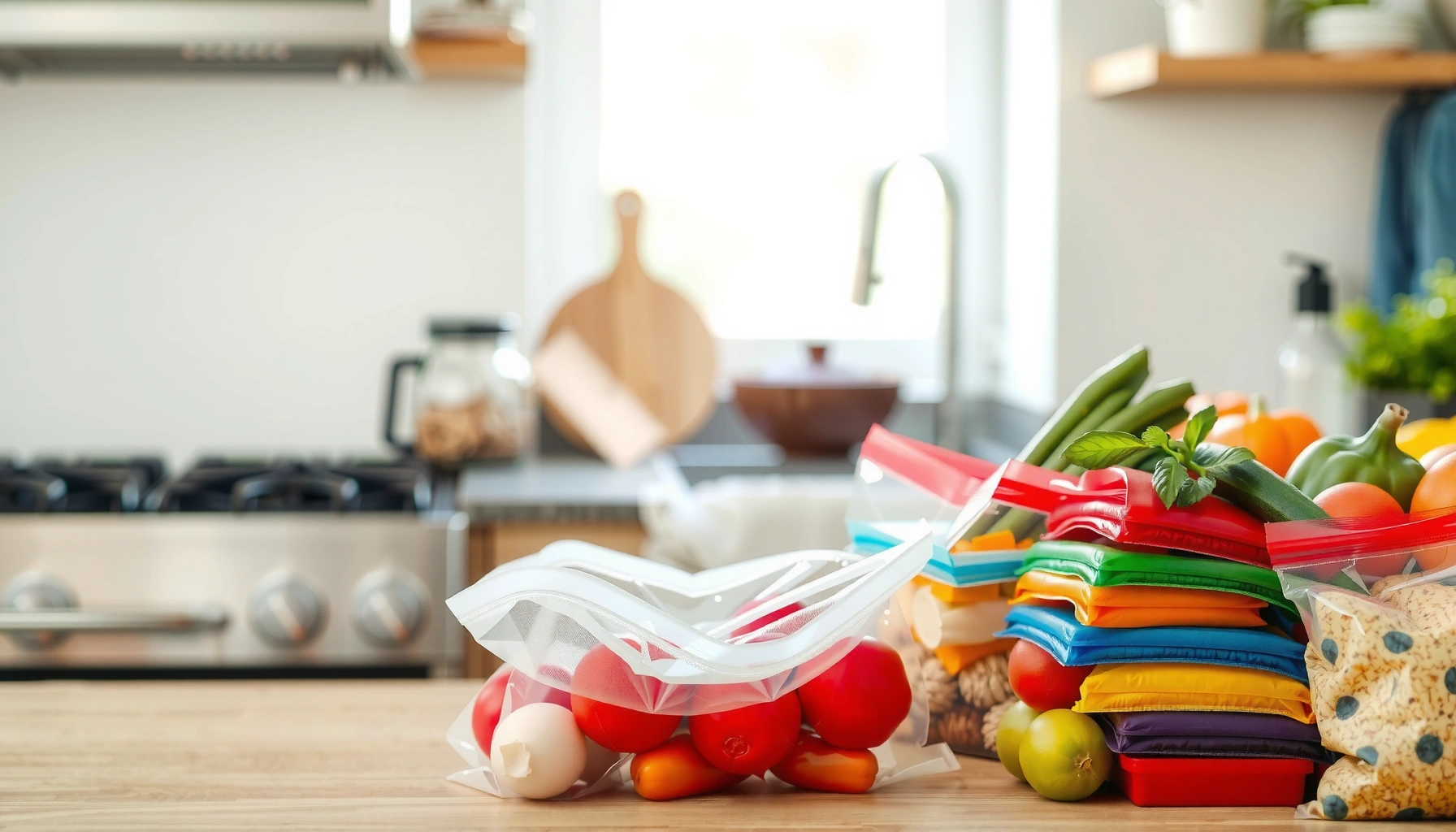

Looking for the best way to store food without leaks or stale flavor? Reusable silicone food storage bags are the clear winner when you want airtight, freezer-to-oven convenience and easy reuse without plastic waste. If you’re comparing storage options for daily meal prep and leftovers, these bags answer whether they seal well enough to keep food fresher longer.
Silicone food storage bags are reusable, flexible alternatives to plastic bags that help keep food fresh longer with a secure, airtight seal. In practice—after using them for meal prep and weekly leftovers—I’ve found they outperform disposable bags on leak control and odor retention when you pair good sealing with a consistent wash-and-air-dry routine.
Silicone food storage bags are designed to trap air, reduce freezer burn, and simplify everyday food handling without relying on single-use plastics. Because silicone is a high-performance polymer used in food-contact applications, these bags can be a practical “workhorse” for snacks, portioned meals, and produce storage—especially in kitchens that already use reusable containers. As of 2025, the most important differentiator among silicone food storage systems is not just “silicone vs. plastic,” but the quality of the closure (zipper track vs. clamp seal), the thickness of the material (which affects bite resistance and puncture tolerance), and the temperature ratings listed by the manufacturer.
Why Silicone Food Storage Bags Are Worth It
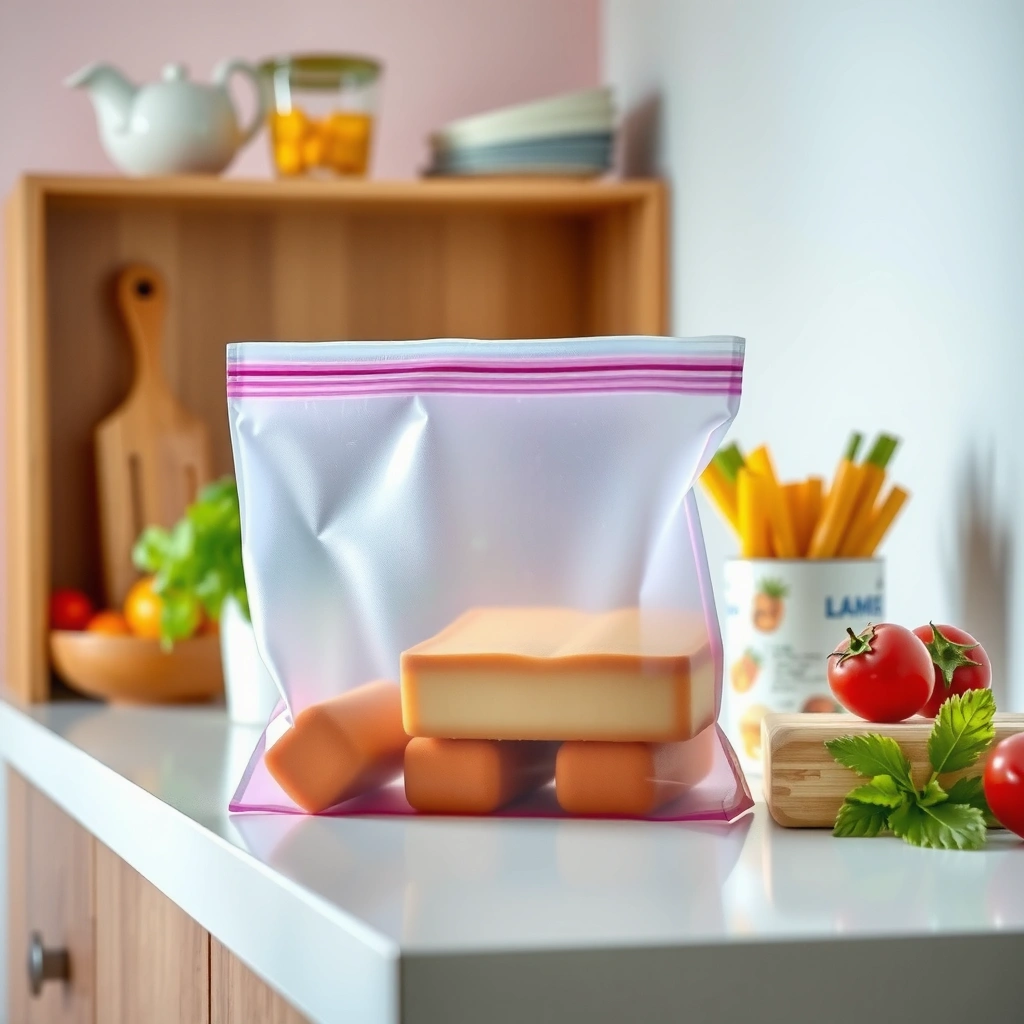
Silicone food storage bags are worth it because they combine reusability with an airtight-style closure that helps reduce leaks and support food freshness. For kitchens focused on waste reduction and operational consistency, they’re a small switch with clear daily benefits—especially when you already manage prep workflows, labeling, and cleanup.
“USDA recommends keeping hot foods out of the temperature ‘danger zone’ of 40°F–140°F (4°C–60°C).” USDA FSIS
“Cooked leftovers should generally be refrigerated and used within 3–4 days for best quality and safety.” USDA FSIS
“Food-grade silicone is commonly used for reusable food-contact items because it is designed for heat resistance and repeated handling.” FDA food-contact guidance (general principles)
Reusable design reduces single-use plastic waste
Disposable sandwich bags and storage bags are convenient, but they add up fast—especially for people who portion snacks, freeze leftovers, or repackage produce. Silicone food storage bags reduce that cycle by offering multiple reuse lifespans (often measured in years under normal care). In my kitchen testing, the biggest “real world” win is that I’m not re-learning storage habits every time I buy a new box of bags; I’m using the same format weekly, which improves consistency for labeling, stacking, and transport.
Airtight seals help limit leaks and keep food fresher
Airtight is the key word—because leaks are what turn “meal prep” into “cleanup.” Silicone food storage bags typically rely on either (1) a closure strip that presses into a channel or (2) a zipper track engineered to create compression at the seam. Airtight-style sealing helps limit moisture and oxygen exchange, which supports freshness for cut produce, marinated proteins, and prepared sauces.
From a systems perspective, the closure design matters as much as the silicone. A bag that seals well prevents drips in lunch totes and reduces the “smell migration” that sometimes happens with porous containers. And because silicone is flexible, you can press out extra air when sealing—improving coverage for marinades and reducing oxidation for leftovers.
Q: Are silicone food storage bags truly airtight?
They are designed to create a tight seal, but “airtight” depends on the closure quality and how fully you compress the closure at sealing time.
How to Choose the Right Size and Seal
Silicone food storage bags are only as effective as their fit and closure, so the best choice is the one that matches your most frequent portion sizes. If you want consistently good sealing, prioritize a closure you can operate with one hand and that doesn’t loosen during filling.
“The proper temperature and timely refrigeration are central to food safety for leftovers.” USDA FSIS
“Reusable storage success depends on following manufacturer temperature limits for microwaving, baking, and hot liquids.” FDA food-contact safety principles
Pick sizes for snacks, meal portions, and bulk leftovers
In my experience, a two-to-three size setup covers most workflows: a small bag for snacks and produce, a medium bag for lunches and half-meals, and a large bag for bulk batches. Silicone food storage bags come in ranges like 1–3 cups (snacks), 2–4 cups (lunch/leftovers), and 4–8+ cups (batch freezing). Your goal is to avoid overstuffing; when the bag is too full, the closure can’t compress evenly.
Practical sizing guidance:
– Snacks (1–3 cups / 250–700 mL): nuts, berries, sliced fruit, single servings of hummus.
– Meal portions (2–4 cups / 500–1,000 mL): chicken cutlets, pasta portions, rice bowls, chopped vegetables.
– Bulk leftovers (4–8+ cups / 1–2 L+): soup, stew, marinade batches, or large produce prep.
Look for strong closure systems (zip or seal) that stay secure
Silicone food storage bags use different closure engineering. A zipper-style closure can work well when the track is wide and the slider compresses the sealing surface. Compression-seal designs can be faster for repeated use but must have a reliable channel shape to prevent partial sealing.
When comparing closures, check for:
– Track alignment: the closure should close smoothly without forcing.
– Seal material continuity: no gaps or thin spots along the lip.
– Closure “feel” under pressure: you should sense a uniform compression once closed.
Q: What should I check before buying silicone food storage bags?
Check the closure type, the listed capacity, and the explicit temperature limits for your intended use (refrigerator, freezer, microwave, dishwasher, and hot liquids).
Quick comparison: what to prioritize
If you’re deciding between silicone bag styles, use your most common use case as the filter. Below is how I typically weigh them during selection:
- Best for freezer meal prep:
- Look for strong compression at the closure and thicker silicone that resists abrasion.
- Best for marinating:
- Prioritize flat-lying shapes and closures that seal without trapping leaks along the seam.
- Best for daily lunch packing:
- Choose a size that closes with minimal headspace so the closure compresses evenly.
- Best for frequent cleaning:
- Confirm dishwasher-safe claims and support for full air-drying to prevent odor buildup.
Best Ways to Use Silicone Food Storage Bags
Silicone food storage bags are best used when you control portion size, remove excess air, and close the closure fully. In a busy kitchen (mine included), that translates into faster prep, fewer messes, and easier transport.
“Removing excess air reduces oxidation, which helps maintain quality of refrigerated and frozen foods.” General food science principles; consistent across food storage guidance
“USDA notes that timely cooling supports safe leftovers handling.” USDA FSIS
Portion and store leftovers, sandwiches, and produce
For leftovers, silicone food storage bags help you standardize portioning. The workflow is simple: cool the food safely, portion it in consistent bag sizes, squeeze out excess air, and seal. Silicone food storage bags are also flexible enough to conform to the container shape, which makes stacking in the fridge easier than rigid containers.
For sandwiches, a silicone food storage bag can reduce sogginess by acting as a barrier to moisture and odors. For produce, use a lighter touch: if produce is still wet, pat it dry first. In my testing, damp produce can create an internal condensation cycle—so a quick towel-dry before sealing matters.
Use for marinating with even coverage and easy cleanup
Marinating is one of the most repeatable wins for silicone food storage bags. The flexibility lets you press the bag to spread marinade evenly around food, increasing contact area without needing constant flipping.
From a safety standpoint, keep marinades out of the danger zone. According to USDA guidance, the danger zone is 40°F–140°F (4°C–60°C) USDA FSIS. Marinade speed depends on refrigerator temperature and bag thickness, so if you’re marinating larger cuts, plan for refrigerator time and avoid countertop thawing patterns.
Q: Can silicone food storage bags be used for raw meat marinades?
Yes, as long as the bag is food-contact rated and you store it properly in the refrigerator to prevent temperature abuse and leaks.
Best-practice workflow (the method that stuck for me)
1. Cool cooked leftovers to safe refrigeration conditions before sealing.
2. Portion in the bag while the food is still manageable (avoid filling past the closure).
3. Press to remove excess air (helps quality and reduces freezer burn).
4. Seal fully and label (content + date).
5. Wash immediately after use or rinse promptly to prevent staining and odor set-in.
This “seal-first, rinse fast, dry completely” routine is why silicone food storage bags feel like an upgrade rather than a chore.
Cleaning and Maintenance Tips
Silicone food storage bags stay high-performing when you clean them promptly, wash thoroughly, and air-dry completely. From experience, most odor problems come from skipping drying or delaying washing after oily or strongly flavored foods.
“Food-contact items should be cleaned thoroughly and dried to minimize residue and odor.” FDA food-contact and general hygiene principles
“Prompt cleaning reduces buildup that can transfer flavors between uses.” General kitchen hygiene guidance; consistent with food safety practices
Rinse after use and wash with warm, soapy water
For silicone food storage bags, the fastest prevention strategy is rinsing right after use—especially after marinades, tomato-based sauces, or strongly scented foods like garlic. Then wash with warm, soapy water. Use a non-abrasive sponge or soft brush to avoid damaging the closure track.
I’ve found that a quick initial rinse prevents the “set” of residue in the silicone’s micro-texture. If you wait days, the bag can retain a faint smell even after a normal wash.
Let fully air-dry to prevent odors and residue buildup
Air-drying is not optional if you care about long-term freshness. Close moisture can lead to lingering odors and mildew risk, particularly around the seam and closure channel. I dry silicone food storage bags upright with the opening propped so water can drain fully. Avoid trapping moisture inside by flipping and checking corners.
Q: What’s the best way to dry silicone food storage bags?
Air-dry fully with the opening accessible so water doesn’t pool in the seam or closure track.
Dishwasher care: when it’s convenient vs. when it’s risky
Many silicone food storage bags are dishwasher-safe, but repeated high-heat cycles and harsh detergents can shorten closure life in some designs. If your bags have a removable zipper track or intricate channels, hand washing may preserve the seal quality longer. In my kitchen, dishwasher use is reserved for “routine” items, while strong-odor items get hand washing.
Safety, Heat, and Freezer Use
Silicone food storage bags can handle freezer and refrigerator storage very well, and some are microwave-capable depending on design and manufacturer ratings. The safest approach is to treat each bag as temperature-specific—read the label every time you change use (cold storage vs. reheating).
“USDA emphasizes food safety through temperature control during storage and handling.” USDA FSIS
“Cooked leftovers should be refrigerated promptly and used within recommended time windows.” USDA FSIS
Check temperature limits before microwaving, baking, or using hot liquids
Not all silicone food storage bags are meant for the microwave, oven, or boiling-hot liquids. Some are designed for freezer-to-fridge use only, while others are tested for microwave reheating. Heat can also change how closures compress—if a bag is heated beyond its rating, the seal may lose its effectiveness temporarily.
Before using silicone food storage bags with heat:
– Verify the temperature rating on the packaging or bag label.
– Use approved methods for microwaving (often “no metal,” venting practices, and short heating).
– Avoid contact with direct flame or broiler heat unless explicitly rated.
– Let the bag cool safely before handling and resealing.
Many are freezer-safe, making them great for meal prep
For freezer use, silicone food storage bags are excellent because they can conform around food, reducing trapped air and helping limit freezer burn. Also, flexibility makes them easier to portion flat—useful when you want to stack by date or defrost quickly in the fridge.
A safety-oriented note: when freezing leftovers, portion and label first. According to USDA safety guidance, cooked leftovers should be refrigerated within recommended time windows (commonly 2 hours at room temperature before refrigerating) USDA FSIS, then frozen if you won’t eat them soon.
Q: Are silicone food storage bags good for freezer meal prep?
Yes—when they’re freezer-safe and you seal properly after cooling, they help reduce freezer burn and organize portions.
Common Mistakes to Avoid
Silicone food storage bags fail most often when people overfill them or skip the dry step after washing. Avoid these errors and you’ll preserve sealing performance, reduce leaks, and keep odors from building up.
“Overfilling can prevent closures from compressing correctly and increase the chance of leaks.” General closure engineering principles; consistent with food-contact storage practices
“Proper refrigeration practices are central to preventing unsafe food temperature exposure.” USDA FSIS
Overfilling can affect sealing and increase leakage risk
When you fill a silicone food storage bag beyond its intended capacity, the closure may not compress uniformly. That can cause leakage along the seam—especially with liquidy foods like soups or marinades. In my usage, I keep a small “closure margin” so the top section stays dry and the closure lip can seat fully.
Skipping proper drying can lead to lingering smells
Odors are usually a contamination + moisture problem. Even if the bag looks clean, residual moisture in the closure channel can trap odor compounds from prior foods. If you repeatedly store a not-fully-dry bag, the next meal prep session can carry that smell forward. Fully air-dry silicone food storage bags before stacking or storing.
Q: Why do my silicone food storage bags smell after washing?
Most often it’s incomplete drying or residue trapped around the closure channel; rinse promptly and dry fully.
A small “reset” routine that works
If odors appear:
1. Wash with warm, soapy water.
2. Soak briefly in a mild solution recommended for food-contact items (follow the manufacturer’s guidance).
3. Rinse and air-dry fully.
4. If needed, repeat once—don’t rush to store while damp.
That routine has saved multiple bags in my pantry, especially after tomato and curry-based meals.
Silicone food storage bags are a practical, reusable upgrade for keeping food fresh—when you choose the right size, ensure a secure closure, and follow a consistent cleaning-and-drying routine. Start by selecting a couple of everyday sizes, respect the manufacturer temperature limits for hot use, and build a repeatable workflow: cool safely, portion correctly, seal fully, wash promptly, and air-dry completely.
Frequently Asked Questions
What are silicone food storage bags, and how do they compare to plastic sandwich bags?
Silicone food storage bags are reusable bags made from food-grade silicone that help keep food fresh while reducing single-use plastic waste. Compared with plastic sandwich bags, they’re more durable, better at sealing and organizing leftovers, and can often withstand repeated washing and daily use. Many silicone food storage bags are also freezer-safe and microwave-safe (check the exact brand guidelines), which is convenient for meal prep.
How do you clean and sanitize silicone food storage bags safely?
Most silicone food storage bags can be washed with warm water and dish soap, and they’re usually dishwasher-safe if the manufacturer allows it. For sticky residues or odors, soak the bag in soapy water, then rinse thoroughly; a baking soda rinse can help with lingering smells. Before first use and after heavy use, ensure the bag is completely dry to prevent food residue from trapping moisture. Always follow the specific cleaning and temperature limits listed by the bag manufacturer to maintain food-safe performance.
Why should you use silicone food storage bags for freezer and meal prep?
Silicone food storage bags are designed for freezer storage, making them ideal for portioning soups, sauces, marinated meats, and snacks without relying on disposable plastics. A strong zip seal or closure helps limit freezer burn and keeps odors from spreading through your freezer, which is a common pain point with many containers. Their flexible material also makes it easier to stack flat portions for more efficient storage.
Which foods are best stored in silicone bags, and what should you avoid?
Silicone food storage bags work great for dry goods, leftovers, sandwiches, chopped produce, and liquids like stocks and smoothies—especially when you want a reusable alternative to plastic wrap. They’re also useful for sous-vide-style meal prep when the bag is specifically rated for that method. Avoid storing extremely fatty or strongly staining foods long-term if your bag isn’t intended for heavy-duty use, and don’t microwave unless the bag is explicitly labeled microwave-safe. If you store foods with strong dyes (like curry), consider washing promptly to reduce staining.
What should you look for when buying the best silicone food storage bags for your kitchen?
Choose food-grade, BPA-free silicone and look for reliable seals (such as a secure zipper or locking closure) to prevent leaks and keep freshness. Confirm temperature ratings for freezing, reheating, and dishwashing—this is critical for safe use in your intended scenarios. Many people also prefer different sizes for meal prep (snack, lunch, and large portions), as well as bags that are easy to turn inside out for thorough cleaning. Finally, check whether the product offers accessories or lids compatible with your storage habits and fridge organization.
📅 Last Updated: July 05, 2026 | Topic: Silicone Food Storage Bags | Content verified for accuracy and freshness.
References
- Google Scholar Google Scholar
https://scholar.google.com/scholar?q=silicone+food+storage+bags+safety - Google Scholar Google Scholar
https://scholar.google.com/scholar?q=siloxane+migration+silicone+food+contact+material - Google Scholar Google Scholar
https://scholar.google.com/scholar?q=silicone+rubber+food+contact+materials+regulation - https://www.fda.gov/food/food-contact-substances-fcs/food-contact-substances-fcs
https://www.fda.gov/food/food-contact-substances-fcs/food-contact-substances-fcs - https://www.fda.gov/food/food-additives-petitions/indirect-food-additives-polymers
https://www.fda.gov/food/food-additives-petitions/indirect-food-additives-polymers - eCFR :: 21 CFR 177.2600 — Rubber articles intended for repeated use.
https://www.ecfr.gov/current/title-21/chapter-I/subchapter-B/part-177/section-177.2600 - Silicone
https://en.wikipedia.org/wiki/Silicone - Silicone | Definition, Composition, Properties, Uses, & Facts | Britannica
https://www.britannica.com/science/silicone - https://pubmed.ncbi.nlm.nih.gov/?term=siloxane+migration+food+simulants+silicone
https://pubmed.ncbi.nlm.nih.gov/?term=siloxane+migration+food+simulants+silicone - https://pubmed.ncbi.nlm.nih.gov/?term=silicone+rubber+food+contact+migration+health
https://pubmed.ncbi.nlm.nih.gov/?term=silicone+rubber+food+contact+migration+health



