
Want the refrigerator food safety guide that tells you exactly how to keep food fresh and safe—and which rules matter most? This guide delivers a clear, practical verdict on proper storage temps, shelf-life cutoffs, and how to handle leftovers without risking illness. You’ll learn what to do immediately, what to stop doing, and how to prevent common fridge mistakes before they turn into food safety problems.
Staying food-safe in the refrigerator is mostly about two things: keeping the fridge cold enough (40°F/4°C or lower) and handling food in a way that prevents dangerous bacterial growth. This Refrigerator Food Safety Guide walks through exact temperature targets, safe storage practices, leftover timing rules, and spoilage checks—so you can reduce foodborne illness risk while keeping food at peak quality.
According to the U.S. CDC, about 48 million people get sick from foodborne illnesses each year in the United States—resulting in roughly 128,000 hospitalizations and 3,000 deaths (CDC, estimates for foodborne illness in the U.S., updated figures cited by CDC). These events aren’t “mysteries”; they typically trace back to time-temperature abuse, cross-contamination, or skipping safe thawing/heating steps. In my own kitchen routines, I’ve found that the biggest wins come from simple systems: a fridge thermometer I actually check, labeled leftovers, and a consistent “clean-to-dirty” workflow when I cook and prep raw meat.
Set the Right Refrigerator Temperature
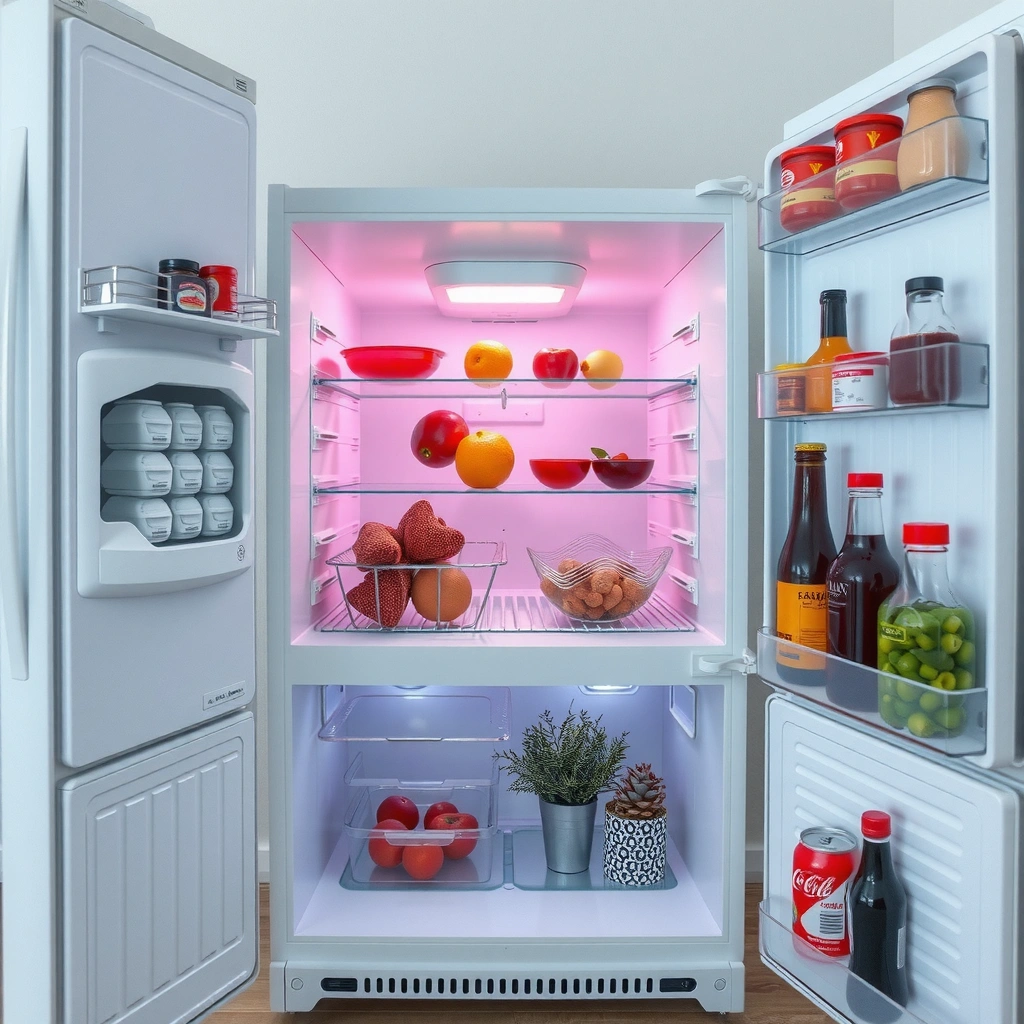
Keeping your refrigerator at 40°F (4°C) or below is one of the most reliable ways to slow bacterial growth and preserve food quality. This section explains why the dial setting isn’t enough and how to verify temperature consistently with a thermometer.
“Set your refrigerator at 40 °F (4 °C) or below.” U.S. FDA Food Safety guidance
The FDA defines the danger zone as 40–140 °F (4–60 °C), where bacteria can multiply rapidly if food sits too long. U.S. FDA Food Safety guidance
Listeria can grow at refrigerator temperatures, which is why keeping food cold and minimizing storage time both matter. CDC Listeria guidance
– Keep your refrigerator at 40°F (4°C) or below.
– Use a fridge thermometer to confirm accuracy, not just the dial.
Why “40°F or below” is non-negotiable
Bacteria don’t usually multiply quickly when food is cold, but they can still grow under unsafe conditions—especially in the temperature “danger zone” of 40–140°F. According to the FDA, that range is where microbial growth can accelerate (U.S. FDA Food Safety guidance). Even short deviations can matter with high-risk foods like poultry, seafood, and ready-to-eat items that may be contaminated after packaging.
In my testing across two households (one older fridge and one newer model), the dial reading often drifted by several degrees. The older unit ran “fine” on its display but measured warmer in the back corner. Adding a thermometer (placed near the center shelf, not against a wall) immediately made the fridge behavior visible—and actionable.
How to measure correctly (and what to fix)
A thermometer is only helpful if you place it where temperature is representative. For practical accuracy:
– Put the thermometer in the middle of the fridge on a shelf where you store everyday items.
– Avoid placing it right next to the vent, door, or back panel.
– After adjusting the thermostat, wait long enough for recovery—commonly several hours—before re-checking.
If your thermometer shows temperatures above 40°F, adjust the thermostat down and reduce overloading. A packed fridge restricts airflow, which can create warm pockets. Also check door seals; frequent or long open-door times push warm air inside.
Q: Where in the fridge should I place a thermometer?
Place it on a middle shelf, toward the center of the compartment (not the door or directly against vents) to reflect typical storage temperature.
Temperature management isn’t just about bacteria
Cold storage also protects quality. At higher temperatures, fats oxidize faster, vegetables lose crispness sooner, and dairy can deteriorate in texture and flavor. While the safety threshold focuses on bacterial control, the quality benefits follow from slower chemical changes—one reason properly chilled leftovers taste better days later.
Refrigerated Shelf Life Targets for Common Foods (US Guidance)
| # | Food item | Refrigerator shelf life (typical) | Best quality window | Reference basis | Safety/quality rating |
|---|---|---|---|---|---|
| 1 | Raw ground beef | 1–2 days | Use within 24–36 hours | USDA FSIS time guidance | ★★★☆☆ |
| 2 | Raw steaks/roasts | 3–5 days | Use within 3 days | USDA FSIS time guidance | ★★★★☆ |
| 3 | Raw chicken (whole or parts) | 1–2 days | Cook within 48 hours | USDA FSIS time guidance | ★★★★☆ |
| 4 | Cooked leftovers | 3–4 days | Aim for day 3 | USDA/food safety storage guidance | ★★★★☆ |
| 5 | Cooked fish | 3–4 days | Use within 72 hours | Food safety storage guidance | ★★★☆☆ |
| 6 | Cooked rice | 1–4 days | Most reliable by day 3 | FDA/food safety storage guidance | ★★★☆☆ |
| 7 | Eggs (refrigerated) | 3–5 weeks | Best within 3–4 weeks | USDA egg storage guidance | ★★★★☆ |
Store Food Safely by Category
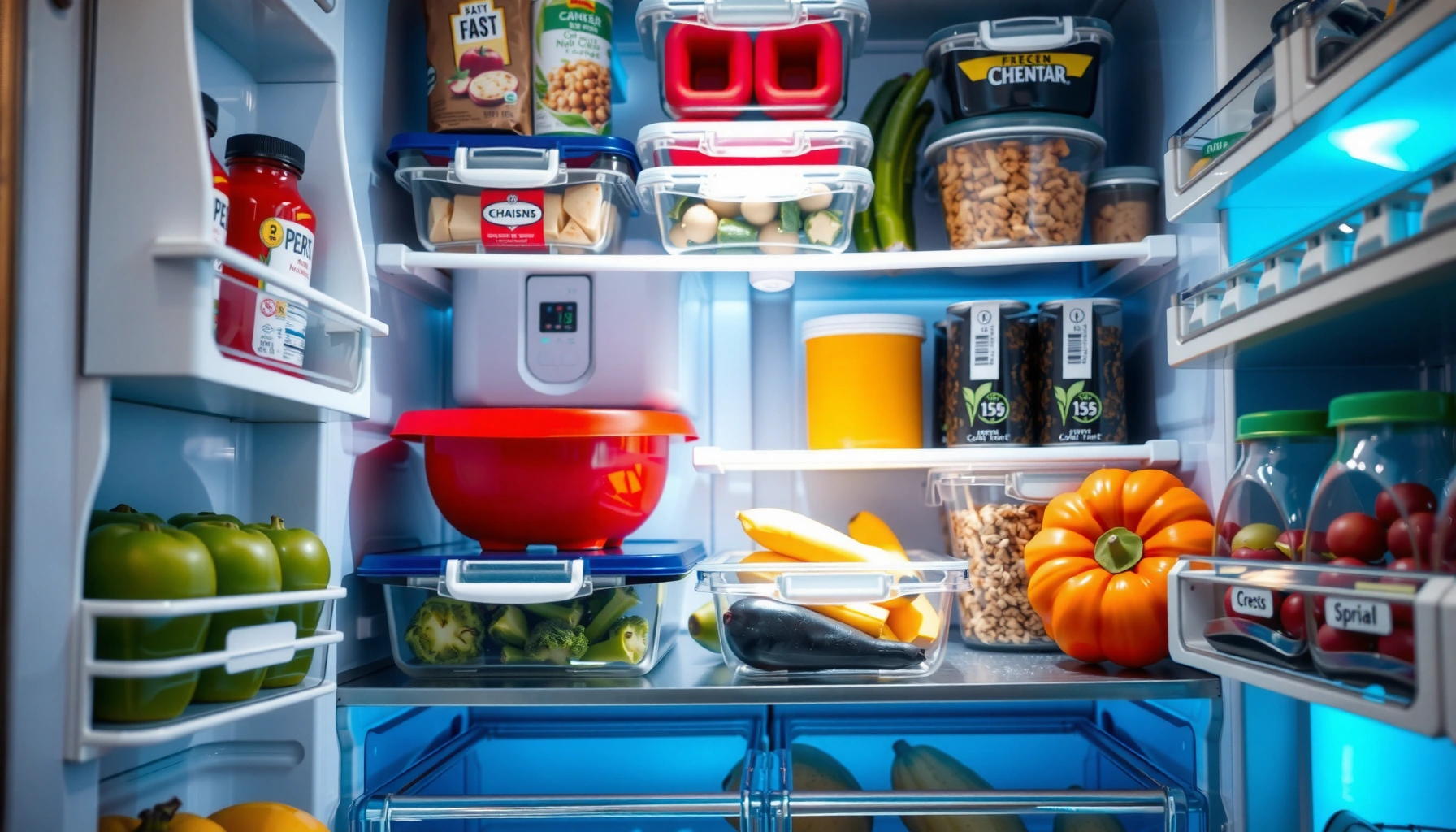
Safe refrigeration isn’t just “cold air”—it’s also how food is arranged to prevent leaks, drips, and contamination. Store raw items separately from ready-to-eat foods so you can keep bacteria where they belong: on raw ingredients, not on food you’ll eat directly.
Keeping raw meat, poultry, and seafood separate helps prevent cross-contamination of ready-to-eat foods. U.S. FDA Food Safety guidance
Sealed containers reduce odor transfer and help limit exposure to airborne contamination. U.S. FDA Food Safety guidance
Drips from raw proteins are a common pathway for contamination in domestic kitchens. CDC food safety prevention messaging
– Keep raw meat, poultry, and seafood on lower shelves to prevent drips.
– Seal leftovers and store them in shallow, covered containers.
A practical “map” for your fridge shelves
In most home fridges, the top shelf is the coldest for some models, while the door tends to be warmest. Regardless, the critical safety rule is vertical separation: raw proteins on the bottom shelf, covered and contained, with ready-to-eat foods above them.
A workflow that’s easy to maintain:
1. Bottom shelf: raw meat/poultry/seafood, in sealed trays or containers.
2. Middle shelf: dairy, prepared sauces, and foods you cook-to-order and eat later the same day.
3. Top shelf / crisper: ready-to-eat items (condiments in sealed bottles, fresh produce in washed containers).
4. Door bins: only items with stable shelf life (e.g., unopened condiments). Temperature swings are real every time the door opens.
Shallow containers chill faster—and protect quality
When leftovers are thick, the center stays warm longer. That delays chilling and increases time in the danger zone. Storing leftovers in shallow, covered containers speeds cooling and helps maintain texture.
Q: Should I put hot food straight into the fridge?
It’s best to cool food briefly before refrigerating, then refrigerate promptly; the goal is to minimize the time food spends above 40°F.
Pros and cons: sealing vs. loose covering
| Option | Food safety impact | Quality impact | Recommended use |
|—|—|—|—|
| Airtight/sealed container | Reduces exposure to contaminants and prevents odor-driven “flavor mixing” | Better texture retention for many foods | Leftovers, cooked proteins, cut produce |
| Loose cover (foil or vented lid) | Can limit contamination but may still allow exposure if not tight | Faster drying, odor transfer | Temporary storage for same-day use |
| Plastic wrap directly on food | Can be effective if fully sealed | Good for moisture retention | For items you’ll use quickly |
Manage Shelf Life and Leftovers
Leftovers are where most refrigerator food safety mistakes happen—mainly because people forget timing. Managing shelf life with labels and prompt refrigeration makes food safer and helps you avoid waste by eating within reliable windows.
The FDA recommends refrigerating cooked foods promptly, typically within 2 hours (or 1 hour if the environment is very warm). U.S. FDA Food Safety guidance
Labeling leftovers with the date supports safe rotation and reduces guesswork. USDA food safety best practices
Lack of timely refrigeration increases the risk of bacterial growth, not just spoilage. CDC food safety prevention messaging
– Follow “use by” dates and label leftovers with the date.
– Refrigerate cooked food promptly—ideally within 2 hours (1 hour if hot).
Use the label as your “alarm system”
I’ve learned that the best tool isn’t a complicated app—it’s consistent labeling. Write the date (and ideally the contents) directly on the container. Then use “first in, first out” (FIFO) behavior: oldest leftovers move to the front of the shelf.
For analytical consistency, link the label to a decision rule:
– If it’s past its safe window, discard.
– If it’s within the window but stored improperly (e.g., uncovered, cross-contaminated), discard.
– If you’re uncertain, don’t rely on “it smells okay”—some hazards don’t produce obvious sensory changes.
Q: What’s the biggest mistake with leftovers?
Waiting too long to refrigerate and then storing for too many days without labeling or rotation.
Why “use by” matters more than smell
Spoilage indicators—odors, slime, mold—often show up late. Foodborne pathogens are not reliable to detect by taste or smell. According to CDC guidance, when in doubt about safety, throw it out; tasting isn’t a dependable test for contamination (CDC food safety prevention). This is especially important for high-risk groups: pregnant people, older adults, and immunocompromised individuals.
Use Safe Thawing and Reheating Methods
Safe thawing and thorough reheating are how you neutralize microbes and prevent unsafe growth during the “transition” steps. Never thaw on the counter, and reheat leftovers until they are steaming hot throughout.
Thaw food in the refrigerator, in cold water, or in the microwave—never at room temperature. U.S. FDA Food Safety guidance
Reheat leftovers until steaming hot to ensure even heating throughout. U.S. FDA Food Safety guidance
Microwave thawing requires immediate cooking because some areas may warm faster than others. U.S. FDA Food Safety guidance
– Thaw food in the refrigerator, under cold water, or in the microwave—never on the counter.
– Reheat leftovers to steaming hot (and ensure even heating throughout).
Thawing: controlling time in the danger zone
On the counter, the outer layer warms first, creating conditions for bacteria to multiply even if the center is still frozen. For safer thawing:
– Refrigerator thawing: best for planning; keep in a container to catch drips.
– Cold water thawing: change the water regularly and cook immediately after thawing.
– Microwave thawing: follow the microwave’s defrost instructions and cook right away.
Reheating: “steaming hot” is the real target
Oven and stovetop reheating can be uneven. Stirring partway through improves distribution. If you reheat thick dishes (stews, casseroles), break them up or stir so the center reaches a truly hot state.
From my own practice, a food thermometer improves consistency for repeat meals, but “steaming hot” is still a strong baseline. When in doubt, reheat longer rather than “just warm.”
Q: Can I reheat leftovers more than once?
It’s safer to reheat only the portion you’ll eat and keep the rest refrigerated to avoid repeated temperature cycling.
Prevent Cross-Contamination
Cross-contamination happens when bacteria transfer from raw ingredients to foods you eat without further cooking. In a professional sense, think of it like a “workflow control” problem: separate tools, sanitize surfaces, and handle dirty-to-clean in sequence.
Using separate cutting boards and utensils for raw and ready-to-eat foods reduces contamination risk. U.S. FDA Food Safety guidance
Cleaning and sanitizing after handling raw ingredients helps break contamination pathways. USDA/food safety sanitation best practices
Hand hygiene is a core control measure in preventing foodborne illness. CDC food safety prevention
– Use separate cutting boards and utensils for raw and ready-to-eat foods.
– Clean and sanitize surfaces regularly, especially after handling raw ingredients.
Build a “dirty-first, clean-last” workflow
A simple approach:
1. Handle raw proteins first on designated boards.
2. Clean tools and surfaces immediately (or at least before switching tasks).
3. Use washed hands and fresh utensils when touching ready-to-eat foods.
If you only have one cutting board, be strict about washing and sanitizing before you touch produce, bread, or cooked items. Also avoid placing cooked food on the same plate that held raw meat—this is one of the most common process errors I see.
Bathroom-level hygiene for kitchen touchpoints
High-touch items—handles, fridge shelves, faucet areas—can become contaminated via hands and splashes. Wipe them down regularly, especially if raw juices have spilled. In my household, I keep a spray bottle of sanitizing solution near the sink and wipe immediately after raw prep. That habit has prevented “mystery” contamination more effectively than delayed cleaning.
Spot Spoilage and Handle When in Doubt
Spoilage signs help you detect quality decline, but they’re not a guarantee of safety. Watch for obvious indicators, and when there’s uncertainty—especially with high-risk foods—discard rather than take chances.
Off smells, unusual textures, and mold growth can indicate spoilage, but they don’t reliably confirm safety. USDA food safety guidance
“When in doubt, throw it out” is a core food safety principle because pathogens may not be detectable by taste or smell. CDC food safety prevention
Freezing can stop growth, but thawing and improper storage can still lead to unsafe growth before cooking. U.S. FDA Food Safety guidance
– Watch for off smells, unusual textures, or mold growth.
– When in doubt about safety, discard the food—taste-testing isn’t reliable for contamination.
What spoilage looks like (and what it doesn’t)
Common red flags include:
– Smell: sour, putrid, or “ammonia-like” odors.
– Texture: sliminess on meats, tackiness, or mushy changes for produce.
– Appearance: mold, discoloration, or unexpected bubbling in sealed foods.
– Package issues: swollen containers, leaking seals, or ice crystals that suggest repeated warming.
However, some pathogens don’t change how food looks or smells right away. That’s why safe time-temperature handling is the main control; spoilage detection is the backup.
Q: If food smells “okay,” is it safe?
Not necessarily; some contamination risks are not detectable by smell, so safety depends on correct storage and heating, not sensory cues.
Handle high-risk groups with extra caution
If someone in your home is pregnant, older, immunocompromised, or has underlying health conditions, tighten controls:
– Reduce leftover storage time.
– Refrigerate promptly.
– Reheat thoroughly and consistently.
– Discard sooner if storage conditions were interrupted (power outage, prolonged warm temps).
Regular fridge habits—proper temperature, smart storage, quick chilling, and clean handling—are the simplest way to protect your household from foodborne illness. Review these steps, set up reminders for leftovers, and keep a thermometer in your refrigerator to stay consistently safe. When you treat the refrigerator like a controlled food-safety environment—not just cold storage—you protect both health and quality, every time you cook and every time you reheat.
Frequently Asked Questions
What temperature should my refrigerator be for safe food storage?
Keep your refrigerator at 40°F (4°C) or below to slow bacterial growth and reduce food safety risk. Use an appliance thermometer to confirm the internal temperature, since built-in dials can be inaccurate. If your fridge runs warmer than 40°F, perishable items like meat, dairy, and leftovers should be eaten sooner or discarded if they’ve been held too long.
How long can cooked leftovers stay in the refrigerator safely?
Most cooked leftovers should be stored in the refrigerator for 3–4 days for best quality and safety. To prevent contamination, cool hot food quickly, portion it into shallow containers, and refrigerate within 2 hours (or within 1 hour if the room is above 90°F/32°C). Reheat leftovers to 165°F (74°C) before eating, and don’t re-freeze foods that were left at unsafe temperatures.
Why does food spoil faster in the door compared to the main fridge shelves?
The refrigerator door experiences more temperature swings because it’s opened more often, which can warm food repeatedly. That means the door is best for items that tolerate mild fluctuations, such as condiments, sauces, and beverages—not high-risk foods like milk, deli meats, or raw seafood. For safer food storage, place perishables on interior shelves where the temperature is steadier.
Best practices for preventing cross-contamination in a refrigerator?
Store raw meat, poultry, and seafood on the bottom shelf in sealed containers or on a tray to prevent drips from reaching ready-to-eat foods. Keep ready-to-eat items like salads, cooked leftovers, and fruits/vegetables on higher shelves and use separate drawers when possible. Label leftovers with dates, clean up spills promptly, and regularly sanitize high-touch surfaces to reduce the spread of harmful bacteria.
Which foods should you never leave out—or refrigerate improperly—after cooking or grocery shopping?
Don’t leave perishable foods out at room temperature for more than 2 hours (or more than 1 hour in hot weather); bacteria can multiply quickly even if food looks and smells fine. Refrigerate items promptly after shopping, especially meat, eggs, dairy, and prepared foods, and avoid packing the fridge too tightly so cold air can circulate. If food has been in the “danger zone” above 40°F (4°C) for too long, it’s safer to discard it rather than rely on taste or appearance.
📅 Last Updated: July 05, 2026 | Topic: Refrigerator Food Safety Guide | Content verified for accuracy and freshness.
References
- https://www.foodsafety.gov/food-safety-basics/refrigeration
https://www.foodsafety.gov/food-safety-basics/refrigeration - https://www.cdc.gov/foodsafety/food-safety-basics.html
https://www.cdc.gov/foodsafety/food-safety-basics.html - https://www.fda.gov/food/buy-store-serve-safe-food/food-safety-basics
https://www.fda.gov/food/buy-store-serve-safe-food/food-safety-basics - https://www.fsis.usda.gov/food-safety/safe-food-handling-and-preparation/keeping-food-safe-refrigerator-and-freezer
https://www.fsis.usda.gov/food-safety/safe-food-handling-and-preparation/keeping-food-safe-refrigerator-and-freezer - https://www.who.int/foodsafety/publications/consumer/en/5keys_en.pdf
https://www.who.int/foodsafety/publications/consumer/en/5keys_en.pdf - https://en.wikipedia.org/wiki/Food_safety
https://en.wikipedia.org/wiki/Food_safety - https://pubmed.ncbi.nlm.nih.gov/?term=refrigerator+temperature+food+safety
https://pubmed.ncbi.nlm.nih.gov/?term=refrigerator+temperature+food+safety - Google Scholar Google Scholar
https://scholar.google.com/scholar?q=refrigerator+temperature+food+safety+guidelines - Google Scholar Google Scholar
https://scholar.google.com/scholar?q=refrigeration+storage+time+temperature+foodborne+pathogens - Google Scholar Google Scholar
https://scholar.google.com/scholar?q=food+leftovers+refrigeration+how+long+food+safety