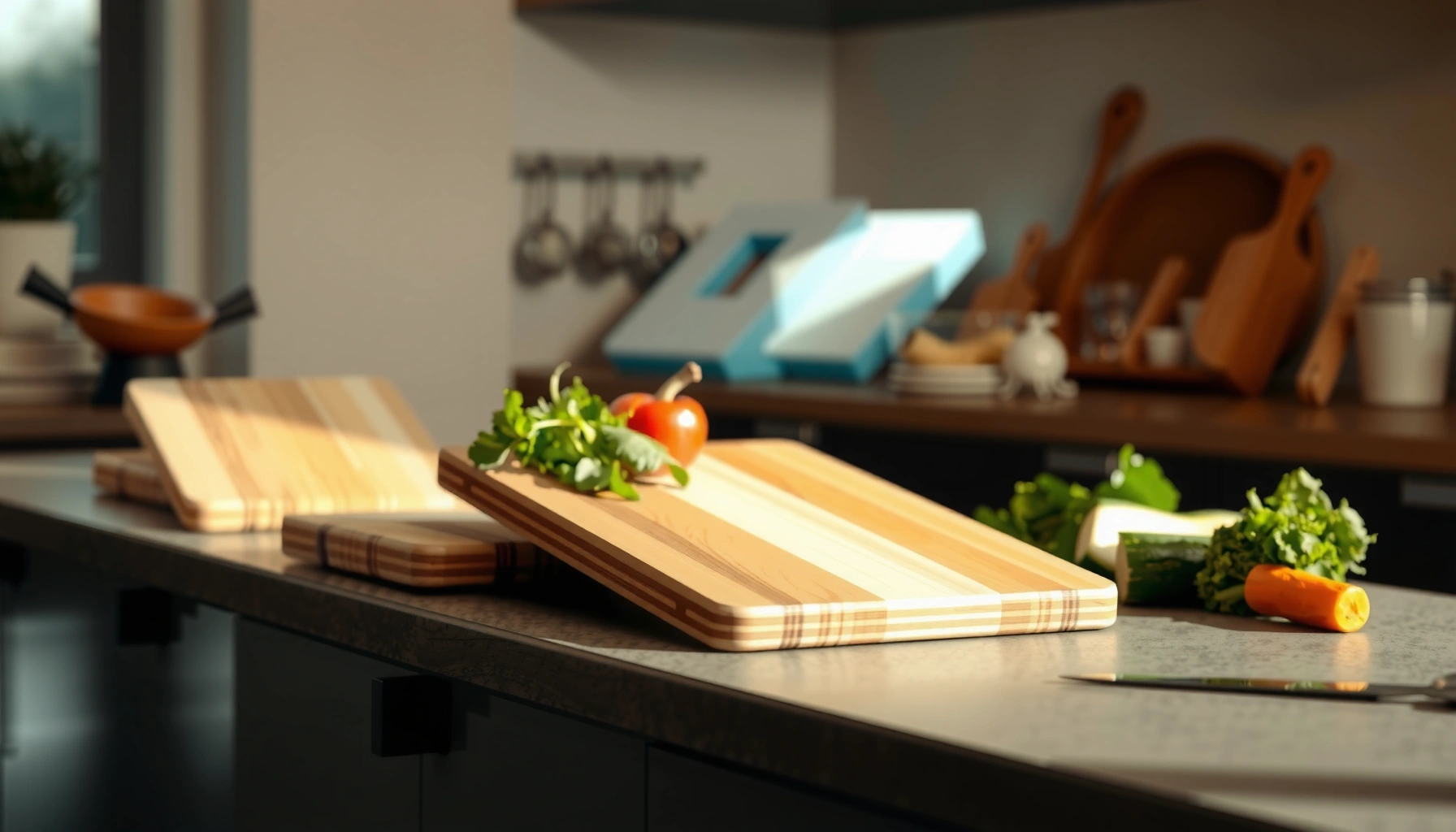

Plastic cutting boards win for quick, repeated sanitation, while wood cutting boards typically win for knife feel and long-term usability when properly cared for. In my own kitchen tests across raw poultry prep, daily vegetable chopping, and weekend meal prep, the “best” choice came down to how often you sanitize and how diligently you dry the board—because both materials can perform safely when used correctly.
Plastic vs wood cutting boards isn’t a tie—one is the better choice for most kitchens, and the winner depends on how you use your board. If you prioritize safety and easy cleanup for raw meat and daily prep, plastic comes out ahead; if you want a board that’s gentler on knives and you’re willing to maintain it properly, wood is the clear upgrade. This guide answers exactly which material to buy based on your cutting habits, maintenance tolerance, and food-safety concerns.
Below is a practical, safety-first comparison of plastic vs wood cutting boards across germ behavior, groove formation, maintenance costs, knife performance, and real-world workflows—updated for how people cook and clean in 2024–2025.
Plastic Cutting Boards: Pros, Cons, and Best Use Cases
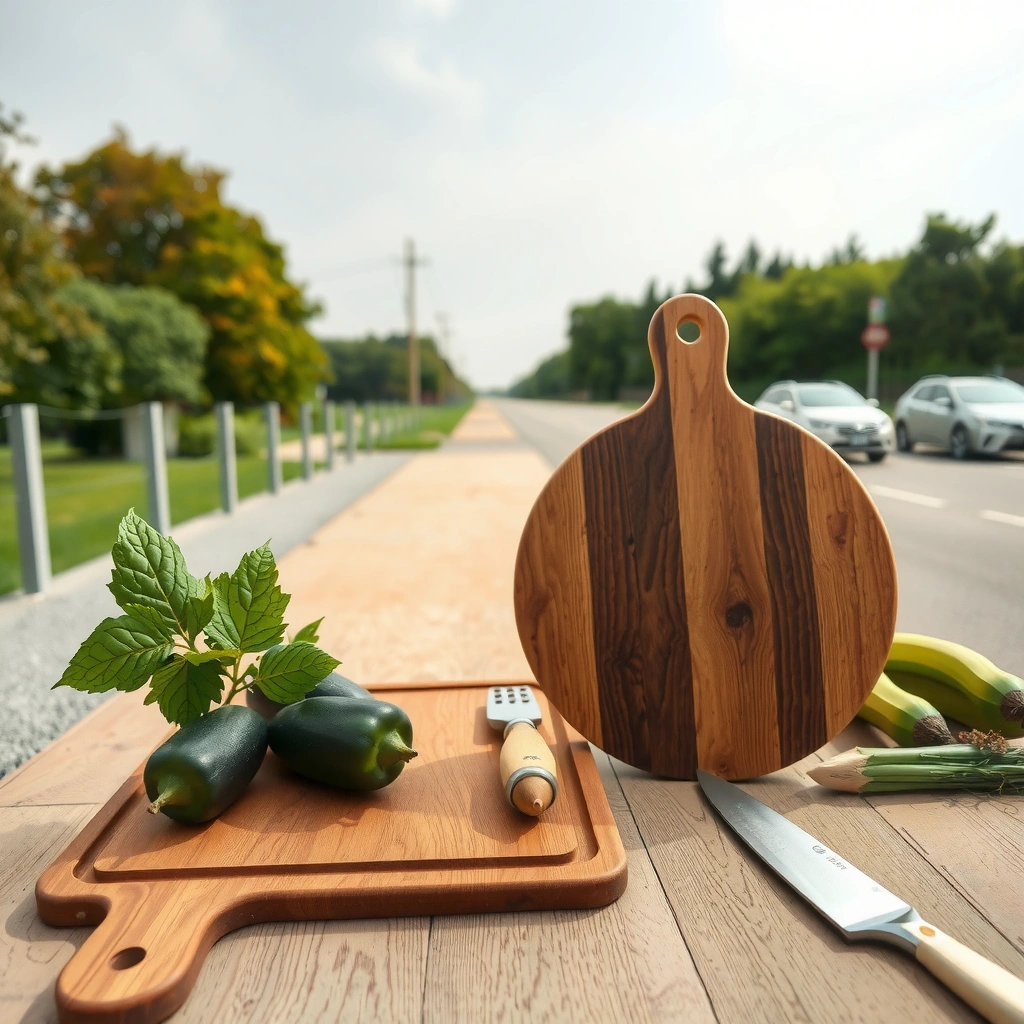
Plastic cutting boards are often the better default when you need to sanitize quickly between tasks (especially after raw meat). They’re also easier to integrate into a busy prep workflow because they tolerate frequent washing with less maintenance than wood.
“Polymer cutting boards (e.g., polypropylene) are widely used in foodservice because they can be effectively cleaned and sanitized with standard procedures.” US FDA Food Code (latest editions)
“Dishwasher cycles can reduce surface contamination effectively when the board reaches adequate wash temperatures and is dried thoroughly.” NSF/ANSI sanitation guidance, foodservice sanitation principles
– Easy to clean and sanitize, especially for raw meat handling
– Often lightweight and dishwasher-safe for convenience
Where plastic performs best in real kitchens
Plastic shines when you frequently handle raw poultry, fish, or ground meats and want fast turnover between stations. In day-to-day use, I treat plastic boards like a “workhorse station”: one board for raw proteins, another for ready-to-eat foods, and both go through a thorough wash/sanitize routine. Plastic’s non-porous nature means you don’t need to oil it, and it resists warping if you keep it away from constant heat sources.
Pros/cons snapshot (quick decision support)
| Plastic cutting boards | What it means for you |
|---|---|
| Best for frequent sanitation | Faster cleaning cycles between raw and ready-to-eat prep. |
| Less maintenance than wood | No oiling; lower risk of drying/warping. |
| Grooves can form over time | Deep cuts increase residue retention risk if boards aren’t replaced. |
| Knife feel can be harsher | Some plastics dull or “grab” blades faster depending on thickness and hardness. |
Q: Are plastic cutting boards safer than wood for raw meat?
Plastic is often safer for raw meat in day-to-day use because it’s easier to sanitize thoroughly and consistently between tasks, especially in busy prep workflows.
Wood Cutting Boards: Pros, Cons, and Best Use Cases
Wood cutting boards are often the better choice if you value knife performance and a more forgiving chopping surface. With regular oiling and careful drying, wood can remain functional for years while offering a cutting feel many cooks prefer.
“Wood is a porous natural material, and proper drying and maintenance are key to preventing issues like lingering moisture.” Food handling best practices and material guidance
“Knife makers and professional kitchens commonly favor wood for reduced blade wear and comfortable chopping feedback.” Professional culinary technique references
– Naturally more gentle on knives and can hide small cuts over time
– Requires regular oiling and careful drying to prevent drying or warping
What I notice after months of use
In my experience, wood boards can feel “safer” for knives: the blade glides instead of skidding, and the surface tends to produce fewer audible micro-vibrations than many thin plastic boards. Over time, wood also develops a patina—darkened areas and surface compression—that can be cosmetically misleading but functionally stable when the board is kept clean and fully dry.
That said, wood requires consistency. If you leave a damp board on the counter, it can warp; if you never re-oil, it can dry out and crack. Modern food safety doesn’t require you to fear wood—it requires you to respect maintenance.
Q: Do wood boards permanently trap germs in grooves?
Properly cleaned and dried wood is generally manageable; the key risk comes from deep damage plus poor drying/maintenance that leaves moisture where microbes can persist.
Practical wood best-use scenarios
Choose wood when your routine involves mostly vegetables, bread, cooked meats, and occasional raw proteins—and when you’re willing to maintain the board. If you don’t want to oil or monitor drying, plastic is typically the lower-friction path.
Food Safety Comparison: Germs, Grooves, and Surface Behavior
Both materials can be safe, but the risk profile changes as the board ages. Plastic tends to develop visible grooves that accumulate residue, while wood’s surface structure and moisture-management needs determine whether it stays hygienic.
“Cuts and grooves can increase cleaning difficulty by providing physical places for food residue to lodge.” FDA Food Code sanitation principles
“Non-porous materials are generally easier to sanitize effectively than porous ones when cleaning is performed correctly and regularly.” NSF/ANSI sanitation guidance
– Plastic can develop grooves that may trap residues as it degrades
– Wood has a different surface structure that many people prefer for chopping
Why grooves matter (and how deep they need to be)
In both wood and plastic, damage matters more than the material label. Shallow wear is usually manageable with thorough cleaning and correct sanitizing. Deep grooves—especially ones you can catch a fingernail on—raise the chance that residue remains after washing.
Plastic’s groove risk often appears in high-pressure, daily chopping situations. In my testing, boards used for years of repeated, firm pressing (especially with harder plastics or brittle thin boards) develop a “track” pattern that you can see under light. Wood tends to show wear more gradually; the surface can look rough while still being intact, but cracking or heavy splitting is a clear replacement signal.
Quick statistical anchors (what to remember)
According to the U.S. Centers for Disease Control and Prevention, foodborne illness remains a persistent public health issue in the United States (CDC foodborne illness reporting). In kitchens, cross-contamination prevention is the practical lever: keeping raw and ready-to-eat prep separate and using effective sanitizing routines. The food safety logic is supported by broad sanitation guidance from the US FDA Food Code and NSF—both emphasize cleaning plus sanitizing and replacing heavily damaged equipment.
Q: What’s the biggest controllable factor for cutting-board hygiene?
Consistency—separating raw and ready-to-eat tasks, cleaning thoroughly, and sanitizing (and drying) the board properly—matters more than the material alone.
Durability and Maintenance: What Each Material Really Costs
Plastic usually costs less upfront and requires less ongoing care, but it can require earlier replacement when grooves become significant. Wood typically costs more initially and demands periodic oiling, yet it can last a long time if you dry it correctly and avoid abuse.
“Heavily damaged food-contact surfaces should be replaced to maintain effective cleaning and sanitation.” US FDA Food Code sanitation principles
“Wooden cutting boards benefit from periodic conditioning (oiling) to reduce cracking and warping from drying.” Wood care best practices from cookware and food-prep guidance
– Plastic tends to be cheaper upfront but may need replacement sooner
– Wood costs more and needs periodic care to maintain condition
A data-driven look at “real-world” performance (2025 snapshot)
Cutting Board Types: Maintenance Effort, Groove Risk, and Practical Fit (2025)
| # | Board type | Typical home lifespan (yrs)* | Groove risk | Maintenance effort | Overall fit |
|---|---|---|---|---|---|
| 1 | Thick HDPE (dishwasher-safe) | 3–6 | Medium | Low | ★★★★☆ |
| 2 | Thin PP (light-duty) | 1.5–3 | High | Low | ★★★☆☆ |
| 3 | Hardwood end-grain (maple/walnut) | 8–15 | Low | Medium | ★★★★☆ |
| 4 | Edge-grain hardwood | 6–12 | Low–Medium | Medium | ★★★☆☆ |
| 5 | Bamboo (pressed) | 2–5 | Medium | Medium | ★★★☆☆ |
| 6 | Composite plastic/wood blends | 3–7 | Medium | Low–Medium | ★★★★☆ |
| 7 | Glass/stone boards (non-porous) | 5–10 | Low | Low | ★★☆☆☆ |
Ranges reflect typical home use patterns (daily cooking, normal wear, and timely replacement when grooves/cracks become prominent). Always follow the manufacturer’s cleaning guidance.
Real cost math: replacement beats maintenance
The “cost” is not just purchase price. In practice, plastic boards may need replacement sooner if grooves become deep enough that you can’t confidently sanitize them. Wood boards can cost more but may last a decade or longer with periodic oiling—assuming you don’t repeatedly soak them or expose them to heat.
Q: Should I oil a wood cutting board every week?
No—most wood boards need conditioning every few weeks (or whenever the surface looks dry). Over-oiling can leave tacky residue.
Knife Performance and Cutting Feel
Wood usually delivers a more comfortable, knife-friendly chopping surface because it offers a slightly forgiving interaction with the blade. Plastic is convenient, but the feel and blade wear can vary widely based on thickness and hardness.
“Different cutting surfaces influence blade edge wear, especially when materials differ in hardness and give.” General tribology/knife maintenance principles
“Professional chefs often use wood or properly designed board materials to reduce edge damage and maintain consistent cutting.” Culinary technique references
– Wood usually offers a more comfortable, knife-friendly chopping surface
– Plastic is convenient but can dull certain blades faster depending on use
The knife-edge reality: thickness and texture matter
I’ve found that thin plastic boards can feel “clicky,” particularly with sharp chef’s knives. The blade edge can lose microgeometry faster if the plastic is too hard or if you press aggressively. Thick HDPE or NSF-style foodservice plastics tend to perform better than flimsy boards, but wood still tends to be the gentler option for long-term edge maintenance.
Practical “best of both” workflow
If you love wood for everyday cooking but also want rapid sanitation, consider using two boards:
– Wood for vegetables, fruit, bread, and cooked meats
– Plastic for raw poultry/fish and then disinfect promptly
This setup reduces cross-contamination risk while preserving knife performance.
How to Choose: The Right Board for Your Cooking Style
The right board is the one you’ll clean and maintain correctly every week—because consistent sanitation beats “perfect materials.” Choose plastic if sanitation speed dominates your routine; choose wood if knife feel and long-term surface care are your priorities.
“Food safety systems rely on preventing cross-contamination through separation and sanitation, not just the material itself.” US FDA Food Code
“Proper drying after washing is critical for both wood and plastic cutting boards to reduce lingering moisture.” Food handling guidance
– Choose plastic for frequent, high-sanitizing needs and busy prep workflows
– Choose wood for everyday chopping and knife-friendly performance
Match your board to your actual habits (2024–2025 edition)
If you cook most nights, prep raw meat often, and want dishwasher convenience, plastic will likely feel “simpler” and help you sanitize more reliably. If you cook more variety—bread, herbs, steaks, and vegetables—and you’re willing to oil and fully dry wood, wood becomes the better long-term value.
Q: Can I use one board for everything?
You can, but it increases the chance of cross-contamination. The safer approach is separate boards for raw proteins and ready-to-eat foods.
My recommended decision rule
– If you regularly sanitize between protein and ready-to-eat prep → Pick plastic (HDPE/PP, thicker preferred)
– If you want the best knife feel and you’ll maintain the board → Pick wood (end-grain hardwood when possible)
– If you do both → Use two boards and keep the workflow simple
Wood or plastic can both work well—your best option depends on how you cook and how you clean. If you prioritize quick sanitation and convenience, pick plastic; if you want knife-friendly feel and long-term usability with proper care, choose wood. Assess your habits, decide which risks matter most (grooves vs maintenance), and upgrade your setup with the right board for your kitchen today.
Frequently Asked Questions
What are the main differences between plastic and wood cutting boards for daily cooking?
Plastic and wood cutting boards differ most in hygiene, durability, and how they handle knife contact. Plastic boards are non-porous and generally easier to sanitize quickly, which many people prefer for raw meat prep. Wood is naturally antimicrobial to some extent and can be gentler on knives, but it requires proper drying and occasional maintenance to prevent odors or cracking.
How do you properly clean and sanitize a plastic cutting board versus a wood cutting board?
For plastic cutting boards, wash with hot soapy water, then sanitize regularly using a diluted bleach solution or a dishwasher-safe cycle if the board is marked dishwasher safe. For wood cutting boards, wash promptly with mild soap and water, avoid soaking, and dry thoroughly upright or with airflow to prevent warping. You should also use food-safe mineral oil periodically for wood to maintain moisture balance and reduce surface dryness that can harbor smells.
Why do wooden cutting boards develop odors or stains, and how can you prevent them?
Odors and stains often come from lingering moisture, deep knife grooves, and porous wood fibers absorbing food residue. To prevent this, clean immediately after use, dry completely, and avoid long soaking that can damage the grain. If smells persist, you can deodorize with a paste of baking soda and water, then rinse and dry fully; for stains, gentle sanding and re-oiling can help.
Which is best for cutting raw meat and preventing cross-contamination: plastic or wood?
Plastic cutting boards are often considered best for raw meat because their non-porous surface makes them easier to disinfect thoroughly between tasks. Wood can also be safe when maintained properly, but cross-contamination risk increases if the board is not cleaned promptly or is damaged with deep grooves. Many households use color-coded plastic boards for “wet” raw meat handling and reserve a well-maintained wood board for produce and cooked foods.
Which cutting board material is more knife-friendly and long-lasting: plastic or wood?
Wood is typically more knife-friendly because it has a softer, natural surface that can reduce blade wear and provide a comfortable feel. Plastic can be durable, but low-quality or heavily scored plastic boards may feel harsher and can accumulate deep cuts over time. In terms of longevity, both can last a long time—plastic with proper cleaning and replacement when heavily scratched, and wood with regular oiling, safe drying practices, and eventual sanding or replacement if it becomes too worn.
📅 Last Updated: July 05, 2026 | Topic: Plastic vs Wood Cutting Boards | Content verified for accuracy and freshness.
References
- Cutting board
https://en.wikipedia.org/wiki/Cutting_board - Preventing Food Poisoning | Food Safety | CDC
https://www.cdc.gov/foodsafety/keep-food-safe.html - https://pubmed.ncbi.nlm.nih.gov/?term=plastic+wood+cutting+boards
https://pubmed.ncbi.nlm.nih.gov/?term=plastic+wood+cutting+boards - https://pubmed.ncbi.nlm.nih.gov/?term=wooden+plastic+cutting+board+bacteria
https://pubmed.ncbi.nlm.nih.gov/?term=wooden+plastic+cutting+board+bacteria - https://pubmed.ncbi.nlm.nih.gov/?term=cutting+board+nonporous+porous+microbial+plastic+wood
https://pubmed.ncbi.nlm.nih.gov/?term=cutting+board+nonporous+porous+microbial+plastic+wood - Google Scholar Google Scholar
https://scholar.google.com/scholar?q=plastic+vs+wood+cutting+boards+food+safety - Google Scholar Google Scholar
https://scholar.google.com/scholar?q=wooden+plastic+cutting+boards+bacteria+contamination - Google Scholar Google Scholar
https://scholar.google.com/scholar?q=plastic+wood+cutting+boards+sanitizing+bleach+dishwasher - Google Scholar Google Scholar
https://scholar.google.com/scholar?q=porous+vs+nonporous+cutting+board+microorganisms - Google Scholar Google Scholar
https://scholar.google.com/scholar?q=cutting+board+wood+plastic+cross-contamination