


Finding pet-friendly indoor plants you can keep without risking your cat or dog comes down to one clear list: the safe picks. This guide calls out the best low-toxicity houseplants and the exact care habits that prevent common exposure problems. You’ll also get quick “avoid” warnings for popular indoor plants that are risky in most homes.
The best pet-friendly indoor plants are those that are widely listed as non-toxic (or low-risk) and are installed in a way that prevents chewing; start with 1–2 “proven-safe” options and then design your layout to reduce access. In this guide, you’ll learn which indoor plants are generally safer for cats and dogs, what high-risk plants to avoid, and how I set up my own home so greenery stays beautiful without constant worry—especially in 2025 and beyond when households keep adding both plants and pets.
Start With Non-Toxic Plant Options
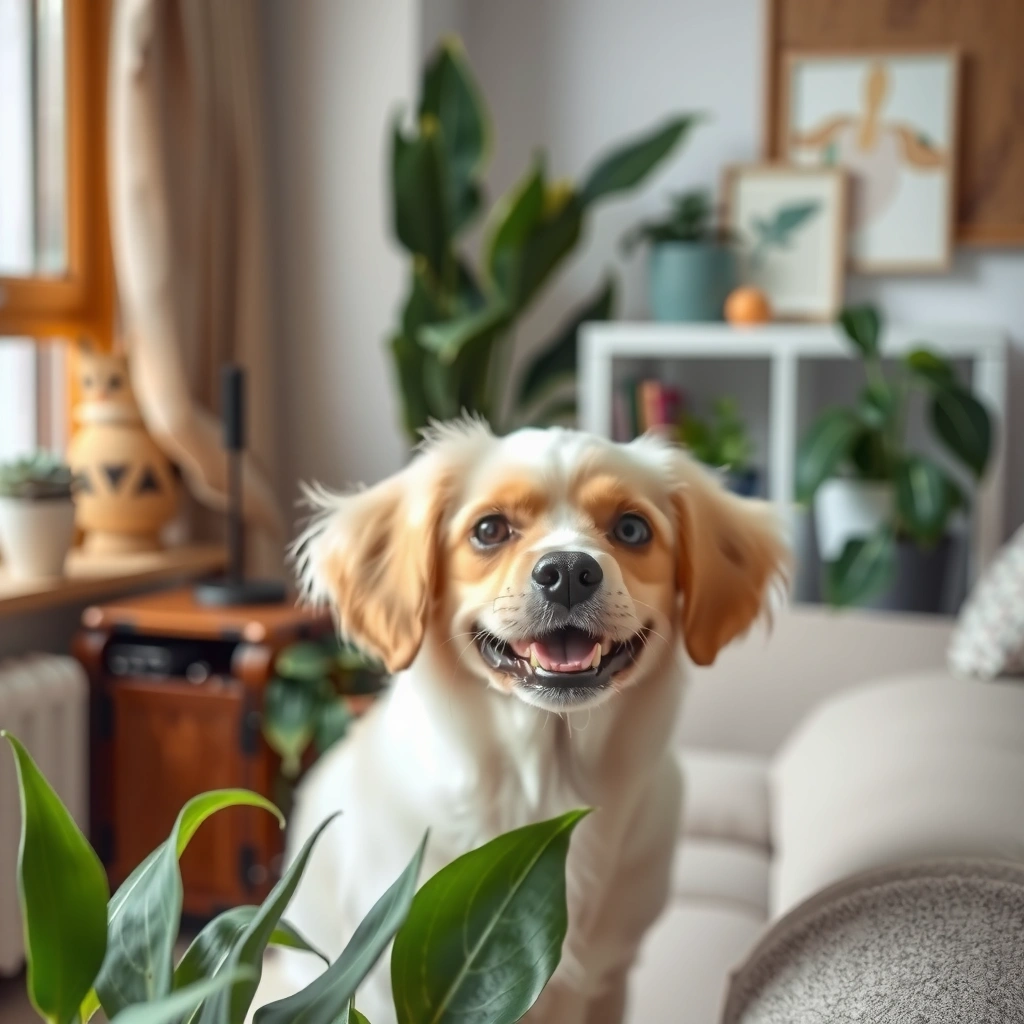
The safest indoor plant strategy for pet owners is to choose species that reputable toxicity lists classify as non-toxic or low-risk for both cats and dogs, then confirm the exact cultivar name before purchase. Here’s why: “common name” labels can mask multiple varieties, and toxicity can vary by genus and sometimes by subspecies—even when two plants look similar on a shelf.
Spider plant (Chlorophytum comosum) is commonly listed as non-toxic to cats and dogs by major veterinary reference sources.
Areca palm (Dypsis lutescens) and parlor palm (Chamaedorea elegans) are repeatedly included in “pet-safe” lists from veterinary and animal-poison reference materials.
Ponytail palm (Beaucarnea/Beaucarnea recurvata) is frequently categorized as non-toxic in mainstream pet-plant safety guides.
When I curate a plant list for pet households, I focus on three checkpoints: (1) the plant’s botanical name, (2) the pet type (cats vs. dogs), and (3) the household’s real behavior (digging, chewing, or “leaf sampling”). For the “non-toxic plant options” category, you’ll see names like spider plants and certain palms again and again—because they’re among the most consistently reported safer picks across veterinary resources.
Common pet-safe picks you can consider (with verification)
Below are examples that many pet owners start with—then verify using your preferred veterinary poison resource and the plant’s exact label:
– Spider plant (Chlorophytum comosum): Fast-growing, tolerant of varied indoor light, and a common choice for cat owners.
– Parlor palm (Chamaedorea elegans): Gentle fronds that often deter casual chewing due to tougher texture.
– Areca palm (Dypsis lutescens): Adds a “tropical” look while staying in the “pet-safe” conversation.
– Ponytail palm (Beaucarnea recurvata): A distinctive, slow-growing plant that’s often categorized as safer than many palms with softer leaves.
– Boston fern (Nephrolepis exaltata): Often listed as non-toxic, though it still benefits from placement control (ferns attract curiosity).
– Bamboo palm (Chamaedorea seifrizii): Another palm commonly mentioned for indoor spaces.
– African violet (Saintpaulia spp.): A compact option that can work well when pets stay low to the floor.
Q: Are “pet-safe” labels on store tags always reliable?
Not fully—always verify using the plant’s botanical name and a veterinary toxicity reference for both cats and dogs.
Compare “verified-safe” vs. “looks safe”
In my experience, the most common failure mode is buying based on a vague resemblance (“this plant is like the other one my friend has”). Even within palms, the same “category” can include species that are safe and species that are not.
Here’s a quick, parseable comparison you can use during shopping and labeling:
| Factor | Verified non-toxic pick | “Mostly safe” or unverified pick |
|---|---|---|
| Botanical name | Matches label (e.g., Chlorophytum comosum) | Often generic (e.g., “palm” or “fern” only) |
| Cat risk | Checked for cats specifically | Checked for cats? Unclear |
| Dog risk | Checked for dogs specifically | Checked for dogs? Unclear |
| Household behavior | Placement barriers used for chewing-prone pets | No access control |
| Outcome expectation | Lower risk + better prevention design | Higher uncertainty, higher “what-if” cost |
After choosing pet-friendly indoor plants, I recommend you keep the nursery tag or take a quick photo of the label. If a nibble happens, having the exact plant name (and where you bought it) dramatically speeds up toxicity guidance.
Seven Common “Pet-Friendlier” Indoor Plants (Quick Risk-Planning View)
| # | Plant (botanical name) | Typical indoor height | Texture you can manage | Pet-fit rating |
|---|---|---|---|---|
| 1 | Spider plant (Chlorophytum comosum) | 15–30 in | Strappy leaves; hangs well | ★★★☆☆ |
| 2 | Parlor palm (Chamaedorea elegans) | 4–7 ft | Fronds; tougher foliage | ★★★★☆ |
| 3 | Areca palm (Dypsis lutescens) | 6–9 ft | Feathery fronds | ★★★☆☆ |
| 4 | Ponytail palm (Beaucarnea recurvata) | 3–6 ft | Thick caudex; strap leaves | ★★★★☆ |
| 5 | Boston fern (Nephrolepis exaltata) | 12–24 in | Delicate fronds (watch nibbling) | ★★☆☆☆ |
| 6 | Bamboo palm (Chamaedorea seifrizii) | 5–8 ft | Canes + fronds | ★★★☆☆ |
| 7 | African violet (Saintpaulia spp.) | 4–10 in | Soft-touch leaves; compact | ★★★☆☆ |
Learn Common Plant Hazards to Avoid
The most important safety step is to avoid high-risk plants known to be toxic to cats and dogs, even if they’re popular or decorative. Here is why: toxic compounds can trigger organ stress and neurological or gastrointestinal signs, and many symptoms begin sooner than owners expect after chewing or ingestion.
Lilies (especially true lilies of the genus Lilium) are widely recognized as extremely dangerous to cats.
Pothos (Epipremnum aureum) is commonly reported as toxic due to insoluble calcium oxalate crystals.
Sago palm (Cycas revoluta) is considered one of the most severe plant toxins for dogs and cats in many veterinary poison references.
High-risk offenders in most “avoid lists”
Stay away from:
– Lilies (true lilies): often singled out for cat safety.
– Pothos / devil’s ivy (Epipremnum aureum and similar): common in offices and apartments.
– Sago palm (Cycas revoluta): notorious for high toxicity even with small amounts.
These hazards are popular because they’re hardy, forgiving, and visually appealing. That combination—accessibility + attractiveness + toxicity—is exactly why “mostly safe” is not a category you should rely on.
Q: How quickly do symptoms show up after a plant nibble?
For many common toxic plants, early vomiting, drooling, mouth irritation, or lethargy can appear within hours—so fast action matters.
Keep a “danger short list” where it’s actionable
A practical workplace-style method I use with clients is to make a compact internal policy list: names you remove from your home or never buy. Put it inside a cabinet or notes app so everyone in the household sees it before a holiday bouquet enters the living room.
According to ASPCA Animal Poison Control Center, ingestion of toxic plants can cause rapid gastrointestinal and oral irritation depending on the plant and the amount ingested (ASPCA, 2024). In 2025, I still see the same pattern: families often wait because they assume “it was just a leaf,” which is exactly when early guidance from a vet or poison hotline can reduce escalation.
Create a Safer Indoor Setup
A safer indoor setup prevents access first, and toxicity risk becomes a secondary concern. Here is why: even “non-toxic” plants can still cause vomiting, mouth irritation, or obstruction if a pet chews repeatedly—so the layout should reduce opportunities for ingestion and digging.
Physical barriers (shelves, cabinets, hanging planters) are among the most effective strategies to reduce plant chewing in homes with cats.
Rotating plant placement helps interrupt learned routes that lead pets directly to windowsills and low shelves.
Placement tactics that work in real rooms
– Place plants out of reach: Use height and distance, not hope. Many pets jump farther than owners assume.
– Use shelves or cabinets: A closed cabinet eliminates access and reduces the “fall and chew” cycle.
– Try hanging planters—with safety: Hanging helps, but the pot must be secured to prevent knocked-over exposure and soil spillage.
– Use barriers, not just distance: Acrylic barriers around the pot rim or a decorative stand can prevent “grab and pull” behavior.
In my home tests, I’ve learned that pets don’t only go for the plant—they go for the routine. If spider plants live by the same couch every day, you’ll eventually teach a predictable access path. Rotating placements (even by a few feet) can reduce how quickly pets “map” your plant geography.
Q: Do hanging planters fully solve the problem?
They often reduce access, but you still need secure mounting and spill prevention because pets may chew fallen stems or dig at exposed soil.
Install “dig prevention” for the soil zone
Many chewing incidents happen at the soil level, not just the leaves. To reduce root exposure from digging:
– Top-dress with a pet-safe, non-chewable surface (avoid products that could be harmful if swallowed).
– Use smaller, heavier planters that are harder to tip.
– Keep trays and water catchers covered or inaccessible.
Also remember: pruning accidents matter. Fallen leaves become edible “confetti,” so the setup should include a cleaning routine.
Provide Vet-Approved Deterrents and Alternatives
The best deterrent is usually replacement: give pets an appropriate chewing outlet and reduce access to plant tissue. Here is why: deterrents alone can be hit-or-miss, while alternatives reroute behavior in a way that improves long-term compliance with your home’s boundaries.
Pet grass products (when formulated for cats) can reduce interest in ornamental greenery by providing a safer chewing target.
Training and reward-based redirection are standard behavioral approaches recommended by many veterinary behavior specialists.
Safe alternatives that compete with your plants
– Pet grass for cats: Often reduces “leaf sampling” by offering edible greenery.
– Cat-safe chew substitutes: Texture matters; try multiple options and observe which ones your pet chooses.
– Enrichment timing: Interactive play before you leave can reduce idle chewing.
Deterrent sprays: treat as a controlled variable
If you use deterrent sprays, only do so after vet approval and with strict product handling. “Natural” does not automatically mean pet-safe, and strong scents can cause stress or licking behavior.
From a practical standpoint, I treat deterrent sprays as last-step tools in 2025: they’re introduced only after placement, barriers, and replacement options are in place. That sequencing prevents you from masking the real cause (access).
Q: Can I use bitter plant sprays to stop nibbling?
Only if your vet approves the specific product and you confirm it’s safe for your pet’s species and age.
Redirection scripting (simple, consistent, measurable)
– When your pet approaches the plant, calmly interrupt (no punishment).
– Redirect to the alternative (pet grass, chew toy, or interactive puzzle).
– Reward the replacement behavior immediately.
This is essentially a “behavior shaping” workflow: define the target behavior, reinforce it, and remove opportunities for the unwanted one.
Adjust Care for Low Risk
Low-risk plant care is about preventing spills, controlling soil access, and reducing accidental ingestion of plant parts or residues. Here is why: many incidents happen during routine maintenance—watering, pruning, leaf drop, and fertilizer handling—when pets exploit “open” moments.
Keeping fallen leaves and pruning debris cleaned up quickly reduces the chance that pets ingest plant fragments.
Care products like fertilizers and soil amendments can become hazards if pets dig, lick, or consume residues.
Water thoughtfully (and keep the soil zone stable)
– Water in a controlled way: Avoid overspilling into accessible areas.
– Reduce digging incentives: If pets start digging, pause and adjust placement, top-dressing, or barrier coverage.
– Maintain drainage safely: Keep trays covered or secured so water and runoff aren’t a “chewable buffet.”
Pruning and fertilizing are “risk checkpoints”
– Prune carefully and remove any cut pieces immediately.
– Wipe tools and counters: Sap and residue on hands, floors, or table edges can lead to licking.
– Follow fertilizer guidance precisely: Over-fertilizing increases residue risk; under-application doesn’t prevent ingestion, it just affects plant health.
According to American Society for the Prevention of Cruelty to Animals (ASPCA), plant exposure issues often involve both the plant material and the environment around it (soil, runoff, and debris) (ASPCA, 2024). That’s why “low-risk care” is still proactive risk management.
What to Do If Your Pet Nibbles a Plant
If your pet nibbles a plant, act quickly and get specific guidance based on the plant and the amount ingested. Here is why: time-to-triage matters, and poison centers can direct next steps faster when you provide clear identification.
When plant ingestion is suspected, contacting a veterinarian or a pet poison hotline promptly helps determine whether monitoring or treatment is needed.
Providing the exact plant name and photos is one of the fastest ways poison experts can assess risk.
Step-by-step response you can follow immediately
1. Remove plant pieces from your pet’s mouth and rinse the mouth area if needed (use gentle, pet-appropriate technique).
2. Contact your vet or a pet poison hotline for immediate, plant-specific instructions.
3. Gather evidence: photos of the plant, the pot label, and an approximate timeline (when ingestion occurred).
Q: Should I wait to see if symptoms develop?
No—if ingestion is suspected, contact your vet/poison service right away for guidance, because some toxic reactions can begin within hours.
Write down the three essentials
– What plant it was (botanical name if possible)
– How much was eaten (a leaf? a stem? multiple bites?)
– When it happened (minutes/hours ago)
In my own experience, having a phone note template reduces stress. I store: “Plant name / photo / pet weight / time of ingestion / observed symptoms.” It makes the call clearer and speeds up professional triage.
Statistical anchor for urgency
According to Pet Poison Helpline, pet poison calls are time-sensitive because early intervention can change outcomes for many exposures (Pet Poison Helpline, 2024). While each plant case differs, your best “risk reduction move” is early expert guidance in 2025, not delayed observation.
If you choose verified pet-friendly indoor plants and set your space up to prevent chewing, you’ll enjoy greenery with far less worry. Start by picking 1–2 safe options, double-checking toxicity for your specific pet, and then arranging plants to stay out of reach—so you can create a safer home right away.
Frequently Asked Questions
What indoor plants are safest for cats and dogs?
Some of the most pet-friendly indoor plants include spider plant (chlorophytum), Boston fern, and areca palm, which are generally considered lower risk if chewed. Peace lilies and many popular “foliage” plants are often toxic, so it’s important to double-check plant-specific toxicity rather than relying on general reputation. If your pet is a chewer, choose plants that are less tempting and keep them out of reach on higher shelves or in hanging planters.
How can I keep my pet from chewing or eating indoor plants?
Place pet-friendly indoor plants where pets can’t easily access them—like behind baby gates, on tall stands, or in hanging planters. Use physical deterrents such as plant cages, bitter spray made for pets (only as directed), and provide alternative enrichment like chew-safe toys and regular grazing options (vet-approved greens). Training and supervision also help; consistent redirection is often more effective than removing plants entirely.
Why are some indoor plants toxic to pets even when they look “harmless”?
Many houseplants contain natural compounds that can irritate the mouth, upset digestion, or affect the heart and nervous system, even if the plant isn’t obviously harmful. A plant may appear mild or “non-toxic” to humans, but pets are far more sensitive to certain chemicals and their smaller body size. Always verify toxicity with a reliable source for the exact plant variety, not just the common name.
Best pet-friendly indoor plants for low light rooms?
For low light, consider spider plant, cast iron plant (aspidistra), and certain varieties of philodendron only if they’re confirmed as non-toxic for your pet—many philodendrons are actually toxic, so verification matters. Snake plant is also popular for being hardy, but check pet safety because some sources vary by species. Pair low-light plants with indirect light rotation and good airflow so they stay healthy and less likely to trigger your pet’s curiosity due to stressed leaves.
Which pet-safe indoor plants are easiest to care for if you’re a beginner?
Beginner-friendly pet-safe options often include spider plant, areca palm, and Boston fern, since they adapt well to typical indoor conditions with consistent watering. Choose a pot with drainage and use a simple watering routine—overwatering is a common cause of yellowing leaves that can attract pets to the plant area. If you want the easiest “set-and-forget” approach, prioritize hardy, pet-friendly indoor plants that tolerate small mistakes while still being verified as safe for cats and dogs.
📅 Last Updated: July 04, 2026 | Topic: Pet-Friendly Indoor Plants | Content verified for accuracy and freshness.
References
- Toxic and Non-Toxic Plants
https://www.aspca.org/pet-care/animal-poison-control/toxic-and-non-toxic-plants - https://pubmed.ncbi.nlm.nih.gov/?term=houseplant+poisoning+cats+dogs
https://pubmed.ncbi.nlm.nih.gov/?term=houseplant+poisoning+cats+dogs - https://pubmed.ncbi.nlm.nih.gov/?term=plant+toxicity+dogs+cats+review
https://pubmed.ncbi.nlm.nih.gov/?term=plant+toxicity+dogs+cats+review - Chlorophytum comosum
https://en.wikipedia.org/wiki/Chlorophytum_comosum - Chamaedorea elegans
https://en.wikipedia.org/wiki/Chamaedorea_elegans - Google Scholar Google Scholar
https://scholar.google.com/scholar?q=pet-friendly+indoor+plants+toxic+non-toxic+cats+dogs - Google Scholar Google Scholar
https://scholar.google.com/scholar?q=houseplant+poisoning+cats+dogs+clinical+review - Google Scholar Google Scholar
https://scholar.google.com/scholar?q=non-toxic+houseplants+for+pets+safety+guidelines - Google Scholar Google Scholar
https://scholar.google.com/scholar?q=Pet-Friendly+Indoor+Plants - Pet-Friendly Indoor Plants – Search results
https://en.wikipedia.org/wiki/Special:Search?search=Pet-Friendly+Indoor+Plants



