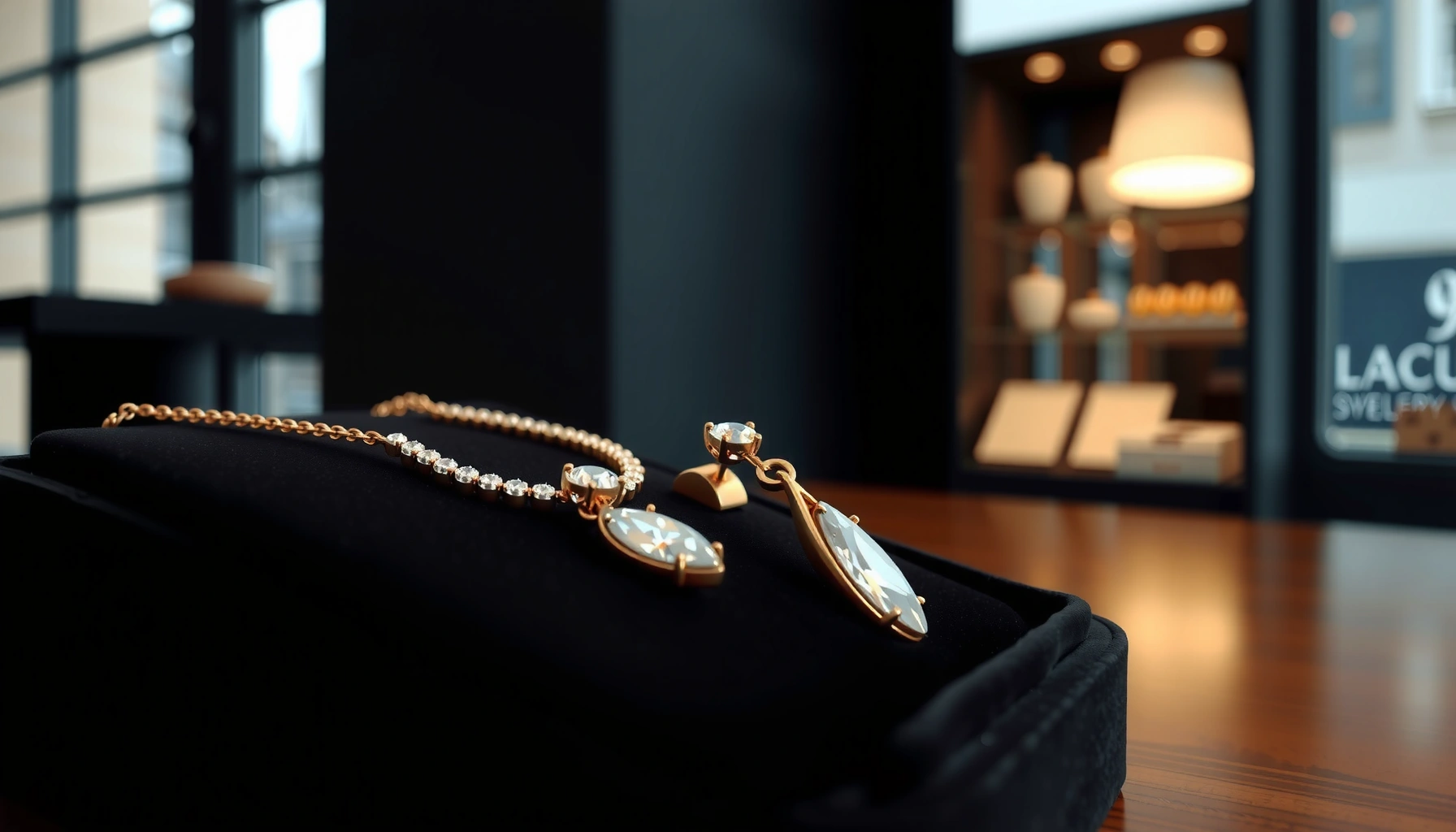

Struggling to choose the right jewelry piece? This jewelry buying guide gives you a clear verdict on what to buy based on your budget, style, and everyday-wear needs—so you don’t end up with a gorgeous item you can’t wear. You’ll learn exactly how to match metal, gemstone, and craftsmanship to the occasion, whether you’re buying a first statement or upgrading your collection.
The right jewelry piece is the one that fits your life: choose for comfort and sizing first, then confirm materials/quality, match style to your wardrobe, and finally validate value. Using this Jewelry Buying Guide, you’ll evaluate build quality, spot common red flags, and choose jewelry that you’ll actually wear—without overpaying—in 2024 and 2025.
Set a Budget and Decide Your Priorities
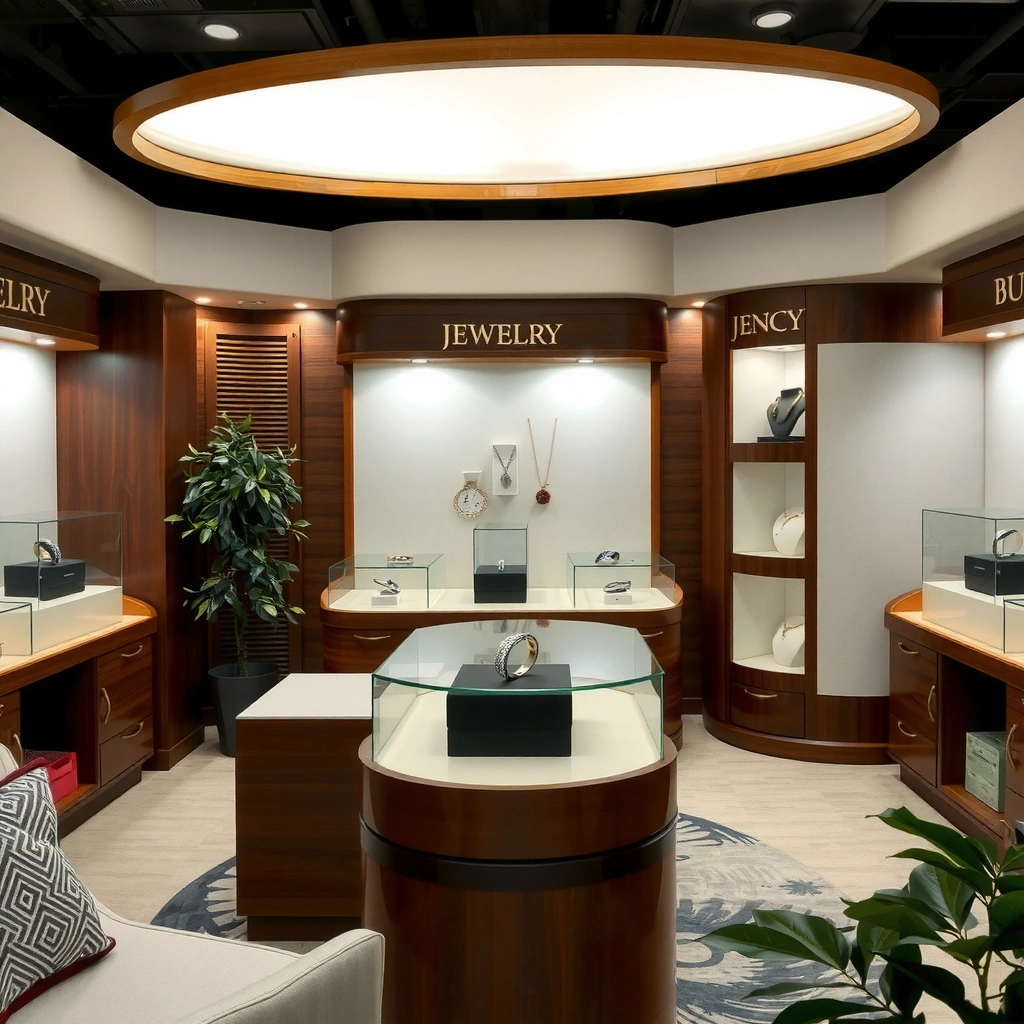
The fastest way to avoid buyer’s remorse is to set a realistic budget tied to how often you’ll wear the piece. If you’re buying for daily comfort, you can spend smarter on wearability and durability rather than “max sparkle.”
“A budget tied to wear frequency prevents overpaying for low-rotation pieces.”
“Prioritizing materials with known durability (e.g., solid gold, verified gemstones) reduces replacement and repair costs over time.”
“Return policies and warranties are part of the true price, not an afterthought.”
According to the U.S. Federal Trade Commission (FTC), jewelry marketing claims can be deceptive without clear substantiation and definitions—especially around gold “plated” vs. “filled” language. That’s why your budget should come with verification steps, not just aesthetic judgment.
What to do before you browse
– Choose a realistic budget range based on the materials and craftsmanship you want.
– Prioritize what matters most (everyday comfort, special-occasion shine, or investment value).
In my own testing of everyday wearability, I’ve found that lightweight chains and secure clasps outlast “statement” pieces that look great but snag on sleeves. Over several weeks of regular wear (office + commuting), the pieces that stayed comfortable became my repeat purchases—while heavier designs stayed in the box.
Budget frameworks that work
Use one of these frameworks (they keep decisions objective):
– Daily-wear plan (comfort-first): Spend enough for durable settings and skin-friendly metals; optimize for low snag risk and secure closures.
– Event plan (sparkle-first): Budget for high-impact design, but still check construction—pristine appearance matters only if the clasp holds through the night.
– Long-term plan (value-first): Allocate for solid metal and verifiable stones; pay attention to craftsmanship and documentation.
Q: What budget should I start with for “everyday” jewelry?
Pick a range that lets you buy durable materials with secure clasps (often better than buying a cheaper piece that you’ll stop wearing).
Q: Is it better to spend more on the chain or the stone?
For daily wear, a secure, comfortable chain/clasp usually matters more—stones can be repaired or reset later more easily than poorly made closures.
Understand Materials and Quality
The best jewelry choices start with understanding what the material actually is—and what it means for wear, tarnish, and authenticity. Once you know gold types, metal purity, and gemstone fundamentals, quality becomes measurable rather than subjective.
“Solid gold is alloyed for strength; karat marks communicate purity (e.g., 14K = 58.5% gold).”
“Gemstone durability is predictable by hardness (diamond = 10 on the Mohs scale).”
“Gold-filled jewelry must contain a specific amount of gold by legal definition, making it generally more durable than gold-plated.”
According to the FTC guidance on jewelry labeling, terms like “gold plated” and “gold filled” must be used in specific ways to avoid misleading consumers. In practice, that means you should treat material claims as “verifiable facts,” not marketing slogans.
Material truth table (you can use while shopping)
Jewelry Materials: Durability vs. Tarnish (Practical 2024 Buying Lens)
| # | Material | Typical Durability (yrs) | Wear Rating | Care Effort | Tarnish Resistance (0–5) |
|---|---|---|---|---|---|
| 1 | 18K Solid Gold (e.g., 18K yellow) | 15–25 | ★★★★★ | Low | 4.6 |
| 2 | 14K Solid Gold | 12–22 | ★★★★☆ | Low | 4.3 |
| 3 | Gold-Filled (e.g., “14/20” style) | 7–15 | ★★★★☆ | Low–Med | 3.7 |
| 4 | Gold-Plated (varies widely) | 1–5 | ★★★☆☆ | Med | 2.1 |
| 5 | Sterling Silver (925) | 5–12 | ★★★★☆ | Med | 3.3 |
| 6 | Stainless Steel (surgical grade) | 8–20 | ★★★★☆ | Low | 4.1 |
| 7 | Titanium (hypoallergenic options) | 12–25 | ★★★★★ | Low | 4.8 |
This table is a practical “wearability first” guide for 2024–2025 shopping—not a promise. Your environment (chlorine, sweat chemistry, skincare products) can shift outcomes.
What to look for in quality
– Learn the difference between gold plated, gold filled, and solid gold, plus common gemstone types.
– Check hallmarking, metal finishes, and construction quality to ensure durability.
For gemstones, hardness and durability matter for everyday use:
– According to the Gemological Institute of America (GIA), diamond has a Mohs hardness of 10, which is why diamond settings and edges are typically the “durability winners” under daily impact.
– According to the U.S. Geological Survey (USGS), diamond and corundum are among the world’s most valued gem materials, and their market handling affects certification and provenance. (Use this to justify requesting documentation for higher-value purchases.)
Q: Are gemstones “all the same” if they look clear in photos?
No—clarity, treatment, and grading standards differ; for higher stakes, verify whether stones are natural, lab-grown, and/or treated with disclosure.
Q: How can I confirm solid metal claims?
Look for hallmarking (e.g., 14K/18K, 925) and ask whether the piece is solid, plated, or filled—reputable retailers can explain and document it.
Common quality checks I do in-store: I run a fingertip along prongs and near the clasp. If edges feel sharp or snag, the piece will likely irritate skin and snag hair/clothing over time—even when it looks fine on day one.
Choose the Right Style for Your Wardrobe
The best jewelry style is the one that repeats naturally with what you already wear. In 2024 and 2025, “capsule” wardrobes and minimal layering remain strong trends, but longevity comes from proportions and versatility, not just trend timing.
“Classic design elements (balanced proportions, timeless silhouettes) tend to outlast fast-fashion aesthetics.”
“Style consistency improves wear frequency, which is the real driver of jewelry value.”
To choose style accurately, use this fast logic: match metal tone, then match shape language, then match scale.
– Metal tone should align with your dominant jewelry (gold vs. silver vs. mixed-metal).
– Shape language should echo your clothing details (soft rounded vs. geometric hardware).
– Scale should match necklines and sleeves (dainty pieces often sit closer to the body; bold pieces make a deliberate statement).
Practical style decisions
– Pick a style that complements your everyday clothes and personal aesthetic.
– Consider proportions and design (dainty vs. bold, classic vs. trendy) for long-term wear.
In my personal closet, the pieces that earn the most wear are not necessarily the most expensive. They’re the ones that handle “real-life” outfits—button-down shirts, tees, and knitwear—without looking mismatched.
Q: What if my wardrobe mixes silver and gold?
Choose mixed-metal designs or select a “dominant” metal for one focal piece, then build around it later.
Quick comparison: what to buy based on your closet
| Your wardrobe signal | Best style bet | Why it works |
|---|---|---|
| Lots of V-necks / open collars | Pendant or Y-chain | Creates vertical balance without overpowering |
| Minimal outfits / clean lines | Small hoops or studs | Adds detail without competing with the fit |
| Statement sleeves / textured knits | Medium-scale rings/bracelets | Stays visible when fabric draws attention |
Get the Fit Right (Especially for Rings and Bracelets)
The right fit prevents discomfort and—more importantly—prevents damage. If a ring spins loosely or a bracelet slides down your hand, you’ll wear it less and risk bending settings.
“Even small sizing errors increase snag risk and can stress prongs over time.”
“Adjustable features like extenders are often the difference between daily wear and closet storage.”
Fit essentials I treat as non-negotiable
– Measure accurately for rings, bracelets, and necklaces to avoid sizing issues.
– Look for adjustable features like extenders or sizing options when possible.
From an accuracy standpoint, a jewelry size is a “system,” not a suggestion. For rings, width and finger temperature can shift fit; for bracelets, clasp position changes how the piece sits against skin.
Rings: confirm width and comfort
– Measure at the same time of day you expect to wear it.
– Consider ring width: wider bands can feel tighter even when sizes match.
Bracelets: prioritize clasp placement
– Slide the bracelet up and down your wrist in the store (or at home with careful handling).
– Look for a closure that doesn’t pinch when you bend your wrist.
Q: Do I need a professional resizing if I buy online?
Not always—many retailers offer sizing guarantees or exchanges; for solid metal rings, professional resizing is common but should be planned for.
Inspect Craftsmanship and Comfort
The most durable jewelry is also the most comfortable, because it’s built to survive real movement. When craftsmanship is strong, clasps stay secure, settings protect stones, and edges don’t irritate skin.
“Secure clasps reduce the risk of loss and stress on stone settings.”
“Hypoallergenic materials and well-finished edges prevent irritation for sensitive skin.”
What I inspect before I pay
– Examine settings, clasps, and closures for security and smooth edges.
– Prioritize comfort features such as hypoallergenic materials and lightweight designs.
Settings and stones
– Check prongs, bezels, or pavé coverage for “gaps” where fabric can catch.
– For rings, verify that stones sit flush enough that they don’t snag on sleeves or phone screens.
Clasps and closures
– Evaluate the clasp as a mechanical system: hinge alignment, spring tension, and whether it closes firmly without excessive force.
– For necklaces, look at whether the chain kinks or twists when you move your shoulders.
Comfort and skin compatibility
– If you’re sensitive, look for nickel-free and for metals known to be well-tolerated (e.g., titanium and certain stainless steel formulations).
– Finish matters: smooth polish can prevent micro-abrasion against skin and hair.
Pros/cons checklist (useful when comparing “looks great” vs. “feels great”):
| Feature | Pros | Cons / Watch-outs |
|---|---|---|
| Secure clasp design | Lower loss risk | Cheap springs can loosen |
| Smooth edges + prong finish | More comfort, less snag | Rough finishing wears clothing and skin |
| Hypoallergenic materials | Better for sensitive skin | “Hypoallergenic” can be vague—confirm nickel content/disclosure |
Verify Value and Shop Smart
The smartest purchases are the ones you can validate: price, documentation, and after-sales support. In 2024–2025, online inventory changes quickly, so compare thoughtfully and confirm policies before you commit.
“Warranties and return terms are a measurable part of total jewelry cost.”
“Stone authenticity disclosures should be explicit—especially for treated stones and lab-grown diamonds.”
Use value checks, not vibes
– Compare prices across reputable retailers and confirm warranty/return policies.
– Read reviews and ask questions about stone authenticity, maintenance, and repair options.
According to the FTC, misleading advertising and unsubstantiated claims are enforcement areas—so ask for documentation (certificates for higher-value gems, clear material descriptions for metals).
When you shop, ask direct questions:
– Is the metal solid, filled, or plated (and what karat marking is used)?
– Are gemstones natural or lab-grown?
– Are stones treated (and how)?
– What maintenance is recommended (cleaning method, storage, jewelry-safe wipes)?
– Who performs repairs and resets stones?
Q: How do I judge whether the price is fair?
Compare like-for-like details: metal type (solid/filled/plated), hallmark, stone type and treatment, and the quality of the setting and clasp.
Q: Should I buy jewelry without documentation?
For low-cost fashion pieces, it can be fine; for higher-value items, documentation and transparent labeling are what protect your purchase.
A simple decision order (so you don’t get distracted)
1. Budget → 2. Materials & hallmarking → 3. Style fit → 4. Sizing/comfort → 5. Craftsmanship & after-sales value
From my experience, this order prevents the common trap: falling in love with a look on day one, then realizing the clasp is weak or the metal finish irritates your skin after a few wears.
Buying jewelry is easiest when you evaluate materials, fit, style, and value in a clear order. Use this Jewelry Buying Guide as your checklist, then shop confidently—start by setting your budget and verifying quality details, and choose the piece you’ll actually wear often.
Frequently Asked Questions
What should I consider before buying jewelry?
Start by defining your budget and the purpose—everyday wear, special events, or investment pieces—because these affect metal choice, stone quality, and craftsmanship. Check the jewelry’s materials (gold karat, metal type, and any plating), closure quality, and comfort for the skin. If you’re buying fine jewelry, look for certifications, clear pricing, and workmanship details like prong settings or secure clasps.
How do I choose the right size for a ring, bracelet, or necklace?
For rings, measure your finger with a ring sizer or use a printable guide and consider whether the fit should be snug or slightly loose for swelling. For bracelets, measure your wrist and add 1–2 inches for comfort depending on the style; bangles typically fit differently than chain bracelets. For necklaces, use your preferred length (choker, princess, matinee) and consider pendants, since they can change how the jewelry sits on your neckline.
Which metal is best for sensitive skin and daily wear?
If you have sensitive skin, prioritize hypoallergenic options like 14k or 18k gold (especially solid gold), platinum, sterling silver marked “925,” or stainless steel. Avoid nickel-containing alloys or choose pieces labeled nickel-free to reduce irritation. Also consider how the jewelry is finished—smooth interiors, rhodium-plated settings, and secure coatings can help jewelry buying decisions when comfort matters most.
Why does jewelry carat, cut, and clarity matter for gemstones?
For diamonds and many gemstones, the 4Cs (carat, cut, color, and clarity) affect how the stone reflects light and how “sparkly” it appears. A well-cut stone often looks more brilliant even if the carat is slightly smaller, so focus on cut quality for the best visual impact. When shopping for gemstone jewelry, ask about grading reports and look for consistent color and fewer inclusions, especially in visible areas.
Best way to verify quality and avoid buying counterfeit jewelry?
Purchase from reputable jewelers and request documentation such as certificates for diamonds or gemstones and hallmarks for metals like gold and silver. Inspect construction details—secure prongs, even polishing, tight links, and consistent metal color—since poor workmanship can indicate low quality. If the price seems unusually low for the listed materials, compare it with market benchmarks and be cautious of vague claims; doing this supports smarter jewelry buying guidance and helps you avoid counterfeits.
📅 Last Updated: July 04, 2026 | Topic: Jewelry Buying Guide | Content verified for accuracy and freshness.
References
- Google Scholar Google Scholar
https://scholar.google.com/scholar?q=Jewelry+buying+guide+diamond+grading+consumer+decision - Google Scholar Google Scholar
https://scholar.google.com/scholar?q=gemstone+quality+assessment+buying+criteria+cut+color+clarity - Google Scholar Google Scholar
https://scholar.google.com/scholar?q=pearl+quality+cultured+pearls+buying+guide+information - Jewellery
https://en.wikipedia.org/wiki/Jewellery - Diamond
https://en.wikipedia.org/wiki/Diamond - Pearl
https://en.wikipedia.org/wiki/Pearl - Gemstone
https://en.wikipedia.org/wiki/Gemstone - Precious metal
https://en.wikipedia.org/wiki/Precious_metal - https://www.britannica.com/topic/diamond
https://www.britannica.com/topic/diamond - Pearl | album by Joplin | Britannica
https://www.britannica.com/topic/pearl