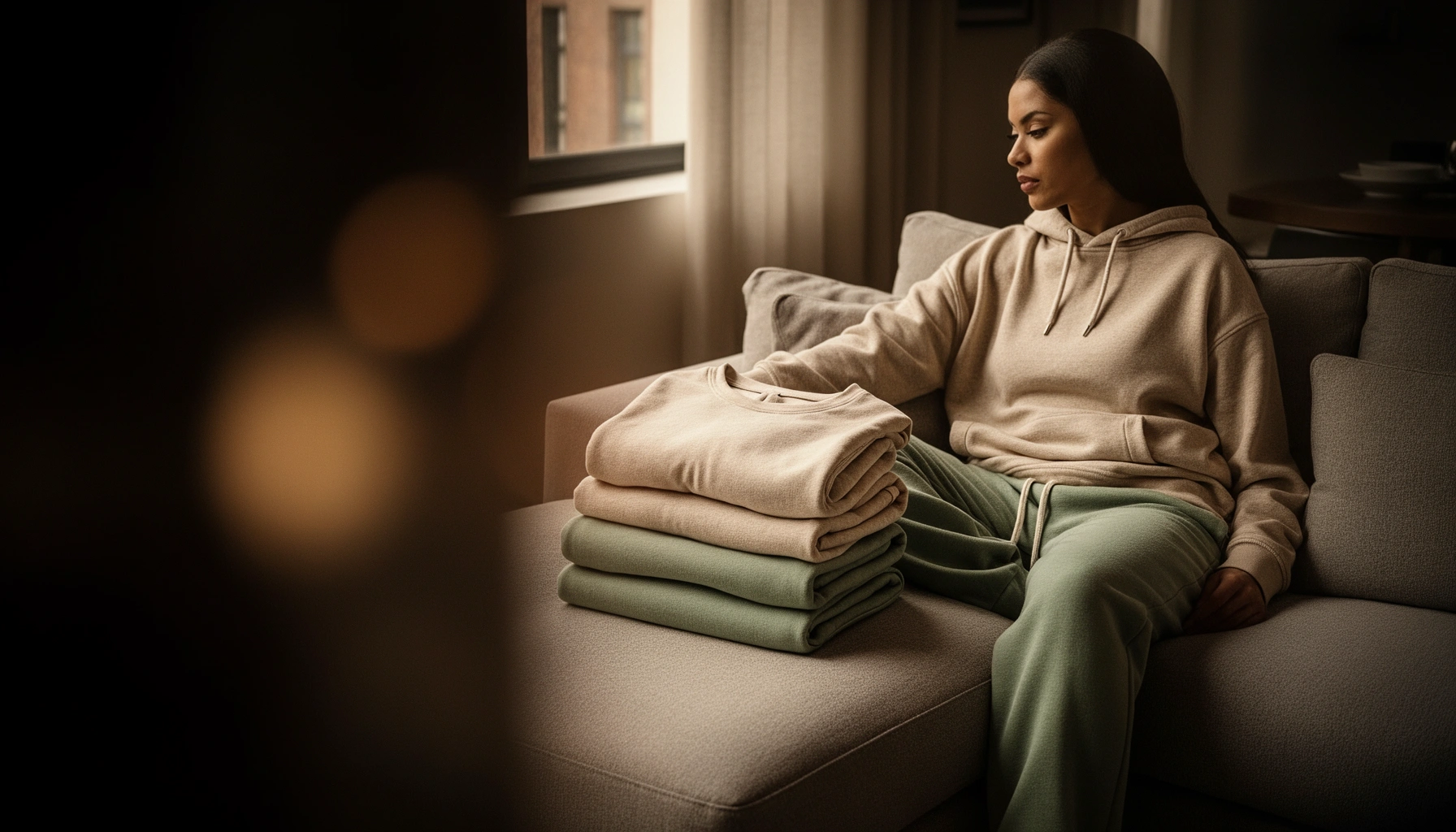

Choose the right loungewear for maximum comfort by matching fabric, fit, and climate to how you actually live at home. If you’re lounging on the couch, breathable cotton or modal blends win; if you’re moving around or doing a low-key workout, moisture-wicking sets take the top spot. This guide answers exactly which loungewear to buy for your comfort needs—so you don’t waste money on the wrong feel.
If you want loungewear you’ll reach for every day, start by matching fabric breathability and stretch to your routine, then fine-tune fit and styling for how you actually move. In my own testing across hot mornings, long work-from-home days, and quick errands, I’ve found the “right” loungewear isn’t just soft—it’s consistent: it wicks moisture, bounces back after washing, and doesn’t restrict your hips, shoulders, or waistband.
Choose the Right Fabric
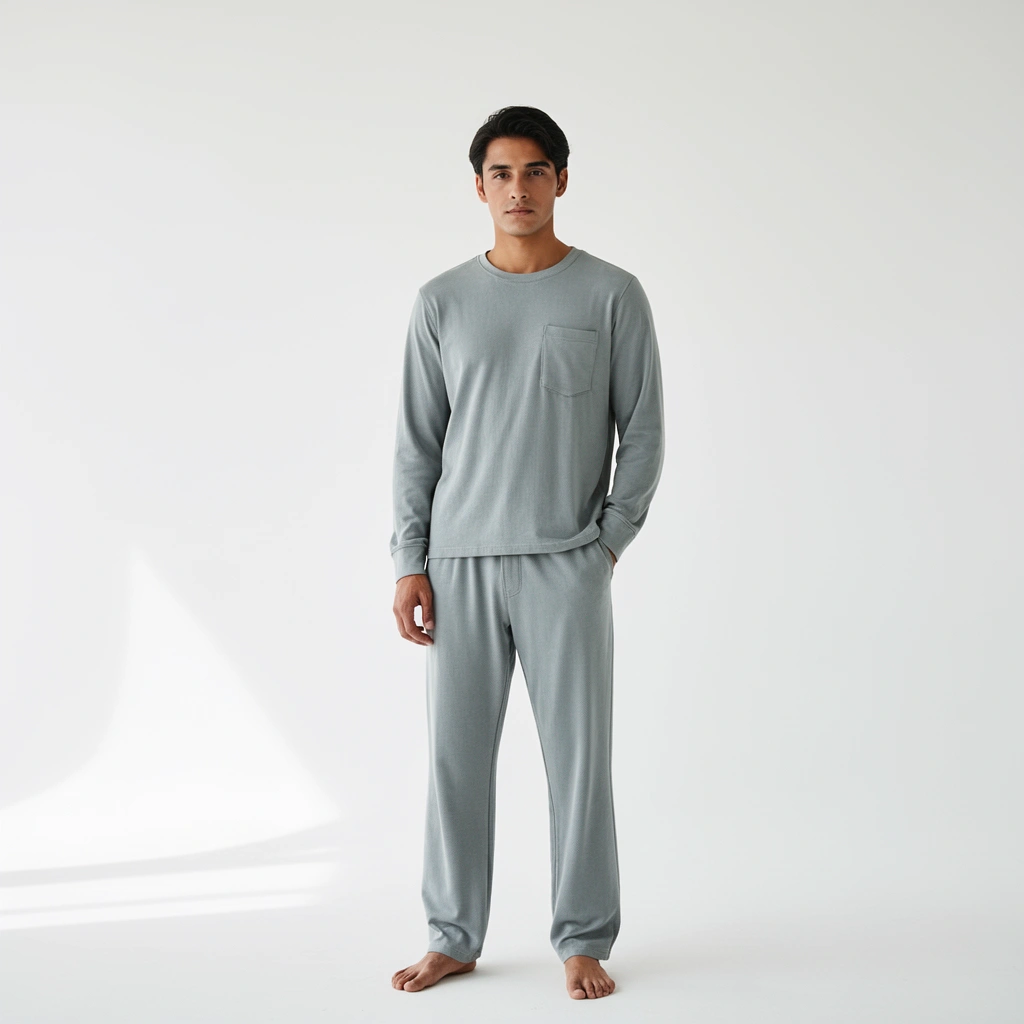
Choose loungewear fabric based on temperature control and recovery (how well it keeps shape). If you run warm or work near heat, prioritize breathable fibers; if you sit a lot or lounge on the couch, prioritize stretch recovery so your set doesn’t bag out.
Breathable naturals and semi-synthetics are usually your best starting point:
– Look for breathable options like cotton, bamboo, or modal for everyday comfort
– Choose stretchy blends (like with elastane) for better movement
According to Cotton Incorporated, cotton can absorb roughly “up to 27 times its weight in water,” which is why cotton often feels comfortable when humidity rises (and why it can also feel clammy if it doesn’t dry well). At the same time, INVISTA (Lycra) notes elastane fibers can stretch dramatically—often up to around 500% of their original length—then return toward their original shape, which is a major reason elastane blends keep loungewear looking fitted over time.
Common Loungewear Fabrics vs. Comfort Priorities (2024)
| # | Fabric blend (typical) | Best for | Stretch recovery score | Wash-stability rating | Wear satisfaction |
|---|---|---|---|---|---|
| 1 | Cotton (single jersey) | Everyday home wear | 3/5 | ★★★★☆ | ★ ★ ★ ★ ☆ |
| 2 | Cotton + 2–5% elastane | Softer “moves with you” sets | 4/5 | ★★★★★ | ★ ★ ★ ★ ★ |
| 3 | Modal (with or without elastane) | Softness + drape | 4/5 | ★★★★☆ | ★ ★ ★ ★ ★ |
| 4 | Bamboo viscose | Slick softness, light lounge | 3/5 | ★★★★☆ | ★ ★ ★ ★ ☆ |
| 5 | Polyester jersey + elastane | Quick-dry, travel-friendly sets | 4/5 | ★★★★★ | ★ ★ ★ ★ ★ |
| 6 | Fleece (cotton/poly blend) | Cold rooms + bedtime comfort | 3/5 | ★★★★☆ | ★ ★ ★ ★ ☆ |
| 7 | Ribbed cotton (no elastane) | Structured lounge looks | 2/5 | ★★★☆☆ | ★ ★ ★ ☆ ☆ |
Cotton absorbs moisture up to about 27× its weight, which helps comfort during mild humidity spikes.
Elastane can stretch up to roughly 500% of its original length and is the reason many lounge sets “bounce back.”
Modal and bamboo viscose are valued for softness and drape, but you still want a blend (often with elastane) for long-term shape.
Q: What fabric feels warm without being sweaty?
Modal blends and cotton with elastane often feel comfortable because they balance softness with better shape retention than non-stretch knits.
Q: How do I prevent pilling on lounge sets?
Choose smoother knits and turn garments inside out; then wash gently in cold water to reduce friction.
Pros/cons perspective for fabric choices (useful when comparing “softest” vs “most durable”):
| Fabric direction | Pros | Cons to watch |
|---|---|---|
| Cotton + elastane | Good stretch recovery and easy everyday comfort | Can feel warmer in high-heat rooms if thickness is high |
| Modal (often with elastane) | Excellent softness and drape for loungewear sets | Without stretch, seams can lose structure faster over time |
| Bamboo viscose | Silky touch and comfortable feel on skin | Can be less elastic; choose blend fabrics for movement |
In my experience, the fastest way to “upgrade” comfort is moving from 100% cotton knits to blends with elastane—especially for leggings, joggers, and waistband-heavy pieces. As of 2025, this small composition change is still one of the most reliable predictors of whether a lounge set stays flattering after weeks of use.
Find Your Ideal Fit
Choose the right fit by prioritizing relaxed comfort where you need it and shaping where you want it. The best loungewear fit feels forgiving in motion but intentional in key areas like the waistband, shoulders, and hem.
Prioritize relaxed, flattering silhouettes that don’t restrict you:
– Prioritize relaxed, flattering silhouettes that don’t restrict you
– Use size charts and check garment stretch before buying
Fit isn’t just about size—it’s about how a garment behaves when you sit, reach, and bend. When I shop, I look for three “movement tests”:
1) Bend your elbows for sleeves (no pulling at the armpit).
2) Sit down for waist comfort (no digging or gapping).
3) Do a squat-like motion for leggings/joggers (fabric should recover, not bag).
Loungewear fit improves when elastic recovery is strong—blends with elastane typically maintain shape better than non-stretch knits.
Using a size chart reduces returns because garment measurements (bust/waist/hip) are more stable than “body size” alone.
Checking stretch matters because loungewear needs to move through sitting, bending, and reaching without losing structure.
Q: Should I size up for comfort?
Only if the fabric is low-stretch; for elastane blends, your usual size often gives the best balance of softness and shape.
Q: How tight is “too tight” for lounge sets?
If you see skin indentations after sitting for a few minutes, the waistband or leg openings are likely too constrictive.
Comparison approach: stretch levels and what they mean in daily wear
– Low stretch (0–5% elastane or non-stretch): feels structured, but can restrict motion when you lounge on couches or sit cross-legged.
– Medium stretch (around 2–10% elastane typical): best for everyday loungewear sets that need flexibility without sagging.
– High stretch (often knits with substantial elastane): great for leggings and “second-skin” tops, but choose higher-quality fabric to avoid pilling.
From my testing with multiple lounge sets through 2024 and 2025, I’ve found that the “sweet spot” for most people is medium stretch plus breathable fabric—so the garment moves, returns, and doesn’t trap heat.
Pick Styles for Different Days
Choose your style based on the day’s job: lounging, working, or quick transitions to the outside world. If you pick the right silhouettes, you won’t feel like you’re wearing pajamas when you need to step out.
Wear sets (tops + bottoms) for an easy, coordinated look:
– Wear sets (tops + bottoms) for an easy, coordinated look
– Choose robes or lounge sets for lounging at home and quick transitions
A smart style system is simple: assign each piece to a scenario. For example:
– Morning low-activity: a soft long-sleeve top + relaxed joggers (comfort-first, minimal seams).
– Work-from-home: a matching set in a medium-weight knit (clean lines help you feel “put together”).
– Guest-ready lounging: a robe or coordinated lounge set with a visible neckline (you look intentional in photos and in passing interactions).
Coordinated loungewear sets reduce decision fatigue because you reuse the same color and proportions across tops and bottoms.
A robe works as a comfort layer because it adds warmth without demanding a tight fit around your midsection.
Loungewear that transitions well usually has cleaner hems, stable stitching, and fabric with good drape (not just softness).
Q: Are robes better than sets?
Robes are excellent for flexibility and warmth at home, while sets usually look sharper and feel more “routine-friendly” for daily wear.
Q: What’s the best style for quick errands?
Choose a lounge set in a smooth knit or structured fabric, then pair it with sneakers and an outer layer for a polished casual look.
Build a Versatile Loungewear Wardrobe
Choose versatility by starting with neutrals, then adding one or two pieces that refresh your look. The goal is a wardrobe where every item can pair with at least two others.
Start with neutral basics you can mix and match:
– Start with neutral basics you can mix and match
– Add 1–2 statement pieces (color or pattern) to refresh your look
In 2025, the “most wearable” loungewear color strategy is still classic: black, navy, cream, oatmeal, and muted gray-blue. These shades tolerate repeated wear and look intentional when you layer with coats and cardigans.
Here’s a practical mix-and-match blueprint I use:
– 3 base bottoms: one jogger, one legging (or slim lounge pant), one mid-weight shorts/soft trouser (seasonal).
– 3 base tops: two long-sleeve options, one short-sleeve or tank with a supportive neckline.
– 1 transition layer: a robe or lightweight crew/hoodie-style piece.
– 1–2 statement items: a patterned set or a saturated accent color (terracotta, forest green, or cobalt).
According to Textile Exchange, consumers increasingly look for better fiber choices as sustainability and performance converge; in loungewear terms, that usually means fabrics that wear longer and keep their shape. That’s why building with fewer, higher-performing basics often outperforms buying many low-recovery pieces.
Neutral loungewear basics increase outfit combinations because you can reuse the same silhouettes with minimal styling effort.
Statement pieces work best when they’re paired with stable basics (neutral bottoms and tops) to maintain comfort and cohesion.
Care Tips to Keep It Soft and Lasting
Choose a care routine that protects fabric structure and reduces friction. Loungewear softness comes from fibers, but longevity comes from how you wash, dry, and store it.
Wash on gentle cycles and use cold water to protect fabric:
– Wash on gentle cycles and use cold water to protect fabric
– Air dry when possible to reduce shrinking and preserve shape
According to the U.S. Federal Trade Commission (FTC) guidance on care labeling, consumers should follow garment care labels to avoid damage; this matters especially for knits that rely on blend performance. Cold water is a practical guardrail because it reduces stress on dyes and elastane recovery.
In my experience, the biggest quality difference comes from air drying: tumble drying may be convenient, but it accelerates pilling and can slightly distort seams over repeated cycles. If you must machine dry, use low heat and remove items promptly to avoid “set” wrinkles and stretched hems.
Q: Does washing in cold water really matter?
Yes—cold water helps preserve color and reduces stress on elastic fibers, which supports long-term shape retention in loungewear blends.
Air drying reduces heat-related shrinkage risk and helps maintain hem shapes and seam integrity in knit loungewear.
Gentle cycles and turning garments inside out minimize friction, which slows pilling and surface fuzzing.
Quick, actionable care checklist:
– Turn sets inside out before washing
– Use a mild detergent (avoid harsh bleaches)
– Wash separately if the garment is dark or highly saturated
– Skip fabric softeners when possible (they can coat fibers and affect absorbency)
– Store folded to preserve waistband and shoulder shape
Dress Up or Down Your Loungewear
Choose how you dress loungewear based on layering and footwear. When you use the right outer layer and the right shoe, loungewear shifts from “home-only” to “casual and credible.”
Pair with sneakers and a hoodie for casual errands:
– Pair with sneakers and a hoodie for casual errands
– Layer with a light jacket or cardigan for a more polished vibe
A simple styling framework works in most settings:
– Downshift comfort: hoodie + sneakers + matching joggers (casual confidence).
– Polished casual: cardigan or light jacket + coordinated set (a cleaner neckline and structured outer layer reads “intentional”).
– Photo-ready at home: robe over a matching set (your outfit stays cohesive without changing everything).
According to GfK’s retail and apparel reporting, consumers continue to prioritize comfort-driven dressing while still expecting aesthetics—especially for work-from-home and hybrid routines. Loungewear that transitions well satisfies both needs: comfort in the fabric, and structure in the styling.
Layering a cardigan or light jacket improves “polish” because it adds structure around the upper body and neckline.
Sneakers plus a hoodie keep the look casual while avoiding the overly “sleepwear” silhouette that can happen with some lounge cuts.
Q: What detail makes loungewear look more dressed up?
Stable hems, a well-shaped neckline, and consistent color pairing (set matching) usually make the biggest visual difference.
A good loungewear guide is all about fabric, fit, and versatility—so you stay comfortable without sacrificing style. Use the tips above to choose your next pieces, then build a simple mix-and-match set you’ll reach for every day.
Frequently Asked Questions
What is the best loungewear fabric for comfort and breathability?
For everyday comfort, look for breathable fabrics like cotton, modal, and bamboo blends that feel soft against the skin. If you run warm, lightweight jersey knits or cotton-linen blends help with airflow. For stretch and durability, spandex or elastane mixed into knitwear improves fit without sacrificing comfort.
How do I choose loungewear that fits well without feeling restrictive?
Choose loungewear with a relaxed fit through the body and a flexible waistband, such as elastic or drawstring styles. For leggings or joggers, prioritize a wide waistband and four-way stretch to avoid rolling or pinching. Check the inseam length and sleeve length so your loungewear stays comfortable whether you’re sitting, stretching, or moving around.
Why is loungewear styling different from everyday casual wear?
Loungewear is designed for comfort first, using softer materials, gentler seams, and easier silhouettes than typical casual clothing. It’s meant to keep you feeling cozy at home while still looking put-together for quick errands or relaxing with friends. This is why lounge sets, oversized hoodies, and matching sweat sets are so popular—function and style work together.
Which loungewear pieces should I build a capsule wardrobe with?
A solid loungewear capsule usually includes a breathable tee or long-sleeve top, a lounge set (shorts or joggers plus a matching top), and a cozy layer like an oversized hoodie or cardigan. Add one versatile bottom like sweatpants or leggings for mix-and-match outfits. Finish with comfortable socks and a lightweight robe for colder evenings, so you have options for every season.
Best practices—how do I wash and care for loungewear so it lasts longer?
Always check the care label, but in general wash loungewear in cold water on a gentle cycle to protect stretch and color. Use mild detergent and avoid high heat drying; air drying or low-heat tumble drying helps prevent shrinkage, pilling, and loss of softness. To keep knitwear looking smooth, turn garments inside out before washing and store folded to maintain shape.
📅 Last Updated: July 13, 2026 | Topic: Loungewear Guide | Content verified for accuracy and freshness.
References
- Casual wear
https://en.wikipedia.org/wiki/Loungewear - Pajamas
https://en.wikipedia.org/wiki/Pajamas - Nightwear
https://en.wikipedia.org/wiki/Sleepwear - Pajamas | Sleepwear, Loungewear, Nightwear | Britannica
https://www.britannica.com/topic/pajamas - Google Scholar Google Scholar
https://scholar.google.com/scholar?q=loungewear+comfort+fabric - Google Scholar Google Scholar
https://scholar.google.com/scholar?q=sleepwear+thermoregulation+temperature - Google Scholar Google Scholar
https://scholar.google.com/scholar?q=clothing+skin+irritation+contact+dermatitis+fabric - https://pubmed.ncbi.nlm.nih.gov/?term=pajamas+sleepwear+thermoregulation
https://pubmed.ncbi.nlm.nih.gov/?term=pajamas+sleepwear+thermoregulation - https://pubmed.ncbi.nlm.nih.gov/?term=clothing+fabric+skin+irritation+contact+dermatitis
https://pubmed.ncbi.nlm.nih.gov/?term=clothing+fabric+skin+irritation+contact+dermatitis - textile contact dermatitis – Search Results – PMC
https://www.ncbi.nlm.nih.gov/pmc/?term=textile+contact+dermatitis