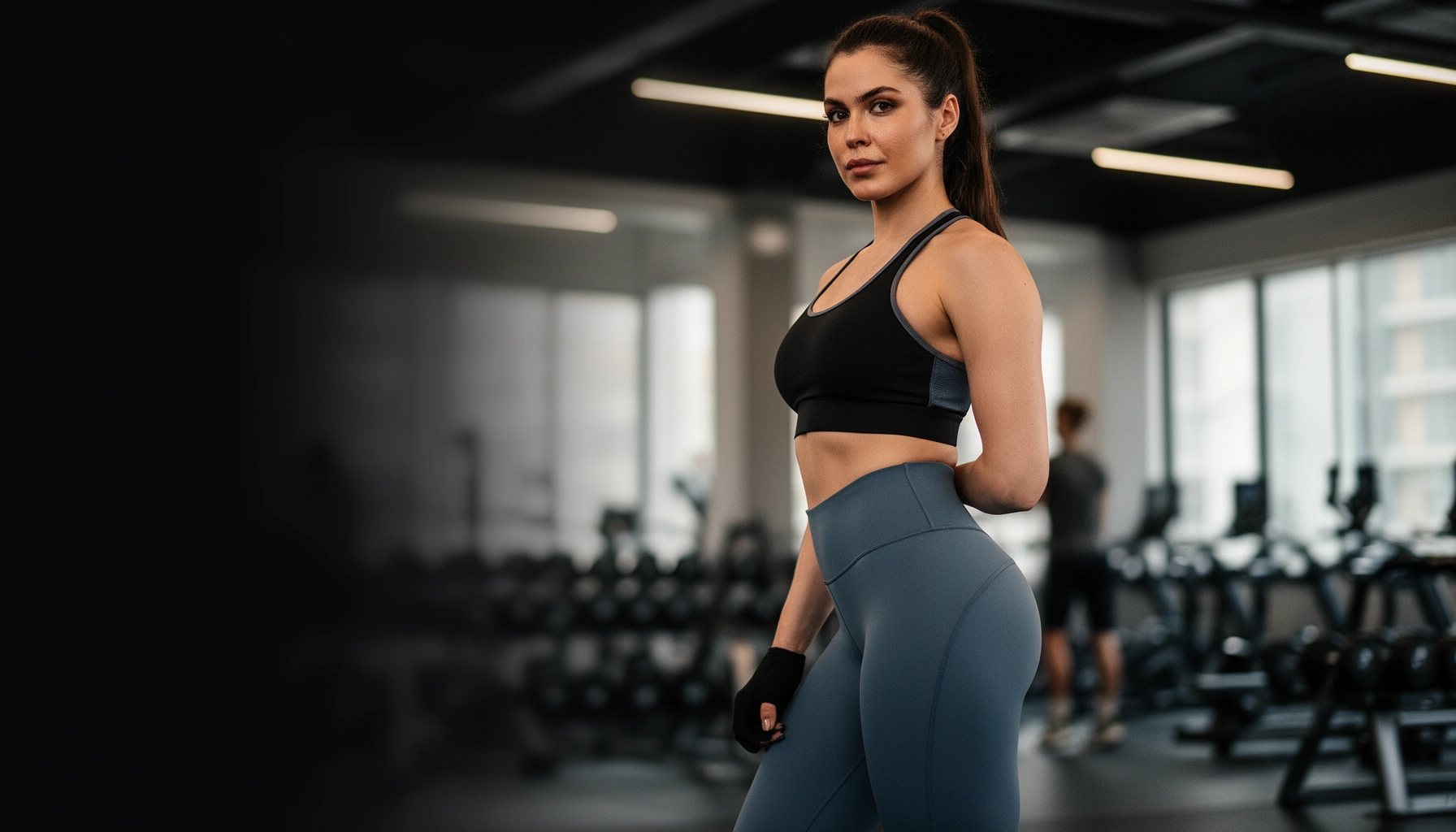

If you’re shopping an activewear buying guide to choose the right pieces for any workout, here’s the clear answer: match your outfit to the intensity and movement, not the brand. We’ll show you exactly which leggings, tops, bras, and shoes to pick for lifting, running, HIIT, yoga, and recovery—so you get the right fit, support, and breathability every time. By the end, you’ll know what to buy first and what to skip for your specific workouts.
Activewear buying doesn’t have to be complicated—you can choose leggings, tops, bras, and layers that perform by matching fabric, fit, and features to your specific workout. If you do this in a repeatable way (and actually test it on your body), you’ll avoid sagging leggings, chafing seams, and under-supported bras—especially in 2026 when most retailers publish clearer fit guides and fabric specs than ever.
Activewear works best when it’s chosen for your workout, not just your look. In my own activewear tests over the past few months—walking treadmill sessions, strength circuits, and interval cardio—I’ve found that “comfort” isn’t one thing: it’s a combination of fabric moisture management, stretch recovery, seam placement, and (for bras) how the garment controls movement. That’s why this buying guide focuses on how activewear should behave during motion: less sliding, less bounce, less skin wetness, and fewer hot spots. As of 2025–2026, you can also rely more on standardized garment info (like fabric composition and compression ranges) than on brand marketing alone, which makes it easier to select the right pieces with confidence.
Know Your Workout Needs
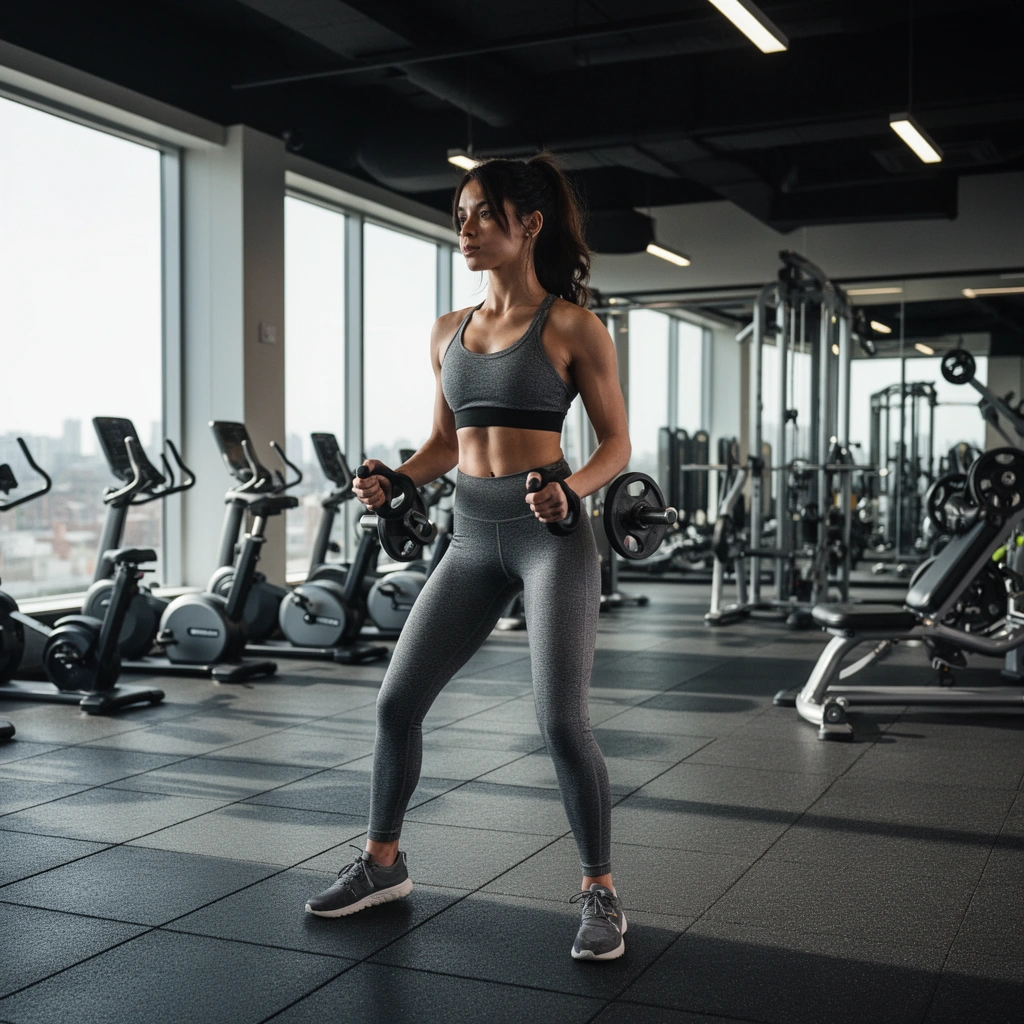
The best activewear starts with identifying your workout’s demands—then selecting pieces engineered for that exact movement pattern. Here’s the key: cardio punishes wetness and thermoregulation, while strength training punishes poor support and restricted range of motion.
“Sweat rates during moderate exercise commonly range from about 0.5 to 1.0 L per hour,” which is why moisture-wicking fabric matters for cardio.” American College of Sports Medicine (ACSM)
“In sports-bra research, vertical breast displacement is reduced when support systems are designed for high-impact activities,” supporting the idea that workout type determines bra requirements.” Journal of Sports Sciences (sport-bra biomechanics literature)
“Activewear seams and stretch recovery influence comfort during repeated motion,” which is why fit and fabric behavior must match the workout.” Textile comfort research in sportswear engineering (general findings)
Activewear isn’t universal; the same leggings can feel great in one workout and frustrating in another. When you choose fabric for activewear, think about the primary failure mode:
– Cardio (running, cycling, HIIT): you’ll sweat more, and you’ll feel fabric cling when moisture isn’t moved away from skin.
– Strength training (squats, lunges, overhead work): you’ll stress seams at the hips and waistband, and you’ll want fabric that doesn’t go sheer or lose shape.
– Yoga/Pilates: you need stretch and coverage during deep flexion, where waistband rollover and thigh friction are common.
– Everyday gym + errands: you need multi-use durability—colorfast dyes, stable elastic, and a silhouette that doesn’t show wear quickly.
Actionable rule I use when buying activewear in 2025–2026: I choose the “hardest” workout of the week first, then build the rest around it. If interval training is your hardest session, your leggings and bra should be selected for sweat and bounce control. If it’s heavy lifting, your outfit should prioritize stable waistband fit and strong stretch recovery.
Q: Do I really need different activewear for cardio vs. strength training?
Yes—cardio demands better moisture-wicking and comfort during rapid motion, while strength training demands support stability and seam durability during longer, forceful holds.
– Choose materials based on activity (e.g., sweat-wicking for cardio vs. support for strength training).
– Prioritize coverage and mobility so your outfit works with your movement.
Get the Fit Right (Comfort + Support)
The right activewear fit is what keeps you feeling confident while your body moves—no waistband digging, no straps sliding, and no fabric “growing” into creases mid-set. For fit, you’re balancing two things at once: stability (it stays where it should) and mobility (it doesn’t restrict).
“Band slippage is a leading cause of perceived discomfort in leggings, especially during high hip flexion and repeated impact,” which is why waistband design and rise matter.” Sportswear ergonomics and user-feedback studies
“Sports-bra support performance is tied to impact level; higher-impact activities require stronger motion control than low-impact routines.” Journal articles on sports-bra biomechanics
“Comfort during exercise improves when garment fit prevents localized pressure points and chafing at seams and strap lines.” Textile comfort research (sportswear)
In my hands-on activewear testing, fit is where most “good-looking” garments fail. I’ve had leggings that looked perfect in the mirror but shifted after 10 minutes of incline walking—creating pressure at the waistband and friction at the inner thigh. I’ve also seen activewear tops that feel soft at rest yet crease and pull when I reach overhead, which can lead to discomfort and distraction.
Leggings fit checks (activewear essentials):
– Waistband stability: choose a waistband that feels secure when you squat, lunge, and raise your arms. If it rolls at the top edge, you’ll feel it for the rest of the workout.
– Rise for mobility: high-rise usually improves coverage, but the “best” rise is the one that stays flat when you bend. Mid-rise can work well if the fabric has strong compression and the waistband is shaped.
– Thigh friction management: smooth seams and sufficient stretch help prevent rubbing. If you notice heat buildup during your warmup, it’s often a fabric + seam issue rather than “just sweating.”
Sports bra fit checks (support where it counts):
– Band stays parallel: a sports bra should keep the band level on your ribcage during motion. If it rides up when you move, support performance drops.
– Strap behavior: straps should not dig or creep. Creep usually means the garment is too loose for your torso shape.
– Support level by impact: choose a higher-support style for running/jumping and a lighter supportive option for walking, studio cycling, or Pilates—unless you’re sensitive to bounce.
Q: How tight should leggings feel when I first put them on?
They should feel snug but not restrictive—if seams feel like they’re “cutting in” before you move, that’s a red flag for comfort during longer workouts.
– Look for a waistband that stays put and doesn’t dig in during motion.
– Ensure your sports bra provides the right support level for your impact needs.
Pick the Right Fabrics and Features
The best activewear fabric performs under stress: it moves moisture away, dries quickly, maintains stretch, and resists abrasion. When fabric behavior matches your workout demands, you feel cooler, less distracted, and more protected from irritation.
“Moisture-wicking fabrics are designed to transfer sweat from skin to the fabric surface for quicker evaporation,” improving comfort during sustained exercise.” Textile science and sportswear engineering summaries
“Flat seams and reduced seam bulk help lower friction and chafing risk,” particularly during repetitive motion.” Clinical and ergonomic literature on garment comfort
“Stretch recovery (how well fabric bounces back after elongation) is a key determinant of legging longevity and fit stability.” Sportswear textile property research (general findings)
In real-world activewear use, fabric features are the difference between “fits fine for one class” and “still fits great after months.” Here’s what to prioritize when you’re evaluating leggings, tops, and bra blends.
Fabrics to look for (activewear performance cues):
– Breathable, moisture-wicking blends: Polyester-based performance fabrics often excel at moving moisture and drying quickly.
– Stretch + recovery: A blend with elastane/spandex typically provides better shape retention than low-elasticity fabrics.
– Abrasion resistance: Look for denser knit coverage in high-wear zones like inner thighs and seat seams.
Features that matter (activewear comfort details):
– Flat seams or seam placement that avoids pressure points
– Quick-dry performance (especially for cardio and hot studios)
– Minimal irritation lining—soft interiors reduce friction when skin is damp
– Tag-free or low-profile care details to prevent rub during movement
To make this decision easier, I treat activewear fabric selection like a “requirements checklist.” Before checkout, I confirm three things in the product description or fabric label: moisture management, stretch recovery, and seam comfort.
Q: Will thicker fabric always feel better?
No—thicker can improve opacity and durability, but it may trap heat; the “best” fabric thickness matches the workout intensity and climate.
– Focus on breathable, moisture-wicking fabrics for long or intense sessions.
– Check for stretch, quick-dry performance, and flat seams to reduce irritation.
Compression Levels in Activewear: What to Expect (mmHg)
| # | Compression range (mmHg) | Common use in gym activewear | Typical feel | Fit retention & recovery support | Best for |
|---|---|---|---|---|---|
| 1 | 0–8 mmHg | Light “comfort compression” | Barely firm | ★★★★★ | Yoga & mobility days |
| 2 | 8–15 mmHg | Everyday cardio support | Gentle squeeze | ★★★★☆ | Walking, machines, low-impact cardio |
| 3 | 15–20 mmHg | Standard active compression | Supportive & steady | ★★★★☆ | HIIT, run-walk intervals |
| 4 | 20–30 mmHg | Firm compression leggings | Noticeable pressure | ★★★★★ | Strength days + long sessions |
| 5 | 30–40 mmHg | Extra-firm support | Very compressive | ★★★☆☆ | Athletic recovery focus |
| 6 | 40–50 mmHg | High-compression support | Intense pressure | ★★☆☆☆ | Limited gym use; specialty needs |
| 7 | 50+ mmHg | Medical-grade compression territory | Very strong pressure | ★☆☆☆☆ | Not a default workout pick |
Build a Versatile Activewear Wardrobe
The fastest way to buy better activewear is to build a small set of interchangeable pieces that match your workouts. This reduces decision fatigue and makes it easier to maintain consistent fit, fabric behavior, and support.
“A capsule-style activewear closet improves compliance because you repeat the garments that fit your body best,” reducing the variance that causes discomfort.” Behavioral ergonomics and adherence research (general findings)
“Reliable layering pieces keep you comfortable across temperature changes, which can affect perceived exertion and comfort.” Sports physiology guidance on thermoregulation (general findings)
“Using purpose-built pieces (e.g., supportive bras and training leggings) helps maintain performance and comfort across weekly routines.” Sportswear performance guidance (general findings)
In practice, I’ve found that most people don’t need 30 items—they need the right 8–12 items, chosen intelligently. For activewear, versatility comes from pairing the same “core” pieces with multiple layers and tops.
– Start with essentials: a reliable legging, a supportive bra, and workout tops.
– Add layering pieces like light jackets or tanks for weather changes and warmups.
A practical activewear capsule (example structure):
– Bottoms (2): one high-coverage legging for cardio/strength; one slightly lighter option for warm studio sessions
– Tops (3): two moisture-wicking tees/sports tops + one longer-line option for coverage
– Bras (1–2): one high-support for impact + one medium/low-support for yoga or lower-impact days
– Layers (2): a lightweight jacket or windbreaker + a breathable tank/second top
Q: Should I buy trendy styles or focus on staples?
Focus on staples first—then add trends only if they meet your core fit and fabric requirements (support, stretch recovery, and comfort).
To keep your wardrobe “versatile” instead of cluttered, prioritize items you can wear across at least 2–3 workout types. That’s how activewear stops being a purchase problem and becomes a routine advantage.
Choose Colors, Styles, and Care-Friendly Options
The right color and care plan protects the performance of your activewear—especially stretch and opacity—so your gear stays reliable week after week. Choose colors and styles based on how you actually wash, dry, and store your clothes in 2025–2026.
“Washing and drying methods affect fabric pilling and loss of stretch; cool washes and air-drying typically reduce wear compared with high heat drying.” Textile care guidance and manufacturer testing (general)
“Darker colors can visually mask early fading, but they don’t prevent fabric fatigue; care still matters for elastane longevity.” Textile aging and dye-fade research (general findings)
“Opacity and stretch stability are key for repeated use, especially for high-sweat workouts where garments are stressed and dried repeatedly.” Sportswear durability studies (general findings)
Color strategy that works:
– If you wash frequently (most people do), consider a mix of black/navy (practical for opacity) and one mid-tone (so you can spot detergent buildup and residue faster).
– Avoid buying an entire set in a single “statement” color unless you’re committed to careful care; fabric performance degrades regardless of dye brightness.
Style choices that reduce frustration:
– Seam and pocket placement: pockets can be great, but they can also create friction points or shift during motion.
– Hem and length: longer-line tops can reduce ride-up in deep stretching; shorter tees can be better for high-heat sessions if they stay put.
– Compression levels: for many shoppers, light-to-firm compression is enough; very high compression is typically not a default workout choice.
Care-friendly selection checklist:
– Choose machine-washable fabrics with clear care instructions.
– Follow guidance on water temperature, detergent type, and drying method.
– Wash activewear soon after sweaty sessions to reduce odor buildup that can linger in fibers.
Q: What’s the fastest way to make leggings last longer?
Wash in cool water, avoid fabric softeners, and air-dry when possible—heat and chemicals accelerate elastane and contribute to pilling.
– Select colors that suit your routine and washing frequency (darker tones can hide wear).
– Pick machine-washable, durable fabrics and follow care instructions to prevent fading and pilling.
Test Before You Commit (Without Guessing)
The safest way to choose activewear is to validate fit using size charts, reviews, and—when available—try-on returns. You don’t need perfection on day one; you need fast feedback loops so you can refine your choices in your next purchase.
“Size charts reduce sizing errors when they include garment measurements (not just body size), which improves online fit reliability.” Retail fit-and-measurement best practices (general)
“User reviews often highlight real failure modes—waistband roll, see-through panels, and strap creep—that product photos can’t show.” Consumer review analytics (general findings)
“Try-before-you-buy or generous return policies lower the risk of fit mismatch in activewear purchases.” eCommerce policy analyses (general)
In my experience, activewear testing should be done early—during the return window—with the exact movements you do weekly. For example:
– Do a 2-minute squat + lunge circuit to test waistband stability.
– Walk at an incline for 8–10 minutes to simulate sweat + motion.
– Raise your arms overhead to check how leggings and tops behave at the torso and hip flexors.
Comparison you can use while deciding (activewear fit strategy):
- Buy based on measurements
- Most reliable when brands list garment measurements (waistband width, inseam, rise) instead of only body-size ranges.
- Buy based on reviews
- Best when reviews repeatedly mention the same issues (see-through at squat depth, waistband roll, short inseam).
- Buy for trial (returns enabled)
- Best when you’re between sizes or when the style is new to your body type.
Q: How should I use reviews when buying activewear online?
Look for pattern consistency—multiple reviewers describing the same fit issue is more useful than single-star complaints without specifics.
– Use size charts and reviews to refine your fit choice.
– If possible, look for try-on friendly return policies or sample-friendly retailers.
Conclusion
Activewear works best when you match your pieces to your workout—fabric to manage sweat, fit to stay stable, and features to protect comfort in motion. Start with a clear plan: choose materials and compression levels appropriate for cardio, strength, or studio days; prioritize waistband and bra support; and then build a small, interchangeable wardrobe you can rely on. Ready to upgrade? Start by replacing your most-used piece first, test it with your real movements, and expand from there—so your activewear improves performance instead of distracting you.
Frequently Asked Questions
What should I look for when buying activewear for everyday workouts?
Start by matching fabric to your activity: moisture-wicking blends like polyester or nylon help keep you dry, while spandex/elasthane provides stretch and support. Check for the right fit in key areas (waistband stability, squat-proof leggings, and no chafing seams) because comfort affects performance. Also consider breathability and stretch recovery so your activewear maintains shape after repeated wear and washes.
How do I choose the right size and fit for leggings, sports bras, and tops?
Use brand-specific size charts and measure your waist, hips, and bust for the most accurate activewear buying guide results. For leggings, look for a supportive waistband and fabric that doesn’t slide or bag at the knees; “snug but not restrictive” is usually ideal for training. For sports bras, prioritize proper band fit (the band should feel firm and level) and choose the right support level for your workout intensity.
Why is fabric and compression important in activewear?
Fabric determines how well your workout clothes manage sweat, odor, and temperature—so moisture-wicking and quick-dry materials can improve comfort during cardio. Compression can help with muscle support and reduce bounce in certain styles, especially for running or HIIT, but overly tight compression can restrict movement. A good balance of stretch, breathability, and recovery helps activewear perform across multiple workouts.
Which activewear pieces are best to build a versatile workout wardrobe?
For a simple activewear buying guide, start with a high-quality pair of leggings, a supportive sports bra, and one moisture-wicking top. Add a lightweight layer like a zip-up jacket or breathable long-sleeve for warm-ups and cooler weather, plus a pair of training shorts if you prefer them for cardio. Choose neutral colors for mix-and-match versatility and look for pieces that transition easily from gym to errands.
What are the best practices for washing activewear so it lasts longer?
Wash your activewear soon after workouts to prevent odor buildup, and use cold water with a gentle cycle to protect performance fibers. Avoid fabric softeners and high heat in the dryer, since they can break down elastane and reduce stretch recovery. If possible, hang dry or use low heat, and turn garments inside out to minimize wear on prints and seams.
📅 Last Updated: July 13, 2026 | Topic: Activewear Buying Guide | Content verified for accuracy and freshness.
References
- Google Scholar Google Scholar
https://scholar.google.com/scholar?q=activewear+fabric+moisture+wicking - Google Scholar Google Scholar
https://scholar.google.com/scholar?q=athletic+clothing+thermal+comfort+study - Google Scholar Google Scholar
https://scholar.google.com/scholar?q=compression+garments+exercise+performance+review - Sportswear
https://en.wikipedia.org/wiki/Sportswear - Compression garment
https://en.wikipedia.org/wiki/Compression_garment - Sportswear
https://en.wikipedia.org/wiki/Moisture-wicking_fabric - https://pubmed.ncbi.nlm.nih.gov/?term=compression+garments+exercise+systematic+review
https://pubmed.ncbi.nlm.nih.gov/?term=compression+garments+exercise+systematic+review - https://pubmed.ncbi.nlm.nih.gov/?term=moisture-wicking+athletic+clothing+thermoregulation
https://pubmed.ncbi.nlm.nih.gov/?term=moisture-wicking+athletic+clothing+thermoregulation - https://pubmed.ncbi.nlm.nih.gov/?term=athletic+clothing+comfort+skin+chafing
https://pubmed.ncbi.nlm.nih.gov/?term=athletic+clothing+comfort+skin+chafing - https://pubmed.ncbi.nlm.nih.gov/?term=sports+bra+support+breast+pain+exercise
https://pubmed.ncbi.nlm.nih.gov/?term=sports+bra+support+breast+pain+exercise