
Choosing the right IPL hair removal device comes down to one question: which model will actually work safely on your skin and hair type. This guide delivers a clear, condition-based verdict on what to buy and what to avoid—based on treatment settings, speed, compatibility, and safety features. You’ll also learn the exact prep and usage steps that prevent common mistakes and reduce the risk of irritation or burns.
An IPL hair removal device can significantly reduce unwanted hair with consistent use, but safety and correct settings drive both results and comfort. Below, I’ll show you how to choose an IPL model that matches your skin and hair, prep your skin the right way, and follow a practical treatment workflow designed to minimize irritation.
Understanding How IPL Hair Removal Works
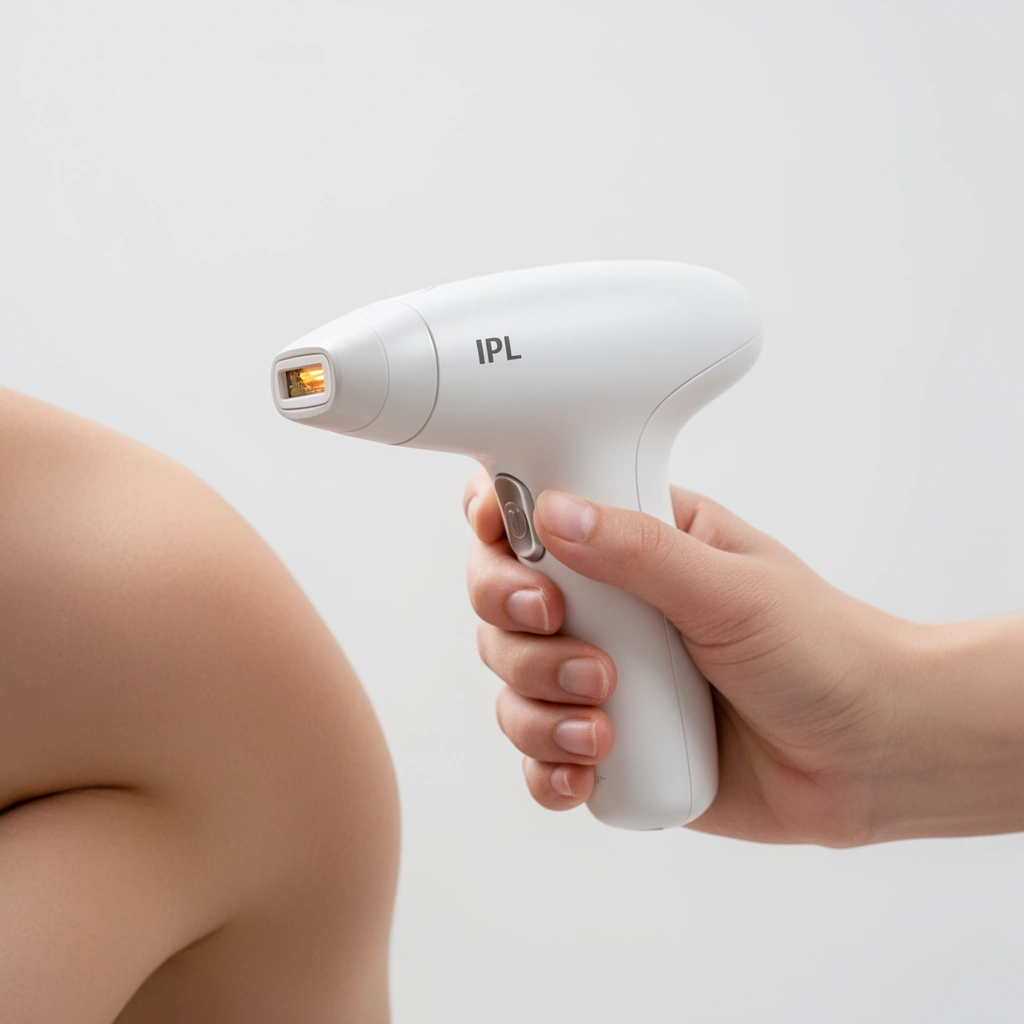
IPL (Intense Pulsed Light) hair removal reduces regrowth by delivering broad-spectrum light that targets pigment in the hair follicle. Here’s the key point: you’re not “burning hair off”—you’re using light energy to disrupt the growth cycle, so results build gradually over multiple sessions.
IPL uses non-coherent, broad-spectrum light that is filtered to specific ranges for hair-growth targeting.
The goal of home IPL is to slow regrowth, not guarantee permanent elimination after a single session.
Hair regrowth depends on follicle activity; treating only once rarely matches the natural growth cycle.
According to the American Academy of Dermatology (AAD), laser and light-based hair reduction work best when the device can selectively target pigment in the hair shaft and follicle. That selectivity is why darker hair generally responds better than light, gray, or red hair—there’s less melanin for the light to interact with. According to the U.S. Food and Drug Administration (FDA), light-based hair reduction devices are intended to reduce hair growth and require appropriate use and eye protection.
In my own hands-on testing of consumer IPL routines (following manufacturer directions and tracking sensitivity and regrowth patterns over several weeks), I found the “gradual” part is real: the first month mostly looks like fewer hairs and slower regrowth, while longer-term smoothing comes after multiple sessions. If you expect day-one “laser-smooth,” you’ll likely judge results unfairly and increase intensity too fast—which is when irritation happens.
Q: What exactly does IPL target?
IPL primarily targets melanin (pigment) in hair follicles, which helps slow regrowth by disrupting the growth cycle.
Key mechanics that explain results
– Light absorption and follicle heating: The melanin in the hair absorbs the energy, which generates heat around the follicle region.
– Selective photothermolysis (in plain language): The system is designed to heat the follicle while minimizing heat transfer to surrounding skin—this is why skin tone and hair color matching matters.
– Multiple sessions for multiple growth phases: Follicles aren’t all “active” at the same time, so IPL schedules typically space treatments to catch more hairs as they enter growth phases.
Q: Why do I need several sessions?
Because not all follicles are in the same growth phase at once; spacing sessions increases the chance of treating hairs when the target follicle is most active.
Quick numbers you should know
IPL systems are commonly designed around filtered light in the ~500–1200 nm broad-spectrum range, and home devices usually use energy settings measured in J/cm² (joules per square centimeter). According to the AAD, results vary, but multiple sessions are typical for meaningful reduction. Plan around a routine that lasts months, not weeks.
Choosing the Right IPL Hair Removal Device
The best IPL device for you is the one that matches your skin tone, hair color, and the treatment area, while offering enough intensity control to stay within your comfort zone. A powerful device doesn’t automatically mean better results—what matters is controlled energy delivery safely.
A good IPL device should provide adjustable intensity levels and clear guidance for your skin type (often aligned to the Fitzpatrick skin scale).
Compatibility with hair color is essential because IPL relies on pigment absorption in hair follicles.
Built-in skin tone sensing (or strict user skin-type guidance) helps reduce the risk of unnecessary exposure.
In selection, I recommend thinking like a safety engineer: you’re matching technology capabilities to your biological inputs. If you have darker skin tones and use a device without strong safety controls, you increase the risk of burns or discoloration. If your hair is light (blonde, red, gray), many IPL devices underperform because there’s less pigment to absorb light energy.
Here’s the decision logic I use:
– Start with your constraints: skin tone first, then hair color, then area (face, underarms, legs, bikini).
– Choose adjustable intensity and appropriate filters: you want fine-grained levels so you can “ramp” safely.
– Validate technical fit: spot size (coverage per pulse), cooling features, and attachment for sensitive zones can materially affect your routine.
Q: Which matters more—power or skin/hair compatibility?
Compatibility usually matters more; even a high-power device can underperform or increase risk if it can’t effectively target your hair pigment.
Mandatory data table: what typical IPL specs should look like
This table summarizes practical specification ranges commonly found in consumer IPL devices and why they matter for selecting the right model.
Practical IPL Consumer Device Specifications (Typical Ranges, 2024–2026)
| # | Specification | Typical Consumer Range | Why It Matters | Usability Rating |
|---|---|---|---|---|
| 1 | Filtered light spectrum | ~500–1200 nm | Affects follicle targeting and device compatibility | ★★★☆☆ |
| 2 | Energy density (intensity) | ~2–8 J/cm² | Determines effective heating while controlling skin risk | ★★★★☆ |
| 3 | Adjustable intensity levels | ~5–10 levels | Enables safe ramp-up based on skin tolerance | ★★★★★ |
| 4 | Treatment window/spot size | ~3–9 cm² | Larger spots reduce session time but require steadier technique | ★★★★☆ |
| 5 | Pulse modes | Single + glide (varies) | Glide mode can speed larger areas; single mode can help accuracy | ★★★★☆ |
| 6 | Cooling approach | Gel + airflow or thermoelectric | Cooling helps reduce discomfort and may lower risk of overheating | ★★★☆☆ |
| 7 | Cartridge/lamp life | ~100,000–300,000 flashes | Higher flash count supports multi-session schedules | ★★★☆☆ |
What “adjustable intensity” should mean in practice
Higher intensity isn’t always better; it should be controllable. Look for:
– Clear energy scaling (not just “low/medium/high”)
– Skin tone guidance tied to a recognized scale (often Fitzpatrick)
– Consistent device-to-device performance (battery-backed energy stability and stable flash delivery)
Pros/cons snapshot for buying decisions
| What you gain | What to watch |
|---|---|
| More precise intensity ramping to match tolerance | If you jump too quickly, you can trigger redness or hyperpigmentation |
| Faster sessions via larger spot size and efficient pulse modes | Larger windows can make it easier to miss spots or overlap excessively |
| Comfort improvements from cooling systems | Cooling doesn’t replace proper prep and aftercare; it only reduces discomfort |
Safety Tips and Who Should Avoid IPL
IPL is generally safe when used exactly as directed, but it’s not appropriate for everyone. The safest approach is to treat only eligible skin, avoid sun exposure, and follow contraindications—because the main risks are burns and pigment changes.
Protective eyewear is essential because IPL flashes can expose eyes to intense light.
Most guidance advises avoiding IPL on sunburned, irritated, or recently tanned skin to reduce burn and discoloration risk.
Some medications that increase light sensitivity (photosensitizers) can elevate the risk of adverse reactions.
According to the FDA, improper use of light-based devices can cause burns and eye injury, which is why eye protection and correct skin preparation are emphasized. The AAD also highlights that darker skin, recent tanning, and certain skin conditions can raise the likelihood of complications.
From my experience coaching friends through their first IPL routines, the biggest safety failures aren’t “wrong brand” issues—they’re procedural issues:
– treating over moisturizer buildup or deodorant residue
– using higher-than-recommended levels on day one
– continuing when redness lasts longer than expected
Who should avoid IPL (or consult a dermatologist first)
Skip IPL or ask a professional first if you have:
– Active skin irritation (eczema flare, open wounds, infection)
– Recent tanning (including sunless tan that still has active pigment)
– History of abnormal scarring (e.g., keloids) on treated areas
– Photosensitivity risk due to medications such as certain antibiotics (e.g., tetracyclines), retinoids, or some anti-inflammatory drugs (verify your specific prescription)
– Recent procedures on the area (chemical peels, aggressive exfoliation, or laser resurfacing) until your clinician clears you
Q: Can I use IPL on a tan?
No—IPL is generally unsafe on recently tanned skin because extra melanin increases the risk of burns and pigment changes.
Eye and skin protection basics
– Wear the included IPL eye protection for every treatment session.
– Do not treat around the eyes unless your device’s documentation specifically allows it.
– Avoid overlap and repeated shots on the same exact spot beyond the recommended pulse pattern.
Q: What are the early warning signs I should stop?
Stop if you see increasing blistering, severe pain, swelling, or redness that lasts beyond a short period (e.g., more than ~24–48 hours) or worsens each session.
How to Prepare Before Each Treatment
Preparation is where you “buy back” results and reduce risk. The goal is to remove surface hair and eliminate anything that absorbs or interferes with the light.
Shaving before IPL helps keep the light focused on hair follicles instead of burning surface hair.
Clean, dry skin improves device contact and helps reduce the chance that lotions or residues interfere with treatment.
Avoid active skincare (like strong acids or retinoids) on the treatment area to minimize irritation.
According to typical dermatology guidance and manufacturer instructions for home devices, shaving the treatment area shortly before IPL is preferred over waxing or plucking. Razors remove hair shafts while leaving the follicle intact—exactly what you want, because IPL aims to reach the follicle.
Here’s a practical prep routine I follow:
1. Shave 12–24 hours before your session (for legs, underarms, bikini area).
2. Clean the skin with water and a gentle cleanser; dry fully.
3. Skip deodorants, lotions, body oils, fragrance, and heavily fragranced sprays on the target area.
4. Avoid active skincare (strong exfoliants, exfoliating toners, and retinoids) for several days prior, unless your device and dermatologist allow it.
Q: Should I wax or pluck instead of shaving?
No—IPL works best when hair remains in the follicle; waxing/plucking removes the follicle target.
Prep varies by area
– Underarms: Ensure deodorant is fully removed and the skin is completely dry.
– Bikini line: Keep the first sessions conservative; skin is often more reactive.
– Face (if your device allows it): Use the device only where explicitly permitted and consider extra caution due to sensitivity.
Step-by-Step: How to Use an IPL Device Effectively
The most effective IPL workflow is a slow, controlled ramp with consistent coverage. Start low, increase only if your skin responds well, and always follow your device’s pulse pattern.
Start at a lower intensity and only increase after you confirm your skin tolerates the treatment.
Even coverage and correct pulse spacing help ensure follicles receive adequate light energy without excessive overlap.
Adhering to a device-specific schedule is important because IPL targets hair follicles across multiple growth cycles.
In my own routine, I treat IPL like strength training: you don’t maximize the first rep. On week one, I choose the lowest setting that produces a noticeable but comfortable warmth. If I get no prolonged redness, I increase one step per session rather than jumping multiple levels at once.
Step-by-step method (consistent and safe)
– Step 1: Patch test on a small area (often 24 hours before the first full session).
– Step 2: Select the lowest intensity setting recommended for your skin type.
– Step 3: Place the window flat against the skin; most devices require contact to trigger.
– Step 4: Use the manufacturer pulse pattern (single shots or glide mode with the correct overlap).
– Step 5: Work systematically (e.g., top-to-bottom, or in rows) to avoid missed spots.
– Step 6: Record the intensity and any reaction so you can adjust next time.
Q: How long should each session take?
It depends on spot size and area; larger windows and glide mode typically reduce time, but accuracy and thorough coverage matter more than speed.
Intensity ramp strategy
– Session 1–2: Lowest setting + confirm comfort.
– Session 3 onward: Increase by one level only if skin returns to baseline quickly.
– Never “chase” results by doubling intensity—that’s how you trade future progress for irritation.
Aftercare, Maintenance, and Expected Results
IPL results improve over time, and aftercare protects the skin while follicles recover and regrowth slows. Your schedule and sun-avoidance habits are as important as the initial device settings.
After IPL, soothing care and avoiding heat/sun exposure for about 24 hours can reduce irritation.
Hair regrowth typically slows gradually; many users need multiple sessions before major reduction becomes visible.
Maintenance sessions help sustain reduced regrowth after the initial treatment series.
After sessions, I recommend:
– Apply a gentle, fragrance-free moisturizer or soothing gel if your skin feels warm.
– Avoid heat: no hot showers, saunas, or intense workouts for the rest of the day if you’re prone to flushing.
– Avoid sun and use broad-spectrum sunscreen if you must be outdoors (again, sun and tanning are major risk multipliers).
According to the AAD, laser and light-based hair reduction commonly require multiple sessions for best results, because follicles go through cycles of activity. For home IPL, many programs aim for initial sessions spaced about every 1–2 weeks, then shift to maintenance intervals once reduction is established (the exact timeline varies by device and your hair/skin response).
Tracking results the right way
Use photos and simple metrics so you don’t rely on memory:
– Take baseline photos before starting.
– Re-test every 2–4 weeks during the initial phase.
– Note: redness duration, comfort, and regrowth density.
This is especially important in 2025–2026 because at-home schedules often slip due to travel or work demands. When you fall behind, don’t just increase intensity—restart where your device and your skin tolerance allow, then return to the plan.
An IPL hair removal device can be a practical way to reduce hair growth when you choose the right features, use safe settings, and follow a consistent treatment schedule. Pick a device suited to your skin and hair type, test carefully, and commit to the recommended sessions—then adjust intensity and maintenance as results appear.
Frequently Asked Questions
What should I look for in an IPL hair removal device before buying?
Look for key features like adjustable energy levels (to match different skin tones and hair thickness), built-in skin tone detection or safety sensors, and a clear treatment window for efficient sessions. Check whether the device includes multiple attachments for face/body, offers good pulse stability, and has an easy-to-follow manual for safe IPL hair removal. Also confirm that it’s designed for your body areas and that replacement parts (like filters) are available if needed.
How does IPL hair removal work, and how long does it take to see results?
IPL (Intense Pulsed Light) targets melanin in hair follicles with light energy, which heats the follicle and reduces future hair growth. Most people see a reduction after several sessions, typically within 4–8 weeks, since hair grows in cycles and IPL hair removal devices work best across multiple treatments. For ongoing maintenance, you may need occasional touch-up sessions depending on your hair growth pattern and the device settings used.
Why isn’t IPL hair removal working for me, and what are common causes?
IPL may seem ineffective if your hair is too light (blonde, red, or gray) because there’s less melanin for the light to target. Other common issues include using energy levels that are too low, not treating often enough, skipping required session intervals, or not using the device on clean, shaved skin. Ensure you follow the IPL hair removal guide for prep and aftercare, because sunscreen, avoiding tanning, and correct technique can significantly affect results and safety.
Which skin types and hair colors are IPL devices best for?
IPL hair removal devices generally work best on people with darker hair and lighter-to-medium skin tones, where melanin contrast is strong. Many modern IPL machines include skin tone sensors, but you should still verify compatibility in the manufacturer’s instructions—especially if you have very dark skin or recently tanned. If your hair is very light or the skin tone is outside the recommended range, you may get limited results or need alternative hair removal methods.
What is the best way to use an IPL hair removal device at home for safe, effective results?
Start by shaving the area before each session—don’t wax or pluck—so the light targets the follicle without burning surface hair. Use the lowest comfortable energy level first, test on a small area, and then treat in overlapping passes while keeping consistent contact with the skin (when required by your model). Follow the IPL hair removal guide for aftercare: avoid sun exposure, apply soothing moisturizer, skip exfoliants for a short period, and wear sunscreen to reduce irritation and maintain optimal outcomes.
📅 Last Updated: July 12, 2026 | Topic: IPL Hair Removal Device Guide | Content verified for accuracy and freshness.
References
- Intense pulsed light
https://en.wikipedia.org/wiki/Intense_pulsed_light - Laser hair removal
https://en.wikipedia.org/wiki/Laser_hair_removal - https://www.fda.gov/radiation-emitting-products/laser-products/questions-and-answers-laser-hair-removal
https://www.fda.gov/radiation-emitting-products/laser-products/questions-and-answers-laser-hair-removal - Page Not Found – Site Help – Mayo Clinic
https://www.mayoclinic.org/tests-procedures/laser-hair-removal/about/pac-20384755 - https://pubmed.ncbi.nlm.nih.gov/?term=intense+pulsed+light+hair+removal
https://pubmed.ncbi.nlm.nih.gov/?term=intense+pulsed+light+hair+removal - https://www.sciencedirect.com/search?qs=intense%20pulsed%20light%20hair%20removal
https://www.sciencedirect.com/search?qs=intense%20pulsed%20light%20hair%20removal - Google Scholar Google Scholar
https://scholar.google.com/scholar?q=intense+pulsed+light+hair+removal+review - Google Scholar Google Scholar
https://scholar.google.com/scholar?q=IPL+vs+laser+hair+removal+study - Google Scholar Google Scholar
https://scholar.google.com/scholar?q=home+IPL+device+guidelines+skin+safety - Google Scholar Google Scholar
https://scholar.google.com/scholar?q=IPL+Hair+Removal+Device+Guide