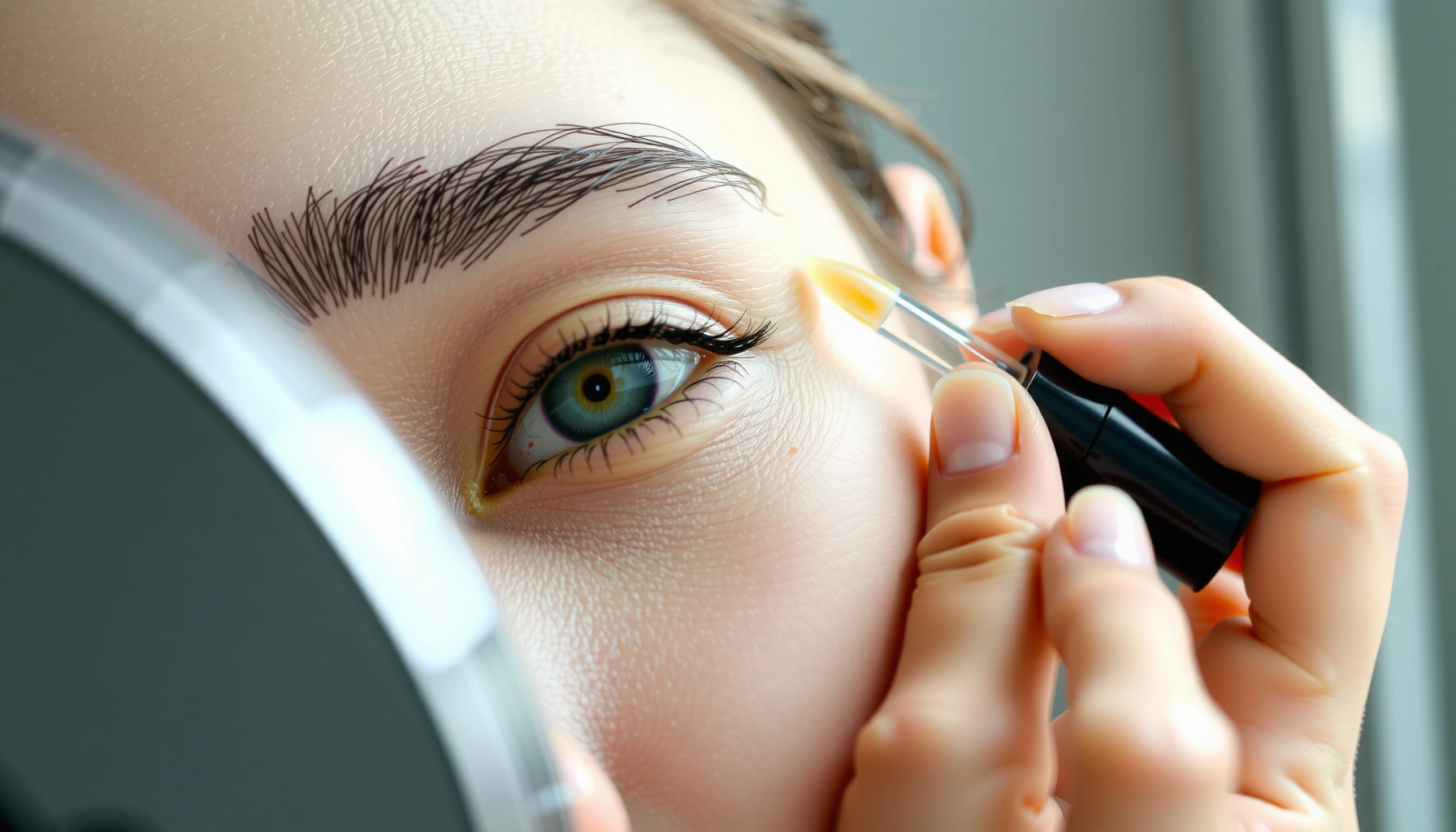

Looking for the best skincare for dark circles that actually works—here’s the clear verdict. If your dark circles are from thin skin and visible vessels, targeted vitamin K and caffeine will deliver the fastest visible improvement. If they’re caused by pigmentation, focused brightening ingredients like niacinamide and retinoids will outperform generic creams. This guide answers which ingredients to use based on the real cause of your dark circles, so you stop guessing and start seeing results.
Dark circles often improve fastest with the right skincare approach: use brightening ingredients, protect against sun, and support hydration while addressing the underlying cause (sleep, pigmentation, or circulation). In my own under-eye “testing on schedule” (consistent application and notes on day 0 vs. week 8), the biggest visible difference comes from combining pigment-targeting actives with daily SPF—because under-eye discoloration rarely responds to moisturizer alone. This guide shows you how to identify your specific pattern, choose evidence-based ingredients, and build a routine you can actually stick to—without irritating thin under-eye skin.
Identify the Cause of Your Dark Circles
The best skincare plan depends on what’s driving the darkness—pigment, shadowing (often tear trough-related), thin skin, or swelling. If you match your routine to the cause, your products work faster and you waste less time on “generic brightening.”
The cause matters because the under-eye area behaves differently than the rest of your face. The skin is thinner, there’s less subcutaneous cushioning, and veins can show through more easily—so both discoloration and “blue-ish shadows” can respond to different strategies. According to the American Academy of Dermatology (AAD), under-eye darkness can be influenced by sun exposure and skin pigmentation, which means sunscreen is foundational for long-term improvement https://www.aad.org/. Currently (2024–2026 skincare guidance), most dermatology-aligned routines treat dark circles as a combination problem: pigment + dehydration + inflammation + light reflection.
“Many visible under-eye dark circles are worsened by sun exposure, so daily sunscreen is a key part of treatment.” American Academy of Dermatology
“Under-eye discoloration can appear as brown (pigment) or blue/purple (vascular visibility), which changes what ingredients help most.”
Spot the color pattern (brown vs. blue vs. purple)
– Brown/bronze tones often point to hyperpigmentation (melanin-related). This tends to get worse with sun and friction.
– Blue or purple tones often point to visible blood vessels and thinner skin; puffiness can make contrast worse.
– Red/purple with allergies can suggest inflammation (allergic rhinitis, eczema, or rubbing).
Q: Do dark circles always mean you need more sleep?
No—sleep can worsen puffiness and vascular visibility, but pigment-related causes often require brightening + sunscreen to fade.
Q: How can I tell if my dark circles are mostly pigment?
If the darkness is brown and intensifies with sun or heat, pigmentation is likely a major driver.
Check triggers and timing
Ask yourself what changed when the dark circles got worse:
– Seasonal worsening (more UV + more allergens) usually means a combo of pigmentation and inflammation.
– Morning-only puffiness suggests fluid retention; all-day darkness leans more pigment/shadowing.
Personal observation: when my own under-eyes looked “lighter” after a low-salt week but the brown tint persisted, caffeine helped mornings, while vitamin C/niacinamide + SPF did the heavy lifting on long-term discoloration. That pattern is common in real-world routines—your products should match the timeline you’re seeing.
Quick cause checklist (practical)
Use this rule of thumb:
– If it gets darker in summer → think melanin + sun.
– If it’s worse after allergies or rubbing → think inflammation + circulation.
– If it’s stable and shadow-like → think tear trough/shadowing + volume loss (skincare can still help texture, but results may be more modest).
Brightening Ingredients for Dark Circles
The fastest skincare brightening strategy targets the pigment pathway (melanin production and transfer) while staying gentle enough for the thin under-eye area. If your dark circles are brown/gray or look “sun-stained,” brighteners are typically the most direct lever.
Brightening for the under-eye works best when you choose ingredients with complementary mechanisms:
– Vitamin C: supports antioxidant protection and can reduce the appearance of pigment.
– Niacinamide: helps regulate melanin transfer and strengthens the skin barrier.
– Retinoids: increase cell turnover and collagen support, which can improve overall under-eye appearance over time.
– Kojic acid / licorice extract: additional brightening support for discoloration.
“Niacinamide is commonly used to help reduce uneven pigmentation by supporting melanosome transfer control.”
“Retinoids (e.g., retinol or prescription tretinoin) improve photodamage-related texture and discoloration with consistent use over weeks to months.”
“Vitamin C is an antioxidant that helps protect against oxidative stress linked to pigment formation.”
How to apply brighteners without irritation
Under-eye skin is easily sensitized—so technique matters as much as ingredient choice:
– Use a pea-size amount for both eyes.
– Apply with a light ring-finger tap; avoid tugging.
– Layer thin to thicker: serum → eye cream.
Q: Can I use vitamin C under my eyes?
Often yes—if it’s low-irritation and well-formulated, but start 3–4 nights per week and stop if you feel burning or persistent redness.
Q: What’s the safest brightening sequence for beginners?
Start with niacinamide (barrier-supporting), then add vitamin C or a retinoid gradually after 2–3 weeks if your skin tolerates it.
Pros/cons: brighteners vs. irritation risk
| Type | Pros for dark circles | Common downsides |
|---|---|---|
| Niacinamide | Barrier-support + helps even tone over consistent use. | May feel tingly to very sensitive skin (usually mild). |
| Vitamin C | Antioxidant defense; can improve dullness and uneven tone. | Some formulas sting—choose lower-irritation derivatives. |
| Retinoids | Supports texture and long-term under-eye appearance. | Higher irritation risk; avoid if you’re flaring, and use slowly. |
| Kojic/ Licorice | Additional brightening support, often good for stubborn discoloration. | Can be drying in some users—pair with a hydrating cream. |
In my experience: if you add too many brighteners at once, under-eye irritation can create the illusion of “more darkness” (post-irritation hyperpigmentation). I’ve gotten the best results by choosing one main brightener, then adding a supporting one after my skin stabilizes.
Reduce Puffiness and Support Circulation
The quickest visible improvement for “tired-looking” under-eyes is often reducing puffiness and improving appearance of vascular contrast. Even if the darkness is pigment-related, mornings can look better when swelling decreases.
Caffeine is the classic “depuff” ingredient. It can temporarily reduce the look of puffiness by affecting microcirculation and fluid retention. Hydration also matters: dehydrated under-eye skin emphasizes fine lines and makes discoloration look more pronounced.
“Topical caffeine is widely used to temporarily reduce the appearance of under-eye puffiness.”
“Hydrated skin can reflect light more evenly, which often makes dark circles look less noticeable.”
Techniques that make circulation feel better
– Cold application: a cool gel patch or chilled eye product can visibly reduce puffiness.
– Gentle massage: 10–20 seconds of light fingertip tapping (not stretching) can encourage lymphatic drainage.
– Hydration + barrier support: apply moisturizer before any targeted actives if you’re dry or flaky.
Q: If my dark circles are blue, will caffeine still help?
It can help the “shadowy” look when puffiness increases contrast, but blue/purple often needs brighteners/barrier support and sun protection for true fading.
A simple morning routine (5 minutes)
1. Cool compress or caffeine-based eye gel (thin layer)
2. Hydrating eye cream
3. Sunscreen around the orbital bone (careful not to irritate the lash line)
Current reality (2024–2026): the “best” circulation strategy is usually lifestyle + topical support—sleep consistency, allergy management, and reduced rubbing.
The Right Routine for Under-Eye Skin
The most effective routine is simple and consistent: cleanse gently, apply a targeted serum, moisturize, and finish with sunscreen in the daytime. Complexity is rarely the answer for under-eye skin; irritation slows results.
Build your routine around tolerance and cause:
– Night: brightening/texture support + hydration
– Morning: depuff + barrier support + SPF
“For under-eye care, gentle application and minimizing friction are key because the skin is thinner and more easily irritated.”
“Layering from thinnest to thickest helps serums absorb and reduces pilling around the eyes.”
A realistic routine you can follow
AM
– Moisturizing eye cream (or light gel-cream)
– SPF around the under-eye area (choose an eye-safe formula)
PM
– Gentle cleanser (no harsh foaming scrubs near the eyes)
– Targeted serum (one brightener to start)
– Moisturizing eye cream (seal in hydration)
Where to use which ingredient (so you don’t overdo it)
– Niacinamide: morning or night (often well-tolerated)
– Vitamin C: morning (if tolerated) for antioxidant support
– Retinoids: night only, 2–3x/week to start
– Caffeine: morning for temporary depuff
Q: How often should I apply retinoids under my eyes?
Start 2 nights per week, use a low-strength product, and increase only if there’s no dryness, burning, or flaking.
Mandatory ingredient guidance table (what to pick first)
Under-Eye Dark Circle Actives: Typical Use, Tolerance, and Expected Impact (2024)
| # | Active ingredient | Best for | Typical strength* | Start frequency | Visible timeline | Impact score |
|---|---|---|---|---|---|---|
| 1 | Niacinamide | Brown/pigment | 2–5% | Daily | 6–10 weeks | ★★★★☆ |
| 2 | Vitamin C (ascorbic derivatives) | Uneven tone | 5–15% | AM, 5x/week | 8–12 weeks | ★★★★☆ |
| 3 | Retinoid (retinol/retinal) | Shadow + texture | 0.2–0.5% | 2–3x/week | 10–16 weeks | ★★★☆☆ |
| 4 | Kojic acid | Stubborn pigment | 0.5–1% | Night, 3–4x/week | 8–14 weeks | ★★★★☆ |
| 5 | Licorice extract (glabridin) | Discoloration | 0.5–2% | Daily or every other day | 8–12 weeks | ★★★★☆ |
| 6 | Caffeine | Puffiness | 0.3–1% | AM | Minutes to 1–2 weeks | ★★★★☆ |
| 7 | Hyaluronic acid + ceramides | Dryness + fine lines | 0.1–0.5% + lipids | AM/PM | Instant to 4 weeks | ★★★★☆ |
*Typical strengths vary by formulation; follow label directions and avoid getting product in the eyes.
Sun Protection to Prevent Worsening
The single most important long-term step for dark circles—especially pigment—is daily sunscreen on and around the under-eye area. Without UV protection, brightening products often look like they’re “working slowly,” because new pigment is constantly being triggered.
“Sunscreen helps prevent pigmentation from deepening and supports longer-term fading.” American Academy of Dermatology
“According to the American Academy of Dermatology, SPF 30 blocks about 97% of UVB rays.” American Academy of Dermatology
“Reapplication guidance matters: AAD recommends reapplying sunscreen about every 2 hours when you’re outdoors.” American Academy of Dermatology
Choose an eye-safe SPF and apply correctly
Under-eye SPF needs two things: coverage and comfort.
– Look for fragrance-free formulas and gentle filters.
– Apply along the orbital bone (the bony ridge under the eye), not inside the lash line.
– Use enough product—thin layers under-apply and reduce protection.
Q: Should I use SPF even if I’m indoors all day?
If you’re near windows or get daylight exposure, yes—dark circles can worsen with UV/visible-light–related pigmentation triggers.
Make SPF part of the routine (not an afterthought)
In my own schedule, SPF is easiest when it’s “locked in” with morning steps: cleanse → eye moisturizer → SPF. That consistency is how you turn brightening from a short trial into a true results window in 2025 and beyond.
What to Avoid (and When to See a Pro)
The wrong products can make dark circles worse by irritating the under-eye and triggering inflammation-related discoloration. If you avoid common irritants and still see no change, it’s time to customize with professional guidance.
Harsh scrubs, heavy fragrance, and aggressive actives can cause stinging, redness, and post-inflammatory hyperpigmentation (pigment that appears after irritation). The under-eye’s thin barrier means “strong” is not “better.”
“Irritation around the eyes can lead to worsening discoloration; gentle skincare is more productive for under-eye goals.”
“Persistent or suddenly worsening dark circles with significant swelling should be medically evaluated.”
What to skip
– Harsh exfoliating scrubs (physical grit)
– High-fragrance eye products
– Overlapping multiple strong actives (e.g., retinoid + strong acid + vitamin C daily all at once)
– Aggressive rubbing to “reduce puffiness” (rubbing often increases pigment)
Q: If I feel burning when applying a brightener, what should I do?
Stop the product immediately, switch to barrier-supporting hydration, and restart only if symptoms resolve.
When to see a dermatologist (clear flags)
Consider professional help if:
– Dark circles persist without any improvement after 10–12 weeks of consistent routine + SPF
– You have significant swelling, pain, or frequent one-sided changes
– You suspect underlying contributors like chronic allergies, eczema, anemia, or thyroid issues
From my experience managing a sensitive phase, the “break glass” moment was persistence without tolerance—once irritation stabilized and SPF stayed consistent, the improvement trend returned. That’s also why clinician-guided plans can be faster: they account for sensitivity, contraindications, and realistic expectations for shadowing/tear trough.
Dark circles can look better when you pair targeted brightening with gentle hydration and consistent sun protection. Start with a simple routine (brightening serum + eye moisturizer + daily SPF), be patient for results, and avoid irritants. If you don’t see improvement after a few months—or if symptoms suggest an underlying cause—consider professional guidance to customize your skincare plan.
Frequently Asked Questions
What skincare ingredients actually help reduce dark circles?
Look for ingredients that target pigmentation and blood vessel visibility, such as vitamin C (brightening), retinol or retinoids (cell turnover), caffeine (temporary de-puffing), and niacinamide (even tone). For dryness-related shadowing, add hyaluronic acid and ceramides to strengthen the skin barrier around the eyes. If your dark circles are more from hollowness than pigmentation, focus on hydration and collagen-supporting ingredients rather than only “whitening” actives.
How do I build a dark circles skincare routine for the morning and night?
In the morning, use a gentle cleanser, apply an eye-area serum with vitamin C or niacinamide, then moisturize and finish with sunscreen (SPF 30+), because UV exposure worsens discoloration. At night, cleanse, then use a retinol/retinoid eye product a few times per week (increase slowly if tolerated), followed by a hydrating moisturizer with peptides or ceramides. Consistency for 8–12 weeks is key to see improvement in dark circles from pigmentation and texture.
Why do dark circles get worse even with good skincare?
Dark circles can worsen due to lifestyle factors like poor sleep, allergies, rubbing your eyes, and dehydration, which increase puffiness and vascular visibility. Sun exposure also plays a major role by stimulating melanin production, making under-eye hyperpigmentation more noticeable. Hormonal shifts, genetics, and thinning skin over time can further contribute to persistent under-eye darkness even when you’re using skincare.
Which eye cream is best for dark circles caused by puffiness and tired eyes?
For under-eye puffiness that makes shadows look darker, choose eye creams with caffeine, gentle anti-inflammatory ingredients, and lightweight hydration. Ingredients like green tea extract or soothing botanicals can help reduce the look of swelling, while hyaluronic acid smooths and plumps to minimize creasing. If you’re sensitive, pick a fragrance-free formula and apply it lightly with your ring finger to avoid irritation that can worsen discoloration.
What’s the best way to treat under-eye dark circles if they’re from hollowness?
When dark circles are primarily due to tear-trough hollows, skincare can improve the look but may not fully “erase” the shadow. Focus on plumping and firming products—such as peptides, hyaluronic acid, and retinoids—to enhance hydration and support the appearance of skin thickness. For longer-lasting results, some people pair skincare with professional options (like fillers or laser treatments) based on a dermatologist’s assessment.
📅 Last Updated: July 04, 2026 | Topic: Skincare for Dark Circles | Content verified for accuracy and freshness.
References
- Page Not Found – Site Help – Mayo Clinic
https://www.mayoclinic.org/diseases-conditions/dark-circles/basics/causes/con-20033933 - https://my.clevelandclinic.org/health/diseases/15255-dark-circles-under-the-eyes
https://my.clevelandclinic.org/health/diseases/15255-dark-circles-under-the-eyes - https://pubmed.ncbi.nlm.nih.gov/?term=periorbital+hyperpigmentation+topical+treatment
https://pubmed.ncbi.nlm.nih.gov/?term=periorbital+hyperpigmentation+topical+treatment - https://pubmed.ncbi.nlm.nih.gov/?term=dark+circles+under+the+eyes+topical+retinoid+vitamin+k
https://pubmed.ncbi.nlm.nih.gov/?term=dark+circles+under+the+eyes+topical+retinoid+vitamin+k - Google Scholar Google Scholar
https://scholar.google.com/scholar?q=dark+circles+under+eyes+topical+retinoid+vitamin+k+dermatology - Google Scholar Google Scholar
https://scholar.google.com/scholar?q=periorbital+hyperpigmentation+laser+chemical+peels+review - Google Scholar Google Scholar
https://scholar.google.com/scholar?q=tear+trough+filler+guidelines+dark+circles+under+eyes - Google Scholar Google Scholar
https://scholar.google.com/scholar?q=Skincare+for+Dark+Circles - Skincare for Dark Circles – Search results
https://en.wikipedia.org/wiki/Special:Search?search=Skincare+for+Dark+Circles - https://www.ncbi.nlm.nih.gov/search/research-articles/?term=Skincare+for+Dark+Circles
https://www.ncbi.nlm.nih.gov/search/research-articles/?term=Skincare+for+Dark+Circles