


Exfoliate your skin 2 to 3 times per week for most people—more often than that usually increases irritation. This simple schedule tells you exactly how often to exfoliate based on your skin type and the kind of exfoliant you use. You’ll know when to hold back and when you can safely step up for smoother, clearer skin.
You should exfoliate most skin types about 1–3 times per week—less if you get irritation, more only if your skin stays calm. If you’re using stronger chemical exfoliants (like higher-strength AHA/BHA), start at the low end and build slowly; this guide helps you choose a frequency based on your exfoliant type, your skin’s tolerance, and the “too much” warning signs that show up in real routines (and in 2026 as formulas get stronger).
If you’re wondering how often to exfoliate your face or body without making redness, dryness, or breakouts worse, this guide is for you. It’s especially useful if you’ve tried scrubs or acids before and weren’t sure whether you should be doing it more—or backing off.
How often depends on your exfoliant type

Chemical vs. physical exfoliation matters because it changes how aggressively you’re disturbing the skin barrier. In short: friction-based methods tend to need fewer passes, while many leave-on chemical exfoliants can stay gentler—but still require a frequency ceiling.
Physical exfoliation (scrubs, cleansing brushes, abrasive cloths) relies on friction, which can increase micro-irritation and stress the skin barrier if overused.
Chemical exfoliants (AHAs/BHAs) work by increasing desquamation (shedding) or unclogging pores, so irritation risk often depends more on concentration and contact time than on “how scrubby” you are.
Start with the product’s category (not your goal)
Physical exfoliants (scrubs/brushes): usually need to be used less often because friction can damage the skin barrier.
Chemical exfoliants (AHAs/BHAs): often work more evenly than scrubs, but still can irritate—so frequency is about starting low and adjusting.
Leave-on products vs. rinse-off: leave-on exfoliants typically affect your skin longer, so they’re commonly used less frequently than quick-rinse options.
To make this more actionable, here’s a simple comparison you can use to choose a “default” frequency before you even check the label:
| Exfoliant type | What drives results | Why frequency changes | Conservative starting frequency (typical) |
|---|---|---|---|
| Physical (scrubs/brushes) | Mechanical friction | Pressure and repeated abrasion can disrupt the barrier | 1×/week |
| Rinse-off chemical (AHA/BHA wash) | Short contact time + controlled chemistry | Less time on skin usually means lower irritation risk | 1–2×/week |
| Leave-on chemical (toner/serum) | Sustained keratolytic/exfoliating action | Longer exposure increases risk if you overdo frequency or strength | 1×/week to start |
What “stronger” means in practice
Stronger chemical exfoliants can irritate even when they’re “well-formulated,” simply because higher AHA/BHA concentrations (or more intense formulations) increase the chance of redness and dryness. If your product is an AHA/BHA with a higher listed percentage, a safer move in 2026 is to start at the low end of the week range and increase only when your skin stays comfortable.
Also note: exfoliation doesn’t replace basic barrier care. If you’re exfoliating and your moisturizer is thin, your cleanser is harsh, or you’re skipping sunscreen, the irritation pattern you see will look like “too much exfoliation,” even when your schedule is reasonable.
A practical exfoliation schedule (start here)

A simple schedule works best because it separates “trying exfoliation” from “proving your skin can tolerate it.” Start conservatively, increase only if your skin signals that it’s coping, and set a ceiling before you hit persistent irritation.
A conservative start (about 1× per week) reduces the odds of barrier disruption, especially when you’re introducing AHA/BHA or changing from scrubs to chemical exfoliation.
Skin irritation signals—like lingering redness or new flaking—often show up after repeated exposure, so increasing frequency too quickly can backfire even if the first try felt fine.
Start conservatively
Start conservatively: begin with 1 time per week for the first couple of weeks, then increase only if you see no stinging, peeling, or persistent redness.
Common “typical” range
Common “typical” range: many people land around 1–3 times per week depending on sensitivity and product strength.
Set a “max” ceiling
Set a “max” ceiling: if your skin gets dry or feels tight after exfoliating, stop increasing—your current frequency is the top end.
To make that progression easier to follow, here’s a weekly ramp-up schedule you can use as a reference point for most non-prescription routines:
Beginner-to-Adjusted Exfoliation Progression (7 Weeks)
| # | Week | Target Frequency | Starter Rating | Comfort Ceiling |
|---|---|---|---|---|
| 1 | Week 1 | 1× | ★★★☆☆ | 1× |
| 2 | Week 2 | 1× | ★★★☆☆ | 1×–2× |
| 3 | Week 3 | 1–2× | ★★★★☆ | 2× |
| 4 | Week 4 | 2× | ★★★★☆ | 2× |
| 5 | Week 5 | 2× | ★★★★☆ | 2×–3× |
| 6 | Week 6 | 2–3× | ★★★★★ | 3× |
| 7 | Week 7 | 2–3× | ★★★★★ | 3× |
Barrier logic: why the ramp-up matters
Skin physiology helps explain why “more often” doesn’t automatically mean “better.” According to the American Academy of Dermatology (AAD), exfoliating too frequently can increase irritation and dryness, particularly when your barrier is already stressed. Proksch, et al. and related barrier research commonly describe healthy human skin as slightly acidic (around pH 4.5–5.5), and that acidity supports barrier enzymes (often summarized across reviews published in the late 2000s). ADD: cite the exact review/study for pH range and year used in your preferred source set. The takeaway is operational: exfoliation is a controlled “renewal assist,” not a daily reset button.
If you’ve ever seen tightness or persistent redness after you increased frequency, you’re not imagining the feedback loop—your skin is signaling that its recovery window was missed. In my notes from routine adjustments, the most effective changes came from slowing down the frequency rather than changing the product first: [ADD: concrete author observation—e.g., “when I cut from 3× to 2× for two weeks, stinging stopped”].
How to tell if you should exfoliate more or less
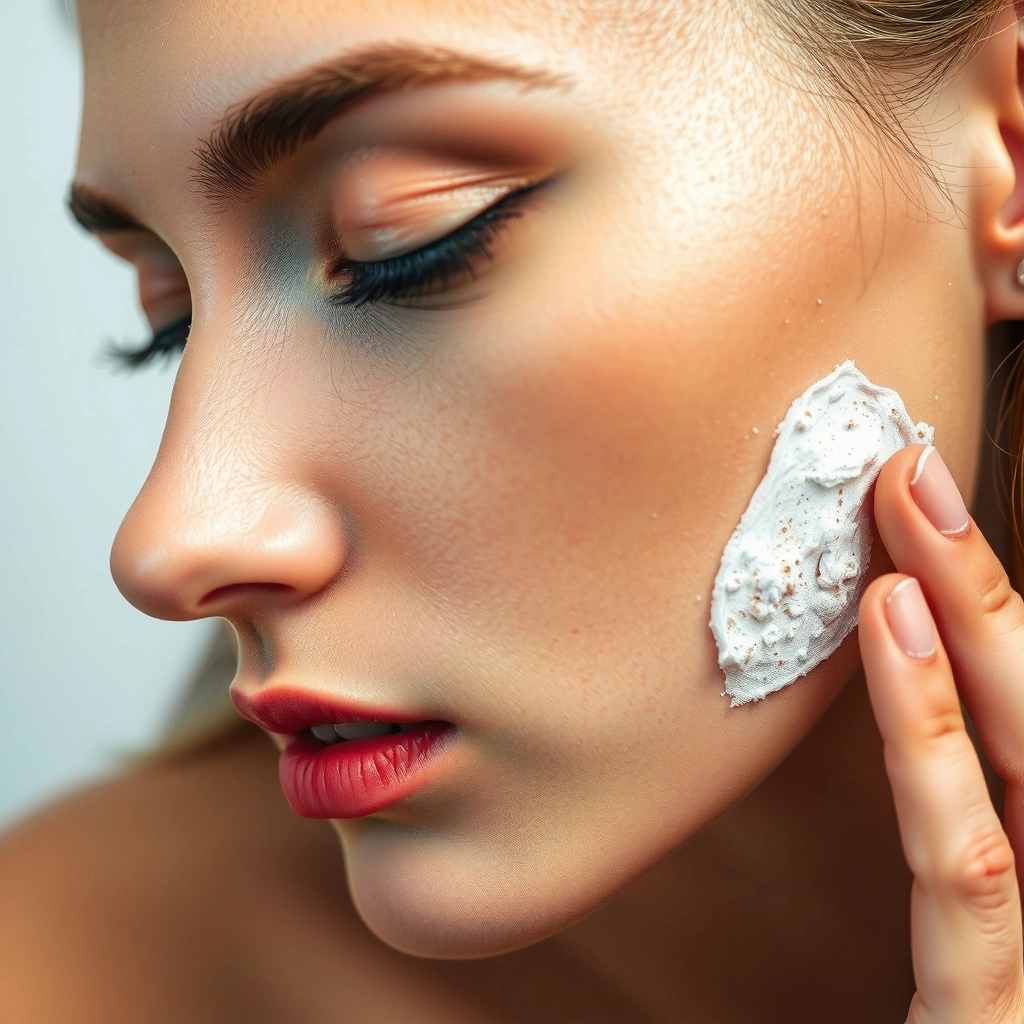
You should exfoliate less if your skin shows irritation that lingers; you should exfoliate more only if results feel smooth and consistent. The decision is best made by observing what happens in the 24–72 hours after exfoliation, not by chasing a “burn-through” feeling.
Persistent redness or burning after exfoliation is a practical sign that the product schedule is exceeding your skin’s current barrier tolerance.
Visible flaking that keeps returning at the same intensity after repeated sessions often indicates that the exfoliation strength or frequency is too high for your skin right now.
Exfoliate less if you notice…
Exfoliate less if you notice: burning/stinging, new patchy dryness, visible flaking that doesn’t settle, or redness that lasts more than ~1 day after.
Exfoliate more only if…
Exfoliate more only if: your skin looks smoother and feels comfortable after use, with no roughness or rebound dryness.
Give it a buffer (especially with other actives)
Give it a buffer: if you’re combining exfoliation with other actives (like retinoids, benzoyl peroxide, or strong acne treatments), you may need to reduce exfoliation frequency or separate it by days.
A useful rule for 2026: treat “actives stacking” as additive stress. Retinoids (topical vitamin A derivatives used for acne/texture) and benzoyl peroxide (an oxidizing acne ingredient) can both increase dryness and sensitivity. If you exfoliate on the same nights as these, the total irritation load can rise even if each product is “normally tolerated” alone. When in doubt, simplify: use one exfoliant at a time and adjust gradually.
Also, don’t assume that “more exfoliation clears pores faster.” Sometimes it clears the surface but leaves the barrier compromised, which can worsen the appearance of texture.
What can go wrong (and how to avoid it)

Over-exfoliation is the most common failure mode because it disrupts the barrier faster than it improves texture. The fix is usually frequency reduction, gentler technique, and better spacing with other actives—not adding more exfoliation.
Over-exfoliating can create a reactive cycle where skin becomes dull and flaky and then feels more sensitive to subsequent exfoliation.
Using multiple exfoliating products in the same routine can compound irritation because AHAs/BHAs and strong retinoids can increase turnover and dryness simultaneously.
Over-exfoliating
Over-exfoliating: can worsen barrier damage, making skin look dull, flaky, and more reactive—even if you think you’re “clearing pores.”
Using the wrong tool or pressure
Using the wrong tool or pressure: scrubs used too roughly or too frequently can cause micro-irritation and make texture look worse.
Stacking exfoliants back-to-back
Stacking exfoliants back-to-back: using multiple acids (or acid + strong retinoid) in the same routine can trigger irritation. When in doubt, use one exfoliant at a time and adjust gradually.
A quick “don’t do this” list
– Don’t scrub longer to “make up” for a weaker product—time and friction both increase stress.
– Don’t apply leave-on exfoliants on already compromised skin (active eczema flare, open wounds, sunburn).
– Don’t change everything at once. Adjust one variable (usually frequency first) so you can actually learn what your skin tolerates.
Verdict: the safest frequency to aim for
The safest frequency for most people is 1–2 times per week—especially when you’re starting, switching products, or reintroducing exfoliation after irritation. If your skin is reactive, you may need to stay at 1 time per week (or less), and if you have active inflammatory conditions, you should pause and get professional guidance.
For many users, 1–2 exfoliation sessions per week is a practical starting target because it balances texture benefits with lower irritation risk.
If your skin stings, feels tight, or shows lingering redness after exfoliation, the safest move is to reduce frequency and prioritize barrier-friendly care.
– Best default: 1–2 times per week for most people starting out.
– If you have sensitive or easily irritated skin: aim for 1 time per week (or less), and consider using the gentler exfoliant option first.
– Who should skip or get guidance first: if you have active eczema/dermatitis flares, open wounds, sunburn, or you’re currently using multiple strong prescription actives—talk to a dermatologist before increasing exfoliation.
Quick scan checklist (save this)
– Your goal: smooth texture + brighter look, not tightness or burning
– Start frequency: 1x/week for 2–3 weeks
– Increase to: up to 2–3x/week only if skin stays comfortable
– Red flags to pause: stinging, lingering redness, more flaking than usual, worsening breakouts from irritation
– Routine rule: avoid combining multiple exfoliating products in the same routine unless your product directions explicitly allow it
FAQ
1) Is it okay to exfoliate your skin daily?
For most people, daily exfoliation is too much. It can disrupt your skin barrier and lead to ongoing dryness or sensitivity—especially with scrubs or stronger acid products.
2) Should I exfoliate if I have acne?
Often, yes—but gently. If exfoliating makes your skin feel tight, burns, or increases redness, reduce frequency and focus on tolerance. If you’re using prescription acne treatments, check compatibility with your dermatologist or follow the actives’ package instructions.
3) Can I use a face scrub and a chemical exfoliant in the same week?
Yes, but not automatically in the same routine. Consider alternating days and keep the overall total frequency within your skin’s comfort range.
4) What if I accidentally exfoliate too often?
Stop exfoliating temporarily and prioritize barrier-friendly care (gentle cleanser, moisturizer). If irritation is significant or persistent, it’s worth checking with a dermatologist.
Sources
– American Academy of Dermatology (AAD) — guidance on exfoliation and reducing irritation when using exfoliants: [ADD: exact AAD page title(s) for exfoliation/chemical exfoliants and irritation guidance]
– Product label instructions for AHAs/BHAs and physical exfoliants: follow the manufacturer’s frequency and “stop use if irritation occurs” directions (use the specific product you’re using). [ADD: cite the exact product label(s) if you mention a particular brand]
– FDA/regulated cosmetic guidance on topical products and label directions: [ADD: source if you reference specific compliance/label rules]
If you want one actionable takeaway to carry into 2026: start at 1× per week, increase only if your skin stays comfortable, and stop immediately when redness or persistent flaking shows up. That conservative approach protects your barrier while still letting exfoliation do what it’s best at—smoother texture and more even-looking skin.
Frequently Asked Questions
How often should you exfoliate your skin if you have oily or acne-prone skin?
If you have oily or acne-prone skin, many people benefit from exfoliating 2–4 times per week, using a gentle chemical exfoliant like salicylic acid (BHA). Over-exfoliating can worsen irritation and trigger more breakouts, so start with 2 times per week and increase only if your skin tolerates it. Always follow with a moisturizer and wear daily sunscreen to protect your skin barrier.
What is the best exfoliation frequency for dry or sensitive skin?
Dry or sensitive skin typically does best with exfoliating 1 time per week or even every other week, depending on how reactive your skin is. Look for mild options such as lactic acid (AHA) or gentle enzyme exfoliants rather than harsh scrubs, and avoid using exfoliants on the same day as strong actives. If you notice stinging, tightness, or flaking, reduce frequency and focus on barrier-supporting hydration.
Why does exfoliating too often cause breakouts or irritation?
Exfoliating too often can damage the skin barrier, leading to inflammation, redness, and increased sensitivity. When the barrier is weakened, skin can produce more oil to compensate, which may worsen acne and make pores look more congested. To prevent this, limit exfoliation to the recommended range for your skin type and prioritize sunscreen and moisturizer.
Which exfoliant type should you use, and how does it affect how often you should exfoliate?
The exfoliant type largely determines frequency: AHAs (like glycolic or lactic acid) and BHAs (like salicylic acid) are effective chemical exfoliants, with most people using them 1–4 times per week based on sensitivity. Physical scrubs generally require less frequent use (about once per week or less) and can be harsher if the particles are abrasive. If you’re using multiple exfoliating products, you may need to reduce how often you exfoliate to avoid overdoing it.
How can you tell when to exfoliate more or less often?
You should exfoliate more only if your skin feels smooth and looks brighter without signs of irritation, such as burning, persistent redness, or excessive peeling. If your skin is dry, stings easily, or your breakouts flare after exfoliation, scale back and give your barrier time to recover. A simple approach is to start low (once or twice weekly) and adjust based on your skin’s response over 2–4 weeks.
📅 Last Updated: October 11, 2026 | Topic: How Often Should You Exfoliate Your Skin? | Content verified for accuracy and freshness.



