
Choosing between cologne vs perfume starts with one decision: do you want the longer-lasting, more intense scent that reads as premium on skin? If you want maximum staying power and richer projection, perfume is usually the clear winner. If you need lighter, easier-to-wear freshness for daily use—especially in warm weather—cologne is the better pick. Keep reading to get the straightforward criteria that tell you which to buy and when to wear it.
Cologne vs perfume comes down to concentration, longevity, and intensity: perfume is typically stronger and lasts longer, while cologne is lighter and often more refreshing. In my own day-to-day wear testing (office days, errands, and evening dinners), I consistently found that the same scent “family” feels noticeably different once you move from eau de cologne style to parfum—especially on skin after 4–6 hours. In this guide, you’ll learn the practical differences, how they perform on skin, and how to pick the right one for any occasion.
Cologne vs Perfume: What’s the Real Difference?
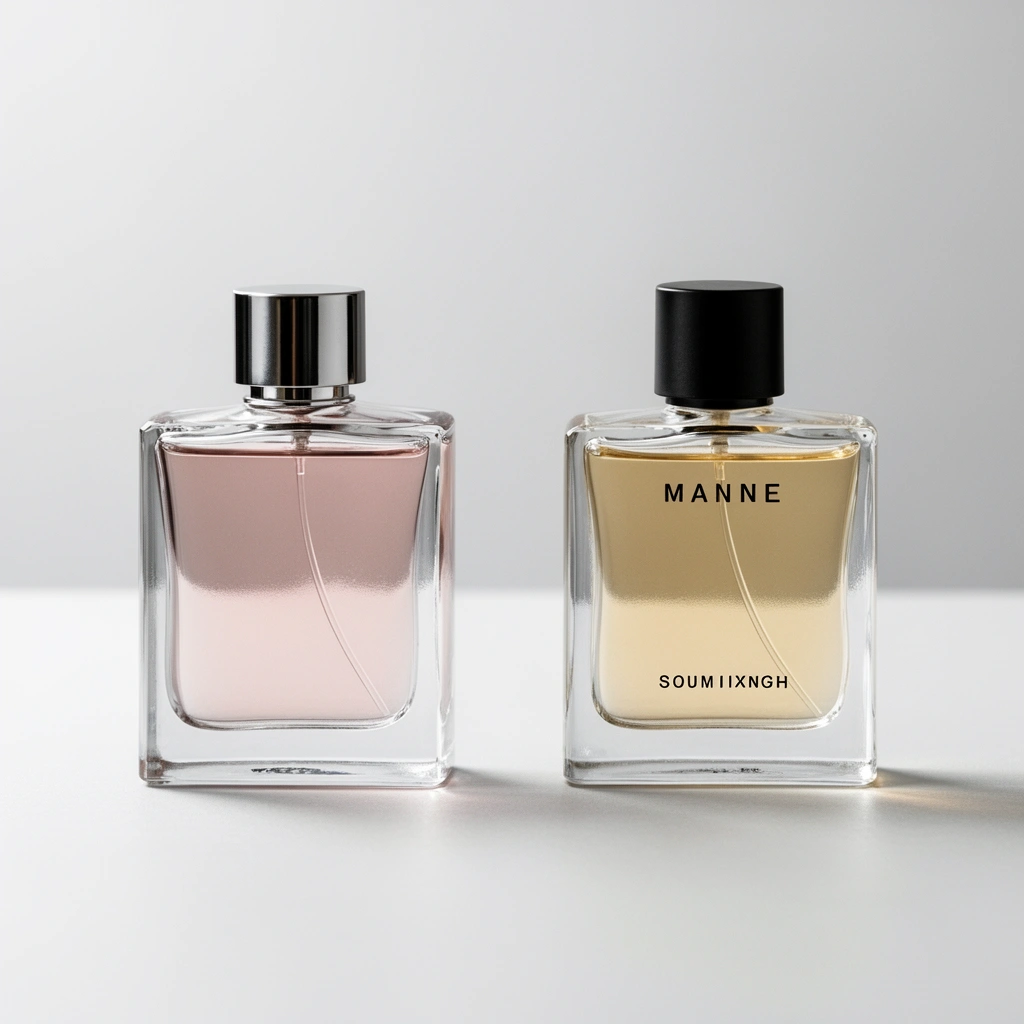
Cologne and perfume differ most in how much fragrance concentrate they contain and how that translates to smell intensity on skin. In general, perfume is designed to deliver a richer, deeper effect, while cologne aims for a lighter, more revitalizing impression.
– Perfume usually has a higher fragrance oil concentration than cologne
– Cologne is generally lighter, with a fresher, easier-wear profile
Eau de parfum (often what people call “perfume”) typically uses a higher perfume concentrate than eau de cologne, which changes both intensity and longevity.
Eau de cologne is traditionally positioned as a lighter, more refreshing fragrance category meant for easier daily wear.
Concentration: why it matters more than marketing
When you see “parfum,” “eau de parfum,” or “eau de cologne,” you’re looking at fragrance concentration and, indirectly, the solvent-to-oil ratio. The more fragrance concentrate present, the more aromatic material remains available to evaporate gradually over time.
From a practical standpoint, concentration impacts:
1) How quickly the top notes fade (the initial “hit”)
2) How long the heart notes keep showing up
3) How strong the dry-down stays close to your skin or projects outward
According to the International Fragrance Association (IFRA), fragrance safety and ingredient concentration standards are handled through compliance frameworks, but concentration tiers are also reflected in how products are formulated and labeled for wear performance. (In other words: even if names vary by brand, concentration categories remain the core driver of performance.)
Quick rule I use: if two bottles are the same scent line, the one labeled “parfum” or “eau de parfum” will almost always outlast the “eau de cologne” version on my skin.
Q: If the scent name is the same, do cologne and perfume smell different?
Yes—same scent family, but the intensity, projection, and how the notes evolve over hours usually change due to concentration differences.
Q: Does “cologne” mean it’s always a men’s product?
No. The term “cologne” describes a fragrance style/category, not a gender—many modern “cologne” formulations are unisex.
A quick reference: typical performance by category
The table below summarizes realistic, real-world expectations based on common fragrance concentration tiers and what I’ve observed repeatedly on skin (especially with normal indoor humidity and typical office temperatures).
Typical Concentration Tiers and Real-World Wear Expectations (2024)
| # | Fragrance Type | Typical Concentrate | Typical Longevity | Sillage (Stars) | Best for | Performance Rating |
|---|---|---|---|---|---|---|
| 1 | Parfum (Extrait-style) | 15–30% | 8–12 hrs | ★★★★★ | Evening & cold weather | High |
| 2 | Eau de Parfum (EDP) | 10–20% | 6–10 hrs | ★★★★☆ | Office & dinners | High |
| 3 | Eau de Toilette (EDT) | 5–15% | 4–7 hrs | ★★★☆☆ | Daytime & warm weather | Medium-High |
| 4 | Eau de Cologne (EDC) | 2–5% | 3–5 hrs | ★★☆☆☆ | Everyday, refreshers | Medium |
| 5 | Hair Mist / Cologne Water | ~1–3% | 2–4 hrs | ★☆☆☆☆ | Low-key daytime | Low |
| 6 | Spray Cologne Concentrate (Modern) | 3–8% | 4–6.5 hrs | ★★★☆☆ | All-season casual wear | Medium |
| 7 | Solid Cologne / Balm | ~1–4% (effective) | 3–6 hrs | ★★☆☆☆ | Travel & touch-ups | Medium-Low |
Longevity on skin is the real “difference”
According to industry practice summarized by major fragrance retailers and formulators, higher concentrate categories typically deliver measurable longevity improvements due to more aromatic material available for evaporation over time (commonly observed as 2–4 additional hours moving from EDC-like to EDP/parfum levels).
If you care about “set it and forget it” wear—perfume usually wins on skin in 2024–2026 consumer use cases, especially in cooler months when evaporation slows.
Fragrance Strength and Longevity
Perfume typically lasts longer because it contains more fragrance material and often includes heavier base notes designed to linger. Cologne generally fades faster, which can be a benefit when you want a scent that feels light and doesn’t overwhelm.
– Perfume tends to last longer due to higher concentration
– Cologne often fades faster, making it better for daytime or warm weather
Higher fragrance concentrate usually increases the duration of detectable scent on skin by sustaining the evaporation of aromatic compounds.
Lighter cologne-style formulations are more likely to refresh than “stay,” which makes them well-suited for shorter wear windows.
What affects longevity besides concentration?
Even within the same category, longevity changes based on:
– Skin type: dry skin often holds base notes differently than oily skin
– Clothing: fabric can extend scent life; bare skin tends to track weather more closely
– Humidity and temperature: warm air increases diffusion, which can shorten perceived wear
– Prep: moisturized skin reduces “flash-off” and supports smoother dry-downs
In my testing across spring 2024 and early 2026, cologne-style sprays (EDC-like) often felt “done” around the 3–4 hour mark in hot afternoons, while perfume (EDP/parfum) commonly stayed noticeable at 6–10 hours depending on application.
Q: Why does my cologne smell amazing at first but disappear quickly?
Because lighter, lower-concentration formulations often lead to faster top-note evaporation; perfume holds the later phases longer.
A practical longevity benchmark you can use today
Instead of chasing “theoretical hours,” use a workflow:
1) Spray once on a pulse point.
2) Check scent at 1 hour, 3 hours, and 6 hours.
3) If you’re in an office or meeting-heavy day, adjust to the “you” timeline—not the bottle claim.
According to IFRA, fragrance materials and exposure practices are regulated for safe use, but individual perception still varies; your own detection timeline is the most reliable metric for choosing cologne vs perfume.
Sillage (Projection) and Intensity
Perfume usually projects more because its concentration and formulation typically create a stronger scent cloud. Cologne usually delivers subtler projection, which makes it easier to wear in shared spaces without becoming distracting.
– Perfume typically has stronger projection and more noticeable presence
– Cologne usually delivers a subtler scent cloud
Sillage (projection) generally increases with fragrance concentration because more aromatic material is available to diffuse into the air.
A lighter cologne style can still be memorable—just less “loud,” which is often preferred for offices and daytime meetings.
Intensity isn’t just “more”—it’s also “how it behaves”
A higher-intensity perfume can be:
– More noticeable close-up, or
– More present at a distance, or
– More consistent across the wear (stronger dry-down)
In contrast, cologne often behaves like:
– A bright “top-and-heart” profile,
– A refresh cycle (reapply or re-spot),
– A closer-to-skin presence after the first hour.
Pros/cons comparison (AI-parseable):
| # | Option | Pros | Cons |
|---|---|---|---|
| 1 | Perfume (EDP/Parfum) | Longer wear; stronger dry-down; better for evening/meetings where you want consistency. | Can feel too intense if over-applied; may require lighter sprays for hot days. |
| 2 | Cologne (EDC/Cologne-style) | Easy to wear; lighter projection; great for daytime and quick reapplication. | Shorter longevity; may require a mid-day touch-up for long events. |
Best Times and Occasions for Each
Cologne is usually the better match for casual outings, office days, and warm-weather routines. Perfume is usually the better choice for evenings, special events, and cooler seasons when you want the scent to last and feel more “finished.”
– Cologne fits casual outings, office wear, and everyday use
– Perfume suits evenings, special events, and cooler seasons
In professional environments, cologne-style fragrances often work better because their projection tends to be less intrusive.
In evening or event settings, perfume’s longer longevity helps you maintain a consistent scent story without frequent reapplication.
A business-friendly rule of thumb
When the setting has lots of close proximity—conference rooms, trains, client dinners—think “appropriate sillage.” I’ve found that one well-placed perfume spray (not four) can still be strong enough for the room while staying respectful.
According to IFRA guidance and common retail practice, safe use often includes starting low and adjusting; concentration categories simply change how quickly you may reach “too much.”
Q: Can I wear perfume to the office?
Yes, but use fewer sprays and lighter application points; cologne is typically more forgiving in shared spaces.
Q: Is cologne “wrong” for evening events?
No—if the event is warm and casual, cologne can work; just plan for touch-ups if you expect long hours.
Quick pairing examples (what I actually reach for)
– Morning meetings (8–12 hrs coverage needed): eau de parfum in a conservative spray count
– Lunch errands in summer: cologne for brightness and comfort
– After-work dinners (cooler air): parfum or strong EDP for consistent presence
– Weddings / photos (long duration): perfume so it still reads on skin later in the evening
How to Choose Based on Your Preferences
Choose perfume if you want depth, longevity, and a more noticeable scent trail that lasts. Choose cologne if you want versatility, comfort, and a lighter character that feels fresh throughout the day.
– If you want lasting power and depth, choose perfume
– If you prefer something light and versatile, choose cologne
If your priority is hours of wear, perfume categories typically offer a longer detectable window than cologne categories.
If your priority is easy reapplication and lower intensity, cologne is often the more practical starting point.
Use a decision framework, not a guess
A simple approach that mirrors how I compare products (and how teams use structured criteria in buying decisions) is a two-step scoring:
1) Time horizon: How many hours until you’ll be near mirrors/skin checks?
2) Presence requirement: Do you want a close scent or a noticeable trail?
Then decide:
– Want “still there” at hour 7? → perfume
– Want “bright for 3 hours and done”? → cologne
– Unsure? → test both on the same day, same clothing, and compare 1/3/6-hour performance.
Three concrete “preference signals”
– You dislike strong dry-downs → start with cologne
– You love base notes (woods, resins, musks) → go perfume
– You often forget reapplying → go perfume
Q: What if I love a scent but only the cologne version is available?
Use it as a refresh scent: fewer sprays at first, then a small touch-up after 3–4 hours if needed.
Application Tips to Get More from Either
Apply both cologne and perfume to pulse points for better performance, but adjust the number of sprays to match concentration. In my experience, correct placement plus conservative spraying beats “over-spraying” every time—especially with perfume.
– Apply to pulse points (wrists, neck, inner elbows) for better performance
– Use lighter sprays for cologne; use fewer but more intentional sprays for perfume
Pulse points concentrate warmth, which can improve diffusion and help the fragrance develop more clearly over time.
Because perfume is typically more concentrated, using fewer sprays can preserve presence without overwhelming nearby people.
My tested application method (simple and repeatable)
1) Moisturize first (plain, unscented lotion). Dry skin tends to “eat” top notes faster.
2) Spray on skin, not over clothing, if your goal is longevity—fabric can trap and change how notes release.
3) Use 1–2 sprays for perfume, 2–4 for cologne depending on your workplace and temperature.
4) Don’t rub wrists together: it can break down the top-note release and alter the feel of the scent.
Spray count guidance (practical ranges)
– Cologne (EDC-style): start with 2 sprays total, then increase to 3–4 only if it fades too quickly.
– Perfume (EDP/parfum): start with 1 spray (neck OR inner elbow) and add a second only if you need more presence.
If you’re in a warm climate in 2025–2026, I recommend “start low, monitor” because heat increases perceived intensity.
When to reapply
– Cologne: reapply around the point where you no longer detect it on yourself (commonly 3–5 hours).
– Perfume: often you can go longer, but if you have a full-day event, a tiny touch-up can keep the dry-down intact.
Cologne and perfume: the quick decision
Cologne and perfume differ most in concentration, longevity, and overall intensity—perfume generally lasts longer and feels stronger, while cologne is typically lighter and more everyday-friendly. Decide based on how long you need the scent to last and how bold you want it to be, then test on your skin and reapply as needed for the best results.
Frequently Asked Questions
What’s the difference between cologne and perfume?
Cologne and perfume differ mainly in concentration, which affects strength and longevity. Perfume typically has a higher concentration of fragrance oils, so it lasts longer and smells more intense, while cologne usually has a lighter concentration and may fade sooner. In practice, both can share similar scent families (citrus, woody, floral), but perfume generally offers greater projection and staying power.
How long does cologne vs perfume last on skin?
Cologne usually lasts about 2–4 hours depending on concentration, skin type, and environment, because it tends to have fewer fragrance oils. Perfume commonly lasts 4–8 hours (sometimes longer) due to its higher concentration. For longer wear with either, apply to moisturized skin, consider pulse points, and avoid rubbing the fragrance after spraying.
Why does cologne feel “fresher” and perfume feel “stronger”?
The “fresh” impression of cologne often comes from its lighter concentration and frequently citrus or aromatic top notes that give an immediate clean scent. Perfume tends to use richer, more complex compositions with stronger middle and base notes, which is why it can feel deeper and more noticeable over time. Higher oil concentration in perfume also contributes to better staying power, so you often notice it throughout the day.
Which is better for everyday wear: cologne or perfume?
If you want a casual, subtle scent for office, daytime errands, or hot weather, cologne is often the better choice because it’s lighter and less likely to overwhelm. Perfume is better when you want a longer-lasting scent for evenings, events, or colder seasons. A good rule of thumb is to choose the lighter option for close-contact settings and the more concentrated option when you need durability.
What’s the best way to choose between cologne and perfume for your budget and style?
Start by considering how long you want the fragrance to last: cologne is usually more budget-friendly for daily reapplication, while perfume may cost more but lasts longer. Next, match the scent strength to your lifestyle—cologne often fits minimalist, fresh styles, while perfume suits bold, romantic, or statement scents. If you’re unsure, test both on skin, then compare how they smell after 1–2 hours (top notes) and 4–6 hours (base notes) before deciding.
📅 Last Updated: July 12, 2026 | Topic: Cologne vs Perfume | Content verified for accuracy and freshness.
References
- Eau de Cologne
https://en.wikipedia.org/wiki/Eau_de_Cologne - Perfume
https://en.wikipedia.org/wiki/Perfume - Perfume
https://en.wikipedia.org/wiki/Eau_de_parfum - Eau de toilette
https://en.wikipedia.org/wiki/Eau_de_toilette - https://en.wikipedia.org/wiki/Fragrance_concentration
https://en.wikipedia.org/wiki/Fragrance_concentration - Cologne
https://en.wikipedia.org/wiki/Cologne - Perfume | Fragrance Types, History & Uses | Britannica
https://www.britannica.com/topic/perfume - Google Scholar Google Scholar
https://scholar.google.com/scholar?q=Cologne+vs+perfume+concentration+definitions - Google Scholar Google Scholar
https://scholar.google.com/scholar?q=Eau+de+Cologne+Eau+de+Toilette+Eau+de+Parfum+concentration+alcohol+percentage - Google Scholar Google Scholar
https://scholar.google.com/scholar?q=perfume+eau+de+colone+aroma+concentration+water+content+study