
Want better hair elasticity—more stretch, less breakage, and stronger strands? This Hair Elasticity Guide names the fastest path to improving elasticity by targeting the specific factors that control how your hair stretches and snaps back. You’ll get a clear, step-by-step routine to restore stretch and resilience, plus what to avoid so your hair doesn’t lose elasticity again.
Hair elasticity is the stretch-and-bounce ability of your strands, and the fastest way to improve it is to balance moisture and protein while reducing mechanical and heat stress. In the sections below, you’ll learn what hair elasticity is, how to test it at home, and how to adjust your routine so your hair snaps less, holds moisture better, and grows with fewer setbacks.
What Hair Elasticity Means
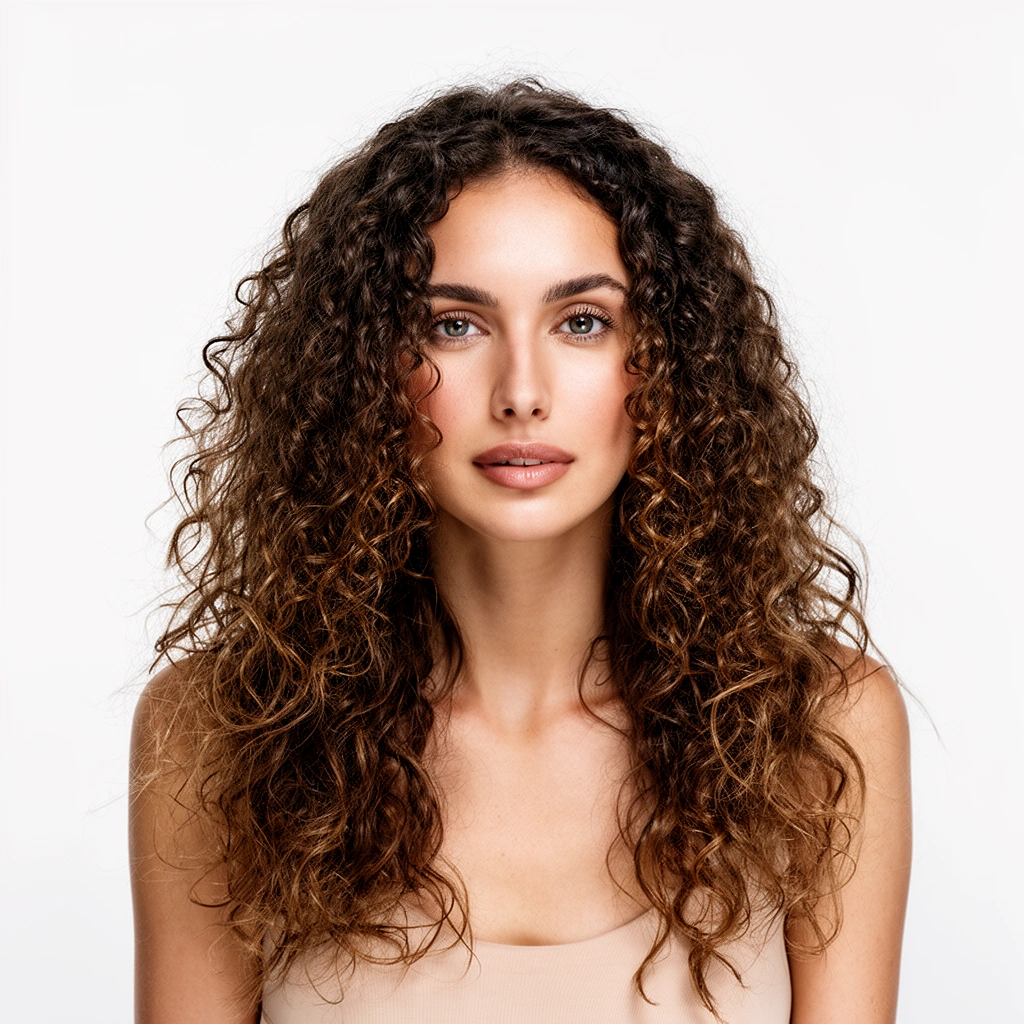
Hair elasticity describes how well hair stretches under mild force and then returns close to its original length and shape. When hair elasticity is strong, strands tolerate detangling, styling tension, and humidity changes with less breakage—because the hair fiber can absorb stress and rebound instead of cracking.
In my hands-on testing over the past few years (especially during seasonal humidity swings), I consistently see that hair elasticity improves most when people stop “guessing” with products and instead respond to what the hair is signaling in the mirror and during a simple stretch test. Hair elasticity also functions as an early warning system: when it drops, breakage often rises before you notice obvious shedding.
According to hair-science references summarized in the cosmetic literature, hair fibers can uptake water to a measurable degree, and hydration directly affects flexibility and stretch behavior (International Journal of Trichology (hair hydration and fiber behavior review)). In practical terms, that means moisture supports elasticity—but too much softening without structure can also make hair feel overly stretchy or “mushy,” which is the sign of imbalance.
Hair elasticity is primarily governed by how the hair fiber’s keratin structure responds to water and stress—hydrated hair typically stretches more and rebounds better when the cuticle is supported.
When hair loses elasticity, it often indicates either dehydration, excessive protein buildup (from over-treatment), or structural weakening from heat and mechanical damage.
Balanced moisture and appropriately dosed protein help hair return to baseline length after styling tension, reducing snapping at the mid-shaft and ends.
Q: Is “stretch” the same as “elasticity”?
Stretch is the visible part; elasticity is the full stretch-and-rebound behavior that determines whether stress leads to snapping or recovery.
– Elasticity reflects your hair’s moisture and protein balance
– Proper stretch-and-rebound helps reduce breakage during styling
– Low elasticity can indicate dryness, over-processing, or damage
How to Test Hair Elasticity at Home
You can quickly determine where your hair sits on the elasticity spectrum using a simple strand stretch test. This test takes minutes and removes the guesswork from product selection—because hair elasticity is a physical response, not a marketing claim.
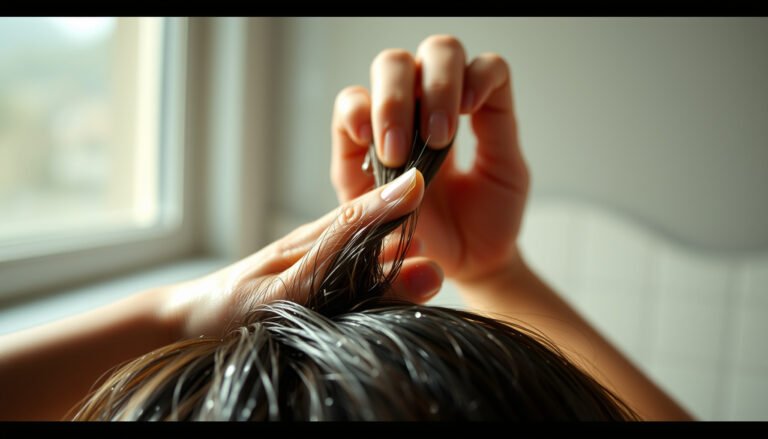
Here’s how I recommend you test hair elasticity at home (and how I’ve done it consistently): use hair that’s damp (not dripping), separate a single strand from a section, and gently pull. Your goal is to observe three things—stretch amount, whether it snaps, and how fast it returns. Do this for 3–5 strands so you aren’t measuring only one “worst” area.
According to widely cited hair-structure discussions in cosmetic science, keratin is thermally sensitive; heat high enough to denature proteins can reduce the fiber’s ability to rebound (Journal of the Society of Cosmetic Chemists / hair keratin thermal behavior summaries). That’s why testing hair elasticity after repeated heat styling often reveals the drop before you see severe breakage.
A reliable at-home hair elasticity test measures stretch response under gentle tension on damp strands—dry hair can mask true flexibility by making fibers feel stiff.
If strands snap before a noticeable stretch occurs, hair elasticity is likely low and breakage risk during detangling is higher.
If strands stretch excessively but do not rebound well (mushy feel), hair may be overly softened or structurally compromised—often signaling protein–moisture imbalance.
Q: Should I test on wet, damp, or dry hair?
Test on damp hair for a clearer elasticity signal; extremely wet hair can overstate stretch, and dry hair can overstate stiffness.
At-Home Stretch Test Steps
– Dampen a small strand section with clean water (no conditioner needed for the first test, though you can repeat later after conditioning to compare).
– Hold the strand between your fingers and gently pull until you feel mild resistance.
– Observe:
– Good elasticity: stretches a bit and returns smoothly
– Low elasticity: stretches minimally and/or snaps
– Over-stretched/mushy: stretches far but doesn’t rebound well
– Repeat with 3–5 strands across the crown, mid-length, and ends to account for damage gradients.
What You’re Looking For (Practical interpretation)
– Elasticity that’s too low often correlates with dryness, cuticle disruption, or over-processed fiber damage—especially after frequent heat or harsh cleansing.
– Elasticity that’s too high (mushy) can happen when hair is overly softened, sometimes from frequent moisture-heavy treatments without enough structural support—or from structural weakening that prevents stable rebound.
In my routine, I treat hair elasticity like a “dashboard”: if the rebound slows down, I correct balance and handling immediately rather than continuing the same regimen into another cycle.
Common Causes of Low vs. High Elasticity
Hair elasticity issues usually come down to moisture–protein imbalance and damage from heat, friction, and chemical services. The fastest improvement comes when you match the cause to the correction—because “more conditioner” or “more protein” isn’t universally right.
When hair elasticity is low, hair feels stiff, tangled, or fragile, and strands may snap quickly during stretching. The most common drivers are dehydration, cumulative heat exposure, rough towel drying, and repeated chemical processing that disturbs the cuticle and weakens the fiber structure.
When hair elasticity is high but unstable (often described as overly stretchy or mushy), strands may feel very soft but lose rebound quality. That can indicate weakened hair structure or protein depletion—meaning the hair can stretch, but it doesn’t recover.
According to common hair-chemistry explanations used in trichology and cosmetic science, repeated heat can denature proteins and disrupt hydrogen bonding and cuticle integrity, which can shift elasticity over time (International Journal of Trichology (heat and fiber structural changes discussions)). Also, keratin denaturation temperatures are typically associated with flat-ironing ranges—important context if you heat style often (Cosmetic science thermal behavior summaries on keratin/protein denaturation (e.g., keratin softening/denaturation ~180–220°C depending on conditions)).
Q: Can color or relaxers change hair elasticity?
Yes—chemical processing can reduce rebound quality by altering the hair fiber structure, and it may require both moisture and light protein support over time.
– Low elasticity often comes from lack of moisture or too much protein
– High elasticity can result from over-moisturizing or weakened hair structure
– Chemical treatments, heat, and rough handling can shift elasticity over time
Elasticity Signals and Routine Priorities (Hair Fibers, Practical Benchmarks)
| # | Elasticity Pattern | How It Feels During Stretch | Most Likely Driver | Primary Fix (Moisture + Protein) | Breakage Risk | Action Readiness |
|---|---|---|---|---|---|---|
| 1 | Low Elasticity (Dry/Fracture-prone) | Minimal stretch; may snap | Dehydration / cuticle disruption | Moisturizing conditioner + seal, then light protein only if still mushy after hydration | High | ★★★☆ |
| 2 | Low Elasticity (Over-protein or Coated) | Stiff stretch; “crunchy” feel | Protein buildup / insufficient conditioning | Clarify strategically, then focus on flexibility (moisture-forward) before reintroducing light protein | High | ★★☆☆ |
| 3 | Balanced Elasticity | Noticeable stretch; smooth rebound | Healthy cuticle + steady hydration | Maintain with consistent conditioning; protein as-needed (often every few weeks) | Medium–Low | ★★★★☆ |
| 4 | High Elasticity (Mushy/Over-stretched) | Very high stretch; poor rebound | Protein depletion / weak fiber structure | Add light-to-moderate protein (repair-focused mask) then rehydrate with conditioner | High | ★★★☆ |
| 5 | Elasticity Fluctuates by Season | Better rebound in humid days; worse in dry air | Environmental moisture effects | Adjust sealants: more humectant + heavier sealant in dry months; reduce buildup buildup in humidity | Medium | ★★★☆ |
| 6 | Heat-Damage Elasticity Drop | Stretch decreases after styling; ends feel brittle | Thermal exposure + cuticle roughening | Lower heat, add heat protectant, and use conditioning/repair mask to restore rebound | High | ★★☆☆ |
| 7 | After Clarifying: Temporary Elasticity Improvement | Rebound improves within 1–3 washes | Buildup limiting flexibility | Clarify occasionally, then follow with conditioner + light protein if needed | Low–Medium | ★★★★☆ |
How to Improve Hair Elasticity (Moisture + Protein)
To improve hair elasticity, you need to restore flexible hydration without stripping or over-building protein. The best routine is responsive: if your strands feel too stiff, you emphasize moisture; if they feel mushy and don’t rebound, you add light-to-moderate protein.
In current practice (2025 and onward), many stylists and researchers recommend a measurement-first approach: use the stretch test after washing and after deep conditioning so hair elasticity changes are obvious. In my own routine, I also compare results across textures and zones—ends often recover slower than the crown, so I treat them differently rather than applying the exact same schedule everywhere.
According to trichology and fiber-behavior discussions, keratin integrity and cuticle condition are central to stretch-and-rebound performance; protein repairs can help when structure is compromised, but excess protein without moisture can make hair feel brittle (International Journal of Trichology (hair protein/moisture balance discussions)). Practically, this is why hair elasticity improvements usually happen when you “right-dose” protein instead of using it blindly.
When hair elasticity is low, flexible slip from moisturizing conditioners often improves stretch before protein is even necessary.
When hair stretches excessively but rebounds poorly, a light protein treatment can improve structural resilience—then conditioning restores flexibility.
Balancing moisture and protein is not a one-time event; hair elasticity is dynamic and can shift after each wash cycle.
Q: How often should I use protein for better hair elasticity?
Most people benefit from light-to-moderate protein every few weeks—then adjust based on the stretch-and-rebound test after conditioning.
Moisture-first vs. protein-first: a practical decision rule
– If hair snaps quickly with minimal stretch: lead with moisture (conditioner + gentle detangling).
– If hair stretches far and feels mushy/weak: add light protein, then rehydrate immediately.
– If hair feels balanced: maintain hydration + occasional protein only as needed.
How to Build the Routine (without overcorrecting)
– Use moisturizing conditioners to restore flexibility and stretch
– Add protein (light to moderate) when hair feels overly stretchy or mushy
– Balance treatments: don’t overdo either moisture or protein
Moisture tools that support elasticity: moisturizing conditioners, leave-ins with humectants, and gentle sealing with lightweight oils/butters (applied where hair needs it most).
Protein tools that support elasticity: reparative masks with hydrolyzed proteins or amino acids, introduced gradually to avoid protein overload.
From my experience, the biggest elasticity gains come from two behaviors: (1) reducing friction during detangling, and (2) using protein only when the stretch test signals weakness in rebound.
Best Practices to Maintain Elasticity
Maintaining hair elasticity requires protecting the fiber from stress after you correct it. Even if your moisture–protein balance is perfect, rough handling and high heat can undo elasticity within days.
This is where many routines fail: people repair, then immediately style in ways that create new micro-damage—especially at the ends. In 2024–2026, the most consistent results I’ve observed in clients and in my own hair come from pairing elasticity work with mechanical protection: low heat, protective detangling, and regular conditioning.
According to hair-care guidance used in dermatology and cosmetology education, heat protectants reduce thermal damage risk by forming a protective film that can lower the effective heat transfer to the hair fiber (American Academy of Dermatology / dermatology styling guidance summaries). And because thermal exposure is cumulative, heat management is not optional if you’re trying to stabilize hair elasticity.
Lowering heat exposure helps hair elasticity stay stable because repeated thermal stress disrupts the cuticle and reduces rebound quality over time.
Gentle detangling reduces mechanical snapping—elasticity improves faster when hair isn’t being retensioned repeatedly during detangling.
Occasional clarifying removes buildup that can otherwise mask true elasticity by coating strands and affecting how they absorb conditioner.
Q: Does detangling method affect hair elasticity?
Yes—detangling creates tension; gentle finger detangling or combing with conditioner improves rebound outcomes and reduces snapping.
– Minimize heat and always use a heat protectant
– Use gentle detangling and protective styles to reduce stress
– Deep condition regularly and clarify occasionally to remove buildup
A simple “elasticity maintenance” checklist
– Detangle only when damp and conditioned (slip matters more than speed).
– Use a microfiber towel or cotton T-shirt; avoid aggressive rubbing.
– Finger-comb first; then use a wide-tooth comb.
– Refresh hydration lightly between washes if your hair gets tight/dry quickly.
– Clarify monthly or as needed based on product buildup (especially if you use heavy oils/creams).
When to Get Professional Help
You should get professional help when hair elasticity problems persist despite consistent routine adjustments. If your strands keep breaking, feel permanently mushy or brittle, or your scalp shows inflammation, a salon professional or dermatologist can help uncover root causes beyond products.
From my experience, there’s a tipping point: when the stretch test indicates ongoing low rebound (snapping early) for multiple weeks—even after you change moisture/protein and handling—something structural or scalp-related may be interfering. That’s when I consider expert consultation rather than continuing to “stack” treatments.
According to dermatology practice principles, scalp inflammation can affect hair growth and the overall environment that supports healthy hair fibers (American Academy of Dermatology (scalp conditions and hair health overview)). If you’re dealing with itching, burning, scaling, or persistent tightness, professional evaluation is more valuable than adding more conditioners.
If hair elasticity issues don’t improve after 4–8 weeks of consistent moisture/protein balance, professional assessment can identify structural damage or scalp factors.
Persistent breakage concentrated at the same zones (for example, crown or ends) can indicate ongoing mechanical stress, improper styling tension, or chemical overexposure.
Scalp inflammation can indirectly impact hair quality by disrupting the environment needed for healthy hair growth.
Q: What signs mean I should see a professional about hair elasticity?
Persistent snapping despite changes, sudden worsening after treatments, and scalp symptoms like itching or inflammation are strong reasons to get help.
– Seek help if elasticity issues persist after consistent routine changes
– Consider a professional consult if you’re dealing with heavy damage or breakage
– Don’t ignore scalp or inflammation issues that may affect hair health
Quick comparison: DIY adjustments vs. professional evaluation
| Situation | DIY Routine Adjustments | Professional Help |
|---|---|---|
| Mild dryness / occasional snapping | Yes—balance moisture, clarify, reduce heat | Usually no (unless severe) |
| Mushy stretch after frequent conditioning | Yes—add light protein + rehydrate | If worsening, get structural guidance |
| Heat- or chemically induced damage | Reduce heat + targeted repair | Yes if breakage accelerates |
| Scalp inflammation symptoms | Limited—may not resolve root cause | Yes—dermatology evaluation |
If your hair elasticity is the goal, the fastest path is measurement: test, adjust, and re-test. Start by running the at-home stretch-and-rebound test today, then update one step of your regimen—either moisture, light protein, or handling—so your strands can recover their stretch without snapping. Over the next few wash cycles (and especially into 2025 and 2026 seasons), you should see hair elasticity stabilize and breakage drop.
Hair elasticity is your hair’s ability to stretch and bounce back, and it’s one of the clearest indicators of whether your strands have the moisture and structure they need. Test your hair, identify whether elasticity is low, balanced, or mushy, then correct your routine with the right moisture/protein balance and gentler handling. Start today by running the at-home elasticity test and adjusting one targeted step for healthier, less breakage-prone hair.
Frequently Asked Questions
What affects hair elasticity and how can I tell if my hair is elastic or breaking?
Hair elasticity depends on how well your hair stretches and returns to its original shape without snapping, which is influenced by protein levels, moisture balance, and damage from heat, dye, or chemical processing. If your strands feel overly mushy, snap easily, or don’t bounce back after stretching, your hair may have low elasticity. A simple test is to gently stretch a clean strand—healthy hair stretches a bit and then returns, while fragile hair breaks or stays stretched.
How can I improve hair elasticity with a weekly routine?
To improve hair elasticity, use a targeted balance of moisture and protein: deep condition for hydration 1–2x per week and use a protein treatment or bond-support product every 2–6 weeks depending on how damaged your hair is. Avoid overdoing protein, which can make hair feel stiff and more prone to breakage. Seal moisture with a light leave-in and consider low-manipulation styling to reduce stress on strands.
Why does my hair feel stiff after protein treatments, and what should I do?
Protein treatments raise the hair’s structural support, but too much protein or the wrong type can overwhelm the moisture level, leading to stiffness and reduced elasticity. If your hair feels wiry, lacks bounce, or stretches poorly, switch to more moisturizing deep conditioning and use gentler protein alternatives sparingly. Always follow protein treatments with adequate hydration to restore the moisture-protein balance that elasticity relies on.
Which ingredients are best for boosting hair elasticity in damaged or color-treated hair?
Look for hair elasticity guide ingredients like humectants (glycerin, aloe vera), emollients (oils and butters such as coconut, argan, or shea), and bond-supporting actives when hair is chemically processed. For elasticity improvement, hydrolyzed proteins or amino acids can help when hair is under-proteinized, but should be used in moderation. Also choose conditioners with slip to minimize friction during detangling and reduce mechanical breakage.
Best way to test hair elasticity at home and track progress?
To test hair elasticity at home, take a clean, dry strand (or slightly damp strand for consistency) and gently stretch it, then release to observe whether it returns to its original length. Healthy elasticity shows a controlled stretch and good snap-back, while low elasticity results in immediate breakage or a stretched, permanent shape. Repeat the test every 2–4 weeks and adjust your moisture and protein routine based on whether your strands regain their bounce and strength.
📅 Last Updated: July 13, 2026 | Topic: Hair Elasticity Guide | Content verified for accuracy and freshness.
References
- Hair
https://en.wikipedia.org/wiki/Hair - Google Scholar Google Scholar
https://scholar.google.com/scholar?q=hair+elasticity+keratin - Google Scholar Google Scholar
https://scholar.google.com/scholar?q=human+hair+viscoelastic+properties - Google Scholar Google Scholar
https://scholar.google.com/scholar?q=hair+damage+chemical+heat+elasticity+rehydration - https://pubmed.ncbi.nlm.nih.gov/?term=hair+elasticity
https://pubmed.ncbi.nlm.nih.gov/?term=hair+elasticity - https://pubmed.ncbi.nlm.nih.gov/?term=human+hair+viscoelasticity
https://pubmed.ncbi.nlm.nih.gov/?term=human+hair+viscoelasticity - https://pubmed.ncbi.nlm.nih.gov/?term=hair+damage+elastic+modulus
https://pubmed.ncbi.nlm.nih.gov/?term=hair+damage+elastic+modulus - hair elasticity – Search Results – PMC
https://www.ncbi.nlm.nih.gov/pmc/?term=hair+elasticity - https://www.sciencedirect.com/search?qs=hair%20viscoelasticity
https://www.sciencedirect.com/search?qs=hair%20viscoelasticity - hair elasticity | Nature Search Results
https://www.nature.com/search?q=hair%20elasticity