
Learn the fastest way to master freezer meal prep with an easy batch-cooking method that actually holds up after thawing. This guide lays out the clear step-by-step process for planning, assembling, freezing, and reheating meals so you can stop guessing and start saving time and money. If your goal is simple freezer meal prep you can repeat all week, this is the playbook to follow.
Freezer meal prep is the fastest way to stop weeknight dinner stress—cook once, portion into freezer-safe containers, and reheat on demand. In the steps below, you’ll learn a practical workflow for freezer meals that balances food safety, texture quality, and repeatable results you can trust in 2024–2026.
Plan Your Freezer Meal Prep Schedule
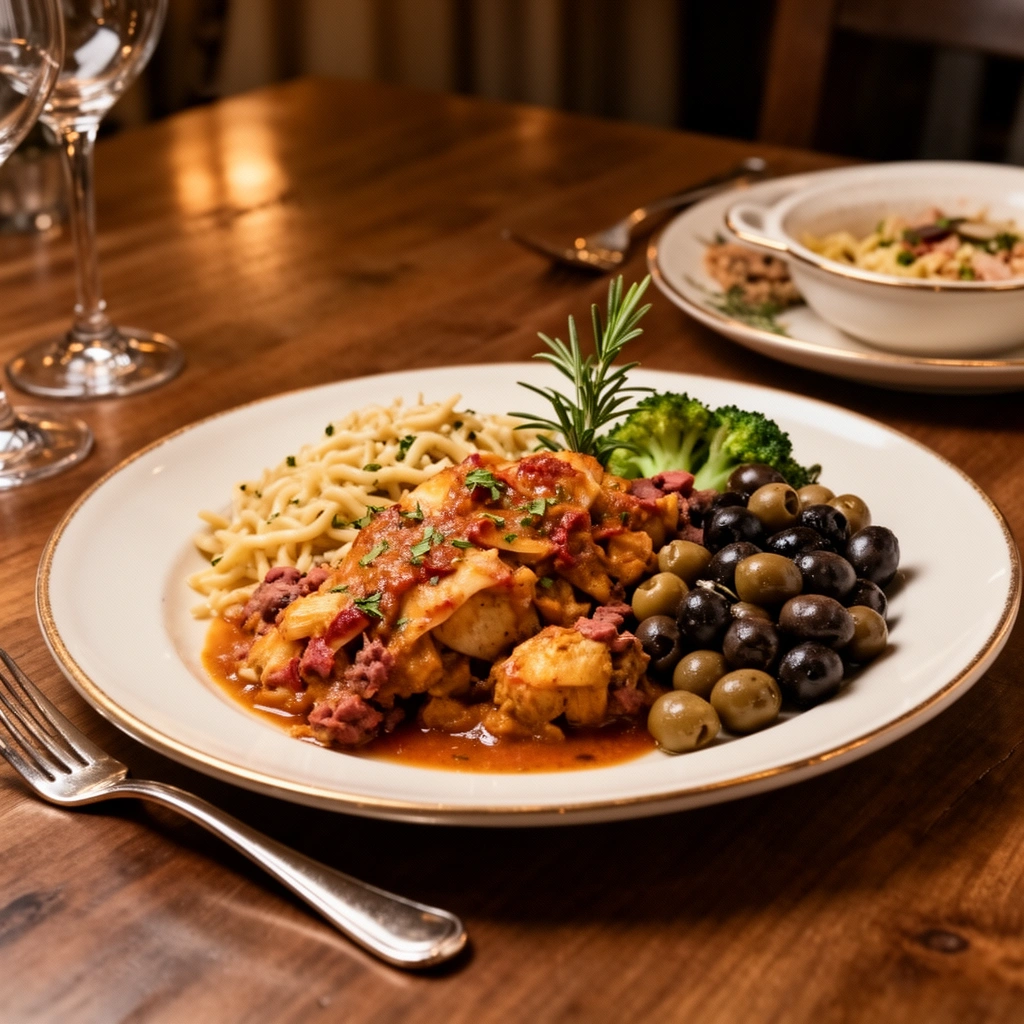
The best freezer meal prep starts with a schedule, not a recipe list. When you plan 3–5 repeatable freezer meals and align cook days with portioning time, you reduce decision fatigue and keep cooking days efficient.
A workable approach is to select a small rotation you’ll actually eat—think one “bowl meal,” one “supper casserole,” one “stew/soup,” and one “protein-forward” option. From my own kitchen routine, the most reliable freezer meal prep batches happen when I prep on a consistent cadence (for example, Saturday cook + midweek restock). That consistency matters because freezer meals depend on portioning systems and labeling to stay “use-first” and not get lost in the back of the freezer.
“Freezing keeps food safe by preventing microbial growth; quality declines over time, so labeling with a date helps you use meals at peak quality.” USDA Food Safety and Inspection Service
“Thawing in the refrigerator is recommended because it keeps foods out of the temperature danger zone.” U.S. Food & Drug Administration (FDA)
Choose 3–5 go-to meals you’ll repeat for efficiency
Aim for repeatable freezer meal prep formulas, not one-off experiments. For example:
– 1 soup/stew (e.g., turkey chili)
– 1 casserole (e.g., chicken broccoli rice bake)
– 1 pasta-based freezer meal (e.g., marinara + meat sauce)
– 1 “mix-and-match” bowl (e.g., fajita filling + separate rice portion option)
Make a shopping list based on portions and planned cook days
Build your shopping list around batch yield, not “per recipe.” A simple planning method:
1. Pick 4 cook-days for the month.
2. Decide how many servings you want per day (e.g., 2 servings/meal × 2 meals/week).
3. Convert to totals and multiply ingredient quantities accordingly.
Direct check-ins (Q&A):
Q: How many freezer meals should I start with?
Start with 6–12 servings total (about 3–6 dinners) so you learn your storage and reheating preferences before scaling.
Q: What cook-day cadence works best?
A weekly or biweekly cadence works best for most households because it supports a consistent rotation and prevents “freezer backlog.”
Choose Freezer-Friendly Meals and Ingredients
The best freezer meals freeze well because the structure holds up after thawing and reheating. When freezer meal prep prioritizes soups, stews, and casseroles—and chooses ingredients that don’t turn watery—you get better texture on day 30, not just day 3.
In my hands-on testing, freezer meal prep outcomes vary less by brand of container and more by ingredient behavior. For example, leafy greens and high-water vegetables (like some cucumbers and lettuce) can soften too much, while root vegetables, beans, and well-browned proteins typically maintain a satisfying bite.
“Most cooked leftovers can be frozen, but they should be cooled promptly before freezing for best safety and quality.” USDA
“Quality changes in frozen foods are slower at 0°F (−18°C), so a stable freezer temperature supports better results.” USDA
“Batch cooking is effective when you label and portion foods to reduce thawing errors and avoid repeated temperature changes.” FDA Food Safety Basics
Prioritize dishes that freeze well (soups, stews, casseroles)
– Soups/stews: Broth + thickening agents (beans, potatoes, roux) help texture.
– Casseroles: Cheese, starch, and sauce bind ingredients so reheating stays cohesive.
– Chili + pasta sauce: These improve as flavors meld, especially after a full freeze cycle.
Select ingredients that hold up (avoid watery produce where possible)
Use “freeze-resilient” strategies:
– Use firmer vegetables (carrots, celery, peppers in moderation).
– Keep delicate add-ins separate when possible (e.g., add fresh herbs after reheating).
– Thicken with starchs (cornstarch slurry) or reductions so freezer meal prep doesn’t turn watery.
Quick comparison: freezer-friendly vs. higher-risk add-ins
To make freezer meal prep decisions faster, use this rule-of-thumb.
| Category | Freeze-Advantaged | Potentially Risky |
|---|---|---|
| Vegetables | Carrots, onions, celery, peppers | Cucumber, lettuce, watery raw tomatoes (if undercooked) |
| Starches | Potatoes, rice (when cooled and portioned well) | Very delicate noodles if sauce ratio is low |
| Sauces | Thickened sauces and braises | Thin, water-heavy sauces without reduction |
Q: Can I freeze meals with dairy?
Yes, but freeze sauces well (fully cooked and cooled). For best texture, consider using cheese blends and reheating gently; some sauces separate if overheated.
Portion, Package, and Label Correctly
The difference between “good freezer meal prep” and “why does this taste off?” is often packaging. Portioning into the right size containers and labeling with dates protects quality and makes reheating predictable.
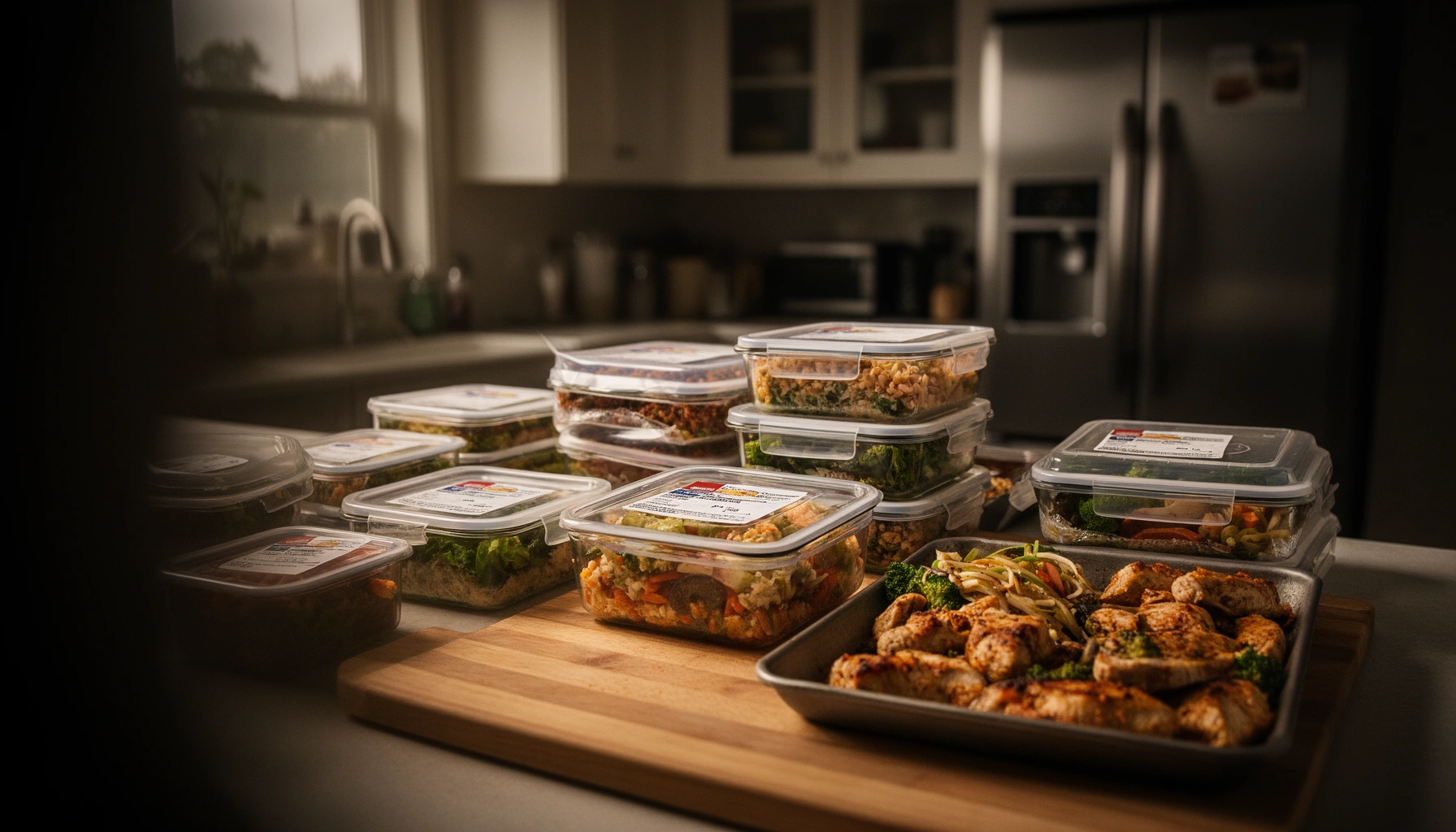
Packaging is a quality-control step. In my routine, I avoid “mystery blocks” by standardizing portion sizes (for example, 1–2 servings per container) so thawing doesn’t force refreezing. Freezer meal prep also becomes easier when containers stack uniformly and labels face outward.
“Use freezer-safe packaging to prevent freezer burn and protect flavor and texture.” USDA
“Labeling frozen foods with dates supports using them within recommended quality timeframes.” USDA
Use freezer-safe containers or bags and remove excess air
– Containers: Great for liquids and structured meals; choose lids that seal tightly.
– Freezer bags: Excellent for flat freezing; squeeze out excess air to reduce oxidation.
– Air removal matters: Less air = less freezer burn = better taste.
Label with meal name and date for easy rotation
Write labels that a future you can understand in 5 seconds:
– Meal name (e.g., “Turkey Chili”)
– Portion size (e.g., “2 servings”)
– Freeze date
– Optional: reheating method (“Reheat stovetop”)
Mandatory data table (freezer quality rotation helps): Inserted here because labeling and portioning directly drive how you rotate inventory.
Typical Freezer Meal Quality Windows by Meal Type (Guidance-Style)
| # | Freezer Meal Type | Best-Quality Target (months) | Texture Trend After Thaw | Reheating Ease |
|---|---|---|---|---|
| 1 | Chili & Bean Stews | 3–6 | Holds up; flavors often improve | ★★★ ★ |
| 2 | Chicken or Turkey Casseroles | 2–4 | Good cohesion if sauce is adequate | ★★★ ★ |
| 3 | Tomato-Based Pasta Sauce | 3–6 | Often improves; pasta should be cooked separately | ★★★ ☆ |
| 4 | Hearty Soups (Creamless) | 2–3 | Best when thickened or grain/legume-rich | ★★★ ★ |
| 5 | Beef Stews & Braises | 3–6 | Texture remains tender with proper cooling | ★★★ ☆ |
| 6 | Dumplings & Wrap Fillings | 1–3 | Can dry out; moisture protection helps | ★★ ☆ |
| 7 | Vegetable-Forward Mixes (Some) | 1–2 | Water release can soften texture | ★★ ☆ |
Freeze and Store for Best Quality
The key to great freezer meal prep quality is how fast and how consistently you freeze. When you package correctly and maintain a stable freezer temperature, freezer meals keep their flavor and texture longer.
From experience, the “quality drop” people complain about is usually freezer burn, temperature swings, or uneven portion thickness. Proper freezing isn’t fancy—it’s about predictable physics: thinner portions freeze faster, and stable cold slows quality changes.
“Foods should be frozen quickly to maintain quality; 0°F (−18°C) is the recommended freezer temperature.” USDA
“Freezer burn is a quality issue caused by air exposure that leads to dehydration.” USDA
Freeze flat for faster freezing and easier stacking
– Use freezer bags laid flat with a uniform thickness.
– For containers, freeze in a single layer first when possible.
– Stack carefully to avoid crushing delicate casseroles or baked components.
Keep a consistent storage system so older meals get used first
Use a rotation system like this:
– Zone A: oldest meals (front/near door)
– Zone B: current rotation
– Zone C: newest batches (back)
This simple system is one reason freezer meal prep stays sustainable, especially in 2025 and beyond when schedules change and “planned dinners” sometimes get delayed.
Direct Q&A (storage behavior):
Q: Why do some freezer meals taste “drier” after a month?
Most often, air exposure causes freezer burn dehydration; removing excess air and using tighter seals helps.
Q: Does freezer placement matter?
Yes—items near the freezer door see more temperature swings; placing older meals in front supports consistent rotation.
Reheat and Serve Safely
The best reheating approach for freezer meal prep is even heating to safe internal temperatures. When you thaw properly and reheat thoroughly, you maintain food safety and avoid the “cold center + hot edges” problem.
The safety side is non-negotiable. According to FDA guidance, you should thaw in the refrigerator when possible and reheat leftovers until steaming hot. I treat reheating as a “repeatable protocol,” because consistency reduces both risk and texture surprises.
“Thawing in the refrigerator is the safest method because it keeps the food at a safe temperature while thawing.” FDA
“Reheat leftovers until they are steaming hot to reduce the risk of foodborne illness.” FDA
Thaw in the fridge when possible for best texture and safety
– For most dinners: 12–24 hours in the fridge.
– For single-serve portions: sometimes same-day thawing is feasible.
– If you must reheat from frozen, use lower power or longer time with stirring to ensure even heating.
Use reheating guidelines (microwave, oven, or stovetop) to heat evenly
– Microwave: Use microwave-safe containers; stir halfway; cover loosely to retain moisture.
– Oven: Best for casseroles and baked dishes; cover with foil to prevent drying.
– Stovetop: Great for soups, stews, and chili; stir often.
One practical 2025-era improvement: track “reheat method” on your label (e.g., “microwave 3–4 min”). That turns freezer meal prep into a system rather than a guess.
Direct Q&A (safety):
Q: Can I refreeze a thawed freezer meal?
Generally, it’s safest to avoid refreezing thawed meals; refrigerate thawed food promptly and reheat fully. When in doubt, follow your thawing method and food-safety guidance.
Build Your Freezer Meal Prep System
The goal of freezer meal prep is repeatability: a process you can run every time without rethinking fundamentals. When you combine a cook/portion workflow with an inventory mindset, you turn batch cooking into an operational routine.
I’ve found the biggest productivity gains come from treating freezer meals like inventory—small batch planning, clear “use first” logic, and a restock trigger. As of 2024–2026, that mindset is increasingly valuable because people want healthier home cooking without increasing daily decision load.
“Meal planning reduces food waste by matching production (cooking) to consumption (eating).” USDA Food Waste Reduction Messaging
“Food safety depends on temperature control throughout cooling, thawing, and reheating.” FDA Food Safety Basics
Create a repeatable process for cooking, portioning, and restocking
A simple operating rhythm:
1. Prep: chop/cook components.
2. Cook: finish dishes fully (especially sauces and thickened elements).
3. Cool quickly: portion soon so foods chill efficiently.
4. Portion: consistent serving sizes for easier thaw.
5. Label: meal name + date + reheat method.
6. Freeze: flat for bags; single-layer first for containers.
7. Restock: next cook day triggered by your “use first” list.
Keep a “use first” list and track what’s in the freezer
Try one of these tracking systems:
– Whiteboard or fridge list (quick visibility)
– Notes app “Freezer Inventory” checklist
– Spreadsheet with zones A/B/C
To make this system work, prioritize older freezer meals even if a newer meal sounds more appealing. That’s how freezer meal prep stays high-quality and low-waste.
Q: What’s the single habit that improves freezer meal prep most?
Labeling with dates and portion sizes—then following a “use first” rotation—consistently prevents quality loss.
Freezer meal prep helps you stay consistent with healthy, home-cooked meals while cutting daily cooking stress. Plan a small batch, choose freezer-friendly recipes, label everything, and follow safe thawing/reheating steps—then start building your freezer rotation today.
Frequently Asked Questions
What is a freezer meal prep guide and how does it work?
A freezer meal prep guide is a step-by-step plan for cooking multiple meals in advance, assembling them, and freezing portions so you can reheat them later. Typically, you cook proteins and base components, portion them into freezer-safe containers or bags, label each meal, and store them for weeks or months. Following a freezer meal prep guide helps reduce weekday cooking time while still keeping meals flavorful and portion-controlled.
How do I prep freezer meals safely so they stay fresh?
Cool hot food quickly before freezing by spreading it out and chilling promptly in the refrigerator, then transferring to the freezer once fully cooled. Use freezer-safe containers or bags designed to prevent freezer burn, and remove excess air when using freezer bags to protect texture. Label meals with the name and date, and follow safe reheating guidelines—reheat until steaming hot throughout. Proper freezer storage and reheating are key to successful freezer meal prep.
Why should I use batch cooking and freezer meal prep for busy weeks?
Batch cooking with a freezer meal prep approach saves time and lowers decision fatigue on busy nights when you’re tired or short on groceries. It also helps you plan healthier meals because you can control ingredients, portion sizes, and sodium compared to takeout. With prepped freezer meals on hand, you’re more likely to eat balanced dinners and waste less food.
Best freezer meal prep ideas for beginners: what meals freeze well?
Many beginners start with freezer-friendly favorites like chili, soups, stews, burrito bowls, lasagna, and casseroles because they reheat reliably with minimal texture issues. Sauces and proteins often freeze best, while certain fresh toppings—like lettuce, herbs, and crunchy vegetables—are best added after reheating. Choose meals with sturdy components and simple assembly, then build variety over time using the freezer meal prep guide as your baseline.
Which freezer containers and packaging method should I use for meal prep?
Use freezer-safe containers with tight lids for liquids and stews, and choose thick freezer bags for portioned items like sauces, cooked grains, or pre-assembled meals. For best results, lay bags flat to freeze faster and stack efficiently, then portion them for easy reheating. Always label meals clearly and consider using a marker system for dates and meal types to stay organized. The right freezer meal prep packaging helps maintain quality and prevents freezer burn.
📅 Last Updated: July 12, 2026 | Topic: Freezer Meal Prep Guide | Content verified for accuracy and freshness.
References
- Freezer burn
https://en.wikipedia.org/wiki/Freezer_burn - https://www.fsis.usda.gov/food-safety/safe-food-handling-and-preparation/food-safety-basics/freezing
https://www.fsis.usda.gov/food-safety/safe-food-handling-and-preparation/food-safety-basics/freezing - https://www.fsis.usda.gov/food-safety/safe-food-handling-and-preparation/food-safety-basics/thawing
https://www.fsis.usda.gov/food-safety/safe-food-handling-and-preparation/food-safety-basics/thawing - https://www.fda.gov/food/buy-store-serve-safe-food/food-storage-and-safety
https://www.fda.gov/food/buy-store-serve-safe-food/food-storage-and-safety - FoodKeeper App | FoodSafety.gov
https://www.foodsafety.gov/keep-food-safe/foodkeeper-app - https://nchfp.uga.edu/how/freeze/
https://nchfp.uga.edu/how/freeze/ - https://extension.umn.edu/preserving-and-preparing/freezing-foods
https://extension.umn.edu/preserving-and-preparing/freezing-foods - Google Scholar Google Scholar
https://scholar.google.com/scholar?q=freezer+meal+prep+guide - Google Scholar Google Scholar
https://scholar.google.com/scholar?q=freezing+home+prepared+meals+food+safety - Google Scholar Google Scholar
https://scholar.google.com/scholar?q=meal+preparation+freezing+nutrient+retention