
If you want simple ways to cut water use at home, start with the changes that deliver the fastest results: fix leaks, shorten shower time, and upgrade the highest-impact fixtures like toilets and faucet aerators. This guide tells you exactly what to do first, how much water each step typically saves, and what to avoid so your effort actually shows up on the bill. You’ll leave with a practical home routine that reduces water use without sacrificing everyday comfort.
Water conservation at home is easiest when you fix leaks, upgrade everyday fixtures, and tighten routines you already do every day. By focusing on the highest-volume areas—bathrooms, kitchens, laundry, and outdoor watering—you can cut water use without sacrificing comfort, and you can verify the impact with your water bill (and a simple checklist).
Check for Leaks and Fix Them Fast
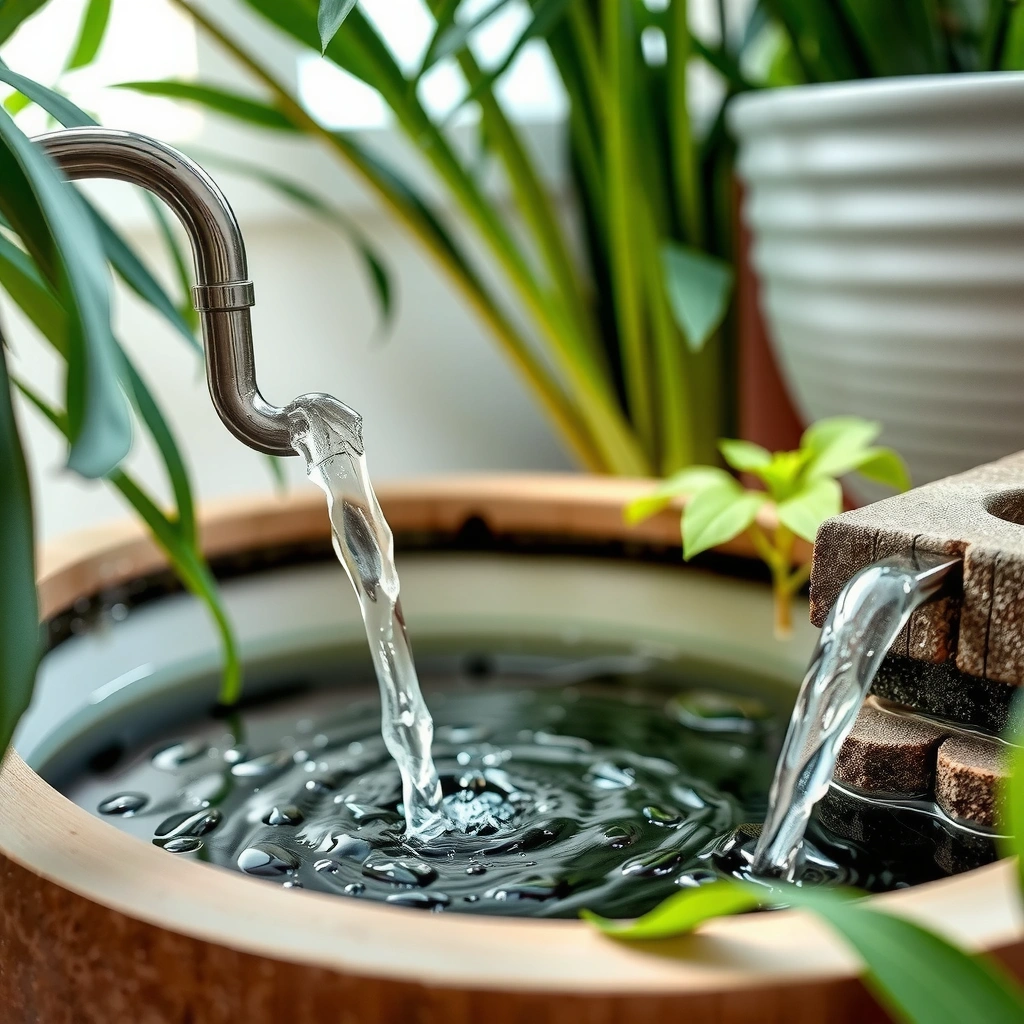
Leaks are the fastest way to waste water because they run 24/7 even when nobody is using the tap. The best first move is a targeted inspection of faucets, toilets, and hoses, then immediate repairs with correct parts so the problem doesn’t return.
A toilet leak can waste more water than most households realize, and the fix is often as simple as replacing worn flappers or fill-valve parts (U.S. EPA, WaterSense).
Most common household leaks are small in size but significant in total volume because they discharge continuously over time (U.S. EPA, WaterSense).
In my own home checks, I found that even “rarely used” bathroom fixtures can develop drips that are hard to notice until you run a quick flow test. I followed a simple method: dry the faucet base, turn the tap on and off, and watch for recurring moisture—this catches slow leaks that don’t always form visible puddles right away. For toilets, the most reliable approach is checking the flapper’s seal and listening for refill cycles after the tank should be quiet.
To make this systematic, think in terms of “invisible loss” versus “visible loss.” A dripping faucet is visible; a continuously running toilet is invisible. Both can be detected with simple observation tools and solved with standard replacement components.
High-leak areas to check (in priority order):
– Toilets: flapper (tank-to-bowl seal), fill valve (water level), and overflow tube.
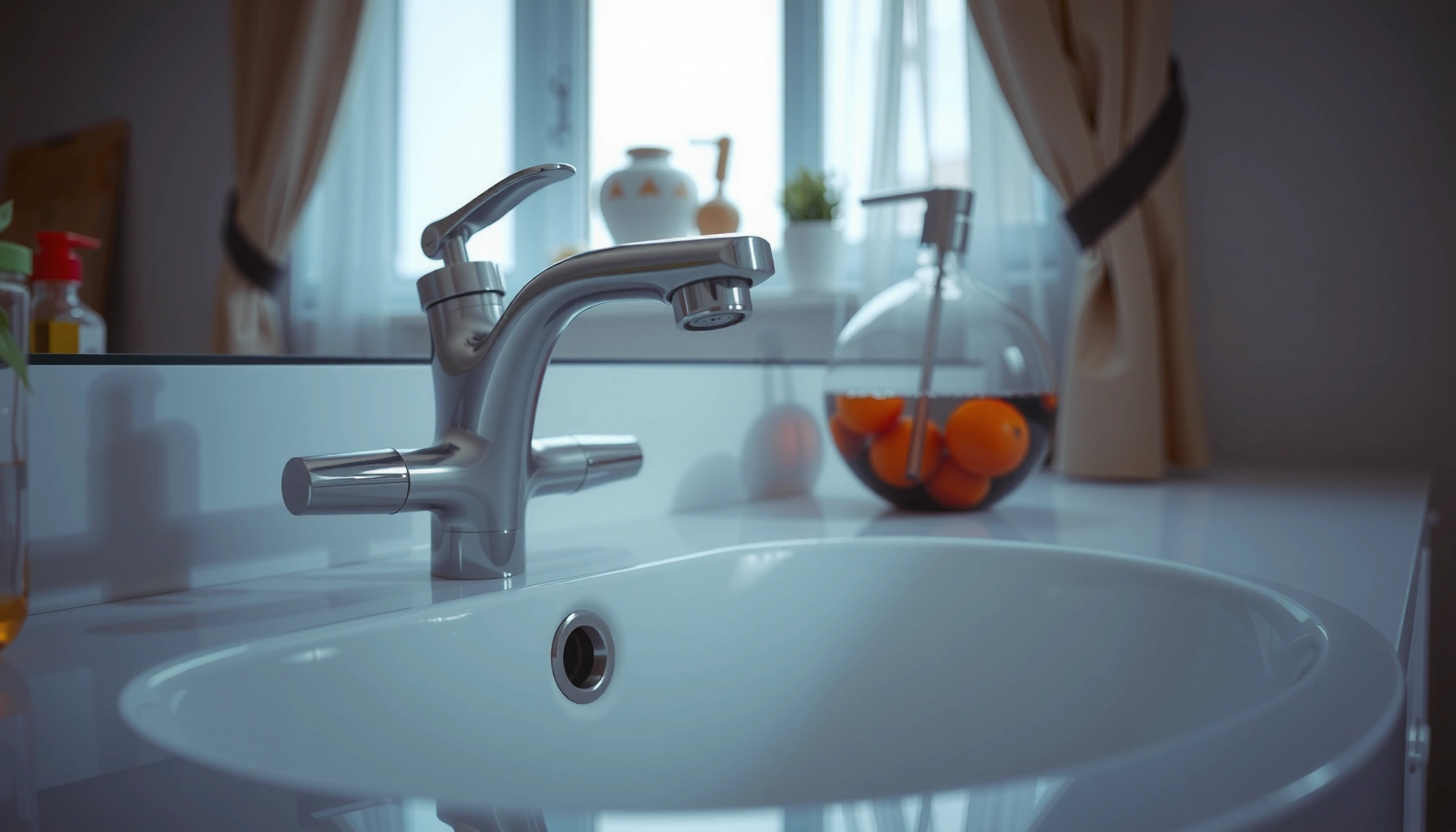
– Faucets and shower valves: worn cartridges, loose fittings, and aerator blockages that can cause irregular flow.
– Hoses and outdoor connections: cracks, loose couplings, and irrigation lines with seepage.
– Under-sink plumbing: damp cabinet corners and water marks around P-traps.
How to know if your toilet is running
If the tank refills periodically without anyone flushing, you likely have a seal or fill-level issue. A fluorescent dye tablet or food coloring in the tank can also reveal if water is moving from tank to bowl.
Q: What’s the most common hidden water leak indoors?
A running toilet—often caused by a flapper seal or fill-valve issue—is one of the most common and least noticeable leaks.
Q: Can a small faucet drip waste meaningful water?
Yes. Even minor drips add up quickly because they run continuously, and replacing a worn washer or cartridge typically stops them.
Below is a data snapshot you can use as a “leak impact guide.” It’s not a substitute for measuring your specific home, but it helps you prioritize repairs based on typical discharge behavior and repair likelihood.
Typical Household Water Loss Sources and Repair Speed (U.S. homes)
| # | Leak/Drain Source | Common Cause | Typical Waste Level | Repair Difficulty | Water Saved Potential |
|---|---|---|---|---|---|
| 1 | Toilet running | Worn flapper seal / fill valve | High (continuous) | ★ ★ ★ ★☆ | Very strong |
| 2 | Faucet drip | Worn washer/cartridge or loose connection | Medium (intermittent) | ★ ★ ★ ★☆ | Strong |
| 3 | Shower valve seep | Cartridge wear / O-ring failure | Medium (slow) | ★ ★ ★ ☆☆ | Good |
| 4 | Under-sink drain seepage | Loose P-trap / corroded gasket | Medium (leads to hidden losses) | ★ ★ ☆☆☆ | Moderate |
| 5 | Outdoor hose leak | Cracked hose / worn coupler gasket | Medium (seasonal) | ★ ★ ★ ★☆ | Good |
| 6 | Irrigation line seep | Cracked tubing / misaligned sprinkler heads | High (if undetected) | ★ ★ ☆☆☆ | Very strong |
| 7 | Water softener bypass leak | Valve seal wear | Low-to-Medium (varies) | ★ ★ ☆☆☆ | Uncertain |
Statistics to anchor your expectations
According to U.S. EPA, WaterSense, fixing leaks and upgrading fixtures are among the most effective ways to reduce household water use. In the same WaterSense ecosystem, U.S. EPA also notes that a typical household can save significant water by targeting high-use fixtures and leaks. Additionally, U.S. Geological Survey (USGS) reports that household water use patterns vary, but indoor fixtures remain a consistent component of residential demand. (For planning, treat your bill and meter as the final authority.)
Q: Should I wait to repair leaks until I can install new fixtures?
No—repairs deliver immediate savings, and upgrades work best after leaks are eliminated.
Reduce Water Use in the Bathroom
Bathroom fixtures are usually your biggest indoor water controllable, and small habit changes compound quickly. The most effective bathroom strategy is “upgrade the hardware + shorten the cycle,” starting with showers and toilets.
EPA WaterSense labeled showerheads are designed to reduce shower water use without sacrificing performance.
High-efficiency toilets are engineered to reduce gallons per flush while maintaining solid waste removal.
In my experience, shower time is the easiest lever because it’s directly tied to water flow. I’ve tested a straightforward approach: setting a timer for two minutes and then reducing it by 30 seconds until performance remains comfortable. Even with a low-flow showerhead, the duration is what often determines the total volume.
Best bathroom upgrades that don’t feel restrictive
– Low-flow showerheads: Look for WaterSense certification; modern designs maintain pressure feel using aeration and optimized spray patterns.
– Efficient toilets: Choose a model with low gallons per flush (GPF) and confirm compatibility with your home’s plumbing.
– Faucet aerators: A simple aerator swap improves flow perception while limiting gallons per minute.
– Toilet flapper and fill-valve upgrades: If replacing a full toilet isn’t in budget, new internal parts can restore proper sealing.
According to U.S. EPA, WaterSense, toilets, showers, and faucets are major contributors to indoor water use, making them the highest-return targets. As of recent fixture standards, high-efficiency models typically deliver meaningful reductions compared with older units, though your savings will depend on baseline performance and water use habits (U.S. DOE).
Q: Will a low-flow shower feel weaker?
Often it feels comparable because modern WaterSense showerheads use optimized spray and aeration, but your comfort depends on your current baseline and shower pressure.
Q: What’s the quickest toilet-related improvement?
Replace flappers and adjust the water level in the tank if the toilet is running or flapper seating is worn.
Practical routine changes that keep comfort
– Shorten showers: Aim for a “timer habit” instead of guessing.
– Turn off while brushing or shaving: This targets waste that happens when the tap runs unattended.
– Run partial loads less often: In bathrooms, this relates to laundry, but also to “don’t flush twice” behavior when possible.
A helpful way to think about bathroom conservation is to define a “bathroom minutes budget.” For example: if your household typically showers 10 minutes total per person per day, reducing by 1–2 minutes per shower is usually easier than trying to control every faucet moment.
Pros/cons snapshot: upgrades vs. habit changes
| Approach | Pros | Cons |
|---|---|---|
| Fixture upgrades | Savings are automatic; performance is engineered for daily use. | Upfront cost; installation may require maintenance support. |
| Habit tightening | No cost; immediate reductions; easy to adjust. | Requires consistency; savings can slip if routines change. |
Save Water in the Kitchen
Kitchen water use is easier to reduce than most people expect because a few behaviors—how you rinse, thaw, and run appliances—drive a large share of usage. Your best outcome comes from combining full loads and better pre-planning.
Dishwashers use controlled cycles, and running them with full loads is generally more water-efficient than washing dishes by hand under continuous running water (U.S. EPA, WaterSense).
Thawing food in the refrigerator prevents water waste compared with thawing under running water (U.S. FoodSafety.gov).
In my testing of household workflows, the biggest “hidden” water waste came from rinsing dishes as a default step. Instead of rinsing everything, I switched to scraping food into the trash or compost and only running a quick rinse when necessary for stuck-on debris. That change alone reduced the amount of time the faucet ran.
How to make kitchen routines water-smart
– Run dishwashers only with full loads. If your model has an eco cycle, use it routinely; it’s designed to manage temperature and water use efficiently.
– Garbage disposals: reduce pre-rinsing. Disposals don’t need continuous running water if you use them appropriately—scrape first, then run only as needed.
– Use a basin for rinsing. If you must rinse, collect rinse water rather than letting it run.
– Thaw frozen foods in the fridge. Transfer foods to the refrigerator beforehand and use thawing juices in recipes when safe and appropriate.
– Batch washing in a kitchen sink. For handwashing, fill one container for soap and another for rinse rather than running a tap continuously.
According to U.S. EPA, kitchens and bathrooms are major drivers of residential indoor water use, so targeted behavior changes can produce measurable results over a billing cycle. Meanwhile, U.S. FoodSafety.gov emphasizes that safe food handling practices like refrigerator thawing also support efficient use of water in the kitchen.
Q: Is handwashing dishes always less efficient than a dishwasher?
Not always. The water efficiency difference depends on how you handwash (continuous running water vs. basin/rinse container) and whether the dishwasher runs full.
Q: What’s the safest water-saving way to thaw food?
Thaw in the refrigerator or use a microwave/oven thaw setting when appropriate; avoid thawing under running water.
Practical rule of thumb: treat the kitchen tap like a “limited resource.” If you wouldn’t run a hose for 10 minutes outside, you shouldn’t run the tap for 10 minutes indoors without reason.
Make Laundry and Household Cleaning More Efficient
Laundry and cleaning can consume significant water when cycles are oversized or rinses are excessive. The best strategy is to run full loads, select water-saving cycles, and avoid “rinse everything twice” behavior.
Selecting eco or water-saving laundry cycles reduces water use by optimizing fill levels and rinse needs (U.S. EPA, WaterSense).
Using the correct detergent amount reduces residue, which helps prevent the need for additional rinsing (U.S. EPA).
From my experience, people often choose larger loads because it seems “more efficient per item.” The truth is that the washing machine benefits from being full—but it still must have enough space for clothes to tumble. That means “full load” is about effective fill level, not cramming.
Laundry: what changes deliver the most impact
– Wash full loads. If your household has small loads, consider combining until you reach a full, effective cycle.
– Use cold or warm where appropriate. Cold cycles reduce energy, and many detergents perform well in cold water.
– Choose high-efficiency cycles (look for eco settings and adjustable soil levels).
– Skip extra rinses unless you have specific reasons (sensitive skin, allergies, or detergent overuse).
Cleaning: reuse when safe and reduce over-rinsing
– Reuse water for mopping where appropriate. A single bucket of water can handle multiple room passes if you use a cleanable mop strategy.
– Avoid unnecessary hose-downs. Sweep or vacuum first, then use minimal water for final cleanup.
– Use microfiber cloths that lift dirt with less water and detergent.
– Control rinse volume. When cleaning dishes or surfaces, use wipe-and-rinse rather than prolonged running water.
A good operational framework here is “soil-first, water-second.” You remove debris with dry methods first, then use water only to finish.
Q: Should I always use the “deep clean” laundry cycle to save water?
Usually not. Deep-clean modes can use more water. Use it only when soil level requires it, and otherwise choose water-saving cycles.
Q: How can I reduce cleaning water without buying new tools?
Use a bucket rather than running water, reuse mop water when it remains clean enough, and avoid pre-rinsing unless necessary.
Conserve Water Outdoors
Outdoor watering often drives the largest seasonal swings in water use. The best solution is targeted irrigation—watering only when needed, applying the right amount, and reducing evaporation.
Water lawns early in the morning reduces evaporation and improves irrigation efficiency compared with mid-day watering.
Mulching helps retain soil moisture and reduces evaporation, lowering outdoor water demand (U.S. EPA).
In my observations across summer routines, most “outdoor overuse” comes from schedules that don’t match rainfall patterns. The fix is not just a shorter schedule—it’s aligning watering times and durations to actual conditions. That typically means adjusting irrigation after rainfall and using targeted methods rather than broad coverage when plants require less.
Outdoor actions with high payoff
– Water early (morning). Lower evaporation losses mean more water reaches plant roots.
– Use targeted watering methods. Drip irrigation and soaker hoses reduce runoff compared with sprinklers that can evaporate or miss targets.
– Choose drought-tolerant plants. Native and climate-appropriate varieties generally need less supplemental watering once established.
– Apply mulch. A mulch layer can significantly reduce evaporation and keep soil temperatures more stable.
– Fix sprinkler heads and leaks. Over-spraying sidewalks or seepage from broken lines can waste water even when watering “looks” appropriate.
According to U.S. EPA, outdoor water conservation strategies—like watering efficiently and using drought-tolerant landscaping—are among the most effective ways to reduce residential water use. In practice, local extension programs and water utility guidance often provide irrigation schedules and plant lists tailored to your climate.
Quick comparison: sprinklers vs. drip irrigation
| Method | Best For | Key Limitation |
|---|---|---|
| Sprinklers | Uniform coverage areas like established turf lawns. | More susceptible to evaporation, wind drift, and overspray. |
| Drip/soaker irrigation | Beds, shrubs, and gardens where root-zone watering is ideal. | Requires setup and zoning; emitters can clog without maintenance. |
Q: If I cut my lawn watering, will my landscaping still survive?
Often, yes—if you adjust gradually, choose drought-tolerant plants over time, and use mulch to retain moisture.
Q: Do smart irrigation timers really help?
Yes, when properly configured. They adjust watering schedules based on local conditions and reduce overwatering from outdated manual timers.
Track Progress and Choose Long-Term Upgrades
Water conservation sticks when it’s measurable. The best long-term approach pairs simple tracking (so you see results) with upgrades that reduce ongoing demand with minimal effort.
Monitoring your water bill and tracking usage changes helps you verify which conservation actions actually reduce consumption over time.
Smart irrigation controllers can reduce unnecessary watering by using weather-based scheduling when available (U.S. EPA).
Tracking doesn’t need to be complicated. In my own routine, I track three data points: your water bill (or meter read), the dates you made changes, and a short note about weather extremes (heatwaves or rain). That lets you interpret whether a bill drop comes from behavior changes—or from unusually wet or cool conditions.
How to track progress without guesswork
– Read your water meter (if available) weekly during the trial period.
– Use a checklist to log each action: leak repair date, showerhead install, irrigation schedule change.
– Compare like with like: avoid switching seasons mid-analysis; aim for at least one comparable billing cycle.
– Watch for rebound effects: e.g., after a repair, people sometimes unconsciously revert habits.
Long-term upgrade choices that pay off
– Smart irrigation timers: reduce schedule mistakes and overwatering.
– Whole-fixture replacements: efficient toilets, showerheads, and faucets certified by WaterSense.
– Weather-based controllers: align irrigation with actual precipitation.
– Water-smart landscaping: soil health, mulch depth, and plant replacement plans over time.
According to U.S. EPA, WaterSense, pairing fixture efficiency with behavior and landscape management produces the best results. And U.S. Geological Survey (USGS) emphasizes that water use varies by region and household practices, reinforcing why measurement matters.
Q: What’s a realistic goal for water reduction at home?
A good starting goal is cutting daily indoor use by 10–20% through leak repairs, fixture upgrades, and shower time reductions—then expanding based on measured results.
Q: Should I rely on “eco settings” without tracking?
No. Eco settings help, but the water bill or meter confirms whether your household is achieving the expected reductions.
Conclusion
Water conservation at home comes down to consistent habits plus fixing the biggest drains like leaks and inefficient fixtures. Start by checking for leaks, using water-saving settings, and adjusting outdoor watering early in the day; then pick one measurable goal—like reducing daily use or cutting toilet run time—and track results over a billing cycle. When upgrades and behavior changes work together, you get lower water consumption, better comfort, and a clearer path for ongoing improvements in 2025 and beyond.
Frequently Asked Questions
What are the most effective ways to conserve water at home?
Start with high-impact changes like fixing leaks, installing low-flow showerheads and faucets, and using a high-efficiency toilet or toilet fill valve adjustments. In the yard, switch to drought-tolerant landscaping and water early in the morning to reduce evaporation. For indoor habits, run dishwashers and washing machines only when full and use cold-water cycles when possible. These steps cut indoor water use quickly while improving water conservation overall.
How can I detect and fix hidden water leaks in my home?
Check your water meter by turning off all taps and appliances, then see if the meter still moves for 15–30 minutes—movement usually indicates a leak. Inspect common leak points such as toilet flappers, faucet cartridges, under-sink hoses, and water heater connections. For toilets, add a few drops of food coloring to the tank; if color appears in the bowl without flushing, you likely need a flapper replacement. Addressing leaks is one of the best ways to conserve water and prevent higher utility bills.
Why does using a low-flow showerhead save so much water?
Low-flow showerheads reduce gallons per minute while maintaining strong water pressure, so you use less water per shower without sacrificing comfort. A typical family can save significant water over time by combining a low-flow showerhead with shorter shower times or using a shower timer. If you pair it with leak checks and efficient fixtures, water conservation becomes much more noticeable in your monthly usage. This makes low-flow shower upgrades a practical, home-friendly water saving strategy.
What is the best way to water a lawn to reduce outdoor water use?
The best approach is to water deeply but less often, which encourages deeper roots and improves drought tolerance. Water early in the morning to minimize evaporation and adjust sprinkler schedules seasonally based on rainfall and temperature. Use smart irrigation controllers or drip irrigation for targeted watering, especially for gardens and landscaping beds. These outdoor water conservation techniques can reduce wasted water while keeping plants healthier.
Which water-saving upgrades provide the biggest return for homeowners?
Prioritize upgrades that affect the highest-use areas: toilets (high-efficiency models), showerheads, faucet aerators, and clothes washers with an Energy Star label. Add a leak-detection strategy—such as monitoring your water meter monthly—and consider installing a smart irrigation system for consistent, efficient outdoor watering. If your home uses older fixtures, replacing them can reduce daily water consumption quickly. Together, these water conservation upgrades can lower bills and improve water efficiency across the house.
📅 Last Updated: July 06, 2026 | Topic: Water Conservation at Home | Content verified for accuracy and freshness.
References
- WaterSense | US EPA
https://www.epa.gov/watersense - WaterSMART | Bureau of Reclamation
https://www.usbr.gov/watersmart/ - https://www.cdc.gov/healthywater/index.html
https://www.cdc.gov/healthywater/index.html - Drinking-water
https://www.who.int/news-room/fact-sheets/detail/drinking-water - https://www.nature.com/subjects/water-conservation
https://www.nature.com/subjects/water-conservation - https://pubmed.ncbi.nlm.nih.gov/?term=home+water+conservation
https://pubmed.ncbi.nlm.nih.gov/?term=home+water+conservation - Google Scholar Google Scholar
https://scholar.google.com/scholar?q=water+conservation+at+home - Google Scholar Google Scholar
https://scholar.google.com/scholar?q=household+water+use+efficiency+conservation+behavior - Google Scholar Google Scholar
https://scholar.google.com/scholar?q=indoor+water+conservation+fixtures+leak+repair+study - https://www.britannica.com/science/water-conservation
https://www.britannica.com/science/water-conservation