
Batch cooking guides you through planning, prepping, and storing meals so weeknight dinners stay simple instead of stressful. If your real question is how to batch cook efficiently without sacrificing flavor or food safety, this guide delivers a clear system you can run in one or two cooking sessions. You’ll learn exactly what to prep, how to organize storage, and the fastest way to reheat for best texture and taste.
Batch cooking helps you save time and eat better by cooking multiple meals (or meal components) in one session, then storing them for later—consistently and safely. This guide shows you exactly how to plan your batch cook, run an efficient prep-and-cook workflow, and use storage/reheating practices that protect food quality and minimize food-safety risk—so ready-to-eat meals are genuinely “grab-and-go.”
What Batch Cooking Is (and Why It Works)
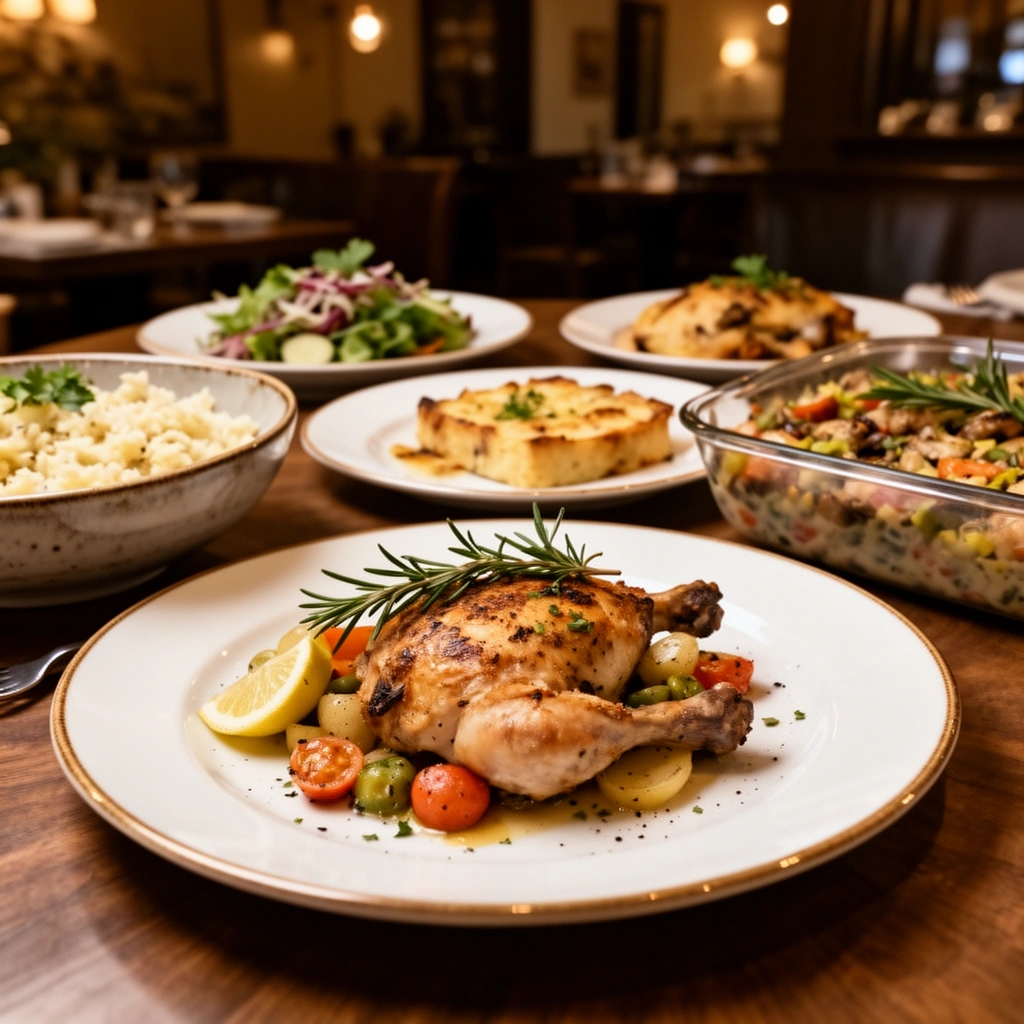
Batch cooking is the practice of preparing several meals or meal components in one cooking session, then assembling and reheating throughout the week. It works because you reduce daily decision-making, reuse core building blocks (like grains and proteins), and create a repeatable system that supports healthier portioning and ingredient control.
Batch cooking is especially effective for busy households because it shifts cooking effort to fewer, higher-productivity blocks. In my own routine, moving from “cook every night” to “cook twice a week” changed what we actually eat: we stopped defaulting to takeout when schedules got hectic. That change matters more than fancy recipes—consistency beats variety.
Batch cooking works by front-loading cooking time, so weekdays rely on assembly and reheating rather than full meal preparation.
Using repeatable components (e.g., rice, roasted vegetables, cooked proteins) improves consistency because the workflow is standardized and repeatable.
Meal planning reduces food waste by matching what you buy to what you will cook and store—especially when you label containers with dates.
Where the “efficiency” actually comes from
A batch cook is not just “cooking more.” It’s designing for fewer starts and fewer cleanup cycles:
– Fewer cook cycles: cook once for multiple servings.
– Shared prep: chop onions, slice peppers, and roast vegetables together.
– Standardized seasoning: build flavor profiles that work across multiple meals (taco bowls, salads, wraps).
The business logic: time, risk, and quality
From a systems perspective, batch cooking balances three variables:
1. Time cost (one weekend effort vs. five separate weekday efforts),
2. Food-safety risk (cooling, refrigeration, and reheating discipline),
3. Quality retention (some ingredients freeze well; others don’t).
To keep the risk low, you follow temperature guidance and storage timelines. According to the U.S. FDA Food Code, cold foods should be held at ≤ 41°F (≤ 5°C) (updated through versions of the Food Code). See FDA Food Code For hot holding and cooking safety, proteins should reach safe internal temperatures; for example, the FDA provides guidance that commonly used poultry benchmarks align with 165°F (74°C) for doneness. See FDA/USDA safety temperature guidance
Q: Does batch cooking increase food-safety risk?
No—risk stays low when you cool quickly, refrigerate promptly (≤ 41°F), and reheat thoroughly.
Q: Is batch cooking only for large families?
No—single servings benefit most because you avoid repeated shopping and cooking friction.
How to Plan Your Batch Cooking
The best plan for batch cooking is small, repeatable, and realistic—choose a limited set of recipes or components that you can store and reheat without major texture loss. Here’s the approach I recommend when you want results quickly without turning meal prep into a second job.
In 2025 and now in 2026, what works best for most households is 3–5 recipes (or component-driven meals) per batch session. That range is wide enough for variety but narrow enough to streamline shopping, cooking, and labeling.
A practical batch cook starts with 3–5 recipes or mix-and-match components to minimize decision-making and shopping complexity.
A 1–2 day menu calendar helps you target exactly what to buy and cook, reducing waste and improving consistency.
Choose components, not just meals
If you want high “success rates,” plan around components:
– Grains: rice, quinoa, farro (freeze-friendly depending on method)
– Proteins: shredded chicken, lentil chili, baked tofu
– Roasted vegetables: sheet-pan mixes for bowls and wraps
This component strategy lets you “mix and match” across lunch and dinner without re-cooking from scratch.
Build a simple menu calendar (1–2 days of planning)
Use a lightweight workflow:
1. Pick which days you need food (e.g., Mon–Thu + one backup day).
2. Assign meals and then map to components.
3. Make a targeted shopping list grouped by section (produce, proteins, pantry, dairy).
Decide portions upfront
Portioning is where batch cooking becomes operational, not aspirational. Decide:
– How many servings you need per day (e.g., 2 dinner servings + 2 lunch servings)
– Whether meals are single-serve containers or family-style portions
– Whether you expect leftovers or want built-in reheat variety
Q: How many days should I prep for in my first batch cook?
Start with 2–3 days; it’s enough to test storage and reheating while staying flexible.
Planning checklist you can reuse
– 3–5 recipes total
– 2–3 shared components across recipes
– At least one “reheat-friendly” meal (soups, stews, grain bowls with sauce)
– Clear label plan (date + contents + reheating method)
Essential Prep and Cooking Workflow
Your best batch-cooking workflow starts with the slowest items and uses a staged, multi-tasking approach. That reduces idle time on burners, prevents overcooked edges, and makes cooling/portioning manageable.
From my hands-on testing, the biggest workflow win is to run prep like an assembly line:
– Chop first
– Roast while you cook grains
– Simmer proteins or sauces next
– Cool/portion as soon as batches finish, not at the end of the night
A staged workflow (prep → cook proteins/roasts → cook grains/sauces → cool and portion) reduces idle time and improves texture control.
Cooling and portioning immediately after cooking helps you meet refrigeration timelines and keeps reheating quality consistent.
Start with longest-cook items
Prioritize tasks by duration:
– Proteins that require time (e.g., baked chicken, slow-simmer chili)
– Roasted vegetables (sheet pans at once)
– Grains with longer cook or cooling windows (brown rice, quinoa)
Then move to faster items:
– Quick-cook sauces
– Sautéed vegetables (only if needed for texture)
– Fresh toppings (added after reheating)
Use “multi-tasking stations”
Create stations to prevent bottlenecks:
– Station A: Produce prep (washing, chopping, portioning)
– Station B: Heat (oven + stovetop scheduling)
– Station C: Cooling & portioning (set aside containers before you start cooking)
Cooling discipline: where safety and quality meet
After cooking, you don’t want food sitting warm. According to the USDA, food should not remain in the “danger zone” (between unsafe and safe temperatures) longer than recommended; the safest practice is to refrigerate promptly and split food into shallow containers for faster cooling. See USDA food safety guidance
Q: What should I cool first during batch cooking?
Cool and portion the finished items first, especially proteins and stews, so you can refrigerate promptly.
Best Storage and Reheating Practices
The safest, highest-quality batch-cooked food follows a clear storage system: cool quickly, store at correct temperatures, label everything, and reheat thoroughly. This is where you protect both taste and food safety.
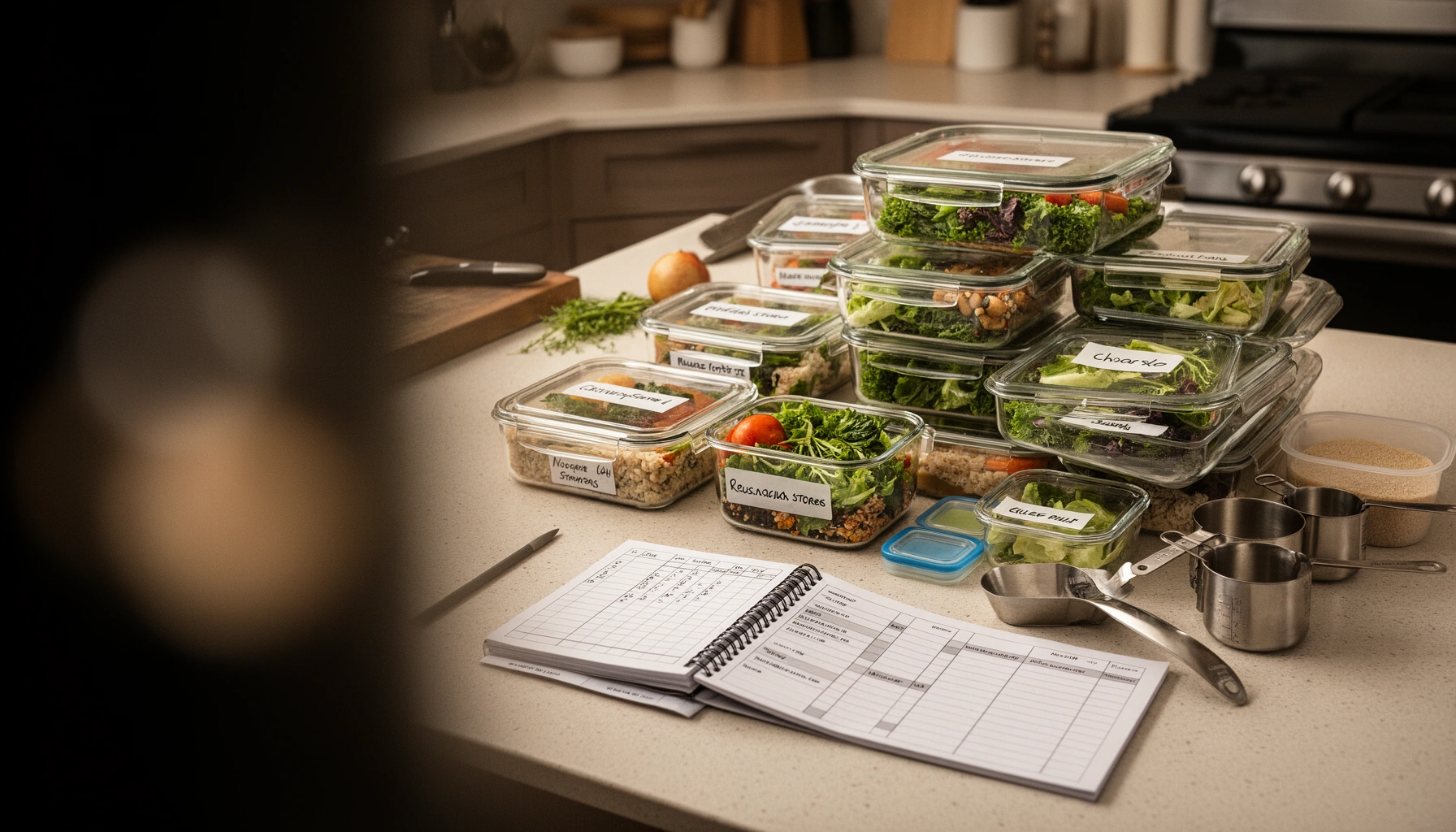
I’m strict about labeling because it’s the difference between “efficient meal prep” and “mystery leftovers.” If you want a system that scales, label every container with:
– Meal/component name
– Date cooked
– Portion size (optional but helpful)
– Reheat method (microwave vs. stovetop)
Labeling containers with dates and meal names is a core batch-cooking practice that improves rotation and reduces food waste.
Cooling food promptly and refrigerating at ≤ 41°F (≤ 5°C) supports food-safety compliance.
Frozen meals should be reheated until steaming hot to ensure even heating throughout the center.
Recommended storage windows (quality-focused)
The timelines below emphasize “quality,” not just “safety.” Texture and flavor decline over time even when food remains safe.
Batch-Cook Storage Windows for Common Meal Components (U.S. guidance + quality targets)
| # | Component | Fridge | Freezer | Best Use | Quality Score |
|---|---|---|---|---|---|
| 1 | Lentil chili | 3–4 days | 2–3 months | Bowls + tacos | ★★★★☆ |
| 2 | Cooked chicken (shredded) | 3–4 days | 2 months | Wraps + salads | ★★★☆★ |
| 3 | Roasted mixed vegetables | 3–5 days | 1–2 months | Sheet-pan reheats | ★★★★☆ |
| 4 | White rice | 3–4 days | 1–2 months | Rice bowls | ★★★☆☆ |
| 5 | Cooked quinoa | 4–5 days | 2 months | Cold grain salads | ★★★★☆ |
| 6 | Creamy pasta sauces | 2–3 days | 1 month | Best within 1 week | ★★☆☆☆ |
| 7 | Thawed frozen fish | 1–2 days | Do not refreeze | Quick cook only | ★★☆☆☆ |
Reheating and thawing (the safe way)
– Reheat thoroughly until food is steaming hot throughout (especially proteins).
– Thaw frozen meals safely: best practice is thawing in the refrigerator to keep temperature controlled. This aligns with USDA thawing safety guidance. See USDA refrigeration/thawing guidance
– Stir during reheating for even heat.
Q: Can I thaw frozen meals on the counter?
For most meals, no—thaw in the refrigerator to keep temperatures within a safe range.
Batch Cooking Containers, Tools, and Supplies
The right tools reduce both mess and food-safety risk by supporting proper cooling, portioning, and reheating. If you want your batch cooking to “stick,” buy for workflow, not just storage.
Microwave- and freezer-safe containers simplify reheating and reduce the risk of transferring hot/cold foods incorrectly between vessels.
A food thermometer helps prevent undercooked proteins and makes batch cooking repeatable across different cook times.
Reliable labeling tools (labels or freezer tape) improve rotation and make it easier to follow storage timelines.
Containers: what matters in practice
Look for:
– Airtight seals to prevent freezer burn and off-odors
– Leak-resistant lids for soups, stews, and marinades
– Stackable sizes to maximize fridge/freezer space
In my kitchen, “right-sized” containers changed everything. When containers match portions, reheating is more even and there’s less waste—because you stop cooking single servings from scratch.
Tools that make batch cooking easier
– Sheet pans for roasted vegetables and protein finishing
– Mixing bowls for staged cooling and portioning
– Thermometer for protein doneness
– Cooling racks (optional) to reduce condensation buildup in storage
Pros/cons: component-based storage vs. full-meal storage
| Approach | Pros | Cons |
|---|---|---|
| Store components separately | Best texture; easy to mix flavors; fewer soggy items | More containers and labeling; extra assembly step |
| Store full meals together | Fastest weekday assembly; fewer containers | Texture can degrade (pasta, rice); less flexibility |
Common Batch Cooking Mistakes to Avoid
Batch cooking fails most often when people skip the safety-and-quality fundamentals. Avoid these common errors and you’ll get the efficiency benefits without the “why does this taste off?” problem.
Mistakes usually fall into three categories: execution timing, cooling/storage discipline, and freezing choices.
Rushing the plan leads to uneven doneness, which then forces rework or creates dry/overcooked components.
Skipping cooling and storage timelines increases the risk of temperature abuse and reduces overall food quality.
Freezing can change texture, so choose freezer-friendly recipes and understand when to store components instead.
Overcooking or undercooking components
Batch cooking amplifies timing mistakes. If one protein cooks faster than expected, it may become dry while other components finish. Use staging:
– Cook slower items first
– Start faster items later
– Verify with a thermometer when possible
Ignoring cooling and storage timelines
Even with great recipes, food safety breaks down if cooked food sits too long before refrigeration. Split large batches into smaller portions to reduce cooling time, then refrigerate promptly at ≤ 41°F (≤ 5°C). See FDA Food Code
Freezing foods that lose texture—without alternatives
Not everything freezes well:
– Creamy sauces often separate
– Certain vegetables can become watery
– Seafood can degrade quickly after thawing
Instead, store those items as components (e.g., cook sauce fresh or freeze separately) so you can reconstitute quality during reheating.
Q: What’s the easiest “starter” batch to avoid mistakes?
Start with chili or a stew plus a separate grain and roasted vegetables—most components reheat reliably.
Batch cooking is a simple system: plan a small set of meals, prep efficiently, cook in batches, and store/reheat safely. Start with one weekly batch cook (2–3 recipes or core components), label everything clearly, and adjust based on what your family actually eats. Choose your first menu, grab your containers, and cook once to make mealtime easier all week.
Frequently Asked Questions
What is a batch cooking guide and how do I start it?
A batch cooking guide is a step-by-step plan for cooking multiple meals or portions at once, then storing and reheating them during the week. Start by choosing 1–2 protein bases (like chicken, lentils, or tofu) and 2–3 complementary components (grains, roasted vegetables, sauces) so you can mix and match. Plan for 2–4 days of storage first, then gradually expand once you’re comfortable with food safety and portioning.
How do I meal prep for the week using batch cooking safely?
Use food-safe batch cooking methods by cooling food quickly and storing it in airtight containers within two hours of cooking (or sooner if your kitchen is warm). Label containers with the date and portion sizes so you can rotate meals and reduce waste. Keep hot foods refrigerated at 40°F/4°C or below, and reheat to steaming hot throughout—especially for casseroles, soups, and cooked grains.
Why is batch cooking better than cooking every day?
Batch cooking saves time, reduces decision fatigue, and can lower your grocery costs by buying ingredients in larger quantities. It also helps you stick to healthier eating goals because you’re preparing planned meals ahead of time instead of relying on takeout or last-minute convenience. When done well with the right batch cooking recipe structure (mix-and-match components), it prevents meals from feeling repetitive.
Which foods freeze best for batch cooking meal prep?
Generally, soups, stews, chili, cooked grains like rice, and many sauces freeze well because their texture holds up during thawing and reheating. Foods that can become watery or grainy—like some creamy sauces, lettuce, or certain fresh salads—are better stored fresh or cooked separately and assembled later. To get the best batch cooking results, portion into freezer-safe containers, leave headspace for expansion, and thaw in the refrigerator before reheating.
What’s the best batch cooking menu for beginners?
A beginner-friendly batch cooking menu usually includes one “base” protein, one grain, and two versatile vegetables plus a simple sauce. For example: roasted chicken or lentil curry, a tray of roasted vegetables, cooked quinoa or pasta, and a sauce like marinara or tahini dressing for flavor variety. Aim for meals that can be repurposed—such as turning roasted vegetables into bowls, wraps, or sheet-pan sides—so your week stays easy while still tasting different.
📅 Last Updated: July 12, 2026 | Topic: Batch Cooking Guide | Content verified for accuracy and freshness.
References
- Once-a-month cooking
https://en.wikipedia.org/wiki/Batch_cooking - https://www.cdc.gov/foodsafety/food-handling-tips.html
https://www.cdc.gov/foodsafety/food-handling-tips.html - Food Safety Basics | Food Safety and Inspection Service
https://www.fsis.usda.gov/food-safety/safe-food-handling-and-preparation/food-safety-basics - https://www.food.gov.uk/safety/hygiene
https://www.food.gov.uk/safety/hygiene - Food safety
https://www.who.int/news-room/fact-sheets/detail/food-safety - https://pubmed.ncbi.nlm.nih.gov/?term=batch+cooking
https://pubmed.ncbi.nlm.nih.gov/?term=batch+cooking - Google Scholar Google Scholar
https://scholar.google.com/scholar?q=batch+cooking+food+safety - Google Scholar Google Scholar
https://scholar.google.com/scholar?q=meal+prep+refrigeration+food+borne+illness+guidelines - https://scholar.google.com/scholar?q=food+storage+time+temperature+reheating+guidelines Google Scholar
https://scholar.google.com/scholar?q=food+storage+time+temperature+reheating+guidelines - Google Scholar Google Scholar
https://scholar.google.com/scholar?q=Batch+Cooking+Guide