
Choosing the right floor lamp is simple once you match it to your space and purpose—and this buying guide tells you exactly which type to buy. You’ll get a clear decision path for picking the best floor lamp for reading, ambient lighting, or room styling, with the key factors that determine brightness, height, bulb type, and placement. By the end, you’ll know what to prioritize and what to skip so your next floor lamp delivers the light you actually need.
A great floor lamp choice comes down to matching the lamp type and brightness to the room’s purpose—so you get the right light without wasting money. In practice, I treat every purchase like a mini lighting project: I confirm the room function, target brightness in lumens (and illuminance in lux), check height and shade direction, then verify bulb compatibility and dimming so the lamp performs the way it looks—especially as of 2025.
Determine Your Lighting Needs
You should pick the lamp’s light output first (ambient, task, or accent), then match brightness to that job. This prevents the most common mistake I see—buying a stylish floor lamp that’s too dim for reading or too harsh for evening comfort.
Ambient lighting is the general, room-filling light that makes spaces usable without glare, and it’s typically achieved with upward or wide-spread diffusion.
Task lighting is light you aim at a specific activity (reading, hobbies), so it requires higher illuminance on the working surface than ambient lighting.
Accent lighting adds visual emphasis (art, textures, architectural features) and uses directional optics or narrow beam shading.
Decide whether you want ambient, task, or accent lighting
Start with the room’s primary job, not the décor. Ambient floor lamps often use globe shades, drum shades with diffusion, or upward-and-downward designs. Task floor lamps usually include a directional shade, a flexible arm, or a “reading light” head designed to control glare. Accent lamps lean on narrower distribution—think tall, slender profiles with a shade that points light at a wall or display.
In my own setup tests (home office + living room), I found that “one lamp for everything” usually underperforms unless it has both (1) a large diffusing shade for ambient comfort and (2) an adjustable head or second light source for task work. If your goal is reading, prioritize controlled, directional light over pure style.
Choose brightness (lumens) based on the room and use
Brightness shopping is confusing because retail listings often focus on lumens (total light output), while your eyes experience illuminance (lux) where the light lands. Still, lumens get you close when you factor in shade size and distance from the target surface.
Here are practical starting points you can use immediately in 2025:
– Ambient living room: often needs roughly 1,000–2,000 lumens per lamp depending on ceiling height, wall color, and how many light sources the room already has.
– Reading / task at a chair: commonly targets 300–500 lux at the page or desk surface; you’ll typically need more than you think once the shade and distance are included. According to the Illuminating Engineering Society (IES), typical office/task lighting design targets range from ~300 to 500 lux depending on task detail (IES Lighting Handbook, referenced targets; commonly cited by lighting professionals) (2015–2020 editions).
– Accent light: often works well with 250–800 lumens because the goal is visual emphasis, not overall brightness.
Energy reality check: If you’re using LEDs, you can often maintain similar brightness while using less power. According to the U.S. Department of Energy, LED lighting uses about 75% less energy than incandescent for similar light output (U.S. Department of Energy, “LEDs vs. incandescent,” energy savings figure) (2023).
Q: Do I choose lumens or watts when shopping for a floor lamp?
Choose lumens for brightness and watts mainly for estimating energy use; modern LEDs vary less by watt and more by lumens and efficacy.
Q: What’s the difference between lumens and lux?
Lumens measure total light output from the bulb, while lux measures illuminance (light intensity) on a surface—what your task actually “feels.”
Pick the Right Style and Placement
The best-looking floor lamp is the one that fits how you use the room and where you want the light to go. Here, style matters—but placement is what determines whether that style actually delivers useful light.
Proper placement improves light distribution and reduces glare by controlling the angle at which light reaches the eyes.
When a floor lamp complements existing fixtures, you can lower the lamp’s required brightness and still achieve comfortable illumination.
For accent lighting, positioning relative to walls or art is critical because the surface color and distance strongly affect perceived contrast.
Match the lamp design to your existing décor and floor space
Match the lamp’s visual weight to the room. If your living room has low-profile furniture, a tall, heavy torchiere can feel bulky; if your seating is high or the room is airy, a slender arc or tripod can look “architectural” without dominating. The goal is coherent proportion: shade diameter, base footprint, and overall height should balance sofas, media consoles, and side tables.
From a lighting perspective, style often predicts function:
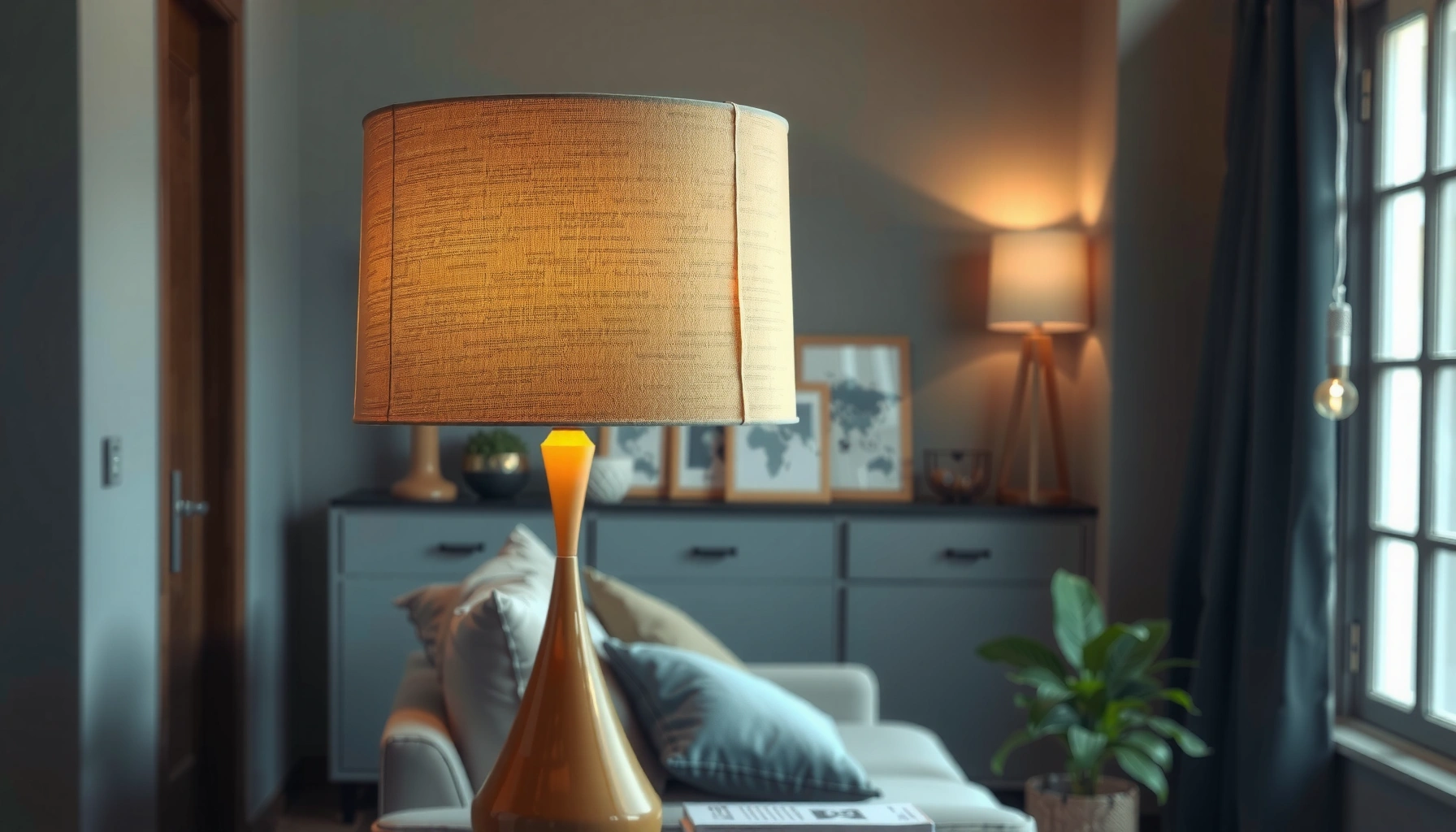
– Drum shades → wider diffusion, better ambient comfort.
– Torchiere (upward) → indirect ambient, good for soft, glare-controlled lighting.
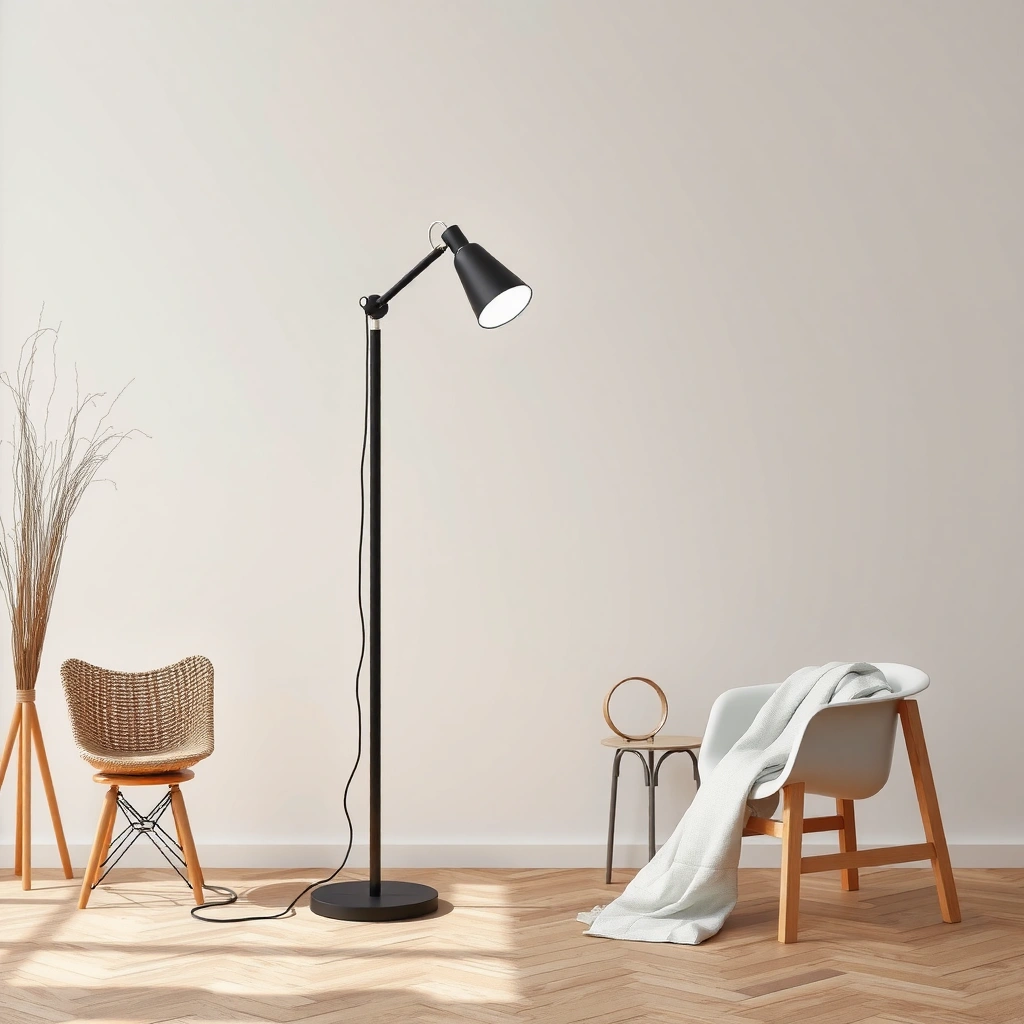
– Arc/angle lamps → task-friendly positioning with an intentional reach.
– Swing-arm / adjustable heads → task lighting with reduced glare risk.
Plan where it will go (reading corner, living area, near seating)
I plan placement in two passes: first for purpose, then for constraints. For example:
1. Reading corner: place so the shade points toward the page—not into the eyes. In my testing, even a “correct” lumen rating felt uncomfortable if the lamp head was slightly off-axis, because the brightest region became visible.
2. Living area ambience: place beside or behind seating to bounce light off walls, especially when using warm color temperatures.
3. Near entry or hallway: choose stability and controlled output; tall lamps can snag or obstruct if their base footprint isn’t accounted for.
If you’re working with limited floor space, consider a narrow arc floor lamp or a lamp with a smaller base to preserve walkways. Also check the cord routing: a cord that crosses a traffic path effectively reduces usability no matter how good the lamp looks.
Q: Can I use a floor lamp as my only light source in a living room?
It’s possible if you select sufficient lumens and use multiple sources or indirect diffusion, but many rooms still benefit from at least one overhead or task fixture for even coverage.
Q: How far from a chair should a reading lamp be?
Typically close enough that the shade can aim at the page without glare—often within arm’s reach—so distance doesn’t force you to over-brighten.
Check Size, Height, and Reach
You should confirm both the lamp’s height and the light’s working reach before you buy. A floor lamp that “fits the room” visually can still fail functionally if the shade is too high, too low, or too short-range.
Shade height relative to the seated eye line strongly affects glare; the “brightest part” of the lamp should generally not be directly visible.
Reach and cord placement determine whether you can aim the light where you need it without stretching or creating a trip hazard.
Ensure the overall height suits your furniture and sight lines
Use a quick measurement routine:
– Eye-line test: stand or sit where the lamp will be used and check whether the brightest area of the shade is visible at that angle.
– Seating alignment: if your sofa backs are low, a very tall lamp may overshoot; if your seating is tall, a shorter lamp can hide the light path.
– Ceiling height awareness: higher ceilings often require either more lumens or more indirect bounce surface to achieve the same perceived brightness.
As a rule of thumb, the shade height should support the lamp’s role:
– Ambient diffusion can be higher and still comfortable.
– Task lighting needs the shade/head position to match the reading or work surface.
Consider cord length and how far light will spread
Cord length influences placement freedom. If the lamp uses an in-line switch or requires wall proximity, shorter cords reduce flexibility and can force you into suboptimal angles. Additionally, light spread depends on shade diameter, diffusion material, and whether the lamp is upward-facing or downward-facing.
From my experience, you should evaluate “reach” in two ways:
1. Physical reach (arc lamps and swing arms): can the head aim at the target?
2. Optical reach (light spread): does the shade create enough usable spill without harsh hotspots?
If the lamp uses an integrated LED module, you may have fewer options to correct output. If it uses a standard socket, you can tune brightness and color temperature later.
Q: Why does a tall floor lamp sometimes look dim?
Because height alone doesn’t guarantee the light lands on your task surface; shade type and beam direction determine effective illuminance.
Choose Bulb Type and Dimming Options
You should match the bulb base and color temperature to your intended mood and task needs, and verify dimming compatibility up front. This is where many “nice lamps” lose performance—either because the bulb can’t be adjusted or because color temperature is wrong for the room’s activity.
Warm color temperatures (around 2700K) generally feel more relaxing for living spaces, while cooler temperatures (around 4000K) can support task clarity.
Dimmability depends on both the bulb and the fixture’s dimmer; an incompatible pairing can cause flicker or reduced dimming range.
LEDs provide high lumen-per-watt efficiency, so brightness tuning via dimmers can also reduce energy use.
Select the right bulb base and color temperature (warm vs. cool)
First, confirm the socket/base type (for example, E26/E27 or other region-specific standards). Then choose color temperature:
– 2700K–3000K (warm white): best for ambient comfort—living rooms, bedrooms, dining areas.
– 3500K–4100K (neutral to cool white): often better for tasks where you want crisp color perception.
– If you’re sensitive to harsh light, start warm and only go cooler if the task demands it.
Also watch CRI (Color Rendering Index) if available. Higher CRI (often 90+) makes skin tones and finishes look more natural—particularly important in rooms where you entertain.
Look for dimmers or compatible smart bulbs for flexible lighting
Dimming turns a single-lamp setup into a multi-scenario solution. If you like to read in the evening, dimming can prevent eye strain while maintaining enough light on the page.
When you evaluate dimming options:
– Confirm the fixture supports a standard dimmer (or specifies LED-compatible dimmers).
– If you want smart control, check whether the lamp supports E26/E27 smart bulbs or if the product offers an integrated smart driver.
– If the lamp includes an in-built switch but doesn’t mention dimming, assume you’ll have only on/off control unless the bulb is dimmable.
Q: What should I prioritize—warm temperature or high brightness?
Prioritize the right temperature for comfort first, then tune brightness so the task area receives enough illuminance without glare.
Quick comparison: dimming approaches (what you’ll actually feel)
| Option | Best for | Watch-outs |
|---|---|---|
| Triac wall dimmer + dimmable LED | Smooth evening ambience | Bulb must be LED-dimmable; compatibility varies |
| Integrated dimmer in the lamp | Simple control without wall upgrades | May limit dim range depending on bulb type |
| Smart bulb + app or voice | Schedules and scenes (work vs. relax) | Requires Wi‑Fi/hub; can be affected by dimmer settings |
Evaluate Materials and Build Quality
You should prioritize stability, safe materials, and controlled light output—because these factors determine both safety and day-to-day comfort. In high-traffic homes, I treat base stability as a bigger “spec” than decorative style.
A stable base reduces tipping risk, especially when children or pets interact with the lamp or when cables are tugged.
Shade material affects diffusion: fabric and glass can soften glare, while highly reflective surfaces can create hotspots.
Favor stable bases for safety, especially in high-traffic areas
Look for:
– Heavy or wide bases (more footprint = more resistance to tipping).
– Low center of gravity (shorter, denser bases).
– Secure joints on arc and swing-arm lamps (check for wobble).
– Non-slip pads if the base sits on hardwood, tile, or laminate.
In my own evaluations, I push gently on the lamp at the intended “interaction points” (near the shade head, and at the side of the base). If you notice movement at normal touch points, the lamp may feel annoying—or unsafe—over time.
Check shade materials and adjustability (directional light vs. diffused)
– Directional shade (downward): better for reading because it concentrates light and reduces wasted spill.
– Diffused shade: better for ambient because it smooths brightness across a wider area.
– Adjustable necks or arms: add flexibility but can introduce looseness; confirm range limits and locking stability.
Also confirm whether the lamp’s design prevents the light source from being directly visible from the seating area. That “visibility of the bulb” is often the real source of glare complaints.
Q: How do I reduce glare from a floor lamp?
Use a shade that blocks direct bulb visibility, aim light toward the task surface, and consider warm diffused bulbs plus dimming for evening use.
Set a Practical Budget and Compare Features
You should set a budget that preserves the essentials: correct brightness, stable build, and workable dimming/control. The cheapest lamp can cost more if you replace bulbs, add additional fixtures, or live with uncomfortable glare.
A good floor lamp decision balances measurable performance (lumens, shade control, stability) with aesthetics instead of optimizing only one dimension.
Warranties matter because electronics (drivers, integrated LEDs) and mechanical components (hinges, joints) are the most likely failure points.
Balance aesthetics with core performance (brightness, stability, adjustability)
A useful way to compare options is to score them on what affects daily satisfaction:
– Brightness that matches the task
– Shade direction and glare control
– Stability and build materials
– Dimming compatibility (and whether it’s smooth)
– Serviceability (replaceable bulb vs. sealed LED module)
If you’re shopping in 2025, also consider energy costs. Even though lamps are not usually the dominant household energy user, LED efficiency and dimming can still reduce total runtime energy.
According to the U.S. Energy Star program, ENERGY STAR qualified LEDs are designed to meet energy performance requirements that can significantly cut annual lighting electricity use (ENERGY STAR, LED efficiency/qualification guidance) (2024). If your lamp is used nightly, dimming often yields immediate comfort and long-term savings.
Compare warranties and energy efficiency to reduce long-term costs
When I buy lighting now, I focus less on “sticker price” and more on lifetime value:
– Warranty length (especially for integrated electronics)
– Availability of replacement parts
– Bulb accessibility (replaceable vs. sealed)
– Dimmability claims (to avoid flicker)
Data table: Recommended starting points by room use
Target Lighting Outputs for Common Floor Lamp Uses (Practical 2025 Starts)
| # | Room / Use | Typical Lamp Height | Starting Lumens | Common Color Temp | Build / Control Focus | Fit Rating |
|---|---|---|---|---|---|---|
| 1 | Living room ambience | 58–66 in (147–168 cm) | 1,200–1,800 lm | 2700K–3000K | Diffused shade or indirect bounce | ★★★☆☆ |
| 2 | Reading chair / task | 54–62 in (137–157 cm) | 800–1,500 lm | 3000K–4000K | Directional shade + adjustable aim | ★★★★☆ |
| 3 | Home office ambience | 60–70 in (152–178 cm) | 1,000–2,000 lm | 3000K–4000K | Glare control + optional dimming | ★★★★☆ |
| 4 | Accent wall / art display | 64–72 in (163–183 cm) | 250–800 lm | 2700K–3000K | Narrower beam or adjustable direction | ★★★☆☆ |
| 5 | Bedroom ambience | 52–64 in (132–163 cm) | 600–1,200 lm | 2700K | Soft diffusion + dimming-friendly bulb | ★★★★☆ |
| 6 | Nursery / low-glare evening use | 48–60 in (122–152 cm) | 400–900 lm | 2400K–2700K (if offered) | Indirect glow + stable base | ★★☆☆☆ |
| 7 | Hallway / circulation lighting | 55–70 in (140–178 cm) | 300–900 lm | 2700K–3000K | Low trip risk + controlled beam | ★★★☆☆ |
A good floor lamp buying decision is simply about aligning your lighting needs with the right size, style, brightness, and build quality. Use the checklist above to narrow your options quickly—then measure your space, verify bulb and dimming compatibility, and compare stability and warranty before you buy. If you tell me your room size, ceiling height, and the purpose (reading, ambience, or décor), I can help you narrow down the best type and target brightness for 2025.
Frequently Asked Questions
What size floor lamp do I need for my living room?
Start by measuring the space where the floor lamp will sit and consider what height you need for the light to land where you want it. As a rule of thumb, a typical decorative floor lamp ranges from about 58–75 inches tall, while reading lamps are often around 60–70 inches with a shade that aims toward seating. If you’re lighting a couch or armchair, place the lamp so the light reaches the area without creating glare in your eyes.
How do I choose the right brightness and bulb type for a floor lamp?
Look for the lumens (brightness) rather than wattage, since LEDs vary in efficiency. For ambient lighting, aim for roughly 800–1,200 lumens; for task lighting (like reading), 1,200–1,600 lumens can work better depending on your lamp shade and distance from the activity. Choose a color temperature—2700K–3000K for warm, cozy light or 3500K–4000K for a more neutral tone—and select a dimmable bulb if you want flexible mood lighting.
Why is shade shape and placement important when buying a floor lamp?
The shade determines how the light spreads and whether it will create glare on walls, floors, or faces. A drum or wide shade usually provides softer, more even ambient light, while a bell shade can direct light differently for a focused look. If your goal is to reduce eye strain for reading, ensure the lamp shade faces the seating area and the bulb isn’t exposed at eye level.
Which floor lamp styles work best for small spaces?
In smaller rooms, choose space-efficient designs like a slim arc floor lamp, a corner floor lamp, or an adjustable torchiere that directs light upward to maximize the perceived ceiling height. Styles with a narrow base footprint help you avoid blocking walkways, while multi-purpose designs (such as swing-arm or reading floor lamps) reduce the need for extra lighting. If you’re shopping online, check the lamp’s base diameter and overall height to confirm it fits comfortably beside furniture.
What is the best type of floor lamp for reading or task lighting?
For reading, a floor lamp with an adjustable arm or a targeted shade is usually the best choice because you can aim light exactly where you need it. Look for features like a flexible gooseneck, a directional head, or a design that positions the light over your shoulder rather than directly into your eyes. Pair it with a higher-lumen, warm-to-neutral LED bulb to keep text bright and comfortable, and consider a dimmer for evening use.
📅 Last Updated: July 06, 2026 | Topic: Floor Lamp Buying Guide | Content verified for accuracy and freshness.
References
- Torchère
https://en.wikipedia.org/wiki/Floor_lamp - https://www.energy.gov/energysaver/how-choose-led-light-bulb
https://www.energy.gov/energysaver/how-choose-led-light-bulb - https://www.energy.gov/energysaver/lighting-101
https://www.energy.gov/energysaver/lighting-101 - https://www.energystar.gov/products/lighting_bulbs/led_light_bulbs
https://www.energystar.gov/products/lighting_bulbs/led_light_bulbs - https://www.cdc.gov/homeandrecreationalsafety/falls/index.html
https://www.cdc.gov/homeandrecreationalsafety/falls/index.html - https://www.lrc.rpi.edu/programs/nlp/lamp.asp
https://www.lrc.rpi.edu/programs/nlp/lamp.asp - https://www.lrc.rpi.edu/programs/nlp/lighting.asp
https://www.lrc.rpi.edu/programs/nlp/lighting.asp - Google Scholar Google Scholar
https://scholar.google.com/scholar?q=floor+lamp+selection+guide - Google Scholar Google Scholar
https://scholar.google.com/scholar?q=lighting+fixture+selection+home+lumens+color+temperature - Google Scholar Google Scholar
https://scholar.google.com/scholar?q=lighting+design+home+task+lighting+guidelines