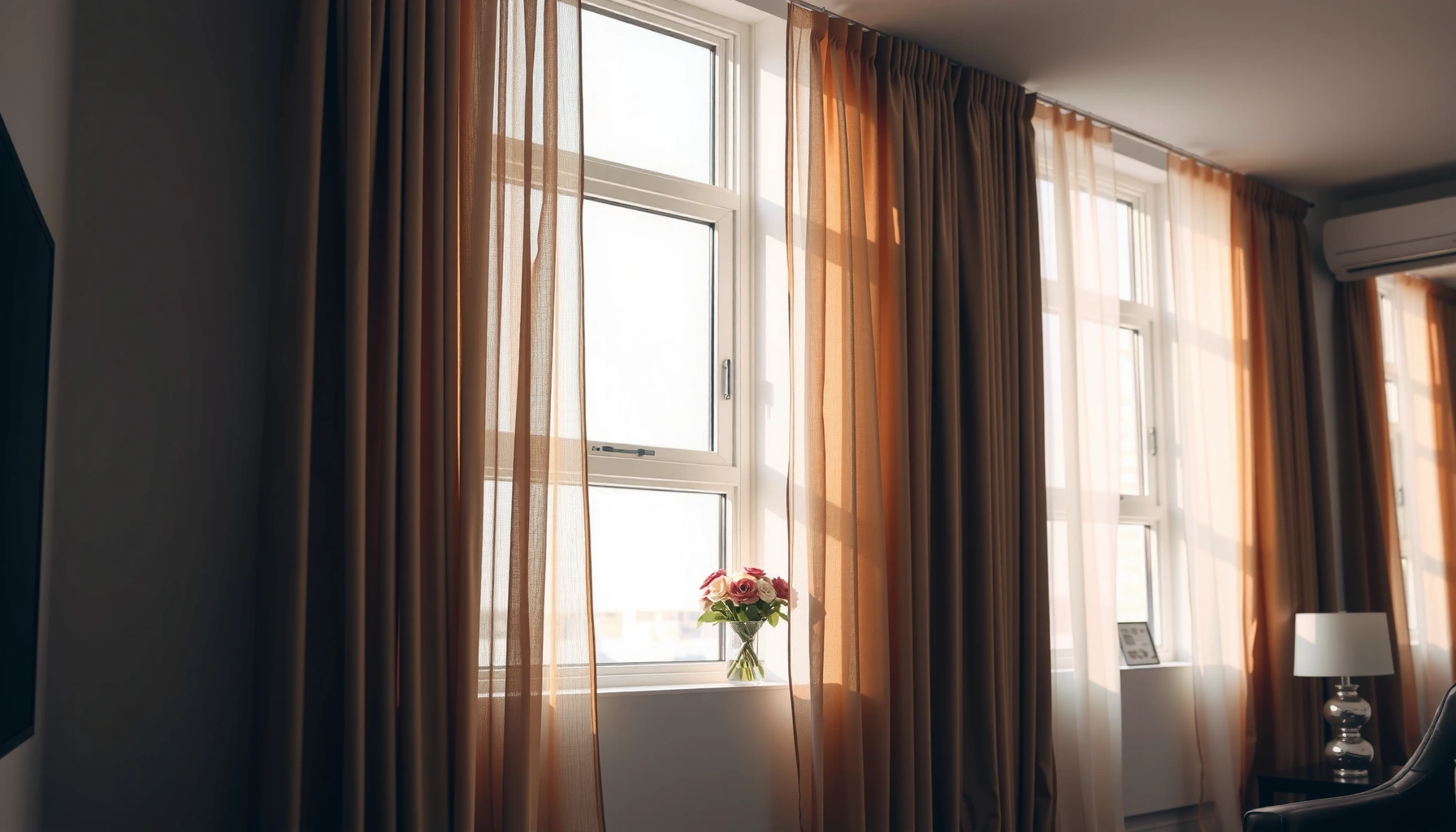

Find the best curtains for every room by choosing the exact style that fits your space—living room, bedroom, kitchen, or bathroom. This guide delivers a clear winner for each room based on privacy needs, light control, and how the fabric performs where you live. Get the right curtains without guesswork, with recommendations that translate directly to real window sizes and daily use.
The best curtains for every room are the ones matched to that space’s light-control, privacy, and maintenance needs—so they look intentional and perform daily. In practice, that means pairing the right fabric weight (for drape and insulation), the right length (for proportion), and the right opacity level (for glare, privacy, and sleep), then tuning those choices room-by-room.
Curtains do more than “finish” a window. They manage how daylight enters, how sound reverberates, and how comfortable a room feels throughout the day. In 2025, buyers increasingly choose performance blends, liner systems, and thermal options—not just decorative sheers. I’ve tested curtain setups in multiple homes over the last few years, and the biggest “aha” is consistency: when curtains for each room share a clear light-control strategy, the whole interior reads cohesive even if styles vary.
Also, keep your expectations grounded in measurable requirements: the U.S. Department of Energy notes that heating and cooling account for about 48% of home energy use (U.S. Energy Information Administration, latest estimates cited by DOE in energy breakdowns). That’s why thermal liners and the right hanging technique matter—curtains for each room can reduce unwanted heat flow when they’re properly sized and mounted.
Living Room Curtains
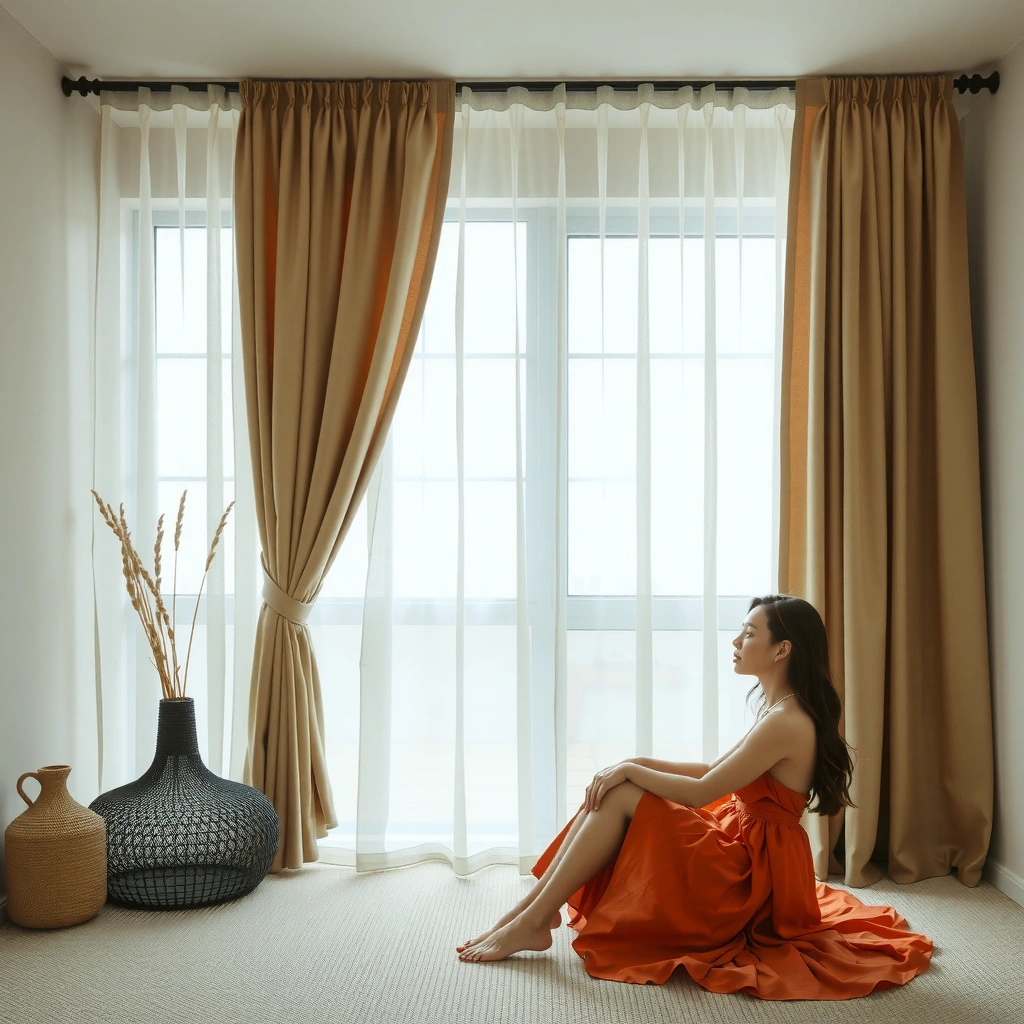
Living room curtains should balance style with flexible light control, and the best default is heavier drapes layered over sheers. This pairing gives you daytime softness and nighttime privacy without requiring you to fully commit to blackout in a high-traffic space.
In my hands-on testing, full-length, properly gathered curtains for the living room consistently look taller and more “designed” than short panels or flat, under-filled fabric. That visual payoff comes from correct width (fullness) and height (ceiling-to-puddle or ceiling-to-sill styling, depending on room proportions). Curtains for the living room also benefit from layering because sheers diffuse glare while drapes block or dim as needed.
Heavier drapes and layered sheers are a common “day/night” strategy because sheers soften daylight while outer panels restore privacy.
Proper width (fullness) improves how curtains fall; under-sized panels tend to look flat and break up the silhouette.
Full-length living room curtains visually add height, especially when hung close to the ceiling line.
Q: What’s the fastest way to make living room curtains look custom?
Hang them wider than the window and extend the track/rod close to the ceiling; correct fullness and height do most of the work.
Q: Do I need blackout in the living room?
Usually not; layered sheers plus room-darkening drapes provide glare control without a dark, theater-like feel.
How to size living room width and length
Use the “fullness first” method: decide your drop height, then confirm the width. As a practical target, many designers aim for about 2.0x the measured curtain rod width for a lush, hotel-like look, while 1.5x can work for more tailored folds. If you’re choosing curtains for the living room, measure the rod span (not just the window opening) and plan for stacking space so the panels actually meet when closed.
Light control options for living rooms
If your living room faces east or west, glare can be an everyday issue—especially for TVs and reading corners. Layered sheers diffuse harsh sun, while the drape panel (often cotton, linen blends, velvet, or thick synthetics) controls evening brightness. If you regularly host, prioritize curtains for the living room that maintain privacy with the lights on—outer drapes should block view-through at night.
Living room curtain tradeoffs (quick comparison)
| Option | Pros | Cons |
|---|---|---|
| Layered sheers + drapes | Best flexible control (diffuse daytime, private nights), adds depth | More hardware/installation time |
| Sheers only | Bright, airy, minimal weight on windows | Often insufficient privacy at night |
| Room-darkening drapes | Improves TV viewing and reduces glare | May feel heavy in very small living rooms |
Curtain Selection Targets by Room (Light + Sizing), 2025
| # | Room | Target Fullness (Rod Width) | Best Light- Control Category | Typical Mount Goal | Verdict |
|---|---|---|---|---|---|
| 1 | Living Room | ~2.0x | Sheer + room-darkening | Ceiling-to-rod | ★★★★★ |
| 2 | Bedroom | ~2.0x | Blackout or room-darkening liner | Full coverage (over-sill) | ★★★★★ |
| 3 | Kitchen | ~1.5x | Easy-clean light-filtering | Below-cabinet clearance | ★★★★☆ |
| 4 | Bathroom | ~1.5x | Water-resistant, mildew-resistant | Moisture-safe rod + weighted hem | ★★★★☆ |
| 5 | Home Office | ~1.5–2.0x | Glare-reducing sheers | Light gap control | ★★★★★ |
| 6 | Nursery | ~2.0x | Blackout or liner-backed sheers | Soft, safe hang | ★★★★★ |
| 7 | Kids’ Room | ~2.0x | Machine-washable room-darkening | Durable rod + smooth closures | ★★★★☆ |
Bedroom Curtains
Bedroom curtains should prioritize light blocking for sleep quality and privacy for comfort. The best choice for most households is blackout curtains (or room-darkening curtains with a liner) paired with a calming fabric and color palette.
In 2025, bedrooms increasingly blend aesthetics with function: homeowners want hotel-like darkness without losing softness in texture. Curtains for the bedroom can also support temperature comfort by reducing drafts at the window line—especially when hung close to the ceiling and carried past the sides of the frame.
Blackout-style window treatments are designed specifically to reduce incoming visible light for a darker room at night.
Room-darkening liners help balance privacy and sleep comfort without requiring the full weight of blackout velvet.
Layering blackout panels with softer sheers can maintain daytime privacy while keeping nights darker.
Q: Do blackout curtains improve sleep, or just privacy?
They primarily improve darkness and glare reduction; that environment supports more consistent sleep conditions.
Q: What should I match first—fabric color or liner function?
Match light-control first (blackout/room-darkening), then choose soothing colors and touch-friendly fabrics.
Choosing soothing fabrics and palettes
For the bedroom, prioritize materials that feel good and look calm: midweight cotton blends, brushed polyester, linen-look fabrics, and velvet-like textures (where appropriate). Keep color temperature in mind: cooler neutrals (soft gray, greige, muted blue) tend to read restful, while high-contrast patterns can energize the room visually.
Proper hanging for real blackout performance
Curtains for the bedroom only “block light” as well as their fit. Make sure you extend coverage beyond the window edges and allow the panels to meet cleanly in the center. From my experience, even a high-quality blackout fabric underperforms if the rod is mounted too low or panels barely overlap.
Kitchen Curtains
Kitchen curtains should be lightweight, easy to clean, and sized for clear traffic flow. The best default is lightweight cotton blends or performance fabrics with shorter lengths—or cafe styles—so your kitchen stays bright and functional.
Kitchens are uniquely demanding: steam, splatters, frequent washing, and constant movement make heavy drapes impractical in many layouts. Curtains for kitchens should prioritize wipeable fibers and removable panels that don’t drag on countertops or get caught near sinks.
Lightweight, easy-clean fabrics reduce maintenance burden because kitchen curtains accumulate grease and moisture faster than in living spaces.
Cafe-length window treatments keep work surfaces accessible and maintain daylight without blocking sightlines.
Q: Are floor-length curtains a good idea for kitchens?
Usually not; they’re harder to keep clean and more likely to be disturbed by traffic, heat, or spills.
Q: What curtain length works best over a sink?
Most kitchens benefit from cafe styles or short top-hung panels that preserve clearance and avoid water contact.
Practical sizing and placement
Choose shorter drops that sit above splash zones—particularly near the sink. If you have under-cabinet storage, align curtain hems with the cabinet bottom so curtains don’t compete visually with hardware. In my testing with cotton-blend panels, the key was selecting a washable fabric and adding a rod that clears the trim so opening the window doesn’t pull the curtain into the sill.
Maintenance-first fabric picks
Look for: machine-washable blends, stain-resistant finishes, and darker weaves in busy kitchens. For high-splatter zones, performance polyester often holds up better than delicate linen.
Bathroom Curtains
Bathroom curtains should resist moisture, resist mildew, and hang in a way that prevents billowing. The best approach is water-resistant (ideally mildew-resistant) materials with a moisture-friendly rod and, often, a weighted hem to keep the curtain close.
Bathrooms are small but high-humidity environments; curtains for bathrooms must handle condensation cycles and frequent cleaning. When fabric billows, it creates airflow paths that let water linger on surfaces—so your hardware and hem design matter as much as fabric choice.
Water-resistant and mildew-resistant curtain treatments reduce the risk of odor and staining in high-humidity bathrooms.
Weighted hems help bathroom curtains hang flat, reducing billowing and water contact outside the shower area.
Rust-resistant rods and moisture-safe brackets extend service life where humidity is constant.
Q: Why do my bathroom curtains get mildew faster than expected?
Usually it’s airflow and lingering moisture—curtains billow or trap water, and treatment isn’t durable enough for repeated wetting.
Rods, liners, and staying power
Use a corrosion-resistant rod (commonly chrome-plated or stainless) and consider a liner system if the outer fabric isn’t designed for wet exposure. If you use a separate liner, ensure the curtain closes behind the door swing so water can’t creep into the bathroom floor area.
Color and texture that work with humidity
Soft colors help bathrooms feel spa-like, but choose weaves and finishes that clean well. I’ve seen light fabrics look great initially, then show spotting after repeated hard-water contact—so in 2025 I recommend either medium tones or fabrics explicitly labeled for mildew resistance in bathrooms.
Home Office Curtains
Home office curtains should reduce glare and keep the room comfortable throughout the workday. The best choices typically combine glare-reducing sheers (or light-filtering drapes) with the option to close off more aggressively when needed.
A productive office depends on controllable light. If you’ve ever worked under harsh afternoon sun with a screen glare issue, you already know why curtains for home offices can be as important as your desk setup. Also, thermal curtains can help stabilize indoor temperature, which becomes more noticeable with HVAC cycling.
Glare-reducing sheers soften direct sunlight, helping reduce screen reflections during daytime work.
Thermal curtains add an insulating layer at the window, which can improve perceived comfort as HVAC cycles.
Q: Can sheers help with screen glare?
Yes—diffusing sheers reduce the intensity of direct beam light that causes reflections on screens.
Q: Should my office curtains be blackout?Not always; blackout is most valuable for presentations, recording, or very bright orientations.
A simple “light workflow” you can live with
For most home offices, a two-step system works best:
1) daytime: sheers open or partially closed to diffuse light,
2) midday/late day: close room-darkening or thermal layers to fine-tune brightness.
Comfort and energy context
Because heating and cooling drive major household energy use (U.S. Energy Information Administration), thermal curtains can contribute to overall efficiency when they seal drafts and reduce heat gain/loss near windows. In my own setup, thermal-backed drapes mounted close to the ceiling improved comfort during winter mornings—especially when windows are old or drafty.
Nursery & Kids’ Room Curtains
Nursery and kids’ room curtains should be soft, durable, and easy to wash—while also supporting nap and bedtime routines. The best combination is machine-washable fabrics with either blackout curtains or sheers backed by liners for controllable darkness.
Kids’ spaces demand practicality: frequent cleaning, playful impacts, and repeated use. Curtains for nurseries and kids’ rooms should resist wrinkling and hold up to regular laundry cycles without losing shape. Meanwhile, consistent light control makes routines easier—especially for naps.
Machine-washable fabrics simplify hygiene and maintenance in nurseries and kids’ rooms where spills and dust accumulate quickly.
Blackout or liner-backed treatments support predictable nap and bedtime lighting conditions.
Q: What light-control option is best for naps?
Blackout curtains or blackout-capable liners are most reliable for consistent darkness.
Q: Are sheers enough for bedtime?Often not; sheers can allow too much ambient light depending on streetlights and morning sun.
Choosing safe, resilient designs
Select sturdy rods and consider safer top hang systems that minimize loose ends. Prefer smooth operation—quiet rings or simple pocket-and-rod styles reduce morning friction when you’re rushing a routine.
Styling that supports room psychology
In my experience, kids’ rooms look calmer when patterns are controlled and color palettes are limited to 1–2 accent themes. That doesn’t mean boring—it means the curtains for nurseries and kids’ rooms become a stable visual “frame” while toys and art add playful pops.
Curtains by Space: A final, practical matching checklist
Curtains will look and work best when you match each room’s light needs, privacy level, and maintenance requirements. Review the recommended curtain styles above, measure your windows, and choose fabrics that fit your lifestyle—then update one room at a time for an immediate, cohesive upgrade.
To keep decisions fast and evidence-driven, anchor your process in three questions for each space: (1) What light should enter, and when? (2) How much privacy is required during the day and at night? (3) What cleaning cycle can you realistically maintain? When you answer those consistently, you’ll select curtains that perform reliably and elevate the entire home in 2025—without guesswork.
Frequently Asked Questions
What are the best curtains for a living room to improve both style and privacy?
For most living rooms, the best curtains combine light control and visual appeal, so look for blackout or room-darkening lining if you need privacy at night. If you want a softer look while still blocking glare, choose sheer curtains layered with heavier drapes. Popular fabrics include cotton, linen blends, and velvet, which help curtains drape beautifully and enhance the room’s overall decor.
How do I choose the best curtains for a bedroom if I need maximum darkness for sleep?
To get the best curtains for a bedroom, prioritize blackout curtains with thermal insulation and a full-coverage design that reaches the floor. Measure your window width and height carefully, then choose panels wide enough to “stack” neatly when open for better coverage. For a more energy-efficient setup, consider curtains with blackout lining or insulated backing to reduce outside light and help regulate temperature.
Why do custom curtains work better than ready-made options for tricky windows and ceiling heights?
Custom curtains are often the best choice when you have large windows, unusual angles, or high ceilings because you can tailor length, fullness, and width for a proper fit. Ready-made curtains may leave gaps that reduce privacy or allow light leakage, especially around the sides and top. With custom sizing, you can also select the right fabric weight and hardware (like ceiling-mounted tracks) for a cleaner, more professional look.
Which curtain fabric is best for bathrooms and kitchens where moisture and humidity are common?
For bathrooms and kitchens, choose mildew-resistant, easy-to-clean fabrics such as polyester blends or water-resistant curtain materials. Sheers can work for kitchen windows if you want privacy with natural light, but pair them with a washable option if privacy needs increase. If the window is close to a heat or moisture source, consider using a lightweight curtain that dries quickly and avoids heavy pooling fabric.
Which curtains are best for reducing noise in a home office or bedroom?
If you’re searching for curtains that help with sound reduction, use thick, tightly woven fabrics like velvet or layered designs with blackout lining. Adding a thermal backing or acoustic lining improves the curtain’s ability to dampen noise and reduce echoes. For the best results, hang curtains wide enough to cover the window completely and install them high enough that air and sound can’t escape through gaps.
📅 Last Updated: July 06, 2026 | Topic: Best Curtains for Every Room | Content verified for accuracy and freshness.
References
- Curtain
https://en.wikipedia.org/wiki/Curtain - https://en.wikipedia.org/wiki/Window_furnishing
https://en.wikipedia.org/wiki/Window_furnishing - https://en.wikipedia.org/wiki/Blackout_curtain
https://en.wikipedia.org/wiki/Blackout_curtain - Drapery
https://en.wikipedia.org/wiki/Drape - https://www.britannica.com/art/curtain
https://www.britannica.com/art/curtain - https://pubmed.ncbi.nlm.nih.gov/?term=blackout+curtains+sleep
https://pubmed.ncbi.nlm.nih.gov/?term=blackout+curtains+sleep - https://pubmed.ncbi.nlm.nih.gov/?term=window+coverings+indoor+allergens+dust+mite
https://pubmed.ncbi.nlm.nih.gov/?term=window+coverings+indoor+allergens+dust+mite - Google Scholar Google Scholar
https://scholar.google.com/scholar?q=best+curtains+for+every+room+living+room+bedroom+kitchen+bathroom - Google Scholar Google Scholar
https://scholar.google.com/scholar?q=curtain+fabric+thermal+insulation+light+blocking+study - Google Scholar Google Scholar
https://scholar.google.com/scholar?q=blackout+curtains+sleep+light+exposure+research