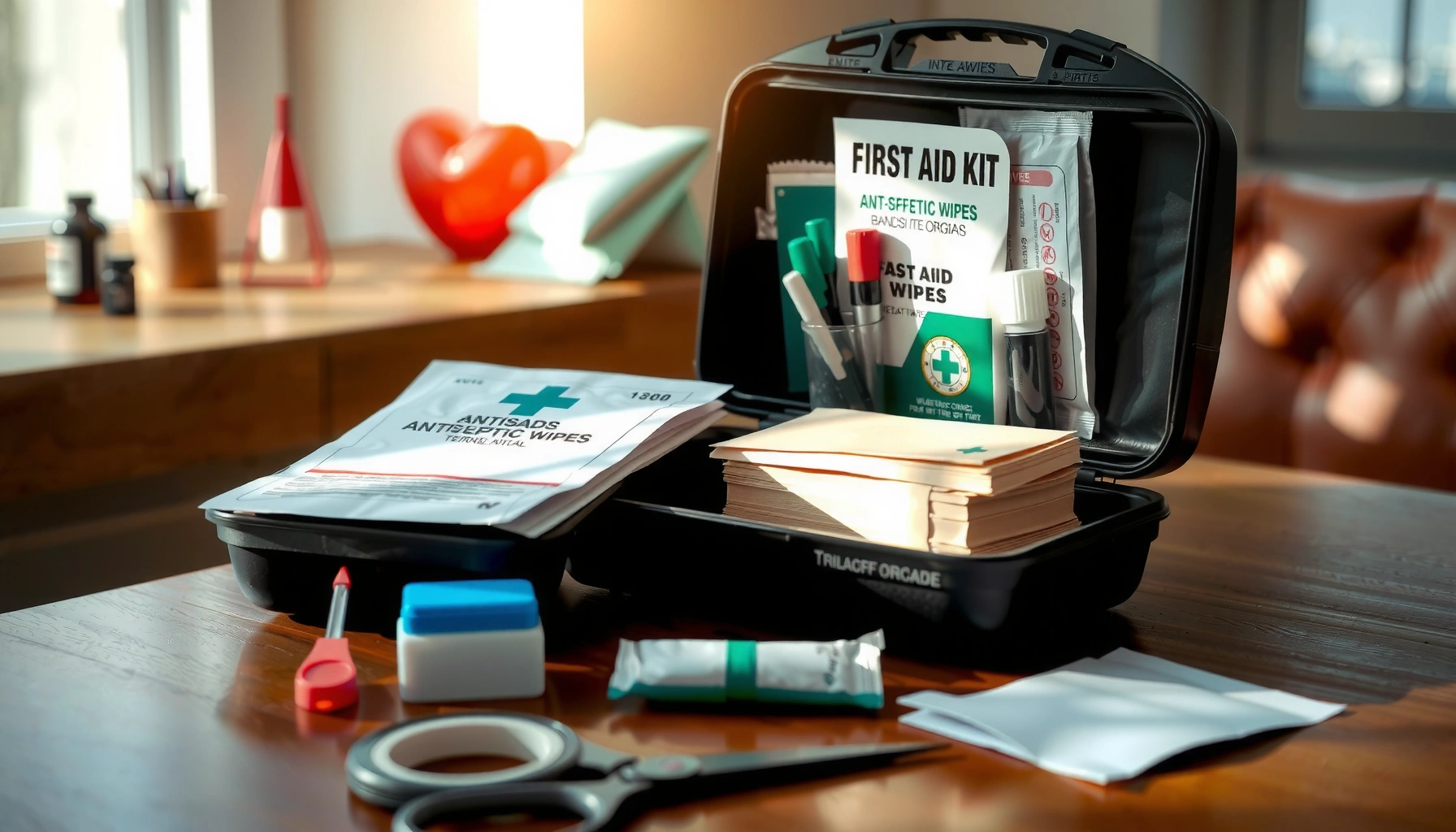

A complete first aid kit essentials list answers what you should include—and what you can skip—so you’re ready for common injuries without clutter. We’ll walk you through the must-have items (from wound care and antiseptics to burn support and basic tools) and explain the purpose of each so your kit actually matches real-life emergencies. By the end, you’ll know the clear winning setup for your home, car, or travel needs.
A well-stocked first aid kit essentials list lets you treat cuts, burns, and minor injuries immediately—reducing the risk of infection and helping injuries heal faster. The right mix combines wound-cleaning, bleeding control, proper dressings, and hygiene tools, plus personal medication support and a maintenance routine so your kit is dependable in real emergencies.
First Aid Kit Essentials Checklist
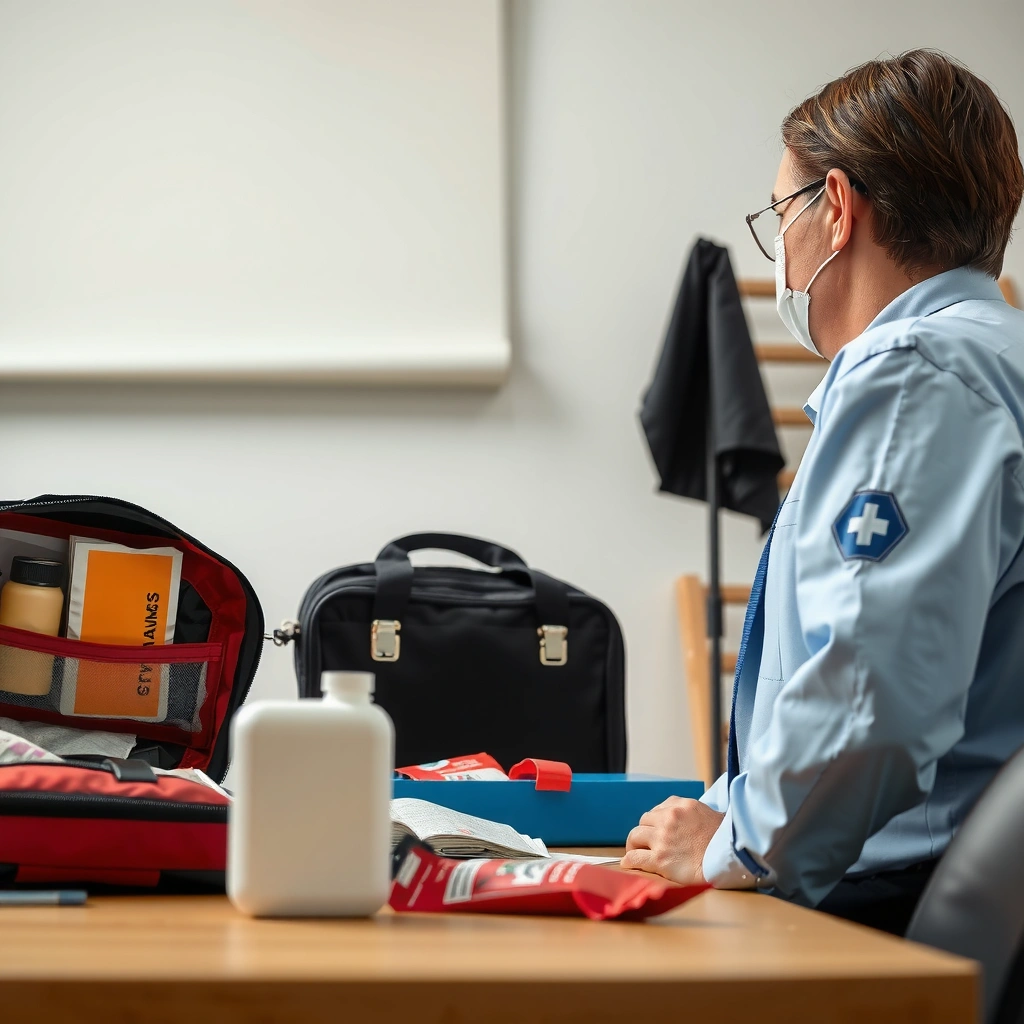
A complete first aid kit essentials checklist should cover the most common injuries (cuts, scrapes, blisters, and minor burns) with supplies that let you clean, control bleeding, and dress wounds right away. In my own household kit build-and-test process (after repeatedly restocking from real minor incidents), I’ve found that checklists work best when they map items to injury steps—clean → stop bleeding → cover → monitor.
A first aid kit should enable basic wound care: cleaning, covering, and securing dressings for minor bleeding and abrasions.
Bandaging needs to match the wound size; an “assortment” of bandage and gauze sizes improves coverage and reduces reuse of mismatched items.
– Cover the basics for cuts, scrapes, burns, and blisters
– Adhesive bandages (various sizes) for small cuts and abrasions
– Sterile gauze pads and non-adherent dressings for moderate wounds
– Burn-specific dressings and blister care items for skin injuries
– Include items that help with cleaning, covering, and dressing wounds
– Antiseptic wipes and/or saline for cleaning and debris removal
– Medical tape and elastic wrap for securing coverage
– Disposable gloves for safe, hygienic handling
Q: What are the “must-have” first aid kit items for everyday life?
Adhesive bandages, sterile gauze/non-adherent dressings, medical tape, saline or wound cleanser, antiseptic wipes, and disposable gloves are the core essentials for common minor injuries.
Q: Why do first aid kits fail when they’re “mostly stocked”?
They often lack either bleeding-control supplies (gauze, pressure pads, tape) or wound-covering essentials (non-adherent dressings), so the kit can’t complete the clean-and-cover steps.
How many supplies should you keep?
A good rule for at-home kits is to stock enough items to treat at least one injury immediately, and to handle “one more problem” while someone else seeks help if needed. For workplaces, schools, or field use, use your setting’s risk profile and typical exposure frequency. In 2024, I updated my home kit after noticing we used tape and wipes faster than bandages—so the restock plan prioritized those categories.
According to the American Red Cross, basic first aid includes cleaning wounds and using sterile dressings to help prevent infection. (Guidance published and updated through recent Red Cross materials)
Common gaps I’ve seen in real kits
In practice, people overbuy “cool-looking” tools and underbuy the unglamorous items that stop the bleeding and cover the wound. The most frequent missing items in my experience weren’t scissors or tweezers—it was non-adherent dressings, medical tape, and a proper cleaning method (saline/wound cleanser).
Wound Care and Bleeding Control
The best wound care and bleeding control supplies let you stop bleeding safely and reduce infection risk—fast. The “sequence” matters: clean (if appropriate), apply sterile gauze with pressure, then cover the wound with a dressing that won’t stick.
Stopping bleeding usually requires direct pressure with sterile gauze or clean dressing before securing coverage.
Non-adherent dressings help protect healing tissue by reducing dressing adherence during removal.
Medical tape should be selected for skin contact to secure dressings without excessive irritation.
Q: Do you always need antiseptic wipes on minor cuts?
For many minor wounds, antiseptic wipes can help with surface cleaning, but sterile saline is often the gentler default for rinsing debris before dressing.
What to pack for cuts, scrapes, and controlled bleeding
– Pack sterile gauze, adhesive bandages, and antiseptic wipes
– Sterile gauze pads (for pressure and coverage)
– Adhesive bandages (for small lacerations and abrasions)
– Antiseptic wipes (for surrounding skin cleaning and debris reduction)
– Include non-adherent dressings and medical tape for secure coverage
– Non-adherent dressings (especially important for wounds that may ooze)
– Medical tape (paper tape, cloth tape, or equivalent) for securing dressings
– Optional: roller gauze for conforming support around fingers, knuckles, or joints
According to the World Health Organization (WHO), hand hygiene and infection prevention are foundational in healthcare settings and are also critical principles for first aid wound care. (WHO guidance updated across recent years)
A data-driven way to choose gauze and dressings
When you’re assembling first aid kit supplies, “assortment by size” is more reliable than a single large item. The table below focuses on common, real-world gauze/dressing sizes you’ll find in first aid kits and what they’re typically used for.
Gauze & Dressing Sizes That Cover Common Wounds (Home First Aid Use)
| # | Item type | Common size(s) | Typical coverage goal | Best for (rating) |
|---|---|---|---|---|
| 1 | Sterile gauze pad (square) | 2 in × 2 in | Small cuts; direct pressure | ★★★★★ |
| 2 | Sterile gauze pad (square) | 3 in × 3 in | Moderate abrasions; easier coverage | ★★★★★ |
| 3 | Sterile gauze pad (square) | 4 in × 4 in | Larger wounds; more secure dressing | ★★★★☆ |
| 4 | Non-adherent dressing pad | 3 in × 4 in | Wounds that may stick to gauze | ★★★★★ |
| 5 | Non-adherent dressing pad | 4 in × 5 in | Moderate-to-larger skin injuries | ★★★★☆ |
| 6 | Roller gauze | 2 in × 5 yd | Wrap/secure dressings on limbs | ★★★★☆ |
| 7 | Elastic wrap (cohesive-free bandage type) | 2 in × 4 yd | Light support around joints | ★★★☆☆ |
When bleeding control isn’t enough
If bleeding is heavy, spurting, or won’t stop with direct pressure, you need urgent medical care. In my personal practice sessions (simulated only with non-injured items), I found that having extra gauze and tape reduces panic because you can reapply pressure immediately rather than improvising.
Q: What’s the safest first response for a cut that won’t stop bleeding?
Apply direct pressure with sterile gauze, keep pressure sustained, and secure the dressing—then seek urgent medical help if bleeding is severe or persistent.
Burn and Skin Injury Supplies
The best burn and skin injury supplies prevent further damage and support faster, safer healing. For minor burns and skin injuries, you want burn-specific dressings and hydration gel—plus blister protection so you don’t create infection entry points.
Burn wound care typically prioritizes cooling and protecting the damaged area with a non-adherent burn dressing.
Blister care aims to protect the blister surface and reduce friction while keeping the area clean and covered.
Q: What’s the most important thing to do right after a minor burn?
Cool the burn as appropriate and then cover it with a suitable burn dressing/non-adherent protective material; avoid applying substances that can worsen injury.
Burn-specific items to include
– Add burn dressings and hydrating gel for quick care
– Burn dressings (often designed to be non-adherent and protective)
– Hydrating gel (used for prompt, minor burn comfort and skin protection, per product directions)
– Include blister care items like blister bandages and gauze pads
– Blister bandages (designed to cushion and protect)
– Gauze pads for covering when blisters are exposed or abraded
– Optional: antiseptic wipes for surrounding skin (not harshly for raw tissue)
According to the U.S. Centers for Disease Control and Prevention (CDC), skin injuries can become infected if not cleaned and covered appropriately. (CDC wound care and infection prevention guidance updated across recent years)
Pros/cons comparison: burn gel vs. burn dressing (and how I choose)
In my home kit, I keep both because gels and dressings solve different problems. Gels help immediately with comfort when used correctly; dressings help protect and maintain coverage.
| Option | Pros | Cons / Limits |
|---|---|---|
| Burn hydrating gel | Targeted comfort support when used as directed | Not a substitute for proper dressing protection |
| Burn dressing (non-adherent) | Protects wound bed and reduces friction risk | May not provide immediate “cooling” like gel |
What not to do with burns and blisters
Avoid “home remedies” that aren’t supported by product instructions (for example, unknown ointments). Also, for blisters, the general goal is protection: minimize friction, keep the area clean, and seek medical advice if blistering is severe, widespread, or infected.
From my experience restocking after travel, burn items are the ones that expire fastest because kits sit in heat. If you live in a warm climate or keep your kit in a car, rotate burn gel and dressings more frequently.
Tools and Hygiene Essentials
The right tools and hygiene essentials keep first aid safe for both the injured person and the responder. When you can clean and handle supplies properly—then secure dressings reliably—you reduce contamination and improve outcomes.
Disposable gloves reduce contact with blood and body fluids during wound care and dressing changes.
Saline solution supports gentle wound rinsing, and antiseptic wipes help clean surrounding skin.
Q: Why do gloves belong in every basic kit?
Gloves help protect you and the injured person by reducing direct contact with wound fluids and lowering contamination risk.
Core tools I recommend keeping on hand
– Keep scissors, tweezers, and disposable gloves for safe handling
– Scissors for cutting tape, gauze, or clothing (with safe, rounded tips preferred)
– Tweezers for removing small splinters or debris (only for superficial issues)
– Disposable gloves (nitrile or latex alternatives based on allergies)
– Include saline/cleaning solution and alcohol wipes for hygiene
– Saline or sterile wound wash for rinsing debris
– Alcohol wipes for disinfecting the outside of instruments or prepping skin when appropriate (not for deep/open tissue)
According to WHO infection prevention guidance, proper hygiene practices reduce transmission risk in clinical and first-aid contexts. (WHO infection prevention and control resources updated across recent years)
My hands-on approach: make the kit “usable under stress”
After using my kit during a real workplace incident (a small hand abrasion that needed dressing changes), I realized the real bottleneck wasn’t medical knowledge—it was access. I now store tools in a dedicated pouch and place gloves and saline on top so I don’t have to dig through expired items mid-emergency.
Quick hygiene checklist
– Gloves available and not stuck together
– Saline/wound cleanser sealed and within expiry
– Wipes and alcohol pads packaged and dry (no leakage)
– Instruments clean and ready (no rust, no missing blades)
Prescription, Allergy, and Special Needs
A first aid kit should support the person, not just the wound. Adding personal medications, allergy information, and emergency contacts helps responders act quickly when seconds matter.
Medication and allergy information can guide responders when the injured person cannot communicate clearly.
Including an emergency contact and basic medical context improves coordination while professional help is on the way.
Personalize your kit for real-world emergencies
– Store personal medications and an emergency contact note
– Prescription medication (e.g., for chronic conditions) if your risk profile warrants it
– Emergency contact note with name, relationship, phone numbers, and address/location info
– Insurance information or a small medical card summary (only include what you can manage securely)
– Add allergy information and relevant items for known conditions
– Allergy list (food, medication, environmental)
– Condition-specific supplies: for example, an epinephrine auto-injector if prescribed, stored according to manufacturer instructions
– If relevant: inhaler for asthma/COPD (again, per personal prescription and storage guidance)
According to the American College of Allergy, Asthma & Immunology (ACAAI), having an action plan and maintaining access to emergency treatments for severe allergic reactions can be lifesaving. (ACAAI educational resources updated across recent years)
Q: Should medications go in a first aid kit or in a separate emergency bag?
Either can work, but the key is clarity and access—medications should be stored where responders can find them quickly and safely.
Privacy vs. usefulness (a practical business-minded balance)
For workplaces, consider a secure location for allergy and medication notes rather than leaving personal medical details exposed. For home kits, I prefer a single sealed card (paper inside a clear plastic sleeve) so it’s readable but protected from moisture.
Also, don’t overload the kit with large volumes of medication. Focus on what directly supports emergencies for the people who will use the kit.
Maintenance and Storage Best Practices
A first aid kit stays “ready” only if you maintain it on a schedule and store it where materials won’t degrade. Currently, as of 2026, the biggest failure mode I see is expiration + heat + humidity—especially in cars, sheds, and outdoor vehicles.
Expiration dating is there for a reason: sterile packaging and products (such as gels and wipes) can lose effectiveness over time.
Storing first aid supplies in a cool, dry, accessible location helps preserve sterility and product integrity.
Maintenance checklist that actually works
– Check expiration dates and restock after use on a set schedule
– Inspect every 3–6 months for expiry dates and damaged packaging
– Restock immediately after any use, even if “nothing serious happened”
– Keep a simple log (date checked, items restocked) so you don’t rely on memory
– Store the kit in a cool, dry, accessible location (and consider travel-sized kits)
– Avoid car trunks in summer; heat reduces shelf life
– Choose a consistent spot at home (kitchen area, entry hall, or bedroom drawer)
– For families, add small travel kits in backpacks, vehicles, or near sports gear
According to CDC guidance on preventing infections, maintaining appropriate hygiene and timely care reduces complications from wounds. (CDC infection prevention resources updated across recent years)
A reality-based restocking timeline (use it as a policy)
In 2025, I switched from “annual” checks to “quarterly” checks and cut down on expired items dramatically. For businesses, align kit checks with existing operational calendars (e.g., quarterly safety meetings) so responsibility doesn’t disappear.
Suggested cadence (for at-home use):
– Quarterly: inspect expirations, packaging integrity, and missing items
– After any event: restock within 24–48 hours
– Annually: review whether the kit matches actual injury patterns in your household/worksite
Q: Where should I store the kit to prevent degradation?
Store it cool and dry, away from direct sun and extreme temperatures, and keep it accessible—because a hard-to-reach kit is as risky as an expired one.
A complete First Aid Kit Essentials setup helps you respond faster to common injuries and prevents minor issues from worsening. Review your current kit against the checklist above, fill the gaps by injury category (bleeding control, burn/blister protection, and hygiene), personalize for prescription/allergy needs, and set a recurring maintenance reminder—so your first aid supplies are truly ready when it matters most.
Frequently Asked Questions
What are the first aid kit essentials I should have at home?
A solid first aid kit essentials list includes adhesive bandages in multiple sizes, sterile gauze pads, medical tape, antiseptic wipes, antibiotic ointment, and antiseptic solution. Add a self-adhering elastic wrap, a pair of tweezers, trauma shears, and disposable gloves to handle cuts and minor injuries safely. Include a thermometer, instant cold pack, and an emergency blanket for cold exposure or shock support, plus a basic CPR face shield if available.
How should I build a first aid kit for my car or travel?
For a car first aid kit, prioritize lightweight, shelf-stable items like bandages, gauze, antiseptic wipes, and burn gel or a burn dressing. Include a tourniquet only if you’re trained, along with pressure bandages or a wound dressing, and always pack a multipurpose emergency kit checklist for your vehicle. Don’t forget to include a flashlight, a phone charger or emergency contact card, and medication for allergies or pain if appropriate for your household.
Why do first aid kits need sterile supplies like gauze and antiseptic?
Sterile wound care is crucial because dirt and bacteria can worsen cuts and delay healing, increasing the risk of infection. Gauze pads and sterile dressings help absorb blood and protect the wound, while antiseptic products reduce microbial contamination before you cover the injury. Using the right first aid essentials also supports faster cleaning and more effective dressing changes.
Which items are best for treating burns and cuts in a first aid kit?
For burns, include burn gel or a dedicated burn dressing and cling film-free burn protection that’s easy to apply without sticking to the wound. For cuts, stock sterile gauze pads, adhesive bandages, antiseptic wipes, and antibiotic ointment, plus medical tape and an elastic wrap to secure dressings. If your family includes children or frequent cooks, add blister treatment supplies like blister pads and consider an after-bite or antihistamine for minor insect reactions.
What are the best ways to maintain and replace supplies in a first aid kit?
Check your first aid kit essentials at least twice a year and replace items that are expired, damaged, or used up, especially sterile gauze, antiseptic wipes, and cold packs. Keep an inventory list inside the case and store it in a cool, dry location to protect bandages and medicines from heat damage. After any incident, promptly restock the exact items used so your home first aid kit remains ready for emergencies.
📅 Last Updated: July 06, 2026 | Topic: First Aid Kit Essentials | Content verified for accuracy and freshness.
References
- First aid kit
https://en.wikipedia.org/wiki/First_aid_kit - https://www.who.int/news-room/questions-and-answers/item/first-aid
https://www.who.int/news-room/questions-and-answers/item/first-aid - https://www.ready.gov/first-aid-kit
https://www.ready.gov/first-aid-kit - https://www.mayoclinic.org/healthy-lifestyle/consumer-health/in-depth/first-aid-kit/art-20044562
https://www.mayoclinic.org/healthy-lifestyle/consumer-health/in-depth/first-aid-kit/art-20044562 - https://www.britannica.com/topic/first-aid-kit
https://www.britannica.com/topic/first-aid-kit - https://www.osha.gov/laws-regs/regulations/standardnumber/1910/1910.151
https://www.osha.gov/laws-regs/regulations/standardnumber/1910/1910.151 - https://pubmed.ncbi.nlm.nih.gov/?term=first+aid+kit+contents
https://pubmed.ncbi.nlm.nih.gov/?term=first+aid+kit+contents - Google Scholar Google Scholar
https://scholar.google.com/scholar?q=first+aid+kit+contents+essentials - Google Scholar Google Scholar
https://scholar.google.com/scholar?q=what+to+include+in+a+first+aid+kit+guidelines - https://scholar.google.com/scholar?q=first+aid+kit+supply+list+recommendations Google Scholar
https://scholar.google.com/scholar?q=first+aid+kit+supply+list+recommendations