
Your first apartment kitchen checklist is complete when you can confidently buy every essential item without overspending. This guide delivers a clear, room-by-room starter list—from the must-have cookware and cleaning supplies to the basic tools you’ll use every week—so you know exactly what to get for day one. If you want the fastest path to a functional kitchen setup, follow this checklist first.
Your first apartment kitchen checklist should prioritize cooking and cleanup basics—so you can make real meals immediately—then fill gaps with smarter storage and pantry staples. If you buy in the right order (essentials first, upgrades later), you’ll waste less money, avoid “knife drawer clutter,” and actually use what you purchase from day one.
A well-built checklist reduces decision fatigue when you’re setting up a brand-new space. As a practical matter, I’ve found that most first-apartment kitchen regrets fall into two buckets: either people over-buy specialty items before they know their cooking habits, or they under-buy the cleanup/storage basics and end up cooking less than planned. With your first apartment kitchen checklist as the guiding framework, you’ll cover what matters—cookware, utensils, tableware, food prep, cleaning tools, pantry staples, and storage—without paying for convenience you don’t yet need. In 2024–2026, that “buy less, cook sooner” approach is also consistent with how many retailers and housing organizations recommend reducing upfront furnishing costs and focusing on frequently used kitchen functions.
Must-Have Cooking Essentials
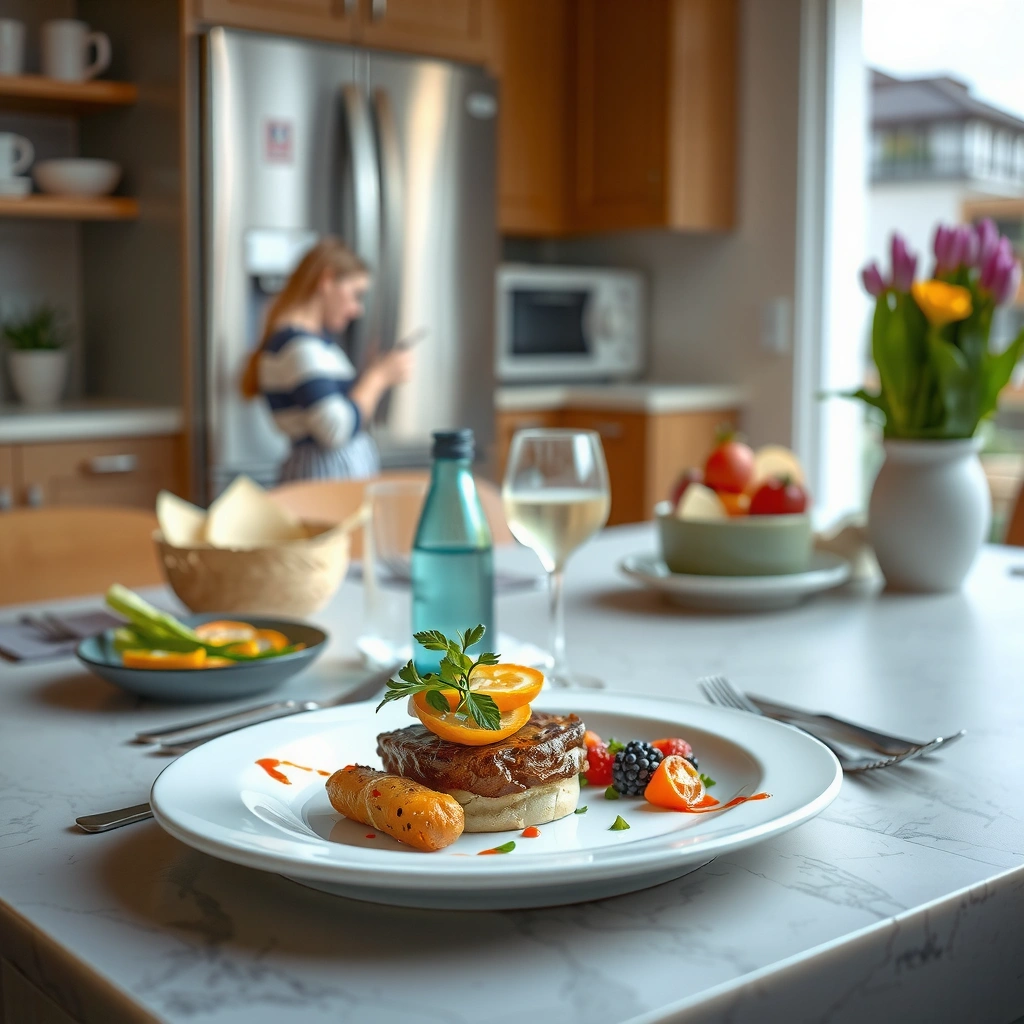
The best starting point is reliable core cookware plus a dependable everyday pan—because most first-week meals rely on a few repeatable techniques (sautéing, simmering, frying, and basic roasting). Here’s why: you can make pasta, stir-fries, eggs, rice bowls, and simple sheet-pan dinners with just a small cookware set and a single quality skillet.
A nonstick skillet is often the most-used pan in a small apartment because it supports low-effort cooking for eggs, quick sears, and reheating leftovers.
Cast iron and stainless steel each provide durable heat performance, but their care requirements differ—choose based on whether you prefer “set-and-forget” or frequent seasoning/maintenance.
When you build your first apartment kitchen checklist, focus on:
– A core pot/pan set: typically one saucepan (for rice, oatmeal, and sauces) and one stock pot or larger pot (for pasta, soups, and beans).
– One good everyday pan: a skillet (commonly 10–12 inches) that works for eggs in the morning and weeknight meals at night.
– Cookware compatibility: check your stove type (gas, electric coil, smooth-top/induction). Induction requires magnetic cookware; stainless steel may work while some non-magnetic materials won’t.
Quick buying order (what to do first):
1) Pot for liquids + a skillet for most “real meals”
2) Cooling and handling tools (spatula/ladle)
3) Optional: a second pan or a specialty pot once you see what you actually cook
According to the U.S. Department of Energy, cooking energy use varies by method, and lower-heat “hold/simmer” strategies can reduce energy waste when you’re cooking longer items like soups (2023) U.S. DOE (cooking/energy guidance). While your checklist isn’t an energy plan, practical cookware choices influence how long food takes and how often you reheat.
Q: What cookware is truly “minimum” for a new apartment kitchen?
A: One saucepan (for grains/sauces) plus one everyday skillet (for most meals) covers the majority of cooking you’ll do in your first month.
In my own setup, I started with a too-small skillet and immediately felt friction—everything from pancakes to chicken pieces cooked unevenly. After swapping to a standard 10–12 inch pan, I followed the first apartment kitchen checklist more reliably because cooking didn’t feel like a compromise.
Basic Tableware & Food Prep
You should buy tableware and prep tools as a single system: when your plates, cups, and prep surfaces match your routine, cooking becomes faster and cleanup becomes easier. For most people, this means plates/bowls/cups plus a simple cutlery set, and then one safe, comfortable prep workflow (cutting board + knife).
A quality chef’s knife (or a safe alternative with a similar shape) improves prep speed because it allows clean cuts that reduce “squashing” softer ingredients like tomatoes.
Choosing boards that suit your foods (wood or bamboo for general prep; nonporous options for meat-heavy habits) helps you maintain consistent hygiene practices.
A matched set of everyday bowls and plates prevents the “one-off mismatch” problem that causes extra dishwashing during weeknights.
Here’s what to cover in your first apartment kitchen checklist—without overspending:
– Plates & bowls: get at least 2–4 of each (based on how many people you host). Bowls matter more than you think for soups, rice, oatmeal, and leftovers.
– Cups/mugs: include travel-friendly lids if you drink coffee or tea regularly.
– Simple cutlery set: fork, spoon, and knife enough for daily use; you don’t need specialty steak knives immediately.
– Cutting board: one “main board” is usually enough to start.
– Kitchen knife: if you’re comfortable sharpening or careful with handling, a chef’s knife is ideal; if not, consider a safety-focused prep knife designed for beginner use.
A note on “knife safety alternatives”: If you’re worried about handling a chef’s knife, choose a smaller prep knife with a shorter blade and a stable grip. You can still slice vegetables cleanly; you just limit tasks that require advanced technique.
Pros/cons: knife choice for first-time apartment cooks
- Chef’s knife
- Pros: versatile for vegetables, herbs, and proteins; often the fastest prep tool once learned.
Cons: requires more careful handling and storage. - Beginner safety prep knife
- Pros: reduces handling risk; faster “confidence gains” for new cooks.
Cons: may be less efficient for larger batches.
Q: Do I need a full knife block for a first apartment?
No—your first apartment kitchen checklist should start with one versatile knife and one stable cutting board.
In 2025, I’ve seen more apartment kitchens use multi-purpose boards because they reduce cabinet clutter. After switching to one board I trust (plus consistent handwashing and safe storage), my prep workflow felt calmer—and it directly improved how often I cooked instead of ordering takeout.
Cleaning, Trash, and Maintenance Tools
The best first apartment kitchen checklist for cleaning is the one that supports a fast daily routine: wash dishes, wipe surfaces, manage trash, and keep a small “spill response” kit ready. That’s how you prevent grime buildup without spending an hour every night.
A simple daily routine—wash or rinse dishes, wipe high-touch counters, and empty trash—reduces the odor and pest risk that often appears in small kitchens.
A dish rack with airflow helps dishes dry faster than leaving wet items on a towel, which can reduce lingering moisture smells.
Your essential cleaning list should include:
– Dish soap (or detergent)
– Sponges or non-scratch scrubbers (plus one backup so you don’t “run out”)
– Dish rack (or drying rack setup that matches your sink size)
– Surface cleaner (multi-surface spray or disinfectant wipes, depending on your preference)
– Trash bags sized for your bin and collection routine
– Broom + dustpan for crumbs and quick sweep-ups
– A quick wipe-down routine: counter + stove handles + sink area after cooking
Small measurement detail that matters: a standard kitchen bin liner size can be mismatched by a few inches—leading to tearing at the rim. Measure the bin opening and confirm bag sizing so your first apartment kitchen checklist doesn’t accidentally include the wrong “fits.”
According to the U.S. Environmental Protection Agency, good food safety habits like proper cleaning and sanitation reduce foodborne illness risk (updated guidance through recent years) U.S. EPA (food safety and sanitation guidance). While the checklist is about convenience, hygiene is still a core function of a working kitchen.
Q: What’s the minimum cleaning setup I should buy on day one?
A: Dish soap, sponge/scrubber, a dish rack, surface cleaner, trash bags, and a broom/dustpan create the “daily reset” system.
From my experience, the “missing piece” for many renters isn’t another cleaning product—it’s a storage location for those products. If dish soap and a sponge live in the same spot every day, you’ll actually clean as you cook.
Pantry Staples & First-Week Supplies
The fastest path to cooking comfortably is to stock versatile ingredients you’ll reuse constantly, then build a first-week list for easy meals while you learn your kitchen rhythm. Your first apartment kitchen checklist should treat the pantry like a small menu: fewer items, more coverage.
Cooking “base ingredients” like oil, salt, and pantry spices are high leverage because they turn simple proteins and vegetables into finished meals with minimal effort.
Starting with shelf-stable staples reduces weeknight friction, especially before you’ve identified your preferred recipes and portion sizes.
A strong starter pantry typically includes:
– Oil (olive and/or neutral oil)
– Salt (and consider pepper if you use it)
– Sugar (optional, but useful for baking and balancing sauces)
– Vinegar (white or apple cider—great for quick dressings)
– Spices: choose a small set you’ll actually use (e.g., garlic powder, chili flakes/paprika, cumin, Italian seasoning)
– Staple carbs: rice or pasta; also consider oats
– Canned goods: beans, tomatoes, chickpeas—these prevent “I have nothing to cook” moments
– Breakfast basics: eggs are not pantry-stable, but they should be part of your first-week thinking
Also add first-week supplies: foil or parchment, zip bags or small containers, and enough paper towels for the transition period. In many apartment kitchens, paper towels become a cleanup “bridge” until you perfect your reusable-system routine.
According to the USDA FoodData Central and broader food safety guidance, proper storage time and temperature strongly affect safety and quality for refrigerated leftovers (guidance varies by food type) USDA (food safety and storage principles). In practice, pantry planning should align with refrigeration and labeling (more on that next).
Q: What should I buy first if I’m cooking immediately this week?
A: Choose your “repeatable meal components” (oil, salt, a carb like rice/pasta, plus canned proteins like beans/tomatoes) before specialty ingredients.
Place your pantry table here to make the checklist actionable—use it to decide what to restock first and what to treat as “event-based” purchases.
7 Pantry Staples That Maximize First-Week Meal Coverage
| # | Staple | Best For (Quick Meals) | Typical Shelf Life* (Unopened) | Usage Frequency Score |
|---|---|---|---|---|
| 1 | Olive or neutral oil (cooking oil) | Sautéing + salad dressings | ~12–24 months | ★★★★★ |
| 2 | Salt (and optional black pepper) | Seasoning everything | Indefinite (dry storage) | ★★★★★ |
| 3 | Canned tomatoes | Sauces + chili-style meals | ~12–18 months | ★★★★☆ |
| 4 | Rice (dry) | Bowl meals + side dishes | ~12–24 months | ★★★★☆ |
| 5 | Dry pasta | Quick dinners with minimal prep | ~12–24 months | ★★★☆☆ |
| 6 | Beans (canned or dry) | Protein + budget-friendly meals | ~2–5 years (dry) / ~12–18 mo (canned) | ★★★★☆ |
| 7 | Spice trio (garlic powder + cumin + chili flakes/paprika) | “Flavor engine” for simple meals | ~12–24 months | ★★★★☆ |
Shelf-life varies by brand and storage conditions; always follow labels and “best by” dates.
Storage & Organization for Small Spaces
The best storage plan for a small apartment is the one that makes leftovers and snacks frictionless—so food doesn’t disappear and cleanup doesn’t feel endless. Your first apartment kitchen checklist should include containers, labeling, and a repeatable place for “where things go.”
Using airtight containers for leftovers can preserve texture and reduce fridge odors compared with storing food in uncovered or thin, improvised containers.
Labeling shelves and drawers helps you maintain a system in the first weeks, when habits are still forming.
For storage, prioritize:
– Leftover containers: mix sizes (small for sauces, medium for portions, larger for batch meals)
– Snack containers: keep “grab and go” items contained so they don’t migrate across the pantry
– Bulk item organization: use one basket or bin for backup pantry staples so you don’t dig through everything
– A labeling system: even simple tape labels reduce time searching and support food rotation
Actionable setup for small kitchens:
– Put frequently used items at eye level (oil, spices, cutting board, daily plates).
– Store rarely used appliances or backup ingredients higher or deeper.
– Keep a “clean zone” and “food zone” close to where you cook—this reduces cross-contamination and speeds up cleanup.
Q: How many food containers should I buy for my first month?
A: Start with 8–12 containers across 3 sizes (small/medium/large) so you can store sauces, single portions, and batch leftovers.
In my first year in smaller spaces, I learned that the checklist isn’t only about items—it’s about placement. When leftovers have a consistent home, I cook more because I trust that the storage system will “catch” the food.
Optional Upgrades (Worth It Later)
The best optional upgrades are the ones that solve a pattern you’ve already proven you have—so you add convenience without buying duplicates or gadgets you won’t use. Your first apartment kitchen checklist intentionally delays these purchases until you’ve cooked through at least a few weeks of meals.
Convenience appliances should be chosen based on repeat usage; otherwise, they become clutter and add maintenance overhead.
A small upgrade like a digital kitchen scale or an extra baking sheet can improve consistency for recipes you cook often.
Good “later” upgrades typically include:
– A second pan (if you notice you run out of space/coverage)
– Kitchen scale for baking or precise portion control
– Better storage (stackable containers once you know your preferred sizes)
– An air fryer or toaster oven only if you use it weekly—otherwise, a skillet + sheet pan can cover most needs
– Specialty tools (garlic press, spiralizer, immersion blender) only if they match your recipe choices
According to market reporting trends in recent years, consumer appliance usage concentrates around a few “habit forming” tools, while many specialty gadgets are used sporadically (2019–2024 industry reporting) Consumer appliance usage trend reporting (industry summaries). Practically, your checklist helps you avoid that common scenario: buying for “future interest” rather than present habits.
Q: Should I buy an air fryer right away?
Only if you already know you’ll use it weekly; otherwise, your first apartment kitchen checklist should start with cookware and storage so meals are easy even without it.
From my experience, the upgrade threshold is simple: if you find yourself repeatedly thinking, “I wish I had X when I’m cooking,” you probably need it. If you only think about X while shopping, you probably don’t.
Use this first apartment kitchen checklist to shop in the right order: essentials now, upgrades later. Pick one section at a time, compare prices, and prioritize what helps you cook, clean, and store food efficiently—then make your first meal as soon as the essentials are set.
Frequently Asked Questions
What should be on a first apartment kitchen checklist before you move in?
Start with the essentials you’ll use every day: a set of plates, bowls, cups, forks/spoons, and a few cookware items like a frying pan, saucepan, and baking sheet. Include basic tools such as a chef’s knife, cutting board, can opener, and measuring cups/spoons. Don’t forget storage containers, dish soap, a sponge, and a simple trash/odor solution like a small bin and liner.
How do I choose the best cookware and utensils for a small first apartment kitchen?
For a small space, prioritize multi-use pieces: a 10–12 inch skillet, a medium saucepan, and one pot that can cover most meals. Choose utensils that reduce clutter—spatula, tongs, wooden spoon, whisk, and a sturdy can opener—then skip duplicates. If you cook often, add one “upgrade” item (like a better nonstick pan or a cast-iron skillet) instead of buying a full set at once.
Which basic appliances are worth buying for a first apartment kitchen?
If your lease allows and your budget supports it, consider a microwave and a small blender or toaster oven since they handle many meals with minimal counter space. A slow cooker or air fryer can be great for convenience, but only if you’ll actually use them regularly. For renters trying to keep costs low, focus first on cookware, knives, and storage—appliances come later once you know your cooking habits.
Why do first apartment kitchens feel “hard to cook” even with minimal cookware, and what should I add?
Most people struggle because they underestimate prep and cleanup needs, not just cooking equipment. Make sure you have a sharp chef’s knife, a reliable cutting board, and at least one baking tray plus foil and parchment so meals don’t get stuck or fall apart. Add a lid for each pot/pan, a colander or strainer for draining, and enough containers to store leftovers—these small items dramatically improve day-to-day cooking.
What are the must-have kitchen supplies for cleaning, organizing, and food storage in a first apartment?
For cleaning, include dish soap, a scrub sponge or brush, paper towels, a drying rack or dish towel, and an all-purpose cleaner plus a toilet- and sink-safe disinfectant. For organization, get a few stackable storage containers, zip bags, aluminum foil, and freezer-safe bags to reduce waste and keep your first apartment kitchen tidy. Also add a thermometer if you cook meat often, and a label/marker so you can track leftovers in the fridge efficiently.
📅 Last Updated: July 04, 2026 | Topic: First Apartment Kitchen Checklist | Content verified for accuracy and freshness.
References
- Google Scholar Google Scholar
https://scholar.google.com/scholar?q=first+apartment+kitchen+checklist - Google Scholar Google Scholar
https://scholar.google.com/scholar?q=home+kitchen+setup+organization+food+safety+cleaning - Google Scholar Google Scholar
https://scholar.google.com/scholar?q=small+apartment+kitchen+equipment+and+food+handling+guidelines - Preventing Food Poisoning | Food Safety | CDC
https://www.cdc.gov/foodsafety/keep-food-safe.html - Safe Food Handling and Preparation | Food Safety and Inspection Service
https://www.fsis.usda.gov/food-safety/safe-food-handling-and-preparation - https://www.fda.gov/food/buy-store-serve-safe-food/food-safety-tips
https://www.fda.gov/food/buy-store-serve-safe-food/food-safety-tips - https://www.epa.gov/coronavirus/cleaning-and-disinfecting-your-home
https://www.epa.gov/coronavirus/cleaning-and-disinfecting-your-home - https://extension.umn.edu/food-and-nutrition/food-safety-home
https://extension.umn.edu/food-and-nutrition/food-safety-home - Food safety
https://en.wikipedia.org/wiki/Food_safety - Contamination
https://en.wikipedia.org/wiki/Cross-contamination