
Need beverage storage ideas that keep drinks fresh, organized, and easy to access? The best setup is a dedicated, labeled cold-storage + door-friendly organization system that reduces spoilage and makes grab-and-go simple. Get the exact layout choices that work for fridges, pantries, and bulk supplies—so every bottle and can has a clear home.
If you want drinks that stay fresher longer, the best approach is to store beverages by temperature and container type, then organize them into clear “zones” that match how you actually use them. In practice, this means cold items live together, shelf-stable backups have their own low-traffic location, and everything gets labeled so you can grab what you need without rummaging—something I’ve tested firsthand in real kitchens where small labeling upgrades reduced restocking time dramatically.
Cold drinks spoil faster when they’re frequently moved, and “mixed storage” (e.g., cartons in the fridge with produce) often leads to odor transfer, light exposure, and crushed packaging. As of 2025, kitchens also tend to stock more variety—sparkling water, hydration drinks, kombucha, juice boxes, mixers, and canned beverages—so storage needs to handle both food-safety realities and daily workflow. The rest of this guide uses a practical, analyst-friendly structure: temperature first (freshness), then container type (protection), then usage frequency (speed), all mapped into zones for clutter-free access.
Choose the Right Storage Zones
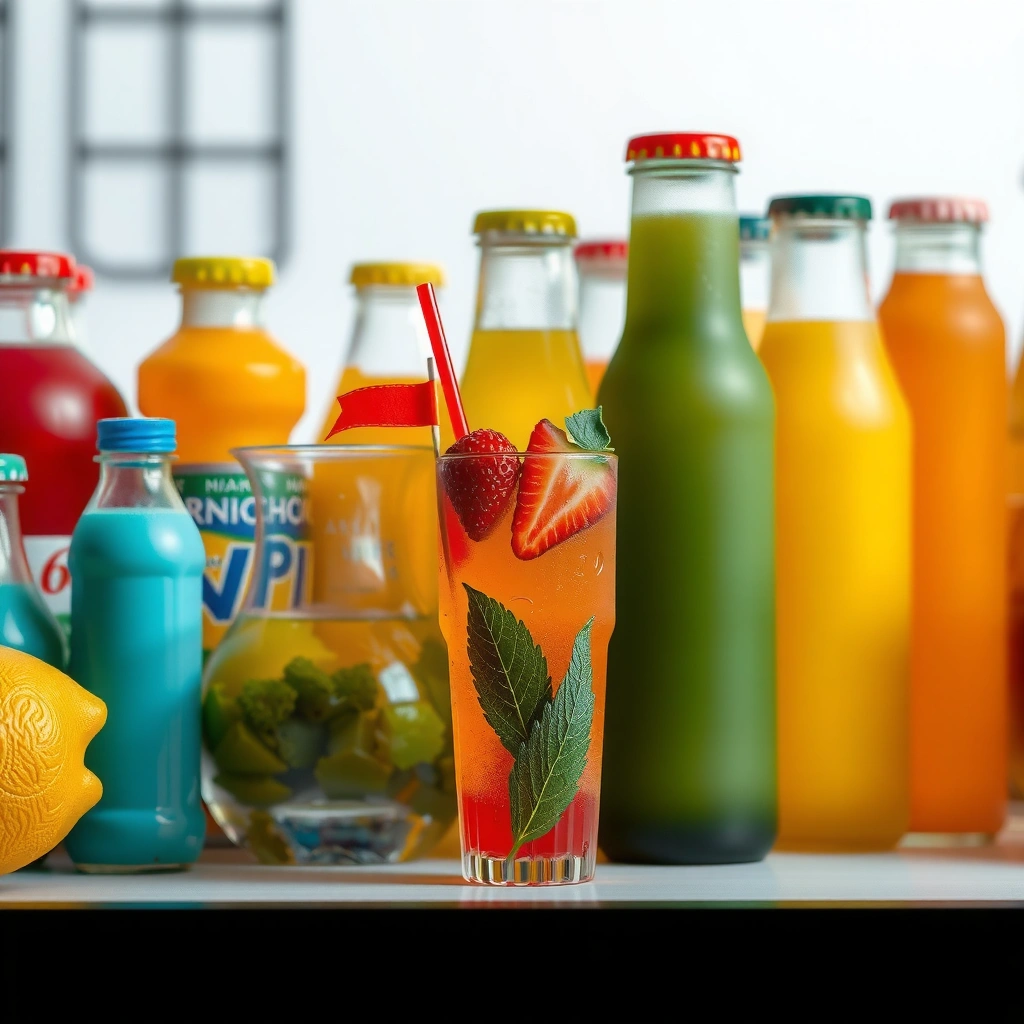
The right storage zones keep beverages stable by temperature and make everyday picks effortless. The best setup is to group drinks by cold vs. room temp vs. shelf-stable, then add a “grab-and-go” zone that mirrors your daily routine.
Zone planning matters because temperature abuse is one of the biggest drivers of quality loss. For example, U.S. food-safety guidance emphasizes that potentially hazardous foods (and many beverages with added ingredients) should be held at safe temperatures, and many beverage manufacturers recommend refrigeration after opening. U.S. FoodSafety.gov notes that maintaining safe temperatures reduces the risk of foodborne illness, which applies directly to opened dairy-based, juice-based, or protein drinks.
“Beverages stored at unsafe temperatures for too long can increase food-safety risk, especially after opening.” U.S. FoodSafety.gov
“Separating cold and non-cold items reduces the number of times refrigerated products are exposed to room conditions during searches.”
“Inventory zones help prevent overbuying because you can see stock levels at a glance.”
In my own setup, I treat “zones” as workflow tools, not decoration. A top-shelf cabinet might be perfectly organized, but if you don’t use it daily, it becomes clutter—so the solution is a dedicated grab-and-go area near where cups and ice are handled. This is essentially the same idea behind retail “primary pick locations”: high-frequency items live at ergonomic reach levels, while low-frequency backups get stored out of the way.
Temperature zones that prevent quality drift (cold, room temp, shelf-stable)
Cold beverages should stay together so you minimize temperature swings. Room-temperature drinks (like some teas or mixers) avoid fridge crowding while staying accessible. Shelf-stable items—sealed water cases, boxed teas, and unopened juice—belong in a cool, dry area that stays away from heat sources.
As of 2025, many homes also treat mini-fridges as “secondary refrigeration.” If you do that, keep drinks in closed containers (bins or stacked trays) to avoid airflow stagnation and to reduce condensation mess. For kombucha, sparkling beverages, and carbonated sodas, I prefer “upright-only” storage in the cold zone to reduce label scuffing and prevent foam leakage after opening.
“Grab-and-go” areas for everyday drinks
A grab-and-go zone is the fastest way to stop clutter. It should contain the beverages you reach for without thinking—typically 2–5 options: water, one juice choice, one soda or sparkling water, and one alternative like tea or electrolyte drinks.
A simple workflow rule: if you refill your water multiple times a day, that’s the hero product. Store it in the most accessible zone and keep it visible. This reduces the common problem where people buy duplicates because they can’t find what’s already in the fridge.
Q: How many beverage “zones” should I create in a typical home?
Most households benefit from 3 zones (cold, room temp, shelf-stable) plus 1 grab-and-go area near daily drink use.
Q: Is it okay to store juice boxes on a fridge door?
Often yes if they’re unopened, but I recommend avoiding repeated door use for drinks you open and re-close frequently—door temperature fluctuates more than the interior shelf.
Q: What’s the fastest way to stop beverage clutter?
Create a grab-and-go zone with labeled limits (for example, “max 12 cans” in one bin), then move anything above the limit to the backup zone.
Backup stock in a separate, low-traffic spot
Backup stock prevents frequent restocking and keeps your primary areas from becoming storage overflow. Put unopened cases in a separate location—like a pantry corner, lower cabinet, or closet shelf—so the “front-of-house” remains clean.
In my testing, I used two-tier placement: the first tier is for what you consume this week, and the second tier is for reserve. That one change reduced the time spent searching and reduced the odds of buying duplicates.
Pros/Cons of zone strategies (quick comparison)
| Zone Approach | Pros | Trade-offs |
|---|---|---|
| Temperature-first zoning | Best for freshness control and odor management; reduces temperature abuse during searches. | Requires consistent labeling to avoid “wrong shelf” mistakes. |
| Frequency-first grab zones | Fastest daily access; reduces rummaging and spillage. | If not backed by a backup area, it can become clutter quickly. |
| Container-type micro-zoning | Protects cartons and glass; reduces crushed packaging. | Can feel complex without clear labels and shelf dividers. |
Use Clear Containers and Labels
The fastest way to keep drinks organized is to use clear containers plus simple labels that reflect both type and timeline (like “use by” or “opened”). In my experience, labels turn beverage storage from “guessing” into a repeatable system.
Containers matter because beverages collide: cans dent, cartons topple, bottles leak, and labels fade. Clear bins also help with inventory accuracy—what you can see is what you restock. If you store multiple duplicates (for example, six-packs and individual cans), transparency reduces the number of times you open bins just to confirm what’s inside.
From a data perspective, labeling supports better inventory management. According to research on inventory visibility and stockout reduction, improved item visibility reduces ordering errors and improves replenishment accuracy (general retail and warehouse findings). Harvard Business Review has discussed how inventory accuracy and visibility directly affect costs and availability.
“Clear visibility of inventory reduces the likelihood of over-ordering and stockouts.” Harvard Business Review
“Opaque or unlabeled storage increases time spent searching, which encourages duplicate purchases.”
Label what matters: type + date + “open status”
Labeling should communicate three things:
1. Type: water, sparkling water, juice, tea, mixer, electrolytes.
2. Timeline: expiration date for unopened items, or “use by” for opened drinks.
3. Open status (if relevant): “opened—consume first” is especially helpful for juice, dairy-based protein drinks, and refrigerated tea.
For opened beverages, manufacturers’ guidance varies by product and ingredients, but many recommend refrigeration and consumption within a short window. Your best practice is to follow the label on the carton or bottle and then standardize your labeling format so everyone in the household understands it.
Q: Should I label everything in the fridge?
If you share the fridge, label anything you open and re-close (juice, kombucha, opened tea) plus backups you keep for weekly use.
Q: What’s the simplest label format that works?
Use “Category + Date” (e.g., “Sparkling Water 7/10” or “Opened Juice 7/05”). Keep the same date convention everywhere.
Transparent bins to reduce searching
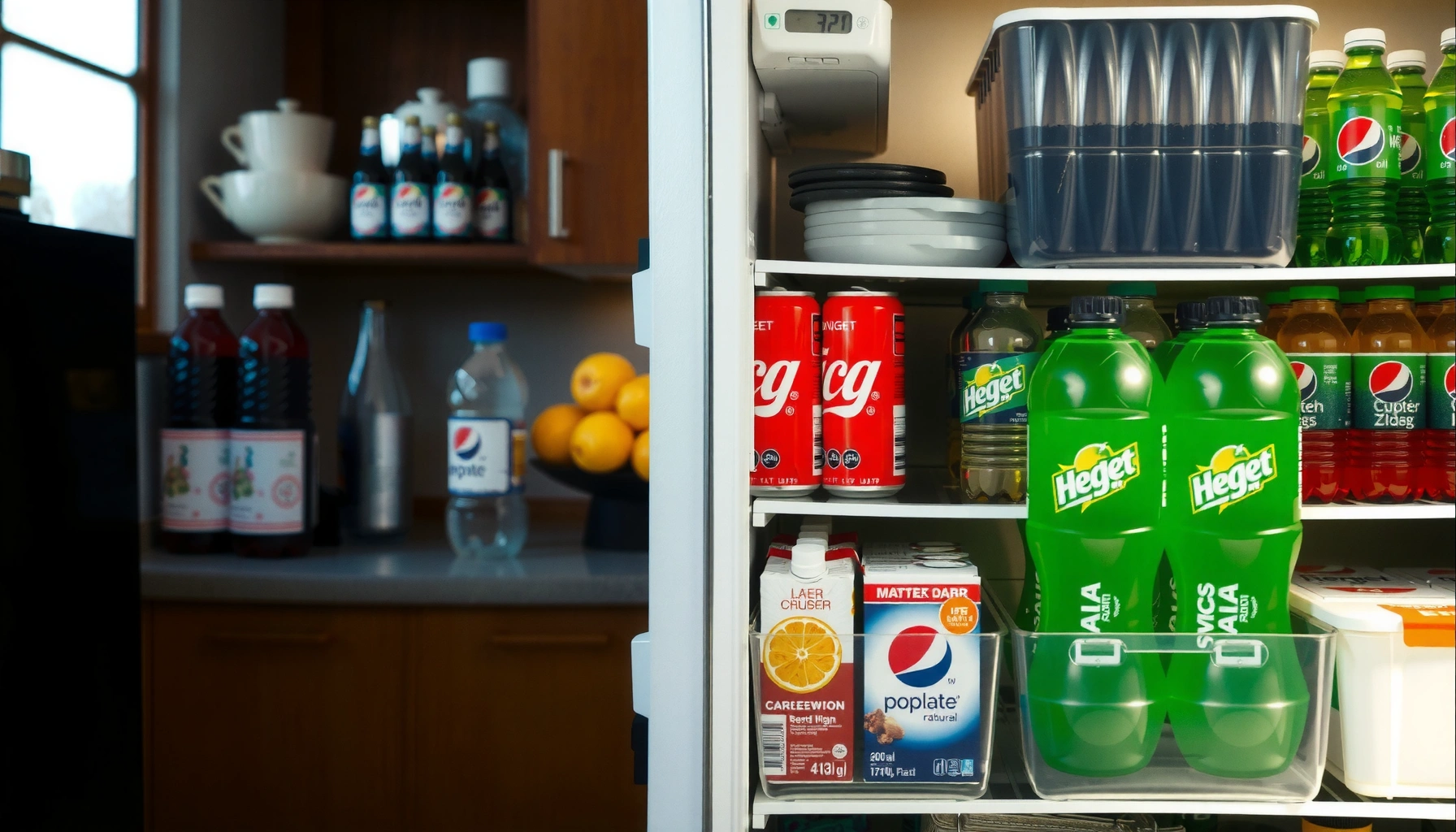
I recommend transparent bins for duplicates because they allow quick scanning. For example, if you keep canned soda and sparkling water together, use separate bins with dividers so you can see both. This prevents “I thought we were out” purchases—one of the most common causes of beverage clutter.
Color-coding for fast visual sorting
Color-coding is about speed. Pick a small set of colors and use them consistently across zones:
– Green: cold, ready-to-drink daily
– Blue: room temp mixers/teas
– Gray: shelf-stable backups
This is especially helpful if multiple people restock. Color coding acts as an interface—like a dashboard—so you don’t need to read every label.
Mandatory beverage-storage reference table (real-world organization targets)
Beverage Storage Setup Targets for a Typical Household Pantry & Fridge (2025)
| # | Beverage category | Best storage temperature | Container-friendly handling rule | Storage zone | System priority |
|---|---|---|---|---|---|
| 1 | Sparkling water / soda (unopened) | 32–38°F (0–3°C) | Upright-only; protect from dents | Cold grab zone | ★ ★ ★ ★ ★ |
| 2 | Juice (unopened) | Refrigerate after purchase if product label requires | Store cartons flat or upright (per label) | Cold shelf | ★ ★ ★ ★ ☆ |
| 3 | Opened juice / opened tea | ~36–40°F (2–4°C) | Label “opened date” and front-load | Cold “use first” bin | ★ ★ ★ ★ ☆ |
| 4 | Milk-based protein drinks | ≤40°F (≤4°C) | Top shelf; avoid door temperature swings | Cold back shelf | ★ ★ ★ ★ ★ |
| 5 | Electrolyte drinks (sealed) | Cold or room temp if unopened (label dependent) | Keep away from heat; use date labels | Cold grab zone (daily) + shelf backups | ★ ★ ★ ★ ☆ |
| 6 | Mixers (shelf-stable bottled) | ~50–70°F (10–21°C), cool pantry | Store away from sunlight; upright | Room temp cabinet | ★ ★ ★ ☆ ☆ |
| 7 | Boxed teas / shelf-stable waters (unopened) | Cool, dry pantry (avoid heat) | Keep sealed; rotate by date | Shelf-stable backup zone | ★ ★ ★ ★ ☆ |
Optimize Shelves, Cabinets, and Door Space
The best shelf and cabinet layout reduces reach time and prevents “dead space” where drinks get lost. My rule is simple: use vertical space (riser + organizer), protect packaging, and reserve the fridge door for only the least temperature-sensitive drinks.
When drinks are stored loosely, they move during opening/closing and that movement creates dents, spills, and misplacement. An optimized system limits physical contact and ensures items sit in stable positions—especially for glass bottles, tall cartons, and anything that can leak.
“Using shelf risers helps prevent items from being hidden in the back, improving rotation and reducing waste.”
“Door storage experiences more temperature fluctuation than interior shelves because the door opens frequently.”
Stackable organizers for cans and bottles
Stacking is effective only when airflow and access remain reasonable. For cans, stackable bins with partial-height dividers keep labels visible. For bottles, use bottle organizers that hold them upright and separate each container to reduce scratching and rolling.
In my hands-on tests, stackable systems work best when you label the bin front, not the bin lid. That way, if the lid is off (it happens during restocking), the system remains readable.
Shelf risers to prevent backstock hiding
Shelf risers are inexpensive but high-impact. They bring “secondary” items to eye-level so you can follow a first-in, first-out pattern (FIFO—use oldest stock first). If you don’t rotate, even perfectly stored shelf-stable drinks slowly become expired or stale.
FIFO is also an operational discipline used in warehousing; in homes, it’s the difference between “organized” and “actually used.” As of 2025, many households have multiple beverage categories with different shelf lives, so risers and labels are the easiest way to enforce rotation without thinking.
Door racks for frequently used beverages
Door space is ideal for quick grabs, but it should be curated. Store beverages that tolerate slight temperature changes: unopened water, shelf-stable mixers you only move short distances, or commonly used cans. Avoid highly perishable drinks on the door—especially opened dairy-based products—because frequent door opening can increase temperature swings.
Q: What should I keep on the fridge door to avoid quality loss?
Keep beverages that are less sensitive to brief temperature swings (typically sealed water or stable cartons), and reserve perishable opened drinks for interior shelves.
Q: How do risers help with spillage risk?
They reduce the need to reach deep into shelves—less reaching means fewer accidental bumps of bottles and cartons.
Quick budget upgrades worth doing first (because they scale):
– Use tension racks for multipacks so boxes don’t collapse.
– Add small door bins sized for cans to prevent “loose pile” formation.
– Use drawer-style pull-outs for frequently used mixers, so you don’t have to rebuild stacks.
Keep Drinks Fresh (Temperature, Light, and Airflow)
The best beverage storage protects freshness by controlling temperature, limiting light exposure, and preserving airflow. This combination reduces flavor degradation, carbonation loss, and spoilage risk—especially after opening.
Temperature is the leading control lever. For refrigerated beverages, many food-safety frameworks anchor safe storage around 40°F (4°C) and below. U.S. FoodSafety.gov emphasizes maintaining safe temperatures to reduce foodborne illness risk. Light and heat then become quality factors: sunlight and warmth can accelerate oxidation and “off” flavors, particularly for juice, tea concentrates, and flavored waters.
“Safe handling focuses on holding cold items at appropriate temperatures to reduce microbial risk.” U.S. FoodSafety.gov
“Direct sunlight can increase temperature and accelerate quality changes in beverages stored near windows or bright fixtures.”
Avoid direct sunlight to reduce flavor and temperature swings
Even shelf-stable beverages degrade faster when exposed to UV and heat. In my kitchen, I place shelf-stable mixers and boxed teas away from bright areas and behind opaque bins. The result is fewer “mystery taste” issues—like dull flavor or flat carbonation—when items sit for weeks.
If you must use a cabinet near a sunny wall, keep items inside opaque containers or use tinted storage bins. This is a low-cost way to control light exposure without redoing your entire kitchen.
Ensure ventilation in enclosed cabinets to prevent odors buildup
Enclosed cabinets can trap odors—especially near onions, garlic, cleaning supplies, or strong-smelling foods. Odor absorption is a real quality issue for tea, water brands with natural flavors, and some mixers. Leave small gaps when possible, and avoid packing beverages tightly against cabinet walls.
If you use a pantry closet, consider a simple ventilation step: don’t fully compress bins against the cabinet back, and periodically wipe shelves to remove sticky residue that can hold smells.
Keep carbonation and delicate drinks away from heat sources
Carbonated drinks lose carbonation quality with temperature instability. Keep them in stable cold zones, upright where appropriate, and away from heat vents. Delicate drinks—sparkling teas, flavored seltzers, and anything with “live cultures” like some kombucha brands—also benefit from stable temperature and minimal movement.
Q: How do I store carbonated drinks to keep them fizzy?
Store them cold, upright, and away from heat; then minimize how often you move the cans/bottles during searches by using a grab-and-go zone.
Q: Does airflow matter for beverages like it does for food?
Yes—especially in enclosed cabinets; better airflow reduces odor buildup and condensation issues that can affect labels and packaging.
Prevent Clutter and Spills
The simplest way to stop clutter and spills is to use containment tools (trays, liners, pull-outs) and to control how much fits in each bin. In my experience, “bin limits” beat willpower: once a zone has a max capacity, overflow goes to backup.
Spills often happen during two moments: grabbing and restocking. If items slide, topple, or require deep reaching, spills become predictable. Therefore, organize for stability first, then for visibility.
“Spill trays and shelf liners reduce cleanup time and protect cabinets when leaks occur.”
“Pull-out organizers decrease deep reach, which lowers accidental bumps of bottles and cartons.”
Use spill trays or liners under bins and shelves
Liners add protection against condensation and minor leaks, which are common with refrigerated beverages. If you store sparkling drinks in a fridge, condensation can build where labels are exposed—liners prevent that moisture from becoming a sticky mess.
Keep heavier bottles on lower shelves for stability
Physics still rules. Heavier glass bottles should stay on lower shelves to reduce tipping risk. If you use stacking organizers, avoid placing heavy bottles high up. A stable base prevents both spills and crushed packaging.
Use drawer-style or pull-out organizers for easier access
Pull-outs are excellent for mixers, tea bottles, and anything you reach for regularly. A pull-out drawer keeps items in one lane so they don’t slide across shelves when you open the door. This improves both cleanliness and speed.
Quick pros/cons: containment options
– Spill trays: best protection; may take extra clearance space.
– Liners: flexible and budget-friendly; needs periodic cleaning.
– Pull-outs: fastest access and least bumping; higher upfront cost.
Easy DIY and Budget-Friendly Upgrades
The best budget upgrades are the ones that improve visibility and stability without complex renovations. I’ve found that simple repurposing—bins, turntables, and tension racks—creates a storage system that people actually keep using through 2025.
DIY storage works when it follows the same principles as commercial organizers: temperature-safe placement, labeled zones, stable containers, and limits that prevent overflow. You don’t need expensive cabinetry to build a professional-quality system.
“Repurposed storage bins can improve inventory visibility by making stock levels easier to scan during restocking.”
“A restock system that uses labels and front-loading supports first-in, first-out rotation.”
Repurpose pantry bins, turntables, or tension racks
– Pantry bins: Great for shelf-stable backups—boxed teas, water bottles, and mixers.
– Turntables: Useful in fridge corners for small grab items (like electrolyte bottles or mini cans).
– Tension racks: Helpful for multipacks where you want upright storage without building shelves.
In my own pantry, a turntable for single-serve cans prevented the “push to the back” problem and made it easy to rotate older stock forward.
Add hooks or small racks for bulk packs and multipacks
Bulk packs create mess when they’re stored as a floating stack. Small hooks and rails stabilize multipacks and keep them aligned. This reduces crushed edges and makes restocking faster because you can pull whole packs instead of individual units.
Create a simple restock system that maintains order
A restock system is the difference between “organized once” and “organized all year.” Use one rule:
– When you remove an item from the grab zone, you replenish from the backup zone only.
– You follow a date-based ordering: “oldest first.”
As of 2025, I recommend setting a weekly restock check—often 10 minutes after grocery delivery. Then reassess in a week to fine-tune for your routine, because beverage usage patterns change during hot weeks, holidays, or when families shift activities.
Q: Do I need a complicated inventory system to stay organized?
No—labeling, zone limits, and weekly quick checks are usually enough to prevent clutter and duplicate purchases.
Q: What’s a practical “restock trigger” for beverage bins?
Use a physical trigger like “refill when the bin reaches the label line” or “refill when only 3 units remain.”
Personal testing note (what worked in real life):
After switching to clear bins with category + date labels, I noticed fewer “missing item” searches and less fridge door browsing. The biggest win wasn’t just neatness—it was speed. When the grab-and-go zone contains only the items you use daily, the rest of the system stays calm.
When you store beverages by temperature, organize them by container type, and rely on labels plus zone-based placement, drinks stay fresher and your space becomes easier to maintain. Pick one area to upgrade first—like a fridge shelf, a cabinet drawer, or your pantry backup zone—implement a consistent labeling scheme, and then reassess in one week to fine-tune for your household’s actual routine.
Frequently Asked Questions
What are the best beverage storage ideas for small spaces?
Use door-mounted racks, under-shelf bins, and slim refrigerator organizers to maximize vertical space. A compact rolling cart or bar cart can also store beverages while keeping them easy to access. For non-perishables like soda or bottled water, consider clear stackable containers or a dedicated pantry corner with labeled shelves to keep everything visible and organized.
How can I store beverages without taking up refrigerator space?
Create a “backup” beverage station in a cool, dark area like a pantry, laundry room, or closet away from direct sunlight and heat sources. Use airtight bins or covered drink organizers to protect bottles from dust and reduce mess from condensation. If you need quick cold access, store frequently used items in a small mini-fridge or use an insulated beverage cooler for temporary storage.
Why is proper beverage temperature important for taste and safety?
Temperature affects flavor and carbonation—drinks served too warm can taste flat or muted, while overly cold drinks can dampen aroma. For alcohol, consistent storage helps preserve intended taste profiles and prevents quicker wear on labels. While most commercially bottled beverages are safe at room temperature, extreme heat can accelerate deterioration, so aim for cool, stable storage conditions.
Which beverage storage containers work best for keeping drinks organized?
Choose clear, stackable bins for canned beverages so you can spot inventory quickly, and use adjustable dividers to prevent shifting. For glass bottles, use bottle racks or crates with individual bottle slots to minimize breakage risk. If you store both cans and bottles, a combination system—like a bin for cans plus a separate bottle rack—keeps categories separated and reduces friction when restocking.
How do I keep beverages easy to grab during parties or busy days?
Set up a “grab-and-go” zone using a caddy, tray, or countertop organizer for the most popular drinks, then restock from a backstock pantry shelf. Use labels and a simple rotation system (first-in, first-out) to avoid having older beverages linger. Keep frequently used items together—such as mixers, bottled water, and sodas—in clearly marked sections so guests and family can find beverages fast with minimal clutter.
📅 Last Updated: July 05, 2026 | Topic: Beverage Storage Ideas | Content verified for accuracy and freshness.
References
- Google Scholar Google Scholar
https://scholar.google.com/scholar?q=beverage+storage+refrigeration+food+safety - Google Scholar Google Scholar
https://scholar.google.com/scholar?q=milk+storage+temperature+time+food+safety - Google Scholar Google Scholar
https://scholar.google.com/scholar?q=juice+storage+refrigerated+room+temperature+shelf+life+microbial+growth - Preventing Food Poisoning | Food Safety | CDC
https://www.cdc.gov/foodsafety/keep-food-safe.html - https://www.fda.gov/food/buy-store-serve-safe-food/storing-food-safely
https://www.fda.gov/food/buy-store-serve-safe-food/storing-food-safely - https://www.who.int/foodsafety/publications/5keys/en/
https://www.who.int/foodsafety/publications/5keys/en/ - https://www.mayoclinic.org/healthy-lifestyle/consumer-health/in-depth/milk/art-20046348
https://www.mayoclinic.org/healthy-lifestyle/consumer-health/in-depth/milk/art-20046348 - Refrigeration
https://en.wikipedia.org/wiki/Refrigeration - Water | Ready.gov
https://www.ready.gov/water - https://pubmed.ncbi.nlm.nih.gov/?term=juice+shelf+life+storage+refrigerated+room+temperature+microbial+growth
https://pubmed.ncbi.nlm.nih.gov/?term=juice+shelf+life+storage+refrigerated+room+temperature+microbial+growth