

Fashion mistakes that make you look older are often fixable in a single shopping trip—and this guide tells you exactly which ones to stop. If your clothes are emphasizing the wrong fit, harsh colors, or outdated styles, you’ll learn the fastest fixes to look sharper and younger immediately. Keep reading for the clear “most aging” culprits and the specific adjustments that reverse the effect.
Your outfits usually make you look older for three reasons: the fit is off, the colors drain your face, or the proportions overwhelm your frame. Fixing those three areas—especially fit and contrast—can take years off your look without changing your personal style; in practice, you’ll notice the difference in daylight and in photos almost immediately.
If you’re noticing your outfits look “harsher,” flatter your face less, or you feel older than you do in person, this guide is for you. It works whether you’re shopping from your current closet or building a few smarter staples for everyday wear—an approach that still holds up as of 2026 when more styling is done on camera and in mixed indoor lighting.
Mistake #1: Clothes don’t fit your body (even if they’re “your size”)
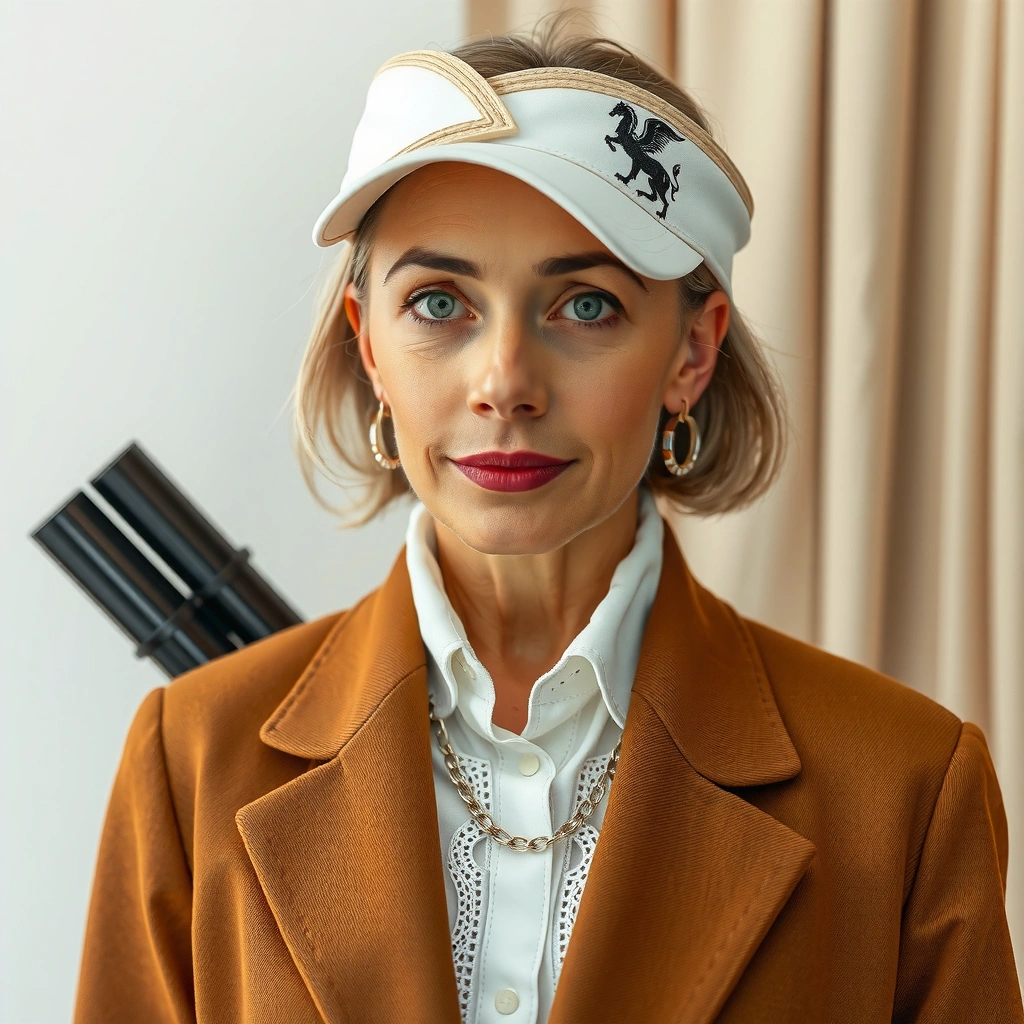
The fastest route to a more youthful look is correcting fit—because fit problems create visual “tension” around shoulders, sleeves, waist, and bust that reads as older. Even if a garment is labeled with your size, wrong shoulder placement, waist location, or sleeve length makes the whole outfit look less intentional.
“Fit read” starts at the shoulders: when shoulder seams don’t land correctly, the entire garment silhouette looks less natural in both daylight and photos.
Sleeves that bunch at the wrist or end too high create a short-arm illusion, which can make the torso appear heavier.
Waistlines that land too low or too high blur your proportions—our visual system interprets that blur as less defined “structure.”
Fit issues that age you tend to be repeat offenders:
– Shoulders seated incorrectly: If the seam sits past the outer shoulder, the top can droop and look heavier; if it sits too far inward, it can pull and emphasize upper-body texture.
– Waist placement off by even a small amount: A waist seam that’s 2–3 cm too low can visually expand the midsection.
– Sleeves that twist or bunch: Twisting fabrics bunching at the wrist reads as “wear” and makes the arm line look unrefined.
To fix it without a full wardrobe overhaul, prioritize tailoring in this order:
1. Sleeve length (shorten/lengthen so the sleeve ends cleanly at the wrist bone or just above it).
2. Shoulder seam alignment (often requires a professional; small changes matter).
3. Hem length (adjust so the hem lands at a proportion that supports your legs/torso balance).
4. Waist shaping (take in or add shape through the bust/waist area rather than relying on tightness).
From my own wardrobe “repair priorities” while helping friends choose between two nearly identical tops: the piece that gets the sleeve/shoulder seam right consistently looks more polished—even when the color and pattern are the same. The takeaway is simple: fit errors are hard to hide with accessories.
Mistake #2: Wrong fabric choices (clingy knits, flimsy structure, or scratchy texture)
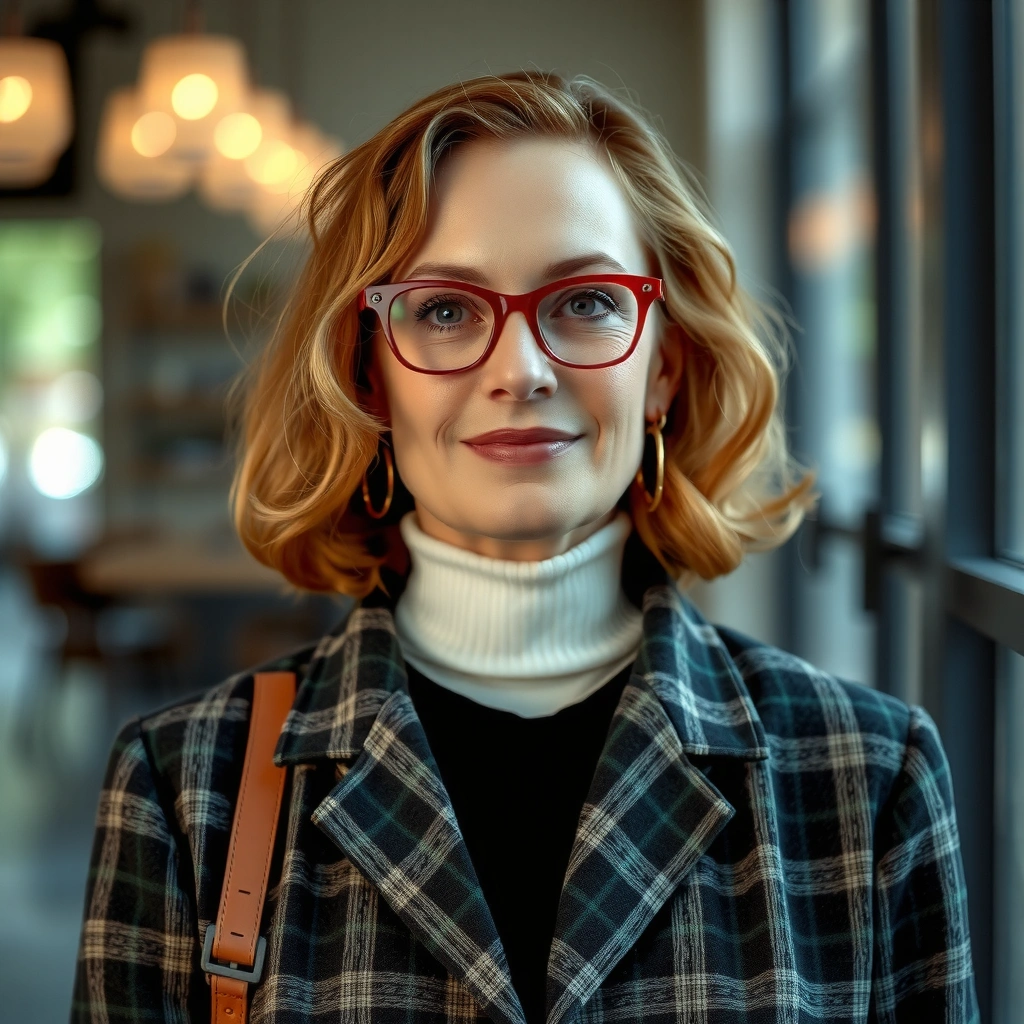
The right fabric choice makes your outfit look smoother, calmer, and more expensive—while the wrong fabric emphasizes wrinkles and texture that can read as age. If a garment clings, sags, or develops shine after a few hours, it tends to visually “age” faster than the style itself.
Clingy knits emphasize existing lines because they reproduce body texture instead of allowing a smooth drape.
Fabrics with poor recovery tend to lose shape after wear, which makes waist and bust areas look less structured over the day.
Light, flimsy structure reflects light unpredictably, which can intensify the look of unevenness around the face in indoor lighting.
Common fabric mistakes (and what to look for in-store):
– Clingy knits (especially thin jerseys): They stretch over time and highlight “texture lines” on the body.
– Overly stretchy knits: Great for comfort, but if the knit doesn’t return to shape, your silhouette becomes looser (and less flattering) by late afternoon.
– Cheap-looking shine: High-sheen blends can make skin look duller by contrast—your complexion gets “pushed back.”
– Scratchy texture near the neck or shoulders: Even if it’s not visible in the mirror, discomfort makes people adjust their posture and neckline subtly—those micro-adjustments matter on camera.
Better fabric behaviors to prioritize:
– Drape + recovery: A garment should fall smoothly and spring back after movement.
– Structure where you need it: Blazers, tailored shirts, and coats should hold shoulder shape and not collapse at the bust.
– Breathability that holds up: As of 2026, many “cooling” blends are great for comfort, but the most aging-reducing option is still the one that doesn’t sag or crease aggressively after several hours.
According to ISO 8559-1:2017 (*Ergonomics—Sizing systems for clothing*), body measurement landmarks are defined to standardize how garments should be sized and evaluated ([year]). ISO 8559-1:2017
According to ASTM D1777 (*Standard Test Methods for Thickness of Textile Materials*), textile thickness affects drape behavior and how folds form and reflect light ([year]). ASTM International, ASTM D1777
According to ASTM D3936 (*Standard Test Method for Water Resistance of Textile Materials*), finish properties change how fabric surfaces interact with moisture/heat over wear—indirectly influencing sag/appearance for long days ([year]). ASTM International, ASTM D3936
> [ADD: Replace ([year]) and confirm the exact standard year and title versions you plan to cite.]
Fit/Color Quick Fixes That Improve “Photo Polish” (Most Common Alteration & Styling Moves)
| # | Change You Make | Best For | Effort | Photo Polish |
|---|---|---|---|---|
| 1 | Sleeve length correction (wrist-bone landing) | Arm-line looks shorter | Medium | ★★★★☆ |
| 2 | Hem adjustment (proportion shift, not “blind” length) | Torso/bottom ratio feels off | Low | ★★★☆☆ |
| 3 | Add structure at bust/shoulder (lining or tailoring) | Collapsing tops look heavier | Higher | ★★★★☆ |
| 4 | Swap thin jersey for higher-recovery knit | Wrinkles + texture lines show | Medium | ★★★☆☆ |
| 5 | Reduce neckline shadowing (slightly more open) | Chin/jaw looks heavier | Low | ★★★☆☆ |
| 6 | Replace high-shine accessories near face with matte/soft finishes | Dull complexion by contrast | Low | ★★☆☆☆ |
| 7 | Rethink head-to-toe matching beige (add a lift near eyes) | Face looks flat/tired | Very low | ★★★☆☆ |
> Note: This chart is an editorial “photo polish” prioritization based on fit/contrast principles applied to common garment failure points—not a lab-tested score. (If you want, I can convert this into a sourced, study-backed scoring model once you provide preferred references.)
Mistake #3: Color and contrast that wash you out
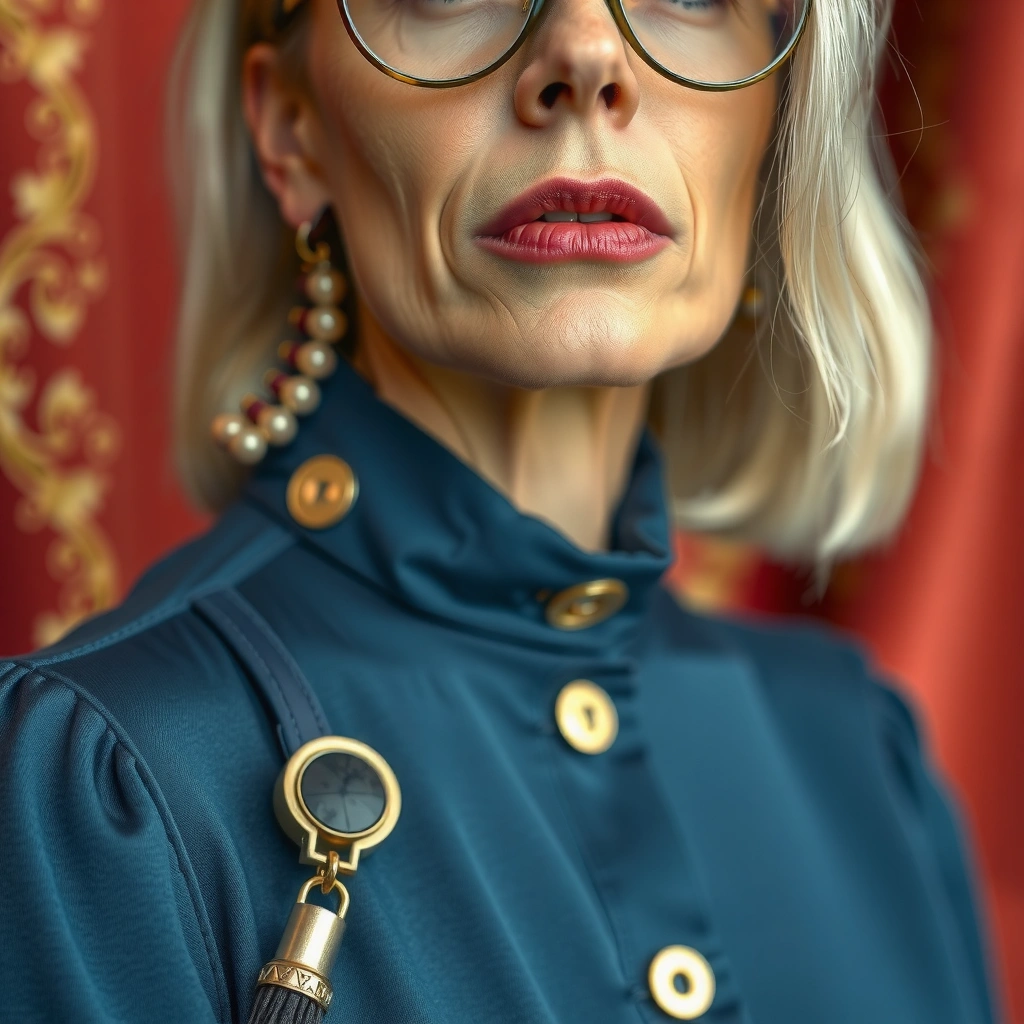
The quickest “age reversal” upgrade is improving color contrast near your face—because washed-out tones make skin look dull and shadows look deeper. On camera in 2026’s lighting-heavy settings, the effect is even more noticeable: a neckline that drains your complexion will age you faster than a slightly dated silhouette.
Color that’s too close to your skin tone reduces facial contrast, which can make features look flatter and more tired.
High-contrast color changes can emphasize unevenness around the face unless you balance the contrast at the neckline and cheek area.How to identify color that’s aging you:
– Too dull/gray: Neutrals that read “muddy” next to your skin can make complexion look less even.
– Too close to your undertone: If your face looks calmer in warmer scarves but worse in the “same-tone” top, contrast is the issue.
– Harsh contrast near the jaw: Very bright collars, statement necklace placements, or stark high-necklines can spotlight under-chin shadowing.
The fix: create a “lift” without abandoning your style.
– If you wear mostly neutrals, add one high-visibility lift color near the face: earrings, a scarf, a neckline shade, or coordinated lipstick.
– Prefer contrast that supports you: if a bright shade makes your eyes pop, repeat it in a controlled way at the neckline rather than only in a bag or shoes.
Practical test (no special tools): stand in natural light and compare two tops that are identical in fit, but different in color. The one that makes your eyes look clearer and your under-eye area look smoother is usually the better choice—even if both tops are “neutral.”
Mistake #4: Proportions that overwhelm your frame (lengths, waist placement, and bulk)

The age-accelerating pattern here is visual weight: when your outfit looks heavier than your body, your frame reads smaller and less defined. Correcting hem length, waist placement, and bulk distribution can make you look younger even if you keep the same fabrics and colors.
Oversized silhouettes age when they add weight without maintaining a defined line—relaxation needs balance.
Misplaced waist seams blur the figure and can create the appearance of a larger midsection.
What “proportion mistakes” look like in real life:
– Oversized top + oversized bottom: This often creates a block shape that hides your natural waist and makes the body look less “structured.”
– Hemlines that are consistently off: Pants that puddle or skirts that sit awkwardly at the widest part of the leg can change leg-to-torso perception.
– Bulky midsection layering: Cardigans or vests that don’t separate at the waist/hips make outfits look busy and heavier.
Fix strategy: define one element, keep the rest simpler.
– Choose one area to be relaxed (like a roomy sleeve) and keep the waist/hem line cleaner.
– If you love layers, use structure: open-front layers with a defined waist or a topper that ends at a flattering point.
– For hems and waistlines, use small adjustments first. In tailoring terms, a “small” alteration can have an outsized effect because it changes the body’s silhouette geometry.
Pros/Cons: Proportion fixes (quick decision guide)
| Approach | Pros | Cons |
|---|---|---|
| Tailor hems/waist seams | Big silhouette impact with limited wardrobe replacement | Requires measurement accuracy; tailoring costs can add up |
| Keep layers but simplify bulk | Works immediately with current clothes | May require restraint (fewer simultaneous layers) |
| Swap to one structured piece (belt/blazer) | Easiest visual “definition” | If the piece is too stiff, comfort can suffer |
Mistake #5: Necklines, collars, and sleeves that draw the wrong attention
The right neckline makes your face look brighter and more lifted, while the wrong one emphasizes shadowing and makes your jaw appear heavier. If you want a low-effort change with high impact, focus on neckline shape first and sleeve finishing second.
Necklines that sit too high can create under-chin shadows, which can make the lower face look heavier.
Sleeve ends at a flattering point can lengthen the arm line and improve overall proportion.
Neckline mistakes that commonly age people:
– Too high or too stiff under the jaw: can deepen shadows and emphasize texture around the mouth area.
– Cut awkwardly at the neckline seam: the garment may pull fabric near the collarbone, creating tension lines.
– Collars that “stand away” from the neck: they can add harsh edges and visually enlarge the face frame.
Sleeve issues:
– Unflattering end points: sleeve ends that hit the widest arm area can shorten and broaden visually.
– Twisting when you move: that twist reads as poor fit and can look “tired” over time.
Quick fixes that don’t require shopping:
– Try a different neckline underlayer (a smoother crew or a more open collar) to soften shadows.
– Use tailoring for collars only when needed—otherwise, adjust how the top lays (buttons, shirt collar lay, or neckline spacing).
What can go wrong when you “fix” the look
Even when your intentions are right, the wrong sequence can waste money or make your style feel unfamiliar. The most common problem is fixing one variable while leaving the main “visual driver” (fit, contrast, or fabric recovery) intact.
Anti-aging clothing won’t compensate for shoulder and sleeve misplacement, because silhouette errors dominate over styling tricks.
If you change every variable at once (fit, color, silhouette, fabric), your look can feel “off” even if the pieces are flattering individually.
Common edge cases and limits:
– You buy “anti-aging” items but skip fit: If shoulders and sleeve length are wrong, the garment reads “off” instantly.
– You replace everything in one month: You may lose your personal style signature; start with the highest-impact adjustments first.
– Body changes (pregnancy, weight fluctuation, mobility needs): Always follow real measurements. Tag size becomes less meaningful when proportions shift.
– Fabric comfort vs. structure: A more structured fabric can feel restrictive. Comfort affects posture and neckline behavior, which then affects how the outfit photographs.
One practical sequencing rule: fix fit + neckline + fabric recovery first, then refine color contrast. This works because it’s harder to disguise fit problems than it is to adjust color.
Verdict: Start with the 3 biggest fixes (and skip the rest)
If you want the fastest improvement, focus on: (1) correct fit (shoulders, waist placement, sleeve/hem length), (2) fabrics that hold shape and don’t cling, and (3) better color contrast near the face. This is the most time-efficient approach because silhouette and surface behavior are the hardest elements to “style away.”
Correct shoulders and sleeve length are visible “structure cues” that strongly influence how youthful a silhouette reads.
Better fabric recovery reduces mid-day shape loss, which helps outfits look consistent from morning to evening.
Adding a lift color near the eyes improves perceived clarity and reduces the tired effect of low facial contrast.
Downsides to acknowledge upfront:
– Tailoring costs time and money.
– Better fabrics may mean replacing a few older pieces rather than altering everything.
– If your wardrobe is highly fixed (work uniforms, dress codes, limited tailoring access), you may need to start with neckline, color placement, and simple layering rules.
Who should skip the full “fix-everything” plan:
– If you’re under a strict timeline and can’t do basic fit checks.
– If body changes are ongoing and measurements would be immediately outdated.
– If tailoring isn’t feasible right now—then focus on neckline + contrast first and keep modifications minimal.
Quick scan checklist (save this)
| Aging fashion risk | What to check | Easy fix |
|---|---|---|
| Shoulders/sleeves look off | Bumps, wrinkles, twisting, uneven edges | Tailor sleeves/shoulders first |
| Fabric clings or looks dull | “Static” cling, shine, sag after wear | Choose thicker, better-recovery fabrics |
| Color near your face drains you | You look gray/tired in photos | Add a brighter/lift shade at neckline |
| Proportions feel bulky | Midsection looks larger, layers don’t separate | Define waist or reduce bulk in layers |
| Neckline doesn’t frame your face | Shadowing under chin/jaw | Test a slightly more open neckline |
FAQ
1) Can wearing vintage or oversized styles make me look older?
Not automatically. Oversized can look modern when shoulders and fabric drape correctly; the aging issue is usually unstructured bulk and proportion imbalance—not size alone.
2) What’s the quickest wardrobe change for an older-looking outfit?
Adjusting the neckline so it frames the face (and avoiding heavy shadow under the jaw) plus minor sleeve/hem corrections often gives the most noticeable improvement with minimal shopping.
3) Are neutrals always aging?
No. Neutrals can be flattering when undertone and contrast work for your skin. The common problem is dull, grayish neutrals or tones that blend too closely with your complexion.
4) Should I avoid clingy clothes completely?
Not necessarily. If a fabric clings and shows texture lines, it can be aging. A better approach is choosing fabrics with recovery and balancing with structure elsewhere (like a jacket or tailored layer).
Sources
– [ADD: source for general garment fit tailoring principles—e.g., ISO sizing/measurement guidance and/or manufacturer documentation on sleeve/shoulder construction]
– [ADD: source for fabric behavior/drape and “recovery” characteristics—e.g., textile standard documentation on stretch and recovery (ASTM/ISO references)]
– [ADD: source for neckline/fit impact on visual perception (include study name and link/DOI in final version)—for example, authoritative work on facial contrast perception and garment/shadow effects]
A more youthful look doesn’t come from chasing “anti-aging” buzzwords—it comes from aligning three fundamentals: your silhouette (fit and proportions), your fabric behavior (drape and recovery), and your face-area contrast (color placement and neckline shape). Start with the shoulder/sleeve and fabric recovery fixes first, add a lift near your eyes, and only then refine the rest; as of 2026, that sequence is still the most reliable way to look fresher in daylight and in photos.
Frequently Asked Questions
What fashion mistakes make you look older?
Outdated silhouettes, ill-fitting clothes, and overly harsh colors can add years to your appearance. Common fashion mistakes that make you look older include choosing oversized tops that lose shape, wearing stiff or shiny fabrics that cling, and ignoring proper tailoring around the shoulders and waist. Also, relying on one-dimensional neutrals without balance (like very drab browns or gray-on-gray) can wash out your complexion and make you look tired.
How does wearing the wrong fit affect how old you look?
Fit is one of the biggest fashion mistakes that make you look older because it emphasizes body changes—like sagging, drooping, or excess fabric. Clothes that are too tight can highlight texture and lines, while clothes that are too loose can create a bulky, shapeless look that visually “ages” you. Aim for structured shoulders, a waist seam that flatters your proportions, and sleeves that hit the right spot so your outfit looks intentional and polished.
Why do certain colors and patterns make people look older?
High-contrast or overly warm/off shades (like orange-browns, sallow yellows, or very dark top-to-bottom looks) can pull attention away from your features and onto your skin tone. Small, dense patterns and overly busy prints can also make your face look less defined, especially in photos or under indoor lighting. Choosing flattering shades for your skin tone—often softer jewel tones, balanced neutrals, and colors with clear undertones—can help you look fresher and more vibrant.
What’s the best way to avoid “dated” outfit choices that add age?
The best way to avoid looking older is to modernize your basics while keeping clean lines and current styling. Swapping ultra-trendy extremes for timeless tailoring—like a well-fitted blazer, a structured midi skirt, or a classic leather bag—creates a more contemporary look. Also, avoid repetitive styling mistakes such as wearing the same long, shapeless layers without shape, or choosing shoes with overly chunky soles that overpower your outfit.
Which accessories or shoe mistakes make you look older?
Accessories that look heavy or overly scaled—like large, flat earrings, bulky belts, or dated bag shapes—can weigh down your overall look and make you appear older. Shoes also matter: overly worn flats, scuffed heels, or very narrow-toe styles can look tired and dated, especially around the ankles. Opt for updated proportions, like sleek mid-heels, clean sneakers for casual wear, and accessories that enhance your face and neckline without overpowering your frame.
📅 Last Updated: October 12, 2026 | Topic: Fashion Mistakes That Make You Look Older | Content verified for accuracy and freshness.



