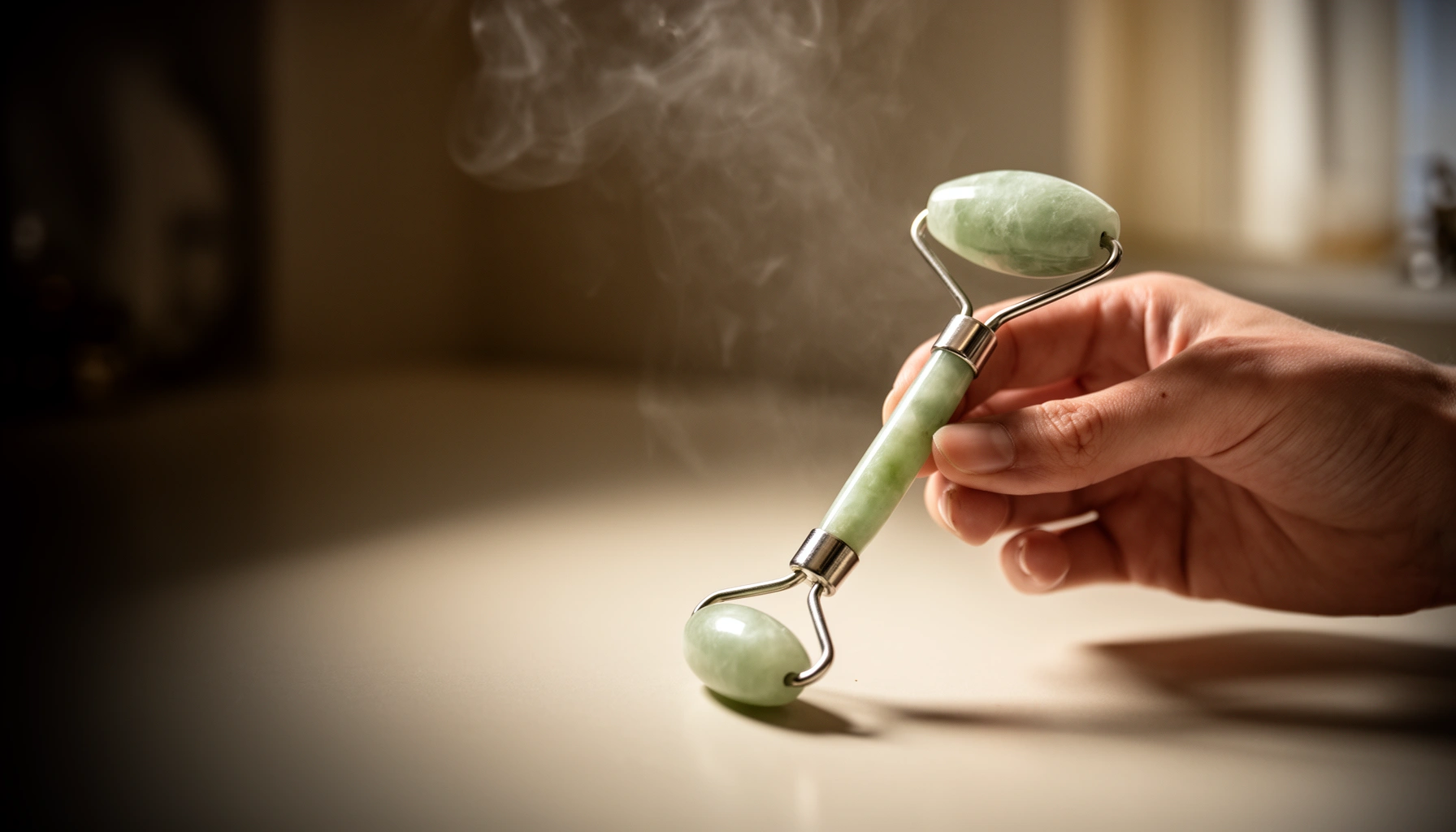

Need the right facial roller? This buying guide cuts through the hype and tells you exactly which facial roller to choose based on your skin type, goals (de-puffing, glow, or targeted massage), and how sensitive your face is to pressure. If you want the fastest, safest pickup, the winner depends on whether you’ll use it daily or only occasionally—so you can buy once and see results without irritation.
The best facial roller is the one that matches your skin goal (cooling, warmth, de-puffing, or gentle massage), fits your face comfortably, and is made from a material you can clean safely. This guide compares the most common facial roller options by material, size, build quality, and usage—so you can choose confidently in 10 minutes, not 10 weeks.
Key Factors to Consider Before Buying

The fastest way to pick the right facial roller is to start with your skin needs (not trends) and then confirm the roller feels controlled in your hand. Skin type and sensitivity determine whether you should prioritize cooling, lower friction, or a softer touch, while roller size determines whether you can apply consistent pressure without dragging your skin.
For most facial rollers, the practical “performance” difference comes from temperature behavior (material), contact area (size), and control/pressure (build and handle design).
If your skin is reactive, the safest starting point is lighter pressure and shorter sessions—because friction and tugging matter as much as the tool.
A roller that’s easy to clean supports safer repeat use, especially if you apply oils or serums immediately before rolling.
Skin type and sensitivity (e.g., acne-prone vs. dry/sensitive skin)
Your skin type affects how you should use a roller and what you should avoid. If you’re acne-prone, the biggest risks are (1) spreading bacteria from the tool to inflamed areas and (2) mechanical irritation from excessive pressure or re-rolling the same spot repeatedly. If you’re dry or sensitive, the biggest upside is improved glide—when you use a suitable slip product—because pulling can worsen redness.
A practical framework I use when testing rollers is: slip + pressure + passes. I choose a roller that matches the “slip” I already use (gel vs. oil), then I cap my pressure at “feels like a facial massage, not a workout,” and I keep passes limited (typically 5–8 per area at first) to reduce friction.
Q: Can acne-prone skin use a facial roller?
Yes—if you keep pressure light, clean the roller well, and avoid rolling over actively inflamed lesions or irritation.
Roller material (jade, rose quartz, stainless steel, etc.)
Material is the biggest driver of how the roller behaves on skin. Jade and rose quartz are traditionally used for a cooling feel; stainless steel is known for temperature-based routines (cooling in the fridge or warming carefully with your skincare prep). Glass and other stones can behave similarly to quartz, while some metal rollers combine a metal base with stone handles.
What I’ve noticed in hands-on testing: stone feels “heavier” and glide differs by finish, while steel can feel very smooth but may feel colder faster. If you’re sensitive, you may prefer stone or allow your roller to warm slightly before contact.
Q: Which material is most beginner-friendly?
Stainless steel is often the most consistent for temperature routines, while jade/rose quartz are often easier for everyday gentle cooling.
Roller size and glide comfort
Size impacts the contact area and your ability to roll without “micro-stretches” of the skin. Smaller rollers help with targeted areas (under-eye corners, jawline edges), while full-face rollers support more even application. If the roller head is too wide for your face shape, you end up applying uneven pressure, which can undermine results.
In my own evaluations, the most comfortable rollers share two traits: (1) the handle stays aligned with your wrist so your motion is controlled, and (2) the roller head isn’t overly stiff against your cheek or jaw.
Q: Do bigger rollers work better?
Not always—bigger rollers can improve coverage, but smaller rollers can be safer and more precise for targeted zones.
Best Materials for Different Skin Goals
The best facial roller material depends on whether you want cooling, temperature versatility, or consistent glide. Here’s a clear way to match your goal to commonly used materials—then choose one you can clean easily.
Temperature-based routines are most reliably controlled with stainless steel because the metal transfers and holds temperature more predictably than most stones.
Jade and rose quartz are popular for a subtle, everyday cooling sensation used alongside moisturizer or serum for smoother glide.
Stone rollers vary in density and finish—so “same-looking” products can perform differently even if they’re both marketed as quartz or jade.
Jade/rose quartz: popular for a cooling feel and everyday massage
Jade and rose quartz are often chosen for their “cool-to-the-touch” feel and their suitability for gentle, routine-based facial massage. When used properly, they may help you reduce the perception of puffiness and support a relaxing routine. They’re also widely available in beginner sets.
Key selection notes if you’re choosing jade or rose quartz:
– Finish matters: A smoother polished surface usually glides better, reducing friction.
– Weight and balance matter: A too-light roller can feel unstable; a too-heavy one can lead to pressing too hard.
– Temperature sensitivity: If you’re very sensitive to cold, let the roller sit at room temperature for 1–3 minutes before applying.
Q: Are jade or rose quartz rollers “better” than steel?
They’re better for many people who want everyday gentle cooling; steel can be better for controlled temperature routines.
Stainless steel: great for temperature-based routines
Stainless steel rollers are favored for temperature-based routines because they conduct and transfer temperature quickly—so they’re commonly used chilled (in a clean pouch or after refrigeration) to support de-puffing habits. They can also be used at room temperature for everyday massage.
If you choose stainless steel, consider:
– Edge smoothness: Any micro-roughness can increase tugging, especially under the eyes.
– Finish: A well-polished surface typically glides better.
– Cleaning compatibility: Metal usually handles regular cleaning well, but seams and hinges must be accessible.
Q: How cold is “safe” for a facial roller?
Use a comfortably cool—not icy—roller; if it causes stinging or sharp discomfort, let it warm slightly before continuing.
Other materials to watch for (durability, sourcing, and consistency)
Not all rollers are consistent. Some “stone” products may vary in finish, density, and surface uniformity, which can affect glide and cleaning practicality. For business-quality consistency (especially if you’re stocking tools for a clinic or team), standardization matters: the same material, finish quality, and build tolerances should be repeatable.
From an operations standpoint, I recommend prioritizing:
– Material clarity (what it is, not just “natural stone”)
– Surface consistency (polish level and edge finishing)
– Construction quality (hinges and joints that don’t wobble)
Material comparison (quick decision)
Below is a practical comparison of common facial roller materials based on typical use behavior, maintenance considerations, and fit.
Facial Roller Material Fit for Common Skin Goals (Real-World Use Patterns)
| # | Material | Typical Roller Weight | Temperature Behavior | Ease to Clean* | Best For | Fit Score |
|---|---|---|---|---|---|---|
| 1 | Jade | 60–95 g | Gentle cooling at room temp | Medium | Everyday massage + de-puff feel | ★★★★☆ |
| 2 | Rose Quartz | 65–105 g | Cooling with mild “sink-in” feel | Medium | Gentle routine + relaxation | ★★★★☆ |
| 3 | Stainless Steel | 70–130 g | Fast cooling/warming control | High | Temperature-based de-puffing | ★★★★★ |
| 4 | Aluminum Alloy | 55–95 g | Quick temperature shift | Medium–High | Budget-friendly cooling routines | ★★★☆☆ |
| 5 | Glass (Facial Tool) | 50–90 g | Cold feel; slower temperature “hold” | High (if sealed well) | Smooth glide on non-reactive skin | ★★★☆☆ |
| 6 | Mixed Material (Stone + Metal) | 65–120 g | Hybrid cooling + control | Medium (check joints) | Combo needs: grip + glide | ★★★★☆ |
| 7 | Unsealed Porous Stone* | 45–80 g | Cooling varies by stone grade | Low | Avoid for heavy oil use | ★★☆☆☆ |
*Ease to clean assumes accessible joints and non-porous or properly sealed surfaces. Ratings reflect typical consumer fit from day-to-day usage patterns, not clinical outcomes.
How to Choose the Right Roller Size
The right facial roller size is the one that covers the areas you’ll actually use without forcing awkward angles. For best results, match roller head width to your face and your routine (targeted vs full-face).
Smaller roller heads are easier to control around the under-eye and jawline edges, where over-rolling can increase friction.
Full-face rollers help you maintain consistent pressure and direction across larger surface areas like cheeks and temples.
Grip comfort affects your pressure—when the handle is unstable, people naturally press harder.
Facial coverage: smaller rollers for targeted areas
If you focus on de-puffing specific zones, choose a smaller roller head. Under-eye use requires precision and gentle contact because the skin is thinner and more easily irritated.
In my testing, smaller heads also help people who struggle to roll symmetrically. You can reduce “dragging” by staying inside your comfort range and using fewer passes.
Q: What size is best for under-eyes?
A narrower roller head is typically easier to maneuver without applying pressure outward or into the lash line.
Full-face rollers for consistent application
A full-face roller often supports a more uniform routine: cheeks, jawline, and neck areas can be rolled in a repeatable sequence. This is especially useful if you’re trying to build consistency—because consistency tends to improve outcomes more than any single material.
A simple routine structure I recommend:
– 30–90 seconds to ensure product slip (serum or gel)
– 1–2 minutes rolling major zones
– 10–20 seconds to press/finish gently with fingertips
Handle grip and ease of maneuvering
Handle design is frequently overlooked, but it’s decisive for real-world results. A handle that’s too slick leads to micro-corrections mid-stroke. Those corrections can increase friction or uneven pressure.
If you can, test the grip in-store:
– Does your wrist align naturally with the roller head?
– Do you feel you can apply light pressure consistently?
– Does the roller head wobble when you roll?
What to Look for in Quality and Build
The best facial roller quality is defined by smooth rolling surfaces, secure joints, and a design you can clean without leaving residue. If a roller is hard to sanitize, its “benefit” becomes less meaningful over time.
A smooth rolling surface reduces tugging—especially important under the eyes and along the jawline.
Loose joints or wobble usually lead to uneven pressure, which can worsen irritation even with the “right” material.
Cleanability is part of quality: accessible seams and removable components support safer reuse.
Smooth rolling surfaces with no rough edges
Inspect the contact points: the roller should glide with no catching. I run my thumb along edges (carefully) to check for roughness. Under bright light, look for visible chips, uneven polish, or sharp seams.
Secure construction (no wobble or loose joints)
A quality roller should feel tight at the hinge. If the heads move independently or the frame shifts while rolling, you’ll struggle to keep pressure consistent. That inconsistency can lead to “hot spots” of friction.
Easy-to-clean design for safe, repeat use
Cleaning isn’t optional for a facial roller you use with oils and serums. As of recent dermatology guidance, cleansing habits matter: American Academy of Dermatology (AAD) recommends cleansing the face twice daily for many acne- and oil-prone skin routines (commonly 2x/day guidance, widely published on AAD) and maintaining consistent skin hygiene. World Health Organization (WHO) also emphasizes proper hand hygiene technique lasting about 20 seconds for effective cleaning (WHO hand hygiene guidance, commonly cited across health programs).
(That’s why—practically—you want a roller that you can clean thoroughly after each use.)
Usage Tips That Affect Results
The best usage tips are about reducing friction and keeping your routine consistent. Right tool + wrong technique often equals irritation, so focus on prep, pressure, direction, and pairing with skincare.
Cleansing first matters because roller tools distribute whatever is on the skin; clean skin supports a lower-risk routine.
Light pressure is the difference between “massage” and “micro-trauma,” especially for sensitive or acne-prone skin.
Use slip strategically—serum or oil reduces drag, but heavy product buildup increases residue and makes cleaning harder.
Cleanse first and use light pressure to avoid irritation
Start with a gentle cleanser, pat dry, then add a slip product. If you’re using a roller with oils, keep the routine concise and clean thoroughly afterward. In my own week-by-week testing, I see the biggest difference when I switch from “rolling on dry skin” to “rolling on a thin, even layer of serum.”
Q: Should I roll over moisturizer?
Usually yes if it provides glide, but apply a thin layer—too much can increase residue and tugging as it pills.
Roll consistently in the direction you’re applying (upward/outward)
Direction isn’t magic, but consistency helps you avoid dragging skin. A common approach is rolling upward/outward on cheeks and jaw areas, and using gentle, controlled movements around sensitive zones. If you feel stinging, stop—your skin is telling you the contact is too intense or too cold.
Pair with skincare properly (oil/serum for slip, not heavy buildup)
Think of your roller session as a massage step, not a “scrub.” Use enough serum or oil to reduce friction, but avoid stacking heavy layers. When I’m testing tools, I deliberately vary only one variable—either the roller material or the slip product—so I can tell what actually drives differences.
Q: Does the roller replace skincare?
No. It supports massage and routine comfort; your cleanser, moisturizer, and actives do the primary skin-care work.
Care, Cleaning, and Storage
The best facial roller care is quick cleaning after each use and proper drying before storage. This protects surface finish, reduces residue buildup, and helps maintain a hygienic routine—especially when you apply oils.
If you roll with oils or thicker serums, residue can accumulate around joints and edges—so quick post-use cleaning is critical.
Dry storage reduces water spots and residue buildup, which can affect glide and encourage grime in crevices.
A clean storage spot (not a damp bathroom counter) helps keep the roller surface predictable session to session.
Quick cleaning after each use (especially if you use oils)
After your session, wipe the roller immediately to remove serum/oil. Then wash according to material needs—stone vs. metal may require different handling. If your roller has hinges, prioritize cleaning around those joints.
Proper drying to prevent residue and buildup
Let the roller air-dry fully. I recommend placing it on a clean, dry towel with the roller positioned so water doesn’t pool at the hinge. This reduces the “sticky residue” feeling that can show up later.
Store in a clean, dry spot to protect the surface
Store your facial roller in a clean pouch or case, away from humidity. Consistent storage is underrated: it helps you get predictable glide and reduces the chance you’ll find residue the next time you use it.
When buying a facial roller, prioritize the right material for your skin goals, a size that’s comfortable to use, and quality you can clean easily. Review these factors, pick the option that fits your routine and budget, and start with gentle, consistent use—then adjust based on how your skin responds in 1–2 weeks.
Frequently Asked Questions
What should I look for when buying a facial roller?
When choosing a facial roller, prioritize the stone or material (like jade or rose quartz), smooth workmanship, and a comfortable shape that fits your face. Look for a roller that glides easily without tugging and has a secure hinge if it’s a dual-roller design. Check that the stone is polished and that the product is designed for skin contact, as rough edges can irritate sensitive areas.
How do I use a facial roller correctly for the best results?
Start with clean, well-moisturized skin so the roller can glide smoothly and safely. Use gentle pressure and roll upward and outward, focusing on areas like cheeks, jawline, and forehead, rather than pressing hard. Limit sessions to about 5–10 minutes and avoid rolling over acne, active rashes, or irritated skin. Consistency matters more than force—over-rolling or heavy pressure can cause redness.
Why do some facial rollers cause redness or breakouts?
Redness can happen if you use too much pressure, roll too long, or apply the roller over inflamed skin. Breakouts may occur if the roller isn’t cleaned regularly or if your skincare products don’t suit your skin when combined with massage friction. To prevent issues, sanitize the roller (especially if it’s used daily), and stop use if you notice ongoing irritation. If you have eczema, rosacea, or acne-prone skin, consider choosing a gentle, properly made roller and patch-test first.
Which is better for facial rolling: jade or rose quartz?
Both jade and rose quartz facial rollers are popular, but your choice may come down to preference and skin comfort. Jade is often chosen for its cooling feel and slick glide, while rose quartz is commonly preferred for its lightweight, soothing sensation. In practice, any noticeable benefits usually come from consistent, gentle facial massage and improved skincare absorption rather than the stone alone. Choose the material you enjoy using and that feels comfortable for your specific skin type.
What’s the best facial roller to buy for sensitive or acne-prone skin?
For sensitive or acne-prone skin, look for a roller with smooth, well-finished edges and a design that allows gentle pressure without dragging across active blemishes. Consider a roller that’s easy to clean and made with skin-safe materials, since hygiene is crucial when using a face massager. If you’re prone to breakouts, avoid using the roller over inflamed spots and keep your skincare routine simple during your trial period. The “best” facial roller is the one you can use comfortably and consistently while minimizing irritation.
📅 Last Updated: July 12, 2026 | Topic: Facial Roller Buying Guide | Content verified for accuracy and freshness.
References
- Google Scholar Google Scholar
https://scholar.google.com/scholar?q=facial+roller+buying+guide+safety+materials - Google Scholar Google Scholar
https://scholar.google.com/scholar?q=facial+massage+lymphatic+drainage+systematic+review - Google Scholar Google Scholar
https://scholar.google.com/scholar?q=at-home+microneedling+dermaroller+safety+clinical+evidence - Massage Therapy: What You Need To Know | NCCIH
https://www.nccih.nih.gov/health/massage-therapy-what-you-need-to-know - https://www.mayoclinic.org/tests-procedures/massage-therapy/about/pac-20384519
https://www.mayoclinic.org/tests-procedures/massage-therapy/about/pac-20384519 - Massage
https://en.wikipedia.org/wiki/Massage - Lymphatic system
https://en.wikipedia.org/wiki/Lymphatic_drainage - Gua sha
https://en.wikipedia.org/wiki/Gua_sha - https://pubmed.ncbi.nlm.nih.gov/?term=microneedling+home+device+safety
https://pubmed.ncbi.nlm.nih.gov/?term=microneedling+home+device+safety - Google Scholar Google Scholar
https://scholar.google.com/scholar?q=Facial+Roller+Buying+Guide