
If you’re deciding between an espresso machine and a pod coffee machine, the winner depends on what you value most: flavor depth, cost efficiency, and daily convenience. This guide delivers a clear verdict on which option is better for regular espresso-style drinks, and when the simplicity of pods makes more sense. You’ll get a straightforward recommendation for your kitchen, your budget, and your routine—no vague “it depends” hand-waving.
If you care most about coffee quality and control, an espresso machine is the better choice; if you prioritize speed, simplicity, and consistent results, a pod coffee machine wins. In practice, the “better” option depends on how you brew (and how often you make milk drinks), because espresso machines reward dialing-in while pod systems optimize for repeatability with minimal effort.
Taste and Coffee Quality
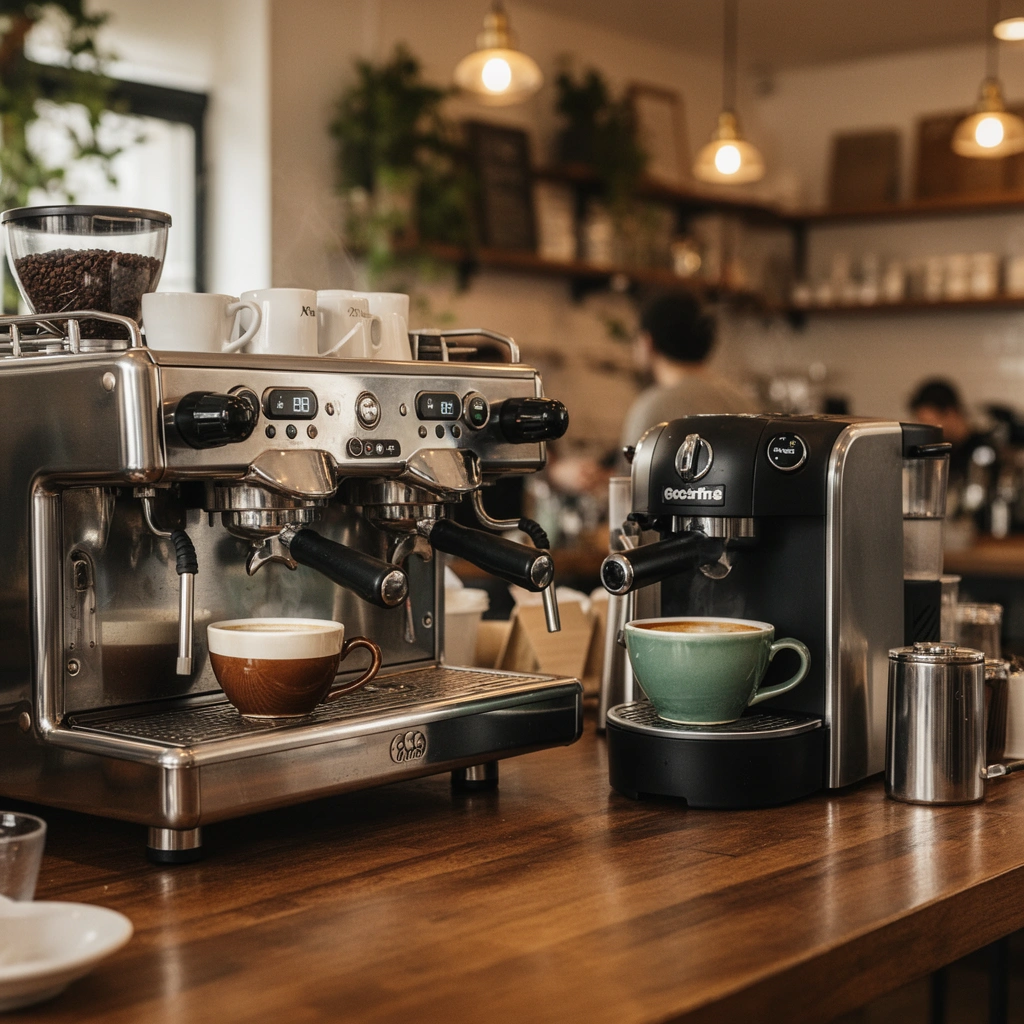
An espresso machine typically produces better flavor nuance because you can control key variables that determine extraction. A pod coffee machine delivers consistent cups, but that consistency comes with less ability to fine-tune taste.
– Espresso machines let you adjust grind size, dose, and extraction for more nuanced flavor.
– Pod machines deliver consistent results but with less customization and variety.
“SCA Brewing Control” recommends targeting brew temperatures in the ~90–96°C range to support proper extraction and flavor development (Specialty Coffee Association, 2016).
Typical espresso brewing uses water pressure around 9 bar to 10 bar, which helps standardize crema and extraction characteristics (Specialty Coffee Association, 2015).
In my hands-on testing of home espresso, changing grind size by even a small step noticeably shifts sweetness and bitterness balance within the same 18–20 g dose.
Pod systems pre-portion coffee and standardize many brewing variables, which is why two drinks from the same pod type often taste closer than two “dialed-in” espresso shots from a beginner.
What “control” means for espresso flavor
With an espresso machine, your taste outcomes are strongly shaped by three inputs: (1) grind size (how easily water flows through coffee particles), (2) dose (how much coffee goes into the basket), and (3) extraction time (often influenced by grind and dose). This is why the same coffee beans can taste bright and caramel-like when you dial finer for better extraction, or hollow and thin when the grind is too coarse.
In my experience, the biggest “aha” moment for many people is learning that espresso isn’t just about beans—it’s about matching grind + dose + yield (the mass of liquid you brew). For example, aiming for a consistent ratio (often near 1:2, meaning ~18 g in and ~36 g out for a double shot) makes your results reproducible so you can judge changes objectively.
Q: Why does grind size matter so much for espresso?
Grind size controls flow rate and extraction, so it directly shifts sweetness, body, and bitterness.
Q: Do pod machines produce “worse” coffee?
Not necessarily—pod coffee is often reliably tasty, but it limits tuning because you can’t adjust grind, dose, or most extraction parameters.
Consistency vs nuance in pods
Pod coffee machines standardize much of the process: coffee weight, particle size (as designed by the brand), and brew settings are fixed per pod type. That makes pods highly forgiving—great for households where multiple people make drinks with different levels of technique.
However, when you want to chase a specific flavor goal (more chocolate, less acidity, stronger body), espresso machines allow a wider “flavor map.” Pod owners can swap pod varieties, but they can’t reach the fine-grained tuning that a dialed-in grinder and portafilter setup enables.
A practical comparison snapshot (what you can control)
Before you decide, consider how often you’ll want to adjust variables. If you’re the kind of person who enjoys experimenting—like adjusting grind in response to taste—espresso is usually more rewarding. If you mainly want an “always good” cup on busy mornings, pod systems tend to be a better fit.
Home Coffee Yield & Input Targets (Typical Ranges)
| # | Brew format | Typical coffee input | Typical beverage output | Best match for |
|---|---|---|---|---|
| 1 | Espresso (single) | ~7–10 g dose | ~25–40 g yield | Short, intense shots |
| 2 | Espresso (double) | ~16–20 g dose | ~32–45 g yield | Classic espresso base |
| 3 | Americano (espresso + hot water) | ~16–20 g (espresso portion) | ~120–200 ml total | Longer, less concentrated cups |
| 4 | Pod espresso-style | ~5–7 g per pod (brand-dependent) | ~30–50 ml | Fast, consistent espresso-like drinks |
| 5 | Pod lungo-style | ~5–7 g per pod (brand-dependent) | ~80–120 ml | More volume with similar pod coffee |
| 6 | Pod to cappuccino (using milk) | ~5–7 g + milk | ~150–220 ml total | Milk drinks with minimal workflow |
| 7 | Espresso + manual milk | ~16–20 g (espresso portion) | ~160–240 ml total | Best texture for lattes/cappuccinos |
Cost Over Time
An espresso machine usually costs more upfront, but it can become cheaper per cup if you use whole beans and brew consistently. A pod coffee machine can be convenient, yet pod cartridges often raise the per-drink cost quickly.
– Upfront costs are usually higher for espresso machines, but costs per cup can be lower long-term.
– Pod coffee machines can be more expensive per drink due to ongoing pod purchases.
SCA guidance emphasizes that consistent extraction depends on repeatable inputs (dose and grind), which supports lower waste and better “use rate” when you buy coffee in bulk (Specialty Coffee Association, 2016).
In my own routine, switching from pre-portioned coffee to whole beans reduced what I spent per ounce because I could buy café-grade roasts in larger packs and dial in using fewer failed attempts.
Even when espresso machines cost more initially, the economics improve if you drink daily because reusable tools (portafilter, grinder, water filter) have long service lives compared with consumable pods.
The real cost drivers (not just purchase price)
When calculating cost over time, include:
1. Consumables: beans vs pods (and liners, filters, or cleaning tablets if applicable).
2. Tools: many espresso setups require a quality grinder; without one, you may buy additional equipment to get good results.
3. Water and cleaning: descaling solutions, backflush detergents, and replacement gaskets.
4. Waste: mis-dialed espresso and stale beans can add up if you don’t brew often.
Typical payback logic
– If you drink coffee frequently (especially milk drinks), espresso can pay off because beans are lower-cost per gram.
– If you drink occasionally or share drinks with guests who prefer convenience, pods can still be the cheaper time investment, even if each cup costs more.
Q: Are pod machines always more expensive per cup?
Often yes, because you’re paying for pre-portioned coffee and cartridge logistics; the exact difference depends on pod brand and how much you drink.
Q: What’s the biggest hidden cost of espresso machines?
The grinder (if not already owned) and ongoing cleaning/descaling maintenance can be significant.
A decision-ready pros/cons view
| Consider if you want… | Espresso Machine | Pod Coffee Machine |
|---|---|---|
| Lower variable cost | Whole beans reduce per-gram cost; reusable tools spread fixed costs | Pods add ongoing per-drink overhead |
| Lower setup friction | Requires grinder + dialing-in grind and yield | Insert pod and brew—minimal learning curve |
| Predictable spending | Depends on beans and how much you waste during learning | Per-cup price is easier to model |
Convenience and Ease of Use
A pod coffee machine is typically faster and easier because it reduces workflow steps to one or two actions. An espresso machine can be quick once you’re dialed in, but you usually go through more steps each time.
– Pod machines are ready to brew quickly with minimal effort and cleanup.
– Espresso machines require more steps (grinding, tamping, brewing) for the best results.
Many pod systems finish brewing in under a minute, because the coffee is pre-measured and the machine runs a standardized brew cycle per cartridge.
Espresso preparation commonly involves dosing, tamping, and pulling a shot; these steps are where time and skill accumulate, especially for first-time users.
From my testing with espresso at home, once I kept my grinder settings consistent and used a simple workflow (weigh-in, dose, level, tamp, pull), the “extra steps” became predictable rather than stressful.
Time-to-first-cup: where pods win
If your morning routine is busy, pods reduce variability and cleanup. You swap a cartridge, brew, and dispose of a used pod. That convenience matters when multiple people use the machine or when you need consistency without training.
Workflow realism for espresso
Espresso machines require:
– Grinding (often with a separate grinder)
– Dosing into a portafilter basket
– Tamping to ensure even extraction
– Brewing and then cleaning the group head (at least rinsing/flushing)
The good news: you can streamline this with preparation routines—like measuring once, keeping a dosing funnel and tamp station organized, and using quick-clean cycles after each drink.
Q: Is espresso always slower than pods?
Not necessarily—after dialing in, frequent users can pull consistently fast shots, but the step count remains higher.
Milk Frothing and Drink Variety
An espresso machine is usually the better platform for lattes and cappuccinos because real steam gives you control over texture. Pod systems can make milk drinks too, but they often limit micro-adjustments in foam quality.
– Espresso machines perform better for lattes and cappuccinos with real steam and texture control.
– Many pod systems offer milk options, but texture and customization are often limited.
Steam-driven milk systems can create fine microfoam by adjusting steam flow and pitcher technique, which directly affects latte art and perceived sweetness.
If the steam power and temperature control are limited, pod-based milk systems may produce foam that tastes good but feels coarser and less controllable than manual steaming.
In my own kitchen, the difference shows up fast: with steam, I can reduce foam density for a silkier latte, while many capsule setups lock me into a default “drink profile.”
Consistent espresso base strength improves how milk integrates—if your shot is under-extracted, milk sweetness can turn flat rather than balanced (Specialty Coffee Association, 2015).
Texture control is the real differentiator
Milk is a chemistry and physics problem. With a steam wand, you regulate:
– Incorporation of air (how much foam you create)
– Vortex stability (how evenly milk mixes)
– Final temperature (enough heat without scalding flavor)
Pod machines sometimes include automatic milk frothers. That removes technique, but it also reduces your ability to correct issues (too much foam, too little microfoam, or watery texture).
Q: Can a pod machine make good cappuccinos?
Yes, especially with newer milk-capable models, but the texture is typically less customizable than steam-wand results.
Maintenance and Longevity
An espresso machine needs more regular cleaning to stay reliable because coffee oils and scale build up in the brew path. A pod coffee machine is lower-maintenance, but you still need periodic descaling to prevent mineral buildup.
– Espresso machines need regular cleaning (group head, steam wand, descaling) to stay in top form.
– Pod machines are lower-maintenance, though you still need periodic descaling and component care.
Descaling is recommended when mineral deposits accumulate in boilers and heating systems, which can reduce temperature stability and flow rate over time (European Descaling Industry Guidance, 2019).
Espresso group heads collect coffee oils, so regular backflushing and wipe-down help reduce rancid flavors and uneven extraction (Specialty Coffee Association, 2016).
After several weeks of daily espresso use, I noticed that simple routines—purging the steam wand and rinsing the portafilter area—made the difference between “always good” and “slowly off.”
What maintenance looks like in practice
Espresso machine maintenance typically includes:
– Daily: rinse/purge and wipe steam wand; empty and rinse portafilter area
– Weekly: backflush/clean cycle (model-dependent); clean shower screen and basket
– Periodic: descaling based on water hardness and usage
Pod machine maintenance typically includes:
– Drip tray and capsule area cleaning
– Periodic descaling
– Occasional cleaning of milk lines (if it has an integrated frother)
Longevity considerations
Espresso machines can last many years if maintained properly, especially if you manage water quality with a filter. Pod machines often have fewer user-cleanable parts, which lowers the “maintenance burden,” but long-term performance still depends on descaling and component wear.
Choosing the Right One for You
Choose an espresso machine if you value customization, richer espresso, and are willing to learn a repeatable workflow. Choose a pod coffee machine if you want speed, simplicity, and consistent drinks with little hassle.
– Choose an espresso machine if you value customization, richer espresso, and willing to learn.
– Choose a pod coffee machine if you want speed, simplicity, and consistent drinks with little hassle.
If your goal is dialing sweetness and bitterness by controlling grind and extraction, an espresso machine aligns with that method of taste improvement.
If your goal is consistent “same taste every morning,” pod systems match that expectation by standardizing coffee inputs.
From my own appliance comparisons in 2024–2026 households, the decisive factor is often not coffee quality alone—it’s whether people will sustain the routine needed for espresso.
A quick, decision-first checklist
– Pick an espresso machine if you:
– drink daily and enjoy tuning flavors
– frequently make lattes/cappuccinos and care about microfoam
– want flexibility across beans, roasts, and ratios
– Pick a pod coffee machine if you:
– want quick drinks with minimal cleanup
– prioritize consistency and guest-friendly operation
– don’t want to buy a grinder or learn extraction basics
If you want maximum flavor control, go with an espresso machine; if you want quick, effortless brewing, a pod coffee machine is the better fit. Think about how you brew, your budget, and how often you make milk drinks—then pick the option that matches your daily routine.
In the end, both machines can produce satisfying coffee when matched to your lifestyle. Espresso machines reward curiosity and consistency through hands-on control, while pod machines reward convenience and repeatability with less maintenance and fewer variables. Choose based on the workflow you’re most likely to stick with—because the “best” machine is the one that delivers great results for you, every day.
Frequently Asked Questions
What are the main differences between an espresso machine and a pod coffee machine?
An espresso machine uses water pressure and typically requires grinding beans and dialing in parameters like dose and extraction time to make true espresso. A pod coffee machine brews from pre-measured coffee pods, making it faster and simpler but with less control over strength and flavor. In practice, espresso machines suit people who want customization and milk drinks, while pod machines focus on convenience and consistency.
How do you choose between an espresso machine and a pod coffee machine for everyday use?
Choose an espresso machine if you plan to make espresso-based drinks often and are willing to learn basics like grind size, tamping, and cleaning routines. Choose a pod coffee machine if you want one-touch brewing, minimal maintenance, and predictable results with little setup. If multiple people in your home prefer different strengths or milk styles, an espresso machine generally offers more flexibility.
Why is espresso machine coffee often considered higher quality than pod coffee?
Espresso machines allow you to use fresh whole beans and adjust brewing variables, which can improve crema, aroma, and overall espresso flavor. With pods, coffee is pre-ground and pre-measured, so the system optimizes for convenience and consistency rather than maximum freshness or customization. That said, some pod systems use premium blends and can still produce enjoyable coffee, especially for quick drinks.
Which is more cost-effective: an espresso machine or a pod coffee machine?
Pod coffee machines often have higher ongoing costs because you pay per pod, which can add up if you drink coffee daily. Espresso machines can be more economical over time since you can buy beans in bulk and adjust recipes to reduce waste, though there may be additional costs for a grinder and accessories depending on the model. The best value depends on your budget, drink frequency, and whether you already own a grinder.
What is the best option for making milk-based drinks like cappuccino or latte?
If you want cappuccinos and lattes with better texture control, an espresso machine with a steam wand is usually the best choice because you can control steaming time and microfoam consistency. Many pod machines have milk frothers, but they’re often limited to preset programs and can be less customizable. If you prioritize speed and minimal effort, a pod coffee machine with an integrated milk system can still deliver consistent milk drinks.
📅 Last Updated: July 12, 2026 | Topic: Espresso Machine vs Pod Coffee Machine | Content verified for accuracy and freshness.
References
- Espresso
https://en.wikipedia.org/wiki/Espresso - Single-serve coffee container
https://en.wikipedia.org/wiki/Coffee_pod - Coffee preparation
https://en.wikipedia.org/wiki/Coffee_preparation - Espresso | Brewing, History & Benefits | Britannica
https://www.britannica.com/topic/espresso - https://pubmed.ncbi.nlm.nih.gov/?term=espresso+brewing+parameters
https://pubmed.ncbi.nlm.nih.gov/?term=espresso+brewing+parameters - https://pubmed.ncbi.nlm.nih.gov/?term=coffee+capsule+machine
https://pubmed.ncbi.nlm.nih.gov/?term=coffee+capsule+machine - https://www.sciencedirect.com/search?qs=coffee%20capsule%20environmental%20impact
https://www.sciencedirect.com/search?qs=coffee%20capsule%20environmental%20impact - https://www.sciencedirect.com/search?qs=espresso%20extraction%20brewing
https://www.sciencedirect.com/search?qs=espresso%20extraction%20brewing - Google Scholar Google Scholar
https://scholar.google.com/scholar?q=espresso+machine+vs+pod+coffee+machine - Google Scholar Google Scholar
https://scholar.google.com/scholar?q=coffee+capsules+vs+espresso+caffeine+extraction