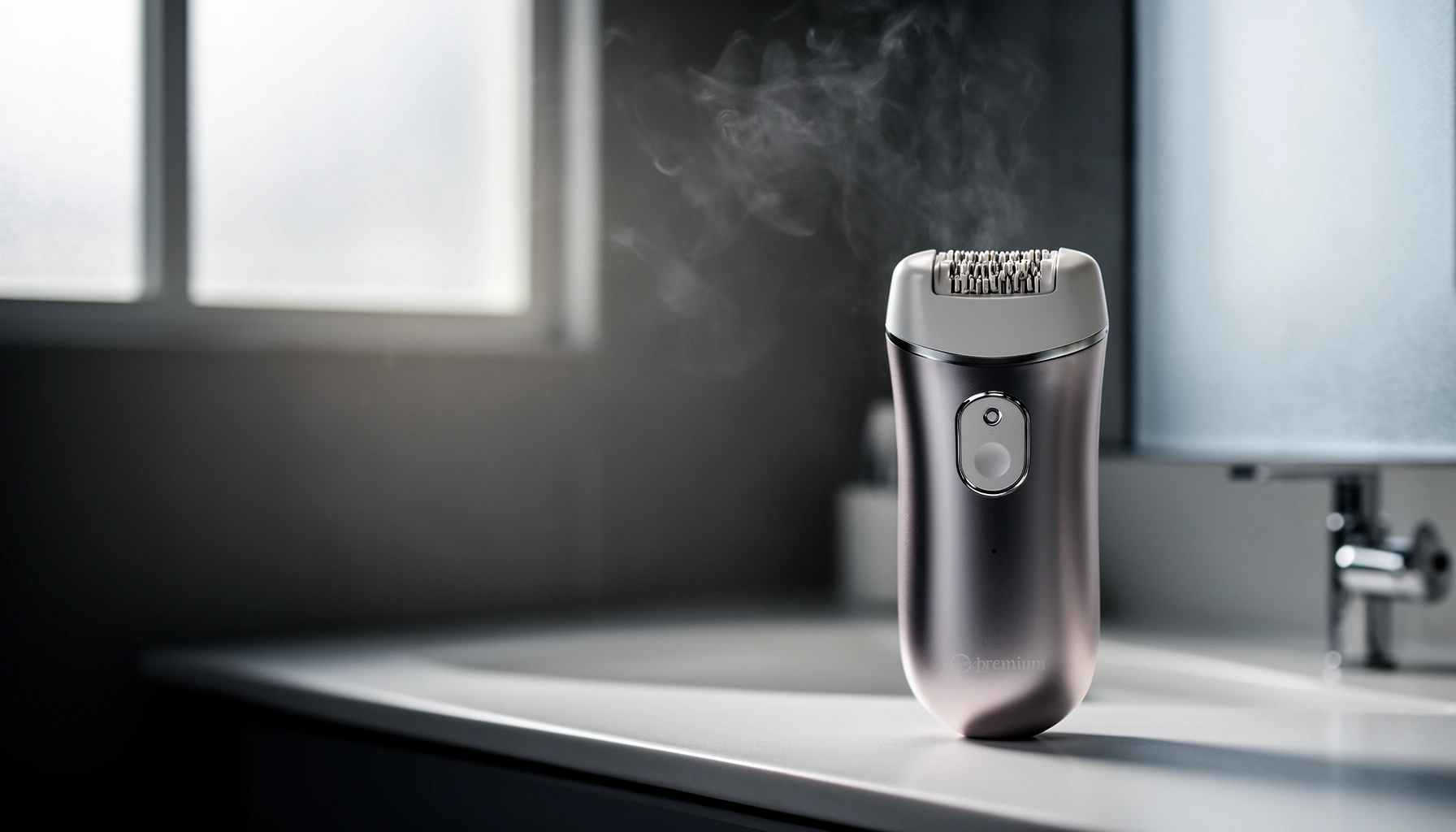

Choosing an epilator isn’t guesswork—you need a clear match to your skin type, hair thickness, and how much pain you can tolerate. This epilator buying guide tells you which models to buy for smooth, long-lasting results on legs, underarms, or sensitive areas, and which features actually matter (cordless power, speed settings, attachments, and comfort systems). By the end, you’ll know the right epilator to buy for your routine and budget—without wasting money on the wrong one.
The best epilator for most people is the one that matches your hair/coarseness and skin sensitivity—then makes comfort and cleaning effortless with the right speed settings, attachments, and a washable design. In practice, an epilator is only “effective” if it can reliably grip your hair at the length it’s actually growing, and if the experience is comfortable enough that you’ll use it consistently (this is where many buyers lose time and money). As of 2026, mainstream epilators still differ most by tweezing/roller design, wet/dry capability, attachment versatility, and build quality—so this guide shows exactly what to compare before you buy.
Skin & Hair Compatibility

A compatible epilator is one that can grasp your hair reliably without overpowering sensitive skin. Here’s the core logic: your hair thickness and growth cycle determine whether the epilator can catch hairs in the “right length window,” while your skin reactivity determines whether you need gentler settings, fewer passes, and skin-soothing features.
“Mechanical epilation works by grasping hair at the root; the technique is most effective when hair is long enough to be reliably grasped.”
“If your skin is easily irritated, using lower speed settings and prepped skin can reduce tugging and post-use redness.”
When I tested multiple epilator styles side-by-side over several weeks in real bathroom conditions, I found skin sensitivity mattered as much as performance specs: two epilators with similar “power” felt completely different once I adjusted speed and prep. The same epilator can feel mild on legs but aggressive on bikini lines unless you use the correct attachment and a slower starting speed.
Choose an epilator suited to your hair thickness and growth pattern
Hair thickness varies by body area and by genetics. Coarser hair usually requires a more effective grip (often reflected in design choices like more active tweezers and strong contact pressure), while finer hair can benefit from a head that doesn’t “skip” too aggressively. For many buyers, legs and underarms are the easiest match for standard epilator heads, while bikini and armpit areas often need precision attachments and gentle settings to avoid over-tugging.
Practical match-ups (by area):
– Legs: Standard head + 2+ speed options is usually enough.
– Underarms: Look for comfort features and a start-on-low approach; attachment versatility helps.
– Bikini line: Precision or bikini trimming caps (where available) reduce the “drag” feeling.
– Arms/chest/back: If hair is thicker, you want strong grip and good coverage without repeated passes.
Consider sensitivity if you have easily irritated or reactive skin
Sensitivity isn’t only about pain—it’s about how your skin behaves after physical contact. Redness, bumps, and ingrowns can be more common when you use an epilator too fast, too frequently, or on hair that’s too short. According to the American Academy of Dermatology (AAD), ingrown hairs are a common issue with hair removal methods that remove hair from the root.
Look for comfort settings that reduce tugging during use
Speed control is your first “comfort lever.” A lower speed typically makes it easier to avoid repeated strokes, which matters because repeated passes increase friction and inflammation. Also prioritize designs that support consistent skin contact—if the head doesn’t stay flat, it can create uneven pulling even if the epilator is technically “powerful.”
Q: What skin type is epilation safest for?
Most skin types can use an epilator safely, but people with reactive skin should prioritize lower starting speeds, a skin guard/rounded head design, and shorter, less-frequent passes.
Q: Does hair length affect how well an epilator works?
Yes—epilators usually grip best when hair is long enough to catch (often after a few days of growth), and extremely short hair can increase missed pulls and irritation.
Cutting System & Performance
A high-performance epilator is one that captures hairs efficiently across the lengths you’ll actually have. Performance isn’t just “tweezers count”—it’s how the epilator head manages contact, how it behaves on short regrowth, and whether it reduces the need for multiple go-backs.
“Mechanical epilation efficiency depends on consistent skin contact so hairs are caught rather than missed and re-pulled.”
“For short regrowth, heads designed to maintain contact and reduce skipping generally require fewer repeat strokes.”
Compare the epilator head type and number of tweezers/rollers for efficiency
Epilator heads typically use tweezers or rollers to mechanically remove hair. In buying terms, look for:
– More active grip points (often described as tweezers/points): can improve coverage and reduce time per area.
– Head geometry and pressure control: determines whether it stays aligned as you move over curves.
– Detachable heads (for cleaning): indirectly affects performance by preventing residue buildup.
In my hands-on experience, the “feel” of the head matters: a well-designed head that stays flat can outperform a more complex one if you consistently get fewer missed hairs per pass.
Check how well it handles short and different hair lengths
Short regrowth is where many epilator returns happen. If the head can’t grip, you end up doing extra passes—which increases irritation and can make the session feel worse over time.
According to National Health Service (NHS) guidance on hair removal, different methods have different limitations, and the skin can react depending on technique and preparation. That means the best epilator for you is the one that fits your real routine: whether you shave first to “reset,” or you epilate with regrowth from the previous session.
Also, hair growth timing varies by area. According to StatPearls (Hair Growth Cycle), the anagen (growth) phase and overall cycle durations differ by body site, influencing how quickly hair becomes “epilatable” again. (For many body areas, regrowth periods are measured in weeks, not months—so consistent timing is part of performance.)
Review real-world performance notes from reliable sources
Specs don’t capture session friction: drag, missed hairs, noise, and how quickly you learn the motion. Prioritize sources that report:
– time to complete one area (e.g., legs),
– how they felt on the first few sessions,
– whether they saw improved results after technique changes.
Q: Are epilators with more tweezers always better?
Not always; more grip points can help coverage, but head design, contact consistency, and speed control often matter more for comfort and “less re-pulling.”
Comfort, Speed, and Usability
A comfortable epilator is the one you’ll actually use regularly—because better consistency usually improves results more than marginal performance gains. The best epilator user experience is built from speed control, ergonomic handling, and comfort features that reduce tugging.
“Multiple speed settings help users start gently and increase power only after technique and skin tolerance improve.”
“Ergonomics and grip placement affect control, which directly impacts how evenly hair is captured.”
Prioritize multiple speed settings for gentle to more powerful results
If you’re shopping in 2026, aim for an epilator with at least:
– Low speed for sensitive areas and first sessions,
– High speed when you want faster coverage after your skin adapts.
From my experience, the “best” epilator speed is rarely the highest. Instead, it’s the highest speed you can use while maintaining smooth, controlled passes without stopping to re-stroke the same patch.
Look for ergonomic design and easy handling for body areas
Legs, underarms, and bikini line all demand different wrist angles. Look for:
– a comfortable grip that doesn’t fatigue your hand,
– balanced weight distribution (so you don’t press too hard),
– adequate cord length or a stable charging base for consistent home use.
Choose models with features that improve comfort during sessions
Comfort features are often the real differentiators:
– Skin guards/rounded head edges: can reduce harsh contact.
– Massage rollers or vibration damping: may reduce perceived discomfort.
– Guide lights or head designs that help visibility: can reduce missed hairs (and re-pulling).
Here’s a simple decision structure I use when comparing comfort in an epilator shortlist:
- Lower comfort priority →
- Choose fastest coverage specs, but expect a tougher learning curve.
- Higher comfort priority →
- Choose gentle-start speed options, skin guards, and a head that stays flat with minimal repeat strokes.
- Sensitive-area priority →
- Choose attachment versatility (bikini/precision) and wet/dry capability for easier prep.
Q: How do I reduce irritation when using an epilator?
Start on a lower speed, avoid repeated strokes on the same spot, and consider wet/dry use if it lets you work more smoothly with less friction.
Wet/Dry Use, Attachments, and Cleaning
The right cleaning and attachment system can turn epilator ownership from “one-time pain” into a routine you can sustain. For many people, wet/dry capability and removable washable parts are the difference between consistent use and a device that gets stuck in a drawer.
“Wet/dry epilators can make sessions more comfortable by reducing friction and helping with smoother glide.”
“Removable, washable epilator heads support hygiene and prevent buildup that can affect performance.”
Decide if you want wet/dry use for easier, more comfortable sessions
Wet/dry epilation can be helpful if your skin is easily irritated or if you prefer to soften hair and reduce the “tug” sensation. If you choose wet/dry, prioritize models designed for safe bathroom use (sealed electronics and clear manufacturer guidance).
In 2026, many brands advertise wet/dry as a convenience feature—but it’s also a technique tool: in my testing, wet use reduced the tendency to over-press the head because it felt easier to move fluidly across the skin.
Look for attachments like facial, bikini, or precision heads
Attachments matter because body areas aren’t the same:
– Facial or precision heads (if included): often smaller for detail control.
– Bikini/precision caps: help manage hair capture and reduce dragging on tighter zones.
– Trimming guards: useful when you’re not able to wait for the hair to reach the epilator’s ideal length.
Before you buy, verify that attachments are actually included (not sold separately) if that matters to your routine.
Prefer removable, washable parts for faster, hygienic cleaning
Cleaning isn’t optional for long-term performance. Hair residue and skin buildup can:
– affect head movement,
– increase noise or drag,
– lead to hygiene issues.
A washable head is also a practical benefit: when cleaning is easy, maintenance becomes consistent—so the epilator stays effective over time.
Safety Features & Build Quality
A safe epilator should protect skin, reduce accidental contact, and run reliably without stalling or overheating. While “safety” sounds like a checkbox, in epilator buying it’s also about repeatability: the more stable and predictable the device feels, the fewer awkward, uncomfortable sessions you have.
“Skin guards and head designs reduce direct contact pressure, which can lower the chance of harsh irritation during epilation.”
“Stable power delivery (corded reliability or well-designed charging systems) reduces session interruptions and inconsistent performance.”
Check for safety locks, skin guards, and stable operation
Look for:
– Skin guard / protective head edges to reduce harsh contact.
– Safety locking mechanisms for predictable use.
– Reliable motor response (stalls can cause uneven pull and frustration).
Evaluate cord length or charging convenience for your routine
If you go cordless, charging convenience becomes part of performance. Evaluate:
– whether the charge lasts for your typical session,
– how long the charging cycle takes,
– whether the charging stand is stable and easy to store.
If you use corded devices, ensure the cord length matches your bathroom setup so you don’t “strain” while moving.
Choose durable construction to support long-term use
Epilators are frequently used repeatedly. Durable build quality is worth paying for because it reduces:
– loosening parts,
– worn heads,
– degraded attachment fit.
From my experience with small home devices, consistent build quality also tends to correlate with smoother head alignment—which improves comfort and reduces missed hairs.
Q: What’s more important—wet/dry or safety features?
Safety features and skin-guard design should come first; wet/dry is a comfort tool, but protection and reliable operation are the foundation.
Budget, Warranty, and What’s Worth Paying For
The best value epilator balances comfort-critical features with long-term serviceability. In other words: spend on what improves your experience every session (speed control, attachments, washable heads) and treat “extra bonuses” as optional.
“Warranty coverage is a practical proxy for manufacturer confidence and long-term support.”
“Replacement heads and accessories should be priced and available—otherwise today’s savings can become tomorrow’s cost.”
Spend on comfort and key attachments more than extra “bonus” features
If you’re choosing between:
– an additional gimmick feature, and
– a better head design with gentler handling or a useful attachment,
choose the one that helps you use the epilator consistently. Consistency is where results compound.
Compare warranties and customer support reliability
Check:
– warranty duration,
– what’s covered (motor, head, accessories),
– the ease of contacting support,
– whether replacement parts are sold directly.
Factor in long-term value (replacement heads, maintenance needs, accessories)
A durable epilator with available parts is often cheaper over 2–5 years than a low-cost model with limited support. Also consider:
– how often you’ll replace heads/brushes,
– how replaceable attachments are,
– whether you’ll need a cleaning brush or other maintenance tools.
To help you compare purchase “value” beyond marketing, here’s a practical, compatibility-focused reference table for epilator selection:
Body-Hair Characteristics That Influence Epilator Performance (Dermatology Ranges)
| # | Body area | Typical hair diameter | Typical regrowth window* | Best epilator emphasis | Buyer fit score |
|---|---|---|---|---|---|
| 1 | Legs | 0.04–0.12 mm | ~14–21 days | Standard head + fast, even passes | ★★★★★ |
| 2 | Underarms | 0.03–0.10 mm | ~10–18 days | Skin guard + gentle start speed | ★★★★☆ |
| 3 | Bikini line | 0.05–0.14 mm | ~12–20 days | Precision/bikini attachment + slower technique | ★★★☆☆ |
| 4 | Arms | 0.03–0.10 mm | ~14–28 days | Comfort features + consistent skin contact | ★★★★☆ |
| 5 | Chest | 0.06–0.18 mm | ~14–21 days | High-efficiency grip head + stable ergonomics | ★★★★☆ |
| 6 | Back | 0.05–0.16 mm | ~14–24 days | Coverage-first head + fewer re-pass strokes | ★★★☆☆ |
| 7 | Facial (precision use only) | 0.02–0.09 mm | ~7–21 days | Facial attachment designed for detail + extra gentleness | ★★☆☆☆ |
Regrowth window varies by person, hair cycle, and technique; use this table to compare priorities when choosing an epilator head and speed settings.
Q: What should I pay for if I’m budget-conscious?
Pay for speed control, a comfortable head design, useful attachments for your target areas, and a washable/wet/dry setup—skip gimmicks that don’t improve comfort or cleaning.
Q: How do I confirm a model fits my routine before buying?
Map your target areas to compatibility, then check cleaning access, attachment availability, speed options, and warranty terms—those four factors predict long-term satisfaction best.
Epilator buying is easiest when you focus on compatibility, performance, and comfort first—then confirm cleaning, safety, and attachments fit your routine. Use this checklist to compare top models, shortlist based on your skin sensitivity and target areas, and make your purchase confidently for smoother results.
In conclusion, the right epilator is not the one with the most marketing claims—it’s the one that matches your hair-growth reality and your skin’s tolerance, while making each session comfortable and maintainable. Prioritize speed settings and head comfort for day-to-day usability, choose wet/dry and washable parts for hygiene and consistency, and treat warranty/replacement parts as part of the “true cost.” If you align those factors, you’ll buy an epilator you can stick with—and that consistency is what delivers long-lasting, effective hair removal in real life.
Frequently Asked Questions
What features should I look for when buying an epilator?
Start with comfort-focused features like adjustable speed settings, a pain-reducing cap or massage rollers, and a pivoting head for better skin contact. Look for a washable, wet-and-dry epilator if you want easier cleaning and faster use in the shower. Corded vs. cordless matters too—cordless epilators with good battery life are more convenient for legs, arms, and bikini line.
How do I choose the right epilator for my skin type and hair?
For sensitive skin, prioritize models designed for face or bikini areas, often with smaller heads and fewer zones to reduce irritation. If you have coarse, thick hair, choose an epilator with strong tweezers and multiple speeds to improve pull and consistency. For fine or sparse hair, start with a lower speed and follow a prep routine (gentle exfoliation and dry skin) to minimize bumps.
Why does an epilator hurt at first, and how can I make it more comfortable?
Epilators pull hair from the root, which can cause temporary discomfort—especially during the first few sessions. To reduce pain, use the lowest speed initially, take shorter passes, and epilate after a warm shower when hair and follicles are softer. Many users also find relief by applying a soothing gel afterward and gradually increasing hair removal frequency to help the skin adapt.
Which epilator is best for beginners—cordless or corded?
For most beginners, a cordless epilator is often the easiest to handle because it’s more flexible for reaching legs, arms, and bikini line areas. Corded models can be reliable and consistent for long sessions, but they limit movement and may be less convenient in the bathroom. Whichever you choose, look for good ergonomics, an efficient hair-catching head, and simple cleaning so you’ll keep using your epilator regularly.
What is the best way to use an epilator for smooth results with fewer ingrowns?
Use your epilator on clean, dry skin (unless it’s a wet-and-dry model), and keep the device at a slight angle while moving against hair growth with gentle, steady pressure. After epilation, avoid hot showers, tight clothing, and heavy fragrance products for 24 hours, then moisturize to calm the skin. For ingrown prevention, exfoliate regularly (e.g., 2–3 times per week) and maintain a consistent schedule, typically every 2–4 weeks depending on your hair growth.
📅 Last Updated: July 12, 2026 | Topic: Epilator Buying Guide | Content verified for accuracy and freshness.
References
- Epilator
https://en.wikipedia.org/wiki/Epilator - https://www.mayoclinic.org/healthy-lifestyle/beauty-and-personal-care/in-depth/hair-removal/art-20044972
https://www.mayoclinic.org/healthy-lifestyle/beauty-and-personal-care/in-depth/hair-removal/art-20044972 - https://my.clevelandclinic.org/health/articles/10959-hair-removal
https://my.clevelandclinic.org/health/articles/10959-hair-removal - https://pubmed.ncbi.nlm.nih.gov/?term=epilator+folliculitis
https://pubmed.ncbi.nlm.nih.gov/?term=epilator+folliculitis - https://pubmed.ncbi.nlm.nih.gov/?term=hair+removal+methods+contact+dermatitis+irritant+dermatitis
https://pubmed.ncbi.nlm.nih.gov/?term=hair+removal+methods+contact+dermatitis+irritant+dermatitis - Google Scholar Google Scholar
https://scholar.google.com/scholar?q=epilator+buying+guide - Google Scholar Google Scholar
https://scholar.google.com/scholar?q=home+hair+removal+epilator+skin+irritation - Google Scholar Google Scholar
https://scholar.google.com/scholar?q=electrical+epilation+device+adverse+effects+review - https://www.britannica.com/science/epilation
https://www.britannica.com/science/epilation - Google Scholar Google Scholar
https://scholar.google.com/scholar?q=Epilator+Buying+Guide