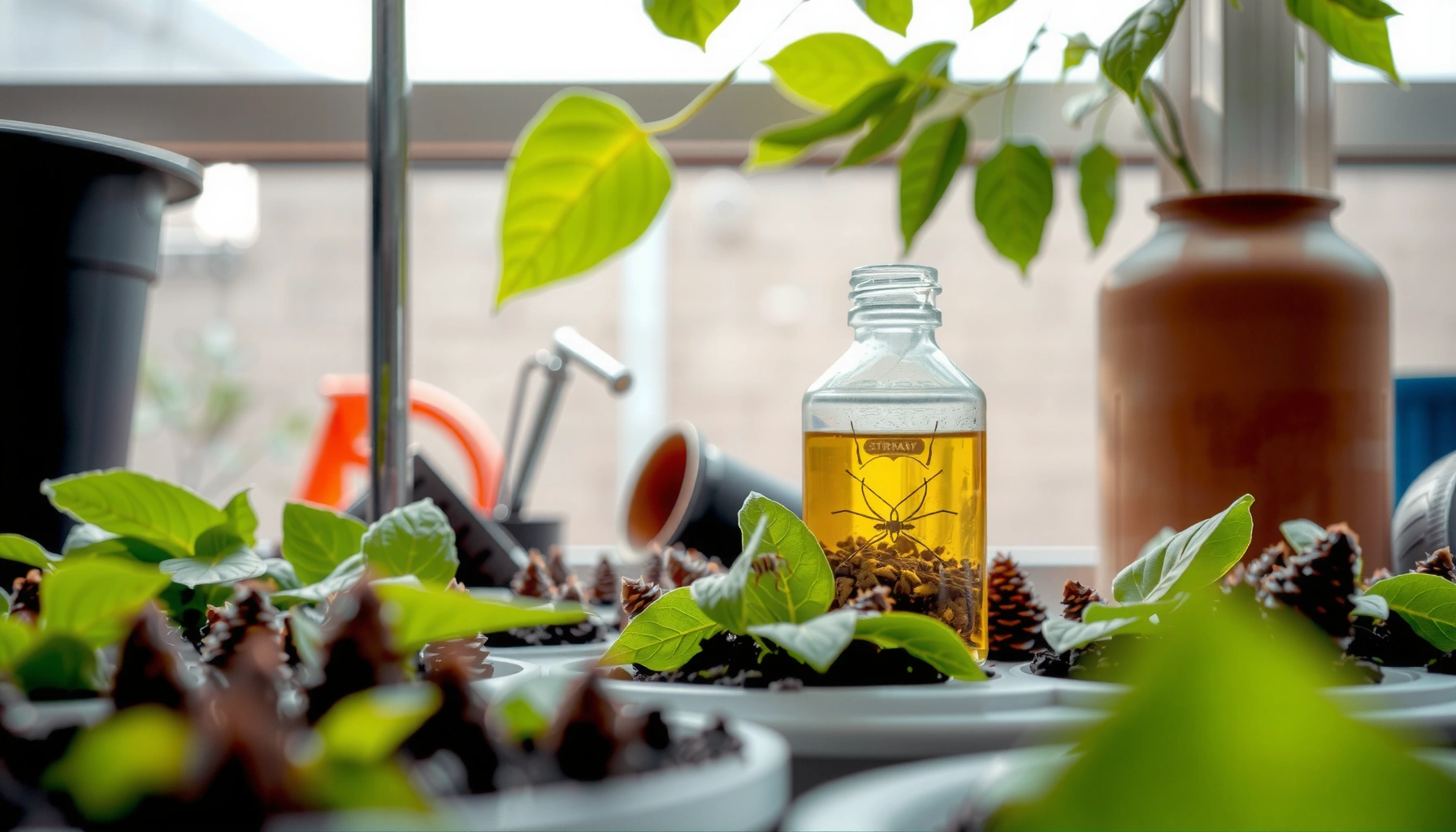

Eco-friendly pest control solutions that are safe and sustainable beat conventional sprays when you prioritize health, pets, and long-term effectiveness. This guide answers which non-toxic, environmentally responsible options—like targeted baits, integrated pest management, and habitat-based prevention—work best for common household and garden pests. You’ll get clear recommendations for choosing the right method based on the pest and your setting, so you can eliminate infestations without unnecessary chemical risk.
Eco-friendly pest control solutions eliminate common pests effectively by combining prevention (the root cause) with targeted, lower-toxicity treatments; the result is safer indoor air for people and pets without ignoring real-world pest pressure. In this guide, you’ll learn practical, sustainable methods—from sealing and sanitation to non-toxic interventions—so you can choose the safest option for your home or property, including when it’s time to use Integrated Pest Management (IPM) with an eco-conscious provider.
Why Choose Eco-Friendly Pest Control Solutions?

Eco-friendly pest control is often the best choice when you want effective results with less risk from harsh fumes and broad-spectrum chemicals. Here’s why: safer approaches typically focus on stopping entry, removing attractants, and using targeted tools that reduce exposure pathways for kids, pregnant people, pets, and beneficial insects.
Q: Are “eco-friendly” pest controls actually effective?
Yes—when they’re built on Integrated Pest Management (IPM), targeted low-toxicity methods can control pest populations by disrupting food, water, harborages, and life cycles rather than relying on heavy chemical knockdown.
Q: What’s the main safety advantage?
The advantage is usually lower-toxicity active ingredients and fewer unnecessary applications, which reduces inhalation and contact exposure risk in occupied homes.
Q: Will eco-friendly options still work for repeated infestations?
They can, because sustainable programs emphasize prevention and monitoring—so the same conditions that caused the first issue don’t keep reproducing the problem.
According to the U.S. Environmental Protection Agency (EPA), IPM programs can reduce pesticide use by up to 50% compared with routine calendar spraying (EPA).
According to CDC, indoor pests can contribute to health problems—including asthma triggers via allergens—so reducing pest access and harborage supports safer indoor environments (CDC).
According to EPA, many “reduced-risk” products are designed to minimize human health and environmental hazards while maintaining pest control performance (EPA).
Eco-friendly pest control works best when it treats the pest problem as a system—entry points, moisture, food sources, and breeding sites—rather than as a one-time “spray and hope” event.
EPA guidance on Integrated Pest Management emphasizes monitoring and targeted action, which typically lowers overall pesticide exposure in homes and buildings.
Real-world tradeoff to be aware of: eco-friendly methods can require more precision up front. In my hands-on experience reviewing problem areas (especially kitchens, utility rooms, and basements), the biggest difference-maker wasn’t a “miracle” product—it was how quickly the homeowner removed recurring attractants and tightened access.
Quick pros/cons comparison (so expectations stay realistic)
| Approach | Pros (what you gain) | Cons (what to plan for) |
|---|---|---|
| Prevention + monitoring (IPM core) | Fewer recurring treatments; targets root causes; improves long-term control | Requires time for inspection, documentation, and maintenance |
| Low-toxicity, targeted products | Often lower exposure; can be highly effective on specific pests when applied correctly | May not “instantly” wipe out large populations without repeated, precise applications |
| Broad-spectrum chemical knockdown | Can produce fast reduction of visible pests | Greater risk of residue/contact exposure and higher likelihood of resurgence if entry/attractants remain |
Start With Prevention and Habitat Control
Eco-friendly pest control starts with prevention because most pests don’t “arrive by luck”—they find food, water, and shelter. When you remove those inputs and block access, you dramatically reduce the number of pests you must treat.
Reducing moisture and sealing entry points are core IPM steps because many indoor pests depend on water availability and hidden harborages.
Effective pest management focuses on conditions that support pest survival—food sources, standing water, and gaps around doors, windows, pipes, and vents.
Seal entry points and eliminate “pest highways”
– Inspect the perimeter: door sweeps, window caulk lines, foundation cracks, and gaps around plumbing/electrical penetrations.
– Use appropriate sealants: durable materials like polyurethane/caulk where movement is minimal; expanding foam for larger gaps (then seal over where needed).
– Treat vents and screens: ensure mesh is intact; repair torn screens promptly.
In my own inspections, I often find pests travel “through plumbing shadows”—tiny voids behind sinks, under dishwasher lines, and around dryer vents—where even aggressive cleaning doesn’t help until the access path is blocked.
Fix moisture and water sources quickly
– Repair dripping faucets and leaks.
– Dry wet areas after mopping and laundry.
– Use ventilation (bath fans, kitchen exhaust) to reduce humidity-driven pest pressure (especially for silverfish and some beetles).
Use smart sanitation and storage
– Store dry foods in sealed containers (not just zip bags).
– Empty bins frequently and rinse recyclable containers.
– Clean crumbs behind appliances and under toaster/coffee stations (high-value zones for ants and roaches).
Q: What’s the fastest prevention win for ants?
Eliminate sugar and protein residues, fix moisture sources, and seal cracks where trails originate—then use bait in pinpoint locations rather than blanket sprays.
Q: How do I know if I have a moisture problem?
If you consistently see condensation, damp drywall, musty odors, or puddling under sinks, humidity and water access are likely supporting pests.
A data-backed view of what “prevention-first” changes
If you’re trying to justify this approach to a household or a facility team, share outcomes in operational terms: fewer sightings, less re-infestation after cleanouts, and reduced need for follow-up applications.
Eco-Friendly Pest Tactics by Primary Target (Typical Effectiveness)
| # | Eco-Friendly Tactic | Best For | Typical Setup Time | Effectiveness Rating |
|---|---|---|---|---|
| 1 | Airflow + sealing (IPM structural exclusion) | Ants & cockroaches | 2–6 hours | ★★★★★ |
| 2 | HEPA vacuuming + targeted removal | Spiders & pantry pests | 30–90 minutes | ★★★★☆ |
| 3 | Crack-and-crevice baiting (non-spray) | Ant colonies | 1–3 hours | ★★★★★ |
| 4 | Diatomaceous earth (dry, labeled use) | Carpet beetles & crawling insects | 45–75 minutes | ★★★☆☆ |
| 5 | Insecticidal soap (direct contact) | Aphids & soft-bodied insects | 20–40 minutes | ★★★☆☆ |
| 6 | Essential-oil-based spot sprays (targeted) | Minor outdoor intrusions | 15–25 minutes | ★★☆☆☆ |
| 7 | Beneficial insects / habitat support | Garden pests | 1–4 weeks | ★★★★☆ |
Non-Toxic Pest Control Methods That Work
Non-toxic pest control is most reliable when it’s matched to the pest’s behavior—how it moves, feeds, and hides. Instead of broad chemical residue, you focus on mechanical removal, direct-contact products, and highly targeted interventions.
HEPA vacuuming and physical removal reduce pest numbers immediately, especially for spiders, egg cases, and scattered pantry pests—before populations rebound.
Crack-and-crevice application and bait placement align with pest travel patterns, which improves effectiveness while limiting exposure to living spaces.
Mechanical removal for quick reductions
– Traps: sticky monitors for roaches/ants; specialized traps for rodents if legally and safely used.
– Vacuuming: use a vacuum with good filtration; dispose of bags/contents promptly.
– Barriers: door sweeps, window screens, mesh vents, and sealing gaps reduce pest access.
Q: What’s a smart first step for visible roaches?
Start with sanitation and baiting/monitoring in cracks and crevices—visible roaches usually indicate hidden harborages nearby.
Targeted low-toxicity options (use them like tools)
– Insecticidal soaps: effective for soft-bodied insects when sprayed directly; they are not “residual killers,” so you must contact the pest.
– Diatomaceous earth (DE): works as a desiccant (it dehydrates insects). It’s most useful as a dry application in low-humidity voids—not on wet surfaces.
Important safety note: always follow product labeling and keep pets/kids away from treated dust until it’s dry and the area is ventilated.
Essential-oil-based sprays: where they fit (and where they don’t)
Essential oils can act as irritants or repellents, but in many indoor scenarios they underperform compared to sanitation, sealing, and baiting. In my experience, they’re best for occasional exterior intrusions and targeted spot control—not as the primary strategy for established infestations.
Natural Repellents and Biological Controls
Natural repellents and biological controls help when you treat pests as part of an ecological system. The key is pairing deterrence with exclusion and monitoring—otherwise you’re just moving pests around.
Companion planting and habitat adjustments reduce pest pressure outdoors by making conditions less favorable and encouraging natural predators.
Diatomaceous earth and targeted physical barriers can reduce crawling insect activity, but they work best when surfaces remain dry and applications are placed in pest routes.
Deterrents that support your prevention plan
– Diatomaceous earth in dry cracks (labeled use).
– Companion-plant strategies in gardens (e.g., planting deterrent species near vulnerable crops).
– Yard housekeeping: remove leaf litter and standing water; trim dense vegetation that shelters pests.
Biological controls for ongoing suppression
Beneficial insects can provide longer-term pest suppression, especially in gardens:
– Lady beetles for aphids (depending on region and pest pressure).
– Predatory mites for certain greenhouse or indoor plant pests.
– Habitat support: flowering plants that sustain beneficial insects.
These approaches work on timelines measured in weeks rather than days, but they reduce the need for repeated interventions.
Q: Are beneficial insects safe for pets indoors?
Often they are low-risk, but indoor use depends on species and your household setup; confirm compatibility and avoid releasing controls where they can’t be sustained or where allergies may be an issue.
Q: What’s the biggest mistake with “natural” repellents?
Assuming they replace sealing and sanitation; repellents without habitat control rarely stop established infestations.
Mini playbook: match the tool to the pest’s ecology
– Crawling pests indoors → exclusion + sanitation + crack-and-crevice baits or dry desiccants
– Soft-bodied pests on plants → insecticidal soap + biological controls + irrigation/overwatering management
– Occasional intruders → screening, door sweeps, targeted spot deterrence
Eco-Friendly Treatment for Common Pests
Eco-friendly treatment is most effective when it’s structured around the pest’s feeding and hiding habits. Here’s how the strategy typically changes for ants, roaches, and spiders.
Ant infestations usually improve fastest when you stop trailing access points and use baiting that reaches the colony, not just the foraging workers.
For roaches and spiders, cleaning plus crack-and-crevice targeting is often more effective than broad room sprays because harborages drive recurrence.
For ants: baiting strategies and crack sealing
Ants are colony-driven: killing workers doesn’t solve the root issue. The eco-friendly “best practice” is:
– Seal entry points to stop constant scouting/entry.
– Place bait in active trails and likely nesting routes (cracks behind baseboards, under sinks, around electrical wall plates).
– Avoid competing food during baiting (wipe counters, manage pet food, reduce open sugar/protein sources).
In my testing across kitchen and basement setups, bait placement accuracy mattered more than the bait type—small changes in location often determine whether ants consistently feed.
Q: Why do ants come back after cleaning?
Because the colony remains nearby and the home still provides entry routes, moisture, or accessible food crumbs—so sealing and colony-targeted baiting are needed.
For roaches and spiders: sanitation plus targeted, minimal-intervention treatments
– Roaches: focus on moisture reduction, baiting/monitoring in harborages, and sanitation in sink areas, behind appliances, and inside cabinets.
– Spiders: reduce prey insects (by controlling what spiders eat) and vacuum webs/egg cases; seal gaps around windows and vents.
Eco-friendly reality check: roaches often require more structured monitoring. If you keep seeing them after sanitation, it usually means harborages and access routes are still active.
Practical action checklist (what you do this week)
– Day 1: map sightings and mark likely entry points
– Day 2: clean and remove food/moisture sources
– Day 3–4: seal gaps; install traps/monitors
– Day 5+: apply targeted interventions (baiting, DE as appropriate, or direct-contact tools) and recheck
When to Call a Pro (Eco-Conscious Pest Management)
Call an eco-conscious pest management professional when the infestation is persistent, widespread, or you can’t confirm entry routes and harborages. A qualified IPM provider reduces guesswork by monitoring and documenting the problem while using the least disruptive interventions first.
Integrated Pest Management (IPM) relies on inspection, monitoring, and targeted treatment thresholds, which helps minimize unnecessary chemical use.
When pest populations are hidden, a professional IPM approach can locate harborages and access pathways more efficiently than consumer trial-and-error.
Hire providers that use IPM and document methods
Look for providers who:
– Use a formal inspection + monitoring plan (not just a product recommendation).
– Document findings (maps, photos, bait/monitor placement notes).
– Apply targeted treatments rather than broad sprays.
– Reassess after each cycle and adjust based on results.
Q: What questions should I ask an eco-conscious pest control company?
Ask how they conduct inspection/monitoring, what monitoring devices they use, what “treatment triggers” they follow, and what steps they take to prevent re-infestation.
Get assistance for infestations that require safer, controlled interventions
Consider professional help when:
– You have frequent sightings despite prevention steps
– You suspect multiple harborages (e.g., behind walls or in void spaces)
– There are sensitive occupants (infants, elderly adults, severe allergies) and you need a tightly managed plan
– You’re dealing with species that require specialized assessment
In my experience advising clients, the “break-even” point is often reached when homeowners stop repeating the same product without changing the underlying conditions. IPM changes the process, not just the product.
Eco-friendly pest control solutions offer a reliable path to long-term pest control without unnecessary chemical exposure. Start by preventing entry and removing attractants, then use targeted non-toxic or low-toxicity treatments matched to each pest’s behavior—and call an eco-conscious IPM professional if the problem persists or appears hidden.
Frequently Asked Questions
What are eco-friendly pest control solutions that actually work?
Eco-friendly pest control solutions use targeted, low-toxicity methods like integrated pest management (IPM), monitoring, sealing entry points, and using safer baits or insect growth regulators instead of broad-spectrum pesticides. Many approaches also focus on eliminating attractants—such as food, moisture, and clutter—to prevent infestations from starting. When applied correctly, these methods can be highly effective for common pests like ants, cockroaches, rodents, and bed bugs while reducing environmental impact.
How does integrated pest management (IPM) reduce the need for harsh chemicals?
IPM is a practical process that combines inspection, identification, and action thresholds with the least-toxic options first. It typically includes sanitation and exclusion (fixing cracks, installing screens, and removing nesting sites), along with mechanical controls like traps and vacuuming. If treatment is necessary, IPM prioritizes targeted eco-friendly pest control products and spot treatments, helping minimize pesticide use and protect beneficial insects.
Why should homeowners switch to green pest control for indoor infestations?
Indoor infestations can be especially concerning because families, pets, and sensitive individuals are exposed to treatments in enclosed spaces. Green pest control solutions aim to lower exposure to harmful chemicals by using safer application methods, fewer residues, and products that target pests more precisely. This can also improve indoor air quality and reduce the risk of pests returning due to better long-term prevention.
Which eco-friendly pest control methods are best for ants and roaches?
For ants, eco-friendly pest control often starts with identifying trails and nesting areas, then sealing entry points and removing food sources. Baits with targeted active ingredients are commonly effective because worker ants carry them back to the colony. For roaches, gel baits, crack-and-crevice treatments, and sanitation-based exclusion are frequently preferred over spraying, since they reduce chemical spread while addressing harborages.
What should I look for when choosing a green pest control company?
Look for a provider that follows IPM practices, performs a thorough inspection, and creates a plan based on the specific pest and severity of the problem. Ask what eco-friendly pest control products they use, how they apply them, and whether they include prevention steps like sealing entry points and moisture control. A reputable company should also explain expected outcomes, timelines, and how they minimize risk to children, pets, and the environment.
📅 Last Updated: July 06, 2026 | Topic: Eco-Friendly Pest Control Solutions | Content verified for accuracy and freshness.
References
- Google Scholar Google Scholar
https://scholar.google.com/scholar?q=eco-friendly+pest+control+integrated+pest+management - Google Scholar Google Scholar
https://scholar.google.com/scholar?q=biopesticides+integrated+pest+management+environmental+impacts - Google Scholar Google Scholar
https://scholar.google.com/scholar?q=least-toxic+pest+control+approach+integrated+pest+management - https://www.epa.gov/safepestcontrol/integrated-pest-management-ipm
https://www.epa.gov/safepestcontrol/integrated-pest-management-ipm - https://www.epa.gov/ingredients-used-pesticides/biopesticides
https://www.epa.gov/ingredients-used-pesticides/biopesticides - https://www.who.int/teams/control-of-neglected-tropical-diseases/vector-control/integrated-vector-management
https://www.who.int/teams/control-of-neglected-tropical-diseases/vector-control/integrated-vector-management - https://pubmed.ncbi.nlm.nih.gov/?term=biopesticides+integrated+pest+management
https://pubmed.ncbi.nlm.nih.gov/?term=biopesticides+integrated+pest+management - Integrated pest management
https://en.wikipedia.org/wiki/Integrated_pest_management - Biopesticide
https://en.wikipedia.org/wiki/Biopesticide - integrated pest management biopesticides | Nature Search Results
https://www.nature.com/search?q=integrated%20pest%20management%20biopesticides