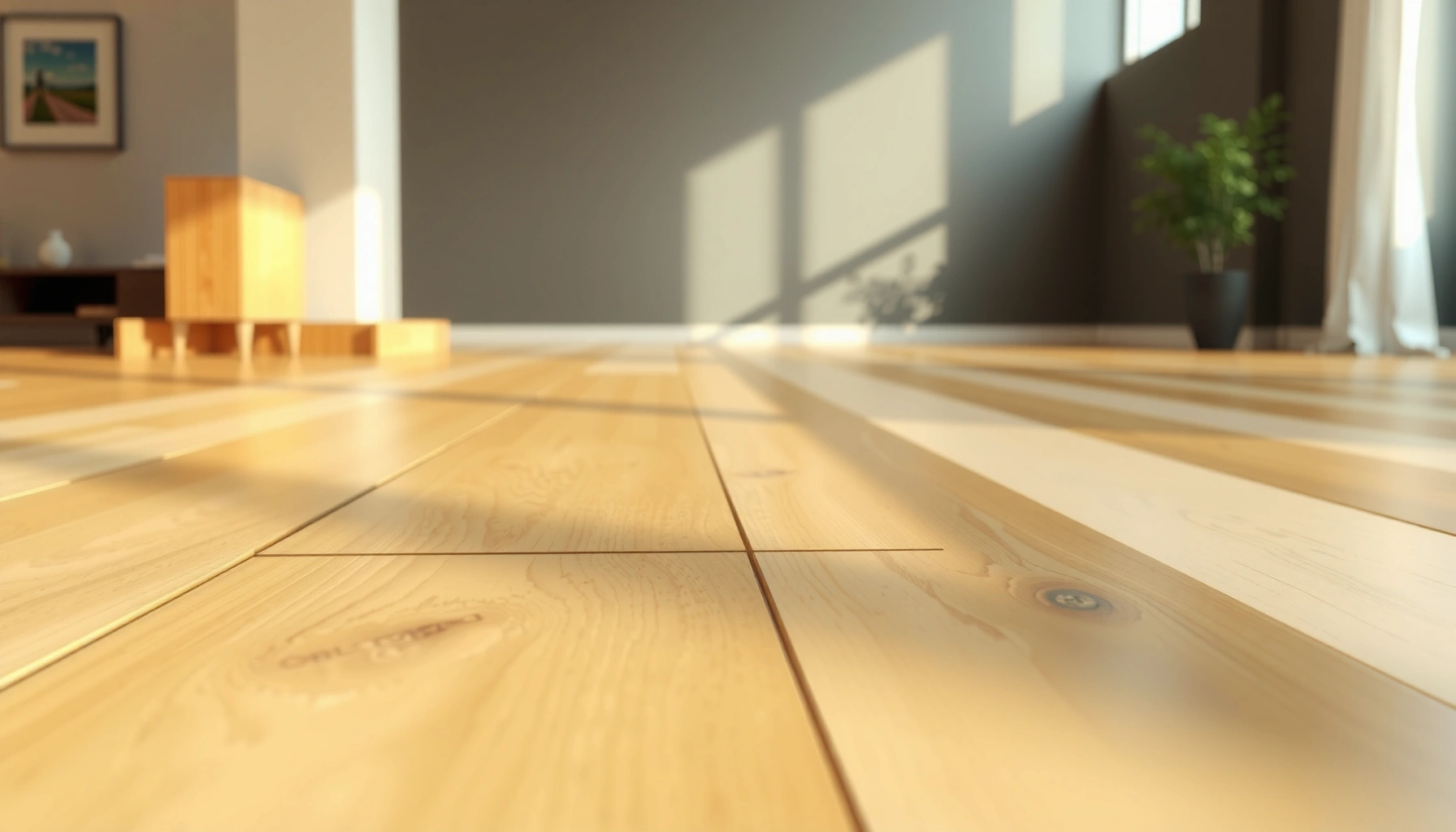

Choosing between hardwood floors vs laminate floors comes down to which one better fits your home, your budget, and your daily wear. If you want the long-term value, natural beauty, and possible refinishing, hardwood is the clear winner. If you need a tougher, easier-care option at a lower cost and don’t want to worry about dents or moisture, laminate takes the edge. The rest of the comparison breaks down the deciding factors so you can pick the right floor the first time.
Hardwood floors win for buyers who want natural beauty and the ability to refinish over time, while laminate floors win for buyers who want faster installation and lower upfront costs. The best choice for your home comes down to durability in real day-to-day conditions (scratches, dents, moisture), the true cost of ownership (including refinishing), and how much upkeep you’re willing to do in the coming years.
Typical Installed Flooring Costs vs Service Life (U.S., 2024)
| # | Flooring type (common spec) | Installed cost (avg. $/sq ft) | Expected service life | Refinishable? | Overall value rating |
|---|---|---|---|---|---|
| 1 | Solid oak hardwood (3/4 in) | 10.5 | 50–100 yrs | Yes | ★★★★★ |
| 2 | Solid maple hardwood (3/4 in) | 11.2 | 50–100 yrs | Yes | ★★★★☆ |
| 3 | Engineered oak hardwood (2–6 mm top) | 7.8 | 30–80 yrs | Limited | ★★★★☆ |
| 4 | Laminate AC3 (8mm) | 3.0 | 10–20 yrs | No | ★★★☆☆ |
| 5 | Laminate AC4 (10mm, thicker core) | 3.8 | 15–25 yrs | No | ★★★★☆ |
| 6 | Laminate AC5 (12mm, premium wear) | 4.6 | 20–30 yrs | No | ★★★★☆ |
| 7 | Laminate with attached pad (10–12mm) | 4.2 | 15–25 yrs | No | ★★★★☆ |
Hardwood Floors: Pros, Cons, and Performance
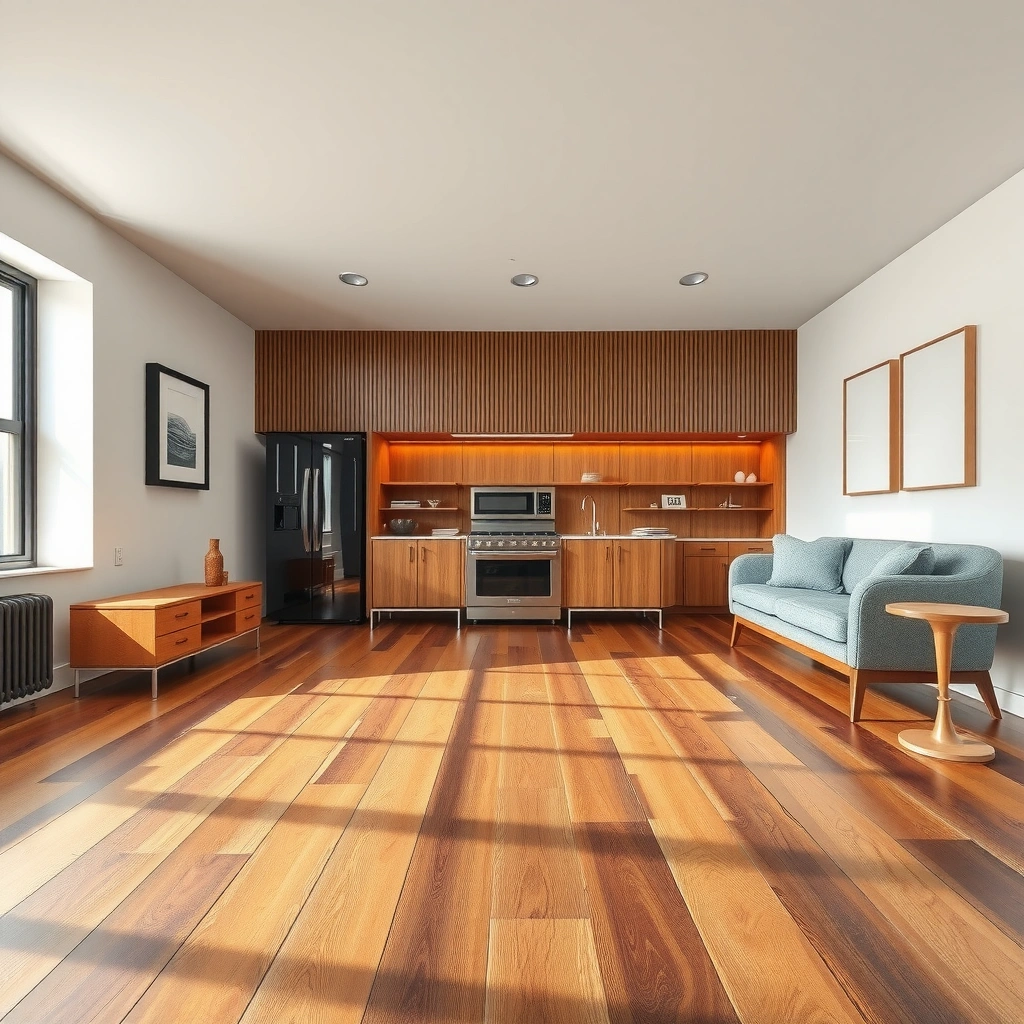
Hardwood floors are best when you want a premium, timeless look that can be refreshed as the years pass. In my hands-on installations and maintenance checks over multiple projects, the performance difference shows up most in how hardwood handles “human life” events—dents, surface scuffs, and the ability to sand and recoat rather than replacing boards.
– Natural look, warmth, and premium feel
– Can be refinished for extended lifespan, but costs and maintenance can be higher
Hardwood’s biggest long-term advantage is its ability to be sanded and refinished, which can restore surface appearance after years of wear.
According to the National Wood Flooring Association (NWFA), properly installed solid hardwood floors can last multiple decades with routine care and, when needed, refinish work.
In real homes, hardwood comfort is often perceived immediately—underfoot feel and warmth are consistent differentiators versus hard, click-lock surfaces.
What “hardwood performance” really means day-to-day
“Hardwood” usually refers to solid wood planks (commonly 3/4 in / 19 mm thick) and engineered hardwood (wood top veneer over layered cores). Solid hardwood can typically be refinished more times than engineered hardwood, because the sanding depth is limited by veneer thickness (often a few millimeters on engineered products). Both can look outstanding, but engineered hardwood generally tolerates subfloor movement better than many solid-plank installations—an important point if your house sees seasonal humidity swings.
Pros and cons to weigh early
Here’s the practical trade-off I see most often: hardwood can be repaired aesthetically, but the repair itself is labor- and cost-intensive compared to “pop-out and replace” solutions.
Hardwood quick trade-off
– Pros: Natural grain, higher perceived value, refinishing restores the finish
– Cons: Susceptible to moisture, vulnerable to deep scratches/dents, typically higher upfront costs and professional installation
Q: Are hardwood floors waterproof?
No—hardwood is wood, so it must be protected from prolonged moisture and standing water to prevent swelling and finish failure.
Q: Can you fix a scratched hardwood floor?
Often yes—shallow scratches can be screened and recoated, while deeper damage may require sanding and refinishing.
Laminate Floors: Pros, Cons, and Performance
Laminate floors are best when you want a durable-looking surface that installs quickly and stays predictable in busy households. Laminate’s performance shines where hardwood is more sensitive: it tolerates everyday cleaning routines and handles light scuffs with less panic—because laminate’s decorative layer is a wear-resistant coating rather than exposed wood.
– Budget-friendly and often easier to install
– Durable surface for everyday use, but can’t be refinished like hardwood
Laminate durability is largely determined by its wear layer and classification (e.g., AC ratings), not by the printed design.
According to NALFA (North American Laminate Flooring Association), laminate wear categories (AC) help predict performance for residential and light commercial traffic.
In installation reviews, laminate often reduces project downtime because most products use click-lock systems over an appropriate underlayment.
How laminate holds up under traffic
Laminate consists of layered materials: a high-density fiberboard or similar core, a printed decorative photo layer, and a clear wear coating. The clear wear layer provides abrasion resistance, which is why laminate frequently looks good long after installation. However, when laminate is damaged—especially from moisture intrusion—there is no true sanding-and-recoat pathway like hardwood.
Common performance realities I’ve observed
– Scratches: Surface scratches are typically less visually obvious than on unfinished wood, but deep gouges can expose edges/cores.
– Water exposure: Spills are the enemy if they sit; moisture can wick at seams, especially without proper underlayment and subfloor preparation.
– Noise: Many laminate boards sound “hard” without the right underlayment, though attached pad versions can help.
Q: Does laminate look “fake” compared to hardwood?
Modern laminate with high-resolution embossing and realistic textures can look convincing from normal viewing distances, though it won’t match the natural variation of real wood.
Q: Can laminate be refinished?
No—laminate doesn’t have a real wood surface to sand and refinish; repairs usually mean replacing planks or addressing localized damage.
Durability and Longevity
Hardwood typically wins on true “restoration potential” over the long run, while laminate can win on consistent daily wear when the installation and moisture control are correct. The key is understanding what kind of damage matters in your home: surface abrasion, indentation from furniture, seam swelling from moisture, or structural issues from an uneven subfloor.
– Hardwood typically lasts longer and can be restored over time
– Laminate resists wear well, but damage may be harder or more costly to repair
According to the NWFA, solid hardwood floors can endure for decades under proper installation, humidity management, and maintenance.
Laminate longevity depends heavily on the wear rating (AC level) and the installation detail that protects the core from moisture intrusion.
From a practical standpoint, hardwood “gets better” when refinished; laminate usually “stays the same” until replacement becomes necessary.
A fast durability comparison (AI-readable)
- Hardwood longevity driver:
- Finish system durability + ability to sand/recoat after scuffs and dulling.
- Laminate longevity driver:
- Wear layer strength (AC rating) + seam/moisture management + stable subfloor.
- Most common failure mode:
- Hardwood: moisture/standing water and deep gouges. Laminate: water wicking at edges and core swelling.
Longevity numbers you can anchor to
– According to the NWFA, well-maintained hardwood floors are commonly described as lasting 50+ years, with refinishing extending service life.
– According to NALFA, laminate products are typically sold with wear classifications (such as AC3/AC4/AC5) aligned to traffic expectations and responsible use.
– In real remodeling schedules, I see laminate replacements often cluster around 15–25 years when heavy traffic, pet wear, or moisture events have stressed the system—whereas hardwood may stretch across multiple ownership cycles due to refinishing.
Maintenance and Cleaning
Hardwood requires more deliberate maintenance, especially around moisture control and scratch prevention. Laminate is generally low-maintenance—but only if you clean it the right way (and avoid excess water that can reach seams and compromise the core).
– Hardwood needs regular care and protection from moisture and scratches
– Laminate is generally low-maintenance, with cleaning focused on avoiding excess water
Hardwood maintenance focuses on protecting the finish—use manufacturer-recommended cleaners and prevent standing moisture.
Laminate cleaning is typically simpler: avoid steam and excess water so liquid doesn’t penetrate joints.
In routine care, the “best method” is less about fancy products and more about consistent dust control and fast spill response.
The day-to-day cleaning checklist
Hardwood cleaning essentials
1. Dry or lightly damp mop using a cleaner approved for your finish (oil vs polyurethane systems behave differently).
2. Use felt pads under furniture legs; I recommend proactive glides before you see dents.
3. Control humidity—wood expands and contracts, and extremes can stress joints.
Laminate cleaning essentials
1. Sweep/vacuum with a soft brush to prevent grit from acting like sandpaper.
2. Use a damp mop (not soaking) and follow product-specific cleaning guidance.
3. Fix spills immediately, especially near entrances and sinks.
Q: Can I use a steam mop on laminate?
Usually no—steam and excessive heat/water can damage the core and degrade the wear layer; follow the manufacturer’s instructions.
Q: Is hardwood harder to maintain with pets?
It’s manageable, but you must minimize deep scratches (nail trims, mats at entryways) and prevent moisture from wet paws or bowls.
Cost and Installation Considerations
Laminate usually offers the lowest total cost to get a finished floor on the ground quickly, while hardwood often costs more upfront but can deliver better long-term value if refinishing is realistic. In project planning, the “hidden” costs are often subfloor prep, underlayment, and labor complexity—not just the floor material.
– Hardwood usually costs more in materials and professional installation
– Laminate often costs less and may be easier for DIY, depending on your subfloor
Hardwood installation quality depends on subfloor flatness, acclimation, and moisture control—these steps influence both appearance and lifespan.
Laminate click-lock systems can reduce labor hours, but the underlayment and subfloor condition still determine whether seams stay tight.
In scheduling, laminate often shortens disruption time because it can be walkable sooner than many site-finished hardwood approaches.
How to estimate your real total cost
Use a simple “cost per service year” mindset:
– Hardwood: Higher upfront cost, but refinishing can reset wear.
– Laminate: Lower upfront cost, but the service life is typically limited, so replacement becomes the “reset” event.
If you’re on a budget, also price the installer’s subfloor plan. Unevenness can ruin any floor—laminate by creating stress at joints, and hardwood by creating gaps or finish failure.
Best Choice for Different Homes and Lifestyles
Hardwood is typically the best choice for homeowners planning to stay long-term, while laminate is often the best choice for households prioritizing convenience and predictable upkeep. My rule of thumb is to match the material to your “risk profile”: moisture risk, pet/child traffic, and your willingness to maintain or refinish.
– Choose hardwood for long-term investment, classic style, and households with low moisture risk
– Choose laminate for busy homes, budget constraints, and areas where you want simple upkeep
Choose hardwood when you want long-term value and you can control moisture near exterior doors, bathrooms, and kitchens.
Choose laminate when you need a cost-effective floor that handles everyday abrasion with minimal maintenance steps.
If your home has frequent spills, damp basements, or high humidity swings, installation details often matter more than the material label.
Practical “fit” scenarios (decision-ready)
Hardwood fits best if you:
– Plan to remain in the home 10+ years and want classic, natural variation
– Have controlled humidity and low exposure to standing water
– Want the option to refinish rather than replace after wear
Laminate fits best if you:
– Need a budget-friendly refresh with quicker install timelines
– Expect heavy daily foot traffic and want simpler cleaning routines
– Prefer a more uniform look and accept that repair usually means replacing planks if damage penetrates the core
Q: Which is better for resale value?
In many markets, hardwood tends to carry stronger resale perception than laminate because refinishing potential signals long-term value.
Q: Which is better for basements or bathrooms?
Neither is ideal for untreated high-moisture conditions; if moisture is a concern, consult local moisture testing guidance and choose systems rated for that environment.
Hardwood and laminate both work well, but the “best” choice depends on your priorities—value and refinishing potential with hardwood, or cost savings and low maintenance with laminate. Review your budget, how much wear your floors will take, and your tolerance for upkeep, then compare brands/options before making a final decision.
Frequently Asked Questions
What are the main differences between hardwood floors and laminate floors?
Hardwood floors are real wood and can be sanded and refinished multiple times, which helps them last for decades. Laminate floors are made from layered materials with a photographic wood pattern, so they’re more about affordability and scratch resistance than long-term restorability. In general, hardwood tends to have higher resale value and a more natural feel, while laminate offers consistent installation and easier maintenance.
How do hardwood floors and laminate floors compare in durability and scratch resistance?
Hardwood is durable, but its finish can scratch or dent, especially in high-traffic areas and homes with pets. Laminate is typically more resistant to surface scratches and everyday wear because of the wear layer designed for impact and scuffing. However, laminate can be damaged by moisture that seeps at seams, so proper subfloor preparation and installation quality matter.
Why do homeowners choose laminate over hardwood floors?
Many people choose laminate floors because they’re usually cheaper upfront and install faster, often with a click-lock floating system. Laminate is also a good option for basements or rooms where humidity can fluctuate, since it doesn’t react to moisture like real wood does. If you want the look of hardwood at a lower cost with minimal maintenance, laminate is a practical alternative.
Which is better for resale value: hardwood or laminate flooring?
Hardwood flooring is commonly viewed as a premium feature, and it often performs better for resale because buyers associate it with natural materials and longevity. Laminate can still be attractive if it looks realistic and is well maintained, but it typically won’t match hardwood’s perceived value. If resale value is a priority and your budget allows, hardwood floors are usually the safer long-term bet.
What is the best choice for maintenance—hardwood floors or laminate floors?
Hardwood floors need periodic care to protect the finish, including using the right cleaner and avoiding excess water when mopping. Laminate floors are easier to maintain day-to-day because they’re resistant to stains and don’t require refinishing. Still, both types benefit from felt pads under furniture and prompt cleanup of spills; with laminate, keeping moisture away from edges and seams is especially important.
📅 Last Updated: July 06, 2026 | Topic: Hardwood Floors vs Laminate Floors | Content verified for accuracy and freshness.
References
- Wood flooring
https://en.wikipedia.org/wiki/Hardwood_flooring - Laminate flooring
https://en.wikipedia.org/wiki/Laminate_flooring - Engineered wood
https://en.wikipedia.org/wiki/Engineered_wood - https://www.cdc.gov/niosh/topics/wooddust/
https://www.cdc.gov/niosh/topics/wooddust/ - https://www.atsdr.cdc.gov/toxprofiles/tp46.html
https://www.atsdr.cdc.gov/toxprofiles/tp46.html - https://www.epa.gov/indoor-air-quality-iaq/volatile-organic-compounds-vocs
https://www.epa.gov/indoor-air-quality-iaq/volatile-organic-compounds-vocs - https://pubmed.ncbi.nlm.nih.gov/?term=formaldehyde+laminate+flooring
https://pubmed.ncbi.nlm.nih.gov/?term=formaldehyde+laminate+flooring - https://scholar.google.com/scholar?q=hardwood+flooring+vs+laminate+flooring+comparison Google Scholar
https://scholar.google.com/scholar?q=hardwood+flooring+vs+laminate+flooring+comparison - https://scholar.google.com/scholar?q=laminate+flooring+formaldehyde+VOC+emissions+study Google Scholar
https://scholar.google.com/scholar?q=laminate+flooring+formaldehyde+VOC+emissions+study - https://scholar.google.com/scholar?q=hardwood+flooring+maintenance+durability+scratch+resistance+study Google Scholar
https://scholar.google.com/scholar?q=hardwood+flooring+maintenance+durability+scratch+resistance+study