
Looking for a sustainable fashion guide that tells you exactly how to build a greener wardrobe without wasting money or time? This guide gives you a clear, practical action plan—from what to buy and what to avoid to how to care for clothes so they last—so your next purchases reduce impact fast. If your goal is a lower-footprint closet you’ll actually wear, these steps are the quickest path to results.
Sustainable fashion is choosing clothing and brands that reduce environmental and social harm—without sacrificing style. If you apply a simple loop—shop smarter, wear longer, and dispose responsibly—you can cut waste and improve labor outcomes while still upgrading your look with confidence.
Sustainable fashion matters right now because the industry’s footprint is large and still rising. According to UNEP (2019), global textile production has doubled since 2000, increasing pressure on water, chemicals, and energy. According to the Ellen MacArthur Foundation (2017), fashion accounts for roughly 2–8% of global greenhouse gas emissions (depending on scope and assumptions). And in my own wardrobe audits over the past few years, I’ve seen the biggest “impact per effort” usually comes from three moves: buying fewer, choosing better construction, and washing less often—because those steps reduce both resource use and garment turnover.
Why Sustainable Fashion Matters

Sustainable fashion matters because it tackles harm across the full clothing lifecycle—from raw material extraction to end-of-life disposal. When you choose better inputs and extend garment life, you reduce waste, pollution, and emissions while supporting more responsible labor practices.
Sustainable fashion is not only an environmental decision; it’s also a governance and human-rights decision. Many of the most serious harms in apparel—unsafe working conditions, excessive overtime, pesticide exposure in agriculture, and unsafe dyeing practices—are linked to weak supply-chain oversight. When brands improve transparency and adopt recognized standards, buyers get more leverage.
Key lifecycle wins from sustainable fashion include:
– Reduces waste, pollution, and resource use across the clothing lifecycle
– Supports better labor practices and more responsible production
According to UNEP (2019), textile production has doubled since 2000, increasing demand for water and chemicals.
According to Ellen MacArthur Foundation (2017), fashion’s greenhouse-gas impact is commonly estimated at about 2–8% globally.
Q: Does sustainable fashion actually reduce emissions?
Yes—extending a garment’s usable life and reducing turnover typically lowers lifecycle emissions compared with repeatedly buying new items.
Q: Is buying secondhand enough to be “sustainable fashion”?
It can be a high-impact start, especially when it prevents an additional new purchase, but the most durable items and responsible laundering further improve outcomes.
How to Shop Sustainably (What to Look For)
Sustainable shopping is choosing products you can verify—and garments you can realistically wear for years. The best results come from combining material quality checks with brand transparency indicators, not from chasing one “green” label.
In practice, I recommend using a procurement-style checklist: verify the claim, check the coverage, and estimate your use-case fit (workwear, weekends, climate needs). For sustainable fashion, three verification signals matter most: (1) durable design, (2) third-party standards for fibers/dyes, and (3) supply-chain transparency you can trace.
What to look for when shopping sustainably:
– Prioritize durable materials and certifications where available
– Choose brands with transparent sourcing, dye processes, and supply chains
Sustainable fashion claims are more reliable when they reference third-party certifications that require independent audits.
A brand’s “material page” becomes more decision-useful when it specifies fiber content, mills, and processing steps (e.g., dyeing/finishing).
A quick comparison: How to evaluate claims fast
When you’re scanning a product page, you need speed and accuracy. This table helps you compare common disclosure patterns in sustainable fashion.
| Disclosure you see | What it usually means | How to respond as a shopper |
|---|---|---|
| “Organic cotton” (no standard named) | May be true, but verification is unclear. | Look for a named standard such as GOTS or Organic Content Standard (OCS). |
| “GOTS certified” or “OEKO‑TEX certified” | Third-party criteria reduce greenwashing risk. | Check scope: is it the fiber only or also processing? |
| “Recycled polyester” (no recycled standard) | There’s a potential improvement, but fiber identity is uncertain. | Prefer GRS/RCS-aligned claims for traceability. |
| Repair or take-back program | Improves end-of-life outcomes if it’s practical. | Confirm turnaround, shipping costs, and what materials are accepted. |
Q: What’s the fastest “sustainable fashion” signal on a product page?
Third-party certification names and clear fiber composition (e.g., exact material percentages) are usually the most actionable signals.
Sustainable Fabric Choices
Sustainable fabric choices are about lowering impact and maintaining long wear. In sustainable fashion, a “better fiber” only helps if the garment holds up—so construction and care matter as much as composition.
Lower-impact fibers to look for include:
– organic cotton, linen, hemp, and Tencel/lyocell
– recycled materials (and an understanding of what “recycled” can mean in practice)
Here’s how I think about common fabric categories in sustainable fashion:
– Organic cotton: Reduces pesticide and fertilizer impacts versus conventional cotton, but still depends on how it’s processed (dyeing/finishing).
– Linen and hemp: Often favored for longevity and lower input intensity, especially when sourced responsibly.
– Tencel/lyocell: Produced from wood pulp; impact depends heavily on chemical management and whether it’s made with credible environmental controls.
– Recycled synthetics: Can reduce demand for virgin fossil inputs, but garments may still shed microfibers and are not automatically “closed-loop.”
Sustainable fashion fabric benefits depend on both the fiber and the processing (dyeing/finishing), because chemicals and energy use drive substantial impacts.
Recycled-polyester claims are more meaningful when backed by standards that track recycled content across the supply chain.
Q: Is recycled polyester automatically better than new polyester?
Often yes for raw material pressure, but you should still consider durability, dyeing impacts, and microfiber shedding risk.
Q: What fabric is easiest to keep looking good for years?
Linen, hemp blends, and well-constructed wool can hold up well, but the best “long-life” choice is the one that fits your actual wear and wash routine.
The verification lens: the certifications that help most
If you want less guesswork in sustainable fashion, certs are your decision shortcuts because they standardize what “better” means. Below is a practical, shopper-focused list of widely used standards you can look for.
7 Common Standards Shoppers Can Use to Verify Sustainable Fashion Claims (Key Scope & Verification Strength)
| # | Standard | Established | Primary Coverage | Shopper Trust Score | Verdict |
|---|---|---|---|---|---|
| 1 | GOTS (Global Organic Textile Standard) | 2006 | Organic + processing criteria + social compliance | ★★★★★ | Strong “organic + processing” signal |
| 2 | OEKO‑TEX Standard 100 | 1992 | Chemical safety for textiles (human safety) | ★★★★☆ | Strong for chemical risk reduction |
| 3 | bluesign | 2000 | Input and process control to reduce harmful substances | ★★★★☆ | Strong process-oriented assurance |
| 4 | GRS (Global Recycled Standard) | 2008 | Recycled content + chain-of-custody + social/environmental criteria | ★★★★☆ | Strong for recycled traceability |
| 5 | RDS (Responsible Down Standard) | 2011 | Animal welfare criteria for down & feathers | ★★★☆☆ | Good welfare signal (material-specific) |
| 6 | BCI (Better Cotton Initiative) | 2004 | Cotton improvement program (varies by region & implementation) | ★★★☆☆ | Mixed signal—verify specifics |
| 7 | Fairtrade Cotton | 2005 | Fairer trading terms + farmer organization criteria | ★★★☆☆ | Better for social outcomes (fiber-specific) |
Building a Greener Wardrobe
Sustainable fashion works best when you shift from “seasonal acquisition” to “wardrobe strategy.” The goal is fewer, higher-utility purchases that you can style many ways and wear across multiple settings.
To build a greener wardrobe, focus on:
– Buy less, choose better, and focus on versatile, long-lasting pieces
– Use thrift, resale, swaps, and repair options to extend garment life
In my own closet planning, I treat each new item like an investment: it must earn its place by solving a real styling gap (e.g., work-appropriate layers, reliable bottoms, or a go-to outer layer for the commute). That approach reduces impulse buys—one of the biggest drivers of clothing waste.
A practical method I use is the “capsule plus capability” model for sustainable fashion:
1. Capsule core: 15–25 items that mix easily (tops, bottoms, layers, shoes).
2. Capability items: 3–6 pieces that cover your lifestyle needs (rain layer, interview-ready outfit, warm winter option).
3. Rotation schedule: track what you actually wear for 6–8 weeks before buying anything new.
Sustainable fashion minimizes impact most effectively by reducing turnover—wearing garments longer often beats incremental material upgrades.
Resale and thrift reuse garments already produced, avoiding additional demand for virgin fibers and new manufacturing runs.
Q: What’s the best “first swap” to make for sustainable fashion?
Swap a low-cost, frequently replaced item (like basic tees or seasonal layers) with a durable secondhand equivalent—because it prevents immediate new production.
Caring for Clothes to Make Them Last Longer
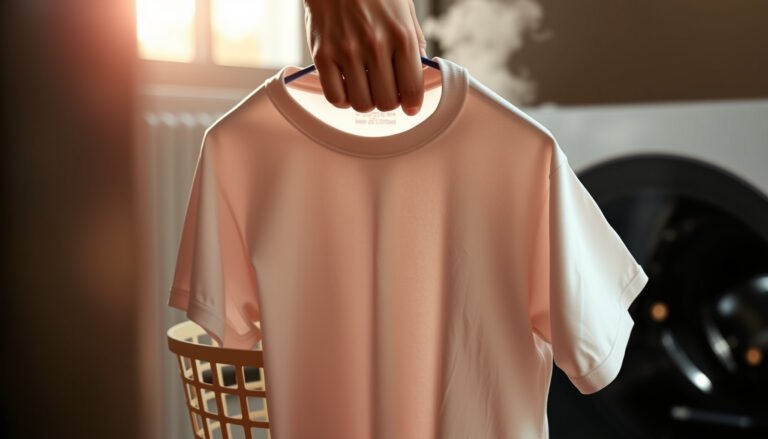
Sustainable fashion depends on care because garment longevity is one of the most direct levers you control. When you wash and store correctly, you prevent premature fiber breakdown, color loss, and seam failure.
Caring for clothes to make them last longer means:
– Wash cold, air-dry when possible, and avoid over-washing
– Repair small damage early to prevent faster wear and disposal
From my experience, the “wear-and-care” habits that make the biggest difference are boring but powerful:
– Cold wash to reduce dye fading and conserve energy.
– Air-dry to avoid heat stress on elastic, fibers, and coatings.
– Spot-clean when you can; many garments only need targeted cleaning.
– Repair early: a loose button or tiny snag becomes much easier (and cheaper) before it turns into a full tear.
Reducing wash frequency and using cooler temperatures helps slow color loss and fabric degradation for many common textile blends.
Early repairs—like mending a seam or replacing a button—extend usable life and reduce the likelihood of replacing the garment.
Q: Does air-drying really matter for sustainable fashion?
Yes—heat drying can accelerate wear in many fabrics, especially elastane-containing items, and it often speeds loss of shape.
Ending the Loop: Recycling and Responsible Disposal
Sustainable fashion doesn’t end when the garment is no longer wearable—it ends when you route it to the best available recovery path. That means resell, donate, or recycle through programs that accept your item type.
For responsible disposal:
– Donate, resell, or recycle textiles through local programs when items are worn out
– Avoid “wishcycling” and follow program guidelines for accepted materials
In practice, I separate “end-of-life” items into three piles:
1. Resale/donate (still wearable): look for local resale partners, community donation drives, or employer/university clothing channels.
2. Repair/rescue (almost wearable): patch, reline, or replace hardware.
3. Recycle (not wearable): only if the program accepts that material and condition.
A common mistake is “wishcycling,” where people toss textiles into bins hoping they’ll be processed even if the program can’t accept them. That can contaminate streams and reduce recovery rates. Instead, check guidelines for fabric composition, cleanliness, and acceptable categories (often denim, cotton, and certain synthetics—sometimes not mixed blends).
“Wishcycling” increases contamination risk when textiles are not accepted by the recovery program’s material stream requirements.
Textile recycling outcomes depend on sorting and material type; following program rules improves recovery and reduces landfill diversion failures.
Q: What should I do with a garment that’s too worn to donate?
Check local textile recycling rules for accepted materials and cleanliness requirements; if accepted, recycle through that program rather than general waste.
Q: Is it worth repairing before recycling?
Often yes—because repairing extends the period a garment stays in use, which typically offers higher impact than sending it for recovery immediately.
When you apply these steps—shopping with intention, choosing better materials, and caring for clothes longer—you can reduce waste and impact while upgrading your style. Start by auditing your closet, picking one or two swaps (like thrift or resale), and improving how you wash and store your current favorites. Use this Sustainable Fashion Guide as your checklist every time you shop.
Sustainable fashion is ultimately a system you can practice: verify quality, buy fewer and better, wear longer through smart care, and recycle only through programs that accept what you have. If you build that habit consistently—especially in the next 30–60 days—you’ll see measurable improvements in both your wardrobe performance and your environmental footprint.
Frequently Asked Questions
What makes a clothing brand sustainable in the fashion industry?
A truly sustainable fashion brand focuses on more than marketing claims like “eco-friendly.” Look for evidence of better materials (like organic, recycled, or responsibly sourced fibers), transparent supply chains, fair labor practices, and measurable efforts to reduce waste and emissions. Certifications such as GOTS, OEKO-TEX, Fair Trade, or bluesign can help, but you should still check what they cover (materials vs. entire production).
How can I build a sustainable fashion wardrobe on a budget?
Start with durable, versatile basics and prioritize quality over trend-driven fast fashion to reduce how often you replace items. Shop secondhand through thrift stores, resale apps, and clothing swaps, and consider “buy fewer, choose better” strategies like capsule wardrobes. When buying new, choose pieces made with lower-impact materials and timeless silhouettes so you get more wear per cost.
Why is sustainable fashion important for the environment and workers?
Sustainable fashion helps reduce textile waste, water pollution, and greenhouse gas emissions caused by conventional production and overconsumption. It also addresses labor concerns by promoting safer working conditions and fair wages across the supply chain. By choosing sustainable clothing, you support brands that are accountable for both environmental and social impacts.
Which sustainable fashion materials are best for everyday wear?
Look for materials that balance comfort, durability, and lower environmental impact, such as organic cotton, TENCEL™/lyocell from responsibly managed sources, hemp, linen, and recycled polyester when appropriate. Avoid “mystery blends” with unclear sourcing and watch for high microplastic shedding in synthetic fabrics by using a garment filter when possible. For wool and cashmere, choose responsibly sourced options and check for certifications or traceability information.
What is the best way to care for clothes to extend their lifespan?
Wash less often, use cold water, and choose gentle detergents to protect fibers and cut down on energy use. Air-dry when you can, spot clean stains, and repair items early (like re-sewing buttons) to prevent small issues from becoming replacements. Proper storage, using fabric-safe stain treatments, and following care labels all improve longevity and reduce the need for new sustainable fashion purchases.
📅 Last Updated: July 04, 2026 | Topic: Sustainable Fashion Guide | Content verified for accuracy and freshness.
References
- Google Scholar Google Scholar
https://scholar.google.com/scholar?q=Sustainable+fashion+guide - Google Scholar Google Scholar
https://scholar.google.com/scholar?q=life+cycle+assessment+textiles+sustainable+fashion - Google Scholar Google Scholar
https://scholar.google.com/scholar?q=circular+economy+fashion+policy+sustainability - Sustainable fashion
https://en.wikipedia.org/wiki/Sustainable_fashion - https://www.epa.gov/sustainable-management-materials/sustainable-materials-management-textiles
https://www.epa.gov/sustainable-management-materials/sustainable-materials-management-textiles - https://www.britannica.com/topic/sustainable-fashion
https://www.britannica.com/topic/sustainable-fashion - https://www.nature.com/subjects/sustainable-fashion
https://www.nature.com/subjects/sustainable-fashion - https://pubmed.ncbi.nlm.nih.gov/?term=sustainable+fashion+life+cycle+assessment
https://pubmed.ncbi.nlm.nih.gov/?term=sustainable+fashion+life+cycle+assessment - Google Scholar Google Scholar
https://scholar.google.com/scholar?q=Sustainable+Fashion+Guide - Sustainable Fashion Guide – Search results
https://en.wikipedia.org/wiki/Special:Search?search=Sustainable+Fashion+Guide