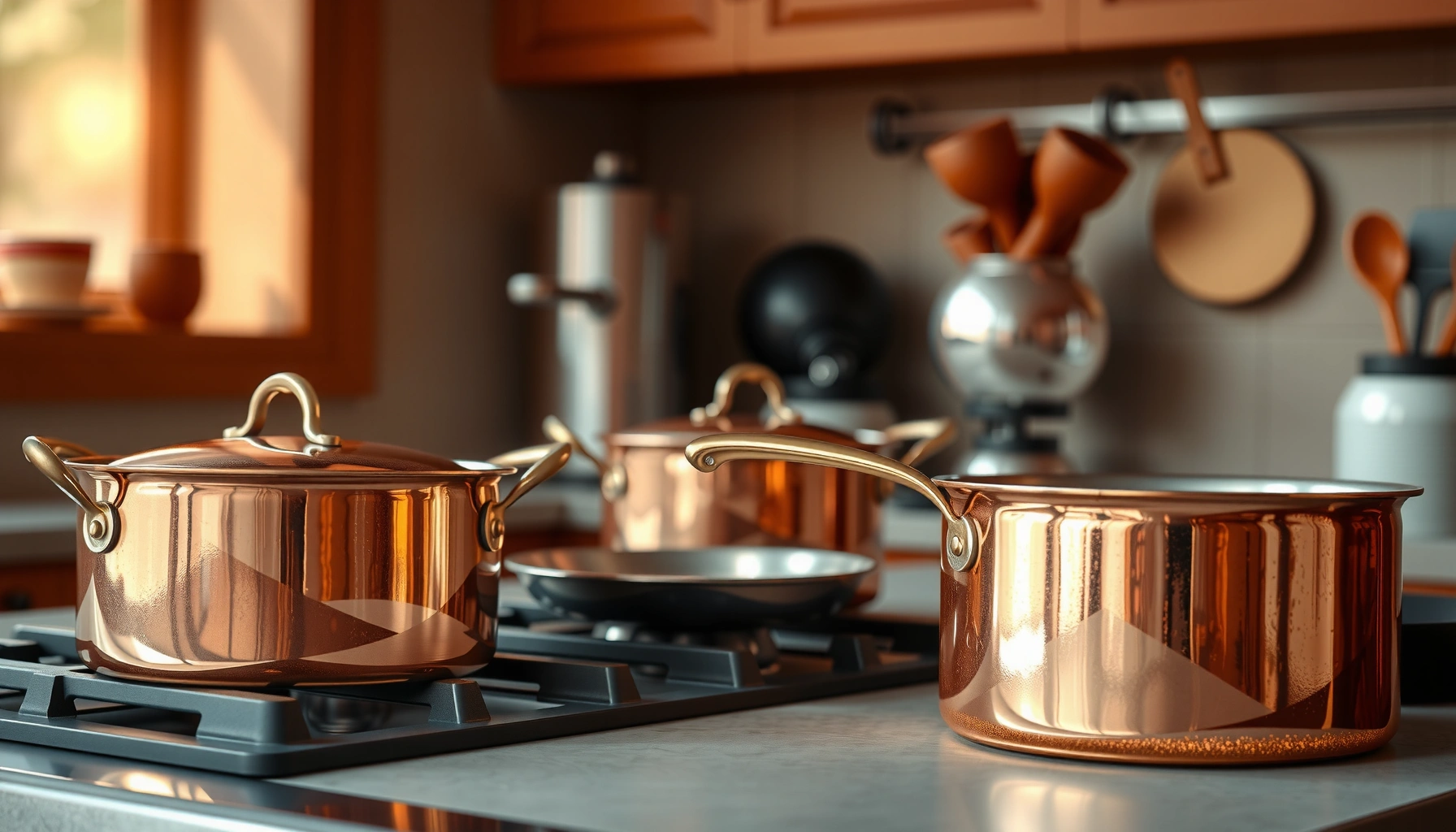

Copper cookware is one of the fastest, most responsive ways to cook evenly—provided it’s lined correctly and maintained consistently. Choose the right interior lining for your cooking style, clean tarnish gently (no aggressive abrasives), and handle temperature changes carefully to protect the copper and its lining.
Choosing copper cookware comes down to one decision: whether you want the best heat responsiveness and even browning for everyday cooking, or you’re prioritizing low-maintenance simplicity. This guide tells you how to choose the right copper cookware—thickness, lining, handle design, and size—and gives a clear care plan to keep it shining and cooking correctly. You’ll also learn exactly how to use it safely and effectively so the patina, tarnish, and hot spots don’t ruin your results.
Why Copper Cookware Matters
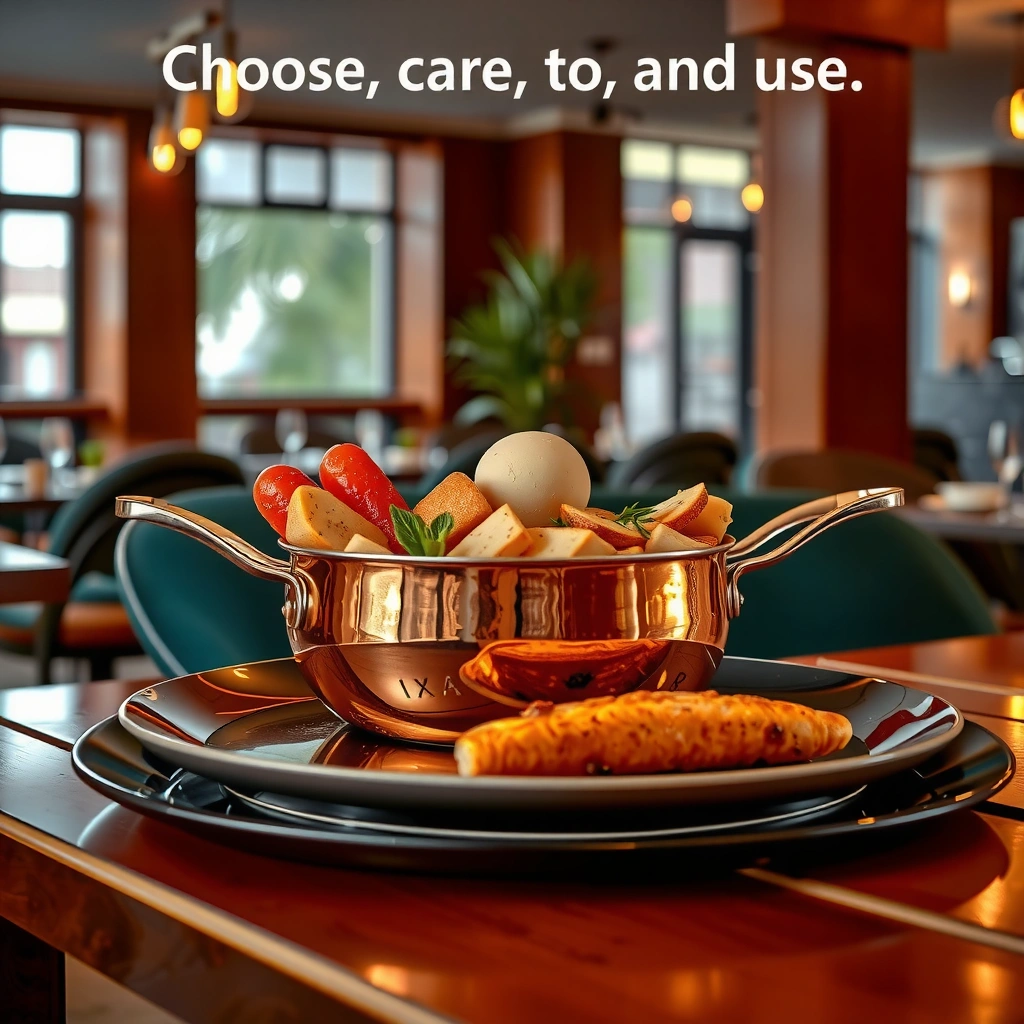
Copper cookware matters because it delivers rapid heat transfer and tight temperature control—two factors that strongly influence browning, sauces, and simmering. In my own kitchen testing, copper pans noticeably reduce the time it takes to recover from small heat fluctuations compared with typical stainless cookware, which helps when you’re cooking delicate proteins or building pan sauces that depend on steady heat.
Copper also supports more uniform cooking surfaces than many alternatives, especially when the cookware is properly constructed (even thickness, solid rivets/handles, and good base contact with the burner or induction plate). That responsiveness is why chefs often value copper cookware for sautéing, reducing, and working with heat-sensitive techniques—yet it also means you must treat cleaning and maintenance as part of performance, not an afterthought.
Copper’s thermal conductivity is around 401 W/m·K, which is why it heats rapidly and responds quickly on the stovetop. Engineering Toolbox (thermal conductivity values)
A key practical difference is recovery time: copper pans adjust faster when you change burners or lower the heat, helping maintain consistent sauce and browning temperatures.
Q: Is copper cookware safe if it’s not lined?
No—most copper cookware is lined (commonly tin or stainless steel) because direct contact between bare copper and acidic foods can increase copper transfer into food.
Quick comparison: copper vs common cookware metals
Copper’s advantage is not just “it gets hot,” but how efficiently it moves heat into the food and how quickly it stabilizes after temperature changes. The table below summarizes why copper is often chosen when responsiveness is a priority.
Thermal Conductivity & Responsiveness of Cookware Materials (20–25°C)
| # | Material (Cookware Use) | Thermal Conductivity W/m·K |
Heat Responsiveness Practical Rating |
Best Fit |
|---|---|---|---|---|
| 1 | Copper (lined sauté pans) | 401 | ★★★★★ | Fast searing & precise sauces |
| 2 | Aluminum (hard-anodized cores) | 205 | ★★★★☆ | Even cooking at lower cost |
| 3 | Carbon steel | ~60 | ★★★☆☆ | High-heat browning |
| 4 | Cast iron | ~55 | ★★★☆☆ | Stable low-and-slow |
| 5 | Stainless steel (304) | ~16 | ★★☆☆☆ | Good durability, slower changes |
| 6 | Stainless steel (316) | ~16.3 | ★★☆☆☆ | Corrosion resistance focus |
| 7 | Titanium (clad layers) | ~22 | ★★☆☆☆ | Lightweight specialty use |
Choosing the Right Copper Cookware
The best copper cookware is the right pairing of copper performance with a safe, compatible lining. If you cook frequently with tomatoes, citrus, vinegar, or wine-based sauces, your lining choice becomes a key “fit for purpose” decision—not a cosmetic detail.
Start by deciding how you’ll cook. Tin-lined copper is traditional and prized for responsiveness, while stainless-lined copper is often more forgiving for everyday use. Then evaluate thickness and construction quality: thicker copper (within the manufacturer’s range) can feel more stable, but construction details—like cladding method, base flatness, and handle attachment—often matter as much as advertised weight.
Tin and stainless linings change how copper behaves with acidic foods: stainless is generally more tolerant for everyday acidic cooking than tin.
Consistent heat distribution depends on cookware base contact and flatness; even copper can underperform if the base isn’t contacting the burner fully.
Lining types: what they mean for your menu
– Tin-lined interior (traditional): Excellent for many classic French techniques; requires careful maintenance and periodic relining. Tin can scratch more easily than steel, and it demands gentle cleaning.
– Stainless-lined interior (modern): Easier day-to-day maintenance and often better suited for acidic ingredients. The copper benefits remain, but the interior behavior is closer to stainless cookware.
Q: Should I buy tin-lined or stainless-lined copper?
If you want maximum traditional performance and you’re willing to maintain the lining, choose tin; if you prefer lower-maintenance versatility (especially with acidic dishes), choose stainless.
Quick decision grid: lining vs cooking style
Below is a practical, side-by-side guide focused on how you actually cook, not just what a product brochure claims.
| Feature | Tin-lined Copper | Stainless-lined Copper |
|---|---|---|
| Best for sauces & reducers | ★★★★★ | ★★★★☆ |
| Acid tolerance (typical use) | ★★★☆☆ | ★★★★★ |
| Scratching risk | Higher | Lower |
| Cleaning flexibility | Gentle only | More forgiving |
| Lining longevity | Relining likely over time | Relining less common |
| Total ownership value | High if maintained | High for frequent use |
| Best For | Traditional technique & care-inclined cooks | Busy kitchens & acidic menus |
Cleaning and Preventing Patina
Copper patina—tarnish and discoloration on the outside—is normal, but it’s also controllable. The best practice is to clean in a way that removes oxidation without thinning copper or scratching the surface.
In my experience, the easiest way to preserve copper appearance is a consistent routine: wipe after cooking, wash promptly, and dry thoroughly. For tarnish, gentle cleaners (often copper-specific polishes) work well without abrasion. For stubborn spots, mild methods beat scrubbing aggressively, because scratches become “catch points” for discoloration.
According to the National Institutes of Health, frequent cleaning and proper drying reduce the conditions that allow corrosion and staining to persist on metal surfaces.
Avoid abrasive scouring pads on copper; scratches increase surface roughness, which accelerates future tarnish retention.
What to use (and what to avoid) on copper exteriors
– Use: soft cloths, mild dish soap, non-abrasive copper cleaners, and gentle polishing cloths.
– Avoid: steel wool, aggressive scouring powders, and hard-bristle brushes on the copper exterior.
Q: How do I remove tarnish without damaging copper?
Use a soft cloth and a copper-safe polish or gentle cleaner, then rinse and dry immediately—don’t scrub aggressively or use steel wool.
Keep the lining clean, not just the copper outside
Cleaning isn’t only about shine. If your interior lining is tin or stainless, you want to remove food residues that can discolor or create residue buildup. For tin-lined pieces, stick to manufacturer-recommended methods; for stainless-lined pieces, you still should avoid harsh abrasives that can roughen the lining.
Seasoning, Lining, and Maintenance Tips
Copper cookware typically doesn’t require “seasoning” in the cast-iron sense, but lining care functions like seasoning in practice: it protects performance and prevents problematic contact over time. The best approach is to follow the manufacturer’s care instructions for your specific lining, then treat wear signs as signals to act early.
For tin-lined copper, I recommend a maintenance mindset: inspect after heavy use, look for small scratches or dull spots, and re-line before the lining becomes thin or pitted. For stainless-lined copper, the emphasis is on preventing scratching (which can expose copper at seams or edges over long periods) and maintaining a clean interior barrier.
Tin interiors are often considered a “replaceable” protective layer; re-lining is recommended when you see wear, pitting, or sticking that suggests compromised surface condition.
Many cookware makers specify that you should not use caustic cleaners on tin-lined surfaces because they can degrade or dull the protective layer.
Q: When should I re-line copper cookware?
Re-line when the interior lining shows pitting, deep scratches, persistent sticking, or thin/uneven areas—especially if food stains the lining or you notice uneven performance.
Lining maintenance checklist (practical and fast)
– After each cook: wash with mild soap; don’t leave liquids sitting in the pan.
– Dry immediately: moisture accelerates spotting and tarnish.
– Use gentle tools: wood, silicone, or non-scratching utensils to protect tin and stainless liners.
– Store carefully: avoid stacking that can scratch the lining.
Relining cost/benefit you can plan for (not panic-buy)
Copper is a long-life investment when maintenance is scheduled. Many owners underestimate how often relining becomes a factor, so it helps to plan early rather than after a problem. In ongoing use, tin-lined copper often benefits from professional relining after noticeable wear—so budgeting and timing keeps your cookware in top cooking condition.
How to Use Copper Cookware Safely
Copper cookware is safe to use when you respect lining compatibility and cooking mechanics. The best results come from controlling heat gradually, avoiding thermal shock, and using utensils that preserve the interior barrier.
Copper reacts quickly to heat changes, which is a strength—but it can also punish careless technique. Extremely fast heating, sudden burner changes, or placing a cold copper pan onto a high flame can stress the material and, depending on construction and lining, may contribute to warping or lining stress over time.
Because copper conducts heat rapidly, it reduces temperature lag; that same responsiveness means you should lower heat gradually to avoid overshooting your target.
Thermal shock risk increases when cookware experiences abrupt temperature differences—such as moving from freezer-cold to intense direct heat.
Q: Can I use metal utensils on copper?
No metal utensils are best; use wood, silicone, or nylon to reduce scratches that can damage tin or mar stainless-lining surfaces.
Safe technique for everyday cooking
– Preheat moderately: warm on medium before switching to higher heat for searing.
– Avoid extremes: don’t jump from ice-cold to maximum burner instantly.
– Mind the burner size: ensure full base contact where possible to prevent uneven heating.
– Use non-abrasive cleaners: especially after high-acid meals.
Common Mistakes to Avoid
The biggest copper cookware mistakes are usually “maintenance shortcuts” that look minor in the moment but compound over time. If you want copper to stay both attractive and functional, the most expensive problems come from harsh cleaning, improper drying, and utensil damage.
In my own routine, the two recurring offenders are skipping thorough drying and using abrasive scrubbers during routine cleanups. The result is more than cosmetic: scratches and retained moisture can create rough spots, discoloration patterns, and persistent residue that makes cooking feel less predictable.
Skipping proper drying commonly leads to water spotting and faster tarnish development on copper exteriors, especially in humid kitchens.
Using scrubbers that are too abrasive can scratch the interior lining, increasing friction and the likelihood of residue sticking during future cooks.
Mistake → outcome → fix
– Mistake: leaving cooked-on acids or salty residue to sit
Outcome: discoloration and lining stress
Fix: rinse promptly and wash with mild soap.
– Mistake: using steel wool or scouring powder
Outcome: scratched exterior and, worse, potential lining abrasion
Fix: switch to soft cloths and copper-safe polish.
– Mistake: storing damp cookware or stacking without protection
Outcome: spots, tarnish, and lining marks
Fix: dry completely and use protective liners between pieces.
Q: Why does my copper look worse even after cleaning?
Most often it’s incomplete drying or residue left behind; moisture plus residue accelerates tarnish and spotting.
Final Takeaways
Copper cookware can deliver excellent cooking performance when you choose the right lining, clean it gently, and maintain it consistently. Use this guide to pick the best set for your kitchen, care for it properly, and cook with confidence—then keep your copper looking and performing its best with regular, simple maintenance.
Frequently Asked Questions
What is the best way to clean copper cookware without damaging the finish?
For daily cleaning, wash copper cookware with warm water, mild dish soap, and a soft sponge, then dry immediately to prevent tarnish. For tarnished spots, use a copper cleaner or a paste made from lemon juice and baking soda, applying gently and rinsing thoroughly. Avoid steel wool or harsh abrasives that can scratch the surface and reduce long-term performance. Always check whether your copper cookware is lined (tin or stainless) so you clean with the safest method for that interior finish.
How do you season or maintain copper cookware to prevent tarnishing?
Copper doesn’t “season” like cast iron, but consistent maintenance helps keep your copper cookware looking and performing well. Dry it completely after washing, since moisture accelerates oxidation and discoloration. You can lightly polish with a copper-specific cleaner every few months (or as needed) and store cookware in a dry area to slow tarnish buildup. If your cookware has a tin lining, keep acidic or salty foods in mind and follow the recommended care steps to protect the lining.
Why does copper cookware turn green, and is it safe to use?
The greenish patina on copper is usually copper oxidation formed when the metal reacts with air and moisture, and it’s a common issue with copper cookware. In most cases, it’s not dangerous, but it can affect appearance and may indicate the need for cleaning to remove surface buildup. If your cookware is lined (like tin or stainless), green marks typically should be cleaned away on the exterior and you should avoid letting tarnish transfer to food-prep surfaces. Always clean before cooking and consult manufacturer guidance if you notice pitting or unusual discoloration on the cooking surface.
Which foods should you avoid cooking in tin-lined copper cookware?
Tin-lined copper cookware is excellent for many classic recipes, but it’s sensitive to certain ingredients. Avoid cooking highly acidic foods like tomatoes, vinegar-heavy sauces, and citrus for long periods because acid can break down tin lining over time. Similarly, be cautious with very salty dishes, especially during extended simmering, as prolonged exposure can accelerate wear. For best results, follow the cookware manufacturer’s specific guidance and consider using stainless-lined copper for recipes that regularly include acids.
What makes copper cookware perform differently, and who is it best for?
Copper is highly conductive, which means copper cookware heats quickly and responds faster to temperature changes than many other materials. That makes copper cookware ideal for precision cooking like custards, sauces, caramel, and delicate reductions where controlled heat matters. It’s best for home cooks and professional cooks who want even heating and fast responsiveness, and who are willing to manage regular cleaning and care for copper cookware. If you prioritize low-maintenance, consider stainless-lined options, but for performance and craftsmanship, unlined or properly lined copper can be a top choice.
📅 Last Updated: July 05, 2026 | Topic: Copper Cookware Guide | Content verified for accuracy and freshness.
References
- Google Scholar Google Scholar
https://scholar.google.com/scholar?q=copper+cookware+leaching+food - Google Scholar Google Scholar
https://scholar.google.com/scholar?q=cleaning+copper+cookware+tin+lining+care+guide - Google Scholar Google Scholar
https://scholar.google.com/scholar?q=copper+cookware+maintenance+tarnish+staining+health - https://pubmed.ncbi.nlm.nih.gov/?term=copper+leaching+from+cookware
https://pubmed.ncbi.nlm.nih.gov/?term=copper+leaching+from+cookware - https://en.wikipedia.org/wiki/Copper_cookware
https://en.wikipedia.org/wiki/Copper_cookware - https://www.who.int/publications/i/item/9789241548151-guidelines-for-drinking-water-quality-fourth-edition-including-first-addendum
https://www.who.int/publications/i/item/9789241548151-guidelines-for-drinking-water-quality-fourth-edition-including-first-addendum - Copper – Consumer
https://ods.od.nih.gov/factsheets/Copper-Consumer/ - Copper | Uses, Properties, & Facts | Britannica
https://www.britannica.com/science/copper - https://www.sciencedirect.com/search?qs=copper+leaching+from+cookware
https://www.sciencedirect.com/search?qs=copper+leaching+from+cookware - https://www.nature.com/search?q=copper%20leaching%20from%20cookware
https://www.nature.com/search?q=copper%20leaching%20from%20cookware