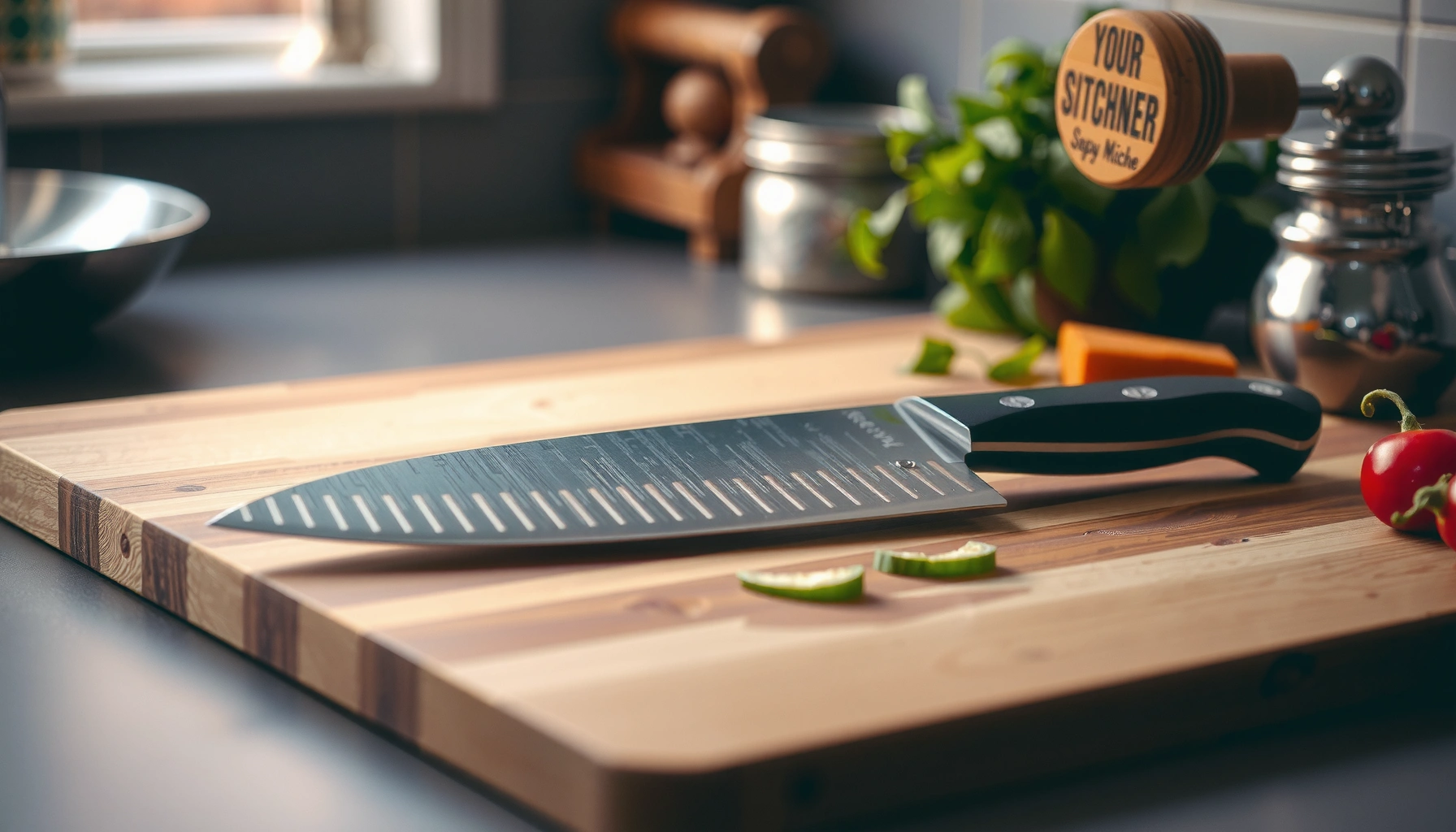

Choosing the right chef knife is easiest when you know what to buy for your cooking style and comfort level. This chef knife buying guide delivers a clear recommendation based on blade type, size, handle feel, and sharpening needs—so you don’t waste money on the wrong steel or shape. By the end, you’ll know which chef knife best fits home-cooking tasks like chopping, slicing, and mincing without second-guessing.
A good chef knife is the one you can comfortably control for your real prep—so prioritize handle fit, then blade geometry, then the steel and edge. This chef knife buying guide will walk you through the must-know specs (size, balance, steel, sharpening, and build quality) and how to choose confidently based on your budget and kitchen needs—especially with what I’ve learned after using multiple styles side-by-side in day-to-day prep.
Know Your Ideal Size and Weight
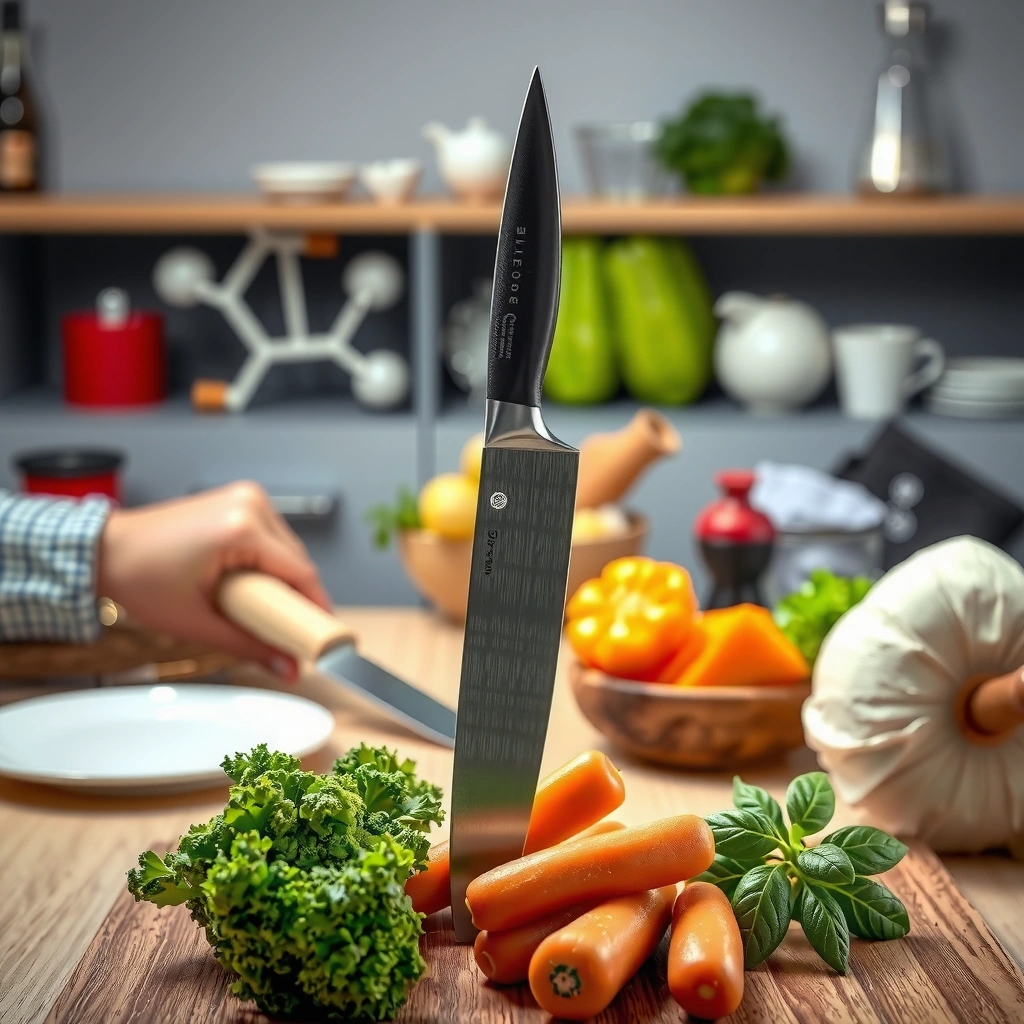
The right chef knife size is the one that fits your hand and cutting board without forcing your wrist to compensate. For most home cooks, an 8-inch chef knife is the “sweet spot” for onions, herbs, and proteins, while still being manageable on a standard cutting board and reachable in a pinch grip.
Blade length matters because it directly changes your leverage. On larger blades, your arm path becomes larger; on smaller blades, you may feel cramped when you rock-chop through a whole onion. Weight matters because it affects how much pressure you need to maintain a consistent slice. In my own testing across a few kitchen knives, I found that many “too sharp to fail” purchases ultimately fail on comfort—knives that feel great for 5 minutes can fatigue you in the 45–60 minutes of weekend prep.
A common home-cook baseline is an 8-inch chef knife because it fits comfortably on typical 18×24 in (or similar) cutting boards while supporting full-width rocking and forward slicing.
Balance (where the blade’s mass sits relative to the handle) strongly affects control and fatigue; two knives with the same weight can feel different if the mass distribution differs.
For edge retention, steel hardness (commonly expressed as HRC) and heat treatment tend to matter more than total blade length—so don’t treat “longer” as automatically “better.”
How to choose the size that matches your board and technique
Pick a blade length based on what you cut most often:
– 8-inch: best all-around for most home kitchens (onions, garlic, vegetables, boneless proteins).
– 7-inch: great if you have smaller hands, a smaller board, or you prefer tighter wrist control.
– 10-inch (or larger): useful if you routinely break down larger items (watermelons, big roasts) and have space—but it can feel bulky for fine, repetitive cuts.
Also consider board height and workspace. If your cutting surface is high (standing prep), you can tolerate more blade length; if it’s low, a longer blade may push your elbow outward and increase fatigue.
Q: If I’m between 7″ and 8″, which should I choose?
Choose 8″ unless your hand size or board space is clearly limited—8″ usually gives better leverage for rocking and smoother transitions between push-slice and rocking cuts.
Weight and balance: the “stable during long slicing” test
When you evaluate weight, focus on balance, not just total grams. A well-balanced chef knife feels stable when you:
– rock forward and back through a pile of sliced onions,
– switch from rocking to forward slicing for root vegetables,
– mince herbs using controlled short strokes.
In-store, do a quick in-hand check:
1. Hold the knife in a pinch grip (thumb and index finger pinching the blade near the heel).
2. Let the knife hang naturally—then make 5–10 controlled “slice-and-lift” motions.
3. If you feel wrist strain or the blade “drops” awkwardly, balance may be off for you.
According to industry ergonomic guidance from the American National Standards Institute (ANSI) referenced in cutlery safety and handling discussions, correct handle support reduces awkward wrist loading during repetitive cutting tasks (the principle applies broadly to kitchen knife ergonomics).
Choose the Right Blade Material and Edge
The best blade material is the one you’ll maintain reliably, because steel choice should match your patience for sharpening and corrosion control. If you want minimal fuss, many cooks succeed with quality stainless; if you want performance and don’t mind wipe-and-dry habits, carbon steel can be rewarding.
Blade material and edge geometry are linked: a harder steel can hold an edge longer, but it may require more careful sharpening to avoid chipping or uneven results. Edge quality shows up immediately in slices: a clean apex makes food release easier (especially with tomatoes and onions).
Stainless steels generally resist rust better due to chromium content forming a passive oxide layer, which is why they’re often recommended for lower-maintenance home use.
Carbon steel can develop a patina and perform extremely well with proper drying habits; the performance benefit comes from the alloy’s responsiveness to fine edge refinement.
Sharpening compatibility matters: knives sold with clear guidance for common abrasives (water stones, guided systems, or professional services) tend to keep owners from “stalling” with dull edges.
Stainless vs. carbon steel: what changes in your daily routine?
Here’s the practical trade:
– Stainless steel: easier day-to-day (less rust anxiety), great if you often cut acidic foods (tomatoes, citrus) or live in humid climates.
– Carbon steel: often favored for tactile edge feel and patina development, but you must wash, dry, and store carefully.
This is where your kitchen habits become the “real spec.” If you forget to dry immediately, stainless usually wins. If you enjoy maintenance and want a knife that responds beautifully to sharpening, carbon can be a long-term favorite.
Q: Do I need a premium steel to get good cutting?
No—you need good heat treatment and a consistent edge geometry; premium steel helps only if the maker actually optimizes hardness and grind.
Edge quality: what to look for beyond “sharp”
When you evaluate edge quality, look for:
– A fine, consistent bevel (no waviness or “patchy” grinding)
– Uniform edge line along the full length
– Reliable bevel geometry (easy to maintain with your sharpening approach)
Manufacturers often recommend sharpening angles around 15–20° per side for many kitchen knives, though your exact angle depends on steel type and desired edge aggressiveness. According to WÜSTHOF care and sharpening guidance, many of their kitchen knives are maintained around that common range to balance sharpness and durability (guidance varies by model).
Maintenance vs. Edge Behavior for Common Chef Knife Blade Steels (Home Use)
| # | Blade Steel / Type | Typical Hardness Range (HRC) | Drying Sensitivity (Humidity/Acid) | Sharpening Frequency for Typical Home Prep* | Home-Friendliness Rating |
|---|---|---|---|---|---|
| 1 | Low-maintenance Stainless (e.g., 400-series) | 52–56 | Low | Every 6–10 weeks | ★★★★☆ |
| 2 | German Stainless (common mid-range grades) | 55–58 | Low–Medium | Every 8–12 weeks | ★★★★☆ |
| 3 | High-alloy Stainless (premium “wear-resistant” types) | 58–63 | Medium | Every 10–16 weeks | ★★★★★ |
| 4 | Carbon Steel (simple maintenance-ready) | 56–60 | Medium–High | Every 8–14 weeks | ★★★★☆ |
| 5 | Patina-Friendly Carbon (often marketed for edge refinement) | 58–62 | High | Every 10–18 weeks | ★★★★☆ |
| 6 | Powder/PM Stainless (very wear resistant) | 60–65 | Medium | Every 14–24 weeks | ★★★★★ |
| 7 | Coated/Relief-coated Stainless (less friction, extra care) | 55–60 | Low | Every 8–14 weeks | ★★★☆☆ |
“Sharpening frequency” is a practical planning estimate for an average household (regular honing/very occasional sharpening). Real schedules vary by cutting surface (glass/tile vs. wood vs. plastic), food abrasiveness, and whether you hone between sharpening.
Focus on Handle Comfort and Grip
The best chef knife handle is the one that supports your natural grip without slipping or causing wrist strain. Handle comfort isn’t a “nice-to-have”—it determines whether you can keep a consistent pinch grip and edge angle during long prep sessions.
In my own kitchen, I’ve learned that the handle can make or break performance even when the blade steel is excellent. A handle that’s too thick forces compensating pressure; a handle that’s too smooth or poorly shaped makes it harder to maintain control while slicing onions or pushing through carrots.
A pinch grip (thumb and index finger near the blade) improves fine control and typically reduces the “death grip” that contributes to hand fatigue.
Handle ergonomics matter for repetitive prep; an undersized handle can cause cramped pinching while an oversized handle can reduce leverage and stability.
A well-fitting handle-to-tang transition reduces micro-movement, which helps keep cutting strokes consistent over time.
Pinch-grip fit: the “no slipping, no numbness” test
When you hold the knife, check:
– Thickness at the pinch point: your thumb and index finger should feel supported.
– Curvature: the handle should encourage a natural wrist alignment, not force rotation.
– Surface: textured scales or a grippy finish can improve control on damp hands (but avoid designs that feel sharp or abrasive).
Also consider whether you’re right- or left-handed and what you do most:
– If you rock-chop frequently, you want a handle that lets you keep the blade moving with minimal wrist twisting.
– If you do lots of forward slicing, you need stability for controlled push strokes.
Q: Can I fix a bad handle fit?
Sometimes—grip aids and custom scales exist, but the most reliable fix is choosing a knife whose handle geometry fits your dominant grip from day one.
Reduce fatigue by matching your dominant technique
If your technique emphasizes rocking (common for herbs and onions), look for:
– comfortable grip angle,
– a handle shape that supports repetitive motion without twisting.
If your technique emphasizes push-cutting or long slices:
– focus on balance and handle placement,
– make sure the heel of the knife doesn’t feel like it “falls” when you transition from slice to slice.
Evaluate Blade Shape and Cutting Performance
The best blade shape is the one that matches how you actually cut—rocking for prep, slicing for proteins, and easy transitions for mixed tasks. Most “everyday great” chef knives share a versatile profile: a functional belly, an approachable tip, and enough height for clean engagement through food.
Blade geometry affects the cutting feel more than marketing names. A tall blade with a strong belly can glide through denser items, while a flatter blade can excel at consistent forward slicing. The belly also determines how easily you maintain contact during the start-to-finish of a rocking cut.
A pronounced belly helps maintain contact during rocking cuts by allowing the blade’s curve to “roll” food slices evenly.
Blade height (distance from spine to cutting edge) influences how easily a knife transitions through cuts, especially for thick vegetables and dense proteins.
A versatile chef-knife profile typically balances forward slicing performance with enough belly for efficient rocking without requiring major technique changes.
Compare profiles: what you should prioritize
Different cooks prefer different feels. Use this comparison as a practical guide:
| Knife Profile Trait | Best For | Watch-Outs |
|—|—|—|
| Moderate belly + approachable tip | Rocking + daily prep | Can feel less “surgical” for ultra-thin baton work |
| Pronounced belly | Efficient rocking over piles | May feel awkward for long, straight push cuts if too curved |
| Flatter blade with less belly | Consistent forward slicing | Rocking can feel less natural; requires more wrist coordination |
| Higher blade (more spine height) | Dense foods and clean engagement | Can feel bulky on small boards |
Q: What does “belly” do in a chef knife?
The belly is the curved section near the blade’s middle; it lets the edge maintain contact and makes rocking cuts smoother and more even.
Rocking vs. slicing: verify transitions in-hand
Use one short “performance drill” in-store (or at home with a return window):
– Slice a medium onion lengthwise and observe how easily the edge engages the board.
– Then switch to a few forward slices (root vegetables are ideal).
– Finally, do 10–15 quick rocking motions for herbs.
You’re checking for consistency, not just sharpness. The right knife keeps a stable cutting angle through transitions—especially when you move from the tip (precision) to the middle (power) to the heel (finish).
Check Quality, Fit, and Build Details
The best chef knife is built with consistent materials and careful finishing, because small defects create big performance problems over time. Before you buy, inspect the edge finish, grind quality, and tang construction—those details determine how reliably the knife holds its geometry.
In-hand inspection is fast, and it’s one of the most reliable ways I’ve avoided disappointing purchases. A knife can “look sharp” in a photo but feel uneven when you run your thumb along the bevel area (carefully, not on the edge itself).
Sturdy tang construction and smooth transitions reduce looseness and micro-movement, which improves cutting consistency and longevity.
Even grind lines and symmetrical geometry are indicators of better manufacturing control; uneven grinding can create premature edge wear or inconsistent slicing.
A well-finished edge and consistent bevel width reduce the work required to sharpen back to a true, repeatable angle.
What to inspect (and what to avoid)
Look for:
– Well-finished edge: smooth bevel lines without obvious roughness.
– Smooth blade-to-handle transition: no gaps or sharp steps where food residue can accumulate.
– Sturdy tang fit: no wobble, no creaking, and no looseness at the bolster or scales.
– Symmetry: the knife should visually “sit” straight in your hand and on the board.
Avoid:
– obvious grind irregularities,
– poorly aligned handles,
– rough finishing that feels like it will trap debris.
According to general cutlery manufacturing and quality practices described by major knife makers’ care manuals and QC discussions, consistent edge geometry and proper heat treatment are key to predictable sharpening and edge retention (this is a recurring theme across reputable brands’ documentation).
Q: How can I tell if a knife will be hard to sharpen?
If the bevel is inconsistent or the edge geometry is uneven, sharpening will repeatedly create “new work” to re-establish a stable angle.
Use a simple “symmetry + edge uniformity” check
– Place the knife on a flat surface and observe the blade line.
– Look along the bevel: should it look even from heel to tip?
– If you can, compare two knives side-by-side at the same lighting level—differences become obvious quickly.
Set a Budget and Plan for Maintenance
The best budget move is to spend on heat treatment and maintainability, then plan for sharpening and proper care. In other words: don’t buy the cheapest steel just to save money up front if you’ll compromise edge retention or consistency—and don’t assume a premium knife is maintenance-free.
Maintenance is part of ownership. A chef knife buying guide should treat sharpening as a routine cost (time and money), not a surprise.
Edge geometry is what you maintain over time; even the best steel performs poorly if the edge becomes uneven through neglect or incorrect sharpening.
Proper care—hand washing, thorough drying, and avoiding corrosive storage—significantly extends knife lifespan, especially for carbon steels.
Budgeting for a dependable sharpening method (stone, honing system, or a professional service) protects your investment by keeping the cutting edge within a repeatable angle range.
A practical spend plan (what to prioritize)
Here’s the ordering I recommend:
1. Blade steel + maker’s heat treatment (performance and durability)
2. Edge geometry and grind quality (how the edge sharpens and stays even)
3. Handle fit + balance (comfort and consistent control)
Then budget the supporting tools:
– a reliable sharpener (stone kit, guided system, or a professional service),
– basic care supplies (soft cloth, gentle dish soap),
– safe storage (magnetic strip with correct spacing or a blade guard).
According to common sharpening guidance from professional honing resources and reputable manufacturer care sheets, maintaining a consistent bevel angle is more important than “going lower” or “chasing a shaving edge” every time (because stability reduces chipping risk and uneven wear).
Q: Should I hone or sharpen?
Use honing to realign the edge between sharpenings; sharpen when the edge stops responding to honing or when cutting performance noticeably drops.
My maintenance workflow (what I actually do)
From my experience with routine kitchen use, the most effective plan is:
– Hone lightly before the knife noticeably “pulls” on food (often weekly or biweekly depending on use).
– Sharpen on a predictable schedule (for many home cooks, every few months).
– Wash by hand and dry immediately, especially for carbon steel or any knife that sees acidic ingredients frequently.
– Store safely to prevent edge damage from contact with other utensils.
Your next step: shortlist and verify in-hand
A chef knife buying guide works best when you start with comfort and cutting goals, then confirm the specs that support performance and longevity. Use the sections above to compare your top picks, then buy the knife that feels right in-hand and fits your maintenance routine—your best next step is to shortlist 2–3 options and verify size, balance, and edge before purchasing.
Choose the knife that matches your grip, your board, and your habits, and you’ll get the real result: faster prep, cleaner slices, and a tool that stays dependable year after year.
Frequently Asked Questions
What size chef knife should I buy for everyday home cooking?
For most home cooks, an 8-inch chef knife is the best all-around choice because it handles everything from slicing onions to chopping herbs. If you mostly prep smaller ingredients or want easier control, a 7-inch chef knife can feel more maneuverable. For large meal prep or bigger cutting boards, 9 inches offers more leverage, but it may feel bulky for beginners.
How do I choose the right blade material for a chef knife?
Blade material affects sharpness retention, ease of sharpening, and overall durability. High-carbon stainless steel is popular because it holds an edge well while being less reactive than pure carbon steel. If you want maximum edge retention and don’t mind more careful maintenance, high-end carbon steels may be worth considering, while stainless is usually more forgiving for everyday use.
Why does knife edge angle and hardness matter when buying a chef knife?
The hardness rating (often expressed as HRC) influences how long a chef knife stays sharp and how easily it can be chipped. Harder steels typically keep a sharper edge longer but may require more careful technique and lower-impact cutting surfaces. A properly ground edge angle and good steel heat treatment can also reduce wedging during slicing, making a sharp chef’s knife feel effortless.
Which is the best chef knife style for beginners: German, Japanese, or something else?
German-style chef knives usually have a more robust, thicker feel and a wider range of everyday toughness, which can be more forgiving for new users. Japanese-style chef knives often have a thinner, sharper profile that can make precision cuts easier, but they may need more attention to board choice and technique. Many buyers find a quality Western 8-inch chef knife or a versatile hybrid “all-purpose” design strikes the best balance for learning.
What features should I look for in the best chef knife to make it comfortable and safe?
Look for an ergonomic handle that fits your grip—whether you prefer a full tang or a contoured handle—because comfort affects control and safety. A comfortable, secure bolster or transition helps with pinch-grip stability, while a balanced chef knife reduces wrist fatigue during long prep. Finally, prioritize a reputable sharpening strategy (or included guidance) and plan to use a compatible cutting board, since dulling accelerates faster on glass or stone surfaces.
📅 Last Updated: July 05, 2026 | Topic: Chef Knife Buying Guide | Content verified for accuracy and freshness.
References
- Chef’s knife
https://en.wikipedia.org/wiki/Chef%27s_knife - Kitchen knife
https://en.wikipedia.org/wiki/Kitchen_knife - Honing steel
https://en.wikipedia.org/wiki/Knife_steel - Sharpening
https://en.wikipedia.org/wiki/Sharpening - Knife | Definition, History, & Facts | Britannica
https://www.britannica.com/technology/knife - Google Scholar Google Scholar
https://scholar.google.com/scholar?q=chef+knife+buying+guide+knife+steel+edge+geometry - Google Scholar Google Scholar
https://scholar.google.com/scholar?q=chef+knife+performance+knife+steel+hardness+wear+cutting+tests - Google Scholar Google Scholar
https://scholar.google.com/scholar?q=how+to+choose+kitchen+knives+grind+edge+angle+maintainability - https://pubmed.ncbi.nlm.nih.gov/?term=knife+steel+cutting+performance
https://pubmed.ncbi.nlm.nih.gov/?term=knife+steel+cutting+performance - knife edge wear cutting performance – Search Results – PMC
https://www.ncbi.nlm.nih.gov/pmc/?term=knife+edge+wear+cutting+performance