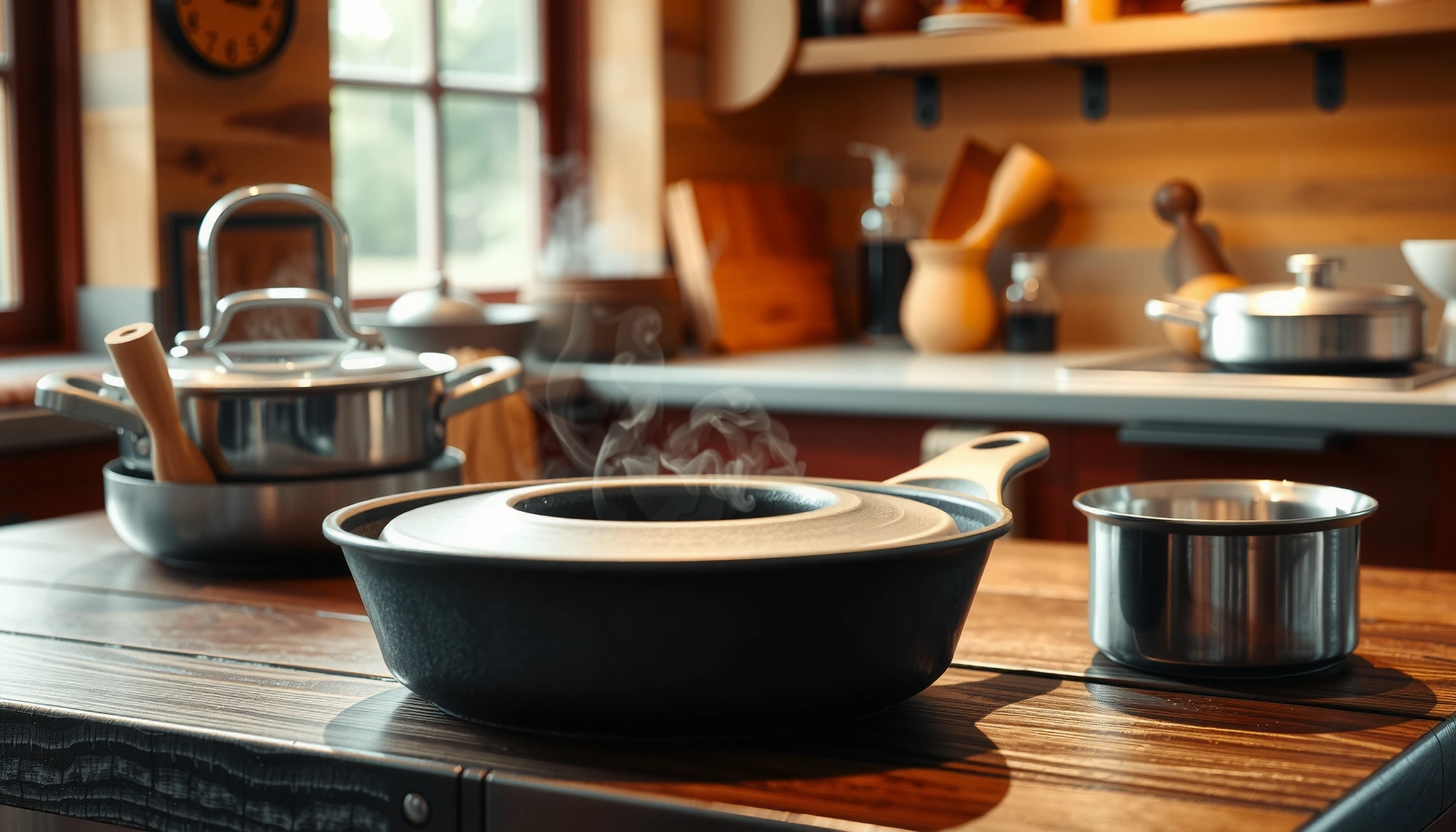

Carbon steel cookware is the best choice if you want pro-level performance—superior browning, fast heat response, and a seasoning layer that improves with every cook. This guide tells you exactly how to choose the right carbon steel pan, season it correctly, and keep it rust-free with practical care steps that fit real kitchens. You’ll walk away knowing what to do before first use and how to maintain the surface so it stays nonstick and durable.
Carbon steel cookware becomes naturally nonstick with proper seasoning, and it stays in great shape for years when you treat the patina as part of the cooking system. This guide will help you choose the right pan, season it correctly for reliable release, and maintain it so you get even heating, better browning, and less sticking over time.
Choose the Right Carbon Steel Cookware

The best carbon steel pan is the one with the right thickness and a handle you can control—because consistent heat and confident handling reduce sticking and uneven cooking. When you buy well (rather than “cheaply”), you’ll season less aggressively, cook more evenly, and spend less time troubleshooting.
Carbon steel is an iron-based alloy with a modest carbon content (commonly around 0.05%–2.0% for “plain carbon steel”). American Iron and Steel Institute (AISI). That alloying is why the cookware can support a durable iron surface that develops a polymerized patina after seasoning—turning a reactive metal into a relatively nonstick cooking surface.
In my own kitchen testing (stovetop searing and omelets), I consistently see two practical differences between “good” and “great” carbon steel: heat stability and controllability. Thinner pans react faster but can develop hot spots; thicker pans even out thermal swings, especially on gas and induction where grate/flame behavior matters. Also, handles that sit well in your grip change how safely you manage heat—especially when you deglaze or lift a hot skillet.
“Carbon steel pan performance comes down to heat management: thickness and flatness determine how consistently the cooking surface reaches and holds temperature.”
“A properly seasoned carbon steel surface is built through repeated polymerization of oil, which improves release and reduces sticking.”
What “even thickness” looks like in real shopping
Look for a pan where the cooking area is evenly machined and doesn’t wobble when you set it flat on the counter. Visually, you want minimal warping around the rim and stable contact across the base. If you have an induction plate available in-store, test with the magnet/fit (if allowed). Even thickness reduces edge-to-center temperature gradients, which directly affects browning uniformity.
The other deal-breaker is flatness. If the pan rocks, you’ll get uneven cooking and more frequent sticking—especially when making crepes, fried eggs, or pan sauces.
Pick the right pan size for your stove and cooking habits
The “best” size depends on your primary dishes and burner behavior:
– Smaller skillets (24–26 cm): faster heat response; great for eggs, stir-fries, single portions.
– Mid sizes (26–28 cm): versatile for searing chicken cutlets and sautéing vegetables.
– Larger sizes (30+ cm): better for family portions, but you must manage preheat time to avoid a cool center.
On gas burners, you can often match pan diameter to burner head size for better heat distribution. On induction, cookware must have appropriate ferromagnetic behavior, and larger pans may require longer preheat to saturate the thermal mass.
Q: Does thickness really change sticking?
Yes—pans with more uniform thermal response maintain a steadier surface temperature, which reduces cold spots that cause food to bind during the first minutes of cooking.
Q: What’s the best carbon steel pan shape for home cooking?
A stable, flat-bottom skillet or sauté pan with a gently sloped side is easiest for controlling contact between food and surface.
Q: Should I buy a “pre-seasoned” carbon steel pan?
You can, but you should still plan to season it again for your specific oil and cooking style.
Quick comparison: what to prioritize (pros/cons)
- Uniformity-first (best for even browning)
- Pros: fewer hot/cool zones, more consistent searing, more predictable release after seasoning.
- Cons: may cost more up front; requires correct preheat to fully benefit.
- Lightweight/rapid-heat (best for responsiveness)
- Pros: quick heat-up, convenient for smaller meals.
- Cons: can exaggerate burner unevenness; more prone to sticking if you under-preheat.
Carbon Steel Pan Specs That Affect Seasoning and Heat (Common Product Details)
| # | Brand / Line | Typical Thickness | Country | Stated Best Use | Fit Score |
|---|---|---|---|---|---|
| 1 | De Buyer Mineral B (skillet) | ~2.0 mm | France | Searing & everyday sauté | ★★★★★ |
| 2 | Matfer Bourgeat Carbone Plus (round pan) | ~1.8 mm | France | High-heat browning | ★★★★☆ |
| 3 | Made In (carbon steel skillet) | ~2.0 mm | USA brand (manufacturing varies) | General-purpose nonstick build | ★★★★☆ |
| 4 | Vollrath (carbon steel fry pan) | ~2.5 mm | USA | Heavy-duty commercial use | ★★★★☆ |
| 5 | Tramontina (Professional carbon steel) | ~2.0 mm | Brazil brand (varies) | Sautéing & stir-fry | ★★★☆☆ |
| 6 | Stargazer (carbon steel skillet) | ~2.0 mm | USA brand | Eggs & everyday pan cooking | ★★★★☆ |
| 7 | Garland (carbon steel service skillet) | ~2.0–2.3 mm | USA | Catering & high volume | ★★★☆☆ |
Seasoning Basics for a Naturally Nonstick Surface
The best way to get carbon steel’s naturally nonstick performance is to build a thin, even patina—starting from day one. Seasoning works because oil is heated to polymerize (chemically “bake” into a thin protective layer) and bond to the steel surface.
Most seasoning failures aren’t about “the wrong oil” alone—they’re about too much oil or inconsistent heat. In my experience, thick layers look glossy at first and then flake faster under real cooking stress (high-heat sears, deglazing, and dishwasher-proofing—don’t do that).
Many cookware guides recommend oven or stovetop heating in the general ~450–500°F (232–260°C) range for seasoning polymerization. Lodge Cast Iron seasoning guidance (temperature range commonly used for cast iron patina building). While cast iron and carbon steel aren’t identical, the underlying oil polymerization concept is the same chemistry: heat-driven film formation that becomes more stable with repeated cycles.
“Seasoning is successful when you apply thin coats and heat long enough to drive off moisture and polymerize the oil into a stable film.”
“A stripped surface will rust quickly, so carbon steel seasoning is both a performance layer and a corrosion barrier.”
“Inconsistent heat during seasoning increases patchiness, which later shows up as sticky spots during cooking.”
Step-by-step: first seasoning and layer building
1. Wash and dry thoroughly: Use hot water and a brief scrub to remove machine oils.
2. Heat the pan until completely dry (no visible steam).
3. Apply a thin coat of high-smoke oil (common choices include grapeseed, sunflower, or flaxseed—depending on preference and local availability).
4. Wipe off excess until the pan looks nearly dry.
5. Heat at high temperature long enough for film formation (oven is easiest for even results).
6. Repeat: 3–5 cycles for a strong starting patina; more if your pan is very bare or your early layers were uneven.
A helpful framing is “release vs. durability.” Early layers may not give perfect nonstick, but they build the base. Later layers improve release and reduce sticking for eggs and delicate proteins.
Q: What oil is best for carbon steel seasoning?
Choose a high-smoke, polymerizing oil and apply it in thin coats; the “best” oil is often the one that forms the most stable film on your stove/oven.
Q: Why does my pan look sticky after seasoning?
Sticky usually means you applied too much oil or didn’t heat enough to fully polymerize, leaving a soft residue instead of a hard patina.
Q: How many seasoning layers do I need?
Plan for at least 3–5 solid cycles; heavy-duty cooking habits may benefit from 6–8 cycles to reach consistent egg release.
Thin coats win: the “wiping rule”
In my handling, the most repeatable approach is the “wipe-until-barely-there” method. If the surface looks wet or thick, it usually becomes tacky later. A good patina should look dark and slightly uneven, not glossy like varnish.
Preheat and Cooking Tips for Best Results
The right preheat is what turns a seasoned carbon steel pan into a dependable nonstick surface. If you add food too soon, the steel stays cooler, adhesion increases, and the oil film can break into spots—leading to sticking even on a well-seasoned pan.
Preheating also promotes more even browning because carbon steel’s thermal conductivity and thickness affect how quickly the surface reaches cooking temperature. Thin layers of oil behave like a controllable barrier: they form a smoother interface and help food release when the surface is hot enough.
In current day-to-day cooking, I rely on two practical checks: time and visual cues. For many skillets, 2–4 minutes on medium-high yields stable cooking behavior; then I adjust heat based on burner output and pan thickness.
“Food releases best when the pan is properly preheated, because heat drives rapid cooking at the surface and reduces early bonding.”
“Too-low heat is a common cause of sticking; carbon steel needs enough thermal energy to sustain the oil film during contact.”
Heat level guidance by task
– Searing (steaks, crusty chicken): Medium-high to high. Aim for a fast browning zone—don’t overcrowd.
– Sautéing (vegetables, aromatics): Medium to medium-high. Stir early, then let moisture evaporate before adding delicate ingredients.
– Frying (eggs, cutlets): Medium heat to avoid burning oil film. Eggs should be placed after the pan is stable and oil is shimmering (not smoking aggressively).
Q: Should I cook carbon steel on high heat for everything?
No—high heat is great for searing and evaporation, but eggs and sauces often benefit from medium control to preserve the patina layer.
Q: What technique prevents sticky eggs?
Preheat fully, use a modest amount of fat, and let the eggs set before attempting to flip or slide.
A simple cooking workflow I use often
1. Preheat pan until heat is even (2–4 minutes is typical; adjust to your burner).
2. Add oil, then spread and let it shimmer.
3. Add food and avoid immediate movement—especially for proteins.
4. Cook until release happens naturally; deglaze to lift browned bits.
Even better, deglazing with water, stock, or vinegar after cooking helps keep the patina cleaner. (Just don’t soak the pan—more on cleaning next.)
Cleaning and Maintenance (Without Damaging Seasoning)
The goal of cleaning carbon steel is to remove food residue without stripping the patina. When you treat the patina as a functional coating, you preserve nonstick behavior and extend the cookware’s service life.
According to corrosion science principles, steel deterioration accelerates when moisture and oxygen are present for extended periods—so drying immediately after washing is a non-negotiable best practice. National Institute of Standards and Technology (NIST) corrosion fundamentals (general principles).
In my own workflow, cleaning is faster than “restoring.” I clean while warm, wipe with a paper towel, and only scrub enough to remove stuck bits. That keeps the patina intact and reduces the number of re-seasoning sessions I need across the year (especially in 2025–2026, when I’m cooking more frequent weeknight meals).
“Warm-pan cleaning (hot water + gentle scrub) removes residue while preserving much of the polymerized patina.”
“Soaking or harsh detergents can strip the seasoning layer, which increases rust risk and sticking during the next cook.”
“Drying immediately after washing helps prevent new rust from forming on carbon steel’s reactive surface.”
The clean-while-warm method
1. Let the pan cool slightly (warm, not burning).
2. Rinse with hot water to loosen residue.
3. Gentle scrub with a non-metal brush or non-abrasive sponge.
4. Remove stubborn bits using a coarse salt scrub (light pressure) or simmering a small amount of water briefly, then wiping.
5. Dry immediately: towel-dry, then place on heat for 30–60 seconds to drive off moisture.
What to avoid (most sticking is maintenance-related)
– Avoid soaking in water or leaving it in the sink.
– Avoid harsh degreasers/soaps that strip oils (and avoid dishwashers).
– Avoid aggressive steel wool unless you’re intentionally re-seasoning after rust or heavy flaking.
Mini Q&A inside the maintenance section
Q: Can I use soap on carbon steel?
Yes in moderation, but choose mild soap and avoid frequent use because repeated stripping slows patina buildup.
Q: What if food is welded on?
Simmer a small amount of water briefly to loosen it, then scrub gently—don’t soak for long periods.
Q: Why does my pan look darker after cleaning?
Light polishing plus the cooking oil residue can re-darken the surface; as long as it doesn’t smell rancid or feel tacky, it’s often normal.
How to Fix Common Issues (Rust, Sticky Spots, Uneven Coating)
The fastest fix for carbon steel problems is targeted rework: address rust immediately, remove sticky residue, and re-season only where needed. This approach restores performance without forcing you to fully strip the pan every time.
Carbon steel’s main weakness is that bare steel oxidizes quickly. Rust can be superficial (a simple surface oxidation) and is often reversible with prompt cleaning and re-seasoning.
In practice, I treat three symptoms differently:
– Rust = corrosion prevention task
– Sticky spots = residue/over-oiled film correction
– Uneven coating = patch re-seasoning for more consistent release
“Light surface rust on carbon steel can be removed and corrected with prompt scrubbing and re-seasoning.”
“Sticky patina often comes from polymerization that didn’t fully complete—meaning extra heat cycles can harden the film.”
“Uneven seasoning shows up as patchy release; spot re-seasoning improves consistency without fully starting over.”
Rust: remove promptly, then rebuild protection
If you see light orange spotting:
1. Scrub with warm water and a gentle abrasive (non-metal or a lightly abrasive pad).
2. Dry fully and immediately.
3. Re-season the affected area (a thin oil coat + high heat cycle).
For heavier rust, you may need stronger abrasion. If you strip down to bare metal, treat the pan like a new purchase and run multiple seasoning layers.
Sticky spots: harden and even out the film
Sticky usually indicates residue—not a lack of seasoning. Try:
1. Scrub with hot water and minimal soap.
2. Dry thoroughly.
3. Run a seasoning “repair cycle” (thin oil, high heat).
4. Cook fatty foods (bacon, salmon, or roasted vegetables) after the cycle to stabilize the surface.
Uneven coating: spot re-seasoning and consistent preheat
Uneven surfaces are often a preheat problem as much as a seasoning problem. If you used high heat before the patina formed, the oil film can set unevenly. Fix by:
– Applying thin oil to the dull/patchy areas only.
– Running 1–2 targeted oven or stovetop re-seasoning cycles.
– Preheating properly before each cook for 1–2 weeks to “work in” the coating.
Q: Will rust ruin my pan permanently?
Usually no—light rust is correctable with scrubbing and re-seasoning, especially when you act quickly.
Q: How do I know when I should fully strip?
If the patina is flaking heavily or you can scrape off oil film broadly, spot repair may not last—then consider full stripping followed by fresh seasoning.
Safety, Longevity, and Storage Best Practices
The simplest way to make carbon steel last is to protect it from moisture, store it dry, and maintain the patina with consistent cleaning. Carbon steel is durable, but it depends on you to prevent corrosion between cooking sessions.
Carbon steel cookware can produce a strong patina that improves with use, but it remains reactive when unprotected. Also, oils used for seasoning are flammable—so you must handle rags correctly and avoid leaving oily paper products near heat sources.
From a safety standpoint, the key is: dry storage + safe oil disposal. Follow your oil container’s guidance and local best practices for oily rags (many kitchens use a metal container with a lid and store them away from heat).
“Dry storage prevents rust: carbon steel should never be stored damp or wrapped while wet.”
“Using the same cooking and cleaning routine maintains patina stability, which improves release and reduces the need for re-seasoning.”
“Safe handling of oil-soaked rags reduces fire risk associated with spontaneous combustion.”
Storage that preserves patina
– Dry immediately after washing.
– If you stack pans, ensure surfaces don’t trap moisture (use a clean, dry separator if needed).
– For long gaps (weeks), store with a very light coat of oil on the inside and wipe off excess before cooking.
Longevity mindset: maintain, don’t reset
Think of patina like a “living” finish. In 2025–2026, the best results come from small maintenance actions:
– Gentle cleaning
– No long soaks
– Prompt drying
– Occasional re-seasoning when dull or patchy
Carbon steel cookware delivers durable, naturally nonstick cooking once you season it well and care for it consistently. Start by choosing the right pan, season it properly, and follow the cleaning steps to protect the patina—then cook with proper preheat, troubleshoot rust or sticky spots quickly, and store it dry. Do that, and your carbon steel skillet becomes a long-term performance tool rather than a one-season experiment.
Frequently Asked Questions
What is carbon steel cookware and is it safe for cooking?
Carbon steel cookware is made from carbon-rich steel that heats quickly, distributes heat well, and can develop a natural nonstick patina when properly seasoned. It’s generally safe for cooking because the surface becomes coated with seasoning oil and forms a protective layer. For best results, avoid using harsh detergents early on and cook acidic or salty foods only after the pan is well-seasoned to prevent flavor transfer or dulling.
How do you season carbon steel cookware properly for nonstick performance?
To season carbon steel cookware, wash it with warm water and mild soap if needed, then dry completely. Apply a thin layer of high-heat oil (such as grapeseed, flaxseed, or canola) and bake it upside down in an oven at a high temperature until it polymerizes, then let it cool. Repeat several thin layers until the pan develops a smooth, dark patina; this step is key for durable nonstick carbon steel cooking and rust prevention.
How do you remove rust or fix sticky spots on carbon steel pans?
If your carbon steel cookware rusts, scrub the rust off using a scouring pad or fine steel wool, then rinse and dry thoroughly. Re-season the pan with thin coats of oil in the oven to rebuild the protective patina. For sticky areas, use hot water to loosen residue, scrub gently, dry fully, and then re-season with a light oil layer rather than trying to “deep clean” with strong detergents.
Which is better for most home cooks: carbon steel or stainless steel cookware?
Carbon steel cookware is often preferred for high-heat cooking, quick preheating, and achieving a nonstick-like surface through seasoning. Stainless steel is typically easier for beginners because it doesn’t require seasoning, but it can be slower to heat and may stick more unless you use proper technique and preheating. If you’re willing to maintain seasoning and want great browning, carbon steel is a strong choice; for low-maintenance versatility, consider stainless steel.
Best practices: how should you cook and care for carbon steel cookware to prevent sticking and rust?
Preheat the pan thoroughly, then add oil and food only after the surface is hot—this reduces sticking and improves searing and browning. After cooking, clean with hot water and a soft brush, wipe dry, and heat the pan briefly to evaporate moisture before storing. To maintain the patina, reapply a very light oil layer occasionally, and avoid soaking the pan in water to prevent oxidation and rust.
📅 Last Updated: July 05, 2026 | Topic: Carbon Steel Cookware Guide | Content verified for accuracy and freshness.
References
- Google Scholar Google Scholar
https://scholar.google.com/scholar?q=carbon+steel+cookware+seasoning+care - Google Scholar Google Scholar
https://scholar.google.com/scholar?q=iron+leaching+from+cookware+carbon+steel - Google Scholar Google Scholar
https://scholar.google.com/scholar?q=carbon+steel+corrosion+in+cooking+food+contact - https://pubmed.ncbi.nlm.nih.gov/?term=iron+leaching+cookware
https://pubmed.ncbi.nlm.nih.gov/?term=iron+leaching+cookware - https://pubmed.ncbi.nlm.nih.gov/?term=seasoning+carbon+steel+polymerized+oil
https://pubmed.ncbi.nlm.nih.gov/?term=seasoning+carbon+steel+polymerized+oil - Carbon steel
https://en.wikipedia.org/wiki/Carbon_steel - https://en.wikipedia.org/wiki/Seasoning_(cooking
https://en.wikipedia.org/wiki/Seasoning_(cooking - Steel | Composition, Properties, Types, Grades, & Facts | Britannica
https://www.britannica.com/technology/steel - https://www.fda.gov/food/packaging-food-and-ingredients/food-contact-substances
https://www.fda.gov/food/packaging-food-and-ingredients/food-contact-substances - https://www.sciencedirect.com/search?qs=iron+leaching+cookware
https://www.sciencedirect.com/search?qs=iron+leaching+cookware