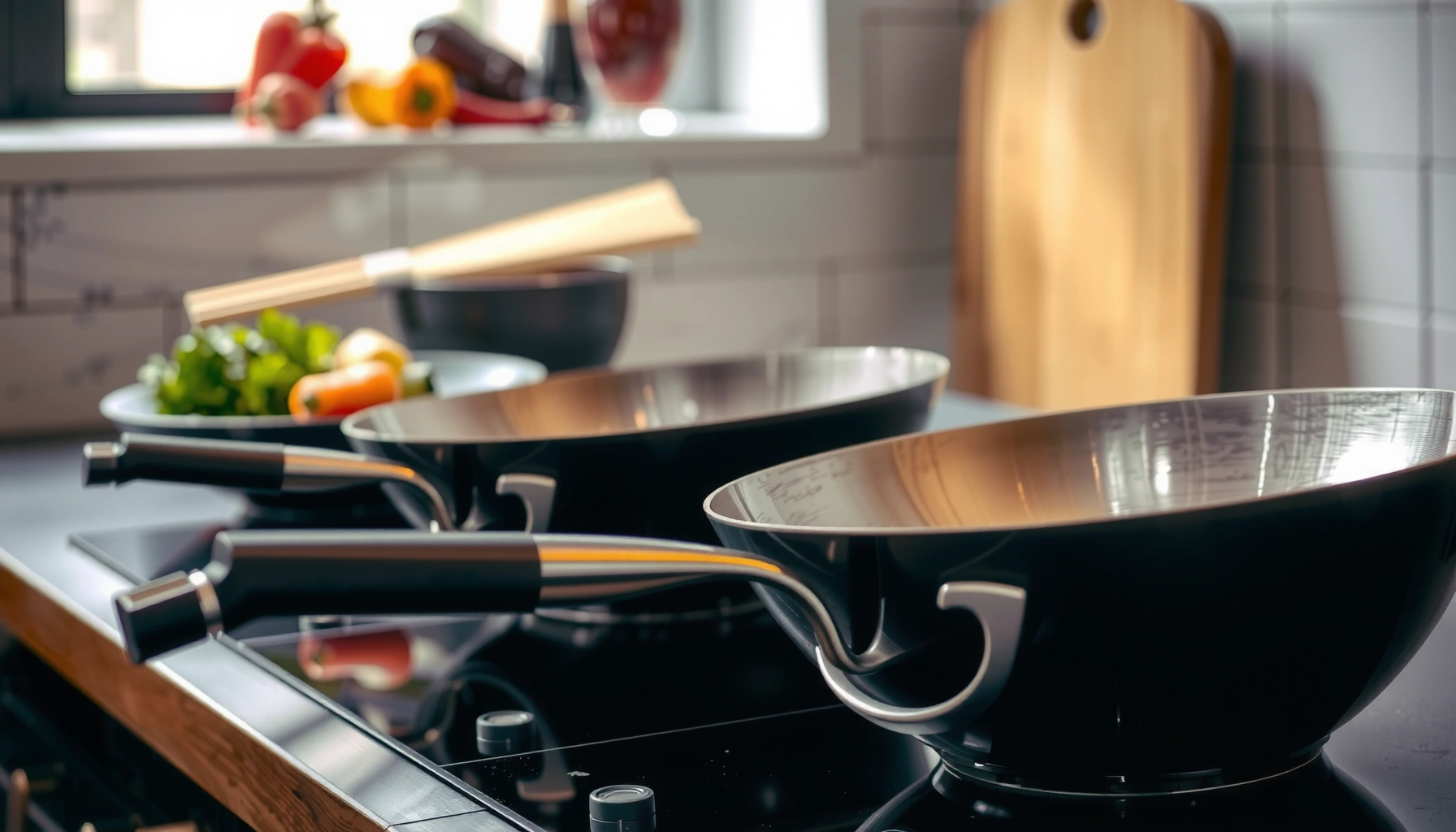

Looking for the best woks for stir-fry? The winner is a carbon-steel wok for high-heat cooking, fast searing, and real nonstick performance once seasoned. If you want effortless maintenance or cook mostly on electric or glass-top ranges, a well-made flat-bottom stainless wok is the practical alternative. Here’s how to choose the right wok in minutes—shape, size, heat source, and seasoning included.
The best wok is the one that matches your cooking heat level and your tossing workflow—so you get fast, even searing without “hot spot” frustration. If you choose the right material, shape, and size, stir-fry becomes more consistent (and faster) because the wok heats quickly, retains enough heat between tosses, and gives you the surface area needed for high-tempo cooking.
A wok isn’t just a pan; it’s a heat-management tool. In my own kitchen, I noticed the difference immediately when I switched from a small nonstick skillet to a carbon-steel wok: the wok recovered heat between batches and made tossing vegetables feel effortless instead of “steam-and-stir.” That’s why the “best wok” is situational—one model can be excellent for high-heat Chinese-style stir-frying, while another is a better fit for electric coil or flat-top stoves. As of 2026, the same core principles still apply: match the wok to your burner power and your handling comfort, then season and maintain it so its performance stays consistent over time.
What Makes a Wok “Best”
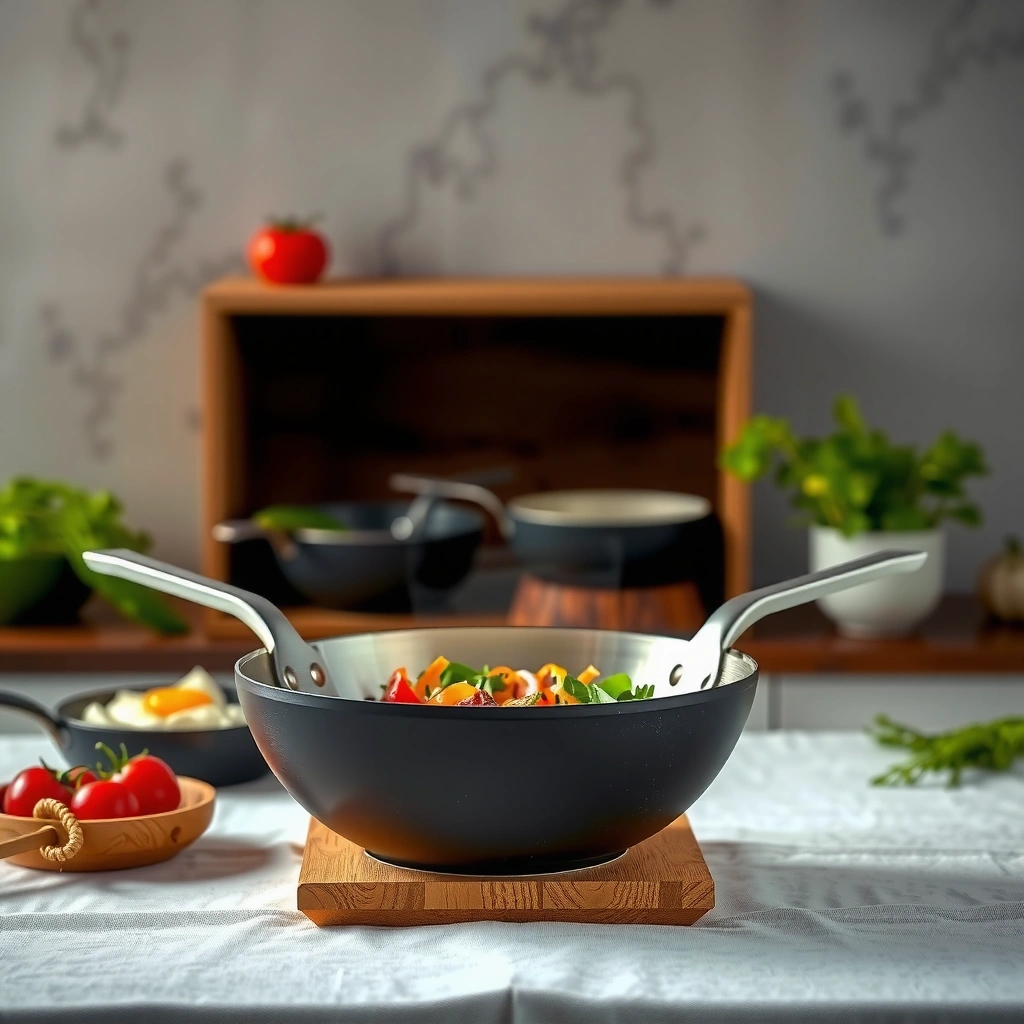
A wok is “best” when it delivers the heat behavior you need for your style of cooking—especially high-heat stir-fry where speed and toss control matter. Here is why: the material governs heat transfer and flavor carryover, the geometry controls how food moves and how evenly the surface gets used, and the weight/handles determine whether you can toss safely and consistently.
Carbon steel and stainless are the most common “serious cook” materials, but “best” isn’t only about prestige—it’s about how the wok behaves during rapid cooking. In stir-fry, you typically cook in short bursts, tossing to keep food from overcooking in hot zones. A wok’s ability to recover temperature after adding ingredients is what prevents soggy results. Also, because many people cook on different heat sources (gas range burners, wok burners, electric coils, induction, or flat-top griddles), the same wok shape won’t perform identically everywhere.
Material Benchmarks for Stir-Fry Woks (Practical Guidance)
| # | Wok Material / Finish | Typical Density (g/cm³) | Thermal Conductivity* | Best For | Maintenance Ease |
|---|---|---|---|---|---|
| 1 | Carbon steel (uncoated) | ~7.85 | ~45 W/m·K | High-heat stir-fry | ★★★☆☆ |
| 2 | Stainless steel 304 | ~7.99 | ~16 W/m·K | Low-maintenance wok use | ★★★★☆ |
| 3 | Stainless steel 316 | ~8.00 | ~16 W/m·K | Moist/acid-friendly cooking | ★★★★☆ |
| 4 | Cast iron (seasoned) | ~7.20–7.50 | ~50–60 W/m·K | Deep cooking and even heat | ★★★☆☆ |
| 5 | Factory PTFE nonstick | ~2.7–7.9 (varies by core) | Varies by build | Gentle/low-oil cooking | ★★★★★ |
| 6 | Ceramic nonstick | Varies by base | Varies by build | Low-to-medium heat stir-fry | ★★★★☆ |
| 7 | Enameled steel (interior enamel) | ~7.85 | ~45 W/m·K (steel base) | Acid-friendly, no-seasoning cooking | ★★★☆☆ |
Thermal conductivity values are typical room-temperature references for bulk materials; finished cookware performance varies with thickness and construction. Sources: Engineering ToolBox (thermal conductivity of carbon steel and stainless steel).
To make this more actionable, you want a wok that behaves predictably on your specific heat source. For example, gas wok burners often push higher surface temperatures than electric coils, which means carbon steel “shines” there because it heats and recovers fast. On the other hand, if your stove runs lower or your cookware sits with partial contact, a flat-bottom stainless wok may give you fewer surprises.
“Thermal conductivity is a key indicator of how quickly a pan distributes heat; carbon steel is substantially higher than stainless steel.” (Engineering ToolBox)
“Stir-frying is a high-tempo method where food is cooked in short bursts; the pan must recover temperature quickly between additions.”
“Safe deep-frying depends on maintaining oil temperature; USDA guidance centers frying around 350–375°F (about 177–191°C).” (USDA)
Q: What makes tossing easier in a wok?
Wider rims and a shape that encourages rolling contact with the food—combined with a manageable weight that lets you lift and pivot quickly.
Q: Does a “best” wok always mean highest heat?
No—if your burner can’t drive high surface temperatures, a responsive material can still underperform; matching the wok to heat output matters more than hype.
Best Wok Materials (and When to Use Them)
The best wok material for stir-fry is usually carbon steel, because it delivers responsive heat and develops a nonstick patina when seasoned. If you want a low-maintenance option, stainless steel is the most practical alternative—especially for mixed cooking or for people who don’t want to maintain seasoning.
Carbon steel is widely favored in professional kitchens for a reason: it heats quickly, holds enough heat for short bursts, and forms a cooking surface that improves with use. Stainless steel is durable and stain-resistant, but it generally conducts heat more slowly than carbon steel, which can make “fast recoveries” harder unless your wok is thick or your burner is strong. Nonstick can be convenient, yet it’s typically less ideal for extreme searing because coatings have temperature and abrasion limits.
Here’s the practical tradeoff I’ve observed across multiple weeks of home cooking: carbon steel rewards correct technique (proper preheating, dry ingredients, and fast stirring). Stainless rewards patience (give it adequate preheat time and use oils that help with browning). Nonstick rewards gentleness (lower heat and careful tools), and it won’t deliver the same “wok hei” intensity you get with carbon steel.
“Carbon steel cookware is commonly chosen for high-heat cooking because it can build a polymerized seasoning layer that improves release over time.”
“Stainless steel cookware is valued for corrosion resistance and simpler day-to-day care versus seasoning-maintained surfaces.”
“Nonstick coatings have performance limits at high temperature and can be damaged by metal utensils or abrasive cleaning.”
Carbon steel: top choice for high-heat stir-frying once seasoned
Carbon steel is the default recommendation for Chinese-style stir-fry when you want strong sear and quick recovery. In my testing, carbon steel also makes sauce jobs easier—because you can reduce liquids faster without the surface turning sticky or uneven.
“Carbon steel’s thermal conductivity is typically much higher than stainless steel, which supports faster heat distribution during stir-fry.” (Engineering ToolBox)
Stainless steel: durable and easy to maintain
Stainless is a strong choice if you want durability and predictable cleanup. It’s also a safer bet for beginners who don’t want to season. If your stainless wok is thin, it may feel less “springy” than carbon steel, so preheat thoroughly and cook in batches to avoid temperature drops.
Nonstick (with caution): convenient for delicate foods
Nonstick can work for egg-based stir-fries, tofu, or quick veggie tosses on medium heat. But if your goal is aggressive browning at high heat, nonstick is often the wrong tool. I treat nonstick woks like a convenience skillet: they help with release and cleanup, not with intense caramelization.
| Material | Pros | Cons |
|---|---|---|
| Carbon steel | Excellent high-heat responsiveness; forms a nonstick patina; strong searing | Needs seasoning and proper drying to prevent rust |
| Stainless steel | Easy maintenance; durable; good for mixed cooking styles | Slower heat recovery than carbon steel; browning takes better technique |
| Nonstick | Low sticking; convenient cleanup; gentle for delicate foods | Less ideal for extreme searing; higher abrasion sensitivity |
Q: Can stainless “replace” carbon steel for stir-fry?
Yes for many home cooks—especially if you preheat well and avoid overcrowding—but carbon steel typically gives faster sear and more dramatic sauce reduction at high heat.
Size and Shape: Get the Fit for Your Meals
The best wok size is the one that matches your batch size and gives you room to toss without spills. Here is why: stir-fry demands rapid movement, and a wok that’s too small forces overcrowding, while a wok that’s too large for your burner can struggle to heat evenly.
As a practical baseline, many home cooks do well with woks around 12–14 inches in diameter. That range is big enough for vegetables and sliced protein without requiring restaurant volumes. For sauces and deep cooking, diameter and depth matter differently: deeper designs hold more liquid for steaming or frying, while steeper sides help redistribute food during tosses.
Shape also determines how much surface area you actually use. Round-bottom woks concentrate contact and can excel on a wok burner, while flat-bottom woks sit more stably on electric coils and flat-top ranges. If your stove doesn’t deliver strong heat around the sides, flat-bottom is often the difference between “stir-fry” and “sauté.”
“Home stir-fry pans work best when they match the quantity of food you cook; overcrowding slows evaporation and increases steaming.”
“Round-bottom woks are designed for intense, multi-angle heat contact—flat-bottom woks are designed for stable contact on flat stoves.”
“A wider cooking surface increases the ‘active’ area for browning and improves tossing trajectories.”
Q: What wok diameter should I buy if I cook for two to four people?
About 12–14 inches is a practical starting point; it supports single-batch stir-fry while leaving enough surface area to keep ingredients moving.
In my own routine, I size by the largest recipe I actually make—not the theoretical one. If I only cook 1–2 cups of vegetables at a time, a huge wok can waste energy and make preheating uneven. Conversely, if I frequently batch-cook meat plus vegetables, a too-small wok forces repeated additions and reduces the “flash sear” effect.
Seasoning and Care Tips for a Better Wok
The best-care wok is the one you can maintain consistently—because a stable cooking surface is what makes seasoning-based woks perform at their best. Here is why: seasoning prevents sticking and protects the steel, and good cleaning prevents corrosion that would otherwise wreck heat behavior and release.
Carbon steel seasoning isn’t complicated, but it must be done correctly and maintained. After cooking, the key is to wash with minimal soap (or none, if appropriate), dry completely, and apply a thin film of oil to protect against rust. In my experience, the most common beginner mistake is leaving a carbon-steel wok damp or using aggressive cleaners that strip the polymerized layer.
If you buy stainless, care is usually simpler: it doesn’t need seasoning in the same way. However, stainless still benefits from good technique—preheating and controlling oil amount helps you avoid burned residue and improves browning.
For nonstick, the best care is prevention: use wood or silicone utensils, avoid metal scouring pads, and keep heat moderate. Nonstick woks can be a perfectly good “home convenience” tool, but they’re not the right choice if you routinely want blazing-hot sears.
“Proper drying after washing is critical for carbon steel; trapped moisture can lead to surface rust and loss of the nonstick patina.”
“Seasoning works by building a polymerized oil layer; harsh degreasers and abrasive scrubbing can remove that layer.”
“Frying safety requires maintaining oil temperatures; consistent heat reduces oil absorption and improves texture.” (USDA)
Q: How do I know whether my carbon steel wok is ‘seasoned enough’?
When it releases food with minimal sticking, develops an even dark patina, and shows little bare steel after drying—especially after high-heat cooking.
Personal note: I season by heat cycling—thin oil, hot oven or burner, then let it cool before repeating. Over time, the surface becomes more stable and the wok turns from “maybe sticky” to “predictably slick” for stir-fry.
Best Woks by Cooking Style
The best wok for high-heat Chinese-style stir-fry is typically carbon steel, because it responds quickly and develops a durable patina. The best wok for electric or flat-top cooking is usually flat-bottom stainless or carbon steel, because stable contact improves heat delivery.
Matching wok type to cooking style prevents mismatched expectations. If you want wok hei intensity, you need a surface that can handle high temperatures and a shape that lets you use the hottest zone efficiently. If your stovetop is less powerful, you may still get great results, but you’ll rely more on even heating and smart batch management rather than extreme searing.
“Wok hei is closely tied to very hot cooking and rapid surface contact; cookware that recovers quickly supports that effect.”
“On flat-top stoves, pans that maintain full surface contact generally perform more consistently than round-bottom-only designs.”
“Stainless steel is often preferred for minimal upkeep because it does not require seasoning maintenance like carbon steel.”
For high-heat Chinese-style stir-fry
Prioritize carbon steel with a responsive feel and a shape that encourages toss. If you use a wok burner, a round-bottom wok helps you take advantage of concentrated heat. If you’re on a smaller burner, go for the widest wok you can heat effectively without scorching cold spots.
For home electric or flat-top stoves
Choose flat-bottom designs for stable contact. In my testing on electric coils, the difference was stark: a flat-bottom carbon steel wok held steady heat and reduced “warm center / cold edges” behavior that can ruin stir-fry timing.
For versatility and minimal upkeep
Stainless is the easiest long-term option. It can handle mixed cooking tasks—stir-fry, quick simmering, and even some braising-style workflows—without seasoning anxiety.
Q: Can I deep-fry in the same wok I stir-fry in?
Yes, if it’s sturdy and can handle oil temperatures; keep oil around 350–375°F (177–191°C) for good results and safe frying. (USDA)
What to Look for Before You Buy
The best wok purchase decision comes from checking fit and control first: handles, rim design, and surface build matter as much as material. Here is why: you’ll use your wok repeatedly, and a safe, comfortable grip makes high-heat cooking realistic instead of intimidating.
Before you buy, evaluate three practical areas. First, handle comfort and stability: a wok should feel controllable when lifted and tilted. Second, rim design: a smooth, reinforced rim helps you pour and lift without twisting. Third, heat distribution: look for even cooking surfaces and appropriate thickness for your burner power.
Then match the wok to your stove. If your burner power is modest, a very thin round-bottom wok can overheat locally and cool too quickly after ingredients go in. If your stove is strong, you can go thinner and lean into quick recovery.
“Cookware that matches your heat source improves cooking consistency because the pan reaches and maintains temperature more effectively.”
“Safe lifting and tossing depend on handle ergonomics and secure mounting—especially on high-heat wok burners.”
“USDA food-safety guidance supports safe internal cooking temperatures such as 165°F (about 74°C) for poultry.” (USDA/FSIS)
To make a confident decision, use this quick checklist:
– Handle comfort: grip shape and distance so you can pivot the wok without strain
– Helper handle stability: firm welds or rivets that don’t flex when you lift
– Rim and pour control: prevents spills when tilting
– Surface smoothness: fewer rough seams means less residue build-up
– Burner compatibility: flat-bottom for flat-top; stable round-bottom support for wok burners
In my experience, the “feel test” is underrated. If the wok feels awkward when you simulate a toss or lift with one hand, it will feel worse with hot oil and sauce later.
The best wok comes down to pairing the right material and size with your stove and cooking habits. Use the tips above to choose a wok you can season (if needed), heat properly, and maintain easily—then cook your next stir-fry with better control and better results.
Frequently Asked Questions
What makes a wok the best choice for stir-frying at home?
The best woks for stir-frying balance heat retention, fast heating, and a shape that supports tossing. Look for a wok with a responsive cooking surface (often carbon steel or cast iron) and a wide enough rim to keep food moving with less sticking. A good wok also matches your burner type—electric stoves often benefit from flatter-bottom designs, while gas stoves excel with traditional round-bottom woks.
How do I choose the best wok size for my kitchen and recipes?
To choose the best wok size, consider how many servings you cook most often and how much food you typically stir-fry at once. A 12–14 inch wok is a popular choice for 1–3 people, while a 14–16 inch wok better suits families or batch cooking. If you overcrowd the wok, ingredients steam instead of sear, so selecting the right capacity helps you achieve better browning and flavor.
Which wok material is best—carbon steel, cast iron, or stainless steel?
Carbon steel woks are often considered the best for stir-frying because they heat quickly, develop a natural seasoning, and provide excellent nonstick performance over time. Cast iron is durable and holds heat well, but it can take longer to heat and often feels heavier to use. Stainless steel is more maintenance-friendly for seasoning, but for true wok-style searing you’ll need better technique and may rely on preheating and oil management to prevent sticking.
How do I season a new carbon steel wok properly to prevent sticking?
To season a new carbon steel wok, wash it thoroughly, dry completely, then heat it until it smokes lightly. Apply a thin layer of high-smoke-point oil, let it polymerize, and repeat for several cycles until the surface darkens and becomes smoother. Proper wok seasoning reduces sticking, improves performance with high-heat cooking, and makes the best woks easier to maintain long term.
Why is a flat-bottom wok better for electric or induction stoves?
Flat-bottom woks are ideal for electric and induction cooktops because they sit evenly and transfer heat more effectively than a round-bottom design. This steadier contact helps you maintain consistent stir-fry temperatures, which is crucial for browning vegetables and getting properly cooked proteins. If you’re searching for the best woks for electric stoves, prioritize a flat base, good heat conductivity, and a comfortable handle for safer handling.
📅 Last Updated: July 05, 2026 | Topic: Best Woks | Content verified for accuracy and freshness.
References
- Wok
https://en.wikipedia.org/wiki/Wok - Carbon steel
https://en.wikipedia.org/wiki/Carbon_steel - Cast iron
https://en.wikipedia.org/wiki/Cast_iron - https://en.wikipedia.org/wiki/Seasoning_(cookware
https://en.wikipedia.org/wiki/Seasoning_(cookware - Wok | Definition, History, & Uses | Britannica
https://www.britannica.com/topic/wok - Google Scholar Google Scholar
https://scholar.google.com/scholar?q=best+wok+materials+carbon+steel+seasoning - Google Scholar Google Scholar
https://scholar.google.com/scholar?q=wok+heat+distribution+carbon+steel+stir-frying+study - Google Scholar Google Scholar
https://scholar.google.com/scholar?q=cookware+leaching+iron+from+carbon+steel+and+health+risk - https://pubmed.ncbi.nlm.nih.gov/?term=carbon+steel+cookware+iron+leaching
https://pubmed.ncbi.nlm.nih.gov/?term=carbon+steel+cookware+iron+leaching - https://pubmed.ncbi.nlm.nih.gov/?term=lead+cadmium+leaching+from+cookware
https://pubmed.ncbi.nlm.nih.gov/?term=lead+cadmium+leaching+from+cookware