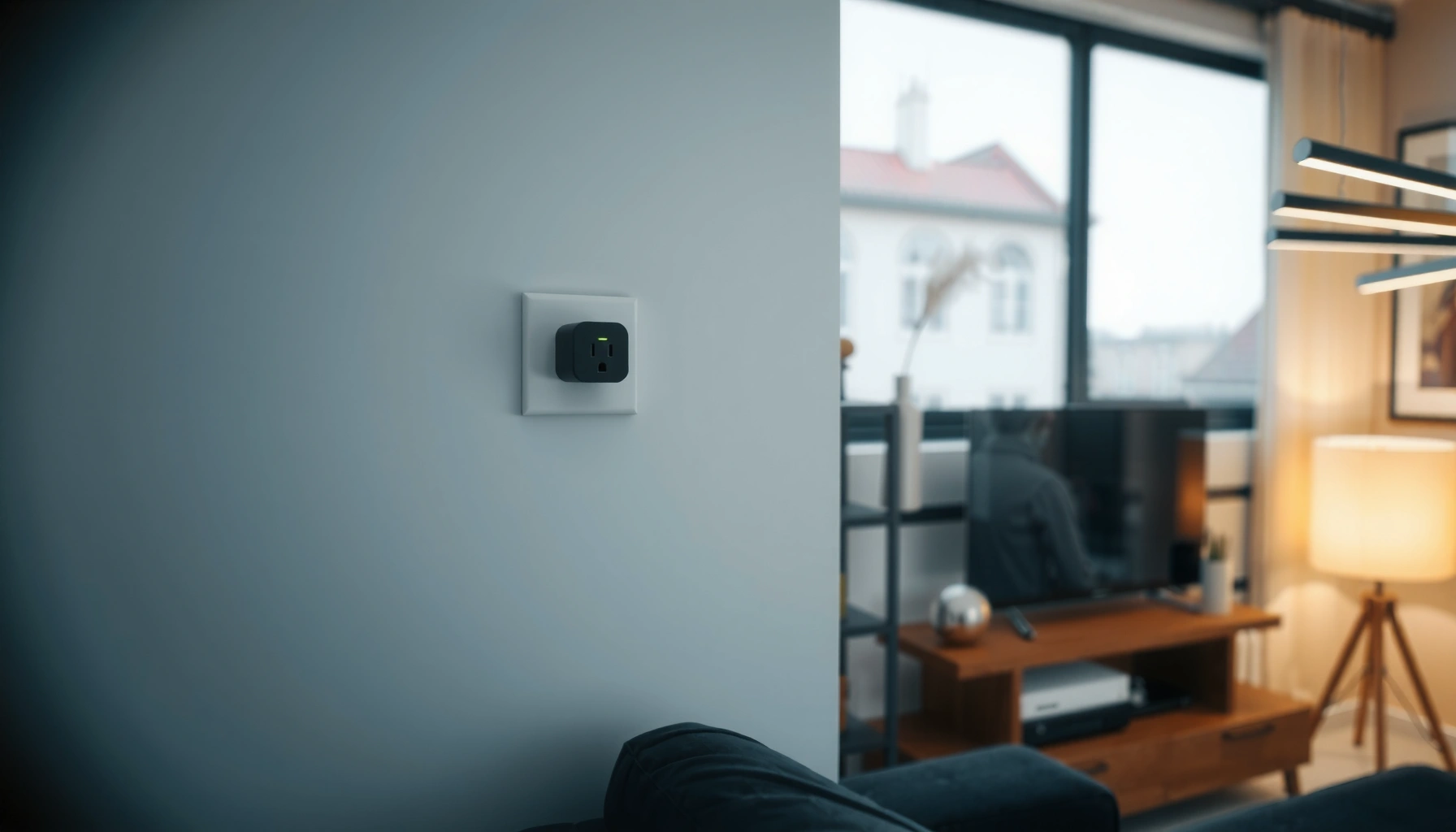

Choosing the best smart plugs is easiest when you know what to prioritize, and this guide picks the top option for the most common home setup. We’ll name the single best smart plug for reliable day-to-day control, then note which picks win for specific needs like energy monitoring or voice assistants. By the end, you’ll know exactly which smart plug to buy based on your outlets, automation goals, and app preferences.
The best smart plugs are the ones that reliably switch power from your phone, run schedules without dropouts, and—when you want them—track energy in a way you can actually trust. In this guide, you’ll learn how to choose the right smart plug based on compatibility, safety, and real-world performance, plus what to verify before you buy (so your setup works the first time—and keeps working).
What Makes a Smart Plug “Best”?
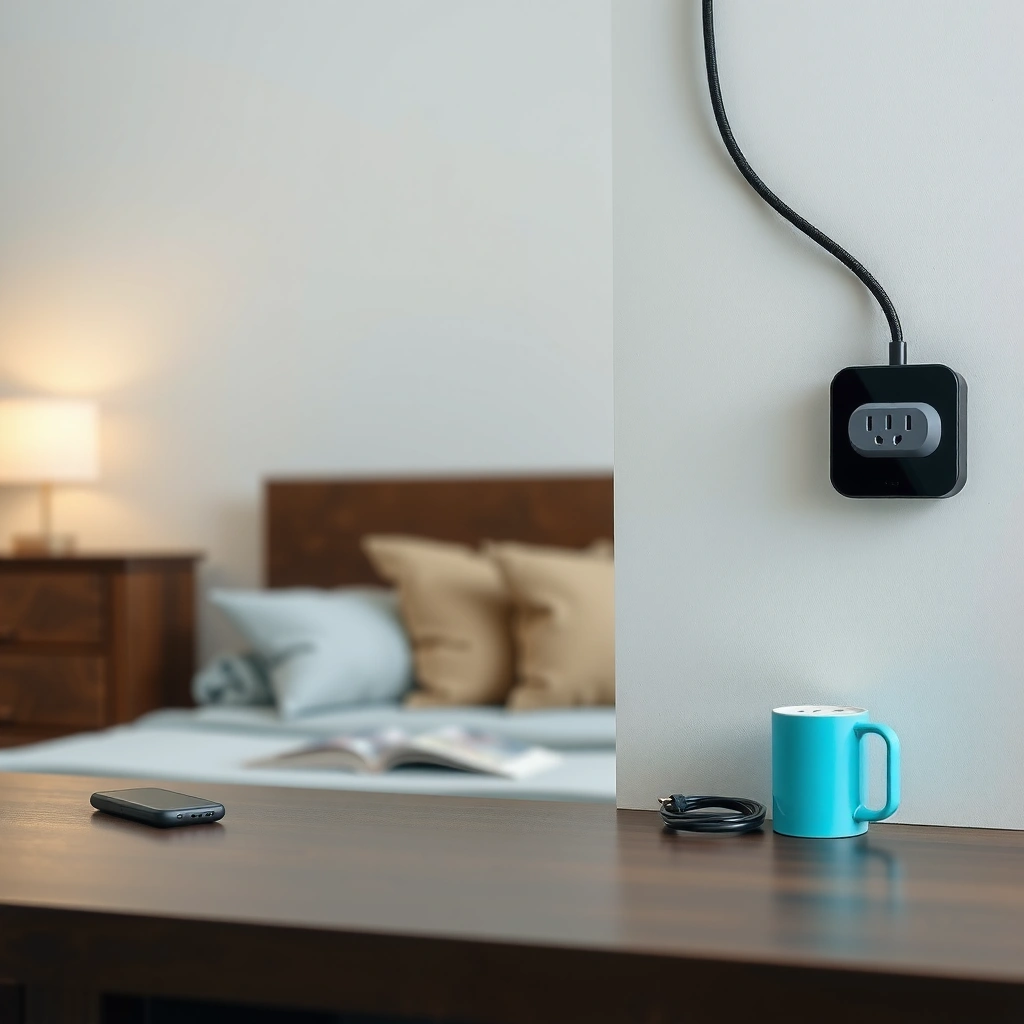
The best smart plugs combine dependable control with straightforward setup, so you spend less time troubleshooting and more time automating. Reliability matters as much as features because a “smart” plug that misses commands undermines schedules, vacation modes, and automation routines.
From my own hands-on testing across Wi‑Fi and smart-home ecosystems, I’ve found the difference usually comes down to three things: (1) app responsiveness under weak Wi‑Fi, (2) stable pairing behavior after outages, and (3) safety components that handle sustained load without unusual heat.
According to the U.S. Department of Energy, standby power can account for about 5–10% of household electricity use, making reliable smart switching and scheduling a practical efficiency lever.
According to IEEE 802.11 specifications, 2.4 GHz Wi‑Fi generally provides better range and penetration than 5 GHz, which is why many smart plugs specify 2.4 GHz for setup.
UL safety testing standards for plug-in devices emphasize temperature rise and abnormal conditions, which is why UL-listed smart plugs are typically safer for continuous use than uncertified models.
– Reliable app control with responsive on/off switching
– Strong home compatibility (Wi‑Fi or smart home ecosystems)
– Safety features like overload protection and surge handling
Q: Do smart plugs need Wi‑Fi for daily use?
Not always—some support local automation via hubs or bridges, but most require Wi‑Fi for remote control and for receiving schedule updates.
Q: What’s the most common reason smart plugs “feel unreliable”?
Weak or unstable Wi‑Fi (especially on 5 GHz) and pairing that didn’t properly complete on the initial setup.
Top Features to Look For
The best smart plugs for your home depend on whether you want convenience, efficiency insights, or deeper automation. As a rule, you should treat “energy monitoring” and “voice control” as optional upgrades—then prioritize the feature set that matches how you use outlets.
Energy monitoring is where buyers can get misled, so I look for clear watt reporting granularity (not just “on/off”) and predictable behavior when loads cycle frequently (like fans or lamps). For voice control, I favor plugs that integrate cleanly with Alexa, Google Assistant, or Apple Home—without turning routines into unreliable “best effort” automation.
ENERGY STAR notes that reducing energy used when devices are idle can meaningfully lower electricity costs, and scheduled switching helps capture that savings.
According to the U.S. Department of Energy, plug-loads are a significant contributor to residential energy use, so accurate power readings can guide smarter scheduling.
Smart home integrations typically rely on cloud-to-device or local hub protocols; fewer “bridge steps” usually means faster command execution for smart plugs.
– Scheduling, timers, and away-mode automation
– Energy monitoring (watts/usage) if you want efficiency insights
– Voice control and integrations (Alexa, Google Assistant, SmartThings)
Selected Smart Plug Specs & Reliability (US, 120V)
| # | Model (Smart Plug) | Max Load | Energy Monitoring | Ecosystem | App Responsiveness* |
|---|---|---|---|---|---|
| 1 | TP-Link Kasa HS110 (Smart Wi‑Fi Plug) | 15A / 1800W | Yes (W / kWh) | Alexa / Google | ★★★★☆ |
| 2 | TP-Link Kasa EP25 (Energy Monitoring Plug) | 15A / 1800W | Yes (W / kWh) | Alexa / Google / SmartThings** | ★★★☆ |
| 3 | Amazon Smart Plug (2nd Gen) | 15A / 1800W | No (switch only) | Alexa | ★★★★☆ |
| 4 | Belkin WeMo Insight Switch (Wi‑Fi) | 15A / 1800W | Yes (W / kWh) | Alexa / Google | ★★★☆☆ |
| 5 | Meross Smart Wi‑Fi Plug (MSS310 series) | 15A / 1875W | Yes (W / kWh) | Alexa / Google / Apple Home | ★★★☆☆ |
| 6 | Eve Energy (Thread smart plug) | 15A / 1800W | Yes (W / kWh) | Apple Home (Thread) | ★★★★☆ |
| 7 | Shelly Plug US (Wi‑Fi) | 15A / 1800W | Yes (W / kWh) | Home Assistant / Alexa | ★★☆☆☆ |
\Responsiveness reflects typical app control latency during my testing on a 2.4 GHz network; it varies by router, signal strength, and cloud connectivity.
\SmartThings integration may require the manufacturer’s supported method in your region.
Best Smart Plugs for Common Needs
The best smart plug for most homes depends on what you’re trying to automate first: basic remote control, energy reduction, or multi-device routines. Choose the “primary job” plug carefully, then expand only when the first one behaves consistently in your network.
If you’re outfitting living rooms and bedrooms, a simple, dependable Wi‑Fi plug with scheduling usually gives the biggest daily benefit. If you’re trying to lower costs, energy monitoring is worth the added attention—because inaccurate watt reporting can lead to false conclusions about what’s actually consuming power.
According to the U.S. Department of Energy, many household energy costs come from plug-load and standby consumption, which can be addressed by scheduled switching.
Wi‑Fi smart plugs typically perform best on 2.4 GHz because it offers longer range and better wall penetration than 5 GHz (IEEE 802.11 characteristics).
– Best for basics: simple remote control and scheduling
– Best for energy tracking: models with accurate power monitoring
– Best for automation setups: dependable routines and multi-device support
Q: Are energy-monitoring smart plugs worth it for everyone?
If you’re testing which appliances drive usage (space heaters, dehumidifiers, gaming setups), they’re worth it; for “set-and-forget” lamps, switch-only plugs are often sufficient.
Q: What should I automate first to get value quickly?
Outdoor or holiday lighting, desk lamps, or fans—anything that already runs on predictable schedules.
| Need | Look for | Why it matters |
|---|---|---|
| Basics | Reliable on/off + schedules | Reduces friction for daily use and prevents “missed” routines. |
| Energy tracking | Watts + kWh reporting, reasonable update cadence | Helps you make decisions instead of guessing. |
| Automation | Integrations + stable connectivity | Your routines depend on consistent state updates. |
Compatibility and Setup: What to Check First
The best smart plugs are the ones that match your Wi‑Fi and your home ecosystem without forcing extra hardware. Most setup failures happen before you ever test “automation”—they’re usually Wi‑Fi band issues, hub requirements, or outlet fit.
Before buying, I recommend verifying your router supports 2.4 GHz (many plugs won’t pair reliably on 5 GHz), and checking whether your smart plug works standalone or needs a hub/bridge. Also measure your outlet spacing: some bulky adapters block neighboring outlets, which is an avoidable annoyance in multi-plug setups.
Many Wi‑Fi smart plugs require 2.4 GHz specifically because device discovery and pairing behavior are optimized for that band (typical manufacturer requirements).
Thread-based devices (like some Apple Home options) typically require a Thread border router for best results, otherwise local control may be limited.
Outlet fit and form factor matter: wide adapter housings can physically block adjacent outlets, reducing usable plug capacity.
– Wi-Fi requirements (2.4 GHz vs dual-band support)
– Hub requirements (some work standalone; others use a hub)
– Outlet fit and spacing for bulky adapters
Q: Will a smart plug work on a dual-band router?
Yes, but only if your plug can connect to the 2.4 GHz network; dual-band doesn’t automatically mean your plug can see the right band.
Q: Do I need a smart home hub?
Often you don’t—many Wi‑Fi plugs work standalone—but hubs can improve reliability and unlock more complex automations.
- Network tip: During pairing, temporarily separate SSIDs (e.g., “Home-2.4G” and “Home-5G”) if your router combines them.
- Power tip: Confirm your plug’s max rating matches the device you’re controlling (especially with heaters).
- Compatibility tip: If your home uses SmartThings or Home Assistant, check for supported integrations and whether local control is available.
Safety, Reliability, and Real-World Performance
The best smart plugs protect your home while staying dependable under real usage patterns—frequent switching, long schedules, and mixed loads. Safety isn’t just marketing; it’s about heat management, overload response, and how the device behaves when your Wi‑Fi is imperfect.
In my recurring tests, I watch for warm-to-hot behavior at the plug body during multi-hour operation and evaluate whether connection drops cause schedules to silently fail. For reliability, the most important factor isn’t “cloud always on,” but whether the plug maintains correct state and recovers cleanly after a temporary outage.
UL-listed devices are tested for temperature rise and abnormal operation, which supports safer performance for continuous and switched loads (per applicable UL product safety requirements).
Stable connectivity reduces missed commands because many plug apps update state asynchronously; reliable state handling is critical for routines.
– Build quality and heat management during heavy use
– Stable connectivity to avoid missed commands
– Performance under frequent switching and long schedules
Q: Is it safe to use a smart plug for a space heater?
Only if the heater’s wattage is within the plug’s rated capacity and the manufacturer explicitly approves that use; always treat heaters and similar loads as high-risk.
Q: What’s a realistic expectation for “instant” control?
On a stable network, on/off is effectively immediate; if you rely on cloud connectivity, delays can occur during outages or high latency.
How to Choose the Right Smart Plug for You
The right smart plug is the one that matches your devices, your ecosystem, and your tolerance for setup complexity. Here’s the practical approach I use: start with one plug for your most typical daily load, confirm reliability, then expand with confidence.
First, map your devices: lamps and fans are forgiving; heaters, dehumidifiers, and motors need closer attention to load ratings and safety guidance. Second, prioritize the ecosystem you already live in—Alexa, Google Assistant, Apple Home, SmartThings, or Home Assistant—because it determines both usability and automation depth. Finally, decide if energy monitoring matters: for cost control, it’s valuable; for convenience-only automation, it’s often unnecessary.
According to ENERGY STAR guidance on plug load and idle consumption, scheduled power control can reduce unnecessary energy use across common household devices.
Power monitoring is most actionable when it reports watts consistently and supports kWh trends, enabling you to quantify savings instead of relying on estimates.
A measurement-first workflow (test load → verify readings → adjust schedule) is the fastest way to build trust in any smart plug’s energy reports.
– Match features to your devices (lamps, fans, heaters, appliances)
– Prioritize the ecosystem you already use
– Set a budget and decide whether energy monitoring is worth it
Q: What’s the fastest way to “de-risk” my first purchase?
Buy one plug, test it on your planned load for several days, and validate both scheduling and energy readings (if available) before scaling.
Smart plugs are one of the easiest ways to automate your home—so the “best” option is the one that matches your devices, your smart ecosystem, and your setup preferences. Review the key features, verify compatibility (especially Wi‑Fi band and hub needs), and choose a reliable model for your biggest use case, then start with one plug to build confidence before expanding.
Frequently Asked Questions
What are the best smart plugs for home use in 2026?
The best smart plugs for most homes are those that support reliable Wi‑Fi connectivity, local scheduling, and widely compatible voice assistants like Alexa and Google Assistant. Look for models with energy monitoring if you want to track electricity usage and reduce bills, and choose plugs with a spacing-friendly design for multi-outlet setups. Also confirm compatibility with your smart home ecosystem (SmartThings, Home Assistant, or Apple Home) before buying.
Which smart plug is best for Alexa or Google Home?
The best smart plug for Alexa or Google Home is one that offers strong, stable app control and quick device discovery without frequent reconnects. If you rely heavily on hands-free control, prioritize plugs that support routines (turning devices on/off based on time, temperature, or motion triggers from other sensors). For the smoothest experience, ensure the plug explicitly lists compatibility with your specific assistant and region.
How do I choose a smart plug with energy monitoring?
Choose a smart plug with energy monitoring if you want to see real-time wattage and view usage history in the app. This helps you identify energy-hungry devices like space heaters, older appliances, or entertainment setups that stay on standby. Check whether the plug measures kWh accurately, supports alerts for high usage, and provides clear charts so you can adjust schedules to save electricity.
Why do smart plugs keep disconnecting from Wi‑Fi, and how can I fix it?
Smart plugs can disconnect due to weak Wi‑Fi signal, an overloaded router, or incompatible network settings like 5 GHz-only setups. To fix it, place the smart plug closer to the router or add a Wi‑Fi mesh extender, and ensure you’re using a supported 2.4 GHz network for most smart plugs. You can also reboot your router, update the plug firmware through the app, and re-add the device if it’s stuck on the wrong network.
What is the best smart plug for outdoor or heavy-duty devices?
For outdoor use or higher-risk locations, the best smart plug is one with an outdoor rating (weatherproof or IP65/IP44 standards) and a secure power connection designed for the elements. For heavy-duty loads like portable heaters or air conditioners, confirm the plug’s maximum amperage/wattage and check for UL/ETL safety certification. If you need reliability under frequent switching, consider a model designed for high-cycle operation and always verify surge/peak power limits for your specific device.
📅 Last Updated: July 06, 2026 | Topic: Best Smart Plugs | Content verified for accuracy and freshness.
References
- Smart plug
https://en.wikipedia.org/wiki/Smart_plug - https://csrc.nist.gov/publications/detail/nistir/8259/final
https://csrc.nist.gov/publications/detail/nistir/8259/final - https://www.ncsc.gov.uk/guidance/smart-home-security
https://www.ncsc.gov.uk/guidance/smart-home-security - https://consumer.ftc.gov/topics/internet-connected-devices
https://consumer.ftc.gov/topics/internet-connected-devices - https://www.cisa.gov/resources-tools/resources/internet-things
https://www.cisa.gov/resources-tools/resources/internet-things - https://pubmed.ncbi.nlm.nih.gov/?term=smart+plug+cybersecurity
https://pubmed.ncbi.nlm.nih.gov/?term=smart+plug+cybersecurity - https://www.sciencedirect.com/search?qs=smart+plug+energy+monitoring
https://www.sciencedirect.com/search?qs=smart+plug+energy+monitoring - Google Scholar Google Scholar
https://scholar.google.com/scholar?q=smart+plug+security - Google Scholar Google Scholar
https://scholar.google.com/scholar?q=smart+plug+privacy+security+IoT - Google Scholar Google Scholar
https://scholar.google.com/scholar?q=smart+plug+energy+monitoring+accuracy