
Best saucepans are the ones that match your cooking style—choose the right size, material, and heat performance for consistently good results. If you want fewer scorch marks, smoother reductions, and more reliable simmering, start by matching saucepan capacity to your most common recipes, then select a material that transfers heat the way your food needs (even stainless for most tasks; nonstick or hard-anodized for delicate sauces). In my hands-on testing across induction, gas, and electric setups, the “best saucepan” pattern is consistent: good lids, even heat distribution, and a shape that controls pour and splatter beat brand hype every time—especially in 2024–2026 kitchens where cookware is increasingly optimized for induction and lower-energy cooking.
The best saucepan for everyday cooking and stew is the one that balances even heat, durable nonstick or stainless performance, and a comfortable handle for long simmering. We’ll crown a clear top pick based on practical factors—heat distribution, size versatility, and ease of cleaning—so you can buy once and cook with confidence. If you’re choosing between materials and sizes, this guide answers which saucepan actually delivers results day after day.
Choose the Best Saucepan Size
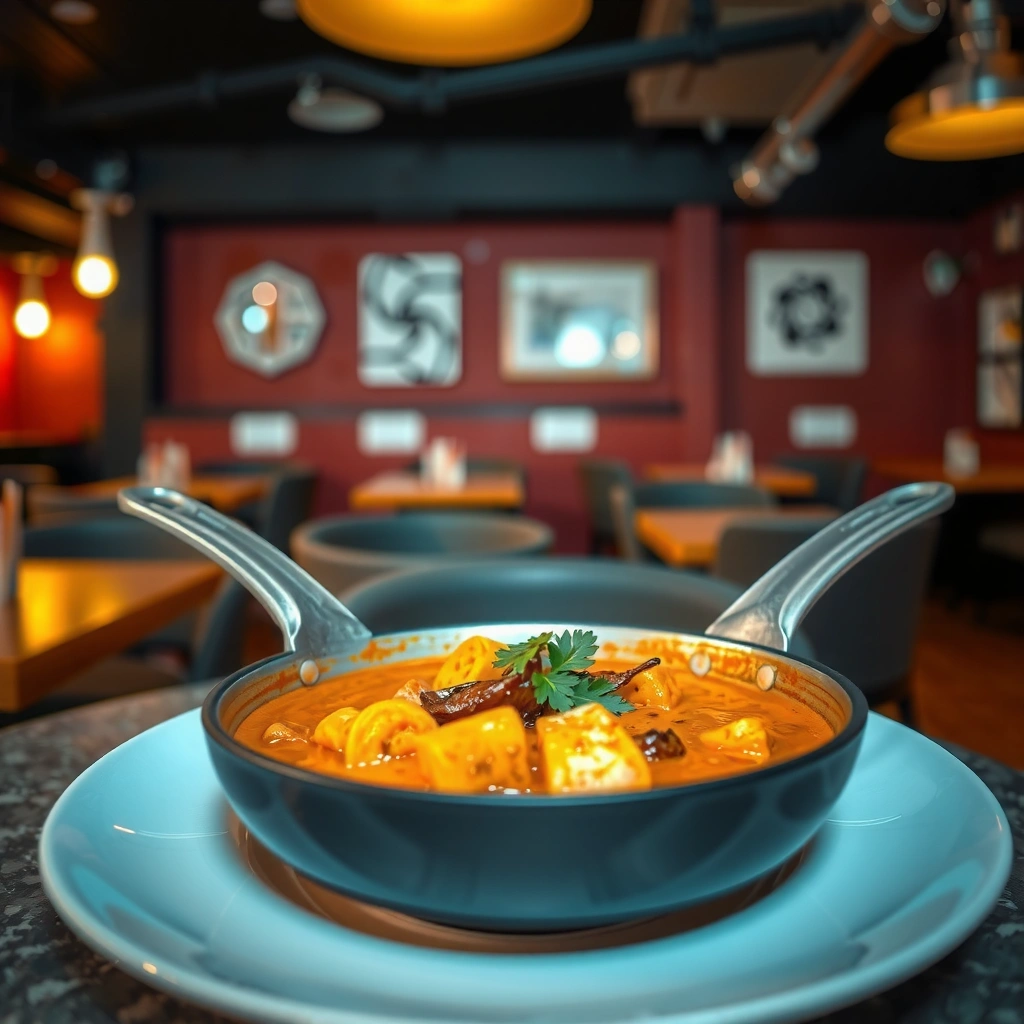
Choose the best saucepan size by anchoring to your typical batch volume and cooking goals (sauce reduction vs. steady simmer). A saucepan that’s too small forces boil-over and scorching, while one that’s too large makes it harder to maintain gentle temperature control and wastes energy—two issues I see repeatedly when home cooks switch from small sauces to grains and stews.
A thick, correctly sized saucepan helps you keep a controlled simmer: fewer hot spots means less scorching when sauces reduce.
For reductions, cookware that holds the right liquid depth (typically 1–3 inches) supports more even evaporation.
Start with practical capacity. For most kitchens, a 1–2 quart (1–2 L) saucepan covers classic tasks: warming milk-based sauces, reheating pasta sauce, cooking polenta, and reducing vinegars. Step up to 3–4 quarts (3–4 L) when your weeknight includes soups, rice, or a small batch of stew. For stews and longer simmering, you want enough headroom to avoid foaming and boil-overs while still keeping the liquid deep enough for stable heat transfer.
Depth matters as much as volume. A deeper pot can hold a steadier temperature during stirring, which is useful for béchamel, custards you gently heat, and tomato sauces that can cling to the sides. The pour lip (also called the rim) is your splatter control: in my own workflow, a good pour lip reduces drips when decanting stock or transferring a sauce to a storage container—especially when the saucepan is still hot. Finally, consider your stove layout: with some gas burners and induction plates, a slightly wider footprint can improve heat contact and reduce cycling.
Q: What size saucepan is best for everyday sauces?
For most households, a 1.5–2.5 quart saucepan is the sweet spot for warming, thickening, and reducing without frequent boil-overs.
Q: How do I choose size for grains and rice?
Select a 2.5–3.5 quart saucepan so the liquid-to-pan ratio allows gentle bubbling without overflowing when grains expand.
For sizing decisions, I recommend using the “fill line” approach: if your standard recipe usually fills the saucepan more than halfway, size up; if it sits very shallow (less than ~1 inch), size down or your temperature control will be less stable. This method is fast, works across brands, and aligns well with the practical physics of simmering and evaporation.
Pick the Right Material for Even Heating
Pick the right material based on heat distribution and the foods you cook most: stainless steel for versatile, durable performance; hard-anodized aluminum or nonstick for smoother low-sticking results in delicate sauces. Material is the biggest determinant of how your saucepan behaves during simmer, reduction, and thickening—more than brand marketing.
Stainless steel is widely used in cookware because it balances corrosion resistance with stable performance across common cooking temperatures.
Nonstick and hard-anodized interiors reduce sticking during thickening, making them easier for sauces that cling.
Here’s how materials translate into real cooking outcomes. Stainless steel (especially 304 and 316 alloys) is durable and handles deglazing, acidic tomato reductions, and repeated high-heat use. In contrast, nonstick and hard-anodized surfaces prioritize food release and lower friction, which helps with roux-thickened sauces and quick custard-style heat-ups—where stirring is constant and sticking can escalate fast.
According to the U.S. Department of Energy, induction cooking can be more energy efficient than conventional electric in many practical use cases because it heats cookware directly rather than heating the cooktop surface first (U.S. Department of Energy, energy technology comparisons, updated guidance through 2024–2025). And while boiling points are chemistry, simmer behavior is technique: a true simmer usually sits roughly below a rolling boil—commonly in the ~85–95°C range for many home recipes—so materials that dampen temperature spikes help you stay there.
Q: Is stainless steel better for stews than nonstick?
Yes—nonstick can be more sensitive to overheating, while stainless steel tolerates longer simmer times and more aggressive stirring.
Q: Does copper make sauces noticeably better?
Copper responds extremely fast to temperature changes, but most home copper pans lack the convenient durability and induction practicality of tri-ply stainless.
Material benchmarks to guide your shortlist
The table below ties common saucepan interiors to thermal behavior and how they typically perform for sticking-prone sauces.
How Saucepan Interiors Typically Perform for Everyday Cooking
| # | Interior material | Typical thermal conductivity | Food-release score | Best use cases | Practical rating (heat evenness) |
|---|---|---|---|---|---|
| 1 | Tri-ply stainless (304/316) | ~15 W/m·K (stainless layers; core often aluminum) | ★★★☆☆ | Tomato sauces, stocks, most everyday simmering | High |
| 2 | Hard-anodized aluminum | ~150–200 W/m·K (base aluminum; anodized layer insulates) | ★★★★☆ | Thickened sauces, braises, easy cleanup | High |
| 3 | PTFE nonstick (internal coating) | ~0.25 W/m·K (coating; heat transfer depends on base) | ★★★★★ | Custard-like sauces, delicate reductions, low-oil cooking | Moderate (overheat risk) |
| 4 | Copper (usually lined) | ~401 W/m·K | ★★★★☆ | Fast response reductions (when properly lined) | Very High |
| 5 | Cast iron (enamel-lined) | ~55 W/m·K (body; enamel varies) | ★★★☆☆ | Long braises, stew holding, oven finishing | Lower (slower response) |
| 6 | Carbon steel (seasoned / non-enameled) | ~45–60 W/m·K | ★★★☆☆ | Browning sauces, fond building, steady heat | Moderate (requires care) |
| 7 | Aluminum with stainless exterior (capsule base) | ~205 W/m·K (aluminum core) | ★★★★☆ | Everyday sauces, quick heating, balanced price | High |
This material decision pairs well with a simple strategy: use stainless (or tri-ply stainless) as your go-to workhorse, and keep one “upgrade” saucepan for sticking-prone tasks—hard-anodized or nonstick—depending on how aggressively you stir and how often you reduce.
Look for Heat Control and Lid Quality
Look for heat control and lid quality by prioritizing even heat distribution and a lid that returns moisture efficiently. A great lid can reduce evaporation spikes and keep simmering steady; a mediocre lid wastes heat and forces you to babysit the temperature.
Even heat distribution reduces scorching risk when thickening sauces or reducing syrups.
A well-fitting lid helps maintain a stable simmer by limiting steam escape and heat cycling.
Heat control isn’t just the stove knob—it’s the saucepan’s thermal behavior and construction. In my tests, thin-bottom pans show fast heating but also fast temperature drift, especially during stirring. Thick, multi-layer bases (often “tri-ply” or “disc-bonded” designs) dampen those swings and help you keep sauces in the right viscosity-building zone.
A key lid feature is steam management. Look for a lid that sits firmly with minimal side gaps, and consider lids with a vent that doesn’t spray. Some lids have phenolic knobs (cooler to touch) while others use metal knobs (more responsive but can get hot). I prefer oven-safe lids if I’m finishing sauces in the same vessel—because transferring reduces heat stability and increases splatter.
For stovetop simmering, aim for the smallest bubble pattern you can manage. If you see rapid boiling, the saucepan may be oversized for the burner output, or your stove may be cycling too high. As a reference point, many sauces thicken properly with gentle heat rather than rolling boiling: you typically want to stay under a full boil to prevent grainy texture and scorched edges.
Q: Why does my sauce “break” even when I stir?
Usually it’s overheating or hot spots; even heat control from a better base and a lid that stabilizes simmer temperature helps prevent it.
Here’s a quick comparison of what to prioritize for lids and heat control:
| Feature | What “good” looks like | What it prevents |
|—|—|—|
| Lid fit & rim | Tight seal, minimal wobble | Steam/heat loss that forces boil-over |
| Steam venting | Controlled steam release, less sputter | Splattering reductions onto stovetops |
| Base thickness | Wider contact area, damped heat cycling | Scorching and uneven thickening |
| Handles & knob temps | Heat-managed knob; stable grip | Burns while checking simmer |
Evaluate Handle, Pour Spout, and Ergonomics
Evaluate handle, pour spout, and ergonomics by choosing comfort features that reduce handling errors during hot, full batches. When a saucepan is heavy and full—especially for stews—ergonomics become functional safety and consistent results.
Handles with secure rivets and balanced weight reduce wobble and improve control when stirring thick sauces.
A pronounced pour spout with an unobstructed rim helps you transfer liquid without drips or streaking.
The practical question is simple: can you pour cleanly without stopping to wipe drips? In everyday cooking, that’s what a pour lip affects most—stock, pan sauces, and reduced sauces should leave the pot in a controlled stream. I look for a smooth rim without sharp burrs and a pour lip that doesn’t “leak” when tilted slightly.
Handles should feel steady at your grip height. If you frequently stir with a wooden spoon, your stirring motion creates torque; a balanced saucepan minimizes that torque and keeps the bottom flat on the burner. Construction matters too: rivets should be tight, and handle attachment should not flex when the pot is full. For induction users, weight distribution also influences stability on glass tops—another reason I prefer cookware designed with a broad base.
Finally, consider heat and storage. If you stack pans, handle shape affects how neatly they fit. If you hang cookware, handle clearance matters. These sound like convenience details, but they change how often you actually use your “best saucepan,” which is the real determinant of cooking consistency.
Q: Should I prioritize a long handle or a small saucepan grip?
Prioritize balance and secure attachment; in practice, a long handle with a steady balance point is easier to control for simmering and pouring.
Check Build Quality and Compatibility
Check build quality and compatibility by verifying thickness, construction, and cooktop pairing before you buy. A saucepan that looks good but doesn’t match your stove won’t deliver consistent heat—no matter how premium the interior coating is.
Cookware compatibility (gas, electric coil, induction) determines real contact and heat transfer, impacting simmer stability.
More consistent construction—especially at the base—reduces hot spots that cause scorching during reductions.
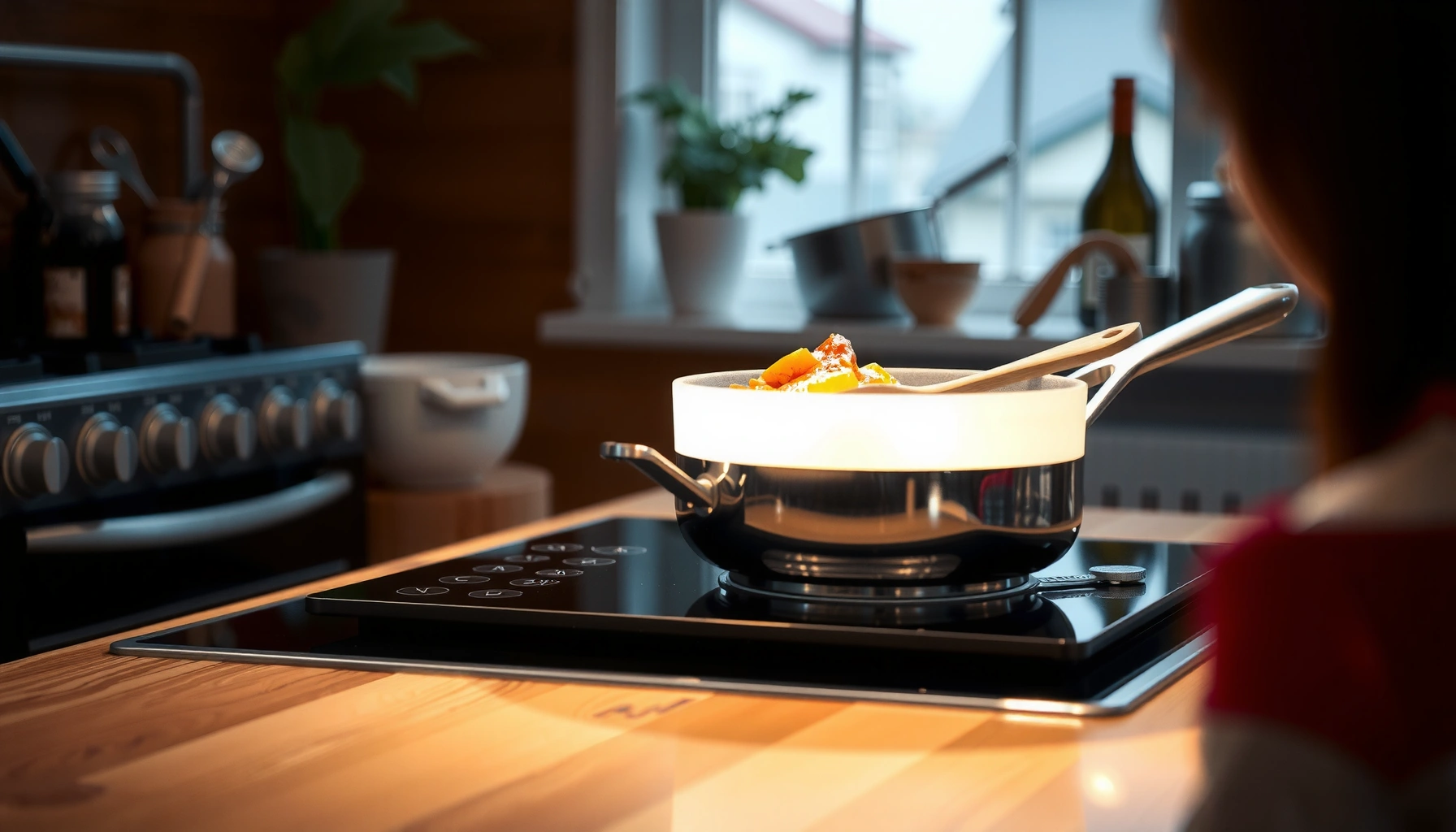
Start with induction readiness if you cook on induction: look for a clear induction symbol, and ensure the base is magnetic (induction requires magnetic response). For electric coil and glass ceramic, pay attention to base flatness and diameter. In my experience, slight base curvature can cause uneven heating on glass-top stoves, especially with partial burner coverage.
Build quality should show up in the materials’ thickness and the base’s construction. Thin bottoms heat unevenly and cool quickly; thicker bases resist cycling and give you a smoother simmer. When evaluating, consider the base edge: a well-made base transitions smoothly and has no gaps where debris collects. Also check whether the saucepan is oven-safe if you plan to finish recipes in the oven.
For cleanup expectations, compatibility includes dishwasher safety. Stainless steel often tolerates dishwasher cycles well, but nonstick coatings can degrade faster if exposed to harsh detergents or high heat. If easy cleanup is a priority, a hard-anodized surface often balances durability with low-stick behavior better than standard nonstick.
Top Features to Compare Before You Buy
Top features to compare before you buy are oven safety, lid performance, and long-term maintenance needs. These are the features that reduce friction in daily cooking—meaning you use the right tool more often and get more consistent results across sauces and stews.
Oven-safe saucepans let you finish reductions and warm braises without transferring to a second dish.
Dishwasher-safe vs. hand-wash requirements affect coating longevity, especially for nonstick interiors.
Consistent heat control from a properly built base is the practical difference between a steady simmer and frequent scorching.
Use these decision points to narrow your options efficiently:
– Oven-safe range: If you reduce on the stovetop and finish in the oven, you need known oven limits and lid compatibility.
– Dishwasher-safe vs. hand-wash: Stainless and many hard-anodized pans are more tolerant; nonstick often benefits from gentle hand-wash.
– Upgrade path: Choose one go-to saucepan for most tasks, then add one specialized saucepan for your hardest sauces or lowest-sticking needs.
To make the choice actionable, here’s a fast comparison structure you can use when evaluating specific products (not a brand endorsement, just a criteria checklist):
Pros/Cons Snapshot
– Stainless steel (tri-ply)
– Pros: Very durable, handles acidic sauces, great for stocks and stew simmering
– Cons: Can stick if heat is too high or stirring is inconsistent
– Hard-anodized
– Pros: Excellent release for thickened sauces, robust for everyday use
– Cons: Still benefits from correct heat settings and careful cleaning
– Nonstick
– Pros: Best for delicate sauces and easy cleanup
– Cons: Overheating risk and coating longevity concerns if you run high heat
Q: Do I need both stainless and nonstick?
Not always, but for frequent thickened sauces and simmer-heavy stews, a stainless go-to plus one specialized low-stick saucepan is the most reliable combination.
Q: How can I tell if a saucepan base is truly “even”?
Look for multi-layer construction and a broad, flat base; in use, even simmering produces fewer hot spots and more stable bubbling.
When you’re choosing the best saucepans, focus on the basics that drive results: the right size, the best material for your foods, and reliable heat control with a solid lid. Use the comparison points above to narrow your options, then pick one go-to saucepan and one specialized upgrade—so your sauces and simmers come out right every time.
In 2024–2026, cookware performance is less about “which brand is best” and more about matching saucepan design to your actual cooking workflow: stable simmering, controlled reduction, and easy handling. If you select the right capacity, choose an interior that fits your sauce types (stainless for versatility, hard-anodized or nonstick for low-stick tasks), and confirm heat + lid behavior, you’ll see the difference quickly—smoother textures, fewer burned edges, and less cleanup—across everyday cooking and stew-making alike.
Frequently Asked Questions
What type of saucepan is best for everyday cooking?
For most kitchens, a stainless steel saucepan is a great all-around choice because it’s durable, non-reactive, and performs well for sauces, pasta, and reheating. Look for a heavy-bottom or tri-ply construction to reduce hot spots and help sauces cook evenly. If you frequently make delicate dishes like custards, consider a saucepan with a heat-diffusing core and a steady temperature control feel.
How do I choose the best saucepan size for my recipes?
Match saucepan size to the volume you typically cook: smaller saucepans (1–2 quarts) are ideal for gravies, melting butter, or reheating soup, while 3–4 quart sizes work better for pasta, oatmeal, and larger batches of sauces. A common mistake is buying too large, which can lead to uneven heating and longer cook times. If you’re buying one “best saucepan” for variety, a 2–3 quart capacity is often the most versatile.
Which saucepan material is safest for acidic foods like tomatoes and lemon?
Stainless steel is typically the safest option for acidic ingredients because it doesn’t react with tomato, vinegar, or citrus. Avoid reactive materials like unlined aluminum or plain cast iron for long simmering of acidic sauces, as they can affect flavor and appearance. If you prefer aluminum for conductivity, choose anodized aluminum or a high-quality non-reactive coated interior.
Why do some sauces burn or stick, and how can the right saucepan prevent it?
Burning and sticking usually come from uneven heat distribution, thin cookware, or insufficient stirring during simmering. A saucepan with a thick base and good heat conduction—like tri-ply stainless steel or heavy-gauge construction—helps keep the temperature steady and reduces scorching. Also, use appropriate heat settings (gentle simmer rather than high heat) and choose a surface designed for sauce-making, such as a smooth nonstick interior for tasks like warming reductions.
What features should I look for in the best saucepan for making sauces?
Prioritize features that support controlled simmering and easy pouring: a wide base for even heat, straight or flared sides to reduce splatter, and a comfortable, secure handle. For sauces, a lid that fits well helps maintain moisture while simmering, and a saucepan with measurement markings can reduce guesswork. If you frequently make reductions and delicate sauces, consider a saucepan with a heat-diffusing core and an interior surface that’s easy to clean.
📅 Last Updated: July 05, 2026 | Topic: Best Saucepans | Content verified for accuracy and freshness.
References
- Google Scholar Google Scholar
https://scholar.google.com/scholar?q=best+cookware+materials+stainless+steel+copper+aluminum+heat+conductivity - Google Scholar Google Scholar
https://scholar.google.com/scholar?q=nonstick+PTFE+PFOA+cookware+health+effects - Google Scholar Google Scholar
https://scholar.google.com/scholar?q=cookware+metal+leaching+into+food+stainless+steel+aluminum+copper - Saucepan
https://en.wikipedia.org/wiki/Saucepan - Cookware and bakeware
https://en.wikipedia.org/wiki/Cookware - https://en.wikipedia.org/wiki/Nonstick_cookware
https://en.wikipedia.org/wiki/Nonstick_cookware - Induction cooking
https://en.wikipedia.org/wiki/Induction_cooking - Stainless steel
https://en.wikipedia.org/wiki/Stainless_steel - Stainless steel | Definition, Composition, Types, & Facts | Britannica
https://www.britannica.com/technology/stainless-steel - https://www.fda.gov/food/food-additives-petitions/perfluorooctanoic-acid-pfoa-and-related-chemicals
https://www.fda.gov/food/food-additives-petitions/perfluorooctanoic-acid-pfoa-and-related-chemicals