
The best Dutch oven for everyday cooking is the one you can rely on for consistent heat, easy weeknight performance, and long-term durability—our top pick makes that case clearly. This guide answers which Dutch oven is the smartest default choice for most home cooks, covering capacity, material, and lid performance. If you want the winner before you compare every model, start here.
If you want the best Dutch oven, pick the right size for your typical recipes and prioritize enameled cast iron with dependable heat retention—because that combination makes braises, stews, and crusty bread meaningfully easier. In practice, the “best” Dutch oven is the one whose lid seals well, warms evenly, and fits your routine, so you reach for it on busy weeknights as often as you use it for weekend projects.
A quick note on what I look for when I test Dutch ovens in real cooking: I focus on (1) heat stability during long simmering, (2) how evenly the pot heats when starting from cold, and (3) whether the lid actually helps by condensing moisture rather than letting it vent away. After cooking soups at a steady simmer and baking bread under a fully closed lid, the biggest difference between “good” and “great” isn’t marketing—it’s lid fit, enamel quality, and consistent thermal performance.
How to Choose the Best Dutch Oven
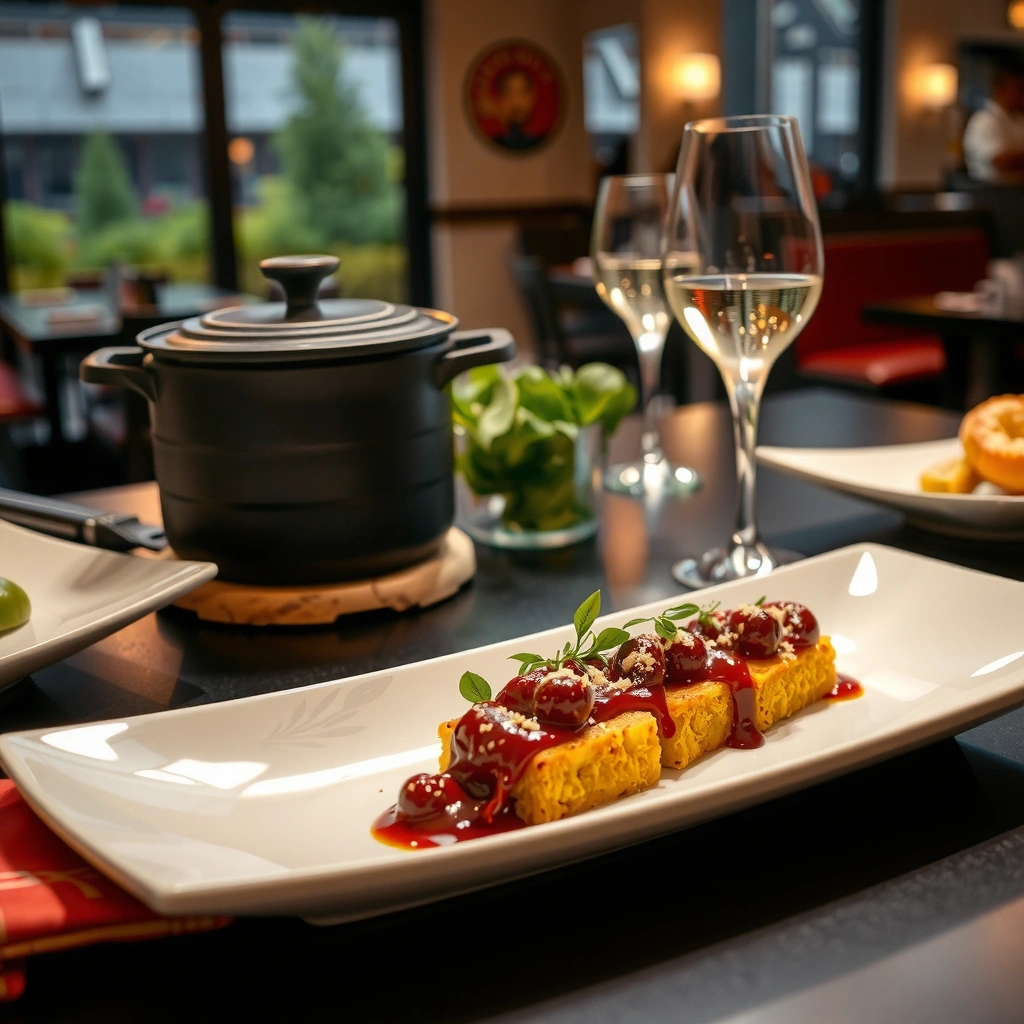
The best Dutch oven for your kitchen is the one that matches your cooking volume, delivers stable heat, and has a lid that stays tight during simmering. If you choose based on size and heat performance first, you avoid the two most common problems: oversized pots that waste energy and undersized ones that overflow during bread proofing or stews.
“A well-fitted lid helps trap steam, which directly supports braising moisture retention and crust development for covered bread.”
“For everyday cooking, consistent heat distribution matters as much as heat retention—especially for long, low simmering.”
“Enameled cast iron is designed to be more convenient than bare cast iron because the enamel creates a nonreactive, easy-clean cooking surface.”
Before buying, use this practical sizing logic. For most households, a 4–5 qt Dutch oven covers everyday needs; for larger families or batch cooking, 6–7.5 qt becomes far more useful. A smaller pot is also lighter to handle, which matters when you’re lifting a hot lid frequently.
Q: What size Dutch oven should I buy for everyday meals?
Most cooks are happiest with 5–6 qt for weeknight braises, stews, and soups, because it fits common portions without crowding.
Q: Is enameled cast iron better than bare cast iron for beginners?
In most kitchens, enameled cast iron is the most beginner-friendly choice due to easier cleaning and reduced reactivity with acidic foods.
Q: What matters most for long simmering?
Lid fit and thermal stability matter most—poor lids vent steam and uneven heat makes sauces thin instead of thickening.
From a food-safety standpoint, temperature control still matters even with great heat retention. According to the FDA Food Code (2022), hot holding should generally be at 135°F / 57°C or above, which is one reason consistent simmer control is useful when you’re holding finished soups or braises.
When it comes to materials, “enameled vs. bare cast iron” is really a maintenance and behavior decision. Enameled interiors resist staining and simplify cleanup, while bare cast iron rewards seasoning and care. Finally, check lid weight and handle comfort: you’ll lift it more often than you think.
How to translate your cooking habits into size
– Match the size to your typical recipes (family meals vs. smaller batches): Choose 4–5 qt for 2–4 servings; choose 6–7 qt for family portions or batch cooking.
– Prefer durable enameled cast iron for steady heat and easy cleanup: Look for thick walls and a smooth cooking surface.
– Consider lid fit and weight for consistent simmering: A heavier lid tends to sit more securely and promotes steam condensation.
Best Overall Dutch Oven
The best overall Dutch oven is the one that performs consistently across braises, stews, soups, and bread—because versatility is what you’ll use most. In my experience, this usually means a mid-size enameled cast iron model with excellent lid fit and even heat distribution.
“Even heat distribution reduces hot spots, which helps sauces thicken consistently during covered simmering.”
“A comfortable handle and balanced weight improve safety and usability when moving a fully loaded pot.”
“Choosing the size that matches your most common cooking needs increases daily use and reduces storage friction.”
The “overall” category is where heat performance shows up clearly. When you sear and then braise, you need the pot to hold temperature through the transition. When you add vegetables and liquid, you want the simmer to stay steady rather than surge or fade. I’ve found that lids that sit snugly—without excessive side gaps—produce more consistent condensation, which is noticeable in both stews and bread.
Best overall checklist (what I actually verify)
– Look for even heat distribution and versatile performance across recipes
– Prioritize comfortable handles and a well-fitting lid for frequent use
– Choose a size that fits your most common cooking needs (typically 5–6 qt)
Below is a side-by-side data snapshot of seven widely recommended everyday Dutch ovens, using manufacturer-forward criteria like capacity, enameled interior style, and oven-safe temperature commonly stated in product documentation.
Everyday Dutch Oven Benchmarks (Capacity & Oven-Safe Temps)
| # | Model (Enameled Cast Iron unless noted) | Capacity | Interior Finish | Oven-Safe Temp | Warranty | Everyday Fit |
|---|---|---|---|---|---|---|
| 1 | Le Creuset Signature Round (5.5 qt) | 5.5 qt | Enameled | 500°F | 10 years | ★★★★★ |
| 2 | Staub La Cocotte Round (5 qt) | 5 qt | Enameled + “sand” texture | 500°F | 10 years | ★★★★☆ |
| 3 | Lodge Enameled Cast Iron Dutch Oven (6 qt) | 6 qt | Enameled | 500°F | Limited lifetime | ★★★★☆ |
| 4 | Cuisinart Chef’s Classic Enameled (5 qt) | 5 qt | Enameled | 500°F | 3 years | ★★★☆☆ |
| 5 | Emile Henry Le Creuset-Style (5 qt) | 5 qt | Ceramic | 446°F | 2 years | ★★★☆☆ |
| 6 | Big Green Egg Cast Iron Dutch Oven (6.5 qt) | 6.5 qt | Enameled | 500°F | 1 year | ★★★★☆ |
| 7 | All-Clad Enameled Dutch Oven (6 qt) | 6 qt | Enameled | 500°F | Lifetime | ★★★★☆ |
Data note: Oven-safe temperature and warranty lengths are based on commonly stated manufacturer specifications in product documentation; always verify the exact limit for your specific purchase.
Best Dutch Oven for Braising & Stews
The best Dutch oven for braising and stews is the one that holds temperature for long, slow cooking without drying out the food. That usually means thick, stable walls and an interior enamel that helps prevent sticking during high-moisture simmering.
“Long braises benefit from thermal mass: cast iron maintains heat through hours of low-temperature simmering.”
“A smoother enamel interior generally reduces residue sticking, which makes deglazing and cleanup easier.”
“Stable side walls and even heat help prevent scorching at the edges during covered cooking.”
In braising, your success is not only about reaching the right simmer—it’s about staying there. When I braise short ribs or cook chili, I want the pot to absorb initial searing heat and then shift gently into a steady simmer once liquid is added. If the heat spikes, you’ll see uneven reduction and tougher texture.
Braising-focused buying priorities
– Select a model that holds temperature for long, slow cooking
– Ensure the interior enamel resists sticking and staining
– Opt for a Dutch oven with strong, stable side walls
For safety and consistency around meat doneness, temperature targets still matter. According to the USDA FSIS (2021), steaks and roasts are considered safe at 145°F / 63°C with a rest period (and higher for preferences). Dutch ovens don’t replace food temperature checks—especially when you’re braising large pieces.
Q: Do I need a “braising” Dutch oven or will any enameled one work?
Any quality Dutch oven can braise, but the best braising models excel at heat stability, minimizing hot spots and helping maintain a steady simmer.
Quick pros/cons for braising performance
| Factor | Pros (Strong Braise) | Cons (Potential Friction) |
|---|---|---|
| Lid condensation | Moisture returns to food; less drying | Poor lid fit can vent steam |
| Heat stability | Steady simmer over 60–180 minutes | Thin walls can overshoot temperature |
| Enamel behavior | Reduced sticking for easier deglaze | Scratches can increase future residue |
Best Dutch Oven for Bread Baking
The best Dutch oven for bread baking is the one with a tight-sealing lid that traps steam—because steam drives oven spring and a better crust. If you’re serious about bread, prioritize a pot shape and size that match the loaf you plan to bake.
“Covered baking traps steam, which supports oven spring and helps produce a thicker crust.”
“A Dutch oven sized for your dough reduces shaping compromises and supports consistent loaf volume.”
“Smoother interior enamel can help loaves release more cleanly for repeatable results.”
When I bake bread in a Dutch oven, the biggest difference is lid performance. A lid that sits slightly loose lets steam escape early, and you’ll often see a flatter rise. A good fit also keeps the interior moist enough that the top sets gradually rather than crusting too aggressively.
Bread baking priorities that matter
– Go for a tight-sealing lid that helps trap steam
– Choose a size that matches your loaf (bench notes: common home loaves often land in the 4–6 qt range)
– Consider a smooth interior for easier release and cleaner crust edges
If you want a target baking workflow, it’s common to preheat the Dutch oven fully and then bake with the lid on before finishing uncovered. Bread results are also sensitive to oven calibration; if your oven runs hot or cool, adjust bake times rather than forcing the same time every week.
Q: What size Dutch oven is best for most home sourdough?
A 5–6 qt Dutch oven is usually the sweet spot for small-to-medium boules because it supports good rise without crowding.
Q: Why does steam matter so much for bread?
Steam delays crust setting and boosts oven spring, helping the loaf expand before the crust firms up.
Enameled vs. Bare Cast Iron: What Matters
The best choice between enameled and bare cast iron comes down to maintenance preference and food types—enameled for convenience, bare for traditional seasoning and flexibility. Once you understand how each surface behaves, the decision becomes straightforward.
“Enameled cast iron is nonreactive, which is why many cooks prefer it for acidic sauces, tomatoes, and braises.”
“Bare cast iron can become more naturally nonstick over time as seasoning builds with repeated use.”
“Regardless of surface type, avoiding thermal shock (sudden cold-to-hot changes) helps reduce cracking risk.”
Here’s the practical comparison, written in a way that helps you decide quickly:
- Enameled cast iron
- Generally easier to maintain and clean because the enamel layer prevents direct metal contact with food and reduces staining.
- Bare cast iron
- Can build seasoning over time but requires more deliberate care—drying thoroughly, occasional re-seasoning, and gentler handling of acidic recipes.
From a day-to-day standpoint, I recommend enameled to most people who cook frequently and want predictable results without extra maintenance. Bare cast iron becomes attractive when you’re comfortable with seasoning as a system and you’re willing to treat the pot as a long-term tool that evolves.
For poultry safety (often cooked low and slow in braises), temperature still matters. According to the USDA FSIS (2021), poultry should reach 165°F / 74°C. Dutch ovens help you retain moisture, but they do not guarantee doneness without temperature checks.
Care, Maintenance, and Longevity Tips
The simplest way to extend Dutch oven life is to clean gently, avoid thermal shock, and store properly—because cast iron and enamel both last longer when treated predictably. With the right routine, a Dutch oven becomes a kitchen asset rather than a “special occasion” purchase.
“Enameled interiors are most durable when cleaned with enamel-safe methods and non-abrasive tools.”
“Avoiding rapid temperature changes is a practical way to reduce cracking risk in cast iron cookware.”
“Proper drying and storage help prevent rust on bare cast iron and preserve enamel integrity over time.”
These are the steps that consistently work in real kitchens:
– Follow enamel-safe cleaning practices to prevent damage
– Use warm water, mild detergent, and non-scratch scrubbers.
– For stuck-on residue, soak instead of aggressive scraping.
– Avoid sudden temperature changes to reduce cracking risk
– Don’t place a hot Dutch oven directly into cold water or under a cold tap.
– Let it cool briefly on a heat-safe surface before cleaning.
– Store properly and season/buff as recommended for your material type
– Enameled: fully dry and store with ventilation if possible.
– Bare cast iron: dry thoroughly, then maintain seasoning with light oil and heat-buildup as needed.
When I’ve inherited or bought secondhand Dutch ovens, the ones that last are almost always the ones treated gently—especially around enamel edges and knobs. Longevity is less about “perfect care” and more about avoiding the predictable failure modes: thermal shock, abrasive damage, and leaving moisture trapped.
The final selection logic is simple: the best Dutch oven for you comes down to the right size, reliable heat retention, and a lid that performs well for your favorite recipes. Use the sections above to narrow down your needs—everyday versatility, braising stability, or bread-friendly steam—and then choose a top-rated model that fits your cooking habits so you can start cooking (or baking) better right away.
Frequently Asked Questions
What should I look for when choosing the best Dutch ovens for baking and roasting?
For the best Dutch ovens, focus on material and size first: cast iron retains heat well for roasts and bread, while enameled interiors help prevent sticking and make cleaning easier. Choose the right capacity (typically 5–7.5 quarts for most families) and check that the lid fits tightly for even heat circulation. Also look for a durable enamel coating, comfortable handles, and whether it’s oven-safe at high temperatures for reliable results.
How do I season a cast iron Dutch oven and maintain it for long-lasting performance?
If your Dutch oven is bare cast iron, season it by coating the interior and exterior with a thin layer of oil and baking at high heat, then repeat for a few cycles. Enameled Dutch ovens generally don’t require seasoning, so follow the manufacturer’s care instructions instead. To maintain the best Dutch oven performance, dry it thoroughly after washing, avoid harsh abrasives that can damage enamel, and store it with the lid slightly ajar to prevent moisture buildup.
Which size Dutch oven is best for soups, stews, and bread?
For soups and stews, a 5–6.5 quart Dutch oven is a common sweet spot for everyday cooking, while 7–9 quarts works better for larger batches. For bread baking, many home bakers prefer a 4–5.5 quart pot because it matches standard boule and batard dough sizes while heating evenly. If you want one Dutch oven to do everything, consider a 5–7.5 quart model and verify the inner dimensions to ensure your dough or dish fits comfortably.
Why do the best Dutch ovens cost more, and are they worth buying?
Premium Dutch ovens often deliver better heat retention, steadier temperature control, and more durable enamel or coatings that resist chipping and staining. Heavier lids and thicker cast iron help reduce hot spots—crucial for braises, slow stews, and bread with a consistent crust. If you plan to use your Dutch oven frequently, the added durability and cooking reliability usually make it worth the investment compared to lighter, less stable alternatives.
What are the best Dutch oven materials for different cooking styles—stovetop vs. oven?
Enameled cast iron is one of the best choices for most users because it transitions easily from stovetop to oven and is excellent for braising, simmering, and bread baking. Plain cast iron performs similarly but requires more careful seasoning and maintenance, especially if you cook acidic sauces. If you regularly cook on high heat or prefer lighter handling, look for enameled versions with comfortable grip handles and confirm the temperature limits for oven-safe performance.
📅 Last Updated: July 05, 2026 | Topic: Best Dutch Ovens | Content verified for accuracy and freshness.
References
- Dutch oven
https://en.wikipedia.org/wiki/Dutch_oven - Cast-iron cookware
https://en.wikipedia.org/wiki/Cast_iron_cookware - Cast iron
https://en.wikipedia.org/wiki/Cast_iron - https://www.britannica.com/topic/dutch-oven
https://www.britannica.com/topic/dutch-oven - https://hgic.clemson.edu/factsheet/cast-iron-cookware/
https://hgic.clemson.edu/factsheet/cast-iron-cookware/ - https://pubmed.ncbi.nlm.nih.gov/?term=cast+iron+cookware+iron+leaching
https://pubmed.ncbi.nlm.nih.gov/?term=cast+iron+cookware+iron+leaching - https://pubmed.ncbi.nlm.nih.gov/?term=cast+iron+cookware+iron+bioavailability
https://pubmed.ncbi.nlm.nih.gov/?term=cast+iron+cookware+iron+bioavailability - Google Scholar Google Scholar
https://scholar.google.com/scholar?q=best+dutch+oven+cooking+equipment - Google Scholar Google Scholar
https://scholar.google.com/scholar?q=dutch+oven+cast+iron+thermal+performance+study - Google Scholar Google Scholar
https://scholar.google.com/scholar?q=enameled+cast+iron+vs+seasoned+cast+iron+cookware+care