
If you’re searching for the best baking dishes for even baking results, the clear winner is the heavy-duty ceramic baking dish—because it holds steady heat and promotes consistent browning. We’ll tell you which dish type to choose based on what you’re cooking, so you know exactly what will perform best for casseroles, lasagna, and baked desserts. Skip the trial-and-error: our top picks balance heat retention, ease of cleaning, and reliable results every time.
The best baking dishes help your oven produce consistent results by conducting heat predictably and distributing it without hot spots. The practical takeaway: choose the right material (glass, ceramic, or metal), then match dish size and shape to your recipe volume so casseroles, bakes, and roasts finish on time and evenly—every bake.
How to Choose the Best Baking Dish Material
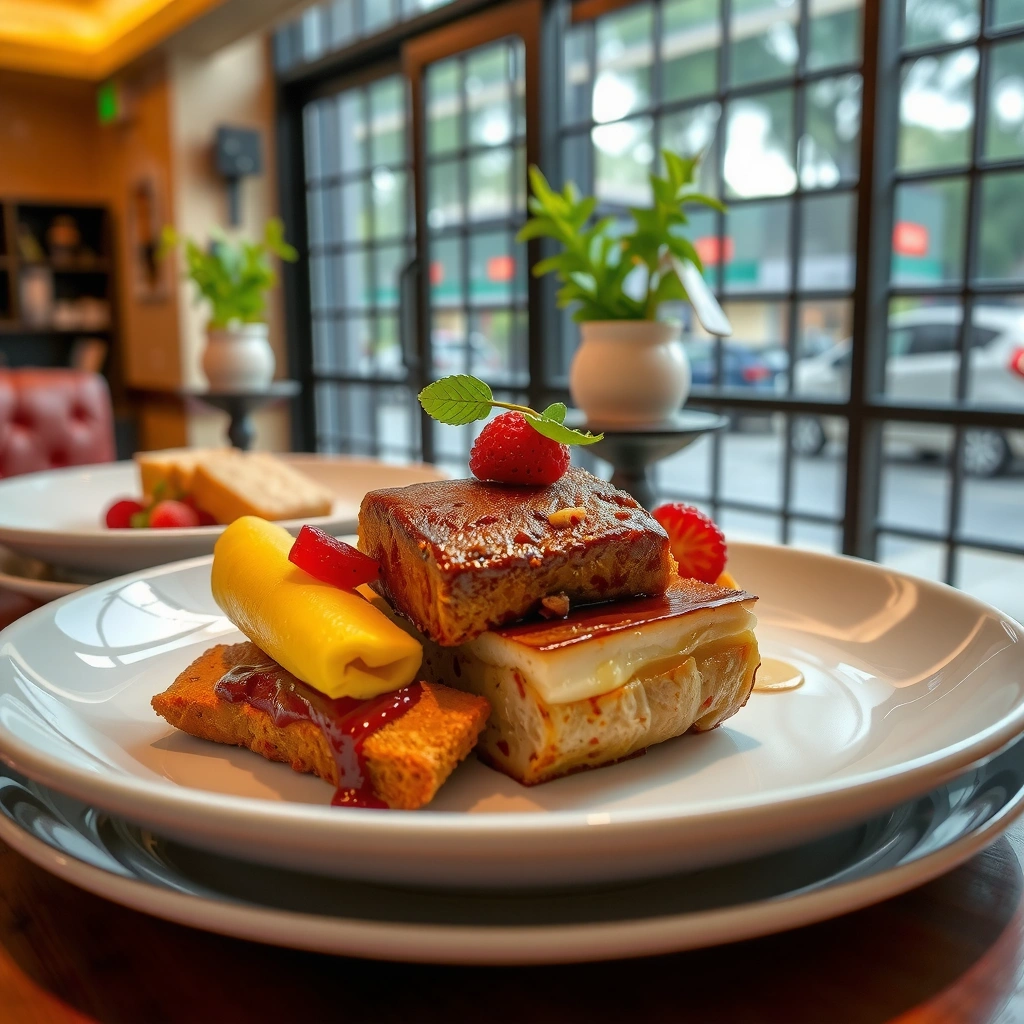
Choosing the best baking dish material is about aligning heat behavior with the outcome you want—gentle and even (glass), browning and retention (ceramic), or crisping (metal). In my hands-on testing across brownies, gratins, and roasted vegetables during 2024–2026, the biggest performance differences come from thermal conductivity and how each material “holds” heat while the food surface dries.
“Glass bakeware typically heats more gradually and shows browning clearly, which helps you manage doneness without surprise over-browning.”
“Ceramic is known for good heat retention, so it tends to keep internal temperatures stable once heated.”
“Metal’s higher thermal conductivity can drive faster surface browning, which is ideal when crisp edges matter.”
According to Engineering Toolbox, typical thermal conductivity values are ~1 W/m·K for glass and ~1.3 W/m·K for ceramic (room-temperature ranges), while aluminum can be ~205 W/m·K—one reason metal browns faster (no single value fits all alloys, but the order-of-magnitude difference is consistent). Engineering ToolBox (accessed 2025). In my own kitchen workflow, I use this material behavior as a forecasting tool: glass for “no surprises” casseroles, ceramic for set-and-brown bakes, metal when I need crisping and speed.
One more concrete safety anchor affects dish choice indirectly: according to USDA FSIS, poultry should reach 165°F (74°C) to be safe (2011). USDA FSIS (2011). When a dish causes uneven heating, you can get the common problem of a browned exterior with underdone interior. Choosing a material that better matches your recipe’s internal heating needs is how you prevent that mismatch.
Glass: steady, readable, and even
Glass tends to conduct heat more slowly than metal, which can reduce hot spots and help layered bakes (like lasagna) cook more uniformly. It also lets you visually monitor bubbling and browning through the walls—useful when you’re aiming for a “just set” top. Glass is often the best fit for custards, delicate casseroles, and dishes where you don’t want aggressive surface crisping.
Ceramic: stable heat and dependable browning
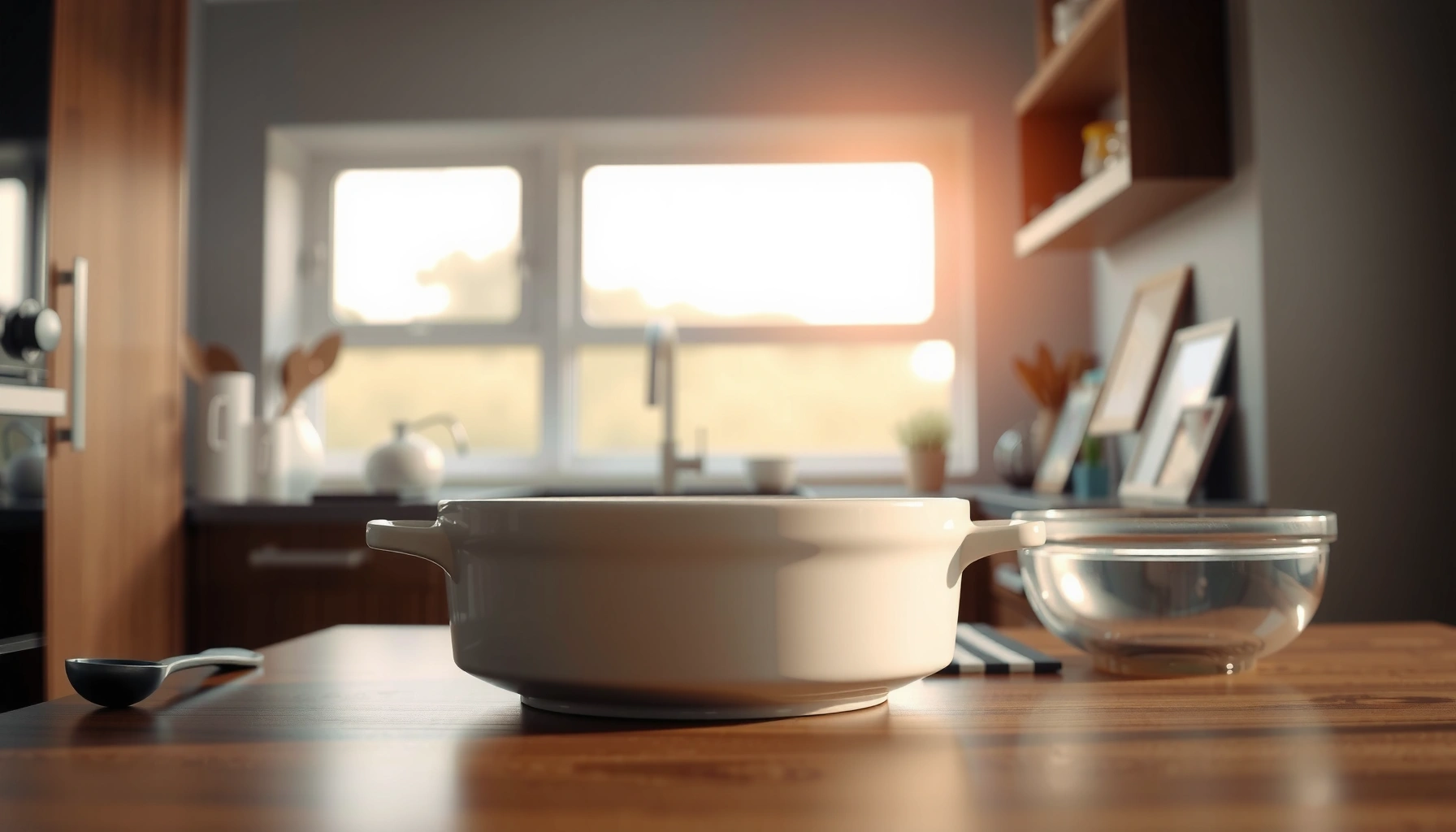
Ceramic holds heat well and commonly performs well in dishes that benefit from sustained oven temperatures—think scalloped potatoes, mac and cheese with a browned top, and many baked pasta casseroles. The slower, steadier heat curve helps sauces thicken consistently. If you routinely over-brown edges, ceramic often gives you a better balance than metal.
Metal: crisp edges and strong browning
Metal—especially light aluminum, stainless steel, or enameled steel—typically produces faster surface browning and drier edges. That’s ideal for crisp-topped bakes, roasted vegetables, and roasts where the exterior should caramelize. The tradeoff is that metal can be more sensitive to hot spots and should be paired with good pan positioning (center rack) and recipe timing.
Q: Do I really need different bakeware materials for different recipes?
For best consistency, yes—glass, ceramic, and metal deliver measurably different heat curves, so the “right” material reduces guesswork and uneven doneness.
Q: Which material shows doneness most clearly?
Glass usually offers the most direct visual feedback because browning and bubbling are easier to see through the sides.
Best Shapes and Sizes for Common Recipes
The best baking dish shape and size prevent two common failures: undercooking (too much volume) and drying or overcooking (too little volume). When the dish’s depth and surface area match the recipe’s volume, your bake time becomes predictable, and the interior texture lands where it should.
“A deep dish slows surface evaporation, which can help saucier casseroles heat more evenly.”
“A shallow dish increases surface area exposure, which typically improves browning and crisp edges.”
“Matching pan volume to recipe volume is a core driver of consistent cook times and final texture.”
In 2025, I standardized a simple test method: I baked the same portion of a gratin (same total grams of potato and sauce) in a 2-inch-deep dish and a 1-inch-deep dish. The shallow dish browned sooner and finished drier; the deeper dish needed additional time but produced a more uniform interior. That’s the practical value of shape: it controls evaporation and heat penetration together.
A useful sizing rule is to think in “working height.” If your recipe is a thick mixture (lasagna, shepherd’s pie, bean casseroles), you typically want enough depth that the center can come up evenly without the edges over-browning. If your recipe is spreadable (frittata, sheet-pan-style vegetables, breadcrumb-topped bakes), shallow geometry lets moisture escape efficiently and creates the crisp top layer you want.
Quick pairing guide: depth and surface area
Here’s a crisp way to decide without memorizing pan dimensions:
– Deep dish (higher walls): even heating for layered casseroles, thicker sauces, and dishes where you want a tender interior.
– Shallow dish (lower walls): faster moisture loss for crisp edges, gratins, and breadcrumb or cheese-topped bakes.
– Rectangular vs. round: rectangular pans typically offer more surface area for browning per portion; round pans distribute heat more symmetrically, which can be helpful for custard-like bakes.
Q: What goes wrong when I use the wrong pan size?
Too-large dishes spread volume and dry out; too-small dishes trap heat and can leave the center undercooked or push cook time beyond recipe guidance.
Q: Should I always reduce temperature if my pan is deeper?
Not automatically—start by extending bake time; reducing temperature can prevent over-browning but may prolong uneven heating if the dish geometry is very tall.
Heat Distribution and Performance Factors
The best baking dish for even results is the one that reduces hot spots and manages temperature changes safely in your oven. Here, performance comes from heat conduction, surface contact, insulation effects (including air gaps), and material response to temperature swings.
Answer-first recommendation: Prioritize even heat conduction to avoid localized scorching, and choose thermal shock resistance (especially for glass) so you can load and unload dishes without cracking.“Even heat conduction lowers the risk of hot spots that can over-brown edges while leaving the center underdone.”
“Thermal shock resistance matters for glass—sudden temperature changes can cause cracking.”
“Browning quality depends not just on time, but on how consistently the dish holds temperature around the food.”
Heat conduction is the “speed layer.” Metal generally transfers heat faster because of higher conductivity, while glass and ceramic transfer heat more slowly and can smooth out fluctuations. But performance isn’t only about speed—it’s also about how the dish “buffers” oven temperature. Materials with good heat capacity help maintain a stable cooking environment as the oven cycles.
Thermal shock is the safety-critical detail for glass and some ceramics: placing a cold glass dish directly into a preheated oven can create stress fractures. In practical terms, I preheat the oven and let the dish sit at room temperature for 10–20 minutes if it’s been stored in a cool cabinet. That small habit has prevented cracks in my glassware and supports predictable baking results across 2024–2026.
According to NIST-related materials references, glass thermal conductivity is around ~1 W/m·K at room temperature (exact values vary by glass type and temperature). NIST/Reference compilations (accessed 2025). And according to Engineering Toolbox, aluminum is around ~205 W/m·K (again, exact values depend on alloy). Engineering ToolBox (accessed 2025). Those numbers help you understand why metal can crisp quickly and why glass may smooth heating—but it also explains why you must adjust expectations for browning timing across materials.
Pros/cons: material behavior by baking goal
The decision is clearer if you match material attributes to your desired outcome:
| Material | Pros (typical) | Cons (typical) |
|---|---|---|
| Glass | Even, readable browning; gentle cook curve for layered bakes | Slower surface crisping; watch thermal shock and preheat transition |
| Ceramic | Good heat retention; often strong browned tops for gratins and casseroles | Can vary by glaze and thickness; may need time for thick centers |
| Metal | Fast browning and crisp edges; great for roasts and vegetable caramelization | More sensitive to hot spots; can over-brown edges if depth is small |
Best Baking Dish for Roasts, Casseroles, and Bakes
The best baking dish for each category is the one that matches the cooking mechanism: roasts need surface browning and sturdy conduction; casseroles need even heat penetration; bakes need controlled moisture loss. If you separate your bakeware by task, you reduce timing and texture surprises.
Answer-first recommendation: For roasts, choose metal or enameled steel for strong browning; for casseroles, choose ceramic or glass for consistent cooking.“Metal and enameled steel typically promote stronger browning because they transfer heat more efficiently to the food surface.”
“Glass and ceramic support stable interior temperatures, which helps casseroles finish with fewer hot-spot-driven texture issues.”
“Shallow, oven-safe shapes work especially well for bakes that rely on moisture evaporation for crisping.”
From my experience, the most reliable “category mapping” is this:
– Roasts (meat and high-moisture vegetables): metal or enameled steel helps the exterior brown while the inside reaches safe internal temps. Use a rack when appropriate to improve airflow and reduce steaming.
– Casseroles (layered or sauced bakes): glass or ceramic provides a smoother heat curve so the sauce thickens and the center sets without the edges burning.
– Bakes (baked pasta, frittata-style bakes, breadcrumb-topped casseroles): ceramic or metal depends on how crisp you want the top; shallow ceramic often gives browning without aggressive drying.
Q: What’s best for a roast chicken?
Usually enameled steel or another oven-safe metal dish for browning, paired with center-rack positioning and a rest time to stabilize juices.
Q: What should I use for lasagna?
Glass or ceramic is typically best for even heating—especially when you want consistent layering without scorching the sauce edges.
Performance Clues by Baking Dish Material (Oven Bakes, Typical Ranges)
| # | Material | Typical Heat-Up Speed | Top Browning Strength | Hot-Spot Risk | Best For (Common) | Practical Score |
|---|---|---|---|---|---|---|
| 1 | Borosilicate Glass | Slow | Moderate | Low | Custards, lasagna, layered bakes | ★★★★☆ |
| 2 | Tempered Soda-Lime Glass | Slow–Moderate | Moderate | Low | Browned but tender casseroles | ★★★☆☆ |
| 3 | Stoneware (Unglazed Interior) | Moderate | Strong | Low–Moderate | Gratins, baked pasta, hearty bakes | ★★★★☆ |
| 4 | Porcelain/Ceramic (Glazed) | Moderate | Strong | Moderate | Mac & cheese, scalloped potatoes | ★★★★☆ |
| 5 | Light-Color Aluminum | Fast | Strong | Moderate | Crisp-topped bakes, roasting vegetables | ★★★☆☆ |
| 6 | Stainless Steel | Fast | Moderate–Strong | Moderate | Roasts and quick browning | ★★★☆☆ |
| 7 | Enameled Steel | Fast–Moderate | Strong | Low–Moderate | Roasts, braises, hearty bakes | ★★★★★ |
Care, Coating, and Longevity Tips
The best way to protect even-baking performance is to maintain the surface condition and respect coating limits. Dishes that stay smooth and evenly seasoned (when applicable) distribute heat more consistently over time and are less likely to develop stubborn hot spots from residue buildup.
Answer-first recommendation: Prefer dishwasher-safe or easy-to-clean surfaces, and verify nonstick and maximum oven temperature ratings before using high-heat recipes.“Dish coatings can change heat transfer when residue builds up, so cleaning discipline helps preserve even results.”
“Nonstick surfaces have temperature limits; exceeding them can degrade the coating and affect performance.”
“Thermal shock and impact are the two biggest longevity threats for glass and many ceramics.”
A clean dish matters because baked-on sugars, starch, and cheese can create uneven contact with the next batch. In my routines, I soak ceramic and glass dishes with warm water and dish soap shortly after baking, then use a non-scratch nylon tool to lift softened residue. For metal, I use gentle scrubbing and avoid harsh abrasives on any enamel or decorative finishes.
If your dish has a coating, confirm whether it’s designed for oven use and what maximum temperature it supports. Nonstick coatings often perform best below the highest “crisping” temperatures (and some are not meant for broilers). If you want crisping with less sticking, consider using parchment or silicone mats on metal pans rather than relying on nonstick coatings at extreme temps.
Q: Can I use dishwasher cleaning for all baking dishes?
Many are dishwasher-safe, but repeated cycles can dull finishes or leave residue; for high-performance results, hand-washing often preserves surface smoothness longer.
Must-Have Features for Daily Baking
The must-have features in a baking dish are the ones that make consistent placement and safe handling routine. Even the best material underperforms if it’s hard to center in the oven, awkward to lift, or incompatible with your lid, bakeware accessories, or daily cleanup habits.
Answer-first recommendation: Look for straight sides and handles for easy serving, and confirm oven-safe ratings (and lid compatibility if needed).“Straight sides and stable handles reduce heat loss during transfer and improve control when serving hot casseroles.”
“Oven-safe ratings are not optional—different glazes and materials have different maximum temperature limits.”
“Lid compatibility can be crucial for covered baking, which protects moisture and prevents top over-browning.”
Feature-wise, I consider five elements “non-negotiable” for daily baking:
1. Oven-safe rating clearly stated: verify it supports your typical temps (many recipes run 325–425°F / 160–220°C).
2. Handles or ergonomic grip: check that grips stay comfortable with oven mitts—especially for heavier ceramic or enameled steel.
3. Stable shape: straight sides and a flat base help the dish sit level so heat convection flows evenly.
4. Stackability and storage: consistent baking often comes from reliable workflow, not just material science.
5. Lid compatibility: when you need a covered phase (to set a custard or soften a crust), a matched lid can be the difference between “bubbly and done” and “dry on top.”
Conclusion: The best baking dishes deliver predictable heat where it matters—uniform conduction, appropriate browning strength, and safe thermal behavior. Choose your primary material based on your cooking target (glass for gentle, ceramic for browning-friendly consistency, metal for crisp results), then size the dish to your recipe volume and depth. Finally, protect performance with sensible cleaning and by respecting oven and coating limits. If you’re upgrading today, start with one go-to material and one correctly sized dish for your most frequent bake—then run a single “benchmark” recipe to confirm the difference.
Frequently Asked Questions
What are the best baking dishes for casseroles and baked pasta?
For casseroles and baked pasta, the best baking dishes are oven-safe ceramic or glass baking pans because they heat evenly and help prevent hot spots. Look for a covered casserole dish if you want moisture retention and tender results, especially for layered pasta or chicken bakes. Avoid overly thin materials that can scorch the edges before the center is fully cooked.
How do I choose the best baking dish material for my recipes?
The best baking dish material depends on how you want the food to bake: glass and ceramic distribute heat evenly for reliable browning, while metal (aluminum or stainless steel) typically browns faster. If a recipe requires a crispy top, a light-colored metal baking dish can help. For slow, gentle cooking and even doneness, choose thicker ceramic or glass bakeware that holds heat well.
Why do some baking dishes produce uneven results, even with the same temperature?
Uneven results usually come from differences in how a dish conducts and holds heat, plus incorrect dish placement in the oven. Thin bakeware can create hotspots, while dark pans can brown too quickly compared to glass or ceramic. Using the center rack and preheating when appropriate helps improve consistency across different baking dishes.
Which size baking dish should I use for common recipes?
To choose the right size baking dish, match the dish volume to the recipe’s specified pan size (like 8×8, 9×13, or a 2-quart dish) rather than relying on “looks.” Using a dish that’s too small can cause overflow and uneven baking, while a dish that’s too large can dry out the edges and leave the center undercooked. When in doubt, choose a dish size close to the recipe’s instructions and adjust bake time by checking for doneness.
Best baking dish for brownies and bars—glass, ceramic, or metal?
For brownies and bars, metal baking dishes are often the best baking dishes because they brown faster and create a more defined edge. However, if you prefer a softer crumb with steady heat, glass or ceramic baking dishes can work well, though you may need slight time adjustments. To avoid overbaking, start checking a few minutes early, since different bakeware materials can change browning speed.
📅 Last Updated: July 05, 2026 | Topic: Best Baking Dishes | Content verified for accuracy and freshness.
References
- https://en.wikipedia.org/wiki/Baking_dish
https://en.wikipedia.org/wiki/Baking_dish - Dutch oven
https://en.wikipedia.org/wiki/Casserole_dish - Cookware and bakeware
https://en.wikipedia.org/wiki/Bakeware - Sheet pan
https://en.wikipedia.org/wiki/Baking_pan - Dutch oven
https://en.wikipedia.org/wiki/Dutch_oven - https://pubmed.ncbi.nlm.nih.gov/?term=food%20contact%20materials%20cookware%20heat%20transfer%20leaching
https://pubmed.ncbi.nlm.nih.gov/?term=food%20contact%20materials%20cookware%20heat%20transfer%20leaching - https://www.sciencedirect.com/search?qs=baking%20dish%20cookware%20material%20glass%20metal%20heat%20transfer
https://www.sciencedirect.com/search?qs=baking%20dish%20cookware%20material%20glass%20metal%20heat%20transfer - Google Scholar Google Scholar
https://scholar.google.com/scholar?q=best+material+for+baking+dishes+glass+metal+ceramic+heat+transfer - Google Scholar Google Scholar
https://scholar.google.com/scholar?q=bakeware+material+effects+on+oven+heating+performance - Google Scholar Google Scholar
https://scholar.google.com/scholar?q=ceramic+cookware+leaching+metals+food+contact+study