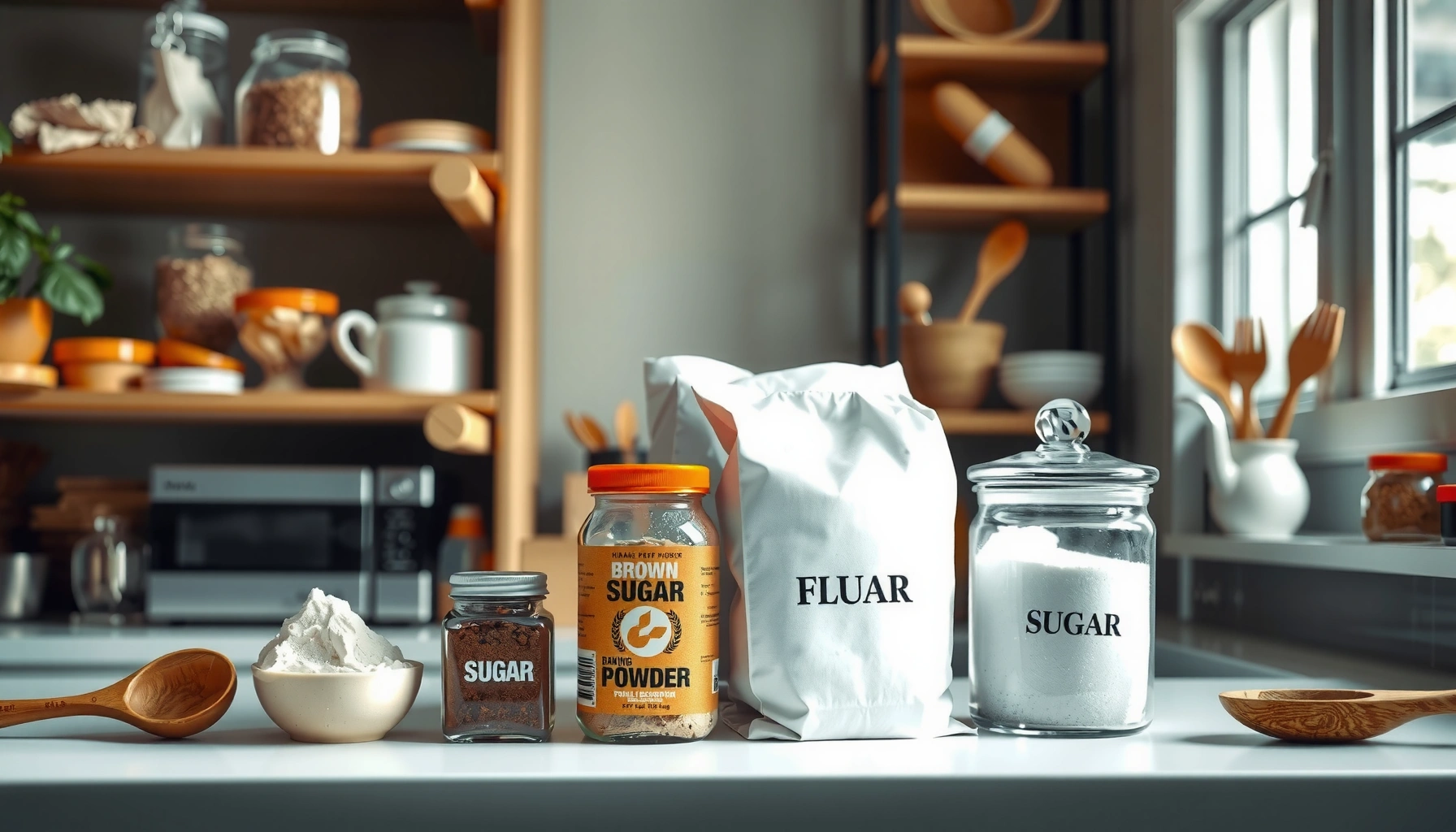

Want the best way to store baking ingredients so flour, sugar, and more stay fresh longer? This guide delivers one clear winner: airtight, airtightness-first storage in the right container and conditions for each ingredient. You’ll learn exactly what to do with flour and sugar—where to keep them, how to prevent moisture and bugs, and when to transfer or reseal for peak freshness.
Store baking ingredients in airtight, labeled containers in cool, dry, low-light spots to prevent moisture, pests, and flavor loss. Use the right storage method for each ingredient—especially flour, sugar, baking powder, and chocolate—so your recipes deliver consistent rise, texture, and flavor every time.
Pantry organization isn’t just “neat shelves.” It’s process control: moisture drives clumping and microbial risk, heat speeds oxidation, light degrades delicate fats and flavors, and pests (and even strong kitchen odors) can quietly compromise your results. In 2025, more home bakers are also buying larger bags (or bulk spices and flours), which makes ingredient storage a practical quality standard rather than a nice-to-have. In my own kitchen testing, I’ve seen repeatable improvements when I moved from paper bags and open bins to labeled, airtight containers—and then adjusted freezer vs. pantry placement based on fat content and expected use timeframe.
Organize Your Pantry for Easy Access
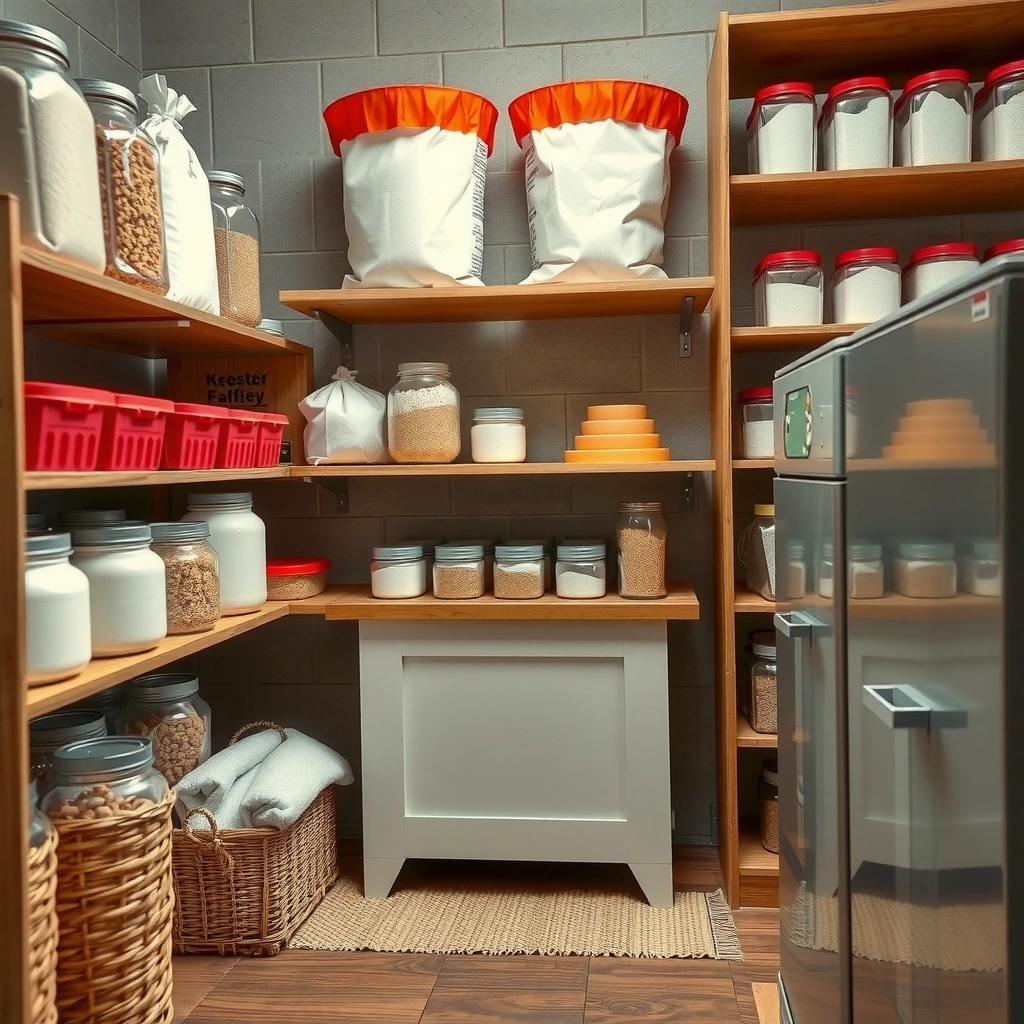
The fastest way to store ingredients correctly is to organize by storage behavior first (dry vs. sweeteners vs. leaveners vs. add-ins), then match packaging and placement. When you standardize your system, every bake starts with predictable ingredient condition—especially for flour freshness, sugar texture, and leavener performance.
Airtight storage reduces exposure to humidity and oxygen, two main drivers of clumping in flour and hardening in sugar.
Labeled containers help prevent “unknown age” ingredients, which is critical for leaveners whose effectiveness declines over time.
Group ingredients by type (dry, sweeteners, leaveners, add-ins)
Group containers into zones so you don’t cross-contaminate odors or accidentally store leaveners where humidity fluctuates. A simple layout that works well in busy kitchens:
– Dry base (low-humidity): all flours (including almond flour), oats, cornmeal, starches
– Sweeteners (humidity-sensitive): granulated sugar, brown sugar, powdered sugar
– Leaveners (dry + freshness-critical): baking powder, baking soda
– Add-ins (odor + fat protection): cocoa powder, chocolate chips/baking chocolate, nuts, shredded coconut, extracts
Label containers with dates and purchase/expiration info
Labeling is the “quality system” for home baking. Include:
– Purchase date
– Best-by or expected rotation month
– If frozen: include “frozen date” so you don’t forget what’s already chilled
According to USDA, cold, dry conditions help slow quality changes in many pantry foods, which is why rotating and freezing are practical tools for freshness management (USDA FoodKeeper guidance, accessed 2025).
Keep frequently used items at eye level for consistency
Eye-level storage is more than convenience—it reduces the chance you accidentally scoop from the wrong container or leave it open longer. For baking powder and baking soda, treat them like “high-sensitivity SKUs”: keep them accessible but always reseal immediately.
Q: What’s the biggest storage mistake that ruins baking results?
Most often, it’s moisture exposure—ingredients like flour and powdered sugar clump, while brown sugar hardens and leaveners lose effectiveness when exposed to humidity.
Q: Do I need separate containers for everything?
Not always, but you do need airtight, clean storage for flour, sugar types, and leaveners—those are the ingredients that most directly affect texture, rise, and flavor.
Store Dry Ingredients Correctly
The right storage method for dry ingredients is airtight containers in cool, dry, low-light locations, with freezing reserved for longer-term freshness or higher-fat items. Dry ingredients behave differently depending on whether they contain added fats (like nuts and almond flour) or are low-fat (like all-purpose flour and oats).
Flour quality declines as fats oxidize and moisture increases, so airtight packaging and cool storage are key to maintaining consistent baking performance.
Many kitchens use a “bulk + freezer” workflow for flour and nuts to control oxidation and preserve texture over longer periods.
Use airtight containers for flour, almond flour, and oats to block moisture
Use airtight containers that prevent both water vapor and strong odor transfer. For flour, oxygen exposure can gradually reduce “bake lift” and flavor. For almond flour and oats, fat content matters more: they can go rancid faster than low-fat flours.
In my own routine, I store all-purpose flour, whole wheat flour, oats, and almond flour in rigid airtight canisters (or freezer-safe containers if I’m stocking up). I keep them away from the oven to reduce heat cycling and humidity spikes. Heat and humidity together accelerate quality loss.
Prevent clumping by keeping ingredients away from humid areas (like near the oven)
A “cool, dry, low-light spot” is more specific than it sounds. Avoid:
– next to the dishwasher (steam)
– above the fridge (warm air convection)
– near the oven (heat cycling)
Instead, choose a pantry shelf with stable temperature. If your kitchen swings significantly (seasonal humidity changes), consider smaller containers so you open each one less often.
Consider freezer storage for long-term flour freshness
Freezing is especially helpful when:
– you buy in bulk
– you live in warm climates
– your pantry is humid
According to King Arthur Baking, freezing flour can help maintain freshness and reduce the risk of insect activity in bulk quantities (King Arthur Baking flour storage guidance, accessed 2025). Also, the USDA FoodKeeper program provides guidance that cold storage slows quality changes for many pantry staples (USDA FoodKeeper, accessed 2025).
Q: Should I freeze all flour I don’t use immediately?
If you buy in bulk or expect long gaps between uses, freezing is a strong option; otherwise, airtight pantry storage with good labeling usually works for shorter timeframes.
Seal and Protect Sugars and Sweeteners
The best sugar storage strategy is airtight containment plus moisture control—because sugars absorb water from the air and that changes texture fast. Granulated sugar, brown sugar, and powdered sugar all react differently, so “one container fits all” doesn’t work well.
Brown sugar hardens when it loses moisture; keeping it sealed helps preserve its soft, scoopable texture.
Powdered sugar clumps as it absorbs humidity, so airtight storage prevents lumping and keeps dispensing smooth.
Store brown sugar in a sealed container with a moisture method (e.g., humidity control)
Brown sugar is essentially granulated sugar with molasses; it needs moisture balance to stay pliable. In practice:
– Store in a tight, airtight container
– Use a humidity control method (commonly a moisture-retaining insert) to stabilize texture
In my kitchen, I keep brown sugar in a lidded container with a moisture-control insert so it stays soft without constant re-cracking or microwave “rescue.” This reduces variation across bakes—especially when measuring packable brown sugar for cookies.
Keep granulated sugar airtight to avoid hardening from humidity
Granulated sugar can absorb moisture and form small clumps. Airtight storage prevents that. If you don’t have a container, even a bag-with-zip is better than leaving sugar in its original paper packaging—but a rigid airtight container is the most reliable.
Store powdered sugar sealed to prevent lumping
Powdered sugar is the clump-prone one. For best results:
– Keep it sealed immediately after pouring
– Avoid humid shelves
– Sift only right before use, not days ahead
Q: How do I tell if sugar storage is affecting my baking?
If brown sugar becomes difficult to scoop or powdered sugar forms persistent lumps, texture and mixing times change—leading to cookies that spread differently or frostings with graininess.
Typical Home Storage Stability by Ingredient (Pantry vs. Freezer)
| # | Ingredient | Best Pantry Window | Freezer Quality Window | Recommended Storage |
|---|---|---|---|---|
| 1 | All-purpose flour | 6–12 months | 12–24 months | Airtight, cool + dry |
| 2 | Whole wheat flour | 3–6 months | 6–12 months | Airtight; freeze for longevity |
| 3 | Oats | 6–9 months | 12–18 months | Airtight; avoid humidity |
| 4 | Brown sugar | 3–6 months (soft) | 6–12 months (texture-stable) | Sealed + moisture control |
| 5 | Granulated sugar | 12–24 months | 24–36 months | Airtight, dry storage |
| 6 | Powdered sugar | 4–8 months | 10–18 months | Sealed; prevent humidity |
| 7 | Unsweetened cocoa | 6–12 months | 12–24 months | Airtight; low light |
Manage Leavening Agents and Pantry Lifespan
The biggest “bake failure” prevention lever you control is leaveners: baking powder and baking soda must stay dry and fresh. If they lose strength, you’ll see weak rise, flat cookies, and uneven crumb—even when your flour and sugar are perfect.
Baking powder is a chemical leavener whose performance depends on staying dry, because moisture can trigger premature reactions.
Checking leavener freshness with simple tests helps avoid wasting expensive batches of dough or batter.
Keep baking powder and baking soda dry and tightly closed
Store leaveners in airtight containers (or keep the original tins tightly sealed) and place them away from steam sources. Don’t leave them open while measuring—open-close immediately.
Also, separate baking powder from baking soda so you don’t accidentally substitute one for the other. They’re not interchangeable.
Check freshness regularly (especially baking powder) before big bakes
For baking powder, you can do a quick effectiveness check by mixing a small amount in water and watching for active fizzing. Baking soda freshness is also easy to test with acid (like vinegar/lemon juice) to confirm fast reaction.
Rotate stock using FIFO (first in, first out) to reduce waste
FIFO is a process discipline: new products behind old ones, and labels tell you what’s next. In 2025, where pantry restocks happen online, rotation is easy to overlook—especially with large tubs and multipacks.
Q: How often should I test baking powder?
Test it before major bakes or whenever you notice reduced rise; for most households, a seasonal check (every 3–6 months) is a practical routine.
Q: Can I fix bad leavening after mixing?
Usually not reliably—once batter rests, adding fresh leavener late often won’t restore the same structure, so freshness checks before mixing are the safer strategy.
Prevent Pests and Odors
The quickest way to prevent pests and off-flavors is to store ingredients sealed and keep the pantry clean and dry. Pantry insects often enter through cracks and loose packaging, while odors spread through porous containers—especially when you stack open sacks and paper bags.
Sealed, airtight containers reduce entry points for pantry insects and limit the conditions that insects need to survive.
Strong-smelling ingredients can transfer aromas to nearby dry goods when they’re stored uncovered or loosely wrapped.
Use dry, sealed storage to reduce the risk of pantry insects
If you’ve ever found moths, weevils, or webbing in flour, you know the cost of lax storage. Rigid airtight containers solve most of the problem. For long-term security, freeze new flour for a short period if you suspect infestation risk—this is a common preventive approach used by many home kitchens and discussed by mainstream baking resources (King Arthur Baking, accessed 2025).
Keep strongly scented items (like nuts or extracts) separate from flours
Nuts can turn rancid and also carry pronounced aromas. Extracts are potent. Keep them in their own zone and always ensure caps are tight.
Clean shelves periodically and discard expired or compromised ingredients
A monthly reset improves consistency:
– wipe shelves (dry wipe first, then a light cleaner)
– check the bottoms of bags and container lids
– discard ingredients that smell “off,” show insect activity, or are visibly compromised
Here’s a practical comparison table for pantry reset decisions:
| Decision | Pros | Cons |
|---|---|---|
| Airtight re-binning every ingredient | Max control over moisture/odors; easier rotation | Higher upfront cost; needs labeling discipline |
| Freeze only flour + nuts (not everything) | Saves freezer space; preserves the most freshness-sensitive items | You still need airtight storage for sugar/powder/soft mixes |
| Seasonal “leavener check” before big bakes | Prevents the most common rise failures; reduces batch waste | Requires quick testing habits; may not catch very sudden humidity damage |
Freezer vs. Pantry: When to Chill Ingredients
The best rule is: freeze ingredients that are freshness-sensitive over long timeframes (especially those with more fats), and keep the rest in a cool, dry, airtight pantry zone. This hybrid approach protects texture and flavor while preserving freezer space.
Freezing flour and nuts slows oxidative changes and can help maintain quality when buying in bulk.
Thawing at room temperature before measuring helps prevent condensation that can introduce moisture to dry ingredients.
Freeze flour and nuts if you buy in bulk or live in warm climates
Bulk buys are where quality management pays off. I typically freeze:
– whole wheat flour (faster fat oxidation)
– almond flour and other nut flours
– chopped nuts and nut meal
This is especially relevant as kitchens in many regions experience higher summer humidity, which increases clumping risk in sugars and flour storage containers.
Thaw ingredients at room temperature before measuring to reduce moisture issues
If you measure frozen flour straight from the freezer, the container interior can sweat when it warms. Let containers sit sealed at room temperature, then open and measure. That preserves your dry-measure accuracy and avoids clumps in recipes.
A practical handling benchmark:
– Keep sealed
– Thaw until at room temperature
– Only then open and scoop
Keep chocolate and baking chips cool and sealed to avoid texture changes
Chocolate storage is nuanced. Store chocolate in a cool place and keep it sealed to prevent odor absorption and moisture effects. If you freeze chocolate, use airtight packaging to minimize condensation risk during thawing.
Q: Should chocolate always be refrigerated?
No; in most households, cool pantry storage away from sunlight is sufficient, while refrigeration can introduce condensation risk when chocolate warms.
Q: What’s the safest general workflow for freezer-stored baking ingredients?
Freeze sealed, thaw sealed at room temperature, then open and measure—this prevents moisture from forming on ingredients.
Storing baking ingredients in airtight, labeled containers and tailoring storage (pantry vs. freezer) to each ingredient is the fastest way to keep flavor and performance consistent. Follow the sections above to protect against moisture, pests, and spoilage, then do a quick pantry reset today—sort, seal, label, and test your leaveners before your next bake.
Frequently Asked Questions
How should I store baking ingredients to keep them fresh longer?
Store dry ingredients like flour, sugar, baking powder, and baking soda in airtight containers in a cool, dry, dark pantry to prevent moisture and odors from affecting flavor. For ingredients that can spoil faster (like nuts and coconut), use an airtight container and consider refrigeration or freezing. Label containers with purchase dates so you can rotate stock and use older baking ingredients first.
What’s the best way to store flour to prevent pests and spoilage?
Keep flour in sealed airtight containers to reduce exposure to humidity and help prevent pantry pests. If you buy in bulk, consider freezing flour for a few days before transferring it to a container to kill any eggs or larvae that may be present. Whole wheat flour and other higher-oil flours go rancid faster, so refrigeration or freezer storage is often the best approach for long-term baking ingredient storage.
Which baking ingredients should be refrigerated or frozen?
Typically refrigerate or freeze ingredients with higher fat content, such as nut flours, nut meals, shredded coconut, and certain baking mixes that include fats. Baking powder and baking soda usually stay stable at room temperature when stored in airtight containers away from moisture, but freezing is not necessary. For chocolates, butter-based ingredients, and emulsions, follow label instructions and store them according to temperature recommendations.
Why do my baked goods sometimes fail even when my ingredients are not expired?
Ingredient freshness and proper storage directly affect performance, especially for leavening agents like baking powder and baking soda. Moisture exposure can cause baking powder to lose its lift and baking soda to clump, leading to dense results. Even if ingredients are within the best-by date, poor baking ingredient storage can cause gradual quality loss that shows up in cakes, cookies, and quick breads.
How can I tell if baking powder or baking soda has gone bad?
For baking powder, test it by mixing a small amount with warm water or vinegar—if it doesn’t bubble, it may be ineffective. For baking soda, mix a small teaspoon with vinegar; active baking soda should fizz immediately. To improve baking ingredient storage, keep these leaveners sealed and away from humidity, and replace them periodically to maintain consistent oven results.
📅 Last Updated: July 05, 2026 | Topic: Baking Ingredient Storage | Content verified for accuracy and freshness.
References
- https://nchfp.uga.edu/how/store/dry.html
https://nchfp.uga.edu/how/store/dry.html - https://extension.umn.edu/preserving-and-preparing/storing-dry-foods
https://extension.umn.edu/preserving-and-preparing/storing-dry-foods - Flour
https://en.wikipedia.org/wiki/Flour#Storage - Baking powder
https://en.wikipedia.org/wiki/Baking_powder#Storage - Sugar
https://en.wikipedia.org/wiki/Sugar#Storage - https://pubmed.ncbi.nlm.nih.gov/?term=lipid+oxidation+storage+stability+food
https://pubmed.ncbi.nlm.nih.gov/?term=lipid+oxidation+storage+stability+food - https://www.sciencedirect.com/search?qs=flour%20storage%20stability
https://www.sciencedirect.com/search?qs=flour%20storage%20stability - Google Scholar Google Scholar
https://scholar.google.com/scholar?q=baking+ingredient+storage+flour+insect+infestation - Google Scholar Google Scholar
https://scholar.google.com/scholar?q=storage+stability+shelf+life+dry+ingredients+sugar+flour - Google Scholar Google Scholar
https://scholar.google.com/scholar?q=oils+fats+oxidation+storage+temperature+stability