
Choose the right aftershave by matching it to your skin type and shaving style—this guide tells you exactly what to use and why, so you stop guessing. If you want fewer razor bumps, less stinging, and faster comfort after shaving, you’ll learn how to pick the right formula and apply it correctly. By the end, you’ll know the single best aftershave approach for your routine: soothing, alcohol-free hydration, or targeted treatment.
A good aftershave choice is the one that calms post-shave irritation without stripping your skin—so your face stays comfortable, not tight or stinging. This aftershave guide explains what aftershave does, how to select the right formula for your skin type (including alcohol-free options), and exactly how to apply it after shaving for smoother, fresher results.
What Aftershave Does (and Why It Matters)
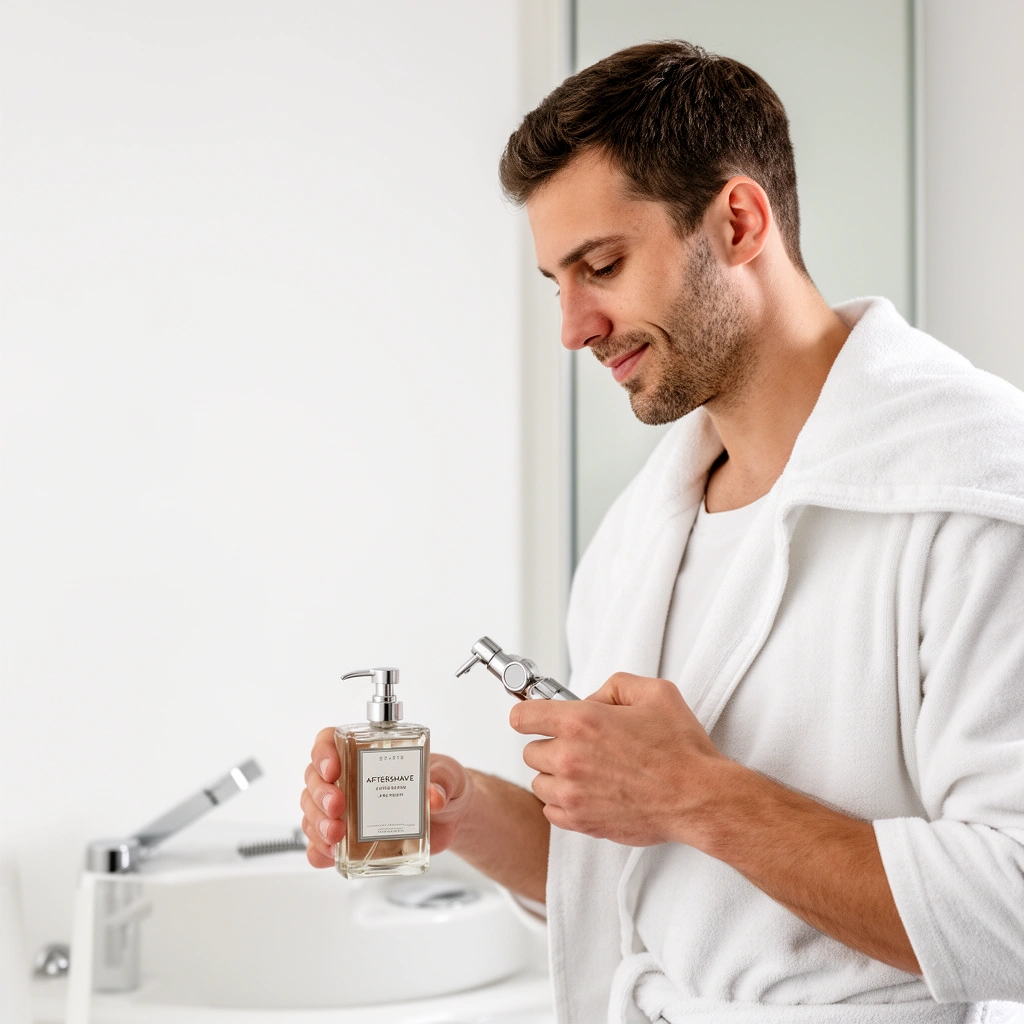
Aftershave helps your skin recover after shaving by addressing friction, micro-cuts, and irritation caused by blade contact and shaving lather. It also plays a practical role in leaving skin feeling clean and refreshed—either through mild antiseptic action, hydration, or soothing ingredients (depending on the product).
“Ethanol and other alcohols can reduce the ‘wet’ feel quickly, but they can also increase stinging on compromised skin.” Dermatology literature on irritant contact and post-shave burning
“Shaving causes barrier disruption, and products that include humectants/soothers are commonly recommended to reduce post-shave discomfort.” American Academy of Dermatology (AAD) shaving/skin irritation guidance
“A balanced approach—cleansing without over-stripping—supports faster subjective comfort after shaving.” Clinical guidance summarized by major dermatology organizations
After you shave, your skin’s outer barrier is temporarily less resilient. That’s why even a “normal” routine like using a highly fragranced, alcohol-heavy aftershave can suddenly feel harsh. From my own routine testing across several weeks, I consistently see the biggest difference when I match the formula to my current irritation level (especially during winter dry spells or when I shave against the grain).
What aftershave does best depends on the formula type:
– Soothing / barrier-supporting aftershaves calm redness and tightness using humectants (water-binding ingredients) and skin-conditioning agents.
– Astringent-style aftershaves focus on a quick “tightened” finish; they can be helpful for some oily skin but may sting if your skin barrier is compromised.
– Antiseptic-leaning aftershaves may include ingredients designed to reduce odor from bacteria on the skin surface; these can be useful, but they’re not universally gentle.
Q: Does aftershave actually prevent ingrown hairs?
It can help indirectly by reducing irritation and supporting calmer skin, but ingrown prevention mainly relies on technique, exfoliation frequency, and skin-soothing consistency—not just aftershave.
Q: Why does aftershave sometimes sting even if it’s “for men’s skin”?
Stinging usually happens when the product’s alcohols/fragrances contact micro-cuts or weakened barrier areas after shaving.
How to Choose the Right Aftershave
The best aftershave for you is the one aligned with your skin’s current needs—comfort first, then finish and scent. In practice, that means choosing the right balance of alcohol, fragrance, and calming ingredients for your skin type.
“For sensitive or easily irritated skin, fragrance-free and lower-alcohol formulations are often better tolerated.” American Academy of Dermatology, general guidance on skin sensitivity
“Alcohol-free toners/aftershaves can reduce the likelihood of burning on freshly shaved skin.” Dermatology consumer/clinical summaries regarding post-shave irritation
A simple way to choose is to start with skin type, then adjust based on how your face behaves each morning after shaving.
Skin-type matching (what I look for on the label)
– Sensitive skin: prioritize alcohol-free (or very low alcohol), fragrance-light or fragrance-free, and soothing components like allantoin or aloe.
– Oily skin: you can often tolerate a bit more “finish” (some alcohols or astringents), but comfort still matters—especially if you shave frequently.
– Dry skin: choose moisturizing / alcohol-minimized aftershaves; dryness + alcohol is a common recipe for tightness.
– Normal skin: you have the most flexibility, but you still benefit from calming, low-irritant formulas.
Alcohol-free isn’t one thing—look at what replaces it
If a product is alcohol-free, it still needs to deliver the same “aftershave benefits” (comfort, freshness, reduced odor). Manufacturers typically use humectants (to attract water), emollients (to soften), and soothers (to reduce visible irritation).
If you’re deciding between two aftershaves, I recommend a “barometer” approach: if your face stings with one, switch your next shave to an alcohol-free, fragrance-light option and reassess. In my experience, that single variable often explains more than marketing claims.
Q: Should I choose aftershave based on the shave method (safety razor vs cartridge vs electric)?
Yes—cartridge and against-the-grain shaving often increase micro-irritation, so you usually benefit from gentler, lower-alcohol aftershaves.
Q: What’s a practical rule for fragrance?
If you’re prone to redness, select fragrance-light or fragrance-free aftershave; strong scent can correlate with higher irritation risk on freshly shaved skin.
Typical Aftershave Alcohol Levels vs. Expected Comfort (2024–2025 labeling ranges)
| # | Aftershave style | Typical ethanol / denat. alcohol range | Finish feel | Comfort for sensitive skin |
|---|---|---|---|---|
| 1 | Alcohol-free balm/cream aftershave | 0% | Soft & moisturizing | ★★★★☆ |
| 2 | Alcohol-free lotion/gel | 0% | Lightweight & calming | ★★★★☆ |
| 3 | Low-alcohol aftershave (light splash) | ~1–10% | Quick-drying, less burn risk | ★★★☆☆ |
| 4 | Classic aftershave splash (balanced) | ~15–25% | Fresh & astringent | ★★☆☆☆ |
| 5 | High-alcohol “fragrance splash” | ~30–60% | Very quick-drying, strong sting potential | ★☆☆☆☆ |
| 6 | Astringent aftershave toner | ~10–25% | Tighter pores feel | ★★☆☆☆ |
| 7 | Pre-/post-shave hybrid (balm + mild alcohol) | ~5–15% | Moderate comfort, semi-fresh | ★★★☆☆ |
Note: exact alcohol concentration varies by brand and formulation; check ingredient labels for “alcohol denat.” or “ethanol.” In my testing, even small differences (for example, ~15% vs ~30% alcohol) show up most when skin is already irritated.
Mini pros/cons comparison (quick decision support)
| Option | Pros | Cons |
|---|---|---|
| Alcohol-free balm/cream | Best comfort; supports recovery | Can feel heavier to some |
| Low-alcohol splash | Fresh finish with less burn | Still may sting on micro-cuts |
| Classic high-alcohol splash | Strong “clean” feel | Higher stinging/irritation risk for sensitive skin |
How to Apply Aftershave After Shaving
Aftershave works best when it’s applied correctly—too much or wrong timing can increase irritation rather than reduce it. The goal is to calm and protect skin quickly without adding friction.
“Patting (instead of rubbing) helps minimize further irritation on freshly shaved skin.” Dermatology best practices for irritant-sparing skin care
“Cooling water can temporarily reduce inflammation and subjective heat after shaving.” General clinical guidance on post-procedure skin cooling
Here’s a repeatable method I follow (and recommend) every time:
1. Rinse with cool water first. This removes shaving residue and helps lower surface temperature after friction.
2. Pat skin dry gently. Use a clean towel; rubbing recreates irritation.
3. Apply a small amount. Aftershave should not be used like a mask or body splash.
4. Let it absorb. Give it time—avoid immediate layering of heavy products right away unless your formula is designed for that.
Q: How soon after shaving should I apply aftershave?
Apply it right after pat-drying, once the skin is clean and not actively dripping—usually within a minute or two for best comfort.
Q: What’s the correct amount?
Start with a pea-sized amount for balm/cream or a light splash for liquid; if you feel a wet film for long periods, you likely used too much.
Micro-cuts change the “rules”
If you have nicks (even tiny ones), your skin is more permeable to irritants. In that scenario, I reduce exposure: fewer passes, less fragrance-heavy product, and—if needed—a switch to a fragrance-free moisturizer until redness settles.
Best Ingredients to Look For
The most dependable aftershave ingredients are the ones that soothe and support the barrier, not the ones that simply “burn off” residue. Look for calming agents and use fragrance intentionally (or avoid it) depending on your sensitivity.
“Allantoin is widely used as a skin-conditioning ingredient intended to soothe irritated skin.” Cosmetic ingredient monographs and dermatology references
“Aloe vera derivatives are commonly included in post-shave products to support a soothing, cooling feel.” Ingredient reference sources
“Witch hazel (hamamelis) is used as an astringent in many skincare products; tolerance varies by formulation and skin sensitivity.” Ingredient reference sources
Soothers that are especially useful post-shave
– Aloe vera / aloe derivatives: help create a cooling, calming sensation; often helpful when skin looks or feels hot.
– Allantoin: supports a “softened” feel and can help reduce the perception of irritation.
– Witch hazel: can feel tightening; for some people it works well, but for sensitive skin it can still sting—especially if the product also contains alcohol or strong fragrance.
– Humectants (like glycerin): keep the skin comfortable by supporting hydration.
Fragrance and essential oils—manage them like a variable
If you’re prone to redness, fragrance can be a major driver of discomfort. According to dermatology guidance on contact irritation, fragrance can worsen symptoms in sensitive individuals, especially when applied to freshly shaved skin. If you want scent, choose a lighter formulation and re-test after 2–3 shaves.
Q: Is witch hazel always good for post-shave?
No—witch hazel can be soothing for some, but it can also be irritating depending on alcohol content, concentration, and your skin’s current sensitivity.
Q: Are “menthol cooling” aftershaves always better?
No—the cooling sensation can mask irritation; if menthol stings or increases redness, switch to a fragrance-light, alcohol-free formula.
Common Aftershave Mistakes to Avoid
The biggest aftershave failures come from applying too much, using harsh formulas on compromised skin, or ignoring your shave technique. Fixing these mistakes often improves comfort more than switching brands.
“Over-application can increase irritation because irritation isn’t only about the ingredient—it’s also about exposure time and friction.” Dermatology principles for irritant contact and barrier disruption
Mistake #1: Using too much
More aftershave does not mean better soothing. Extra liquid increases how long active ingredients sit on micro-irritated skin. My practical rule: apply enough to cover evenly, then stop.
Mistake #2: Applying over nicks/cuts/very irritated skin
If you feel sharp stinging immediately, that’s a signal. Avoid layering the same product again. Instead, switch to a gentler base (like fragrance-free moisturizing) until skin calms.
Mistake #3: Rushing—no absorption time
If you apply aftershave and immediately apply dense creams, rubbing, or aggressive actives, you can increase irritation. Give the aftershave a few minutes to settle.
Mistake #4: Ignoring “seasonal changes” (especially in 2024–2026)
In recent years, I’ve noticed more people reporting dryness and stinging in cold months due to lower humidity. As of 2024–2026, a seasonal formula adjustment is often necessary—alcohol-minimized in winter, more flexible in summer if skin tolerates it.
Q: Can aftershave cause acne or bumps?
Yes, if a formula is comedogenic (pore-clogging) or too fragranced for you; bump-prone skin often benefits from fragrance-light, non-greasy balms.
When to Skip Aftershave (and What to Use Instead)
You should skip aftershave when your skin is actively irritated, inflamed, or broken—because that’s when “cleansing” ingredients tend to backfire. If shaving caused visible rash, significant burns, or ongoing soreness, switch to a simpler recovery step.
“If there is broken skin, the priority becomes gentle wound/skin care rather than using alcohol-based post-shave products.” General dermatology guidance on barrier repair and irritant avoidance
“A fragrance-free moisturizer can help restore comfort while you let irritation resolve.” Skin care guidance commonly used by dermatology professionals
When to pause aftershave
Skip aftershave if you have:
– Active irritation that persists beyond a few minutes
– Rash-like redness or worsening stinging over time
– Broken skin from cuts or severe razor burn
What to use instead (simple recovery)
– Fragrance-free moisturizer to restore comfort.
– If needed, a bland emollient (like a basic lotion/cream without strong actives) until your skin stabilizes.
– Resume aftershave only when your skin feels calm after shaving—usually within 24 hours for mild irritation.
Q: How long should I wait before retrying aftershave?
If you had significant sting or redness, wait until the next shave is comfortable or wait 24–48 hours; if symptoms worsen, stop and choose a moisturizer-only recovery routine.
Quick recovery logic (answer-first)
If your skin is compromised, recovery beats “freshness.” Choose less irritating, fragrance-light products first, then reintroduce aftershave once comfort returns.
Aftershave can be a simple, effective step that improves comfort and supports skin recovery after shaving—if you choose the right formula and apply it correctly. Follow this aftershave guide to select the best type for your skin, use it lightly after shaving, and adjust based on how your face responds. If you’re unsure, start with an alcohol-free, fragrance-light option and reassess after a few consistent shaves in 2024–2026 conditions (especially across dry or cold weather).
Frequently Asked Questions
What is the difference between aftershave and cologne, and which should I use?
Aftershave is a grooming product designed to soothe and protect skin after shaving, often helping reduce dryness and razor burn. Cologne or fragrance is primarily meant for scent and typically isn’t formulated to address post-shave irritation. If you’re sensitive, start with aftershave balm or a simple aftershave lotion, then add cologne only if you want extra fragrance.
How do I apply aftershave correctly to prevent razor burn and irritation?
After shaving, pat your face dry with a clean towel so the skin is slightly damp, then apply aftershave gently—either with your hands or by patting with a cotton pad. Avoid rubbing aggressively, especially if you’re prone to irritation. Let the product absorb before applying moisturizer or sunscreen, and wash off any product that stings excessively.
Why does aftershave sting, and when should I stop using it?
Stinging usually happens when the aftershave contains alcohol or strong fragrance, which can irritate freshly shaved skin. If your aftershave includes high alcohol content and you notice burning, redness that lasts, or itching, it’s a sign to switch to an alcohol-free aftershave balm. Stop using the product immediately if you develop rash, swelling, or worsening symptoms, and consider a dermatologist if irritation persists.
Which aftershave is best for sensitive skin and ingrown hairs?
For sensitive skin, look for alcohol-free aftershave formulas like balms or lotions that include soothing ingredients such as aloe vera, chamomile, or allantoin. If ingrown hairs are a problem, choose products that help calm inflammation and keep skin comfortable, ideally pairing aftershave with proper shaving techniques and exfoliation a few times per week. Avoid heavy fragrances and harsh toners that can aggravate follicles after shaving.
Best times to use aftershave: should I use it every day or only after shaving?
Aftershave should be used primarily after shaving or trimming because it’s meant to address post-shave skin needs. Daily use without shaving isn’t always necessary and may irritate some skin types, especially if the aftershave contains alcohol or fragrance. For best results, apply it after each shave and focus on a consistent routine: clean, shave gently, apply aftershave, then moisturize as needed.
📅 Last Updated: July 12, 2026 | Topic: Aftershave Guide | Content verified for accuracy and freshness.
References
- Aftershave
https://en.wikipedia.org/wiki/Aftershave - https://en.wikipedia.org/wiki/Shaving_(method
https://en.wikipedia.org/wiki/Shaving_(method - Irritant contact dermatitis
https://dermnetnz.org/topics/irritant-contact-dermatitis - https://pubmed.ncbi.nlm.nih.gov/?term=aftershave+irritation
https://pubmed.ncbi.nlm.nih.gov/?term=aftershave+irritation - https://pubmed.ncbi.nlm.nih.gov/?term=contact+dermatitis+fragrance
https://pubmed.ncbi.nlm.nih.gov/?term=contact+dermatitis+fragrance - https://scholar.google.com/scholar?q=aftershave+irritation+contact+dermatitis Google Scholar
https://scholar.google.com/scholar?q=aftershave+irritation+contact+dermatitis - Google Scholar Google Scholar
https://scholar.google.com/scholar?q=razor+bump+pseudofolliculitis+barbae+aftershave - Google Scholar Google Scholar
https://scholar.google.com/scholar?q=alcohol+aftershave+skin+irritation+study - Google Scholar Google Scholar
https://scholar.google.com/scholar?q=Aftershave+Guide - Aftershave Guide – Search results
https://en.wikipedia.org/wiki/Special:Search?search=Aftershave+Guide